
• Home
  • About Us
  • Toolkit
  • Getting Finances Done
    • Hiring Advisors
    • Debt Management
    • Spending Plan
  • Insurance
    • Life Insurance
    • Health Insurance
    • Disability Insurance
    • Homeowners/Renters Insurance
  • Contact Us
  • Privacy Policy
  • Risk Tolerance Quiz

The Free Financial Advisor

You are here: Home / Archives for automotive care

Why Leasing a Car Is Quietly One of the Most Expensive Money Mistakes for Middle-Income Drivers

January 29, 2026 by Brandon Marcus Leave a Comment

Why Leasing a Car Is Quietly One of the Most Expensive Money Mistakes for Middle-Income Drivers

Image source: shutterstock.com

You’ve seen those shiny lease deals at the dealership: low monthly payments, new‑car smell, and no old clunker in your driveway. For middle‑income drivers juggling groceries, childcare, and rent or mortgage payments, leasing a car can feel like a practical way to get reliable wheels without breaking the bank. But the surface appeal of leasing a car hides a financial truth that many people only realize after year two — and often after a stack of monthly payments that never stop.

When you dig into the real costs — fees, restrictions, lack of equity, insurance premiums, and depreciation — the math frequently tells a story very different from what that enticing monthly payment suggested.

You Never Build Equity In The Vehicle

When you lease a car, your monthly payments go toward paying the expected depreciation of the vehicle over the lease term, not toward ownership. All those payments essentially buy you temporary access, like a long rental agreement.

Those accumulated payments can easily exceed what you would have paid for buying a car and keeping it for many years. Owning your car outright gives you an asset with some resale value, which dramatically lowers your cost per mile over the long run compared to continuously leasing.

End‑Of‑Lease Fees And Wear‑And‑Tear Charges Add Up

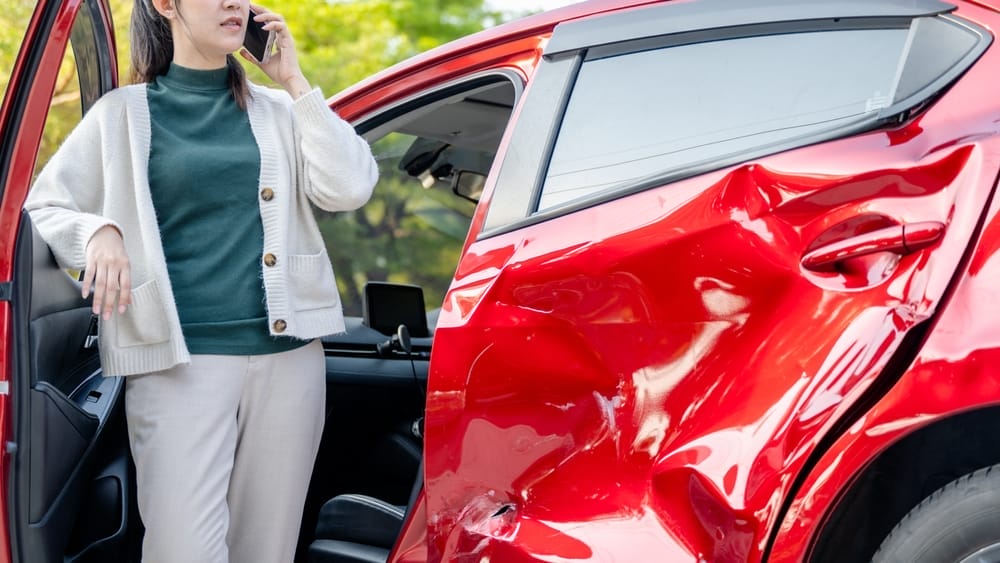
At the end of your lease, you don’t just hand the keys back and walk away; you are subject to a dealer inspection that can rack up fees for any wear and tear beyond “normal.” That includes scratches, dents, worn tires, or even upholstery stains — items you might consider everyday car life.

Leases define “normal” narrowly, and charges for what seems like minor cosmetic damage can run into the hundreds or thousands. And unlike when you own your car, where cosmetic issues don’t trigger fees at sale or trade‑in, leasing locks you into these penalties. Driving with kids, pets, and life’s inevitable scrapes feels normal — but under a lease contract, normal can be expensive.

Why Leasing a Car Is Quietly One of the Most Expensive Money Mistakes for Middle-Income Drivers

Image source: shutterstock.com

Insurance Costs Often Rise For Leased Cars

Leasing a car usually requires higher‑level insurance coverage than you might choose when you own a car outright. Lenders often mandate full comprehensive and collision coverage to protect their financial stake, and they may require gap insurance that pays the difference between what the car is worth and what you still owe if the vehicle is totaled. Those coverage requirements protect the leasing company, not you, and they push your insurance premium higher than it might be for an owned car.

Middle‑income drivers who carefully shop insurance might feel blindsided when leasing a car adds $50, $100, or more per month to their bills. This cost often gets overlooked in flashy lease advertisements touting low payments.

Depreciation Costs Are Hidden, But Real

Even if you buy a car, depreciation — the car’s loss of value over time — is a cost you shoulder. But as an owner, you capture some residual value when you sell or trade the car. With leasing, depreciation is a cost the lessee pays without any chance of recouping it. That’s built into how lease payments are calculated, but many drivers forget this fact when comparing monthly payment amounts.

With most lease terms, paying for the steepest depreciation for years pummels your finances. In contrast, buyers who keep a car beyond loan payoff benefit from depreciation slowing and no monthly payments, which significantly reduces cost per mile.

Opportunity Costs Eat Your Budget Silently

Every dollar tied up in a lease payment is a dollar you can’t invest, save, or use to build an emergency fund. While lower monthly payments may seem easier to manage, those payments come with opportunity costs that add up dramatically over time.

Money tied into ownership, even if you finance it, eventually turns into equity that supports future financial flexibility. Leasing never does that; you pay for use without any return on that spending. Considering opportunity costs might feel academic, but over the long run they represent real lost value in your financial life.

Why Rethinking Your Transportation Strategy Matters

Leasing a car isn’t inherently bad — it fits certain lifestyles, like short‑term needs or drivers who love new tech — but for most middle‑income drivers, it quietly costs more than the glossy monthly payment suggests. Buying a dependable used car, paying cash if possible, or financing a thoughtful purchase and keeping it long term often gives significantly better value.

Take a moment to think about your last car decision: did you really compare the lifetime cost of leasing a car to owning and keeping a vehicle beyond the lease term? What would changing that decision mean for your monthly budget and long-term financial goals?

Have any thoughts on car leases and what they mean to drivers everywhere? Let’s hear about it in the comments below.

You May Also Like…

What Happens When You Lease Instead of Buying A Car

Lease Management Made Easy: Best Software Solutions

This is The Credit Score You Need to Lease a Car

7 Wild Facts About Electric Cars That’ll Shock You

Why Do Families Spend More On Cars Than Homes Over a Lifetime

Brandon Marcus
Brandon Marcus

Brandon Marcus is a writer who has been sharing the written word since a very young age. His interests include sports, history, pop culture, and so much more. When he isn’t writing, he spends his time jogging, drinking coffee, or attempting to read a long book he may never complete.


Filed Under: Car Tagged With: auto ownership, automobiles, automotive care, automotive lease, budgeting, car, car buying tips, car lease, car leasing, cars, leasing a car, money mistakes, Personal Finance

8 Hidden Risks People Overlook When Financing a Car at High APR

December 8, 2025 by Brandon Marcus Leave a Comment

There Are Hidden Risks People Overlook When Financing a Car at High APR

Image Source: Shutterstock.com

Buying a car can feel like a thrilling power move—new wheels, fresh start, big energy. But once that excitement fades and the paperwork settles, many drivers discover a financial plot twist they never saw coming. High-APR financing looks simple on the surface, yet it hides a handful of sneaky dangers that can quietly drain your wallet long after the dealership coffee turns cold.

Most people focus on the monthly payment and ignore the traps tucked into the long-term math. Before signing on the dotted line, let’s break down the risks most drivers don’t even realize they’re stepping into—and why your APR might matter more than your car’s horsepower.

1. Total Cost Skyrockets Faster Than Expected

Financing a car at a high APR might seem manageable at first because the monthly payments look reasonable. What many people forget is that those interest charges compound with ruthless consistency. Over several years, you may pay thousands more than the car is actually worth. By the time the loan ends, some drivers realize they could have bought a nicer vehicle for the same total amount. This creeping cost increase is one of the biggest hidden dangers of high-interest financing.

2. You Become Trapped In Negative Equity

Negative equity happens when you owe more on your car loan than your car is worth. High APRs accelerate this issue because your payments attack the interest before making a dent in the principal. As your car depreciates, the gap between its value and your loan balance grows wider. This trap can become a nightmare if you need to sell or trade the vehicle early. Because of negative equity, many drivers feel stuck in a loan they no longer want or can no longer afford.

3. Refinancing Options Shrink Dramatically

People often assume they can refinance down the road and escape their high APR, but lenders don’t always make that easy. If your loan is already upside-down, many banks simply won’t touch it. Even if refinancing is possible, you may face terms that aren’t much better than what you already have. High APRs can essentially lock you into a long-term struggle with hefty interest payments. The belief that refinancing is a guaranteed safety net is one of the most common—and painful—misconceptions.

4. Repairs Hit Harder Because Savings Disappear

A high-APR loan gnaws away at your financial breathing room, leaving less space in your budget for surprise repairs. Cars don’t wait for perfect timing to break down, and repairs can show up before your paycheck does. When savings are thin because your interest charges eat everything first, even minor issues feel like a crisis. This forces many drivers to turn to credit cards or additional loans, deepening the spiral. Over time, the stress of constant financial juggling becomes just as exhausting as the debt itself.

There Are Hidden Risks People Overlook When Financing a Car at High APR

Image Source: Shutterstock.com

5. Insurance Requirements Stay Expensive Longer

When you finance a car, your lender usually requires full-coverage insurance. With a high APR, your loan term might be longer, meaning you’re stuck paying higher insurance premiums for years. Drivers who expected to downgrade coverage once the loan balance dropped often find themselves paying more than they planned. This hidden long-term cost adds up and makes the total financial burden heavier than expected. The extended commitment to pricey insurance only intensifies the sting of an already expensive loan.

6. Trade-In Flexibility Practically Disappears

High-APR loans limit your freedom to upgrade or switch cars. When your balance grows slower than your vehicle depreciates, you lose the ability to trade in early without bringing cash to the table. Dealerships may roll your negative equity into the next loan, which traps you in an even higher mountain of debt. This domino effect creates a cycle where every new car becomes more financially draining than the last. Before long, what started as a simple purchase becomes an ongoing chain reaction of costly commitments.

7. Financial Stress Slowly Becomes a Daily Companion

Money stress doesn’t announce itself all at once—it creeps in. High-interest car payments can quietly turn into a monthly source of dread as other expenses pile up around them. When too much income goes toward interest, everyday costs feel heavier and unexpected expenses become overwhelming. This strain can spill into relationships, work performance, and overall well-being. The emotional toll might not appear on a loan agreement, but it’s one of the biggest hidden risks of all.

8. Your Credit Score Can Take a Hit Without Warning

People assume that simply making payments keeps their credit safe, but high APR loans can still cause damage indirectly. When a huge chunk of your budget goes toward an expensive car payment, you’re more likely to fall behind on other bills. Even small slip-ups can lead to missed payments or high credit utilization, which hurts your score. A weakened credit profile then makes future loans—car, mortgage, or otherwise—more expensive. Over time, the high APR that started with just one car can ripple across your entire financial life.

Protect Your Wallet Before the Keys Even Touch Your Hand

Financing a car at a high APR may feel convenient in the moment, but the long-term risks are far bigger than most people realize. From rising total costs to shrinking flexibility and mounting stress, the dangers hide in plain sight until they’re too big to ignore. Understanding these risks helps you make smarter decisions—not just for your next car, but for your overall financial health.

Have you ever dealt with a high-interest auto loan or financial surprises at the dealership? Give us your stories, thoughts, or advice in the comments below.

You May Also Like…

The Rental Car Insurance Mistake That Can Cost You a Fortune

The Truth About APR Balance Transfer Cards and Their Hidden Fees

7 Wild Facts About Electric Cars That’ll Shock You

Why Do Families Spend More On Cars Than Homes Over a Lifetime

Why Do Wealthy People Lease Cars Instead of Buying Them Outright


Brandon Marcus
Brandon Marcus

Brandon Marcus is a writer who has been sharing the written word since a very young age. His interests include sports, history, pop culture, and so much more. When he isn’t writing, he spends his time jogging, drinking coffee, or attempting to read a long book he may never complete.

Filed Under: Car Tagged With: APR, automobiles, automotive care, buying a car, car, car insurance, car issues, car repairs, cars, credit score, equity, finances, financial issues, financial stress, financing a car, Money, money issues, overspending, refinancing, Smart Spending, spending, trade-in car

The Rental Car Insurance Mistake That Can Cost You a Fortune

December 3, 2025 by Brandon Marcus Leave a Comment

There Is A Certain Rental Car Insurance Mistake That Can Cost You a Fortune

Image Source: Shutterstock.com

You’re standing at the rental car counter, your suitcase still half-zipped, your energy drained from the flight, and suddenly the agent hits you with the question that makes every traveler break into a mental sweat: “Would you like to add insurance today?” It feels like a pop quiz you didn’t study for, and the stakes are sky-high. Your brain scrambles—Does my credit card cover this? Does my personal auto policy apply? Am I about to gamble thousands of dollars on a three-day weekend trip?

Before you know it, you’re nodding awkwardly, unsure whether you just protected your wallet or threw money into a black hole. But here’s the truth: the biggest rental car insurance mistake isn’t what you think, and making it can genuinely cost you a fortune.

The Hidden Gap Between Your Personal Insurance And Rental Coverage

Many travelers assume their personal auto insurance automatically protects them in a rental car, but that’s only partially true. While liability and collision coverage often transfer, deductibles, exclusions, and limitations can still leave you dangerously exposed. Some policies don’t cover loss-of-use charges, which rental companies apply when the car is being repaired and can’t be rented out. Others don’t cover diminished value, a fee you might face if the car is worth less after an accident, even if it’s fully fixed. Without knowing these details upfront, you might think you’re covered—right up until a bill arrives that makes your stomach drop.

Credit Card Protections Aren’t The Safety Net You Think

Credit cards advertise “free rental car insurance,” but the fine print is where dreams of savings go to die. Many cards offer only secondary coverage, meaning they only step in after your personal insurance has paid out—and your premiums take the hit. Some cards only cover certain vehicle types, rental durations, or countries, creating a maze of exceptions that can easily trap the unprepared traveler. Worse yet, forgetting a single requirement—like declining the rental company’s collision damage waiver—can void the entire benefit. Relying solely on your credit card protection without reading the exact terms is one of the most common and costly rental car mistakes people make.

The Collision Damage Waiver Isn’t Technically Insurance

The rental agent’s script might make the Collision Damage Waiver (CDW) sound like standard insurance, but it’s actually a contractual agreement. Instead of covering you like a traditional insurance policy, the CDW simply waives the rental company’s right to charge you for damage. But this waiver often comes with conditions, such as prohibiting off-road driving, unauthorized drivers, or late-night street parking in certain areas.

If you violate any of the terms—even unintentionally—the waiver becomes useless, leaving you fully responsible for damages. Because of this gap, countless travelers think they’re protected until a technicality proves otherwise.

There Is A Certain Rental Car Insurance Mistake That Can Cost You a Fortune

Image Source: Shutterstock.com

Not Understanding “Loss Of Use” Can Drain Your Wallet

Rental car companies don’t just charge you for damage—they charge you for the money they could have earned while the car is being repaired. This fee, known as loss of use, is one of the biggest surprise expenses after an accident. Personal auto insurance and credit card coverage often exclude it, meaning you’re stuck paying out-of-pocket. Some rental companies even calculate loss of use at inflated daily rates, turning a minor fender-bender into a major financial setback. Without understanding this clause, you might walk away from the counter thinking you’re fully protected when you’re not even close.

Overlooking Supplemental Liability Coverage Can Be Risky

Liability claims can cost far more than damage to the rental car itself, yet many renters completely ignore supplemental liability coverage. Your personal auto policy might cover some liability. However, if you’re renting in a state with low mandatory minimums, you might be relying on dangerously thin protection. One accident could lead to costs that spiral far beyond what your policy covers. Supplemental liability feels optional until you’re in a situation where it suddenly becomes the most important coverage you could have purchased. Understanding how your liability limits apply is essential before driving off the lot.

Assuming The Rental Company Will Be “Reasonable”

Rental companies aren’t known for their generosity when it comes to damage assessments, and that can surprise even experienced travelers. They may charge you for repairs, lost revenue, administrative fees, and towing—sometimes before you even have a chance to respond. Some renters have reported being billed for damage they didn’t cause. Even minor scuffs or pre-existing scratches can turn into major disputes if there’s no proof of condition. Trusting that the company will be fair is a mistake that can cost thousands if you don’t take precautions.

Forgetting To Document The Vehicle Is A Classic Rookie Error

Five minutes taking photos can save you five thousand dollars later—and yet most people skip this step entirely. Documenting dents, scratches, paint issues, or even interior scuffs can prevent false or exaggerated claims. A full walk-around with photos and videos isn’t just smart—it’s essential. If you skip it, you’re leaving your wallet at the mercy of someone else’s memory.

Thinking You Don’t Need Full Coverage On A Vacation

Travelers often take more risks on vacation, whether that means unfamiliar roads, crowded city streets, or unpredictable weather. Add the fact that you’re in a new environment—possibly jet-lagged, distracted, or rushing—and the odds of a mishap increase significantly. Because of this, skipping full coverage while traveling is far riskier than skipping it at home. The financial consequences of an accident abroad or in a high-traffic tourist area can be enormous. What feels like a harmless shortcut at the rental counter can turn into a nightmare the moment something goes wrong.

Protect Your Trip Before You Hit The Road

Understanding what coverage you truly have is the key to stress-free travel. Before your next rental, take a moment to review your personal policy, your credit card benefits, and the rental company’s fine print. Doing so can save you from unexpected bills, exhausting disputes, and headaches you definitely didn’t pack for.

Have you ever had a rental car insurance surprise? Give us your thoughts, stories, or cautionary tales in the comments section for others to learn.

You May Also Like…

6 Reasons Your Car Insurance Company Can Legally Drop You After One Claim

7 Wild Facts About Electric Cars That’ll Shock You

Getting Around Without Going Broke: Smart Transit Options After Car Loss

7 Everyday Car Items Thieves Are Watching for Right Now

The “Act of God” Clause Insurance Companies Are Using to Reject Storm Damage Claims

Brandon Marcus
Brandon Marcus

Brandon Marcus is a writer who has been sharing the written word since a very young age. His interests include sports, history, pop culture, and so much more. When he isn’t writing, he spends his time jogging, drinking coffee, or attempting to read a long book he may never complete.
Filed Under: Car Tagged With: auto insurance, Automobile, automobiles, automotive care, best type of insurance, car, car insurance, cars, collision damage, credit card, credit card protections, credit cards, Insurance, insurance mistakes, liability insurance, mistakes, personal insurance, rental car, rental cars, Rentals, spending mistakes

FOLLOW US

Search this site:

Recent Posts

  • Can My Savings Account Affect My Financial Aid? by Tamila McDonald
  • 12 Ways Gen X’s Views Clash with Millennials… by Tamila McDonald
  • What Advantages and Disadvantages Are There To… by Jacob Sensiba
  • 10 Tactics for Building an Emergency Fund from Scratch by Vanessa Bermudez
  • Call 911: Go To the Emergency Room Immediately If… by Stephen Kanaval
  • 7 Weird Things You Can Sell Online by Tamila McDonald
  • 10 Scary Facts About DriveTime by Tamila McDonald

Copyright © 2026 · News Pro Theme on Genesis Framework