• Home
  • About Us
  • Toolkit
  • Getting Finances Done
    • Hiring Advisors
    • Debt Management
    • Spending Plan
  • Insurance
    • Life Insurance
    • Health Insurance
    • Disability Insurance
    • Homeowners/Renters Insurance
  • Contact Us
  • Risk Tolerance Quiz
  • Our Editorial Commitment

The Free Financial Advisor

You are here: Home / Archives for refinancing

The 7% Rule for Student Loans — When It Makes Sense to Refinance

March 10, 2026 by Brandon Marcus Leave a Comment

The 7% Rule for Student Loans — When It Makes Sense to Refinance
Image Source: Unsplash.com

Seven percent may look like a small number on paper, yet that figure can quietly drain thousands of dollars from a student loan balance. Interest rates above that line often turn repayment into a long and expensive marathon rather than a steady march toward freedom. Financial planners frequently point to a simple guideline known as the 7% rule. The principle stays straightforward: when a student loan carries an interest rate above roughly seven percent, refinancing deserves serious attention. That threshold does not act as a strict commandment, but it does raise a bright financial flag that says something important deserves a closer look.

Student loans shape financial decisions for years, sometimes decades, which makes interest rates incredibly powerful. A slight reduction in interest can accelerate progress, shrink total costs, and free up money for everything from investing to building an emergency fund. Understanding the 7% rule helps borrowers decide whether refinancing offers a genuine opportunity or simply another financial buzzword.

The Moment Interest Starts Working Against You

Interest works like gravity inside the world of student loans. Low interest rates create manageable pressure that allows steady progress, but high rates pull hard on every payment and slow everything down. Loans with rates around three to five percent often allow borrowers to focus on consistent payments without major stress about runaway interest. Once rates climb toward six percent, the financial math begins to shift, although refinancing may not always produce meaningful savings.

Seven percent often marks the point where interest takes a much larger bite out of every payment. A borrower who owes $35,000 at 7.5% will send a huge portion of every monthly payment toward interest during the early years of repayment. That structure stretches out the life of the loan and raises the total cost dramatically.

Refinancing can flip that script. A lower interest rate pushes more of each payment toward the principal balance instead of toward interest charges. That change accelerates the pace of repayment and reduces the total amount paid over time. Anyone sitting above the seven percent line should run the numbers carefully and explore whether a refinance could shrink the long-term cost.

Refinancing: A Fresh Start for Your Loan

Refinancing replaces an existing loan with a brand-new one that carries different terms. A private lender pays off the original loan balance, then issues a new loan with its own interest rate, repayment timeline, and monthly payment. Borrowers often chase refinancing for one simple reason: a lower interest rate. Lenders compete for financially stable borrowers, which creates opportunities for better terms once someone builds a solid credit profile and reliable income.

Refinancing can also simplify repayment by combining several student loans into one single payment. Many graduates juggle multiple loans from different lenders or loan programs. A refinance can roll those balances into one streamlined loan with a clear repayment schedule.

Some borrowers also refinance to remove a cosigner from the loan agreement. Parents or family members frequently cosign student loans during college years, and refinancing can release that responsibility once the borrower establishes financial independence.

Federal Loans Come With Strings You Should Understand

Refinancing sounds appealing on paper, but federal student loans come with important protections that disappear once refinancing converts them into private loans. Federal loan programs include income-driven repayment plans that adjust monthly payments based on earnings. Those programs help borrowers stay afloat during financial hardship or career transitions.

Federal loans also offer deferment and forbearance options during difficult financial periods. Private refinance lenders rarely match those protections. Anyone considering refinancing federal student loans should examine those trade-offs carefully. Borrowers with stable income and strong job security may benefit from lower interest rates, but those federal protections can provide critical breathing room during uncertain times.

Credit Scores Open the Door to Better Deals

The 7% rule works best for borrowers who can qualify for a significantly lower interest rate. Credit scores play a huge role in determining whether lenders offer attractive refinancing terms. Most lenders prefer credit scores above the mid-600s, while the most competitive rates often require scores above 700. Lenders also examine income stability and employment history before approving an application.

A borrower who recently graduated may struggle to secure the best refinance offers. A few years of consistent income and on-time payments can dramatically strengthen a credit profile.

Improving credit before refinancing often produces better results. Paying down credit card balances, avoiding new debt applications, and correcting credit report errors can increase scores over time. Even a small improvement in credit can lead to a noticeably lower interest rate, which translates into real savings over the life of a loan.

Timing Can Turn a Good Idea Into a Great One

Refinancing works best when financial timing lines up with favorable loan terms. Jumping into refinancing immediately after graduation may not produce the strongest results because new graduates often lack a lengthy credit history or stable earnings. Waiting a year or two can change the picture completely. A steady job, improved credit score, and consistent payment history can unlock much better interest rates from lenders.

Interest rate trends also influence refinancing decisions. When market rates drop, lenders often lower their refinancing offers to stay competitive. Borrowers who monitor the market occasionally can catch those opportunities when they appear.

Refinancing does not need to happen only once. Some borrowers refinance multiple times as their financial situation improves or as interest rates shift. Each successful refinance can shave additional percentage points off the loan, which gradually lowers the total repayment cost.

Clear Signs That the 7% Rule Applies

Certain situations make refinancing worth serious investigation. High-interest private student loans sit at the top of that list. Private loans taken out during college often carry steep rates because students rarely have strong credit histories at that stage. Once a graduate establishes stable income and responsible credit habits, refinancing can dramatically lower those rates.

Another warning sign appears when monthly payments barely shrink the loan balance. When interest consumes most of a payment, progress becomes painfully slow. Borrowers should gather key information before exploring refinancing options. Loan balances, interest rates, credit score details, and monthly payment figures will help create a clear comparison between current loans and potential refinance offers. That simple review can reveal whether thousands of dollars in savings sit within reach.

The 7% Rule for Student Loans — When It Makes Sense to Refinance
Image Source: Unsplash.com

Turn Interest Savings Into Financial Momentum

Lower interest rates do more than reduce monthly payments. They can transform a long-term financial outlook. A borrower who cuts interest from 8% to 4.5% could save several thousand dollars over the life of the loan. That money can fuel retirement contributions, build a home down payment, or strengthen an emergency fund.

Refinancing can also shorten the repayment timeline when borrowers keep their original payment amount despite the lower rate. That strategy pushes extra money toward the principal balance and speeds up the journey to debt freedom. Smart financial planning often involves eliminating expensive debt first. High-interest student loans compete with other financial goals, so lowering that interest rate can open the door to faster progress across the entire financial landscape.

When Seven Percent Rings the Alarm Bell

Seven percent should trigger curiosity rather than panic. That number simply signals a moment to investigate options and evaluate whether better loan terms exist. Refinancing does not work for every borrower, particularly when federal loan protections play an important role. However, borrowers with high interest rates, strong credit, and steady income often unlock meaningful savings by exploring refinancing offers.

A quick interest rate check, a glance at a credit score, and a comparison between lenders could reveal opportunities to save thousands over time. Financial awareness often begins with a simple question about whether current loan terms still make sense.

What interest rate sits on those student loans right now, and could refinancing drop that number far enough to change the entire repayment strategy? Share your thoughts, experiences, or strategies in the comments and join the conversation.

You May Also Like…

The Student Loan Servicer Transfer That “Lost” Payments and Triggered Defaults

Student Loans Forgiven Are Now Taxable In 2026 — Set Money Aside for Tax Bills

7 Million Student Loan Borrowers Must Switch Plans as SAVE Program Ends

Will I Ever Be Able to Afford a House With My Current Student Loan Burden?

8 Ways You Should Never Use Student Loan Money For

Brandon Marcus
Brandon Marcus

Brandon Marcus is a writer who has been sharing the written word since a very young age. His interests include sports, history, pop culture, and so much more. When he isn’t writing, he spends his time jogging, drinking coffee, or attempting to read a long book he may never complete.


Filed Under: Lifestyle Tagged With: credit score, debt strategy, loan interest, money management, Personal Finance, Planning, private student loans, refinancing, refinancing tips, student loan interest rates, student loans

5 Moves to Make Before the Federal Reserve Cuts Rates Again in 2026

March 2, 2026 by Brandon Marcus Leave a Comment

These Are 5 Moves to Make Before the Federal Reserve Cuts Rates Again in 2026
Image Source: Pexels.com

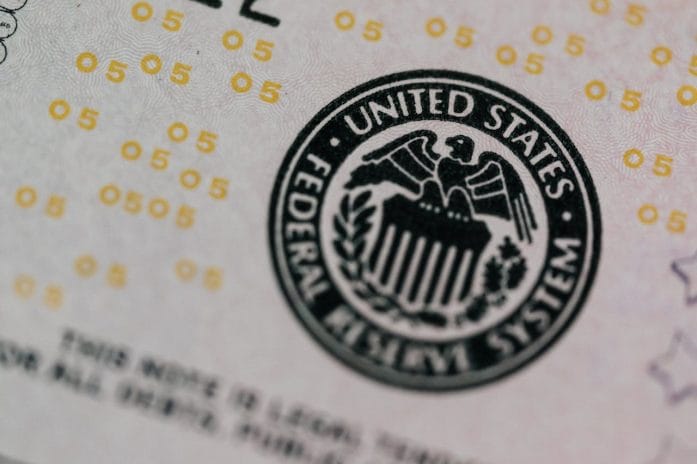
The next rate cut may not arrive quietly. When the Federal Reserve shifts direction, markets react fast, banks adjust even faster, and money starts flowing in new directions. Anyone who waits for the announcement before taking action will likely miss the best opportunities.

The Federal Reserve has already cut rates in past cycles when inflation cooled and growth slowed, and 2026 could bring another turning point if economic data supports it. That possibility alone demands preparation now, not later. Get ready, because the rest of 2026 could bring some serious changes to America’s economy.

1. Lock In High Yields While They Still Exist

High interest rates reward savers, but those rewards shrink quickly once the Federal Reserve lowers its benchmark rate. Banks tend to reduce yields on savings accounts, money market accounts, and certificates of deposit soon after a cut. Anyone holding large cash reserves should evaluate whether locking in today’s higher rates makes sense before that shift happens.

Certificates of deposit offer one straightforward way to preserve a strong yield. A CD with a one- or two-year term can secure a fixed rate that won’t fall if the Federal Reserve eases policy. Online banks often offer more competitive rates than traditional brick-and-mortar institutions, so comparing options pays off. High-yield savings accounts also deserve a close look, but those rates move quickly when policy changes.

Cash still plays an essential role in any financial plan, especially for emergency funds. However, letting large sums sit in low-yield accounts during a rate-cut cycle wastes earning potential. Locking in attractive yields now provides predictability and cushions against declining returns in 2026.

2. Refinance Strategically, Not Emotionally

Lower rates usually spark a refinancing frenzy, particularly in the mortgage market. When the Federal Reserve cuts its federal funds rate, longer-term rates such as mortgage rates do not always move in perfect sync, but they often trend downward when investors expect looser policy and slower growth. Anyone carrying high-interest debt should monitor those trends closely.

Homeowners with adjustable-rate mortgages may benefit significantly from refinancing into a fixed-rate loan if rates fall meaningfully. Those with fixed-rate mortgages locked in at historically low levels during 2020 and 2021 should not rush into a refinance without clear math supporting the move. Closing costs, loan terms, and long-term interest savings all deserve careful analysis.

Credit card balances and personal loans also demand attention. Variable-rate credit cards usually follow the direction of short-term rates. Paying down those balances before or during a rate-cut cycle can reduce overall interest costs and improve financial flexibility. A strategic refinance plan focuses on numbers and long-term benefit, not on headlines or hype.

3. Position Investments for a Shifting Cycle

Rate cuts often signal concern about economic growth. The Federal Reserve lowers rates to support borrowing, spending, and investment when inflation cools or growth slows. Markets tend to anticipate those moves, which means stock and bond prices can shift well before the official announcement.

Bond prices typically rise when rates fall because existing bonds with higher yields become more attractive. Investors who expect rate cuts may consider increasing exposure to high-quality bonds or bond funds before the cycle turns. U.S. Treasury securities often gain appeal during easing cycles, especially when investors seek safety.

Equities can also respond positively to rate cuts, particularly growth-oriented sectors that rely on borrowing and future earnings. However, not every stock benefits equally. Companies with strong balance sheets, consistent cash flow, and durable demand often hold up better if economic growth slows. Diversification remains critical. No single rate decision guarantees a smooth market rally, and volatility often increases around policy shifts.

4. Rethink Big Purchases and Timing

Lower interest rates reduce borrowing costs, which can make large purchases more attractive. Auto loans, home equity loans, and business financing often become more affordable when rates decline. However, timing matters. If a major purchase looms on the horizon, tracking interest rate trends could lead to meaningful savings.

For example, someone planning to buy a home in late 2026 might evaluate whether waiting for clearer signs of easing makes sense. On the other hand, housing prices sometimes rise when lower rates stimulate demand. A cheaper mortgage rate does not always offset a higher purchase price. Careful planning requires attention to both borrowing costs and market conditions.

Business owners should also prepare. Lower rates can create opportunities to expand, invest in equipment, or hire additional staff. Securing financing before demand surges can provide an edge. Anyone considering a large financial commitment should build flexibility into the plan, including room for unexpected economic shifts.

These Are 5 Moves to Make Before the Federal Reserve Cuts Rates Again in 2026
Image Source: Pexels.com

5. Strengthen the Foundation Before the Shift

Rate cuts often reflect broader economic pressures. The Federal Reserve does not lower rates simply to make borrowing cheaper; it responds to inflation trends, employment data, and overall economic momentum. Strengthening personal finances before a potential slowdown creates resilience no matter what 2026 brings.

Building a robust emergency fund stands at the top of that list. Three to six months of essential expenses in accessible accounts can protect against job disruptions or income changes. Reducing high-interest debt improves monthly cash flow and lowers financial stress. Reviewing insurance coverage, retirement contributions, and long-term goals also ensures that no blind spots remain.

Retirement savers should revisit asset allocation. A diversified portfolio aligned with risk tolerance and time horizon provides stability during policy changes. Automatic contributions to retirement accounts maintain discipline even when markets swing. Preparation beats reaction every time.

The Real Opportunity Lies in Preparation

The next move from the Federal Reserve will not exist in isolation. It will reflect inflation trends, employment data, and economic momentum leading into 2026. Those who prepare now can turn that policy shift into an advantage rather than a scramble.

Locking in strong yields, managing debt intelligently, positioning investments thoughtfully, timing major purchases carefully, and reinforcing financial fundamentals all create a powerful head start. Economic cycles never last forever, and each turn opens a new set of possibilities. Taking action before the headlines explode offers control in a moment when many people feel uncertain.

What step feels most urgent right now, and how will that decision shape financial goals heading into 2026? Share thoughts and strategies in the comments and start the conversation.

You May Also Like…

The Federal Reserve Rate Cut That Did Nothing for Credit Card Holders

The Interest Rate Cliff Explained: One Day You’re Fine, the Next Day You’re Broke

Why Smart Drivers Are Refinancing Their Auto Loans Before Rates Shift Again

9 Money Assumptions That No Longer Work in Today’s Economy

Boomers in Denial: What They Refuse to Accept About Today’s Economy

Brandon Marcus
Brandon Marcus

Brandon Marcus is a writer who has been sharing the written word since a very young age. His interests include sports, history, pop culture, and so much more. When he isn’t writing, he spends his time jogging, drinking coffee, or attempting to read a long book he may never complete.
Filed Under: Finance Tagged With: 2026 economy, bonds, federal reserve, Inflation, interest rates, investing strategy, Personal Finance, Planning, rate cuts, refinancing, savings accounts, stock market

8 Hidden Risks People Overlook When Financing a Car at High APR

December 8, 2025 by Brandon Marcus Leave a Comment

There Are Hidden Risks People Overlook When Financing a Car at High APR
Image Source: Shutterstock.com

Buying a car can feel like a thrilling power move—new wheels, fresh start, big energy. But once that excitement fades and the paperwork settles, many drivers discover a financial plot twist they never saw coming. High-APR financing looks simple on the surface, yet it hides a handful of sneaky dangers that can quietly drain your wallet long after the dealership coffee turns cold.

Most people focus on the monthly payment and ignore the traps tucked into the long-term math. Before signing on the dotted line, let’s break down the risks most drivers don’t even realize they’re stepping into—and why your APR might matter more than your car’s horsepower.

1. Total Cost Skyrockets Faster Than Expected

Financing a car at a high APR might seem manageable at first because the monthly payments look reasonable. What many people forget is that those interest charges compound with ruthless consistency. Over several years, you may pay thousands more than the car is actually worth. By the time the loan ends, some drivers realize they could have bought a nicer vehicle for the same total amount. This creeping cost increase is one of the biggest hidden dangers of high-interest financing.

2. You Become Trapped In Negative Equity

Negative equity happens when you owe more on your car loan than your car is worth. High APRs accelerate this issue because your payments attack the interest before making a dent in the principal. As your car depreciates, the gap between its value and your loan balance grows wider. This trap can become a nightmare if you need to sell or trade the vehicle early. Because of negative equity, many drivers feel stuck in a loan they no longer want or can no longer afford.

3. Refinancing Options Shrink Dramatically

People often assume they can refinance down the road and escape their high APR, but lenders don’t always make that easy. If your loan is already upside-down, many banks simply won’t touch it. Even if refinancing is possible, you may face terms that aren’t much better than what you already have. High APRs can essentially lock you into a long-term struggle with hefty interest payments. The belief that refinancing is a guaranteed safety net is one of the most common—and painful—misconceptions.

4. Repairs Hit Harder Because Savings Disappear

A high-APR loan gnaws away at your financial breathing room, leaving less space in your budget for surprise repairs. Cars don’t wait for perfect timing to break down, and repairs can show up before your paycheck does. When savings are thin because your interest charges eat everything first, even minor issues feel like a crisis. This forces many drivers to turn to credit cards or additional loans, deepening the spiral. Over time, the stress of constant financial juggling becomes just as exhausting as the debt itself.

There Are Hidden Risks People Overlook When Financing a Car at High APR
Image Source: Shutterstock.com

5. Insurance Requirements Stay Expensive Longer

When you finance a car, your lender usually requires full-coverage insurance. With a high APR, your loan term might be longer, meaning you’re stuck paying higher insurance premiums for years. Drivers who expected to downgrade coverage once the loan balance dropped often find themselves paying more than they planned. This hidden long-term cost adds up and makes the total financial burden heavier than expected. The extended commitment to pricey insurance only intensifies the sting of an already expensive loan.

6. Trade-In Flexibility Practically Disappears

High-APR loans limit your freedom to upgrade or switch cars. When your balance grows slower than your vehicle depreciates, you lose the ability to trade in early without bringing cash to the table. Dealerships may roll your negative equity into the next loan, which traps you in an even higher mountain of debt. This domino effect creates a cycle where every new car becomes more financially draining than the last. Before long, what started as a simple purchase becomes an ongoing chain reaction of costly commitments.

7. Financial Stress Slowly Becomes a Daily Companion

Money stress doesn’t announce itself all at once—it creeps in. High-interest car payments can quietly turn into a monthly source of dread as other expenses pile up around them. When too much income goes toward interest, everyday costs feel heavier and unexpected expenses become overwhelming. This strain can spill into relationships, work performance, and overall well-being. The emotional toll might not appear on a loan agreement, but it’s one of the biggest hidden risks of all.

8. Your Credit Score Can Take a Hit Without Warning

People assume that simply making payments keeps their credit safe, but high APR loans can still cause damage indirectly. When a huge chunk of your budget goes toward an expensive car payment, you’re more likely to fall behind on other bills. Even small slip-ups can lead to missed payments or high credit utilization, which hurts your score. A weakened credit profile then makes future loans—car, mortgage, or otherwise—more expensive. Over time, the high APR that started with just one car can ripple across your entire financial life.

Protect Your Wallet Before the Keys Even Touch Your Hand

Financing a car at a high APR may feel convenient in the moment, but the long-term risks are far bigger than most people realize. From rising total costs to shrinking flexibility and mounting stress, the dangers hide in plain sight until they’re too big to ignore. Understanding these risks helps you make smarter decisions—not just for your next car, but for your overall financial health.

Have you ever dealt with a high-interest auto loan or financial surprises at the dealership? Give us your stories, thoughts, or advice in the comments below.

You May Also Like…

The Rental Car Insurance Mistake That Can Cost You a Fortune

The Truth About APR Balance Transfer Cards and Their Hidden Fees

7 Wild Facts About Electric Cars That’ll Shock You

Why Do Families Spend More On Cars Than Homes Over a Lifetime

Why Do Wealthy People Lease Cars Instead of Buying Them Outright


Brandon Marcus
Brandon Marcus

Brandon Marcus is a writer who has been sharing the written word since a very young age. His interests include sports, history, pop culture, and so much more. When he isn’t writing, he spends his time jogging, drinking coffee, or attempting to read a long book he may never complete.

Filed Under: Car Tagged With: APR, automobiles, automotive care, buying a car, car, car insurance, car issues, car repairs, cars, credit score, equity, finances, financial issues, financial stress, financing a car, Money, money issues, overspending, refinancing, Smart Spending, spending, trade-in car

Why Some Homeowners Are Losing Thousands Because of “Zillow Shock”

October 21, 2025 by Travis Campbell Leave a Comment

zillow
Image source: shutterstock.com

Many homeowners are waking up to an unpleasant surprise: their homes aren’t worth as much as they thought. “Zillow Shock” describes the moment when a homeowner checks their home’s Zestimate and finds a much lower value than expected. This matters because your home’s value isn’t just a number on a screen—it impacts your wealth, your ability to refinance, and your plans for the future. When the market shifts or online estimates change quickly, real dollars are at stake. Understanding “Zillow Shock” can help you avoid costly mistakes and make smarter decisions about your biggest asset.

Let’s look at why some homeowners are losing thousands from this phenomenon, and what you can do to protect yourself.

1. Overreliance on Zestimates

Many people treat Zillow’s Zestimate as gospel. But Zestimates are only automated estimates, not appraisals. They’re based on available data, which isn’t always current or accurate. When the algorithm misses recent renovations or unique features, your home’s value might be underestimated by tens of thousands of dollars.

Some sellers price their homes below market value, losing out on equity. Others use Zestimates to negotiate with lenders or buyers, only to be caught off guard when a professional appraisal tells a different story. “Zillow Shock” happens when you trust the algorithm more than local knowledge or expert advice.

2. Rapid Market Changes

Housing markets can change fast. In 2020 and 2021, home prices soared in many regions. But by 2023, some markets cooled, and Zestimates adjusted quickly—sometimes overnight. If you planned to sell or refinance based on last month’s numbers, you might be shocked to see your home’s value drop by $20,000 or more.

This volatility leads to real financial pain. Sellers may have to lower their asking prices or accept less favorable loan terms. “Zillow Shock” can also affect your confidence and delay important financial decisions.

3. Hidden Data Errors

Automated valuation models rely on public records and user-submitted data. If your local records are outdated or contain errors, your Zestimate will be off. For example, if the square footage is recorded incorrectly or a recent addition isn’t listed, the algorithm won’t give you credit for those improvements.

These data errors mean your home might be undervalued—sometimes by tens of thousands of dollars. Homeowners experiencing “Zillow Shock” often find that fixing these mistakes requires patience and persistence, and some never notice the errors at all.

4. Impact on Home Equity Loans and Refinancing

Many homeowners use their property’s value to secure home equity loans or refinance their mortgages. Lenders often check online estimates like Zillow’s as part of their review process. If your Zestimate drops suddenly, you could lose access to thousands of dollars in borrowing power.

Imagine planning a remodel based on a certain loan amount, only to find that your home’s value doesn’t support the loan. “Zillow Shock” can disrupt your plans and cost you real money in lost opportunities.

5. Emotional Decisions Based on Estimates

It’s easy to get attached to a number—especially if it’s higher than you expected. But when the estimate drops, homeowners sometimes panic and make rash decisions. Some may rush to sell, thinking the market will get worse. Others might hold off on needed repairs, hoping values will rebound.

These emotional reactions can lead to poor financial outcomes. The key is to use Zestimates as one tool among many, not the final word on your home’s value. “Zillow Shock” often results from forgetting this distinction.

How to Protect Yourself from “Zillow Shock”

If you want to avoid losing thousands because of “Zillow Shock,” start by understanding what your Zestimate really means. It’s a starting point, not a guarantee. Get a professional appraisal or a comparative market analysis from a trusted real estate agent for a more accurate picture.

Regularly check your public records for errors and update them when needed. If you’ve made improvements or renovations, make sure they’re reflected in the official data. Don’t base major decisions solely on online estimates—talk to local experts who know your market.

Finally, keep in mind that all automated tools have limitations. Zillow’s algorithm is improving, but it still can’t capture the full story of every home. If you’re considering a big move—like selling, refinancing, or taking out a loan—get multiple opinions.

Have you experienced “Zillow Shock” or found your home’s value to be wildly different from what you expected? Share your story or questions in the comments below!

What to Read Next…

  • How Homeowners Associations Are Targeting Retirees With Fines
  • The Subtle Home Smells That Real Estate Agents Say Ruin Sales
  • 10 Items That Could Void Your Homeowners Insurance Instantly
  • Can You Really Lose Your House Over One Missed HOA Payment
  • 7 Homeowner Insurance Exclusions That Void Entire Policies
Travis Campbell
Travis Campbell

Travis Campbell is a digital marketer/developer with over 10 years of experience and a writer for over 6 years. He holds a degree in E-commerce and likes to share life advice he’s learned over the years. Travis loves spending time on the golf course or at the gym when he’s not working.

Filed Under: Personal Finance Tagged With: home equity, home value, homeowners, Real estate, refinancing, Zestimates, Zillow Shock

7 Mortgage Offers That Disappear Once You Turn 60

August 25, 2025 by Travis Campbell Leave a Comment

retirement
Image source: pexels.com

For many people, turning 60 is a milestone that comes with new opportunities and a few roadblocks. When it comes to mortgages, age can play a bigger role than you might think. Some mortgage offers are only available to younger borrowers, and certain benefits or programs can vanish once you hit your 60s. If you’re planning to buy a home, refinance, or tap into your home’s equity, it’s important to know how age limits can shape your options. Understanding these changes can help you avoid missing out on valuable deals and make smarter decisions for your financial future. Let’s break down seven mortgage offers that often disappear once you turn 60—and why you should pay attention.

1. First-Time Homebuyer Programs with Age Caps

Many first-time homebuyer programs are designed to help younger buyers get into their first home. These programs may offer lower down payments, reduced interest rates, or even grants toward closing costs. However, some of these programs have age restrictions or are tailored for buyers under a certain age, often 60. If you wait until after your 60th birthday to buy your first home, you might not qualify for these perks. The goal is to help younger people build equity early, but it can leave older first-time buyers at a disadvantage.

2. Low-Rate 30-Year Fixed Mortgages for Seniors

The 30-year fixed-rate mortgage is a classic choice, but not all lenders are eager to offer it to borrowers over 60. Some lenders may approve you, but others could steer you toward shorter terms, especially if your retirement income doesn’t meet their requirements. This means you might miss out on the lower monthly payments that come with the longer term. The primary keyword, mortgage offers, often changes as you age. Lenders want to make sure you’ll be able to pay off the loan, and age can factor into their decision—even if it’s not supposed to be the only consideration.

3. Mortgage Insurance Discounts for Younger Borrowers

Mortgage insurance can add a hefty sum to your monthly payment if you put less than 20% down. Some insurers offer discounts based on age, rewarding younger, lower-risk buyers. Once you turn 60, these discounts may no longer be available. The reasoning is that younger borrowers have more earning years ahead to recover from financial setbacks. If you’re counting on reduced mortgage insurance premiums, check the fine print and don’t assume the same rates apply after 60.

4. FHA and VA Loan Perks for Younger Applicants

FHA and VA loans are popular for their flexible requirements, but some of their best features can be harder to access after 60. For example, the FHA’s streamlined refinance program is easier to qualify for if you’re still working. Lenders may scrutinize your retirement income more closely, which can make approval tougher. VA loans don’t technically have an age limit, but some lenders may offer better rates or fewer hurdles to younger veterans. If you want to take full advantage of these mortgage offers, acting before you turn 60 could make the process smoother.

5. Down Payment Assistance Programs with Age Limits

Many local and state governments offer down payment assistance to help buyers get into a home with less cash up front. Some of these programs are specifically for younger buyers, and the benefits might not be available after age 60. Age restrictions are usually set to prioritize those expected to be in the workforce longer. If you’re in your late 50s and thinking about buying, research these programs before your next birthday. Missing out could mean coming up with a much bigger down payment from your own savings.

6. Lender Credits and Promotional Mortgage Offers

Banks and credit unions often run special promotions for new mortgage customers, like lender credits toward closing costs or discounted rates. These mortgage offers may be targeted at younger buyers or have hidden age-related criteria. If you’re over 60, you might find that some of these deals are suddenly “not available in your situation.” Always ask about eligibility before you apply, and don’t assume all offers are open to every age group.

7. Income-Based Loan Options for the Pre-Retirement Set

Many mortgage products are based on your current income. For those under 60, steady employment income can help qualify for larger loans at better rates. After 60, lenders may want to see proof of retirement income, which can be lower and less predictable. This shift can make it harder to qualify for certain mortgage offers, especially if you plan to retire soon. To maximize your options, consider applying before your income changes from employment to retirement benefits.

Planning Ahead for the Best Mortgage Offers

Turning 60 doesn’t mean you can’t get a mortgage, but it can limit your choices. Mortgage offers often come with age-related fine print, and some deals are simply off the table after this milestone. If you’re approaching 60 and considering a big move or refinance, it pays to act quickly. Compare lenders, read the program rules, and don’t be afraid to ask questions.

What challenges have you faced in getting a mortgage after 60? Share your experiences in the comments below!

Read More

6 Mortgage Clauses That Get Enforced When You Least Expect It

How a Reverse Mortgage Can Derail a Family’s Entire Financial Plan

Travis Campbell
Travis Campbell

Travis Campbell is a digital marketer/developer with over 10 years of experience and a writer for over 6 years. He holds a degree in E-commerce and likes to share life advice he’s learned over the years. Travis loves spending time on the golf course or at the gym when he’s not working.

Filed Under: Retirement Tagged With: first-time buyers, Home Loans, mortgage offers, refinancing, Retirement, senior finance

Is It Ever Okay to Refinance Your Home to Pay Off Dbet

May 12, 2025 by Travis Campbell Leave a Comment

house made of money
Image Source: unsplash.com

You’re not alone if you’re feeling the weight of high-interest debt. Many Americans struggle with credit card balances, personal loans, and other obligations that seem to grow faster than they can pay them down. In this situation, the idea of refinancing your home to pay off debt can sound like a lifeline. After all, mortgage rates are often much lower than those on credit cards or personal loans. But is it ever truly okay to refinance your home to pay off debt? This is a big decision with long-term consequences, and it’s important to understand the pros, cons, and alternatives before making a move. Let’s break down what you need to know so you can make the best choice for your financial future.

1. Understanding What It Means to Refinance Your Home to Pay Off Debt

Refinancing your home to pay off debt means replacing your current mortgage with a new, larger one and using the extra cash to pay off other debts. This is often called a “cash-out refinance.” The main appeal is that mortgage interest rates are typically much lower than those on credit cards or personal loans. For example, as of early 2025, the average credit card interest rate is over 20%, while mortgage rates hover around 6-7%. Rolling your high-interest debt into your mortgage could lower your monthly payments and save on interest. However, you’re also turning unsecured debt into secured debt, which means your home is now on the line if you can’t make payments.

2. The Potential Benefits of Refinancing to Pay Off Debt

There are some real advantages to using a cash-out refinance for debt consolidation. First, you could significantly lower your interest rate, which means more of your payment goes toward the principal rather than interest. This can make your monthly payments more manageable and free up cash for other needs. Second, consolidating multiple debts into one payment can simplify your finances and reduce stress. Finally, mortgage interest may be tax-deductible, while credit card interest is not. These benefits can make refinancing an attractive option for some homeowners, especially if they have significant equity in their home.

3. The Risks and Downsides You Need to Consider

While the benefits are tempting, there are serious risks to refinancing your home to pay off debt. The biggest is that you’re putting your home at risk. You could face foreclosure if you can’t keep up with the new mortgage payments. Additionally, extending your mortgage term or increasing your loan balance means you could pay more in interest over the life of the loan, even if the rate is lower. There are also closing costs and fees, which can add thousands to your total cost. Finally, if you don’t address the underlying habits that led to debt in the first place, you could end up back in debt—only now, your home is on the line.

4. When Refinancing Might Make Sense

So, is it ever okay to refinance your home to pay off debt? In some cases, yes. Refinancing can be a smart move if you have a stable income, significant home equity, and a solid plan to avoid racking up new debt. It’s especially helpful if your high-interest debt is overwhelming your budget and you struggle to make minimum payments. If you can secure a much lower interest rate and keep your mortgage term reasonable, you could save thousands in interest and get your finances back on track. Just be sure to run the numbers carefully and consider speaking with a financial advisor before deciding.

5. When You Should Avoid Refinancing to Pay Off Debt

Refinancing isn’t for everyone. If your job situation is unstable, you have little equity in your home, or you’re already struggling to make mortgage payments, this strategy could backfire. It’s also a bad idea if you’re likely to fall back into old spending habits. Refinancing doesn’t solve the root cause of debt—it just moves it around. If you’re not confident you can avoid new debt, or if the closing costs outweigh the potential savings, exploring other options like credit counseling, debt management plans, or negotiating with creditors is better.

6. Alternatives to Refinancing Your Home

Before you commit to refinancing, consider other ways to tackle your debt. Balance transfer credit cards, personal loans, or debt management programs can help you consolidate and pay off debt without putting your home at risk. You might also look into budgeting tools, side hustles, or negotiating lower interest rates with your creditors. Sometimes, a combination of strategies works best. The key is to find a solution that addresses both your current debt and the habits that led to it.

7. Questions to Ask Before You Refinance

If you’re seriously considering refinancing your home to pay off debt, ask yourself a few key questions: Do I have enough equity in my home? Can I afford the new monthly payment? What are the total costs, including fees and interest over time? Am I committed to changing my financial habits? Will this move help me achieve my long-term goals, or just provide temporary relief? Being honest with yourself about these questions can help you avoid costly mistakes.

Weighing the Real Cost of Debt Relief

Refinancing your home to pay off debt can be a powerful tool, but it’s not a magic fix. It’s crucial to weigh the short-term relief against the long-term risks, especially when your home is at stake. For some, it’s a smart way to get ahead; for others, it could lead to even bigger financial problems down the road. The best approach is to look at your entire financial picture, consider all your options, and make a decision that supports your long-term stability and peace of mind.

Have you ever considered refinancing your home to pay off debt? What factors influenced your decision? Share your thoughts and experiences in the comments below!

Read More

How to Manage Lawyer and Court Fees Finances First

Refinancing at Lower Rates: Pros and Cons

Travis Campbell
Travis Campbell

Travis Campbell is a digital marketer/developer with over 10 years of experience and a writer for over 6 years. He holds a degree in E-commerce and likes to share life advice he’s learned over the years. Travis loves spending time on the golf course or at the gym when he’s not working.

Filed Under: Debt Management Tagged With: debt consolidation, Debt Management, home equity, mortgage, Personal Finance, Planning, refinancing

Refinancing at Lower Rates: Pros and Cons

November 23, 2020 by Tamila McDonald Leave a Comment

refinancing at lower rates

Deciding whether to refinance your mortgage or vehicle at a lower rate isn’t always easy. While there are coms clear benefits, you’ll also face a few drawbacks. In some cases, those negatives aren’t immediately noticeable if you don’t do your research first. However, you may feel that the positives outweigh them. If you’re thinking about refinancing at lower rates, here are the pros and cons you need to consider.

Pro: You Might Save Money

One of the biggest benefits of securing a lower rate on your mortgage or auto loan is the potential savings. First, you usually end up with a smaller payment, and that can be a boon for your monthly budget.

Second, you could pay less in interest, leading to a long-term savings, too. However, this isn’t technically guaranteed. Your interest rate is only one factor in this equation; the other big one is the length of your new loan.

If your existing mortgage only had, for example, 15 years left, and you refinance into a 30-year loan, you could actually end up paying more in interest over the life of the loan, even with the lower rate. However, if you had 27 years left on your initial loan and refinance it with a lower rate 30-year mortgage, you may not spend more in interest, depending on the exact terms.

Con: You Might Reset the Clock

When you refinance your loan, you generally select from a few term lengths. For mortgages, 15, 20, and 30 years are most common. For vehicles, 36, 48, and 60 months are the norm. That means there may not be an exact match to the number of months or years you have left on your existing loan.

While this isn’t always a problem, if you only plan on making minimum payments, you could be defaulting to a longer term than your existing loan has left. As a result, you’ll have to deal with the monthly payment longer, and that does impact your budget and, potentially, other aspects of your finances, like savings goals.

Pro: Pay Your Debt Off in Less Time

As mentioned above, when you refinance, you typically have to choose from a handful of set term lengths. However, there is no rule that says you have to choose a longer one than what’s left on your current loan.

With a lower rate, you may be able to select a shorter term and keep your monthly payments affordable. For example, if you have 20 years left on your 30-year mortgage but choose to refinance with a lower rate 15-year loan, you could come out ahead financially in the long-run. Not only will you be able to tackle the debt faster, but you’ll also pay less in interest.

Con: Refinancing Fees and Expenses

When you refinance a loan, particularly a mortgage, you’ll have to contend with some fees. For example, you may need to pay mortgage refinance closing costs, origination or underwriting fees, escrow fees, appraisal fees, or similar costs associated with securing the mortgage.

Exactly what you owe will depend on the lender you refinance with, as each lender has their own fee structures. Some lenders do offer no-closing-cost refinance options, for example. Or, if you aren’t doing a cash-out refinance, you may not need an appraisal.

However, if you do have to contend with fees, they could offset any savings you receive from securing the lower rate. It’s critical to do the math to estimate their impact. That way, you can figure out if refinancing at lower rates is actually a smart financial move.

Pro: You Might Reduce Your Debt-to-Income Ratio

Your debt-to-income ratio is a comparison between your monthly debt obligations and your monthly income. Usually, lenders use it to determine your ability to repay a loan, credit card, or another form of debt.

When your debt-to-income ratio is lower, you may be viewed as a safer risk. If your debt-to-income ratio is too high, a lender may not view you as a good bet, causing them to deny you financing.

If you refinance your mortgage with a lower rate, you may be able to shrink your debt-to-income ratio. This could make it easier for you to secure credit while you are still paying down your mortgage, should the need arise.

Con: You’ll Impact Your Credit Score

When you refinance your loan, you’re going to end up with a hard pull on your credit score. Additionally, if you move forward with the refinance, the new loan will reduce the average age of your accounts.

While these aren’t universally guaranteed to hurt your credit score, they certainly can. The impact will depend on the number of credit inquiries you have listed on your report within the past two to three years, as well as the age of your other credit accounts and other factors.

However, it’s almost guaranteed to make some kind of impact, and it’s critical to keep that in mind. This is especially true if you may need a different type of financing in the near future, as a decline in your credit score, if one happens, could make that harder to obtain.

Pro: You May be Able to Tap Your Equity

If you are refinancing a mortgage and have some equity, you might be able to access it when you refinance. Cash-out refinancing allows you to access some of your home’s value, giving you money you can use for any purpose. For example, you might take the cash and fund some home improvements or use it to pay off high-interest debt.

Generally, the interest rates on mortgages are lower than most other forms of consumer debt, particularly unsecured personal loans and credit cards. That can make a cash-out refinance an attractive option for handling expensive home repairs or getting out from under credit card debt.

Now, this isn’t a risk-free move. Your home secures the mortgage and, if you take out enough money to put a strain on your budget, you could lose your house if you can’t make the payments. However, that doesn’t mean cashing out can’t be beneficial. It will all depend on what you intend to do with the money and the current state of your finances.

Cons: Refinancing At Lower Rates Isn’t Fast

If you’re in financial trouble right now, refinancing may not solve your immediate woes. Whether you’re looking at refinancing your mortgage or vehicle, the process can take a little bit of time, especially with the former.

When you refinance a mortgage, you’re essentially going through the same process you did when you first financed a house. It can take weeks or months to finish, depending on the lender, the refinance type you choose, and your financial situation. Plus, you have to keep paying on your current mortgage (and other bills) until the process is complete, as a missed payment while the refinance is in-process could bring the whole thing to a halt.

Even vehicle refinancing isn’t always immediate. While it can certainly be quicker than refinancing a mortgage, there’s no guarantee it’ll be done in just a day or two. This is especially true when it comes to closing out the old loan.

Regardless of whether you successfully complete the refinance process and are formally approved, if you have a payment due on your existing loan within a few days, the pay-off through your new lender might not process before that due date arrives. If that’s the case, you’ll have to make the payment or take a hit on your credit.

Ultimately, refinancing at lower rates can be beneficial, but it isn’t a risk-free proposition. Make sure you understand the risks and drawbacks before you begin. Also, do the math to make sure that the lower rate genuinely results in a meaningful savings. That way, you can make the financial move that’s right for you.

Can you think of any other refinancing at lower rates pros and cons? Share your thoughts in the comments below.

Read More:

  • What Is the Grace Period for Mortgage Payments?
  • 5 Biggest Refinance Concerns
  • What Happens When You Fall Behind on Your Mortgage?
Tamila McDonald
Tamila McDonald

Tamila McDonald is a U.S. Army veteran with 20 years of service, including five years as a military financial advisor. After retiring from the Army, she spent eight years as an AFCPE-certified personal financial advisor for wounded warriors and their families. Now she writes about personal finance and benefits programs for numerous financial websites.

Filed Under: Personal Finance Tagged With: lower interest rates, refinancing

FOLLOW US

Search this site:

Recent Posts

  • Can My Savings Account Affect My Financial Aid? by Tamila McDonald
  • 12 Ways Gen X’s Views Clash with Millennials… by Tamila McDonald
  • What Advantages and Disadvantages Are There To… by Jacob Sensiba
  • 10 Tactics for Building an Emergency Fund from Scratch by Vanessa Bermudez
  • Call 911: Go To the Emergency Room Immediately If… by Stephen Kanaval
  • 7 Weird Things You Can Sell Online by Tamila McDonald
  • 10 Scary Facts About DriveTime by Tamila McDonald

Copyright © 2026 · News Pro Theme on Genesis Framework