• Home
  • About Us
  • Toolkit
  • Getting Finances Done
    • Hiring Advisors
    • Debt Management
    • Spending Plan
  • Insurance
    • Life Insurance
    • Health Insurance
    • Disability Insurance
    • Homeowners/Renters Insurance
  • Contact Us
  • Privacy Policy
  • Risk Tolerance Quiz

The Free Financial Advisor

You are here: Home / Archives for financial dangers

Are Payday Loans Still A Big Problem?

December 8, 2025 by Brandon Marcus Leave a Comment

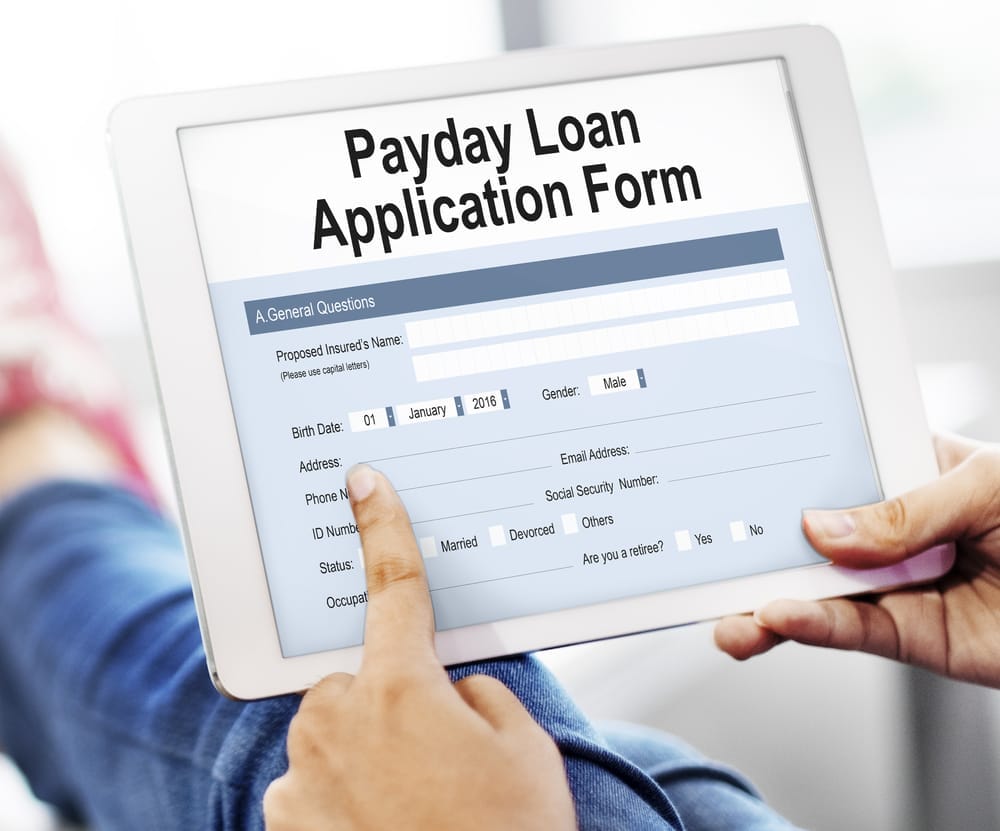
Payday Loans Are Still A Big Problem

Image Source: Shutterstock.com

The second you hear the phrase payday loan, your brain probably lights up with memories of neon signs, desperate decisions, and financial advice articles screaming “DON’T DO IT.”

Payday loans have a reputation that could make even the boldest risk-taker flinch, yet millions of people continue turning to them every year. It’s the kind of financial trap that feels outdated—like floppy disks or dial-up internet—but somehow refuses to disappear. And despite reforms, regulations, and endless warnings, these short-term, high-interest loans are still woven into the financial survival strategies of many Americans.

The real question isn’t whether payday loans exist—it’s why they’re still thriving in a world full of budgeting apps, credit-builder programs, and financial education resources.

Why Payday Loans Became So Popular

People don’t wake up and decide a payday loan sounds fun. These loans exploded because they offered something traditional banks didn’t: instant cash with zero judgment. For someone facing an emergency, a shut-off notice, or a sudden bill, payday lenders felt like the only ones willing to help. The convenience, speed, and no-questions-asked nature of these loans made them tempting, even when the risks were obvious. Over time, their popularity grew not because they were good, but because many people felt they had no better option.

How The Debt Cycle Traps Borrowers

The biggest issue with payday loans isn’t that they’re expensive—it’s how quickly they snowball. Borrowers often can’t repay the full amount on their next paycheck, which forces them to roll the loan over with even more fees. This cycle can turn a small loan into a financial black hole that keeps growing with each extension. Many borrowers end up paying far more in fees than the original loan amount. The tragic part is that the system is designed this way, making repeat customers the backbone of the industry.

The Role Of Regulation In Slowing The Industry Down

Regulation has stepped in many times, hoping to rein in predatory lending without completely eliminating emergency financial options. Some states have capped interest rates, while others have imposed stricter repayment rules or outlawed payday lending altogether. These measures helped reduce the most extreme abuses, but they didn’t eliminate the problem. Lenders often find loopholes or rebrand themselves under new categories like installment loans or cash advances. Even with tougher rules, the core issue—people lacking affordable short-term credit—continues to fuel demand.

Why Payday Loans Haven’t Disappeared

Despite years of warnings, payday loans are still around for one simple reason: financial desperation hasn’t gone anywhere. Many households live paycheck to paycheck, and when an emergency hits, options are limited. Traditional banks don’t offer tiny short-term loans because they aren’t profitable. Credit cards require approvals many consumers can’t get. So payday loans fill a gap—an extremely costly gap, but a gap nonetheless—and until that need is addressed, they’re unlikely to fade away.

Payday Loans Are Still A Big Problem

Image Source: Shutterstock.com

The Digital Transformation That Complicates Everything

Just when regulators thought they had payday loans somewhat contained, the industry went digital. Online payday lenders exploded, offering nationwide access, instant approvals, and ways to bypass state regulations. With the entire process happening behind a screen, transparency became murkier and oversight became harder. Digital borrowers can take out multiple loans without realizing how deep they’ve gone. The shift online made payday lending faster, easier, and in some cases even more dangerous.

The Human Impact Behind The Statistics

Every payday loan customer has a story filled with stress, fear, or desperation. For many, it starts with something small that spirals—like a car repair, a medical bill, or an unexpectedly short paycheck. The shame surrounding payday loans often keeps borrowers silent, creating a private struggle that feels isolating and unfixable. These loans don’t just drain bank accounts; they drain confidence, security, and peace of mind. When you zoom out from the dollar signs, what emerges is a deeply human problem tied to systemic financial inequalities.

Are Alternatives Actually Helping?

In recent years, alternatives have begun popping up—credit unions offering micro-loans, employers providing wage advances, and apps that help users avoid overdraft charges. Some banks have finally started introducing small-dollar loan programs with reasonable terms. These options are promising but not yet widespread, and many consumers still don’t know they exist. Financial literacy programs also help, but education alone can’t fix income instability. Until alternatives become accessible, familiar, and widely trusted, payday loans will continue filling the void.

The Future Of Payday Lending

The future of payday loans depends heavily on policy, technology, and the economy. If incomes rise, emergency savings become normal, and alternative lending grows, payday loans could lose their foothold. But if wages stay stagnant and financial emergencies remain common, people will keep seeking fast cash, no matter the cost. New fintech companies may offer safer solutions, but they must compete with the convenience and simplicity payday lenders mastered long ago. The next decade will reveal whether payday loans shrink into irrelevance—or simply evolve into something harder to regulate.

Why The Problem Still Matters Today

Many people assume payday loans are a relic of the early 2000s, something we’ve collectively moved past. But millions of Americans still rely on them, which means the problem is far from solved. Payday lenders thrive where financial vulnerability thrives, and that vulnerability remains widespread. Understanding how these loans work, why they persist, and who they hurt is crucial for building better solutions. The payday loan problem isn’t about borrowing—it’s about the conditions that make such borrowing necessary.

 Share Your Thoughts Below

Payday loans may not dominate headlines like they used to, but they continue to shape the financial lives of those living on the edge. They’re a symptom of deeper problems—income instability, a lack of short-term credit options, and the ongoing struggle many people face in managing unexpected expenses. Reform has helped, but it hasn’t erased the core issue.

What’s your experience with payday loans? Share your thoughts, personal stories, or questions in the comments below.

You May Also Like…

5 Hidden Costs of Relying on Payday Loans

Why Do People Ignore the Risks of Cosigning Loans

These 3 Loans Are Worse Than Pay Day Loans

6 Hidden Dangers of Taking Out Student Loans Too Young

Why Do Families Rely on Payday Loans in Emergencies


Brandon Marcus
Brandon Marcus

Brandon Marcus is a writer who has been sharing the written word since a very young age. His interests include sports, history, pop culture, and so much more. When he isn’t writing, he spends his time jogging, drinking coffee, or attempting to read a long book he may never complete.

Filed Under: Lifestyle Tagged With: dangerous loans, financial dangers, financial matters, lending money, Life, Lifestyle, Loan, loaning money, loans, Money, money issues, payday loans

10 Financial Dangers That Hide in Everyday Habits

September 28, 2025 by Travis Campbell Leave a Comment

financial

Image source: pexels.com

Financial dangers often hide in plain sight, woven into our daily routines. While you might think you have your money under control, small habits can quietly erode your savings, pile on debt, or keep you from reaching your financial goals. Recognizing these risks is the first step toward building better money habits. Ignoring them can mean missed opportunities or unexpected setbacks. Let’s shine a light on the hidden financial dangers lurking in everyday life, so you can take control and protect your financial well-being.

1. Ignoring Small Purchases

It’s easy to overlook the impact of that daily coffee or weekly takeout. These small, frequent expenses add up faster than most realize. Over time, they can quietly drain your budget and slow your progress toward important goals. Tracking every purchase, no matter how minor, helps you spot patterns and curb unnecessary spending. This is one of the most common financial dangers because it may seem harmless, but its cumulative effect is significant.

2. Automatic Subscription Traps

Automatic renewals for streaming services, apps, or memberships can sneak up on you. You might forget about a subscription you no longer use, but your bank account remembers. Review your statements regularly and cancel anything you don’t need. Even a handful of $10 monthly charges adds up to hundreds each year, quietly sabotaging your budget.

3. Using Credit for Everyday Expenses

Relying on credit cards for groceries, gas, or bills is risky if you don’t pay off the balance each month. Interest charges can turn a $50 purchase into a much bigger debt over time. This habit can mask overspending and lead to financial dangers like mounting credit card debt. Instead, use cash or debit when possible, and reserve credit for emergencies or planned, affordable purchases.

4. Failing to Budget for Irregular Expenses

It’s easy to plan for monthly bills, but what about annual insurance premiums, vehicle repairs, or holiday gifts? Failing to budget for these irregular expenses can leave you scrambling or resorting to high-interest credit. Set aside a small amount each month in a separate savings account. This way, you’re prepared when the bills arrive and avoid financial surprises.

5. Overlooking Fees and Penalties

Bank fees, late payment charges, and ATM surcharges are easy to miss but can quietly chip away at your savings. Over time, these small amounts add up. Review account terms and set reminders for due dates. Consider switching to a no-fee account or consolidating services to reduce the risk of unnecessary charges.

6. Not Shopping Around for Everyday Purchases

Convenience often wins, but paying full price for groceries, utilities, or insurance can cost you. Comparison shopping and using coupons or cashback apps can make a real difference. Even small savings on regular purchases add up over months and years. Don’t let the ease of sticking with one provider or store turn into an ongoing expense.

7. Putting Off Saving for Retirement

Many people delay retirement savings, thinking they’ll start “someday.” But the earlier you start, the more your money grows thanks to compound interest. Waiting even a few years can mean missing out on thousands of dollars later. Make retirement savings a non-negotiable part of your budget, even if you start small. This is one of the most serious financial dangers because it affects your long-term security.

8. Emotional Spending

Retail therapy or impulse buying when you’re bored, stressed, or celebrating can bust your budget. These purchases often bring only temporary happiness, followed by regret. Try waiting 24 hours before making unplanned buys. Find healthier ways to cope with emotions, like taking a walk or connecting with a friend. Emotional spending is a sneaky way financial dangers can slip into your life without you noticing.

9. Neglecting to Review Bills and Statements

Many people set up autopay and forget about their bills. But errors, rate increases, or fraudulent charges can go unnoticed for months. Make it a habit to review your bills and bank statements regularly. Catching mistakes early keeps your finances on track and prevents long-term losses.

10. Underestimating the Impact of Lifestyle Inflation

As your income grows, it’s tempting to upgrade your lifestyle—new gadgets, bigger homes, fancier vacations. But if your spending rises with your earnings, you may never get ahead. This is called lifestyle inflation, and it’s one of the most overlooked financial dangers. Aim to save or invest a portion of every raise or bonus, rather than spending it all.

Building a Safer Financial Future

Everyday habits shape your financial future, sometimes in ways you don’t expect. By paying attention to these hidden financial dangers, you can take small steps that lead to big improvements over time. Whether it’s tracking small expenses, reviewing bills, or shopping around, awareness is the key to better money choices.

What everyday habit has affected your finances the most? Share your experience in the comments below!

What to Read Next…

  • Are These 8 Money Saving Tricks Actually Keeping You Broke?
  • 5 Things That Instantly Decrease Your Credit Score By 50 Points
  • 10 Signs You’re Living Above Your Means Without Realizing
  • 7 Hidden Fees That Aren’t Labeled As Fees At All
  • Are Automatic Renewals Draining More Than You Realize?
Travis Campbell
Travis Campbell

Travis Campbell is a digital marketer/developer with over 10 years of experience and a writer for over 6 years. He holds a degree in E-commerce and likes to share life advice he’s learned over the years. Travis loves spending time on the golf course or at the gym when he’s not working.

Filed Under: Finance Tagged With: budgeting, Debt, financial dangers, financial habits, money management, Personal Finance, savings

6 Financial Dangers of Ignoring Inflation

September 25, 2025 by Travis Campbell Leave a Comment

inflation

Image source: pexels.com

Inflation quietly eats away at your money’s value, but it’s easy to overlook. Many people focus on budgeting, saving, or investing, yet forget to factor in the impact of rising prices. When you ignore inflation, your financial plans may fall short, affecting your daily expenses and long-term goals. Inflation doesn’t just mean paying more at the grocery store—it can erode your savings, shrink your purchasing power, and mess with your retirement plans. Understanding the financial dangers of ignoring inflation is crucial if you want to protect your wealth and make smart decisions.

1. Shrinking Purchasing Power

The most obvious effect of ignoring inflation is a steady decline in the purchasing power of your money. Over time, even a low inflation rate means that your dollars don’t stretch as far as they used to. If you’re not adjusting your spending or income to keep pace, you’ll find that everyday goods and services become less affordable. This can make it harder to maintain your lifestyle, especially if your income stays the same while prices rise. That’s why keeping an eye on inflation is key to preserving your purchasing power and making your money work for you.

2. Savings Lose Value

Leaving money in a traditional savings account might feel safe, but it’s risky if you ignore inflation. Most savings accounts offer interest rates lower than the inflation rate, which means your savings actually lose value over time. For example, if inflation is 3% and your savings account pays 1%, your real purchasing power drops by 2% each year. Over a decade, that can add up to a significant loss. It’s essential to consider inflation when deciding where to invest your money and to seek options that at least keep pace with rising prices.

3. Retirement Plans Fall Short

Planning for retirement is already challenging, but ignoring inflation makes it even riskier. If you base your retirement savings on today’s costs, you’ll likely underestimate how much you’ll need in the future. Inflation can significantly increase the cost of housing, healthcare, and daily living expenses throughout your retirement. Without factoring in inflation, your nest egg may run out much sooner than expected. To avoid this, regularly review your retirement plan and adjust your savings goals to account for inflation’s impact.

4. Fixed Income Loses Ground

Many retirees rely on fixed income sources like pensions, annuities, or certain bonds. If these payments don’t increase with inflation, their real value drops every year. This can lead to a slow squeeze on your budget, forcing you to cut back on essentials or dip into savings. Even if you’re not retired, any fixed income stream—like a long-term lease or contract—faces the same risk. Consider investments or income sources that offer inflation protection, such as Treasury Inflation-Protected Securities (TIPS) or other assets that adjust with rising prices.

5. Debt Repayment May Get Easier—But Not Always

Inflation can have a strange effect on debt. In some cases, it helps borrowers because the real value of fixed-rate debt goes down as prices rise. However, this only works if your income keeps up with inflation. If your wages lag behind, you could struggle to make payments while your living expenses climb. Also, new loans may come with higher interest rates as lenders try to keep up with inflation, making future borrowing more expensive. It’s important to understand how inflation affects both sides of the debt equation when making financial decisions.

6. Investment Returns Can Disappoint

Failing to account for inflation when evaluating investment returns can be a costly mistake. A 5% return sounds good, but if inflation is 4%, your real return is only 1%. Over time, this erodes your wealth, especially if you’re relying on those returns to fund big goals like college, a home, or retirement. Some investments, such as stocks and real estate, tend to outpace inflation over the long term, while others, like cash or bonds, may lag behind. Be sure to compare your returns to inflation to see if your money is truly growing.

Staying Ahead of Inflation

The financial dangers of ignoring inflation are real and far-reaching. From shrinking purchasing power to underperforming investments, inflation can quietly undermine your financial security if you’re not paying attention. That’s why it’s important to review your budget, savings, and investment strategies regularly, making adjustments as needed to keep up with rising prices. Consider diversifying your investments, seeking out inflation-protected assets, and ensuring your income sources can grow over time.

If you want to learn more about how inflation affects personal finances, check out these resources from Investopedia’s inflation guide and the Consumer Financial Protection Bureau. Staying informed and proactive will help you protect your money from the silent threat of inflation.

Have you adjusted your financial plans to account for inflation, or is it something you’re still working on? Share your thoughts in the comments below!

What to Read Next…

  • 6 Ways Inflation Is Secretly Eating At Your Annuity Payouts
  • 8 Silent Indicators That A Recession Is Already Underway
  • Are These 6 Helpful Budget Tips Actually Ruining Your Finances?
  • 7 Tactics Grocery Stores Use To Keep You From Thinking About Price
  • 10 Ways You’re Wasting Money Just Trying To Keep Up Appearances
Travis Campbell
Travis Campbell

Travis Campbell is a digital marketer/developer with over 10 years of experience and a writer for over 6 years. He holds a degree in E-commerce and likes to share life advice he’s learned over the years. Travis loves spending time on the golf course or at the gym when he’s not working.

Filed Under: Finance Tagged With: budgeting, financial dangers, Inflation, Investment, Personal Finance, retirement planning, savings

5 Financial Dangers That Hide in Credit Union Accounts

September 6, 2025 by Catherine Reed Leave a Comment

5 Financial Dangers That Hide in Credit Union Accounts

Image source: 123rf.com

Credit unions are often praised for being member-focused, offering lower fees, and providing more personalized service than big banks. While they do have many benefits, it’s important to remember that no financial institution is without risk. There are financial dangers that hide in credit union accounts, and ignoring them can put your money and financial goals in jeopardy. Many of these risks aren’t immediately obvious, but they can quietly cost members over time. By understanding these potential pitfalls, you can protect yourself and make smarter decisions about where and how you manage your money.

1. Limited Access to Funds

One of the first financial dangers that hides in credit union accounts is the issue of accessibility. Unlike major banks, many credit unions have fewer branches and limited ATM networks. This can mean higher fees when withdrawing from out-of-network machines or difficulties accessing your money while traveling. For members who move frequently or need nationwide availability, these limitations can create serious inconveniences. Before committing to a credit union, it’s worth checking their ATM partnerships and mobile banking features to avoid unexpected barriers.

2. Fewer Financial Products and Services

Large banks often provide a wide variety of financial products, from investment accounts to specialized loans. Credit unions, however, may have fewer options, which is another of the financial dangers that hide in credit union accounts. Limited services can leave members without access to certain tools, forcing them to look elsewhere for solutions. This could lead to juggling multiple accounts across different institutions, complicating your financial life. Carefully review what services are available to ensure the credit union meets both your short-term and long-term needs.

3. Technology Gaps in Online Banking

While many credit unions have made strides in recent years, some still lag behind when it comes to digital tools. This creates another of the financial dangers that hide in credit union accounts, especially for tech-savvy consumers. Limited mobile apps, slower online bill pay, and fewer digital features can make managing money less efficient. Over time, these small inconveniences can add up, leaving members frustrated and at risk of missed payments or errors. Evaluating a credit union’s digital offerings before signing up is key to avoiding these problems.

4. Membership Restrictions and Qualification Rules

Unlike traditional banks, credit unions often have eligibility requirements tied to geography, employment, or affiliations. These membership rules can create hidden financial dangers that hide in credit union accounts if your situation changes. For example, moving out of state or changing jobs could limit your ability to remain an active member or open new products. While most credit unions are flexible about retaining existing members, restrictions may still affect long-term planning. It’s important to understand these rules so you’re not caught off guard later.

5. Lower Deposit Insurance Coverage in Some Cases

Most credit unions are insured by the National Credit Union Administration (NCUA), which provides similar protections to the FDIC at banks. However, not all credit unions are federally insured, creating one of the more serious financial dangers that hide in credit union accounts. Some are privately insured, which may not offer the same level of protection if the institution fails. For members who keep large balances, this risk could be devastating. Always confirm that your credit union is federally insured before depositing significant amounts of money.

Awareness Is the Best Safeguard

While credit unions can be excellent financial partners, members must be aware of the potential risks. The financial dangers that hide in credit union accounts often stem from accessibility, limited services, or insurance concerns that don’t always appear upfront. With careful research and by asking the right questions, you can take advantage of the benefits while avoiding the pitfalls. Being proactive not only protects your money but also ensures your financial tools align with your goals. With knowledge and preparation, you can enjoy the perks of credit union membership without falling into costly traps.

Have you ever discovered hidden downsides in your credit union account? Share your experiences and tips in the comments below!

What to Read Next…

Some U.S. Banks Are Now Charging a “Cash Handling” Fee—Even at ATMs

Could Having Too Many Bank Accounts Complicate Wealth Instead of Protect It

10 Surprise Transfers in Your Account You Didn’t Authorize

What Advantages and Disadvantages Are There To Saving Money In The Bank

7 ATM Withdrawal Behaviors That Raise Government Surveillance Flags

Catherine Reed
Catherine Reed

Catherine is a tech-savvy writer who has focused on the personal finance space for more than eight years. She has a Bachelor’s in Information Technology and enjoys showcasing how tech can simplify everyday personal finance tasks like budgeting, spending tracking, and planning for the future. Additionally, she’s explored the ins and outs of the world of side hustles and loves to share what she’s learned along the way. When she’s not working, you can find her relaxing at home in the Pacific Northwest with her two cats or enjoying a cup of coffee at her neighborhood cafe.

Filed Under: Banking Tagged With: banking risks, credit unions, financial dangers, Hidden Fees, money management, Personal Finance, Planning

5 Financial Dangers Lurking in Luxury Purchases

September 2, 2025 by Catherine Reed Leave a Comment

5 Financial Dangers Lurking in Luxury Purchases

Image source: 123rf.com

Buying high-end cars, designer clothing, or the latest tech gadgets can feel like a well-deserved reward. Luxury purchases often provide a sense of accomplishment and status, but they can also carry hidden financial risks. Many people underestimate the long-term impact of indulging in these items, especially when spending decisions are fueled by emotions rather than strategy. What starts as a celebratory purchase can quietly chip away at financial security. To make smarter choices, it’s important to recognize the dangers that come with luxury purchases.

1. The Trap of Depreciation

One of the biggest financial dangers tied to luxury purchases is depreciation. Items like high-end vehicles or designer handbags often lose value quickly after purchase. Unlike investments that grow over time, these goods rarely hold their initial worth. Buyers may convince themselves that luxury items are assets, but in reality, they often drain resources instead of building wealth. Understanding depreciation can help consumers weigh whether the emotional payoff is worth the financial loss.

2. Overspending Beyond Your Means

Luxury purchases can easily push people to spend more than they can realistically afford. Credit cards and financing options make it tempting to buy now and worry later. However, the debt that follows can spiral into years of interest payments, creating financial stress that far outweighs the joy of the purchase. Many individuals fail to factor in the opportunity cost of tying up funds that could have been invested elsewhere. Overspending for the sake of luxury can derail long-term financial goals like retirement or homeownership.

3. Lifestyle Inflation That’s Hard to Reverse

Another hidden danger of luxury purchases is lifestyle inflation. Once you get used to enjoying high-end items, it becomes difficult to scale back to more affordable alternatives. What was once a special treat quickly becomes the new normal, leading to constant upgrades and higher monthly expenses. Over time, this creeping lifestyle inflation makes it harder to save and can erode financial stability. Recognizing the psychological shift that comes with luxury purchases is crucial for keeping spending in check.

4. Hidden Maintenance and Ownership Costs

The initial price tag of luxury purchases is often just the beginning. Luxury cars, for instance, come with higher insurance premiums, specialized repairs, and expensive parts. Designer clothing and jewelry may require professional cleaning or costly upkeep. These ongoing expenses often catch buyers off guard and add up to far more than anticipated. When evaluating luxury purchases, factoring in long-term ownership costs is just as important as the upfront price.

5. The Illusion of Status Over Value

Luxury purchases are often tied to the desire for social status, but this can be a dangerous financial illusion. Expensive items may impress others temporarily, but they don’t provide lasting value in the same way investments or savings do. Chasing status through spending can become a cycle that leaves little room for building true financial security. Many people find that the thrill of luxury wears off quickly, but the financial consequences linger. Understanding the difference between value and vanity helps protect long-term wealth.

Smart Spending Means More Than Price Tags

Luxury purchases aren’t inherently wrong, but the financial dangers lurking behind them should never be ignored. From depreciation to hidden costs, each of these risks can weaken financial stability if not carefully managed. The key is striking a balance between enjoying rewards and protecting long-term goals. By making intentional choices and setting limits, it’s possible to indulge without jeopardizing your financial future. The smartest purchases are those that bring joy without creating regret.

Do you think luxury purchases are worth the hidden financial risks, or are they better left as rare indulgences? Share your thoughts in the comments.

What to Read Next…

9 Luxuries That Quietly Drain Wealth Faster Than Bad Investments

7 Big Purchases That Advisors Say People Regret More Than Anything Else

10 Outrageous Purchases That Quietly Bankrupted Millionaires

7 Wealthy Families That Lost Everything Over Generational Feuds

10 Unusual Spending Habits That Reveal Someone Is Quietly Rich

Catherine Reed
Catherine Reed

Catherine is a tech-savvy writer who has focused on the personal finance space for more than eight years. She has a Bachelor’s in Information Technology and enjoys showcasing how tech can simplify everyday personal finance tasks like budgeting, spending tracking, and planning for the future. Additionally, she’s explored the ins and outs of the world of side hustles and loves to share what she’s learned along the way. When she’s not working, you can find her relaxing at home in the Pacific Northwest with her two cats or enjoying a cup of coffee at her neighborhood cafe.

Filed Under: money management Tagged With: financial dangers, Lifestyle Inflation, luxury purchases, money management, overspending, Personal Finance, Smart Spending

FOLLOW US

Search this site:

Recent Posts

  • Can My Savings Account Affect My Financial Aid? by Tamila McDonald
  • 12 Ways Gen X’s Views Clash with Millennials… by Tamila McDonald
  • What Advantages and Disadvantages Are There To… by Jacob Sensiba
  • 10 Tactics for Building an Emergency Fund from Scratch by Vanessa Bermudez
  • Call 911: Go To the Emergency Room Immediately If… by Stephen Kanaval
  • 7 Weird Things You Can Sell Online by Tamila McDonald
  • 10 Scary Facts About DriveTime by Tamila McDonald

Copyright © 2026 · News Pro Theme on Genesis Framework