• Home
  • About Us
  • Toolkit
  • Getting Finances Done
    • Hiring Advisors
    • Debt Management
    • Spending Plan
  • Insurance
    • Life Insurance
    • Health Insurance
    • Disability Insurance
    • Homeowners/Renters Insurance
  • Contact Us
  • Privacy Policy
  • Risk Tolerance Quiz

The Free Financial Advisor

You are here: Home / Archives for loaning money

The 48-Hour Debt Collection Rule: How New Laws Let Lenders Freeze Accounts Faster in 2026

January 15, 2026 by Brandon Marcus Leave a Comment

The 48-Hour Debt Collection Rule: How New Laws Let Lenders Freeze Accounts Faster in 2026

Image Source: Shutterstock.com

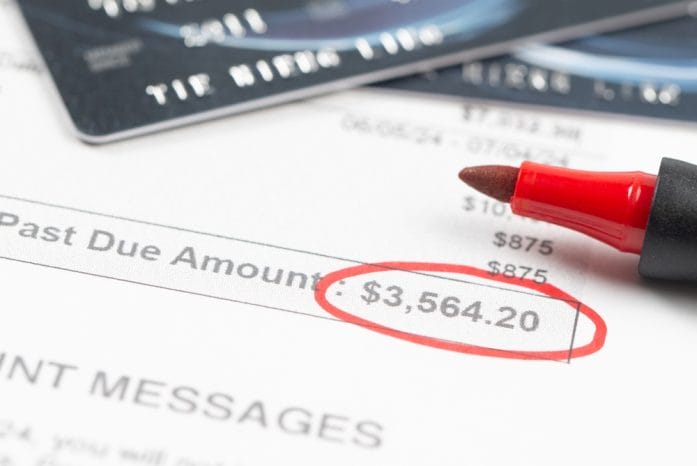
Imagine waking up one morning, sipping your coffee, and checking your bank account—only to find your funds frozen. No warning, no gradual process, just an instant freeze. It sounds like a plot twist from a thriller, but in 2026, this scenario has become a real-life possibility for borrowers under the new 48-hour debt collection rule.

This law allows lenders to act faster than ever before, and both consumers and financial institutions are adjusting to a new normal where speed and immediacy reign supreme. Understanding this rule is critical if you want to stay ahead of potential account freezes and manage your finances wisely.

What The 48-Hour Debt Collection Rule Means For Consumers

The 48-hour debt collection rule allows lenders to freeze a borrower’s account within just two days of identifying a default or overdue payment. This is a significant acceleration from previous regulations, where collections often took weeks or months to initiate. For consumers, this means that awareness and vigilance are more important than ever. Checking account balances regularly, setting up alerts, and maintaining clear communication with lenders can make a huge difference. It also emphasizes the importance of understanding the terms of any loan or credit agreement before signing.

Not all debts are subject to the same rules, so knowing which accounts could be frozen in 48 hours is key. While it may feel alarming, this rule is designed to streamline debt recovery and reduce the lag time that historically caused losses for lenders.

How Lenders Are Preparing For Rapid Account Freezes

Banks and lending institutions are revamping their internal processes to comply with the 48-hour rule. Advanced software and automated monitoring systems are being implemented to identify overdue accounts instantly. These systems track payment histories, detect missed deadlines, and flag accounts for immediate action. Lenders argue that this technology helps prevent bad debt from escalating and ensures that they can protect their financial stability. Staff training is also essential, as employees need to navigate the legal requirements of freezing accounts without violating consumer rights. Transparency is a growing focus—lenders must provide clear notices and proper documentation before executing account freezes, even with the compressed timeline. The 48-hour rule isn’t just a tool for speed; it’s a catalyst for modernization in debt collection practices.

Legal Protections And Obligations For Borrowers

Even with rapid action allowed by the 48-hour rule, borrowers still have legal protections. The law mandates that lenders provide detailed notices explaining why an account is being frozen and how the borrower can respond. Borrowers typically have the right to contest the freeze if there is evidence of an error or dispute regarding the debt. Understanding these rights is crucial to avoiding unnecessary financial disruption. Legal experts advise keeping all loan agreements, billing statements, and communication records organized. This documentation can be invaluable if you need to challenge a freeze or negotiate a payment plan. Additionally, certain types of accounts, like retirement funds or government benefits, may be exempt from immediate freezes, offering some financial safety nets. The balance between lender efficiency and borrower protection is central to the law’s design.

The 48-Hour Debt Collection Rule: How New Laws Let Lenders Freeze Accounts Faster in 2026

Image Source: Shutterstock.com

Tips For Avoiding A 48-Hour Account Freeze

The fastest way to avoid a 48-hour account freeze is proactive financial management. Paying bills on time, setting automatic payments, and monitoring account activity can help you stay ahead of potential issues. Communication with your lender is key; if you anticipate a late payment, reaching out early can often prevent an immediate freeze. Keeping emergency funds in a separate account can also provide a buffer if one account becomes temporarily inaccessible. Financial advisors recommend regularly reviewing credit reports and staying informed about changes in debt collection laws, which can vary by state or type of loan.

Awareness, preparation, and organization can turn what feels like a threat into manageable financial strategy. This approach ensures you’re not caught off guard by sudden freezes and maintain control over your money.

The Impact On Businesses And The Economy

Businesses are feeling the ripple effects of the 48-hour rule as well. Companies that extend credit to clients or manage large accounts receivable are adjusting to faster collections timelines. Small businesses in particular may face immediate cash flow challenges if client accounts are frozen without warning. On the flip side, lenders see this rule as a tool to reduce risk and improve overall financial efficiency.

Economists note that faster debt recovery could streamline economic activity, reducing prolonged disputes and unpaid debts that can drag down markets. However, the rule also raises concerns about potential overreach or errors that could impact consumer trust. Both business owners and individuals are learning that rapid debt enforcement requires heightened diligence and financial discipline.

Looking Ahead: The Future Of Debt Collection

The 48-hour debt collection rule represents a broader trend toward automation and speed in financial services. As technology continues to evolve, we may see even faster methods for detecting defaults and enforcing payments, including AI-driven monitoring and real-time account analytics. Policymakers are balancing these technological advancements with consumer protections to prevent abuses.

For borrowers, staying informed and maintaining healthy financial habits will remain critical. The rule also encourages lenders to prioritize clear communication, transparency, and fairness. The landscape of debt collection is changing quickly, but understanding these laws allows consumers and businesses alike to navigate it with confidence.

What Do You Think About The 48-Hour Rule?

The 48-hour debt collection rule is shaking up the financial world, speeding up account freezes, and demanding new levels of awareness from consumers and businesses alike. Whether it feels empowering or alarming, one thing is clear: staying informed, organized, and proactive is the best strategy.

Have you or someone you know experienced an account freeze under these new laws? How did you handle it? Drop your thoughts or experiences in the comments below—we’d love to hear from you.

You May Also Like…

7 Ways Credit Card Debt Builds Faster Than Expected

Holiday Debt: 9 Warning Signs Your Spending Is Already Off Track

7 Tricks Collection Agencies Use To Get You To Pay Off Old Debt

8 Cruel Truths About Debt That Nobody Wants to Hear Loudly

Debt Alert: 6 Ways Holiday Spending Could Trigger a January Credit Score Crisis

Brandon Marcus
Brandon Marcus

Brandon Marcus is a writer who has been sharing the written word since a very young age. His interests include sports, history, pop culture, and so much more. When he isn’t writing, he spends his time jogging, drinking coffee, or attempting to read a long book he may never complete.

Filed Under: Debt Management Tagged With: 2026 laws, collection agencies, collections, Credit card debt, Debt, debt advice, debt collection, eliminating debt, lenders, lending money, loaning money, money lenders, new law, Pay Off Debt

Are Payday Loans Still A Big Problem?

December 8, 2025 by Brandon Marcus Leave a Comment

Payday Loans Are Still A Big Problem

Image Source: Shutterstock.com

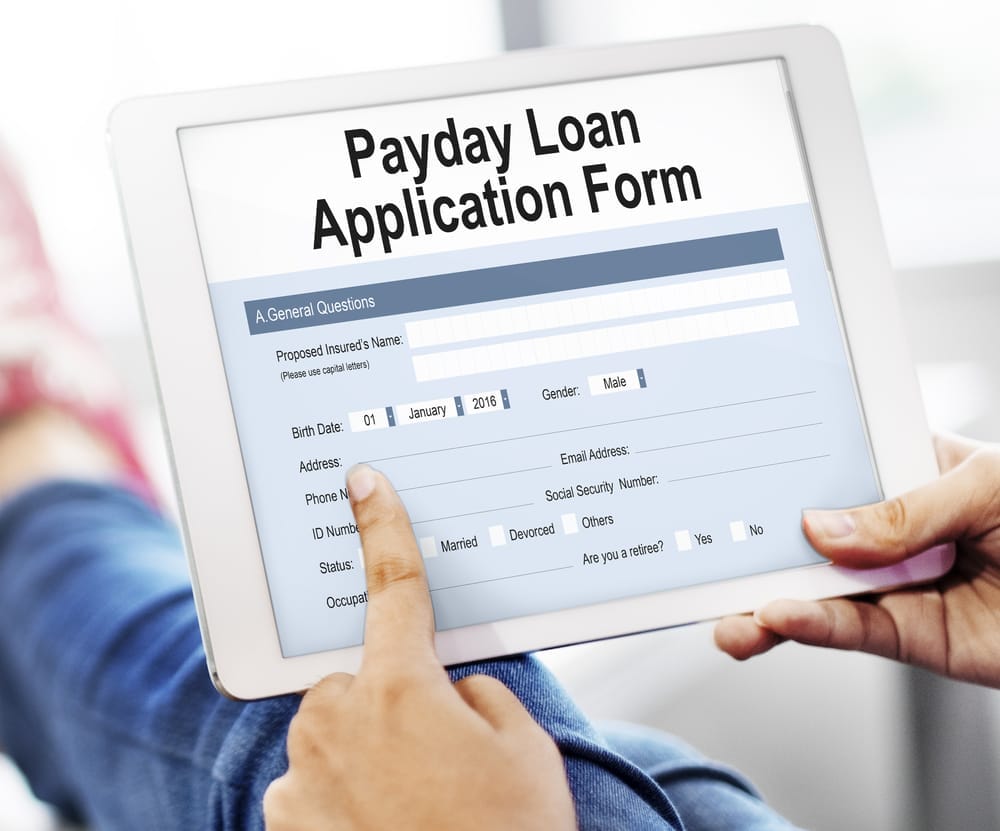
The second you hear the phrase payday loan, your brain probably lights up with memories of neon signs, desperate decisions, and financial advice articles screaming “DON’T DO IT.”

Payday loans have a reputation that could make even the boldest risk-taker flinch, yet millions of people continue turning to them every year. It’s the kind of financial trap that feels outdated—like floppy disks or dial-up internet—but somehow refuses to disappear. And despite reforms, regulations, and endless warnings, these short-term, high-interest loans are still woven into the financial survival strategies of many Americans.

The real question isn’t whether payday loans exist—it’s why they’re still thriving in a world full of budgeting apps, credit-builder programs, and financial education resources.

Why Payday Loans Became So Popular

People don’t wake up and decide a payday loan sounds fun. These loans exploded because they offered something traditional banks didn’t: instant cash with zero judgment. For someone facing an emergency, a shut-off notice, or a sudden bill, payday lenders felt like the only ones willing to help. The convenience, speed, and no-questions-asked nature of these loans made them tempting, even when the risks were obvious. Over time, their popularity grew not because they were good, but because many people felt they had no better option.

How The Debt Cycle Traps Borrowers

The biggest issue with payday loans isn’t that they’re expensive—it’s how quickly they snowball. Borrowers often can’t repay the full amount on their next paycheck, which forces them to roll the loan over with even more fees. This cycle can turn a small loan into a financial black hole that keeps growing with each extension. Many borrowers end up paying far more in fees than the original loan amount. The tragic part is that the system is designed this way, making repeat customers the backbone of the industry.

The Role Of Regulation In Slowing The Industry Down

Regulation has stepped in many times, hoping to rein in predatory lending without completely eliminating emergency financial options. Some states have capped interest rates, while others have imposed stricter repayment rules or outlawed payday lending altogether. These measures helped reduce the most extreme abuses, but they didn’t eliminate the problem. Lenders often find loopholes or rebrand themselves under new categories like installment loans or cash advances. Even with tougher rules, the core issue—people lacking affordable short-term credit—continues to fuel demand.

Why Payday Loans Haven’t Disappeared

Despite years of warnings, payday loans are still around for one simple reason: financial desperation hasn’t gone anywhere. Many households live paycheck to paycheck, and when an emergency hits, options are limited. Traditional banks don’t offer tiny short-term loans because they aren’t profitable. Credit cards require approvals many consumers can’t get. So payday loans fill a gap—an extremely costly gap, but a gap nonetheless—and until that need is addressed, they’re unlikely to fade away.

Payday Loans Are Still A Big Problem

Image Source: Shutterstock.com

The Digital Transformation That Complicates Everything

Just when regulators thought they had payday loans somewhat contained, the industry went digital. Online payday lenders exploded, offering nationwide access, instant approvals, and ways to bypass state regulations. With the entire process happening behind a screen, transparency became murkier and oversight became harder. Digital borrowers can take out multiple loans without realizing how deep they’ve gone. The shift online made payday lending faster, easier, and in some cases even more dangerous.

The Human Impact Behind The Statistics

Every payday loan customer has a story filled with stress, fear, or desperation. For many, it starts with something small that spirals—like a car repair, a medical bill, or an unexpectedly short paycheck. The shame surrounding payday loans often keeps borrowers silent, creating a private struggle that feels isolating and unfixable. These loans don’t just drain bank accounts; they drain confidence, security, and peace of mind. When you zoom out from the dollar signs, what emerges is a deeply human problem tied to systemic financial inequalities.

Are Alternatives Actually Helping?

In recent years, alternatives have begun popping up—credit unions offering micro-loans, employers providing wage advances, and apps that help users avoid overdraft charges. Some banks have finally started introducing small-dollar loan programs with reasonable terms. These options are promising but not yet widespread, and many consumers still don’t know they exist. Financial literacy programs also help, but education alone can’t fix income instability. Until alternatives become accessible, familiar, and widely trusted, payday loans will continue filling the void.

The Future Of Payday Lending

The future of payday loans depends heavily on policy, technology, and the economy. If incomes rise, emergency savings become normal, and alternative lending grows, payday loans could lose their foothold. But if wages stay stagnant and financial emergencies remain common, people will keep seeking fast cash, no matter the cost. New fintech companies may offer safer solutions, but they must compete with the convenience and simplicity payday lenders mastered long ago. The next decade will reveal whether payday loans shrink into irrelevance—or simply evolve into something harder to regulate.

Why The Problem Still Matters Today

Many people assume payday loans are a relic of the early 2000s, something we’ve collectively moved past. But millions of Americans still rely on them, which means the problem is far from solved. Payday lenders thrive where financial vulnerability thrives, and that vulnerability remains widespread. Understanding how these loans work, why they persist, and who they hurt is crucial for building better solutions. The payday loan problem isn’t about borrowing—it’s about the conditions that make such borrowing necessary.

 Share Your Thoughts Below

Payday loans may not dominate headlines like they used to, but they continue to shape the financial lives of those living on the edge. They’re a symptom of deeper problems—income instability, a lack of short-term credit options, and the ongoing struggle many people face in managing unexpected expenses. Reform has helped, but it hasn’t erased the core issue.

What’s your experience with payday loans? Share your thoughts, personal stories, or questions in the comments below.

You May Also Like…

5 Hidden Costs of Relying on Payday Loans

Why Do People Ignore the Risks of Cosigning Loans

These 3 Loans Are Worse Than Pay Day Loans

6 Hidden Dangers of Taking Out Student Loans Too Young

Why Do Families Rely on Payday Loans in Emergencies


Brandon Marcus
Brandon Marcus

Brandon Marcus is a writer who has been sharing the written word since a very young age. His interests include sports, history, pop culture, and so much more. When he isn’t writing, he spends his time jogging, drinking coffee, or attempting to read a long book he may never complete.

Filed Under: Lifestyle Tagged With: dangerous loans, financial dangers, financial matters, lending money, Life, Lifestyle, Loan, loaning money, loans, Money, money issues, payday loans

FOLLOW US

Search this site:

Recent Posts

  • Can My Savings Account Affect My Financial Aid? by Tamila McDonald
  • 12 Ways Gen X’s Views Clash with Millennials… by Tamila McDonald
  • What Advantages and Disadvantages Are There To… by Jacob Sensiba
  • 10 Tactics for Building an Emergency Fund from Scratch by Vanessa Bermudez
  • Call 911: Go To the Emergency Room Immediately If… by Stephen Kanaval
  • 7 Weird Things You Can Sell Online by Tamila McDonald
  • 10 Scary Facts About DriveTime by Tamila McDonald

Copyright © 2026 · News Pro Theme on Genesis Framework