• Home
  • About Us
  • Toolkit
  • Getting Finances Done
    • Hiring Advisors
    • Debt Management
    • Spending Plan
  • Insurance
    • Life Insurance
    • Health Insurance
    • Disability Insurance
    • Homeowners/Renters Insurance
  • Contact Us
  • Privacy Policy
  • Risk Tolerance Quiz

The Free Financial Advisor

You are here: Home / Archives for paying bills

Why Does Financial Anxiety Show Up Even When Bills Are Paid

January 12, 2026 by Brandon Marcus Leave a Comment

Why Does Financial Anxiety Show Up Even When Bills Are Paid

Image Source: Shutterstock.com

Your rent is covered, the lights are on, the credit card balance is behaving, and yet your chest still tightens when you open your banking app. Your stomach does a tiny flip when someone mentions inflation. You catch yourself running numbers in your head while brushing your teeth, even though the math already works. This isn’t a personal failure or a secret sign that you’re “bad with money.” It’s a deeply human reaction rooted in psychology, memory, culture, and the way our brains interpret safety.

Financial anxiety can feel ridiculous when everything looks fine on paper, which somehow makes it even louder. Let’s pull back the curtain and talk about why this stress shows up anyway, and why it makes perfect sense.

Your Brain Is Wired To Fear Uncertainty

The human brain loves predictability and absolutely panics at open-ended questions. Money, even when stable today, represents tomorrow, next month, and ten years from now, which is more than enough to set off mental alarms. Paying bills handles the present, but anxiety lives in the future, where outcomes feel blurry and uncontrollable. Evolution didn’t design our minds for long-term spreadsheets; it designed them to spot potential threats and react fast.

A single news headline, offhand comment, or unexpected expense can activate that threat system instantly. Once it’s on, logic struggles to compete with emotion, even if your checking account is calm. That’s why reassurance from numbers alone often feels thin when your brain is asking bigger, scarier questions about stability and survival.

Past Money Experiences Leave Emotional Residue

Financial anxiety doesn’t reset just because your circumstances improved. If you’ve lived through job loss, debt, family stress, or periods of scarcity, your nervous system remembers that instability vividly. Those memories sit quietly until something reminds them it could happen again. You might not consciously think about those moments, yet your body reacts as if it’s preparing for a repeat performance. Even people who grew up watching adults argue about money can internalize tension without realizing it. Paying bills now doesn’t erase the emotional imprint of earlier experiences. Instead, anxiety becomes a protective reflex, trying to prevent a return to those uncomfortable chapters.

Control Feels Different From Safety

Having enough money and feeling secure are not the same experience. Control is about knowing what’s happening right now, while safety is about trusting that you can handle whatever comes next. Many people manage their finances responsibly yet still feel unsafe because their sense of control feels fragile. One surprise expense can make everything seem wobbly, even if the savings account exists for that exact reason.

Anxiety often shows up when people believe one wrong move could unravel everything. This belief doesn’t mean it’s true; it means the margin for emotional comfort feels narrow. When safety hasn’t been fully internalized, control becomes exhausting to maintain.

Social Comparison Fuels Invisible Pressure

Money anxiety loves a comparison trap, especially in a world where financial success is constantly displayed. Social media highlights vacations, renovations, side hustles, and milestone purchases without context. Even if you’re doing well, someone else always appears to be doing better, faster, or with less effort. This creates a subtle feeling of falling behind, even when your own goals are being met.

Cultural messages about success, productivity, and wealth quietly raise the bar higher than necessary. Anxiety grows in the gap between what you have and what you think you should have by now. The result is stress that feels personal but is actually socially engineered.

Why Calm Does Not Automatically Arrive

Many people expect financial peace to arrive the moment bills are paid consistently, but calm doesn’t work like a light switch. Emotional regulation takes practice, not just progress. Your nervous system needs repeated evidence that stability lasts, not just a single month of success. Anxiety lingers because it’s trying to protect you, even if it’s overdoing the job.

Learning to trust your own resilience is often harder than learning to budget. Without that trust, peace keeps getting postponed to some imaginary future milestone. Calm arrives slowly, built through experience, reassurance, and self-compassion rather than perfect numbers.

Why Does Financial Anxiety Show Up Even When Bills Are Paid

Image Source: Shutterstock.com

Making Peace With Money Feelings

Financial anxiety isn’t a contradiction; it’s a signal asking for understanding rather than judgment. Paying bills proves responsibility, but emotional security asks for patience and gentleness with yourself. When anxiety shows up, it doesn’t mean something is wrong; it means your brain is trying to keep you safe using outdated information. Awareness is the first step toward changing that relationship. Over time, recognizing patterns and reframing fear can soften its grip.

If any part of this felt familiar, the comments section below is a great place to add your voice and reflect on what money stress has looked like in your own life.

You May Also Like…

11 Anxiety Triggers Caused By Living Paycheck-to-Paycheck Still

7 Reasons You’re More Prone to Anxiety in Your 40s (And How to Fix It)

10 Common Budgeting Mistakes That Create Constant Money Stress

Risk Exposure: 9 Stress Tests Every Soon-to-Retire Investor Should Run

10 Things That Instantly Reduce Anxiety and Overthinking


Brandon Marcus
Brandon Marcus

Brandon Marcus is a writer who has been sharing the written word since a very young age. His interests include sports, history, pop culture, and so much more. When he isn’t writing, he spends his time jogging, drinking coffee, or attempting to read a long book he may never complete.


Filed Under: Finance Tagged With: anxiety, bills, comparison, finance, finances, financial anxiety, financial chocies, financial stress, general finance, Money, money issues, paying bills, prepaying bills, social anxiety, spending, stress, utility bills

Why Do So Many People Feel One Bill Away From Trouble

January 11, 2026 by Brandon Marcus Leave a Comment

Why Do So Many People Feel One Bill Away From Trouble

Image Source: Shutterstock.com

Life can feel like walking a tightrope over a pit of uncertainty, and for millions, one wrong step—or one unexpected bill—can send everything tumbling. You might think financial stability is about earning more or spending less, but the reality is far more complicated. People live paycheck to paycheck, sometimes not by choice, but because the system seems rigged against them. Even those with decent jobs often feel like they’re balancing on a knife’s edge, one car repair or medical bill away from chaos.

So, why does it feel like so many people are perpetually one bill away from disaster? The answer lies in a mix of modern lifestyle pressures, systemic challenges, and human psychology that creates a perfect storm of financial vulnerability.

The Rising Cost Of Everyday Life

Inflation isn’t just a buzzword economists throw around—it’s a daily reality for everyone reaching for a grocery cart or paying a rent check. Essentials like housing, healthcare, and food have been rising faster than wages for decades. Many people find themselves constantly adjusting, cutting corners, or delaying bills just to make it through the month. This creates a fragile financial ecosystem where a single unexpected expense—a broken fridge, a flat tire, or a sudden medical need—can tip the balance.

Even small setbacks feel monumental because there’s little cushion to absorb the shock. The rising cost of living isn’t just numbers on a page; it’s a pressure cooker that makes everyday life feel like walking on a financial tightrope.

Credit Cards And Debt Are A Double-Edged Sword

For decades, credit cards have promised convenience and freedom—but they often deliver stress instead. People lean on plastic to pay for essentials, emergencies, or the occasional treat, thinking they’ll pay it off later. Yet, high-interest rates and compounding debt mean those temporary solutions often become permanent burdens. The result? A cycle where bills get paid with borrowed money, interest piles up, and financial security feels like an impossible dream.

Debt can feel invisible until it isn’t, and suddenly, you’re one bill behind, scrambling to keep the lights on and the rent paid. While credit can be a useful tool, it often serves as a reminder that many are living on borrowed time—and borrowed money.

Job Instability And The Gig Economy

The old model of a steady nine-to-five job with benefits is vanishing, replaced by contract work, gig roles, and temporary positions. This shift offers flexibility, sure—but it also brings uncertainty. Paychecks fluctuate, hours disappear, and benefits are often nonexistent. Without predictable income, people can feel like they’re running on a treadmill with no finish line. One missed payment, one unexpected expense, and suddenly, the financial house of cards starts to wobble. Job instability isn’t just stressful—it creates a constant sense of being “one bill away” from trouble, no matter how careful someone is with their money. The modern economy may be dynamic, but it’s also unforgiving for anyone without a robust safety net.

Unexpected Emergencies Strike Hard

Life doesn’t send warnings before it hits you with the unexpected. A medical crisis, a car accident, or even a plumbing disaster can instantly drain savings that took years to build. Most people underestimate the likelihood and cost of emergencies, and even those with an emergency fund may find it insufficient when catastrophe strikes.

The shock of sudden expenses compounds anxiety, leaving people scrambling to find solutions and juggling bills in creative—and sometimes risky—ways. Emergencies are inevitable, but financial systems and personal circumstances often leave people vulnerable, perpetuating that nerve-racking feeling of being just one bill away from serious trouble.

Why Do So Many People Feel One Bill Away From Trouble

Image Source: Shutterstock.com

Human Psychology And Financial Stress

Our brains are wired to react strongly to scarcity and uncertainty, and money is a major trigger. Living paycheck to paycheck triggers stress responses similar to running from a predator: constant vigilance, anxiety, and a focus on immediate survival over long-term planning. This psychological load makes every decision feel higher stakes, every bill feel monumental, and every unexpected expense a potential disaster. Financial stress doesn’t just hurt bank accounts—it erodes mental health, relationships, and decision-making. The combination of external pressures and internal reactions explains why many people feel trapped, even when their numbers might seem manageable on paper.

Societal Pressures And Lifestyle Inflation

From social media to neighborhood norms, societal expectations push people to spend more than they earn. Vacations, electronics, cars, and even dining habits are often influenced by comparisons, creating subtle pressure to maintain a lifestyle that exceeds one’s means. Lifestyle inflation—where income rises but spending rises faster—traps many in a loop of appearing comfortable while actually living on the edge. The desire to keep up can outweigh financial prudence, leaving people one unexpected expense away from a financial emergency. Society constantly nudges us toward consumption, making the balancing act even trickier for anyone without a substantial buffer.

Building Resilience And Breaking The Cycle

Feeling like you’re one bill away from trouble isn’t inevitable. Awareness, planning, and small but consistent financial habits can provide a sense of control and security. Emergency funds, budgeting, and debt management are crucial tools, but so is shifting the mindset around money—thinking long-term, prioritizing essentials, and questioning societal pressures.

Policy solutions like affordable healthcare, fair wages, and accessible credit also play a huge role, highlighting that personal responsibility and systemic change must work hand in hand. Understanding why people feel perpetually vulnerable is the first step toward empowerment and, eventually, peace of mind.

Your Turn To Reflect

Money worries are universal, but every person’s story is unique. Whether it’s a car repair that nearly derailed the month, a medical bill that hit out of nowhere, or juggling debt that never seems to shrink, these experiences shape how we approach financial security.

How do you navigate being one step away from a financial emergency? What strategies, lessons, or surprises have you discovered along the way? Drop your thoughts and experiences in the comments below, and let’s explore together what it really means to feel secure in a world where one bill can change everything.

You May Also Like…

7 Monthly Bills That Keep Rising Even When You Use Less

When Your Parents Take Your Paycheck: 6 Signs You’re Being Emotionally Manipulated

Why You Should Never, Ever Skip Paying Your Bills

Tax Surge: 4 Income Types That Trigger Hidden Tax Bills

7 Silent Money Traps in Monthly Bills


Brandon Marcus
Brandon Marcus

Brandon Marcus is a writer who has been sharing the written word since a very young age. His interests include sports, history, pop culture, and so much more. When he isn’t writing, he spends his time jogging, drinking coffee, or attempting to read a long book he may never complete.

Filed Under: Lifestyle Tagged With: bills, Cost of living, everyday spending, family issues, family money, gig economy, job, job instability, Life, Lifestyle, living paycheck to paycheck, money issues, paycheck to paycheck, paying bills, rising costs, saving money, Smart Spending, spending

8 Financial Habits That Quietly Drain Your Checking Account

January 8, 2026 by Brandon Marcus Leave a Comment

Here Are 8 Financial Habits That Quietly Drain Your Checking Account

Image Source: Shutterstock.com

Ever feel like your paycheck disappears faster than a magician’s rabbit? One minute you’re celebrating payday, the next you’re staring at your bank balance wondering where all the money went. It’s not always obvious. Sometimes, the real culprits aren’t massive purchases or lavish vacations—they’re tiny habits that chip away at your finances without setting off alarms.

From sneaky fees to daily indulgences, these habits can quietly transform your checking account into a ghost town. Here are eight financial traps that might be draining your account without you even noticing, and how you can fight back while keeping your sanity intact.

1. Ignoring Bank Fees And Charges

Fees are the silent assassins of your balance. Monthly maintenance fees, overdraft penalties, and ATM charges may seem small individually, but they stack up quickly. Many banks assume you won’t notice $5 here, $10 there, and some accounts quietly drain money just for being “inactive” or “below minimum balance.”

Even when you think you’re careful, using the wrong ATM or overdrawing by a single dollar can cost you more than a night out on the town. The key is to read your statements like they’re gripping novels—every line tells a story about your money. Switching to a fee-free account or setting up alerts for low balances can save hundreds over a year.

2. Falling For Subscription Overload

Subscriptions are great when you actually use them—but do you really need five streaming services, a meditation app, a premium news site, and a music plan all at once? Many of us sign up on impulse, forget to cancel, or underestimate how much they cost collectively. It’s easy to lose track because these payments quietly slip out of your checking account each month. Conduct a subscription audit: check every debit and question whether it’s worth it. Cutting down to essentials not only protects your balance but also declutters your digital life. Remember, every little recurring fee is like a tiny leak in your wallet—patch it before it floods.

3. Paying Bills Late

Late fees are the sneaky tax you pay for procrastination. Forgetting a due date or miscalculating auto-pay schedules can trigger penalties that range from $20 to $50 or more. If it becomes habitual, late fees can spiral into hundreds of dollars lost annually. The psychological effect is worse: stress over missed payments can make your money decisions even more chaotic. Setting up reminders or automating payments can prevent these costly slip-ups. Think of timely payments as a simple hack that protects both your credit and your checking account simultaneously.

Here Are 8 Financial Habits That Quietly Drain Your Checking Account

Image Source: Shutterstock.com

4. Impulse Purchases

Impulse buying is the thrill that quickly turns into regret. That fancy coffee, the weekend sale splurge, or the “just because” online purchase can seem harmless in isolation. But when combined, they quietly drain hundreds of dollars before the month is over. Retailers have mastered the art of triggering instant gratification, and our brains are designed to reward it. Combat this habit by enforcing a 24-hour rule: if you still want it after a day, it’s probably worth it. Tracking spending weekly also helps reveal patterns you might not even realize you have.

5. Overdrafting Without Awareness

Overdraft fees are notorious for annihilating balances. It’s tempting to think, “I’ll cover it next paycheck,” but every overdraft can cost $30 to $35—and multiple occurrences multiply the damage fast. Some people even accidentally trigger multiple overdrafts in a single day due to pending transactions. Enabling overdraft alerts or linking a backup savings account can prevent this financial heart attack. Awareness is your secret weapon: understanding your actual available balance, not just your account total, keeps you in control.

6. Ignoring Interest And Penalties

Interest isn’t just for credit cards—it affects loans, lines of credit, and even some banking products. Missing even one payment or only paying the minimum can cause interest to compound in ways that shock your future self. Penalties for late or partial payments often get overlooked until you see them reflected in your checking account. Taking a proactive approach, like setting up reminders or paying a bit extra when possible, saves money in the long run. Being strategic with debt isn’t boring—it’s like leveling up your personal finance game.

7. Frequent Small Cash Withdrawals

Small withdrawals feel harmless, but they have a surprisingly big impact. Every $5 or $10 from the ATM might not seem like much—but when multiplied over weeks, the total is staggering. Coupled with ATM fees, it’s like throwing cash into a bonfire. Using cashless payments for essentials and withdrawing larger sums less frequently can save money and time. Track your withdrawals to see how quickly they add up. You might be shocked to discover that your “tiny” withdrawals are actually major balance busters.

8. Not Monitoring Your Account Regularly

Avoiding your bank account might feel less stressful, but it’s a financial trap. Without monitoring, you can’t catch errors, unauthorized charges, or creeping habits that drain funds. Checking your account weekly or using alerts for unusual activity keeps you ahead of problems. It’s not just about preventing loss—it’s about gaining a sense of control and confidence over your finances. Think of your account like a garden: occasional attention ensures it thrives rather than wilts under neglect.

Take Charge Of Your Checking Account

Your checking account is like a personal financial dashboard—it reflects your habits, decisions, and priorities. By recognizing and adjusting these eight habits, you can reclaim lost money and feel empowered instead of stressed. Money management doesn’t have to be a chore; it can be dynamic, rewarding, and even a little fun.

If you’ve battled any of these money drains or discovered clever hacks to protect your balance, drop your thoughts and experiences in the comments below. Your insights might just inspire someone else to take control of their finances.

You May Also Like…

Expense Alert: 9 Holiday Habits That Inflate Budgets Quietly

6 Bad Money Habits Families Show During The Holidays

Risk Proaction: 5 Steps to Stress-Test Your Finances for Worst-Case Scenarios

Behavior Habit: 5 Daily Money Moves That Build Long-Term Wealth

8 “Harmless” Daily Habits That Are Secretly Wrecking Your Credit Score


Brandon Marcus
Brandon Marcus

Brandon Marcus is a writer who has been sharing the written word since a very young age. His interests include sports, history, pop culture, and so much more. When he isn’t writing, he spends his time jogging, drinking coffee, or attempting to read a long book he may never complete.

Filed Under: Finance Tagged With: advisor habits, bad financial habits, bank, bank account, bank fees, banking, bill, checking accounts, emotional purchases, finance, finances, financial habits, general finance, impulse shopping, missed payments, Money, money issues, overdraft fee, overdraft protection, paying bills, saving money, subscriptions

Why You Should Never, Ever Skip Paying Your Bills

December 25, 2025 by Brandon Marcus Leave a Comment

Why You Should Never, Ever Skip Paying Your Bills

Image Source: Shutterstock.com

Bills are like the villains in every thrilling story—they lurk in your mailbox, hide in your inbox, and sneak up on you when you least expect it. But unlike fictional villains, ignoring them doesn’t make you a hero; it sets off a chain reaction of chaos that can haunt your financial life for years.

Skipping a payment might feel like a tiny victory, a way to buy yourself some breathing room, but that brief relief comes at a steep price. From skyrocketing late fees to irreparable credit damage, unpaid bills are a ticking time bomb. And once they explode, it’s not just your wallet that suffers—your stress levels, sleep schedule, and personal freedom could all take a hit too.

Late Fees Are Not Your Friend

Skipping a bill doesn’t make it disappear—it just makes it angrier. Late fees are designed to punish procrastinators, and they grow faster than you might expect. A $50 overdue charge can balloon into hundreds if left unchecked, adding unnecessary financial weight. Many utility companies, credit card issuers, and service providers impose compounding penalties that make the original amount feel like a drop in the bucket. The sooner you pay, the sooner you stop the fees from multiplying and taking over your life.

Your Credit Score Hangs In The Balance

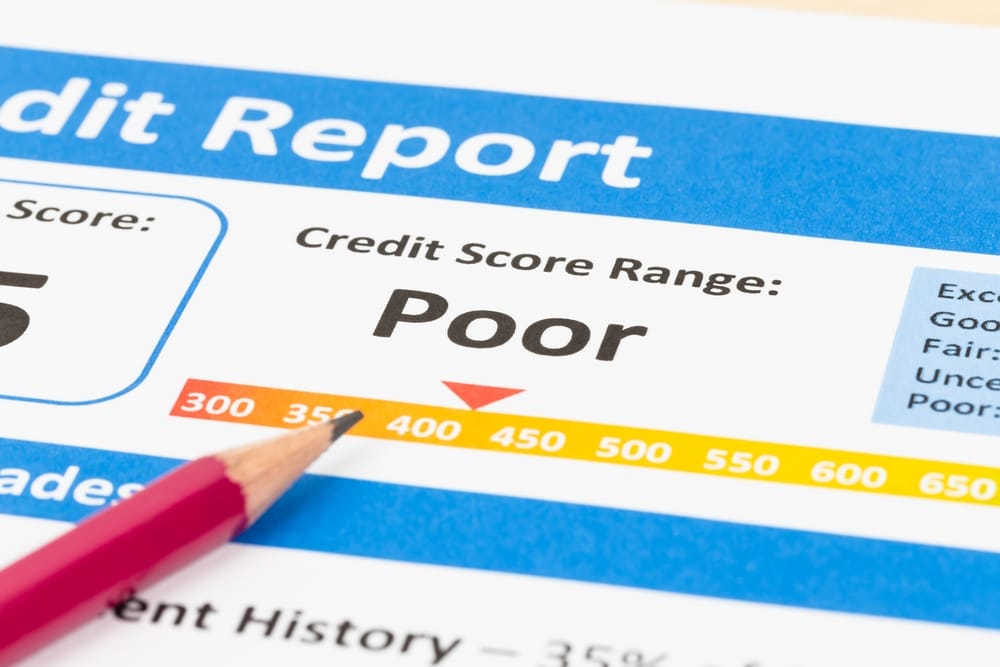
Your credit score is more than just a number; it’s the key to better loans, lower interest rates, and even some job opportunities. Missing payments can slash your score in ways that take months, even years, to repair. A single late payment might seem minor, but repeated delinquencies scream “financial risk” to lenders. Poor credit doesn’t just affect borrowing—it can impact insurance premiums, rental applications, and your financial reputation. Protecting your credit score by paying on time is like installing a personal financial force field against future hardships.

Debt Can Spiral Out Of Control

Ignoring bills is like poking a hornet’s nest with a stick—the mess just multiplies. When unpaid balances accumulate, interest and penalties combine to create a snowball effect of debt. That snowball starts small but quickly grows until it’s nearly impossible to control. Credit cards, medical bills, and loans all have different interest rates, but they share one universal truth: the longer you wait, the more you owe. Staying ahead of payments keeps you in control and prevents debt from taking over your financial life.

Stress And Anxiety Will Multiply

Skipping bills doesn’t just harm your bank account—it also wrecks your peace of mind. Every unanswered invoice adds a mental weight, gnawing at your focus and making daily life feel heavier. Stress from financial uncertainty can trigger sleepless nights, irritability, and even health issues. The longer you put off payment, the more it dominates your thoughts, leaving little room for joy or creativity. Paying bills promptly is not just a financial move; it’s a mental health strategy that keeps your head clear and your heart lighter.

Why You Should Never, Ever Skip Paying Your Bills

Image Source: Shutterstock.com

Service Interruptions Are A Nightmare

Failing to pay bills can lead to a sudden, shocking loss of essential services. Electricity, water, internet, or phone access can be shut off with minimal warning, creating immediate disruption. Imagine coming home after a long day only to find the lights out or the water off—it’s stressful, inconvenient, and completely avoidable. Service providers often charge reconnection fees, doubling the cost of your oversight. Staying current with bills ensures your lifestyle continues uninterrupted and keeps surprise chaos at bay.

Legal Consequences Can Be Real

Unpaid bills don’t just vanish; they can escalate into legal headaches you never anticipated. Some creditors have the power to file lawsuits, garnish wages, or place liens on property for delinquent payments. Legal battles are time-consuming, expensive, and emotionally draining, often far outweighing the relief of skipping a payment. Even minor bills can snowball if left unattended, creating scenarios that require lawyers and court appearances. Staying responsible with payments keeps your life legally smooth and avoids unnecessary courtroom drama.

Protect Your Relationships And Reputation

Financial responsibility isn’t just about numbers—it’s about trust. Consistently failing to pay bills can damage your reputation with lenders, landlords, and even family members who might co-sign or rely on you. Friends and business partners notice patterns of unreliability, which can affect opportunities both personal and professional. Conversely, timely payments demonstrate integrity and reliability, reinforcing your credibility in multiple spheres. Paying bills promptly is a way of maintaining trust and ensuring others see you as dependable.

Future Opportunities Depend On It

Skipping bills might feel like a short-term fix, but it can rob you of long-term possibilities. Poor payment history can prevent you from qualifying for mortgages, car loans, or even premium credit cards. It can limit your options when you want to move, expand a business, or invest in new opportunities. Every on-time payment builds a track record of financial responsibility that opens doors rather than closing them. Treating bills as priority investments in your future creates freedom and flexibility for years to come.

Habits Shape Your Financial Life

Consistency matters more than occasional heroics. The habit of paying bills on time creates a rhythm that improves overall financial health. You learn to budget, prioritize, and manage resources more efficiently, avoiding panic or last-minute scrambles. Skipping bills disrupts that rhythm, introducing chaos into a system that thrives on consistency. By establishing strong habits, you set yourself up for sustainable success, reducing stress and creating opportunities for growth.

Avoiding Regret Is Priceless

At the end of the day, the biggest cost of skipped payments is regret. Watching debt pile up, stress mount, or services get cut is far worse than the temporary relief of avoidance. Regret lingers longer than any bill ever could, coloring future decisions and confidence. Paying bills promptly eliminates the “what ifs” and frees you to focus on positive financial moves. The peace of mind that comes from responsibility is priceless—and far more satisfying than any fleeting advantage from delay.

Your Financial Health Is Worth Every Cent

Skipping bills might feel like a clever shortcut, but the consequences are severe, far-reaching, and often irreversible. Paying on time protects your credit, prevents debt spirals, safeguards essential services, and keeps stress levels manageable. It builds trust, strengthens habits, and preserves opportunities for the future. Your financial life deserves attention, care, and consistent action—ignoring bills undermines all three.

Tell us your thoughts or experiences with bill management in the comments section below; we’d love to hear how you’ve navigated these challenges successfully.

You May Also Like…

Here’s When It’s Okay To Let Kids Move Back Home To Pay Off Bills

7 Silent Money Traps in Monthly Bills

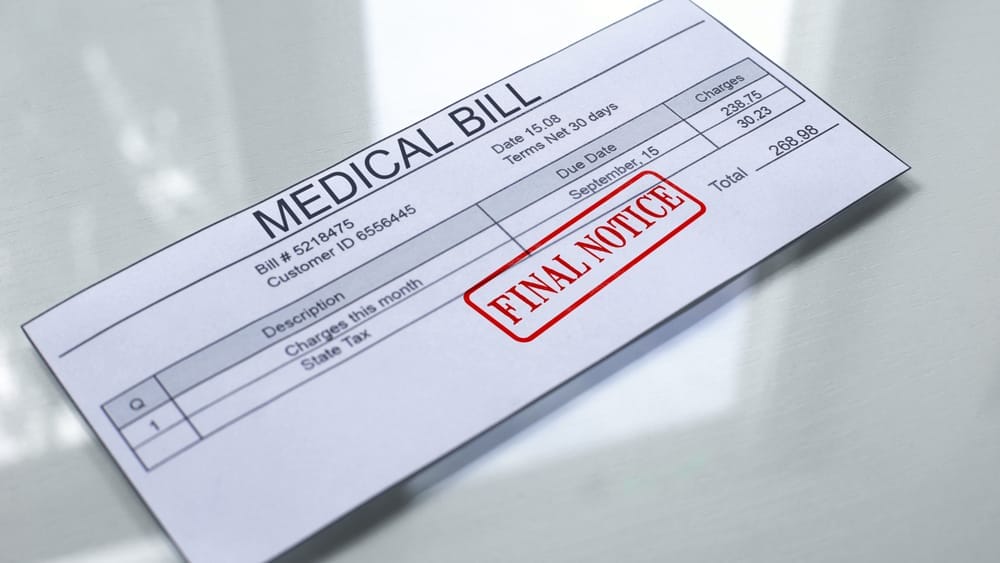
8 Shocking Costs of Ignoring Small Medical Bills

6 Charges You’re Paying for… But Getting Nothing in Return

7 Silent Money Traps in Monthly Bills


Brandon Marcus
Brandon Marcus

Brandon Marcus is a writer who has been sharing the written word since a very young age. His interests include sports, history, pop culture, and so much more. When he isn’t writing, he spends his time jogging, drinking coffee, or attempting to read a long book he may never complete.

Filed Under: Lifestyle Tagged With: anxiety, bills, credit repair, credit report, credit score, Debt, foreclosure, household bills, household responsibilities, late fees, money issues, paying bills, paying off debt, Paying Rent, skipping bills, stress, utility bills

8 “Harmless” Daily Habits That Are Secretly Wrecking Your Credit Score

December 8, 2025 by Brandon Marcus Leave a Comment

Some “Harmless” Daily Habits That Are Secretly Wrecking Your Credit Score

Image Source: Shutterstock.com

Most people walk around feeling pretty confident about their credit—until one day they check it, and suddenly it’s limping along like it just ran a marathon in flip-flops. The truth is, your credit score isn’t only affected by the big stuff like missed payments or maxed-out cards. Sometimes it’s the tiny, everyday habits—the innocent ones you don’t even think twice about—that nibble away at your score until it’s begging for mercy.

These habits hide in plain sight, disguised as completely normal financial behavior, but behind the scenes they can cause chaos. If you’ve ever wondered why your score isn’t rising the way you expect, these sneaky culprits might be the reason.

1. Paying Bills A Few Days Late Because “It’s No Big Deal”

A bill that’s late by a few days might feel harmless, especially if you still intend to pay it within the same week. But lenders and credit systems don’t see “a few days” the way you do—they see inconsistency. Even though most creditors only report payments more than 30 days late, the pattern of last-minute scrambling can eventually lead to slip-ups. One forgetful day becomes a late payment penalty, and one penalty can become a percentage drop in your score. So even if you don’t get hit with a reportable late payment, cutting it close is a risky habit that can eventually bite.

2. Using Too Much Of Your Credit Limit Just Because You’ll Pay It Off

You might assume that as long as you pay your card in full each month, running your cards up to the limit doesn’t matter. But your credit utilization—the amount of credit you’re using compared to what you have available—gets calculated long before you make that payment. If your statement closes when your card is nearly maxed out, the credit bureaus think you’re living dangerously close to debt trouble. High utilization is one of the fastest ways to tank your score, even if you’re financially responsible. What feels like normal spending can look like credit chaos on paper.

3. Frequently Applying For Store Cards To Save Money At Checkout

That tempting “Save 20% today!” pitch at the register seems like a harmless reward. But each application triggers a hard inquiry on your credit report, and enough of them can make you look desperate for credit. Lenders don’t love the idea of someone grabbing multiple cards within short periods—it signals potential financial instability. Even if you never miss a payment on those store cards, the damage from repeated inquiries can linger. And once you have several rarely used cards, they can complicate your financial profile even more.

4. Closing Old Accounts Because You’re “Decluttering” Your Finances

It feels productive to close an old credit card you barely use, like tidying a drawer you never open. Unfortunately, your credit score sees things differently. Old accounts provide valuable credit history, and shutting them down shortens your average account age instantly. Not only that, but closing a card also reduces your overall available credit, raising your utilization—even if you didn’t increase your spending. What feels like simplification can accidentally look like a riskier credit pattern.

5. Ignoring Small Medical Bills Until They “Get Around” To You

Medical bills have a sneaky way of slipping into the shadows and then exploding into collections when you’re not looking. You might think waiting a month or two to handle them is harmless, especially if you’re expecting insurance adjustments.

But medical offices often hand unpaid balances over to collection agencies faster than you think. Once a bill hits collection status, even a tiny one, your credit takes the blow. Treat those little medical statements like precious gems—because ignoring them can cost far more than the original bill.

Some “Harmless” Daily Habits That Are Secretly Wrecking Your Credit Score

Image Source: Shutterstock.com

6. Relying On Autopay Without Double-Checking Anything

Autopay sounds like a gift from the financial gods—set it, forget it, never worry again. Except autopay is only as reliable as the card it charges, the bank account it pulls from, or the expiration date you forgot was approaching. A declined autopay due to insufficient funds or an expired card can lead to missed payments without you even noticing. By the time you catch the mistake, your credit report may already be flashing warning signs. Autopay helps, but ignoring it completely can backfire spectacularly.

7. Disputing Every Tiny Charge Instead Of Letting Things Process

It’s important to be vigilant with your money, but constantly disputing minor charges can create an unexpected ripple effect. While disputes are processed, the affected account may temporarily behave differently on your report, especially if payments are paused. If the dispute doesn’t go your way or creates confusion with your creditor, it can lead to missed payments or accidental delinquencies. Over time, this can make your financial behavior appear inconsistent or disorganized. Sometimes it’s better to allow a charge to clear and then clarify it calmly with the merchant rather than filing dispute after dispute.

8. Letting Subscriptions Auto-Renew Even When You Forget About Them

Subscriptions love quietly draining your account in the background. You may treat them as small, forgettable expenses, but collectively they can cause overdrafts, increased utilization, or missed payments if tied to certain accounts. What starts as a $9.99 auto-renew might snowball into insufficient funds, triggering fees or missed charges on other bills. Credit scoring systems see the symptoms, not the root cause—and the symptoms look like you’re not managing your money well. Keeping unused subscriptions running is like leaving a leaky faucet dripping onto your credit score.

Your Credit Score Reflects Habits, Not Just Big Mistakes

Most people assume credit scores crumble only when something huge goes wrong, but it’s often the small, sneaky habits that slowly chip away at them. The good news is that once you recognize these behaviors, they’re surprisingly easy to adjust. Awareness is half the battle—and the other half is building habits that help your score rise instead of sink.

If you’ve ever discovered one of these habits in your own life, you’re definitely not alone. Share your experiences, stories, or questions in the comments section below so others can learn from them too.

You May Also Like…

Expense Mindset: 5 Budgeting Habits High-Net Individuals Use

7 Money Habits We Wish We Started 10 Years Earlier

Financial Habits of People Who Never Stress About Money

8 Modern Habits That Baffle Older Generations

8 Times “0% Interest” Credit Cards Turn Into Financial Traps


Brandon Marcus
Brandon Marcus

Brandon Marcus is a writer who has been sharing the written word since a very young age. His interests include sports, history, pop culture, and so much more. When he isn’t writing, he spends his time jogging, drinking coffee, or attempting to read a long book he may never complete.

Filed Under: credit score Tagged With: bill, credit, credit cards, credit limit, credit repair, credit report, credit score, daily habits, habits, Money, money issues, paying bills

FOLLOW US

Search this site:

Recent Posts

  • Can My Savings Account Affect My Financial Aid? by Tamila McDonald
  • 12 Ways Gen X’s Views Clash with Millennials… by Tamila McDonald
  • What Advantages and Disadvantages Are There To… by Jacob Sensiba
  • 10 Tactics for Building an Emergency Fund from Scratch by Vanessa Bermudez
  • Call 911: Go To the Emergency Room Immediately If… by Stephen Kanaval
  • 7 Weird Things You Can Sell Online by Tamila McDonald
  • 10 Scary Facts About DriveTime by Tamila McDonald

Copyright © 2026 · News Pro Theme on Genesis Framework