• Home
  • About Us
  • Toolkit
  • Getting Finances Done
    • Hiring Advisors
    • Debt Management
    • Spending Plan
  • Insurance
    • Life Insurance
    • Health Insurance
    • Disability Insurance
    • Homeowners/Renters Insurance
  • Contact Us
  • Privacy Policy
  • Risk Tolerance Quiz

The Free Financial Advisor

You are here: Home / Archives for APR

The Credit Score Range That Gets You 17%–21% APR on Credit Cards Right Now

February 7, 2026 by Brandon Marcus Leave a Comment

The Credit Score Range That Gets You 17%–21% APR on Credit Cards Right Now

Image source: shutterstock.com

If you’ve ever stared at your credit card statement and felt personally attacked, you’re not alone. APRs can feel mysterious, arbitrary, and downright rude, especially when you’re trying to be financially responsible and still getting smacked with high interest.

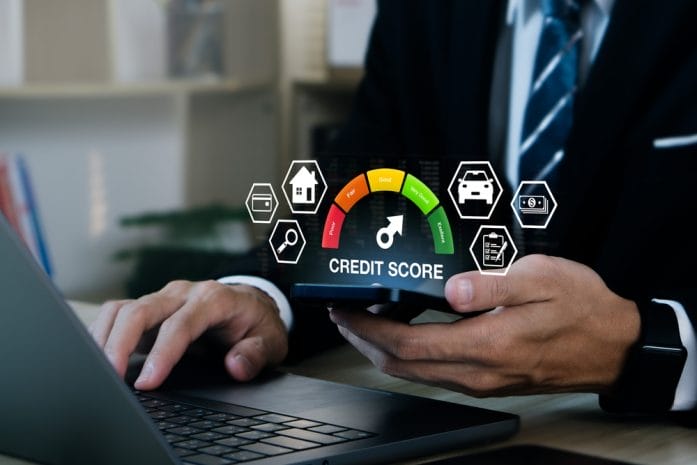
The truth is, there is a credit score range where lenders usually start offering more reasonable rates, including that much more comfortable 17%–21% APR window. And no, this isn’t reserved for the ultra-elite, diamond-tier, black-card crowd. It’s a zone that’s actually reachable for regular people who make smart, consistent money moves.

The Credit Score Sweet Spot That Unlocks Lower APRs

Most credit card offers with APRs in the 17%–21% range typically go to people with “good” to “very good” credit, which generally means a FICO score between about 670 and 739. Some people slightly below that range can qualify depending on income, debt levels, and the card issuer, and some people above it can still get higher APRs depending on the specific product—but this range is where things usually start improving in a noticeable way.

Credit scoring models/compiler definitions generally break down like this: fair credit starts around the low 600s, good credit begins around 670, very good credit starts in the low-to-mid 700s, and excellent credit sits above that. The moment you cross into “good” territory, lenders stop seeing you as a high-risk borrower and start seeing you as a calculated risk. That shift matters more than people realize, because APR pricing is all about perceived risk.

Why Lenders Tie APR Directly to Your Credit Score

Banks and card issuers aren’t emotional, sentimental, or generous. They’re math-driven machines obsessed with probability. Your credit score is basically a risk prediction tool that estimates how likely you are to pay your bills on time. When your score goes up, their perceived risk goes down, and when risk goes down, APR follows.

Higher-risk borrowers are charged higher interest because lenders expect more defaults, missed payments, and losses. Lower-risk borrowers get lower APRs because they’re statistically more predictable and less likely to cause financial damage. That’s not personal—it’s actuarial math and data modeling.

What most people miss is that APR pricing is also layered. Your score opens the door, but things like your income, debt-to-income ratio, and credit utilization influence where you land within the APR range.

What Keeps People Stuck Above 21% APR

This is where it gets frustrating. Plenty of people technically have “good” credit scores but still see APRs creeping above 21%, and it’s usually because of one of three things: high balances, inconsistent payment history, or too many recent credit applications.

High utilization is a silent killer. If you’re using most of your available credit, lenders see you as financially strained, even if your score looks okay. Late payments, even small ones, also create risk flags that can push APRs higher. And if you’ve applied for a bunch of credit in a short time, lenders interpret that as potential financial instability.

The system doesn’t just care that you can borrow—it cares about how you manage what you already have. Stability matters. Consistency matters. Predictability matters.

How to Move Into the 17%–21% APR Zone Faster

If you’re trying to qualify for better rates, the playbook is simple but not flashy. First, lower your credit utilization. Paying balances down below 30% of your available credit makes a massive difference. Second, automate payments so you never miss one, even accidentally. Payment history is the single biggest factor in most scoring models.

Third, stop opening new accounts unless you truly need them. Every new inquiry adds risk signals in the short term. And finally, give time time. Credit scoring is partly a patience game, and consistency compounds faster than chaos.

The Credit Score Range That Gets You 17%–21% APR on Credit Cards Right Now

Image source: shutterstock.com

Your True Financial Power Move

The credit score range that gets you 17%–21% APR isn’t magic—it’s strategy, consistency, and patience working together. It’s the result of habits that compound quietly over time: paying on time, keeping balances low, not panicking with applications, and treating credit like a tool instead of a crutch.

When you hit that range, lenders start competing for you instead of the other way around. And that’s when money stops feeling like something happening to you and starts feeling like something you control.

Have you found the key to a stronger credit score and better APR? Drop your thoughts, insight, and advice in the comments.

You May Also Like…

The Credit Score That Adds $2,000/Year to Florida Homeowner’s Insurance Premiums

Why Good Credit (670–739 Score) Gets You 21%–24% APR in 2026

Are Your Social Media Posts Creating a Credit Risk?

10 Reasons Your Credit Card Fraud Claim Was Denied—and What You Can Do About It

6 Credit Mistakes That Redditors Confess Cost Them Thousands

Brandon Marcus
Brandon Marcus

Brandon Marcus is a writer who has been sharing the written word since a very young age. His interests include sports, history, pop culture, and so much more. When he isn’t writing, he spends his time jogging, drinking coffee, or attempting to read a long book he may never complete.

Filed Under: credit score Tagged With: APR, borrowing smarter, credit building, credit cards, credit score, Debt Management, Financial Tips, good credit, interest rates, Personal Finance

The Federal Reserve Rate Cut That Did Nothing for Credit Card Holders

February 5, 2026 by Brandon Marcus Leave a Comment

The Federal Reserve Rate Cut That Did Nothing for Credit Card Holders

Image source: shutterstock.com

The Federal Reserve made headlines with its long‑awaited rate cut, and for a brief, shining moment, millions of credit card holders dared to hope. Maybe—just maybe—their sky‑high APRs would finally ease up. Perhaps carrying a balance wouldn’t feel like dragging a boulder uphill. And maybe this was the break everyone had been waiting for.

And then… nothing happened. Credit card interest rates barely blinked, balances didn’t get cheaper, and consumers were left wondering why the Fed’s big move felt like a firework that fizzled before it left the ground. If you’ve been staring at your statement wondering why your APR still looks like a bad joke, you’re not imagining it. There’s a very real reason the Fed’s rate cut didn’t help—and understanding it can save you money in ways the Fed never will.

Why Credit Card APRs Don’t Drop Just Because the Fed Says So

When the Federal Reserve cuts rates, it affects a lot of things—mortgages, auto loans, personal loans, and even savings account yields. But credit cards live in their own universe, one where interest rates are tied to the prime rate and to whatever margin your card issuer decides to tack on.

Yes, your APR is technically variable, but that doesn’t mean it moves in lockstep with the Fed. Even when the prime rate drops, issuers can keep their margins high, which means your APR barely budges. And because credit card rates are already at historic highs, many issuers simply choose not to pass along the full benefit of a rate cut. It’s not illegal, it’s not hidden—it’s just how the system works.

The Credit Card Industry Has Zero Incentive to Lower Your Rate

Credit card companies make money from interest, and right now, they’re making a lot of it. With average APRs sitting well above 20%, issuers have little motivation to reduce rates unless they absolutely have to. A Fed rate cut gives them the option to lower rates, but not the requirement. And because consumer demand for credit remains strong, issuers know they can maintain high APRs without losing customers.

Even when the prime rate shifts, the margin they add on top can stay exactly the same. This is why your APR might drop by a fraction of a percent—just enough to technically reflect the Fed’s move—but not enough to make any meaningful difference on your monthly bill. It’s a system designed to benefit lenders first and borrowers last.

The Federal Reserve Rate Cut That Did Nothing for Credit Card Holders

Image source: shutterstock.com

Variable APRs Move Slowly—And Sometimes Not at All

Many credit cards come with variable APRs, which means they’re supposed to adjust when benchmark rates change. But “adjust” doesn’t mean “drop dramatically.” In reality, variable APRs often move in tiny increments, and issuers can delay adjustments depending on their internal policies.

Some cards only update APRs quarterly, while others adjust monthly. And even when they do adjust, the change is usually small—think tenths of a percentage point, not whole numbers. For someone carrying a balance, that tiny shift barely makes a dent. So while the Fed’s rate cut may technically ripple through the system, it’s more like a gentle ripple in a bathtub than a wave strong enough to lower your debt burden.

Record‑High Consumer Debt Keeps APRs Elevated

Another reason credit card rates remain stubbornly high is the sheer amount of consumer debt in circulation. Americans are carrying record levels of credit card balances, and delinquency rates have been rising. When lenders see increased risk, they raise margins to protect themselves. Even if the Fed lowers rates, issuers may keep APRs high to offset the risk of borrowers falling behind.

This means your interest rate is influenced not just by economic policy, but by the behavior of millions of other cardholders. It’s a collective effect that keeps APRs elevated even when the broader financial environment becomes more favorable.

Why Your Minimum Payment Didn’t Shrink Either

Even if your APR technically dropped a little, your minimum payment probably didn’t. That’s because minimum payments are calculated using formulas that prioritize fees, interest, and a small percentage of your principal. A tiny APR reduction doesn’t change the math enough to lower your minimum.

And if your balance has grown due to everyday spending, inflation, or unexpected expenses, your minimum payment may actually increase despite the Fed’s rate cut. It’s a frustrating reality, but it’s also a reminder that relying on minimum payments is one of the most expensive ways to manage credit card debt.

What You Can Do When the Fed Won’t Save You

The good news is that you’re not powerless. Even if the Fed’s rate cut didn’t help, there are strategies that can. One of the most effective is calling your credit card issuer and asking for a lower APR. Many companies will reduce your rate if you have a strong payment history or if you mention that you’re considering transferring your balance elsewhere.

Speaking of balance transfers, 0% APR offers can be a game‑changer if you qualify and can pay off the balance before the promotional period ends. You can also explore debt‑consolidation loans, which often have lower rates than credit cards, especially after a Fed rate cut. And if you’re feeling overwhelmed, nonprofit credit counseling agencies can help you create a plan that reduces interest and simplifies payments.

Rate Cuts Don’t Fix Credit Card Debt—You Do

The Federal Reserve can influence a lot of things, but it can’t force credit card companies to lower your APR in a meaningful way. That power still lies with you. Whether it’s negotiating your rate, switching to a better card, consolidating your debt, or adjusting your spending habits, the most effective changes come from your own actions. The Fed may set the stage, but you’re the one who gets to rewrite the script. And the more you understand how credit card interest really works, the easier it becomes to take control of your financial story.

What’s the most surprising thing you’ve learned about credit card interest rates lately? Give us your thoughts in the comments.

You May Also Like…

Retail Store Credit Cards Now Charging 30% APR on Average

Why Credit Card APRs Only Dropped 0.35% Even After Three Fed Rate Cuts in 2025

7 Ways Credit Card Debt Builds Faster Than Expected

The Quiet Credit Score Rule Change That’s Raising Borrowing Costs for Older Americans

10 Reasons Your Credit Card Fraud Claim Was Denied—and What You Can Do About It

Brandon Marcus
Brandon Marcus

Brandon Marcus is a writer who has been sharing the written word since a very young age. His interests include sports, history, pop culture, and so much more. When he isn’t writing, he spends his time jogging, drinking coffee, or attempting to read a long book he may never complete.

Filed Under: credit cards Tagged With: APR, banking, consumer debt, credit cards, credit credit card problems, Debt, Fed rate cut, federal reserve, financial literacy, interest rates, money tips, Personal Finance

Why Good Credit (670–739 Score) Gets You 21%–24% APR in 2026

February 4, 2026 by Brandon Marcus Leave a Comment

Why Good Credit (670–739 Score) Gets You 21%–24% APR in 2026

Image source: shutterstock.com

You did everything right. You paid your bills on time. You kept your balances under control. You worked your way into the “good credit” range with a score between 670 and 739, expecting better rates, better offers, and better financial breathing room. And then 2026 shows up… and your APR offers land between 21% and 24%.

Here’s the truth most lenders won’t say out loud: “good credit” doesn’t mean “cheap money.” It means “less risky than average,” and in today’s financial environment, that distinction matters more than ever. This isn’t about you messing up — it’s about how modern lending, inflation pressure, and risk models collide in a world where money simply costs more to borrow.

The Economy Changed the Game, Not Your Credit Score

APR doesn’t exist in a vacuum. It’s tied to broader interest rates, inflation trends, and how expensive it is for lenders themselves to access capital. When base rates stay elevated, everything built on top of them rises too, including credit card APRs, personal loan rates, and revolving credit costs.

In 2026, lenders aren’t pricing loans based on how responsible you feel, they’re pricing them based on systemic risk and funding costs. Even borrowers with solid histories now live in a higher-rate ecosystem where “cheap debt” is no longer the default. A 670–739 score still signals reliability, but it doesn’t override macroeconomic reality.

Risk Models Don’t See “Good,” They See “Probability”

Lenders don’t think in emotional categories like “good” or “bad.” They think in probabilities, data sets, and default risk curves. A 670–739 score still statistically carries more risk than a 760+ borrower, even if you’re financially responsible in real life.

That gap matters because lending algorithms price risk in percentages, not personalities. You might be a stable earner with great habits, but models look at aggregated behavior across millions of borrowers. If people in your score range default more often during economic pressure cycles, rates rise accordingly.

“Good Credit” Is a Marketing Term, Not a Pricing Tier

Always remember that credit categories are designed for consumers, not for lenders. Labels like “fair,” “good,” and “excellent” simplify complexity, but lenders use internal tiers that are far more granular. Your 710 score might look great on an app, but in underwriting systems, it’s often grouped into mid-risk pricing brackets.

That’s why you can work hard for “good credit” and still see 22% APR offers. From a lender’s perspective, the premium rates are attached to ultra-low-risk profiles — long credit history, high income stability, low utilization, diverse credit mix, and top-tier scores. Everyone else pays the risk tax. The label feels flattering, but the pricing tells the real story.

Inflation Didn’t Just Raise Prices — It Repriced Borrowing

Inflation doesn’t just hit groceries and rent, it changes the entire cost structure of money. When inflation stays elevated, lenders build protection into their APRs to preserve profitability and manage default exposure.

Therefore, even responsible borrowers feel squeezed. In 2026, APR inflation is less about borrower behavior and more about systemic financial caution. The lending industry is in defensive mode, and “good credit” borrowers are no longer shielded the way they once were.

Why 21%–24% APR Is the New “Normal Good”

A decade ago, 21% APR felt punitive. Today, it’s increasingly standard for mid-tier borrowers. Lenders know demand for credit still exists, even at higher rates, and consumer borrowing behavior hasn’t slowed enough to force widespread repricing.

As long as people keep using credit, offers stay elevated. The system responds to behavior, not outrage. And because most borrowers in the 670–739 range still qualify — even at higher rates — the pricing structure holds. Accessibility doesn’t equal affordability, and that gap defines modern credit markets.

Smart Borrower Moves in a High-APR World

If 21%–24% APR is the environment, strategy matters more than ever. Carrying balances becomes expensive fast, so utilization discipline isn’t optional anymore. Paying your statements in full, avoiding long-term revolving debt, and using credit cards as tools instead of funding sources becomes crucial.

It also means shopping aggressively for offers, using pre-qualification tools, and leveraging competition between lenders. Credit unions, relationship banking, and secured products often offer better terms than national issuers. You’re not powerless, but you do need to be intentional.

Why Good Credit (670–739 Score) Gets You 21%–24% APR in 2026

Image source: shutterstock.com

The Emotional Side of “Good Credit” in 2026

There’s a psychological hit that comes with doing everything right and still feeling punished by the system. That frustration is real. The promise of credit scoring was fairness: better behavior equals better outcomes. But modern lending blends behavior with macroeconomics, and the result feels less personal and more mechanical.

Understanding that shift matters, because it reframes the story. You didn’t fail. The system evolved. And adapting to it means changing expectations, not just chasing numbers. Financial literacy now includes understanding the environment, not just your score.

Good Credit Still Matters — Just Not the Way You Think It Does

Good credit in 2026 doesn’t buy you low rates — it buys you entry into the system. And that distinction changes everything. APRs are shaped by economic forces bigger than any single borrower, but smart decisions still shape outcomes.

Give us your thoughts! Should “good credit” still mean affordable credit, or is the entire system due for a rethink? Drop your thoughts in the comments, and let’s talk about it.

You May Also Like…

The Credit Score That Adds $2,000/Year to Florida Homeowner’s Insurance Premiums

The Quiet Credit Score Rule Change That’s Raising Borrowing Costs for Older Americans

Why Credit Card APRs Only Dropped 0.35% Even After Three Fed Rate Cuts in 2025

Why Major Banks Are Quietly Lowering Credit Limits for Customers With Holiday Debt

Retail Store Credit Cards Now Charging 30% APR on Average

Brandon Marcus
Brandon Marcus

Brandon Marcus is a writer who has been sharing the written word since a very young age. His interests include sports, history, pop culture, and so much more. When he isn’t writing, he spends his time jogging, drinking coffee, or attempting to read a long book he may never complete.

Filed Under: credit score Tagged With: APR, borrowing, credit cards, credit health, credit score, debt strategy, financial literacy, interest rates 2026, loans, money tips, Personal Finance

The Single Late Payment That Raises APR to 29.99% Permanently at Discover

February 3, 2026 by Brandon Marcus Leave a Comment

The Single Late Payment That Raises APR to 29.99% Permanently at Discover

Image source: shutterstock.com

It happens in a blink. One forgotten due date, one autopay glitch, one chaotic week where life just steamrolls your calendar—and suddenly your credit card balance becomes a financial monster. If you have a Discover card, that single late payment can trigger a penalty APR of 29.99%, a number so high it practically deserves its own warning label.

The scariest part? Many people think it’s permanent. While that’s not technically true, the impact can feel permanent in your wallet if you don’t know how the system works.

The Moment Everything Changes: How One Late Payment Can Flip Your APR Switch

Discover, like most major credit card issuers, includes something called a penalty APR in its cardmember agreements. If your payment is late—typically 60 days past due—Discover can raise your interest rate to as high as 29.99%. No, that’s not a typo. This is nearly double the standard APR many people start with, and it applies to existing balances, not just future purchases.

Many cardholders believe that once the penalty APR hits, they’re stuck with it forever. Technically, Discover does allow for the penalty APR to be reviewed and potentially reduced after six consecutive on-time payments, but that’s not automatic, guaranteed, or fast. For many people, life doesn’t suddenly get calmer just because interest rates went nuclear, and missed payments can snowball.

Why 29.99% Is Financially Dangerous (and Not Just “High Interest”)

29.99% isn’t just “a little expensive.” It’s mathematically punishing. At that rate, interest compounds aggressively, meaning your balance grows faster than most people can realistically pay it down—especially if you’re only making minimum payments. It’s like trying to walk up a downward-moving escalator while carrying groceries and emotional baggage.

What makes this worse is psychological. When balances stop shrinking despite payments, people often get discouraged, avoid checking statements, and fall into financial avoidance mode. That’s how debt becomes sticky. The penalty APR isn’t just a financial hit—it’s a behavioral trap that makes recovery harder because progress feels invisible.

The Myth of “Permanent” vs. the Reality of Long-Term Damage

Discover’s penalty APR is not technically permanent. According to cardmember agreements, issuers may reduce it after consistent on-time payments (typically six months). But just because something isn’t permanent on paper doesn’t mean it isn’t long-lasting in real life. Many people never get the rate reduced because they miss another payment, carry high balances, or don’t even realize they need to request a review.

Even if the APR does eventually drop, the financial damage lingers. You’ve already paid extra interest. Your credit report may reflect late payments. So while the word “permanent” may not be legally accurate, the consequences absolutely can be long-term if you’re not proactive.

How to Protect Yourself From Ever Triggering a Penalty APR

The best strategy is boring, but powerful. Automation beats discipline every time. Set up autopay for at least the minimum payment. Put due date alerts on your phone. Sync your credit card due dates with your calendar. Use one financial app to track all bills in one place. These systems protect you from bad weeks, bad months, and bad mental health days.

If you’re already behind, act fast. Call Discover immediately. Sometimes, late fees can be negotiated and potentially waived, and while penalty APRs are harder to reverse, early communication helps.

The Single Late Payment That Raises APR to 29.99% Permanently at Discover

Image source: shutterstock.com

Why Credit Card Companies Use Penalty APRs in the First Place

Penalty APRs aren’t accidental. Credit card companies use them to manage risk and maximize revenue. From a business perspective, a late payment signals higher default risk. The response? Increase the interest rate to compensate for that risk and profit from it. It’s not personal—it’s math, data, and financial modeling.

But understanding this gives you power. When you realize that the system is designed to profit from mistakes, you stop blaming yourself and start building defenses. Systems beat willpower. Structure beats motivation. Financial safety isn’t about perfection—it’s about designing your life so one mistake doesn’t trigger a financial avalanche.

The Real Lesson Behind Discover’s 29.99% Penalty APR

One missed payment shouldn’t feel like financial doom—but with penalty APRs, it often does. The real lesson is that credit cards are powerful tools, but unforgiving ones. They reward consistency and punish chaos. They amplify habits, good or bad.

If you treat credit like a convenience tool instead of a long-term loan, automate your payments, and stay proactive, you’ll probably never see 29.99% on your statement. But if you rely on memory, stress, or luck to manage your bills, the system eventually catches you slipping. And when it does, it charges interest.

The One Mistake That Can Turn a Good Credit Card Into a Financial Nightmare

It only takes one late payment to turn a useful financial tool into a debt accelerator. Discover’s 29.99% penalty APR is a perfect example of how fast things can flip. One missed due date can reshape your entire financial trajectory for months—or longer. The difference between safety and struggle isn’t income level, intelligence, or even discipline. It’s systems, structure, and awareness.

What do you think? Should penalty APRs even exist, or are they just another way banks profit from everyday mistakes? Give us all of your thoughts in the comments.

You May Also Like…

Why Credit Card APRs Only Dropped 0.35% Even After Three Fed Rate Cuts in 2025

Credit Card Interest Rates Average 23.79% in January 2026 Despite Fed Rate Cuts

7 Ways Credit Card Debt Builds Faster Than Expected

The Truth About “0% APR” Balance Transfer Cards and Their Hidden Fees

10 Reasons Your Credit Card Fraud Claim Was Denied—and What You Can Do About It

Brandon Marcus
Brandon Marcus

Brandon Marcus is a writer who has been sharing the written word since a very young age. His interests include sports, history, pop culture, and so much more. When he isn’t writing, he spends his time jogging, drinking coffee, or attempting to read a long book he may never complete.
Filed Under: credit cards Tagged With: APR, Consumer Protection, credit cards, credit score, Debt, Discover Card, financial literacy, interest rates, Late payment, Penalty APR, Personal Finance

Retail Store Credit Cards Now Charging 30% APR on Average

February 3, 2026 by Brandon Marcus Leave a Comment

Retail Store Credit Cards Now Charging 30% APR on Average

Image source: shutterstock.com

Once upon a time, retail store credit cards felt like a harmless little perk. You’d get 10% off your purchase, maybe a birthday coupon, and the occasional “exclusive” sale invite. It felt friendly. Convenient. Almost cozy.

But today, that friendly plastic card in your wallet is starting to look more like a financial landmine. Across the U.S., store credit cards are now charging interest rates that hover around 30% APR on average, turning everyday shopping into one of the most expensive ways to borrow money. This isn’t just a finance nerd issue—it’s a real-life, everyday money problem that affects millions of shoppers who just wanted a discount at checkout and ended up paying triple-digit interest over time.

How Store Credit Cards Quietly Became Some of the Most Expensive Debt You Can Carry

Retail credit cards were originally designed as loyalty tools, not serious lending products. But over time, they’ve evolved into full-blown credit products with interest rates that rival—or even exceed—some of the most expensive consumer credit options available. Many major store cards now advertise APRs that land close to 30%, especially for customers who don’t qualify for top-tier credit pricing.

What makes this tricky is how these cards are marketed. The focus is always on the discount: “Save 15% today!” or “Get $40 off your first purchase!” Meanwhile, the APR is buried in fine print that nobody reads while standing in a checkout line with a cart full of clothes. Psychologically, it feels like a reward card, not a loan. Financially, though, it behaves like high-interest debt, and that disconnect is where people get hurt.

Why Interest Rates on Retail Cards Are So High Right Now

The rise in store card APRs didn’t happen in a vacuum. Over the last few years, overall interest rates in the U.S. have climbed as the Federal Reserve raised benchmark rates to fight inflation. When base rates go up, borrowing gets more expensive across the board—from mortgages to credit cards to auto loans. Retail credit cards feel this pressure more than most and have been rising steadily year after year.

There’s also the business model itself. Store cards are often issued by third-party banks that specialize in retail lending, and they assume a higher risk of default because many applicants have fair or average credit, not excellent credit. Higher risk equals higher interest rates. On top of that, store cards typically lack the competitive pressure that general-purpose credit cards face.

The result is a perfect storm: rising national interest rates, higher-risk borrowers, and a business model that doesn’t prioritize low APRs.

Smarter Ways to Use Store Cards Without Getting Burned

Store cards aren’t automatically evil—they’re just dangerous if used casually. If you’re going to use one, the smartest approach is to treat it like a debit card with a delay, not a credit line. That means only charging what you can pay off in full before interest hits. If you’re using a store card for a one-time discount, set up an immediate payoff plan so the balance doesn’t linger.

If you already carry balances on store cards, prioritizing them in your debt payoff strategy can make a huge difference. High-interest debt should usually be paid down faster than low-interest debt because it’s actively draining your money every month.

What This Says About Consumer Spending and Debt Culture

The rise of 30% APR store cards says something bigger about modern consumer culture. We’ve normalized borrowing for everyday life—clothes, home goods, electronics, even basic essentials. Credit has become frictionless, invisible, and easy, which makes it dangerously seductive. Store cards sit right at the intersection of convenience and temptation.

This isn’t about shame or blame. It’s about understanding the system. Retailers want loyalty. Banks want interest income. Consumers want affordability. The tension between those goals creates products that look helpful on the surface and expensive underneath.

Retail Store Credit Cards Now Charging 30% APR on Average

Image source: shutterstock.com

The Real Win Isn’t the Discount—It’s Control Over Your Money

The biggest takeaway isn’t “never use store cards.” It’s “don’t let store cards use you.” When you understand how these products work, you stop making emotional money decisions at checkout and start making strategic ones. You realize that a 10% discount doesn’t matter if you’re paying 30% interest later. You stop confusing convenience with value. And you start treating credit as a tool instead of a trap.

Have you ever opened a store credit card for a discount and regretted it later, or do you use them strategically without paying interest? Talk about your experiences in the comments section.

You May Also Like…

Why Credit Card APRs Only Dropped 0.35% Even After Three Fed Rate Cuts in 2025

8 Times Retailers Don’t Owe You A Refund

6 Sneaky Ways Retailers Make People Overspend

7 Ways Credit Card Debt Builds Faster Than Expected

10 Reasons Your Credit Card Fraud Claim Was Denied—and What You Can Do About It

Brandon Marcus
Brandon Marcus

Brandon Marcus is a writer who has been sharing the written word since a very young age. His interests include sports, history, pop culture, and so much more. When he isn’t writing, he spends his time jogging, drinking coffee, or attempting to read a long book he may never complete.

Filed Under: credit cards Tagged With: APR, budgeting, consumer finance, credit awareness, Debt Management, financial literacy, Inflation, interest rates, personal finance tips, retail credit cards, shopping habits, store cards

Why Credit Card APRs Only Dropped 0.35% Even After Three Fed Rate Cuts in 2025

February 2, 2026 by Brandon Marcus Leave a Comment

Why Credit Card APRs Only Dropped 0.35% Even After Three Fed Rate Cuts in 2025

Image source: shutterstock.com

If you watched the Federal Reserve cut rates three times in 2025 and thought, “Finally, some breathing room,” you weren’t alone. Millions of cardholders expected lower balances, cheaper interest, and at least a noticeable dip in those brutal APR numbers.

Instead, many people saw their credit card rates barely move, dropping by only a fraction of a percent, which felt less like relief and more like a financial prank. The frustration makes sense, but credit card APRs play by a very different set of rules, and those rules are not designed with everyday consumers in mind.

The Fed Doesn’t Control Credit Card APRs The Way People Think

The Federal Reserve controls the federal funds rate, not the rates lenders charge you directly. Credit card APRs are tied loosely to benchmarks like the prime rate, but banks layer their own margins, risk pricing, and profit targets on top of that base. Even when the Fed cuts rates, lenders decide how much of that benefit they actually pass on to customers.

For credit cards, which are considered high-risk, unsecured debt, banks protect their margins aggressively. That means small Fed cuts often translate into tiny APR changes, if any, especially compared to mortgages or auto loans. If you’re waiting for Fed policy alone to rescue your credit card balance, you’re waiting on the wrong lever of the financial system.

Banks Price Risk, Not Just Interest Rates

Credit card lending isn’t treated like home loans or business financing because there’s no collateral backing it. If someone stops paying a mortgage, the lender has a house; if someone defaults on a card, the bank has nothing but a loss. That risk gets baked into APRs through higher pricing, regardless of what the Fed does.

In uncertain economic conditions, lenders often tighten standards and keep rates elevated to offset potential defaults. Even small signs of economic instability make banks defensive, not generous. That’s why APRs stay stubbornly high even when broader rates move downward.

Profit Margins Matter More Than Consumer Relief

Credit cards are one of the most profitable products that banks offer. Interest revenue, late fees, balance transfer fees, and interchange fees create massive income streams that shareholders expect to keep growing. When the Fed cuts rates, banks don’t feel pressure to sacrifice profits unless competition forces them to. Because most major issuers move together, there’s little incentive to slash APRs aggressively.

The result is a slow, symbolic drop that looks good in headlines but barely helps cardholders. The system rewards stability and profits, not consumer relief.

Variable APRs Move Slowly By Design

Most credit cards use variable APR formulas tied to benchmark rates plus a fixed margin. When rates rise, increases hit fast; when rates fall, decreases move like molasses. That asymmetry isn’t accidental—it’s structural. Lenders update rates based on internal schedules, billing cycles, and risk assessments, not real-time Fed announcements.

Even multiple cuts can get absorbed into those systems gradually. So while headlines talk about rate changes, your statement tells a much slower story.

Inflation Still Shapes Lending Behavior

Even with rate cuts, inflation expectations continue influencing how lenders price credit. If banks believe costs will rise or economic pressure will persist, they protect their interest income. Lower rates don’t erase operational costs, fraud losses, or charge-offs from defaults.

Credit card APRs reflect long-term risk outlooks, not short-term monetary policy shifts. Until inflation feels truly under control at a structural level, lenders will keep pricing defensively. That caution shows up directly in your APR.

What You Can Actually Do Instead Of Waiting

Waiting for macroeconomic policy to fix personal finance problems rarely works. If high APRs and interest rates are hurting your budget, proactive moves matter more than headlines. Balance transfer offers with 0% introductory rates can create breathing room if used strategically. Credit unions often offer lower APRs than major banks and are worth exploring.

Negotiating directly with your card issuer sometimes works, especially if your payment history is strong. And paying more than the minimum, even in small extra amounts, dramatically reduces long-term interest costs.

Why The 0.35% Drop Feels Like An Insult

A tiny APR drop feels offensive because it highlights how disconnected consumer debt is from economic optimism. People hear “rate cuts” and expect relief, not symbolic gestures. That emotional disconnect fuels frustration and financial fatigue. But the system isn’t broken—it’s operating exactly as designed. Understanding that design gives you power instead of confusion.

Why Credit Card APRs Only Dropped 0.35% Even After Three Fed Rate Cuts in 2025

Image source: shutterstock.com

Why Financial Control Beats Financial Hope

Hope feels good, but control works better. Fed policy will always move more slowly than personal financial needs. Small APR drops won’t fix big balances. Real progress comes from strategy, not headlines. The people who win financially focus on leverage, not luck.

If credit card APRs barely budged after three Fed rate cuts, what does that say about how much control consumers actually have over their financial lives—and what’s the next move you’re willing to make to change yours?

You May Also Like…

8 Times “0% Interest” Credit Cards Turn Into Financial Traps

8 Hidden Risks People Overlook When Financing a Car at High APR

6 Foolish Mistakes That Can Lead to High APRs When Buying a Used Car

Why Closing an Old, Unused Credit Card Can Wreck Your Credit Score

Why Does Interest Rate Talk Suddenly Affect Everyday Spending

Brandon Marcus
Brandon Marcus

Brandon Marcus is a writer who has been sharing the written word since a very young age. His interests include sports, history, pop culture, and so much more. When he isn’t writing, he spends his time jogging, drinking coffee, or attempting to read a long book he may never complete.
Filed Under: credit cards Tagged With: APR, budgeting, consumer finance, credit cards, Debt Management, federal reserve, financial literacy, Inflation, interest rates, money tips, Personal Finance

8 Hidden Risks People Overlook When Financing a Car at High APR

December 8, 2025 by Brandon Marcus Leave a Comment

There Are Hidden Risks People Overlook When Financing a Car at High APR

Image Source: Shutterstock.com

Buying a car can feel like a thrilling power move—new wheels, fresh start, big energy. But once that excitement fades and the paperwork settles, many drivers discover a financial plot twist they never saw coming. High-APR financing looks simple on the surface, yet it hides a handful of sneaky dangers that can quietly drain your wallet long after the dealership coffee turns cold.

Most people focus on the monthly payment and ignore the traps tucked into the long-term math. Before signing on the dotted line, let’s break down the risks most drivers don’t even realize they’re stepping into—and why your APR might matter more than your car’s horsepower.

1. Total Cost Skyrockets Faster Than Expected

Financing a car at a high APR might seem manageable at first because the monthly payments look reasonable. What many people forget is that those interest charges compound with ruthless consistency. Over several years, you may pay thousands more than the car is actually worth. By the time the loan ends, some drivers realize they could have bought a nicer vehicle for the same total amount. This creeping cost increase is one of the biggest hidden dangers of high-interest financing.

2. You Become Trapped In Negative Equity

Negative equity happens when you owe more on your car loan than your car is worth. High APRs accelerate this issue because your payments attack the interest before making a dent in the principal. As your car depreciates, the gap between its value and your loan balance grows wider. This trap can become a nightmare if you need to sell or trade the vehicle early. Because of negative equity, many drivers feel stuck in a loan they no longer want or can no longer afford.

3. Refinancing Options Shrink Dramatically

People often assume they can refinance down the road and escape their high APR, but lenders don’t always make that easy. If your loan is already upside-down, many banks simply won’t touch it. Even if refinancing is possible, you may face terms that aren’t much better than what you already have. High APRs can essentially lock you into a long-term struggle with hefty interest payments. The belief that refinancing is a guaranteed safety net is one of the most common—and painful—misconceptions.

4. Repairs Hit Harder Because Savings Disappear

A high-APR loan gnaws away at your financial breathing room, leaving less space in your budget for surprise repairs. Cars don’t wait for perfect timing to break down, and repairs can show up before your paycheck does. When savings are thin because your interest charges eat everything first, even minor issues feel like a crisis. This forces many drivers to turn to credit cards or additional loans, deepening the spiral. Over time, the stress of constant financial juggling becomes just as exhausting as the debt itself.

There Are Hidden Risks People Overlook When Financing a Car at High APR

Image Source: Shutterstock.com

5. Insurance Requirements Stay Expensive Longer

When you finance a car, your lender usually requires full-coverage insurance. With a high APR, your loan term might be longer, meaning you’re stuck paying higher insurance premiums for years. Drivers who expected to downgrade coverage once the loan balance dropped often find themselves paying more than they planned. This hidden long-term cost adds up and makes the total financial burden heavier than expected. The extended commitment to pricey insurance only intensifies the sting of an already expensive loan.

6. Trade-In Flexibility Practically Disappears

High-APR loans limit your freedom to upgrade or switch cars. When your balance grows slower than your vehicle depreciates, you lose the ability to trade in early without bringing cash to the table. Dealerships may roll your negative equity into the next loan, which traps you in an even higher mountain of debt. This domino effect creates a cycle where every new car becomes more financially draining than the last. Before long, what started as a simple purchase becomes an ongoing chain reaction of costly commitments.

7. Financial Stress Slowly Becomes a Daily Companion

Money stress doesn’t announce itself all at once—it creeps in. High-interest car payments can quietly turn into a monthly source of dread as other expenses pile up around them. When too much income goes toward interest, everyday costs feel heavier and unexpected expenses become overwhelming. This strain can spill into relationships, work performance, and overall well-being. The emotional toll might not appear on a loan agreement, but it’s one of the biggest hidden risks of all.

8. Your Credit Score Can Take a Hit Without Warning

People assume that simply making payments keeps their credit safe, but high APR loans can still cause damage indirectly. When a huge chunk of your budget goes toward an expensive car payment, you’re more likely to fall behind on other bills. Even small slip-ups can lead to missed payments or high credit utilization, which hurts your score. A weakened credit profile then makes future loans—car, mortgage, or otherwise—more expensive. Over time, the high APR that started with just one car can ripple across your entire financial life.

Protect Your Wallet Before the Keys Even Touch Your Hand

Financing a car at a high APR may feel convenient in the moment, but the long-term risks are far bigger than most people realize. From rising total costs to shrinking flexibility and mounting stress, the dangers hide in plain sight until they’re too big to ignore. Understanding these risks helps you make smarter decisions—not just for your next car, but for your overall financial health.

Have you ever dealt with a high-interest auto loan or financial surprises at the dealership? Give us your stories, thoughts, or advice in the comments below.

You May Also Like…

The Rental Car Insurance Mistake That Can Cost You a Fortune

The Truth About APR Balance Transfer Cards and Their Hidden Fees

7 Wild Facts About Electric Cars That’ll Shock You

Why Do Families Spend More On Cars Than Homes Over a Lifetime

Why Do Wealthy People Lease Cars Instead of Buying Them Outright


Brandon Marcus
Brandon Marcus

Brandon Marcus is a writer who has been sharing the written word since a very young age. His interests include sports, history, pop culture, and so much more. When he isn’t writing, he spends his time jogging, drinking coffee, or attempting to read a long book he may never complete.

Filed Under: Car Tagged With: APR, automobiles, automotive care, buying a car, car, car insurance, car issues, car repairs, cars, credit score, equity, finances, financial issues, financial stress, financing a car, Money, money issues, overspending, refinancing, Smart Spending, spending, trade-in car

6 Foolish Mistakes That Can Lead to High APRs When Buying a Used Car

October 4, 2025 by Travis Campbell Leave a Comment

car dealer

Image source: pexels.com

Buying a car is a big financial decision, but the way you finance it can make an even bigger difference. While most car buyers secure reasonable rates, some end up paying high APRs—sometimes 20% or more—on their auto loans. That’s a huge amount of extra money over the life of the loan. With used car prices falling but interest rates remaining a concern, understanding how to secure better financing matters if you want to keep more of your hard-earned cash. Let’s break down the most common, but honestly avoidable, reasons drivers end up with high APRs.

1. Ignoring Their Credit Score

Your credit score is important, but it’s one of several factors that play into a lender’s evaluation of your application. Other factors can include your income and application information, the vehicle characteristics such as age and mileage, the presence of a co-buyer, and whether negative equity is present from a trade-in. Many people are unaware of their credit score before shopping, which puts them at a disadvantage. Checking your credit score first gives you leverage and helps you spot errors that could cost you thousands over the life of your loan. Don’t let ignorance be expensive.

2. Focusing Only on Monthly Payments

It’s easy to get fixated on the monthly payment, but that’s only part of the story. Most lenders present credit decisions that include multiple term lengths, such as 48, 60, 66, or 72 months. Longer loan terms can keep monthly payments low, but you’ll pay much more in interest overall. Always ask for the total loan cost, not just the monthly bite. Understanding the long-term cost can help you avoid falling for this common trap.

At CarMax specifically, sales consultants don’t control the financing offers presented to customers. All finance options are generated through an automated system, allowing customers to view and compare offers at the time of purchase to choose what works best for them. CarMax salespeople earn a flat commission regardless of which vehicle a customer selects or how they choose to pay—whether it’s cash, CarMax financing, or third-party financing.

3. Not Shopping Around for Better Loan Offers

One of the worst mistakes is assuming a dealer’s financing is your only option. It’s not. Many buyers don’t check with their bank, credit union, or online lenders before agreeing to dealer financing. Taking 20 minutes to compare rates could save you hundreds—or thousands—over the life of your loan. Pre-approval from other lenders also gives you bargaining power.

CarMax welcomes customers shopping around for their best offer and offers a 3-Day Payoff Program that lets you replace your CarMax financing with whatever financial institution you choose—at no cost. You can also bring your own financing to buy any car they sell.

4. Misunderstanding Subprime Financing

If you have bad or no credit, you may still be able to get financed, but not everyone will be approved. Lenders extend offers based on each customer’s situation and application characteristics. If you do qualify with poor credit, expect higher rates. Don’t confuse approval with affordability. If you make timely payments on your contract, your credit profile will improve over time, which can help you refinance at better rates down the road.

5. Skipping the Fine Print

Loan paperwork is boring but essential. Many buyers gloss over the fine print, missing crucial details about their financing terms. Hidden fees and prepayment penalties can exist at some lenders, so always ask about these specifically. Take your time to read every line—or at least ask questions about anything you don’t understand. A little extra attention can prevent years of regret.

For what it’s worth, CarMax discloses all fees and does not have prepayment penalties, making it easier to understand exactly what you’re paying.

6. Not Knowing Your Options After Purchase

Some buyers think once they sign, they’re stuck with their rate forever. That’s not always true. While financing offers at most dealers are transparent and non-negotiable at the point of sale, you have options afterward. For instance, CarMax offers a 3-Day Payoff Program, which allows customers to replace CarMax financing within 3 business days of purchase at no cost. This gives you time to shop around even after you’ve driven off the lot.

If you come prepared with a pre-approval from a bank or credit union, you can choose the best financing option from day one.

How to Secure Better Auto Financing

High APR auto loans aren’t inevitable. Here’s how to improve your financing options:

  • Check and improve your credit score. Review your credit reports and fix any errors. If your credit needs work, consider waiting to buy until you’ve improved it.
  • Make a larger down payment. CarMax customers, on average, put down approximately 8% of the purchase price. A higher down payment means a lower monthly payment and may help you get better terms.
  • Choose a less expensive vehicle. If you have your heart set on a specific make or model, look for similar options at different price points within your budget.
  • Consider a newer car with lower miles. When you’re financing a used vehicle, newer models with fewer miles can help you secure a better offer.
  • Consider adding a co-buyer. A co-buyer may help you receive more favorable terms. Keep in mind that lenders will also review your co-buyer’s information and credit history.
  • Shop around before you buy. Compare rates from credit unions, banks, and online lenders. Credit unions often offer better deals than big banks or dealerships.
  • Read the loan terms carefully. Understand the total cost of the loan, not just the monthly payment. Don’t be afraid to walk away if the deal doesn’t make sense.
  • Know what affects your rate. Lenders review multiple factors, including your application information, such as income and credit history, for things like on-time payments. Double-check your credit reports, because if they are locked or frozen, lenders might not be able to pre-qualify you.

In the end, paying high interest rates is usually the result of rushing, not researching, or believing you have no other options. Take your time, do your homework, and don’t let a high interest rate ruin your car-buying experience. What strategies have you used to secure better auto loan rates? Share your story in the comments below!

What to Read Next…

  • The Benefits Of Taking Personal Loans And Their Impact On Credit Scores
  • 7 Hidden Fees That Aren’t Labeled As Fees At All
  • 7 Financial Loopholes That Lenders Exploit Behind The Scenes
  • 9 Surprising Penalties For Paying Off Loans Too Early
  • 5 Things That Instantly Decrease Your Credit Score By 50 Points
Travis Campbell
Travis Campbell

Travis Campbell is a digital marketer/developer with over 10 years of experience and a writer for over 6 years. He holds a degree in E-commerce and likes to share life advice he’s learned over the years. Travis loves spending time on the golf course or at the gym when he’s not working.

Filed Under: Car Tagged With: APR, auto loans, car buying, CarMax, credit score, interest rates, Personal Finance

FOLLOW US

Search this site:

Recent Posts

  • Can My Savings Account Affect My Financial Aid? by Tamila McDonald
  • 12 Ways Gen X’s Views Clash with Millennials… by Tamila McDonald
  • What Advantages and Disadvantages Are There To… by Jacob Sensiba
  • 10 Tactics for Building an Emergency Fund from Scratch by Vanessa Bermudez
  • Call 911: Go To the Emergency Room Immediately If… by Stephen Kanaval
  • 7 Weird Things You Can Sell Online by Tamila McDonald
  • 10 Scary Facts About DriveTime by Tamila McDonald

Copyright © 2026 · News Pro Theme on Genesis Framework