• Home
  • About Us
  • Toolkit
  • Getting Finances Done
    • Hiring Advisors
    • Debt Management
    • Spending Plan
  • Insurance
    • Life Insurance
    • Health Insurance
    • Disability Insurance
    • Homeowners/Renters Insurance
  • Contact Us
  • Privacy Policy
  • Risk Tolerance Quiz

The Free Financial Advisor

You are here: Home / Archives for car repairs

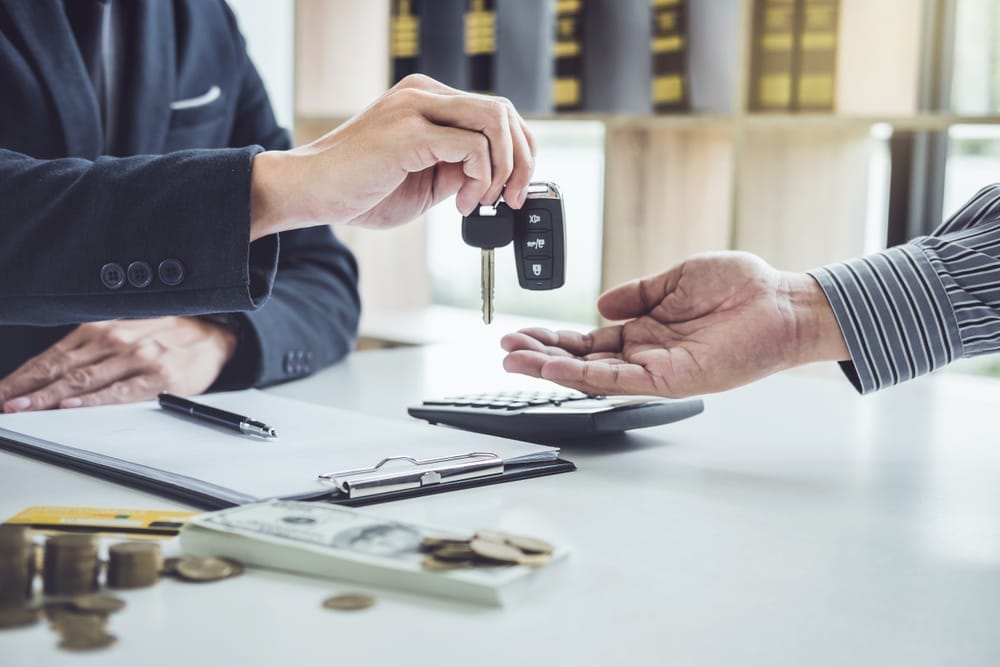
8 Hidden Risks People Overlook When Financing a Car at High APR

December 8, 2025 by Brandon Marcus Leave a Comment

There Are Hidden Risks People Overlook When Financing a Car at High APR

Image Source: Shutterstock.com

Buying a car can feel like a thrilling power move—new wheels, fresh start, big energy. But once that excitement fades and the paperwork settles, many drivers discover a financial plot twist they never saw coming. High-APR financing looks simple on the surface, yet it hides a handful of sneaky dangers that can quietly drain your wallet long after the dealership coffee turns cold.

Most people focus on the monthly payment and ignore the traps tucked into the long-term math. Before signing on the dotted line, let’s break down the risks most drivers don’t even realize they’re stepping into—and why your APR might matter more than your car’s horsepower.

1. Total Cost Skyrockets Faster Than Expected

Financing a car at a high APR might seem manageable at first because the monthly payments look reasonable. What many people forget is that those interest charges compound with ruthless consistency. Over several years, you may pay thousands more than the car is actually worth. By the time the loan ends, some drivers realize they could have bought a nicer vehicle for the same total amount. This creeping cost increase is one of the biggest hidden dangers of high-interest financing.

2. You Become Trapped In Negative Equity

Negative equity happens when you owe more on your car loan than your car is worth. High APRs accelerate this issue because your payments attack the interest before making a dent in the principal. As your car depreciates, the gap between its value and your loan balance grows wider. This trap can become a nightmare if you need to sell or trade the vehicle early. Because of negative equity, many drivers feel stuck in a loan they no longer want or can no longer afford.

3. Refinancing Options Shrink Dramatically

People often assume they can refinance down the road and escape their high APR, but lenders don’t always make that easy. If your loan is already upside-down, many banks simply won’t touch it. Even if refinancing is possible, you may face terms that aren’t much better than what you already have. High APRs can essentially lock you into a long-term struggle with hefty interest payments. The belief that refinancing is a guaranteed safety net is one of the most common—and painful—misconceptions.

4. Repairs Hit Harder Because Savings Disappear

A high-APR loan gnaws away at your financial breathing room, leaving less space in your budget for surprise repairs. Cars don’t wait for perfect timing to break down, and repairs can show up before your paycheck does. When savings are thin because your interest charges eat everything first, even minor issues feel like a crisis. This forces many drivers to turn to credit cards or additional loans, deepening the spiral. Over time, the stress of constant financial juggling becomes just as exhausting as the debt itself.

There Are Hidden Risks People Overlook When Financing a Car at High APR

Image Source: Shutterstock.com

5. Insurance Requirements Stay Expensive Longer

When you finance a car, your lender usually requires full-coverage insurance. With a high APR, your loan term might be longer, meaning you’re stuck paying higher insurance premiums for years. Drivers who expected to downgrade coverage once the loan balance dropped often find themselves paying more than they planned. This hidden long-term cost adds up and makes the total financial burden heavier than expected. The extended commitment to pricey insurance only intensifies the sting of an already expensive loan.

6. Trade-In Flexibility Practically Disappears

High-APR loans limit your freedom to upgrade or switch cars. When your balance grows slower than your vehicle depreciates, you lose the ability to trade in early without bringing cash to the table. Dealerships may roll your negative equity into the next loan, which traps you in an even higher mountain of debt. This domino effect creates a cycle where every new car becomes more financially draining than the last. Before long, what started as a simple purchase becomes an ongoing chain reaction of costly commitments.

7. Financial Stress Slowly Becomes a Daily Companion

Money stress doesn’t announce itself all at once—it creeps in. High-interest car payments can quietly turn into a monthly source of dread as other expenses pile up around them. When too much income goes toward interest, everyday costs feel heavier and unexpected expenses become overwhelming. This strain can spill into relationships, work performance, and overall well-being. The emotional toll might not appear on a loan agreement, but it’s one of the biggest hidden risks of all.

8. Your Credit Score Can Take a Hit Without Warning

People assume that simply making payments keeps their credit safe, but high APR loans can still cause damage indirectly. When a huge chunk of your budget goes toward an expensive car payment, you’re more likely to fall behind on other bills. Even small slip-ups can lead to missed payments or high credit utilization, which hurts your score. A weakened credit profile then makes future loans—car, mortgage, or otherwise—more expensive. Over time, the high APR that started with just one car can ripple across your entire financial life.

Protect Your Wallet Before the Keys Even Touch Your Hand

Financing a car at a high APR may feel convenient in the moment, but the long-term risks are far bigger than most people realize. From rising total costs to shrinking flexibility and mounting stress, the dangers hide in plain sight until they’re too big to ignore. Understanding these risks helps you make smarter decisions—not just for your next car, but for your overall financial health.

Have you ever dealt with a high-interest auto loan or financial surprises at the dealership? Give us your stories, thoughts, or advice in the comments below.

You May Also Like…

The Rental Car Insurance Mistake That Can Cost You a Fortune

The Truth About APR Balance Transfer Cards and Their Hidden Fees

7 Wild Facts About Electric Cars That’ll Shock You

Why Do Families Spend More On Cars Than Homes Over a Lifetime

Why Do Wealthy People Lease Cars Instead of Buying Them Outright


Brandon Marcus
Brandon Marcus

Brandon Marcus is a writer who has been sharing the written word since a very young age. His interests include sports, history, pop culture, and so much more. When he isn’t writing, he spends his time jogging, drinking coffee, or attempting to read a long book he may never complete.

Filed Under: Car Tagged With: APR, automobiles, automotive care, buying a car, car, car insurance, car issues, car repairs, cars, credit score, equity, finances, financial issues, financial stress, financing a car, Money, money issues, overspending, refinancing, Smart Spending, spending, trade-in car

7 Hidden Costs of Owning “Cheap” Cars

September 1, 2025 by Travis Campbell Leave a Comment

Buying a cheap car seems like a smart way to save money. After all, the sticker price is low, and you avoid hefty monthly payments. But the true cost of ownership goes far beyond what you pay upfront. Over time, that bargain might drain your wallet in ways you didn’t expect. If you’re trying to make wise financial decisions, it’s crucial to understand the hidden costs of owning cheap cars. Knowing these hidden expenses helps you budget realistically and avoid nasty surprises down the road.

Let’s break down the seven most common hidden costs that can turn a “cheap” car into a long-term money pit. If you’re considering buying a budget vehicle, keep these factors in mind before signing any paperwork.

1. Frequent Repairs and Maintenance

The most obvious hidden cost of owning cheap cars is repairs. Older vehicles or high-mileage bargains often need constant fixing. Wear and tear parts—like brakes, alternators, and radiators—fail more often as cars age. Even minor repairs add up, and major fixes like transmission or engine work can quickly eclipse your initial savings.

Plus, cheap cars may lack a warranty, so you pay out of pocket. While a newer used car might only need oil changes and basic upkeep, a bargain-basement vehicle could spend more time at the mechanic than on the road.

2. Poor Fuel Efficiency

Many cheap cars are older models with outdated engines. They often burn more gas than newer vehicles, especially if they’re not well-maintained. Over months and years, poor fuel efficiency can significantly increase your total cost of ownership. With gas prices fluctuating, these extra fill-ups can add hundreds of dollars to your annual expenses.

Before you buy, compare the fuel economy ratings of any car you’re considering. Sometimes, spending a bit more upfront on a newer, more efficient car saves you money in the long run.

3. Higher Insurance Premiums

Insurance costs don’t always drop just because your car is cheap. In fact, owning cheap cars can sometimes mean higher premiums. Some older models lack modern safety features, making them riskier in the eyes of insurers. Others have higher theft rates, which also pushes up costs.

It’s a good idea to get an insurance quote before you buy. Factor those premiums into your budget—sometimes a slightly more expensive car can come with lower insurance costs due to better safety ratings.

4. Safety Risks and Medical Costs

Cheap cars often lack advanced safety features like airbags, anti-lock brakes, or electronic stability control. If you’re in an accident, you face a higher risk of injury. Medical bills and lost wages from time off work can be far more expensive than a higher car payment would have been.

Your safety is priceless. Before buying, check the car’s crash test ratings and safety features. Investing in a safer vehicle can help protect both your health and your finances.

5. Failing Emissions and Inspection Tests

Many states require regular emissions or safety inspections. Older, cheap cars are more likely to fail these tests. If your car doesn’t pass, you may face costly repairs or even be unable to legally drive it until issues are fixed. In some cases, persistent failures could mean junking the car entirely, wiping out any savings from your initial purchase.

Always research local regulations and estimate the cost of likely repairs before buying a budget car. A cheap car that can’t pass inspection is no bargain at all.

6. Limited Resale Value

Cheap cars lose value fast. When it’s time to upgrade, you may find your vehicle is worth little or nothing in trade-in value. This is especially true for makes and models known for reliability issues. While you might plan to drive your cheap car into the ground, unexpected repairs or life changes could force you to sell sooner than expected.

Depreciation isn’t always top of mind when buying a low-cost car, but it’s a real part of the cost of ownership. Consider how long you’ll realistically keep the vehicle and how much you might be able to recoup later.

7. Financing and Interest Costs

If you don’t have cash up front, you may need to finance your cheap car. But lenders often charge higher interest rates for older vehicles or cars with high mileage. The total interest paid over the life of the loan can turn a cheap deal into an expensive one.

Some lenders may even refuse to finance very old or high-mileage cars, forcing you to seek out loans with less favorable terms. If you need to finance, shop around and compare rates carefully. Sometimes, a slightly more expensive car with better financing options actually saves you money overall.

Smart Alternatives to Cheap Cars

Owning cheap cars can seem like the fastest route to financial freedom, but these hidden costs add up fast. Before you buy, consider alternatives like certified pre-owned vehicles, which often come with warranties and better reliability. Car-sharing services or public transportation might also be smarter options if you’re on a tight budget.

Ultimately, the key is to factor in the true cost of ownership—not just the sticker price. By understanding the risks and doing your homework, you’ll be better prepared to make a choice that fits your needs and your wallet.

Have you ever owned a budget vehicle? What hidden costs surprised you the most? Share your experiences in the comments below!

What to Read Next…

  • What That New Car Smell Might Be Hiding Legally
  • 9 Cities Where Car Theft Is Becoming a Daily Occurrence
  • 5 Emergency Repairs That Could Force You Into Debt Overnight
  • 7 Hidden Fees That Aren’t Labeled as Fees at All
  • 10 Ways You’re Wasting Money Just Trying to Keep Up Appearances
Travis Campbell
Travis Campbell

Travis Campbell is a digital marketer/developer with over 10 years of experience and a writer for over 6 years. He holds a degree in E-commerce and likes to share life advice he’s learned over the years. Travis loves spending time on the golf course or at the gym when he’s not working.

Filed Under: Car Tagged With: auto insurance, car ownership, car repairs, cheap cars, Personal Finance, used cars

5 Emergency Repairs That Could Force You Into Debt Overnight

July 28, 2025 by Travis Campbell Leave a Comment

roof

Image Source: pexels.com

Unexpected expenses can hit hard. One day, everything seems fine. The next time, you’re staring at a bill that could wipe out your savings. Emergency repairs don’t wait for a convenient time. They show up when you least expect them, and they don’t care about your budget. If you’re not prepared, these costs can push you into debt fast. That’s why it’s important to know which repairs are most likely to cause financial trouble and what you can do to protect yourself.

1. Major Car Repairs

Your car breaks down on the way to work. The mechanic says you need a new transmission. The cost? It could be $3,000 or more. Most people don’t have that kind of cash sitting around. If you rely on your car for work or family, you can’t just ignore the problem. You might have to put the repair on a credit card or take out a loan. That’s how debt starts. Regular maintenance helps, but some repairs are just bad luck. If your car is older, the risk is even higher. Consider setting aside money each month for car emergencies. Even a small fund can make a big difference when something goes wrong.

2. Home Plumbing Disasters

A burst pipe can flood your home in minutes. Water damage spreads fast. You need a plumber right away, and the bill can be shocking. Fixing the pipe is just the start. You might need to replace drywall, flooring, or even furniture. The total cost can reach thousands. If you don’t have emergency savings, you might turn to credit cards or payday loans. That’s a quick path to debt. Regularly check your pipes for leaks and know the location of your main water shutoff valve. Small steps can help you avoid a big mess. And if you rent, be sure to understand what your landlord covers and what you’re responsible for.

3. HVAC System Failure

It’s the hottest day of the year. Your air conditioner stops working. Or maybe it’s winter, and your furnace dies. Either way, you need a fix now. HVAC repairs are expensive. A new system can cost $5,000 or more. Even a simple repair can run several hundred dollars. If you live in a place with extreme weather, you can’t wait. Many people end up financing these repairs or using high-interest credit cards to cover the costs. That debt can stick around for years. To lower your risk, change filters regularly and schedule yearly maintenance. However, systems sometimes fail without warning. Having a home warranty or a dedicated emergency fund can help you avoid debt when the temperature drops or soars.

4. Emergency Medical Expenses

You slip and break your arm. Or your child gets sick in the middle of the night. Even with insurance, medical emergencies can cost a lot. High deductibles, copays, and uncovered treatments add up fast. A single trip to the ER can leave you with a bill for thousands. If you don’t have savings, you might have to borrow money or use credit cards. Medical debt is a leading cause of bankruptcy in the U.S. KFF Health News reports that millions struggle with these costs every year. To protect yourself, know what your insurance covers and try to keep some money set aside for health emergencies. If you get a big bill, ask about payment plans or financial aid.

5. Roof Damage

A storm rolls through, and you hear a loud crash. You look up and see water dripping from the ceiling. Roof repairs can’t wait. If you delay, the damage gets worse. A new roof can cost $10,000 or more. Even a small repair can be expensive. Most people don’t have that kind of money ready. If you have to borrow, the interest adds up. Check your roof regularly for missing shingles or leaks. Clean your gutters to prevent water damage. If you own your home, make sure your insurance covers storm damage. But remember, not all policies are the same. Read the fine print so you know what’s covered before you need it.

Protecting Your Finances from Sudden Repair Debt

Emergency repairs can happen to anyone. They don’t care about your plans or your budget. The best way to avoid debt is to prepare before something goes wrong. Build an emergency fund, even if it’s small. Know what your insurance covers. Keep up with regular maintenance on your car, home, and health. And if you do face a big bill, look for payment plans or community resources before turning to high-interest loans. Staying ready won’t stop every problem, but it can keep a bad day from turning into a financial disaster.

Have you ever faced an unexpected emergency repair that left you in debt? Share your story or advice in the comments below.

Read More

Home Repairs That Turn Into Financial Sinkholes

Never Pay For High Car Repairs: 10 Tips to Ensure Your Car Never Needs Major Repairs Again

Travis Campbell
Travis Campbell

Travis Campbell is a digital marketer/developer with over 10 years of experience and a writer for over 6 years. He holds a degree in E-commerce and likes to share life advice he’s learned over the years. Travis loves spending time on the golf course or at the gym when he’s not working.

Filed Under: Debt Management Tagged With: budgeting, car repairs, Debt, emergency repairs, home maintenance, medical expenses, Personal Finance, Planning

7 Ways Car Dealerships Rob You By Offering Free Inspections and Then Recommending Repairs

May 17, 2025 by Travis Campbell Leave a Comment

Photo of happy couple in car showroom

Image Source: 123rf.com

Have you ever been lured into a car dealership by the promise of a “free inspection”? It sounds like a win-win: you get a professional to look over your vehicle at no cost and drive away with peace of mind. But what if that free inspection is just a clever way for dealerships to get their hands on your wallet? Many drivers don’t realize that these complimentary checkups can be a gateway to unnecessary—and expensive—repairs. Understanding how dealerships use free inspections to upsell services is crucial for anyone who wants to keep their car (and their finances) in good shape. In this article, we’ll break down the seven most common ways car dealerships rob you by offering free inspections and recommending repairs you may not need. By the end, you’ll be armed with the knowledge to protect yourself and your bank account.

1. The “Urgent” Repair Tactic

One of the oldest tricks in the book is the urgent repair pitch. After your free inspection, the service advisor might tell you that your brakes are dangerously worn or your suspension is about to fail. The language is often alarming, designed to make you feel like your safety is at risk if you don’t act immediately. While some issues are genuinely urgent, dealerships sometimes exaggerate the severity to pressure you into expensive repairs on the spot. Before agreeing to any work, always ask for a detailed explanation and, if possible, a second opinion from an independent mechanic. Getting a second opinion can save you hundreds, if not thousands, of dollars.

2. Inflated Parts and Labor Costs

Dealerships often charge significantly more for parts and labor than independent shops. After a free inspection, you might be quoted a price for a repair that’s double or even triple what you’d pay elsewhere. The dealership banks on your trust and the convenience of getting everything done in one place. However, you can often find the same quality parts and certified technicians at a fraction of the cost outside the dealership. Always compare quotes and don’t be afraid to shop around. Websites like RepairPal can help you estimate fair prices for common repairs.

3. Recommending Unnecessary Maintenance

Another way dealerships take advantage of free inspections by recommending maintenance that isn’t needed. For example, they might suggest a transmission flush or a coolant replacement long before your vehicle’s manufacturer recommends it. These “extra” services pad the dealership’s bottom line but do little for your car’s longevity. Always check your owner’s manual for the manufacturer’s recommended maintenance schedule before agreeing to any additional work. If the dealership’s recommendations don’t match up, it’s a red flag.

4. Bundling Repairs You Don’t Need

Dealerships love to bundle repairs, making it seem like you need a whole suite of services when only one or two are necessary. For instance, you might go in for a free inspection and be told you need new brake pads, rotors, and calipers—even if only the pads are worn. This tactic can turn a minor repair into a major expense. Ask for a breakdown of each recommended repair and its necessity. Don’t hesitate to decline bundled services and only approve what’s truly needed.

5. Using Technical Jargon to Confuse

Service advisors sometimes use complex technical language to make repairs sound more urgent or complicated than they are. If you don’t understand what’s being recommended, it’s easy to feel overwhelmed and just agree to everything. Don’t be afraid to ask for plain-English explanations or to have the advisor show you the problem on your vehicle. A reputable dealership will be happy to explain things clearly, while a shady one will try to keep you in the dark.

6. Overstating Wear and Tear

During a free inspection, dealerships may exaggerate normal wear and tear to justify repairs. For example, they might claim your tires are dangerously worn when they’re still within safe limits, or say your battery is weak when it’s perfectly fine. This tactic preys on your lack of technical knowledge and your desire to keep your car running smoothly. If you’re unsure, ask to see the measurements or test results yourself, and consider getting a second opinion.

7. Pushing OEM Parts When Aftermarket Will Do

Dealerships often insist on using Original Equipment Manufacturer (OEM) parts, which are typically more expensive than high-quality aftermarket alternatives. While OEM parts are sometimes necessary, many aftermarket parts meet or exceed the same standards at a lower cost. Don’t be pressured into paying a premium unless it’s truly required for your vehicle’s warranty or performance. Ask about your options and do a little research before making a decision.

Outsmarting the Free Inspection Trap

The next time you see a dealership advertising a free inspection, remember that it’s often a marketing tool designed to get you in the door—and into their repair shop. By staying informed, asking questions, and seeking second opinions, you can avoid falling for these common tactics. Protecting yourself from unnecessary repairs saves you money and gives you confidence as a car owner. Knowledge is your best defense against dealership upsells, so don’t be afraid to use it.

Have you ever been pressured into unnecessary repairs after a free inspection? Share your story or tips in the comments below!

Read More

Why Does Carvana Offer Better Deals Than Car Dealerships?

Refinancing Your Car: Here Are the Pros and Cons

Travis Campbell
Travis Campbell

Travis Campbell is a digital marketer/developer with over 10 years of experience and a writer for over 6 years. He holds a degree in E-commerce and likes to share life advice he’s learned over the years. Travis loves spending time on the golf course or at the gym when he’s not working.

Filed Under: Auto & Tech Tagged With: auto maintenance, car dealerships, car ownership, car repairs, consumer tips, free inspection, saving money

FOLLOW US

Search this site:

Recent Posts

  • Can My Savings Account Affect My Financial Aid? by Tamila McDonald
  • 12 Ways Gen X’s Views Clash with Millennials… by Tamila McDonald
  • What Advantages and Disadvantages Are There To… by Jacob Sensiba
  • 10 Tactics for Building an Emergency Fund from Scratch by Vanessa Bermudez
  • Call 911: Go To the Emergency Room Immediately If… by Stephen Kanaval
  • 7 Weird Things You Can Sell Online by Tamila McDonald
  • 10 Scary Facts About DriveTime by Tamila McDonald

Copyright © 2026 · News Pro Theme on Genesis Framework