
• Home
  • About Us
  • Toolkit
  • Getting Finances Done
    • Hiring Advisors
    • Debt Management
    • Spending Plan
  • Insurance
    • Life Insurance
    • Health Insurance
    • Disability Insurance
    • Homeowners/Renters Insurance
  • Contact Us
  • Privacy Policy
  • Risk Tolerance Quiz

The Free Financial Advisor

You are here: Home / Archives for habits

Behaviour Check: 8 Money Habits That Sabotage Boomers’ Financial Futures

December 10, 2025 by Brandon Marcus Leave a Comment

Here Are 8 Money Habits That Sabotage Boomers’ Financial Futures

Image Source: Shutterstock.com

The moment anyone starts talking about retirement, legacy planning, or “slowing down,” Boomers often nod confidently as if they’ve mastered every stage of adulthood with a perfect financial playbook. But behind that seasoned composure, many still fall into sneaky money habits that quietly chip away at long-term security.

These aren’t dramatic mistakes or headline-making disasters—they’re subtle behavioral patterns that seem harmless until they snowball. And the wild part is that most of these habits start with good intentions, making them even harder to spot. So let’s break down the eight behaviors that can derail even the most experienced saver’s financial future and see how a few tweaks could change everything.

1. Overspending On Adult Children

Many Boomers grew up believing that helping your children financially is the ultimate act of love, but sometimes that generosity spirals into self-sabotage. When adult kids rely on ongoing support, parents may drain savings they’ll later desperately need. The emotional urge to protect your children makes it easy to ignore how quickly these “temporary” expenses add up. While giving feels good in the moment, it can quietly reshape an entire retirement timeline. Financial independence should be a two-way priority, not a lifelong subsidy.

2. Holding Too Much Wealth In The Family Home

A paid-off home can feel like the ultimate badge of stability, yet it often traps wealth where it can’t be easily accessed. Boomers frequently underestimate how much of their net worth is locked inside those walls, making emergencies or lifestyle adjustments harder to manage. Downsizing feels emotional, so many resist it long past the time when it makes financial sense. The result is a retirement portfolio that looks impressive on paper but struggles to support day-to-day needs. Liquidity is your friend, not an insult to your family memories.

3. Avoiding Technology That Simplifies Money

There’s a whole generation that learned personal finance long before apps, automation, and online tools existed, and many still prefer doing things “the old-fashioned way.” But that habit can lead to missed opportunities, forgotten payments, and blind spots in budgeting. Avoiding digital tools also makes fraud detection slower and less efficient, which becomes a bigger risk with age. Modern financial tech exists to reduce stress, not create it. Embracing a few simple tools can turn money management from manual labour into effortless clarity.

Here Are 8 Money Habits That Sabotage Boomers’ Financial Futures

Image Source: Shutterstock.com

4. Putting Off Estate Planning

Nobody loves talking about wills or medical directives, so plenty of Boomers push these tasks to “someday.” Unfortunately, someday often becomes never, leaving families scrambling during emotional, confusing moments. Without clear instructions, assets can get tied up, taxed heavily, or distributed in ways the owner never intended. Proper planning isn’t just responsible—it’s an act of compassion for the people who will eventually handle the logistics. Avoiding these conversations doesn’t prevent the future; it only complicates it.

5. Relying Too Heavily On Fixed Income

Fixed income feels predictable and safe, and Boomers who lived through volatile markets often cling to stability as they age. But overdependence on fixed returns can mean portfolios that fail to grow enough to outpace inflation. When costs rise—and they always do—fixed income alone struggles to sustain long-term needs. Balancing stability with strategic growth is essential, not optional. Playing it too safe can be just as dangerous as taking unnecessary risks.

6. Underestimating Healthcare Costs

Healthcare often becomes the biggest expense in later life, yet many Boomers imagine it will be fully covered by government programs. That misconception can leave major gaps when sudden illnesses, long-term care, or prescription costs arise. Without proper planning, these expenses quickly devour retirement savings. Ignoring future medical costs doesn’t make them disappear—it just pushes the stress to a later, more vulnerable moment. Proactive planning is the only real safeguard.

7. Clinging To Outdated Financial Advice

Boomers received plenty of financial guidance in their youth, but some of those rules simply don’t apply anymore. Strategies that worked decades ago can fail miserably in today’s economic landscape. Inflation, market dynamics, interest rates, and financial technology have evolved, and advice must evolve with them. Continuing to follow outdated tips can quietly erode wealth instead of strengthening it. Staying informed isn’t a trend—it’s a necessity.

8. Avoiding Honest Conversations About Money

Many Boomers grew up in households where money talk was seen as taboo, and that mindset follows them into retirement. This reluctance makes it harder to address financial concerns with spouses, children, or advisors. Silence leads to confusion, misunderstandings, and decisions based on assumptions instead of facts. Open dialogue turns financial planning into a shared, thoughtful process rather than a secretive struggle. Transparency creates security, while avoidance breeds uncertainty.

Awareness Today Protects Tomorrow

Every generation has blind spots, and Boomers are no exception. The good news is that recognizing these habits makes them easier to change—and even small adjustments can dramatically reshape financial futures. Whether it’s updating a plan, embracing new tools, or simply talking openly with family, progress starts with awareness.

What habits have you noticed in yourself or someone you know? Let’s talk about your thoughts, stories, or experiences in the comments below.

You May Also Like…

8 Financial “Rules” Boomers Swear By That Are Actually Useless Now

8 Essential Items Boomers Should Invest In If They’ll Be Living Alone

5 Mistakes Young People Make About Their Financial Futures

7 Strange Questions Financial Advisors Secretly Love to Answer

6 Ways Baby Boomers Spend Money That Actually Adds Meaning


Brandon Marcus
Brandon Marcus

Brandon Marcus is a writer who has been sharing the written word since a very young age. His interests include sports, history, pop culture, and so much more. When he isn’t writing, he spends his time jogging, drinking coffee, or attempting to read a long book he may never complete.

Filed Under: Finance Tagged With: adult children, baby boomers, bad habits, Boomers, daily habits, Estate plan, Estate planning, finance, finances, financial future, general finance, good habits, habits, Money, money habits, money issues, overspending, technology, Wealth, wealthy families

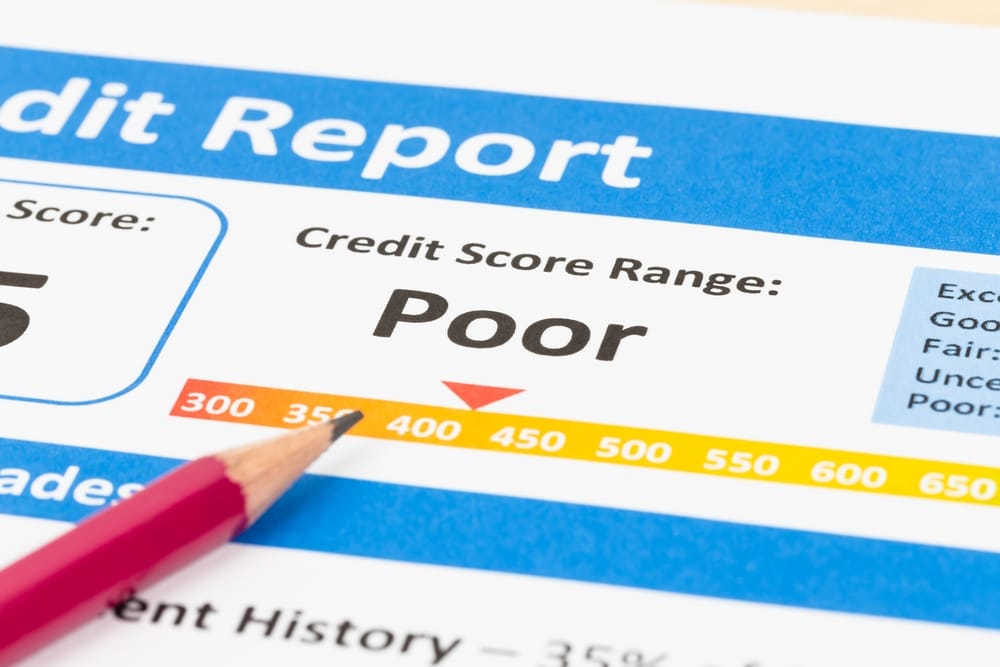
8 “Harmless” Daily Habits That Are Secretly Wrecking Your Credit Score

December 8, 2025 by Brandon Marcus Leave a Comment

Some “Harmless” Daily Habits That Are Secretly Wrecking Your Credit Score

Image Source: Shutterstock.com

Most people walk around feeling pretty confident about their credit—until one day they check it, and suddenly it’s limping along like it just ran a marathon in flip-flops. The truth is, your credit score isn’t only affected by the big stuff like missed payments or maxed-out cards. Sometimes it’s the tiny, everyday habits—the innocent ones you don’t even think twice about—that nibble away at your score until it’s begging for mercy.

These habits hide in plain sight, disguised as completely normal financial behavior, but behind the scenes they can cause chaos. If you’ve ever wondered why your score isn’t rising the way you expect, these sneaky culprits might be the reason.

1. Paying Bills A Few Days Late Because “It’s No Big Deal”

A bill that’s late by a few days might feel harmless, especially if you still intend to pay it within the same week. But lenders and credit systems don’t see “a few days” the way you do—they see inconsistency. Even though most creditors only report payments more than 30 days late, the pattern of last-minute scrambling can eventually lead to slip-ups. One forgetful day becomes a late payment penalty, and one penalty can become a percentage drop in your score. So even if you don’t get hit with a reportable late payment, cutting it close is a risky habit that can eventually bite.

2. Using Too Much Of Your Credit Limit Just Because You’ll Pay It Off

You might assume that as long as you pay your card in full each month, running your cards up to the limit doesn’t matter. But your credit utilization—the amount of credit you’re using compared to what you have available—gets calculated long before you make that payment. If your statement closes when your card is nearly maxed out, the credit bureaus think you’re living dangerously close to debt trouble. High utilization is one of the fastest ways to tank your score, even if you’re financially responsible. What feels like normal spending can look like credit chaos on paper.

3. Frequently Applying For Store Cards To Save Money At Checkout

That tempting “Save 20% today!” pitch at the register seems like a harmless reward. But each application triggers a hard inquiry on your credit report, and enough of them can make you look desperate for credit. Lenders don’t love the idea of someone grabbing multiple cards within short periods—it signals potential financial instability. Even if you never miss a payment on those store cards, the damage from repeated inquiries can linger. And once you have several rarely used cards, they can complicate your financial profile even more.

4. Closing Old Accounts Because You’re “Decluttering” Your Finances

It feels productive to close an old credit card you barely use, like tidying a drawer you never open. Unfortunately, your credit score sees things differently. Old accounts provide valuable credit history, and shutting them down shortens your average account age instantly. Not only that, but closing a card also reduces your overall available credit, raising your utilization—even if you didn’t increase your spending. What feels like simplification can accidentally look like a riskier credit pattern.

5. Ignoring Small Medical Bills Until They “Get Around” To You

Medical bills have a sneaky way of slipping into the shadows and then exploding into collections when you’re not looking. You might think waiting a month or two to handle them is harmless, especially if you’re expecting insurance adjustments.

But medical offices often hand unpaid balances over to collection agencies faster than you think. Once a bill hits collection status, even a tiny one, your credit takes the blow. Treat those little medical statements like precious gems—because ignoring them can cost far more than the original bill.

Some “Harmless” Daily Habits That Are Secretly Wrecking Your Credit Score

Image Source: Shutterstock.com

6. Relying On Autopay Without Double-Checking Anything

Autopay sounds like a gift from the financial gods—set it, forget it, never worry again. Except autopay is only as reliable as the card it charges, the bank account it pulls from, or the expiration date you forgot was approaching. A declined autopay due to insufficient funds or an expired card can lead to missed payments without you even noticing. By the time you catch the mistake, your credit report may already be flashing warning signs. Autopay helps, but ignoring it completely can backfire spectacularly.

7. Disputing Every Tiny Charge Instead Of Letting Things Process

It’s important to be vigilant with your money, but constantly disputing minor charges can create an unexpected ripple effect. While disputes are processed, the affected account may temporarily behave differently on your report, especially if payments are paused. If the dispute doesn’t go your way or creates confusion with your creditor, it can lead to missed payments or accidental delinquencies. Over time, this can make your financial behavior appear inconsistent or disorganized. Sometimes it’s better to allow a charge to clear and then clarify it calmly with the merchant rather than filing dispute after dispute.

8. Letting Subscriptions Auto-Renew Even When You Forget About Them

Subscriptions love quietly draining your account in the background. You may treat them as small, forgettable expenses, but collectively they can cause overdrafts, increased utilization, or missed payments if tied to certain accounts. What starts as a $9.99 auto-renew might snowball into insufficient funds, triggering fees or missed charges on other bills. Credit scoring systems see the symptoms, not the root cause—and the symptoms look like you’re not managing your money well. Keeping unused subscriptions running is like leaving a leaky faucet dripping onto your credit score.

Your Credit Score Reflects Habits, Not Just Big Mistakes

Most people assume credit scores crumble only when something huge goes wrong, but it’s often the small, sneaky habits that slowly chip away at them. The good news is that once you recognize these behaviors, they’re surprisingly easy to adjust. Awareness is half the battle—and the other half is building habits that help your score rise instead of sink.

If you’ve ever discovered one of these habits in your own life, you’re definitely not alone. Share your experiences, stories, or questions in the comments section below so others can learn from them too.

You May Also Like…

Expense Mindset: 5 Budgeting Habits High-Net Individuals Use

7 Money Habits We Wish We Started 10 Years Earlier

Financial Habits of People Who Never Stress About Money

8 Modern Habits That Baffle Older Generations

8 Times “0% Interest” Credit Cards Turn Into Financial Traps


Brandon Marcus
Brandon Marcus

Brandon Marcus is a writer who has been sharing the written word since a very young age. His interests include sports, history, pop culture, and so much more. When he isn’t writing, he spends his time jogging, drinking coffee, or attempting to read a long book he may never complete.

Filed Under: credit score Tagged With: bill, credit, credit cards, credit limit, credit repair, credit report, credit score, daily habits, habits, Money, money issues, paying bills

13 Profound Insights Into The Psychology of Wealth Creation

October 15, 2025 by Travis Campbell Leave a Comment

investment

Image source: shutterstock.com

Understanding the psychology of wealth creation is essential for anyone who wants to build lasting financial security. Money decisions are rarely just about math—beliefs, habits, and emotions shape them. If you want to increase your net worth and make smarter choices, it helps to look beyond spreadsheets into what drives your actions. This article explores thirteen key insights about the psychology of wealth creation, offering practical ideas to help you rethink your relationship with money. Whether you’re starting out or already on your journey, these perspectives can help you build a stronger financial foundation.

1. Mindset Shapes Your Financial Reality

Your beliefs about money can either propel you forward or hold you back. Many people inherit limiting beliefs—like “money is the root of all evil” or “I’ll never be rich”—without questioning them. Challenging these assumptions is the first step in the psychology of wealth creation. Shifting to a growth mindset opens the door to learning, risk-taking, and opportunity. If you believe you can improve your financial situation, you’re more likely to take action and persist when challenges arise.

2. Habits Outweigh Willpower

Building wealth isn’t about one-time choices. It’s the result of daily habits, like saving a portion of your income, tracking spending, and investing regularly. Willpower fades, but habits run on autopilot. Small, consistent actions compound over time. Examine your routines and ask: Are they helping or hurting your financial goals?

3. Emotional Triggers Drive Spending

Impulse purchases often come from emotional triggers: stress, boredom, or even celebration. Recognizing these patterns is a crucial part of the psychology of wealth creation. When you notice an urge to spend, pause and ask what’s really driving it. Sometimes, a walk or a conversation can satisfy the need without draining your wallet.

4. Delayed Gratification Pays Off

People who master delayed gratification tend to build more wealth. It’s not about denying yourself everything, but about making thoughtful choices. Can you wait before upgrading your phone? Could you invest a bonus instead of spending it? Practicing patience lets your money grow and helps you prioritize long-term goals over short-term pleasures.

5. Financial Goals Need Clarity

Vague aspirations like “get rich” rarely inspire real change. Clear, specific goals—such as “save $10,000 for a down payment in two years”—give direction and motivation. Write your goals down, break them into steps, and track your progress. Clarity turns dreams into actionable plans in the journey of wealth creation.

6. Social Influences Are Powerful

Your social circle shapes your money habits, often more than you realize. If your friends are big spenders, you may feel pressure to keep up. On the other hand, surrounding yourself with people who value saving and investing can nudge you toward better choices. Consider joining a community of like-minded investors to reinforce healthy financial behaviors.

7. Fear and Greed Cloud Judgment

Financial markets are driven by two emotions: fear and greed. These feelings can lead to irrational decisions, like panic-selling during a downturn or chasing risky investments. The psychology of wealth creation involves learning to recognize these emotions and not letting them dictate your actions. Staying calm and sticking to your plan usually leads to better outcomes.

8. Knowledge Reduces Anxiety

Money can be a major source of stress, especially when you feel uninformed. The more you learn about saving, investing, and personal finance, the more confident you’ll feel. Read books, listen to podcasts, or take a course on the basics. Knowledge is a powerful antidote to financial anxiety and a key part of wealth creation.

9. Comparing Hurts More Than It Helps

It’s easy to look at others and feel behind, but comparison rarely leads to happiness. Everyone’s financial journey is different. Focus on your own progress and values. The only person you need to outperform is your past self.

10. Generosity Creates Abundance

It might seem counterintuitive, but giving can actually enhance your sense of wealth. Studies show that people who give to others—whether time, money, or skills—often feel more prosperous. Generosity shifts your mindset from scarcity to abundance, reinforcing positive money habits.

11. Failure Is a Learning Tool

Mistakes are inevitable on the road to wealth creation. The key is to treat setbacks as learning opportunities, not evidence of defeat. Analyze what went wrong, adjust your strategy, and move forward. Every failure brings valuable lessons that can improve your future decisions.

12. Automation Beats Forgetfulness

Automating your savings and investments removes the temptation to skip or delay important actions. Set up automatic transfers to savings accounts or retirement plans. This technique leverages the psychology of wealth creation by making good decisions effortless and consistent.

13. Your Identity Drives Your Actions

How you see yourself—spender, saver, investor—shapes your behavior. If you identify as someone who’s responsible with money, you’ll act accordingly. To shift your identity, start with small wins: pay off a small debt, save your first $100, or read a personal finance book. Over time, these actions reinforce a wealth-building identity.

Building Your Wealth Psychology Toolkit

The psychology of wealth creation is about more than earning or investing. It’s about understanding your beliefs, habits, and emotional triggers, then using that insight to make smarter choices. By applying these insights, you can create a financial life that’s not just richer, but more fulfilling.

Which insight resonated most with you? Share your thoughts or experiences in the comments below!

What to Read Next…

  • Why Even Wealthy Families Are Now Fighting Over Heirlooms
  • How Many of These 8 Middle Class Habits Are Keeping You Poor
  • 8 Things Rich People Never Finance and You Shouldn’t Either
  • 10 Money Mistakes People Make After Losing a Spouse
  • 7 Tactics Grocery Stores Use to Keep You From Thinking About Price
Travis Campbell
Travis Campbell

Travis Campbell is a digital marketer/developer with over 10 years of experience and a writer for over 6 years. He holds a degree in E-commerce and likes to share life advice he’s learned over the years. Travis loves spending time on the golf course or at the gym when he’s not working.

Filed Under: Psychology Tagged With: behavioral finance, financial goals, financial psychology, habits, money mindset, Personal Finance, wealth creation

12 Important Truths About How Wealthy People Manage Time

October 9, 2025 by Travis Campbell Leave a Comment

wealthy

Image source: shutterstock.com

It seems that wealthy people accomplish more in less time. It’s not magic—it’s how they manage time that sets them apart. For those seeking financial freedom, understanding how the wealthy manage their time is just as important as understanding how they manage their money. Learning these habits can help anyone maximize productivity and build a more balanced life. If you want to boost your own results, it pays to study the time management strategies of successful people. Here are 12 important truths about how wealthy people manage time—and how you can apply them, too.

1. They Treat Time as Their Most Valuable Asset

For wealthy people, time is even more precious than money. They know money can be earned, lost, and regained, but every hour that passes is gone forever. That’s why the wealthy guard their time fiercely. They say no to distractions and low-value tasks, focusing instead on activities that bring the greatest returns—whether financial, personal, or professional. This mindset shift is key to effective time management for wealthy people.

2. They Prioritize Ruthlessly

Wealthy individuals don’t try to do everything. Instead, they identify the few tasks that matter most and dedicate their energy to those. They utilize tools like the 80/20 rule (also known as the Pareto Principle) to focus on the 20% of activities that yield 80% of the results. This approach helps them avoid wasting time on things that don’t move the needle.

3. They Delegate and Outsource

Successful individuals are aware of their strengths and weaknesses. They outsource tasks that they’re not good at or that don’t require their personal attention. By delegating tasks—whether it’s bookkeeping, cleaning, or scheduling—they free up time for high-impact work and personal growth. To manage time like the wealthy, learn to let go of control and trust others with routine tasks.

4. They Set Clear Boundaries

Wealthy people are intentional about how they spend their time. They set boundaries with work, family, and friends to protect their schedules. This might mean turning off email after hours, saying no to unplanned meetings, or carving out time for exercise and relaxation. Boundaries help them maintain focus and prevent burnout.

5. They Use Systems and Routines

Habits and routines are the backbone of time management for wealthy people. They create systems for everything from morning rituals to email management. These routines reduce decision fatigue and make productivity automatic. By building reliable habits, they free up mental space for creative and strategic thinking.

6. They Plan Ahead

Planning is a non-negotiable part of how wealthy people manage time. Many spend time each evening or week mapping out their priorities, appointments, and goals. This proactive approach helps them avoid last-minute stress and ensures they’re always working on what matters most. Whether it’s a detailed calendar or a simple to-do list, planning ahead makes a big difference.

7. They Avoid Multitasking

Multitasking may feel productive, but it actually slows most people down. The wealthy understand that switching between tasks leads to mistakes and wasted time. They prefer to focus deeply on one task at a time, producing better results in less time. This single-tasking approach is a hallmark of effective time management for wealthy people.

8. They Invest in Self-Care

Many high achievers make time for physical and mental self-care. Exercise, sleep, meditation, and hobbies aren’t luxuries—they’re priorities. These habits boost energy, creativity, and resilience, allowing them to perform at their best. If you want to emulate wealthy people, don’t neglect your health or personal well-being.

9. They Leverage Technology Wisely

Wealthy people use technology as a tool, not a distraction. They rely on productivity apps, calendars, and automation to streamline their days. But they’re also careful to limit social media and email distractions. By using tech intentionally, they maximize efficiency without falling into the trap of constant connectivity.

10. They Learn to Say No

“No” is a powerful word in the vocabulary of wealthy people. They understand that every “yes” to something unimportant is a “no” to something that matters. By turning down non-essential commitments, they protect their most valuable resource: time. This discipline is vital for anyone serious about managing time well.

11. They Reflect and Adjust Regularly

Wealthy people don’t assume their routines are perfect. They regularly review how they’re spending their time and look for ways to improve. This might mean tracking hours, seeking feedback, or experimenting with new strategies. Reflection helps them stay agile and continue growing.

12. They Focus on Long-Term Goals

Short-term wins are great, but wealthy people keep their eyes on the big picture. They allocate time to activities that align with their long-term vision—whether it’s building a business, growing investments, or deepening relationships. This perspective helps them resist distractions and stay committed to what truly matters. Focusing on long-term goals is a key component of effective time management for wealthy individuals.

Time Management for Wealthy People: Lessons for Everyone

Understanding how wealthy people manage time can transform your approach to productivity. Their strategies—treating time as an asset, setting boundaries, planning ahead—aren’t out of reach for the rest of us. Anyone can adopt these habits and start seeing results in their own life.

What time management practice has helped you the most? Share your thoughts in the comments below!

What to Read Next…

  • 8 Things Rich People Never Finance And You Shouldn’t Either
  • Why Even Wealthy Families Are Now Fighting Over Heirlooms
  • How Many Of These 8 Middle Class Habits Are Keeping You Poor
  • 10 Money Mistakes People Make After Losing A Spouse
  • 7 Ways Your Neighbor Could Be Spying On You Without Breaking The Law
Travis Campbell
Travis Campbell

Travis Campbell is a digital marketer/developer with over 10 years of experience and a writer for over 6 years. He holds a degree in E-commerce and likes to share life advice he’s learned over the years. Travis loves spending time on the golf course or at the gym when he’s not working.

Filed Under: Wealth Building Tagged With: delegation, habits, personal development, prioritization, Productivity, Time management, Wealth

8 Strange Money Habits of the Wealthy

September 21, 2025 by Travis Campbell Leave a Comment

wealthy

Image source: pexels.com

When people hear about the wealthy, they often imagine wild spending, flashy cars, and luxury vacations. But in reality, those who build and keep wealth tend to have some unusual money habits that set them apart. These habits might seem strange or even counterintuitive to the average person, but they play a key role in long-term financial success. Examining these behaviors can give us insight into how the rich approach money differently. By understanding the money habits of the wealthy, anyone can pick up strategies to improve their own finances. Let’s look at eight of the most unexpected—and surprisingly practical—financial routines of the rich.

1. Wearing the Same Clothes

Many wealthy people, like Steve Jobs and Mark Zuckerberg, are famous for wearing the same style of clothing every day. This isn’t just about comfort or branding—it’s about reducing decision fatigue. By making fewer choices about what to wear, they save their mental energy for bigger decisions, including those about money and investments. This habit can also reduce unnecessary spending on fashion trends, keeping their budgets focused on what truly matters.

2. Clipping Coupons and Hunting for Bargains

It might sound odd, but some of the richest people are also the biggest bargain hunters. Despite having plenty of money, they still look for deals and use coupons. For example, billionaire Warren Buffett is known for his frugal lifestyle. This habit isn’t about being cheap; it’s about respecting the value of money. Practicing this part of the money habits of the wealthy can encourage anyone to spend more thoughtfully.

3. Driving Old Cars

Many wealthy individuals drive older, reliable cars instead of buying the latest luxury models. This approach saves them money on depreciation, insurance, and taxes. Instead of spending big on vehicles, they invest their money where it can grow. This habit shows that the truly rich often care more about value and utility than status symbols.

4. Reading Obsessively

One of the most common money habits of the wealthy is reading. They consume books, newspapers, and magazines to stay informed and expand their knowledge. Reading helps them make better investment choices and stay ahead of trends. This commitment to learning is a powerful tool in building and protecting wealth.

5. Living Well Below Their Means

Many rich people live in modest homes, avoid excessive spending, and keep their lifestyles simple. For example, Warren Buffett still lives in the same house he bought decades ago. This habit allows them to save and invest more aggressively, which is a cornerstone of their long-term financial strategy. Living below your means is one of the most effective money habits of the wealthy that anyone can adopt.

6. Tracking Every Dollar

Wealthy people often track their expenses meticulously. They monitor where every dollar goes, ensuring nothing is wasted. This habit helps them catch unnecessary expenses and make smarter financial decisions. Tools like budgeting apps or simple spreadsheets are commonly used, making this habit accessible to anyone willing to put in the effort.

7. Avoiding Lifestyle Inflation

When people earn more, they tend to spend more—a phenomenon called lifestyle inflation. The wealthy resist this urge. Instead of upgrading their lifestyle with every raise or windfall, they keep their expenses steady and put extra money into savings or investments. This discipline is one of the most overlooked money habits of the wealthy and is crucial for sustaining wealth over time.

8. Investing in Experiences, Not Just Things

Rather than spending on flashy items, many wealthy people prioritize experiences like travel, learning, and time with family. These investments create memories and personal growth, which can be more rewarding than material possessions. This approach not only brings fulfillment but also avoids the endless cycle of buying more stuff to feel happy.

Applying Wealthy Habits to Your Life

Adopting the money habits of the wealthy isn’t about copying every odd behavior, but about understanding the principles behind them. These habits show a focus on long-term value, careful spending, and ongoing self-improvement. By making small changes—like tracking expenses or resisting lifestyle inflation—you can build a stronger financial foundation.

Want more ideas? What strange or surprising money habit have you noticed—or tried—in your own life? Share your thoughts in the comments below!

What to Read Next…

  • 8 Things Rich People Never Finance And You Shouldn’t Either
  • Why Even Wealthy Families Are Now Fighting Over Heirlooms
  • How Many Of These 8 Middle Class Habits Are Keeping You Poor
  • Are These 8 Money Saving Tricks Actually Keeping You Broke
  • 10 Ways You’re Wasting Money Just Trying To Keep Up Appearances
Travis Campbell
Travis Campbell

Travis Campbell is a digital marketer/developer with over 10 years of experience and a writer for over 6 years. He holds a degree in E-commerce and likes to share life advice he’s learned over the years. Travis loves spending time on the golf course or at the gym when he’s not working.

Filed Under: Wealth Building Tagged With: financial success, frugality, habits, Personal Finance, saving money, Wealth

Habits That Make You Look Wealthier Than You Actually Are

July 5, 2025 by Travis Campbell Leave a Comment

rich

Image Source: pexels.com

Looking wealthy isn’t just about flashy cars or designer labels—it’s about the subtle habits and choices that project confidence, polish, and financial savvy. In a world where first impressions matter, appearing affluent can open doors, boost your credibility, and even help you network more effectively. But you don’t need a trust fund or a six-figure salary to cultivate a wealthy image. Instead, it’s about adopting smart, intentional habits that anyone can master. Whether you’re climbing the career ladder, building your business, or simply want to feel more put-together, these practical tips can help you look wealthier than you actually are, without breaking the bank. Let’s dive into the habits that can elevate your presence and make a lasting impression.

1. Dress with Intention and Fit

One of the most powerful habits that make you look wealthier than you actually are is dressing with intention. This doesn’t mean buying expensive clothes—it means choosing pieces that fit well, are clean, and suit your personal style. Tailoring inexpensive clothing can make a dramatic difference in how you’re perceived. Well-fitted clothes signal attention to detail and self-respect, both of which are associated with affluence. Stick to classic colors and simple patterns, and avoid overly trendy items that can look cheap or dated quickly. Investing in a good tailor is often more impactful than splurging on designer brands.

2. Prioritize Grooming and Personal Hygiene

Consistent grooming is a hallmark of people who appear wealthy. This includes regular haircuts, well-maintained nails, and clear skin. You don’t need luxury products—just a solid routine. Clean, polished shoes and fresh breath also go a long way. These small details show that you care about your appearance and take pride in yourself, which others often associate with financial stability.

3. Speak with Confidence and Clarity

How you communicate can make you look wealthier than you actually are. Wealthy individuals often speak clearly, avoid filler words, and project confidence. Practice active listening and maintain good eye contact. Avoid gossip and negative talk, and instead, focus on positive, solution-oriented conversations. Expanding your vocabulary and being articulate can help you command respect and attention in any setting.

4. Practice Good Posture and Body Language

Nonverbal cues are just as important as what you say. Standing tall, sitting up straight, and moving with purpose can instantly make you appear more confident and affluent. Avoid slouching or fidgeting, as these habits can undermine your presence. Confident body language not only makes you look wealthier but also helps you feel more self-assured in social and professional situations.

5. Curate Your Social Media Presence

In today’s digital world, your online image matters. Curate your social media profiles to reflect a polished, intentional lifestyle. This doesn’t mean pretending to be someone you’re not, but rather sharing content that aligns with your values and goals. Avoid oversharing or posting negative content. Instead, highlight your achievements, interests, and experiences that showcase your best self.

6. Develop a Signature Scent

A subtle, pleasant fragrance can leave a lasting impression and is often associated with wealth. You don’t need to buy the most expensive perfume or cologne—just find a scent that suits you and use it sparingly. Consistency is key; having a signature scent can become part of your personal brand, making you memorable in a positive way.

7. Master the Art of Polite Conversation

Politeness and good manners never go out of style. Saying “please,” “thank you,” and “excuse me” shows respect for others and reflects well on you. Wealthy individuals are often known for their graciousness and ability to make others feel comfortable. Practice active listening, remember names, and show genuine interest in others. These habits can help you build strong relationships and leave a positive impression.

8. Invest in Timeless Accessories

Accessories can elevate your look without costing a fortune. Choose classic items like a quality watch, a leather belt, or a structured handbag. These pieces don’t have to be designer, but they should be well-made and in good condition. Avoid flashy logos and instead opt for understated elegance. Timeless accessories can make even the simplest outfit look sophisticated and expensive.

9. Keep Your Spaces Organized

Whether it’s your home, car, or workspace, maintaining a tidy and organized environment is a habit that can make you appear wealthier than you actually are. Clutter can signal chaos and a lack of control, while a clean, orderly space suggests discipline and success. Develop routines for tidying up and maintaining your belongings. This habit not only improves your image but also reduces stress and boosts productivity.

Elevate Your Everyday Presence

Looking wealthier than you actually are isn’t about faking it—it’s about adopting habits that reflect confidence, care, and intentionality. By focusing on the details, from your wardrobe to your words, you can project an image of affluence and self-assurance in any situation. These habits are accessible to everyone and can have a powerful impact on how you’re perceived, both personally and professionally.

What habits have you found make the biggest difference in how others perceive you? Share your thoughts in the comments below!

Read More

Vacation Without Breaking the Bank

Find the Right Amount of Life Insurance in 10 Minutes

Travis Campbell
Travis Campbell

Travis Campbell is a digital marketer/developer with over 10 years of experience and a writer for over 6 years. He holds a degree in E-commerce and likes to share life advice he’s learned over the years. Travis loves spending time on the golf course or at the gym when he’s not working.

Filed Under: Lifestyle Tagged With: confidence, habits, image, Lifestyle, Personal Finance, self-improvement, Wealth

How to Utilize Rewards

July 29, 2020 by Jacob Sensiba Leave a Comment

On this site, we talk about credit, investing, and how to pay off debt. One thing that’s often missed around the debt subject is rewards.

Rewards are incentives to keep going. It’s something we can use to motivate us on our journey, no matter what that journey is.

Whether we are trying to pay off debt, lose weight, or just, straight up, improve our life. You need to reward yourself, otherwise, it’s go go go, all the time.

In this article, we’ll talk about when it’s a good time to reward yourself, how, and things to look out for.

Habits

A reward should be centered around two things. Habit formation or commitment, and goals.

If you are trying to make an improvement on something, whether it’s your health or your finances, you have to develop good habits.

If you want to exercise more, do it six days in a row, then take a break. That break can be your reward. If you want to eat better, do it for six days and then take a little break with a cheat meal.

The first step is creating the habits to get yourself to that better place.

Goals

The next reward will come when you hit goals. You want to get to a certain place, say saving $20,00 for a down payment, eliminating your debt, or losing 20 pounds.

Those are great goals, but you should put in place incremental ones to help you get there. That could be a reward for every $5,000 saved, every $5,000 paid down, or every 5 pounds lost.

It’s a lot like Dave Ramsey’s “Snowball Method” with applications in different areas of life. The goal with that method is to give you small wins to keep you motivated.

How to reward

If you put those habits in place and hit those goals, it’s time for the reward. The great, but the challenging part about that is everyone defines reward differently.

So when you create a reward for yourself, you should keep two things in mind. Make sure it’s good enough to release some dopamine, but small enough that it doesn’t set you back on what you are trying to accomplish.

If you’re trying to lose weight, your reward should be a little cheat meal or a day off from working out. Not a day of binge eating or a week without breaking a sweat.

If you’re trying to save money or pay down debt, don’t let whatever the reward is negate you from saving that month or add to your debt.

Large enough to make you feel good, but small enough so you stay on course.

What to watch for

The biggest thing to watch for is the size/duration of the reward. It mustn’t be too big or too small.

It’s a fine line and may require a little trial and error before you get it right. Start small and work your way up.

As I mentioned, it shouldn’t detract you from the pursuit of your goals, but it should also make you feel good about the progress that you’ve made or the habits you’ve created.

How I handle rewards

I won’t lie to you, rewards are a challenge for me. I’m very much a black and white type of person.

I keep junk food out of the house because I can’t be tempted with it. I make regular transfers from checking to savings in order to keep “discretionary money” out of my bank account for fear of spending it away (mostly on take-out, honestly).

It’s hard for me to put the pedal to the floor and take it off for a day. I’m either all on or all off, but I’m starting to figure it out. It really just takes some practice, a little will power, and some self-awareness.

Related Reading:

The Psychology of Money

Diving Deep into Debt

Money Anxiety

My Life and How I Manage Stress

Jacob Sensiba
Jacob Sensiba

Jacob Sensible is a financial advisor with decades of experience in the financial planning industry.  His journey into finance began out of necessity, stepping up to support his grandfather during a health crisis. This period not only grounded him in the essentials of stock analysis, investment strategies, and the critical roles of insurance and trusts in asset preservation but also instilled a comprehensive understanding of financial markets and wealth management.  Jacob can be reached at: jake.sensiba@mygfpartner.com.

mygfpartner.com/jacob-sensiba-wisconsin-financial-advisor/

Filed Under: money management, Personal Finance, Productivity, Psychology Tagged With: Debt, goals, habits, motivation, rewards, Saving

FOLLOW US

Search this site:

Recent Posts

  • Can My Savings Account Affect My Financial Aid? by Tamila McDonald
  • 12 Ways Gen X’s Views Clash with Millennials… by Tamila McDonald
  • What Advantages and Disadvantages Are There To… by Jacob Sensiba
  • Call 911: Go To the Emergency Room Immediately If… by Stephen Kanaval
  • 10 Tactics for Building an Emergency Fund from Scratch by Vanessa Bermudez
  • 7 Weird Things You Can Sell Online by Tamila McDonald
  • 10 Scary Facts About DriveTime by Tamila McDonald

Copyright © 2026 · News Pro Theme on Genesis Framework