• Home
  • About Us
  • Getting Finances Done
    • Hiring Advisors
    • Debt Management
    • Spending Plan
  • Insurance
    • Life Insurance
    • Health Insurance
    • Disability Insurance
    • Homeowners/Renters Insurance
  • Contact Us
  • Our Editorial Commitment

The Free Financial Advisor

You are here: Home / Archives for borrowing money

The Quiet Credit Score Rule Change That’s Raising Borrowing Costs for Older Americans

January 26, 2026 by Brandon Marcus Leave a Comment

The Quiet Credit Score Rule Change That’s Raising Borrowing Costs for Older Americans
Image source: shutterstock.com

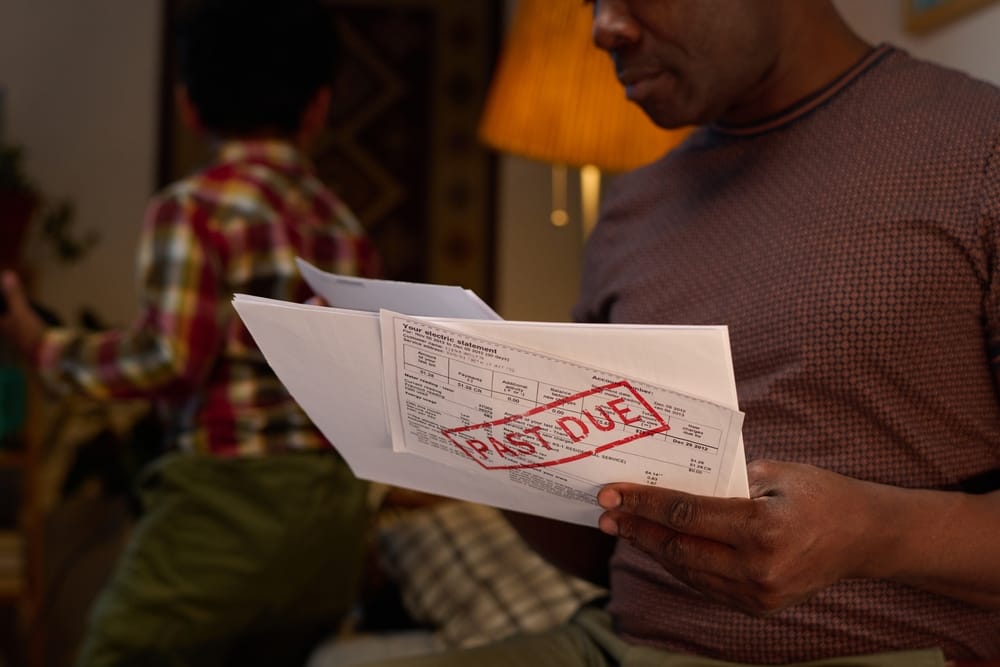
The bill arrives and nothing looks unusual—until the interest rate does. It’s higher than expected, higher than last time, and higher than what a lifetime of on-time payments seems to deserve.

For many older Americans, this moment has become oddly common. No missed payments. No maxed-out cards. Just a creeping sense that the rules changed while no one was watching. They did, and the ripple effects are landing squarely on borrowers who thought experience counted for something.

What Actually Changed Behind The Scenes

This isn’t about a single new law or a dramatic announcement blasted across financial headlines. The shift comes from the slow adoption of newer credit scoring models and updated mortgage pricing frameworks that weigh behavior differently than before. Lenders are increasingly leaning on models that emphasize recent activity, patterns over time, and active credit usage rather than long histories alone.

At the same time, mortgage pricing has been adjusted through updated risk grids that tie interest rates and fees more tightly to credit score bands and other factors. These adjustments were designed to better reflect risk, but they don’t always play nicely with the financial profiles of retirees or near-retirees. Someone with a pristine but quiet credit file can now be priced as if they’re less predictable.

Why Older Borrowers Feel It More Than Anyone Else

Older Americans are more likely to have paid off their mortgages, closed long-unused credit cards, or stopped borrowing altogether. From a life perspective, that’s a win. From a modern credit-scoring perspective, it can look like dormancy. Newer models tend to reward consistent, recent activity because it offers fresh data. A credit file that hasn’t changed much in years may be considered thinner, even if it’s flawless.

There’s also the issue of credit mix. Retirees often streamline their accounts, leaving fewer open tradelines. That can subtly lower scores under models that like variety and motion. Add in the fact that fixed incomes can limit the appetite for new credit, and you have a group doing everything “right” for real life while drifting out of alignment with algorithmic expectations.

The Mortgage Pricing Piece Nobody Talks About At Dinner

Credit scores don’t just decide approval anymore; they increasingly shape the exact price of a loan. Updated loan-level price adjustments, especially in the mortgage world, slice credit scores into narrower bands. Moving from one band to another—even by a few points—can mean a higher rate or added upfront costs. For older borrowers hovering near a cutoff, the margin for error has shrunk.

This matters because the newer scoring emphasis on recent behavior can introduce small score dips that feel arbitrary. Paying off a loan, for example, can temporarily lower a score by reducing active credit. Closing an old card to simplify finances can do the same. These moves make sense for someone planning retirement, but they can push a score just enough to trigger less favorable pricing.

It’s Not Age Discrimination, But It Feels Personal

To be clear, lenders aren’t allowed to price loans based on age, and this shift isn’t an intentional swipe at older Americans. It’s an unintended consequence of modernization. Credit models are built to predict future risk, and their designers focus on patterns that statistically correlate with repayment. Recent data tends to be more predictive than distant history, so the models tilt that way.

The emotional sting comes from the mismatch between lived responsibility and digital scoring. Many older borrowers did exactly what financial advice recommended for decades: pay things off, avoid debt, keep life simple. Now they’re told—quietly, indirectly—that a little more activity would make them look safer.

The Quiet Credit Score Rule Change That’s Raising Borrowing Costs for Older Americans
Image source: shutterstock.com

How Older Americans Can Adapt Without Playing Games

No one should take on debt just to please a scoring model, but small, thoughtful adjustments can help. Keeping one or two long-standing credit cards open and lightly used can maintain activity without risk. A small recurring charge paid in full each month often does the trick. Monitoring credit reports for accuracy matters more than ever, especially as older accounts fall off over time.

It also helps to shop around. Different lenders adopt new models at different speeds, and pricing can vary widely. Asking which credit score version a lender uses isn’t rude; it’s informed. Finally, timing matters. Applying for credit before closing accounts or paying off a major loan can preserve a stronger score snapshot. These steps don’t change the system, but they can soften its edges.

A System Catching Up, And Leaving Some Behind

This quiet credit score shift wasn’t designed to punish experience, but it does reveal how financial systems can drift away from real lives. Older Americans aren’t suddenly riskier borrowers; the measuring tape just changed. Understanding that difference is empowering, even if it’s frustrating.

If you’ve noticed higher borrowing costs, surprising rate quotes, or confusing credit score changes later in life, your perspective matters. Drop your thoughts or personal experiences in the comments below—this conversation is just getting started.

You May Also Like…

Why Major Banks Are Quietly Lowering Credit Limits for Customers With & Holiday Debt

Debt Alert: 6 Ways Holiday Spending Could Trigger a January Credit Score Crisis

6 Warning Signs That Your Credit Card Is A Problem

7 Ways Credit Card Debt Builds Faster Than Expected

10 Uncommon Tactics for Boosting Your Credit Score Rapidly

Brandon Marcus
Brandon Marcus

Brandon Marcus is a writer who has been sharing the written word since a very young age. His interests include sports, history, pop culture, and so much more. When he isn’t writing, he spends his time jogging, drinking coffee, or attempting to read a long book he may never complete.

Filed Under: credit score Tagged With: Americans, borrowing money, building credit, credit, credit repair, credit report, credit score, Money, money issues, repairing credit

5 Sneaky Signs That Debt Is Adding Up

December 14, 2025 by Brandon Marcus Leave a Comment

Here Are 5 Sneaky Signs That Debt Is Adding Up
Image Source: Shutterstock.com

Debt is one of those things that can sneak up on you without warning, almost like a financial ninja in the night. One day, you’re sipping your latte and paying your bills on time, and the next, you’re juggling multiple due dates and wondering where all your money went. It doesn’t always show itself with obvious red flags like missed payments or overdraft fees. Often, it starts small, with tiny habits and unnoticed patterns that quietly multiply over time. Recognizing these sneaky signs early is the key to staying in control before debt turns into a full-blown money crisis.

1. You Constantly Transfer Balances Or Borrow To Pay Bills

One of the clearest signs debt is creeping up is when you start using one debt to pay another. Credit card balance transfers, short-term loans, or borrowing from friends might seem like temporary fixes, but they often hide a bigger problem. It creates a cycle where you’re not actually reducing your debt—you’re just moving it around. The more you do this, the harder it becomes to see the full picture of your financial health. If you find yourself constantly hopping from one payment solution to another, it’s a red flag that debt is quietly stacking up.

2. Your Minimum Payments Are Becoming The Norm

Paying only the minimum on credit cards or loans might feel manageable, but it’s a classic sign that debt is starting to dominate your finances. Minimum payments are designed to keep you in the game for the long haul, not to help you get ahead. When you start defaulting to minimums month after month, interest accumulates, and balances can balloon without you noticing. Over time, this habit drains your financial flexibility and leaves less room for essentials or savings. If you’re seeing your payments linger at the minimum line more than your budget allows, it’s time to pay attention.

3. You Avoid Checking Your Accounts

Ignoring account statements, bank apps, or credit card notifications may feel like a stress-free strategy, but it’s one of the most dangerous signs that debt is piling up. Avoidance doesn’t make debt disappear—it makes it grow silently, often faster than you realize. Missing updates on balances, due dates, or interest charges can lead to late fees, penalties, and more stress. The anxiety of knowing you’ve ignored your finances can spiral into a vicious cycle of avoidance and accumulating debt. Regularly checking your accounts, even when it’s uncomfortable, is essential to staying on top of things.

4. Everyday Purchases Require Credit

If you find yourself reaching for a credit card for things you used to pay with cash, it might be a sneaky indicator that debt is increasing. Small, routine purchases—like groceries, gas, or coffee—add up quickly when you rely on credit instead of money you actually have. This behavior often reflects a gap between income and expenses, which can spiral into bigger financial problems if left unchecked. While it may not feel urgent now, repeated reliance on borrowing for everyday spending is a clear warning. Tracking where your money goes and catching these habits early can prevent small purchases from turning into a mountain of debt.

Here Are 5 Sneaky Signs That Debt Is Adding Up
Image Source: Shutterstock.com

5. You Feel Constant Stress About Money

Debt doesn’t just affect your finances—it affects your mental and emotional state, too. If you’re constantly worrying about bills, budgeting, or what to pay first, it’s a strong sign that debt may be quietly accumulating. Chronic financial stress can influence decisions, leading to impulsive spending or avoiding the problem entirely. It’s often subtle at first, like a background noise you barely notice, until it starts dictating daily decisions and your overall mood. Paying attention to how you feel about money can give you an early warning that debt is creeping higher, even if balances look manageable on paper.

Catch Debt Early Before It Takes Over

Debt doesn’t always announce itself with alarms or flashing lights. Sometimes it sneaks in through small habits, quiet patterns, and unnoticed behaviors that slowly tighten their grip. Recognizing signs like relying on credit for everyday purchases, avoiding statements, and feeling constant financial stress can save you from bigger trouble down the line. Awareness is the first step to regaining control and planning a path out of debt.

Have you noticed any of these sneaky signs in your own finances? Share your experiences, insights, or tips in the comments section below.

You May Also Like…

How to Teach Kids About Debt

Accelerate Your Debt Repayment Using Our Powerful Snowball Method.

5 Debt Strategies Redditors Recommend When You’re Drowning But Financial Advisors Say Are Stupid

What Really Happens If You Ignore a Debt Collector’s Voicemail

7 Things You Should Never Say to a Debt Collector on the Phone


Brandon Marcus
Brandon Marcus

Brandon Marcus is a writer who has been sharing the written word since a very young age. His interests include sports, history, pop culture, and so much more. When he isn’t writing, he spends his time jogging, drinking coffee, or attempting to read a long book he may never complete.

Filed Under: Debt Management Tagged With: avoiding debt, borrowing money, Debt, debt advice, debt avalanche, debt collection, debt collections, Debt Collectors, debt consolidation, Debt Management, debt payoff, eliminating debt, Money, money issues, Saving, saving money, savings account, sneaking debt

8 Shocking Truths About Pawn Shops

September 27, 2025 by Catherine Reed Leave a Comment

8 Shocking Truths About Pawn Shops
Image source: 123rf.com

Pawn shops have long been portrayed as mysterious places where people trade valuables for quick cash. While many see them as last-resort lenders, the reality is far more complex than the reputation suggests. For some, pawn shops offer a lifeline during financial struggles, while for others, they represent hidden costs and surprising risks. Understanding how they operate can protect you from costly mistakes and help you make smarter financial decisions. Here are eight shocking truths about pawn shops that everyone should know before walking through the door.

1. Interest Rates Can Be Sky-High

One of the most shocking truths about pawn shops is the cost of borrowing money. Pawn loans typically carry interest rates much higher than traditional lenders, sometimes exceeding 200 percent annually when fees are included. While the amounts may seem small at first, the charges add up quickly if the loan isn’t repaid on time. This makes pawning a risky financial move for anyone already struggling to stay afloat. It’s crucial to weigh whether the short-term relief is worth the long-term expense.

2. Items Are Valued Far Below Market Price

Another hidden truth about pawn shops is how little you’ll actually receive for your items. Pawnbrokers often value goods at a fraction of their retail worth, sometimes only 25 to 50 percent. This practice protects the shop in case the item must be resold. While the cash may help in an emergency, the trade-off can feel disappointing for those expecting more. Knowing the true resale value of your belongings helps set realistic expectations before pawning.

3. Not All Pawn Shops Are Equal

People often assume all pawn shops work the same way, but policies vary widely. Some shops are regulated more strictly depending on state laws, while others have more flexibility in setting fees. This means two shops in the same city could offer drastically different deals. Shopping around can make a big difference in how much you walk away with. Comparing terms is one of the smartest ways to avoid overpaying in fees or underselling your valuables.

4. Many Customers Never Reclaim Their Items

One surprising truth about pawn shops is how many items never return to their original owners. A large percentage of pawn loans go unpaid, leading shops to sell the items to recover costs. For sentimental or valuable possessions, this can be heartbreaking. It’s easy to underestimate how difficult repayment can become once fees and interest pile up. Carefully considering your ability to repay before pawning is essential to avoid permanent loss.

5. Pawn Shops Can Be a Bargain Hunter’s Paradise

While some shocking truths about pawn shops are negative, others can benefit savvy shoppers. Items forfeited by borrowers often end up for sale at a fraction of their retail price. Electronics, jewelry, and tools are common finds that can be purchased well below store cost. Bargain hunters who do their homework can walk away with valuable deals. Still, it pays to verify authenticity and condition before making a purchase.

6. Pawning Doesn’t Affect Your Credit Score

Unlike credit cards or loans from banks, pawn shop transactions don’t show up on your credit report. This is one of the more surprising truths about pawn shops, as it means both missed payments and successful repayments won’t impact your score. While this shields you from credit damage, it also prevents you from building credit. Essentially, the transaction remains entirely between you and the pawnbroker. This unique feature makes pawn loans appealing to some but limiting to others.

7. Jewelry Is the Most Commonly Pawned Item

Of all the goods exchanged at pawn shops, jewelry tops the list. Gold, silver, and precious stones are easily valued and resold by shops, making them popular forms of collateral. Families often pawn heirlooms or wedding rings during financial hardship, which adds an emotional weight to the process. Because jewelry tends to hold consistent value, shops often prefer it over electronics or other goods. This trend reveals how deeply personal pawning can become for many customers.

8. They’re More Regulated Than You Think

Despite their shady portrayal in movies, pawn shops are heavily regulated in most states. Many are required to keep detailed records, verify customer identity, and even work with law enforcement to prevent the sale of stolen goods. While not perfect, these safeguards make transactions more secure than people often realize. The shocking truth is that pawn shops are more transparent than their reputation suggests. Still, it’s important to research local laws to know what protections exist in your area.

The Hidden World Behind Pawn Shop Counters

Pawn shops might seem like simple money-for-goods exchanges, but the reality is full of surprises. From high interest rates and undervalued items to bargain shopping opportunities and strict regulations, the truth is far more complex. By understanding how pawn shops really work, you can avoid costly mistakes and even spot hidden benefits. The key is to approach with caution, clear expectations, and a focus on long-term financial health.

Have you ever had an eye-opening experience with pawn shops? Share your story and insights in the comments below!

What to Read Next…

  • 5 Surprising Risks of Keeping Large Savings at Home
  • 7 Outrageous Truths About Medical Debt
  • 9 Hidden Costs of Switching Banks Nobody Warns You About
  • 6 Weird Costs of Collecting Antiques
  • 9 Strange Assets That Rarely Pay Off (Unless You’re Extremely Lucky)
Catherine Reed
Catherine Reed

Catherine is a tech-savvy writer who has focused on the personal finance space for more than eight years. She has a Bachelor’s in Information Technology and enjoys showcasing how tech can simplify everyday personal finance tasks like budgeting, spending tracking, and planning for the future. Additionally, she’s explored the ins and outs of the world of side hustles and loves to share what she’s learned along the way. When she’s not working, you can find her relaxing at home in the Pacific Northwest with her two cats or enjoying a cup of coffee at her neighborhood cafe.

Filed Under: Personal Finance Tagged With: borrowing money, debt traps, hidden costs, money management, pawn shops, Personal Finance, quick cash

Why Do People Ignore the Risks of Cosigning Loans

September 27, 2025 by Catherine Reed Leave a Comment

Why Do People Ignore the Risks of Cosigning Loans
Image source: 123rf.com

Cosigning a loan often feels like an act of love or friendship, a way to help someone get approved when their credit history isn’t strong enough. Yet what many people fail to realize is that cosigning ties their financial future directly to someone else’s decisions. The risks of cosigning loans are real, and they can cause lasting damage to your credit, savings, and peace of mind. Despite this, countless individuals agree without fully considering the consequences. So why do people ignore the risks of cosigning loans, and what happens when they do?

1. Emotional Pressure Clouds Judgment

One of the biggest reasons people overlook the risks of cosigning loans is emotional obligation. Parents want to help their children, friends want to support each other, and partners want to build trust. In these moments, the emotional connection outweighs logical financial thinking. Saying “no” feels selfish or uncaring, even if it’s the wisest move. This emotional pressure blinds people to the serious responsibilities they’re taking on.

2. A False Sense of Security in Trust

Trust is a wonderful quality, but it can cause people to underestimate the risks of cosigning loans. Many assume their loved one will make every payment on time because they’re responsible or because they promised. Unfortunately, life happens—job loss, emergencies, or poor money management can derail even the best intentions. Once payments are missed, the cosigner is legally responsible. Trust may be important, but it doesn’t pay the bills when things go wrong.

3. Misunderstanding the Legal Responsibility

Another reason people ignore the risks of cosigning loans is that they don’t fully understand the legal implications. Cosigners often think they’re just vouching for the borrower without realizing they’re equally responsible for the debt. Lenders treat the cosigner and borrower as one and the same when it comes to repayment. This means missed payments hurt both parties’ credit scores, and debt collection efforts target both. Without grasping this reality, cosigners put themselves at unnecessary risk.

4. Optimism Bias Leads to Overconfidence

Many people suffer from optimism bias, believing bad things won’t happen to them. This mindset makes it easy to dismiss the risks of cosigning loans. They convince themselves that the borrower will succeed, the loan will be repaid, and there won’t be any problems. Overconfidence blinds them to warning signs or potential obstacles. Unfortunately, this misplaced optimism often ends in financial disappointment.

5. Lack of Awareness About Credit Impact

People frequently ignore how the risks of cosigning loans extend beyond repayment. The loan appears on the cosigner’s credit report as if it were their own. This increases their debt-to-income ratio, which can hurt their ability to qualify for mortgages, car loans, or even credit cards. Even if the borrower makes every payment, the cosigner’s borrowing power is limited. The subtle but significant impact on credit is often overlooked until it’s too late.

6. Belief That Saying Yes Is Harmless

Cosigning is often treated casually, like signing a recommendation letter instead of a legally binding agreement. This misunderstanding causes people to downplay the risks of cosigning loans. Borrowers may even assure cosigners they’ll “never have to pay a dime.” The problem is that this assumption ignores the very reason lenders require a cosigner in the first place—because the borrower is considered a risk. What feels like a harmless favor can quickly turn into a major financial burden.

7. Overlooking Long-Term Consequences

The risks of cosigning loans extend well beyond the life of the loan. If payments are missed, collections and lawsuits can follow, damaging both finances and relationships. Even if the borrower does repay, the cosigner may be tied up in the loan for years, affecting future financial choices. Long-term consequences are often ignored in favor of short-term thinking. This lack of foresight is one of the most dangerous traps of cosigning.

Helping Without Putting Yourself at Risk

People ignore the risks of cosigning loans because emotions, trust, and misunderstandings cloud their judgment. But saying “yes” isn’t the only way to help someone. Alternatives like offering financial advice, helping improve credit, or lending a smaller sum directly can provide support without risking your entire financial future. Protecting yourself doesn’t mean you don’t care—it means you’re making smart choices that keep everyone safer in the long run.

Have you ever faced the risks of cosigning loans firsthand? Share your experiences and lessons learned in the comments below!

What to Read Next…

  • What Happens When You Trust the Wrong People With Money
  • 6 Times Helping Family Financially Ends in Regret
  • 9 Financial Mistakes People Make in Their 30s That Haunt Them in Their 60s
  • 5 Silent Costs of Ignoring Credit Monitoring
  • Could A Credit Freeze Save You From Financial Ruin
Catherine Reed
Catherine Reed

Catherine is a tech-savvy writer who has focused on the personal finance space for more than eight years. She has a Bachelor’s in Information Technology and enjoys showcasing how tech can simplify everyday personal finance tasks like budgeting, spending tracking, and planning for the future. Additionally, she’s explored the ins and outs of the world of side hustles and loves to share what she’s learned along the way. When she’s not working, you can find her relaxing at home in the Pacific Northwest with her two cats or enjoying a cup of coffee at her neighborhood cafe.

Filed Under: Debt Management Tagged With: borrowing money, credit score, Debt Management, financial advice, loan mistakes, Personal Finance, risks of cosigning loans

Follow Us

Search this site:

Recent Posts

  • Can My Savings Account Affect My Financial Aid? by Tamila McDonald
  • 12 Ways Gen X’s Views Clash with Millennials… by Tamila McDonald
  • What Advantages and Disadvantages Are There To… by Jacob Sensiba
  • 10 Tactics for Building an Emergency Fund from Scratch by Vanessa Bermudez
  • Call 911: Go To the Emergency Room Immediately If… by Stephen Kanaval
  • 7 Weird Things You Can Sell Online by Tamila McDonald
  • 10 Scary Facts About DriveTime by Tamila McDonald

Copyright © 2026 · News Pro Theme on Genesis Framework