• Home
  • About Us
  • Toolkit
  • Getting Finances Done
    • Hiring Advisors
    • Debt Management
    • Spending Plan
  • Insurance
    • Life Insurance
    • Health Insurance
    • Disability Insurance
    • Homeowners/Renters Insurance
  • Contact Us
  • Privacy Policy
  • Risk Tolerance Quiz

The Free Financial Advisor

You are here: Home / Archives for legal documents

Banks Can Restrict Safe Deposit Box Access During Reviews—What That Means for Your Documents

April 16, 2026 by Brandon Marcus Leave a Comment

Banks Can Restrict Safe Deposit Box Access During Reviews—What That Means for Your Documents

Image Source: Shutterstock.com

When people lock something inside a safe deposit box, they expect one thing above all else: access when it matters. Birth certificates, property deeds, wills, and irreplaceable documents feel secure behind that vault door, far from theft or disaster.

But here’s the twist most don’t see coming—banks can temporarily limit safe deposit box access during internal reviews, audits, or legal processes. That moment of restriction can arrive without much warning, and it can leave you stuck when you need those documents the most.

Why Banks Review Safe Deposit Boxes in the First Place

Banks don’t randomly block safe deposit box access without a reason, even if it feels sudden from the outside. They conduct reviews for compliance with financial regulations, fraud prevention, and identity verification requirements tied to account holders. In some cases, banks must respond to court orders, estate disputes, or government investigations that require temporary control over access.

These reviews protect both the institution and the broader financial system, even though they can inconvenience customers. Knowing that these reviews exist helps set realistic expectations about how secure—but not always instantly accessible—your documents really are.

What Happens When Safe Deposit Box Access Is Restricted

When a bank restricts safe deposit box access, it doesn’t always mean something has gone wrong, but it does mean you can’t walk in and retrieve your items on demand. The bank may freeze access until it completes its review, verifies ownership details, or resolves a legal issue tied to the account. In practical terms, that could mean waiting days or even weeks depending on the situation and the complexity involved. Customers often don’t receive detailed explanations right away, especially if privacy laws or legal constraints limit what the bank can disclose. That uncertainty makes it critical to avoid relying on immediate safe deposit box access for urgent needs.

Situations That Commonly Trigger Access Delays

Several common scenarios can lead to restricted safe deposit box access, and many of them catch people off guard. The death of a box holder often triggers a review, as banks must verify executors and legal documentation before granting entry. Missed rental payments or expired contracts can also prompt restrictions until accounts are brought current. Changes in account ownership, such as adding or removing authorized users, may temporarily pause access while paperwork gets sorted out. Even routine internal audits can lead to short-term limits on safe deposit box access, especially in larger financial institutions that follow strict compliance procedures.

The Real Risk: Not Having Documents When You Need Them

The biggest issue with restricted safe deposit box access isn’t the delay itself—it’s the timing. Emergencies don’t wait for bank reviews to wrap up, and situations like medical crises, travel needs, or legal deadlines often require immediate paperwork. Imagine needing a passport for urgent travel or a will during a time-sensitive estate matter, only to find access temporarily blocked. That gap between need and access creates stress and can even lead to financial or legal complications. Treating a safe deposit box as the only storage option for critical documents introduces a risk many people don’t fully consider.

Banks Can Restrict Safe Deposit Box Access During Reviews—What That Means for Your Documents

Image Source: Shutterstock.com

Smart Strategies to Avoid Getting Locked Out

Avoiding problems with safe deposit box access starts with a simple shift in strategy. Keep copies of essential documents in a secure but accessible location at home, such as a fireproof safe, so you always have a backup. Digital copies stored in encrypted cloud storage add another layer of protection and convenience when physical access becomes an issue.

Make sure all account details remain up to date, including authorized users and payment status, to prevent avoidable restrictions. It also helps to periodically review your bank’s policies so you understand exactly how safe deposit box access works under different circumstances.

A Better Way to Think About Document Security

Safe deposit boxes still offer strong protection against theft, fire, and natural disasters, but they shouldn’t act as your only line of defense. A balanced approach that combines physical storage, digital backups, and easy-access copies creates a more reliable system. This mindset shift reduces the pressure on safe deposit box access and gives you flexibility when unexpected delays occur.

Planning ahead may feel unnecessary in calm moments, but it pays off when timing becomes critical. The goal isn’t to abandon safe deposit boxes—it’s to use them wisely within a broader security plan.

Don’t Let Access Become the Weak Link

Safe deposit boxes solve one problem extremely well: keeping valuables secure from external threats. However, restricted safe deposit box access introduces a different kind of risk that often goes unnoticed until it becomes urgent. Staying informed, keeping backups, and understanding your bank’s policies can prevent that moment of panic when access isn’t immediately available. Small proactive steps now can protect you from major headaches later.

Have you ever had trouble accessing important documents when you needed them most, or do you have a system that works perfectly? If you have a story to share, our comments section is the best place to do it!

You May Also Like…

Why Direct Deposit Fails: Banking Errors That Cost You Benefits​

5 Budgeting Apps That Integrate With Biometric Banking

Some Banks Are Going Digital-Only — What That Means for Your Money

Direct Deposit Refunds Are Being Returned by Banks When Names Don’t Match the Account

6 Ways Criminals Are Using AI to Impersonate Banks and Government Agencies

Brandon Marcus
Brandon Marcus

Brandon Marcus is a writer who has been sharing the written word since a very young age. His interests include sports, history, pop culture, and so much more. When he isn’t writing, he spends his time jogging, drinking coffee, or attempting to read a long book he may never complete.


Filed Under: Banking Tagged With: bank policies, banking rules, document security, emergency preparedness, Estate planning, legal documents, personal finance tips, Planning, safe deposit box access, secure storage

Why Every Newly Married Woman Should Update Her Social Security Record Right Away

April 4, 2026 by Brandon Marcus Leave a Comment

Why Every Newly Married Woman Should Update Her Social Security Record Right Away

Image Source: Shutterstock.com

The wedding may be over, the dress carefully packed away, and the thank-you notes finally sent—but one tiny administrative task still carries massive importance. Updating a Social Security record after marriage does not exactly scream excitement, yet it quietly holds the power to protect future benefits, avoid frustrating delays, and keep financial life running smoothly. Skipping it or pushing it off might not seem like a big deal today, but that delay can snowball into real problems later.

A name change often feels symbolic, personal, and deeply tied to identity, but it also needs to match official records everywhere that matters. Social Security sits at the center of that web, connecting to taxes, employment, retirement benefits, and even health coverage. When that record stays outdated, confusion creeps in fast.

The Name Game: Why This One Update Impacts Everything

A Social Security record does more than hold a name—it acts as the foundation for identity across multiple systems. Employers rely on it to report wages accurately, and the IRS depends on it to match tax returns without hiccups. When a newly married woman changes her name but leaves Social Security untouched, those systems stop lining up. That mismatch often leads to rejected tax filings or delays in processing refunds, which can feel like an unnecessary headache after an already busy year.

That ripple effect does not stop at taxes. Banks, credit agencies, and even state-issued IDs often pull verification data from Social Security records. A name mismatch can slow down everything from opening a joint account to updating a driver’s license. Even small inconsistencies can trigger identity verification flags, and those flags rarely resolve quickly. Fixing the root issue early keeps those dominoes from falling in the first place.

Beyond the paperwork, this update also protects long-term financial benefits. Social Security retirement benefits, disability benefits, and survivor benefits all rely on accurate lifetime earnings records. If a name change does not get recorded properly, those earnings might not link correctly to the right person. That scenario creates unnecessary complications when it comes time to claim benefits, especially decades down the line. Taking a few minutes now prevents a future filled with frustrating phone calls and paperwork.

Timing Matters More Than You Think

Speed plays a bigger role in this process than most expect. Updating a Social Security record quickly after marriage helps everything else fall into place without delays. Waiting too long can create a backlog of mismatched documents, especially if tax season arrives before the update gets processed. Filing taxes with a new name while Social Security still holds the old one almost guarantees a rejection from the IRS.

The process itself does not take long, but it does require the right documentation. A certified marriage certificate serves as the key piece of proof, along with identification like a driver’s license or passport. Filling out the application for a new Social Security card starts the process, and submitting it either online (in some cases) or in person finishes the job. Once approved, the updated card arrives with the new name while keeping the same Social Security number.

Planning the timing wisely makes life easier across the board. Updating Social Security before changing a name with an employer, bank, or tax authority creates a clean, consistent record everywhere. That order prevents confusion and keeps everything aligned from the start. A little bit of coordination here saves a surprising amount of time and stress later.

Avoiding the Most Common Mistakes That Cause Big Headaches

Many people assume that updating a name with one institution automatically updates it everywhere else. That assumption causes one of the most common mistakes. Social Security does not receive automatic updates from a marriage license or from other agencies. Taking direct action remains essential, and skipping that step creates a gap that only grows wider over time.

Another frequent issue comes from inconsistent name usage. Some newly married women use a new last name socially but keep their legal name unchanged in official records. That mix-and-match approach might feel harmless at first, but it quickly creates confusion when dealing with financial institutions or government agencies. Keeping everything consistent across all documents eliminates that friction and keeps processes moving smoothly.

Documentation errors also trip people up more often than expected. Submitting unofficial copies or missing required identification can delay the update process. Even small mistakes in filling out forms can lead to rejections or requests for additional information. Double-checking everything before submitting avoids those unnecessary delays and keeps the process moving forward without interruptions.

Why Every Newly Married Woman Should Update Her Social Security Record Right Away

Image Source: Shutterstock.com

The Long-Term Payoff: Future You Will Be Grateful

Updating a Social Security record may feel like a small administrative task, but it pays off in a big way over time. Accurate records ensure that earnings get tracked correctly throughout a career, which directly impacts future benefits. Retirement planning depends heavily on those records, and any gaps or mismatches can reduce the amount received later in life. Fixing everything early protects those benefits from the start.

Health insurance and disability benefits also rely on accurate Social Security information. Employers use that data to enroll employees in benefit programs, and any discrepancies can delay coverage or create confusion. That situation becomes especially important during major life changes, when reliable access to benefits matters most. Keeping records updated ensures smooth enrollment and uninterrupted coverage.

Even estate planning benefits from this simple update. Survivor benefits depend on accurate identification, and mismatched records can complicate claims during already difficult times. Taking care of this step now removes uncertainty later and provides peace of mind. It sets a solid foundation for financial stability and ensures that everything works exactly as it should when it matters most.

Get It Done, Move On, and Celebrate the Win

Marriage brings plenty of exciting changes, and this small but powerful task deserves a spot near the top of the checklist. Updating a Social Security record right away keeps everything aligned, protects future benefits, and prevents frustrating delays across multiple areas of life. It takes a little time, but it delivers long-lasting peace of mind and keeps financial life running smoothly without unnecessary obstacles.

Taking action now means one less thing to worry about later, and that kind of clarity feels incredibly satisfying. Everything from taxes to retirement planning flows more easily when records stay accurate and consistent. That sense of control and organization sets the tone for a strong financial future.

What strategies or tips have worked when handling post-marriage paperwork, and what challenges popped up along the way? Drop those thoughts and experiences in the comments—there is always something new to learn from each other.

You May Also Like…

Keeping Finances Separate in Marriage — What Works and What Doesn’t

6 Uncomfortable Discussions That Save Marriages and Net Worth

The New Crisis No One Is Talking About: Financial Trauma in Older Women

This Netflix Series Is Redefining Romance for 50+ Women—and It’s Changing Expectations

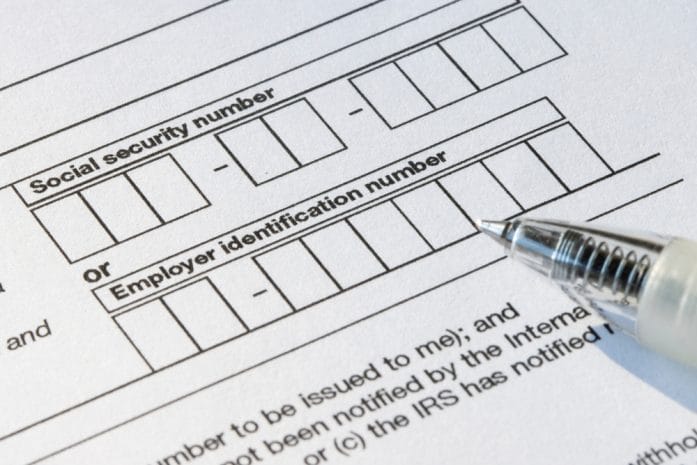
5 Warning Signs Someone Is Using Your Social Security Number

Brandon Marcus
Brandon Marcus

Brandon Marcus is a writer who has been sharing the written word since a very young age. His interests include sports, history, pop culture, and so much more. When he isn’t writing, he spends his time jogging, drinking coffee, or attempting to read a long book he may never complete.
Filed Under: Marriage & Money Tagged With: benefits, government records, identity updates, legal documents, life admin, marriage checklist, marriage tips, name change, newly married, Personal Finance, Planning, Social Security

7 Decisions Grandparents Must Put in Writing Before a Medical Emergency

February 25, 2026 by Brandon Marcus Leave a Comment

These Are 7 Decisions Grandparents Must Put in Writing Before a Medical Emergency

Image Source: Unsplash.com

You wake up one morning and realize time moves faster than comfort allows. Grandkids grow taller, birthdays arrive earlier each year, and medical emergencies never send warnings before knocking. The truth sits quietly but firmly in the room with all families: grandparents who write down important medical decisions today give their families strength tomorrow. Waiting until a crisis arrives can turn love into confusion, and confusion tends to grow when people feel scared, rushed, or unsure about what their elders truly wanted.

Every family wants dignity, clarity, and peace when health problems show up. Medical emergencies often create emotional storms because family members care deeply but may not know the exact wishes of the person they are trying to protect. Putting seven critical decisions in writing does not remove love from the equation. Instead, it gives love a reliable guidebook when panic tries to take control.

1. Naming Someone Who Speaks When You Cannot

Every grandparent should choose a trusted person to make medical decisions if serious illness or injury removes the ability to communicate. This choice usually becomes part of a legal document often called a healthcare proxy or medical power of attorney. Without this written decision, hospitals may ask multiple family members for opinions, and different opinions can slow treatment or create emotional arguments during stressful moments.

Grandparents often pick an adult child, a spouse, or another close relative who understands personal values and emotional priorities. The chosen person must feel comfortable asking doctors hard questions and must not panic when medical terms sound confusing. Some families also select a backup person in case the first choice travels, becomes sick, or feels unable to act.

2. Explaining Life-Support Preferences Without Guesswork

Life-support decisions carry emotional weight because they touch the boundary between medical science and personal philosophy. Some grandparents want every possible medical technology used to extend life. Others prefer comfort-focused care if recovery chances become very small.

Grandparents should write clear instructions about ventilators, resuscitation, feeding tubes, and similar treatments. Medical professionals often follow written directives known as advance directives or living wills.

When writing these preferences, grandparents should think about quality of life. Ask questions like whether independence matters more than life extension or whether staying pain-free matters more than staying alive using aggressive medical technology.

3. Choosing Where Healing Should Happen

Hospital, home, hospice, or long-term care facility? This decision often surprises families because many people forget to write it down. Some grandparents feel calmer at home surrounded by family photos, old books, and familiar windows that show the same street every morning.

Others trust hospital environments because medical equipment sits nearby and professional monitoring stays constant. Some families prefer hospice care when illness reaches advanced stages because hospice teams focus on comfort rather than aggressive treatment.

Grandparents should write location preferences along with specific conditions that trigger movement from one setting to another. For example, someone might say, “If recovery becomes unlikely and pain control becomes the main goal, I prefer hospice care.”

These Are 7 Decisions Grandparents Must Put in Writing Before a Medical Emergency

Image Source: Unsplash.com

4. Listing Medication Rules and Treatment Boundaries

Older adults often manage several medications at once, especially when dealing with chronic illness. Writing medication preferences prevents dangerous confusion during emergencies. Some people want doctors to continue long-term prescriptions even during hospital stays. Others prefer stopping certain medications if side effects reduce comfort.

Grandparents should list allergies, previous medication reactions, and personal treatment boundaries. For example, some individuals do not want experimental treatments. Others may want participation in clinical trials if doctors believe research treatment might help.

Treatment boundaries also include blood transfusions, surgery risks, and organ donation decisions. Families feel calmer when these rules appear clearly in writing because doctors follow documented medical instructions rather than verbal recollections.

5. Deciding Who Handles Financial and Legal Responsibilities

Medical emergencies often create financial questions. Who pays bills? Who manages property? Who accesses bank accounts if the grandparent cannot sign documents? Choosing a financial power of attorney helps prevent delays in paying medical expenses, utility bills, or insurance costs. This person must feel comfortable handling numbers and must understand legal responsibility. Trust matters more than family title here.

Grandparents should write instructions about property management, investment decisions, and debt payment priorities. Some grandparents want children to preserve family homes. Others want property sold quickly to cover healthcare expenses or distribute inheritance fairly.

Lawyers can help families prepare documents that follow local legal standards. Updating these papers after major life changes keeps everything legally strong.

6. Planning Emotional and Spiritual Care Preferences

Medical planning is not only science. It also touches emotional and spiritual identity. Grandparents should write preferences about religious practices, visitors, music, or rituals that bring comfort during illness.

Some people want family members to visit frequently. Others prefer quiet recovery environments with minimal noise. Some grandparents ask for specific spiritual leaders or community members to visit during final stages of life.

Writing these wishes helps family members avoid guessing what feels right when emotional pressure runs high. Personal beliefs deserve respect, especially during vulnerable health moments.

7. Sharing Final Wishes About Organ Donation and Memorial Plans

Organ donation decisions help families act confidently when tragedy arrives suddenly. Some grandparents want organs donated to help others live longer. Others prefer keeping body integrity for cultural or religious reasons.

Writing funeral or memorial preferences also helps families avoid disagreements during grief. Grandparents can mention burial versus cremation, service style, favorite music, or location of remembrance ceremonies.

Thinking about these details does not show pessimism. It shows wisdom. Families feel love more strongly when they know they are honoring personal wishes rather than guessing after loss happens.

Protecting Love Through Preparation

Life surprises families when they expect comfort and stability. Medical emergencies sometimes arrive during quiet afternoons or ordinary nights when nobody expects danger. Writing these seven decisions does not invite bad luck or sadness. Instead, it gives grandchildren, children, and spouses something precious: certainty during chaos.

Grandparents who prepare documents help their families avoid painful arguments and medical uncertainty. Love becomes practical. Care becomes organized. Fear loses some of its sharpest edges when people know exactly what their elders wanted.

If your family faced a medical emergency tonight, do you think everyone would know exactly what you want for your care? This is a scary topic, which means it’s very important to honestly talk about it in our comments below.

You May Also Like…

Florida Condo Fees Continue Surging — Seniors Face Massive Assessments

What Young People Can Teach Their Grandparents About Money

7 Clever Ways Grandparents Save on Family Vacations

9 Shocking Financial Burdens of Raising Grandchildren

Your Attorney Isn’t the Only One Who Needs Your Will Details: 5 Conversations That Prevent Family Disputes

Brandon Marcus
Brandon Marcus

Brandon Marcus is a writer who has been sharing the written word since a very young age. His interests include sports, history, pop culture, and so much more. When he isn’t writing, he spends his time jogging, drinking coffee, or attempting to read a long book he may never complete.

Filed Under: Lifestyle Tagged With: advance directives, aging well, elder care, family advice, grandparents, healthcare decisions, legal documents, Medical emergency, medical power of attorney, Planning

10 Documents That Should Be Locked Away in a Safety Deposit Box

February 24, 2026 by Brandon Marcus Leave a Comment

These Are 10 Documents That Should Be Locked Away in a Safety Deposit Box

Image Source: Pexels.com

You can replace a couch. You can rebuild a wardrobe. You cannot casually replace the documents that prove who you are, what you own, and who should inherit it all. Some papers carry the weight of your entire financial life, and they deserve more than a junk drawer or a random folder on a closet shelf.

A safety deposit box at a bank offers something your house simply cannot promise: controlled access, security monitoring, and protection from fire or theft beyond what a standard filing cabinet can handle. While you should never stash everything in there—especially items you might need immediately—certain documents absolutely belong behind that heavy steel door.

1. Your Will: The Blueprint for Everything You Leave Behind

If you created a will, you invested time and likely money to make sure your assets go where you want them to go. Leaving that document in a desk drawer defeats the purpose. You want the original signed copy stored somewhere secure and protected from fire, flood, and prying hands.

An executor cannot probate a will without the original in many states, so safeguarding it matters. A safety deposit box works well, but you should confirm that your executor can access it after your death. Some banks seal boxes upon notification of death, which can create delays if no one else has authorized access.

2. Trust Documents: The Rulebook for Your Assets

If you established a living trust, you probably did so to avoid probate and keep your affairs private. The original trust document outlines how you want your assets managed during your lifetime and distributed afterward. That document carries legal authority, so it needs protection.

While you may keep a copy at home for reference, the original signed version should sit in a secure location. A safety deposit box shields it from accidental loss or damage. You should also ensure your successor trustee knows exactly where to find it.

3. Property Deeds: Proof That You Own What You Own

Your home likely represents your largest asset, and the deed proves ownership. If you own additional real estate, those deeds carry serious weight as well. Although local governments record deeds, keeping your original copies provides peace of mind and simplifies future transactions.

You might not need to access a deed often, but when you do, you will want it intact and legible. Fire or water damage can destroy paper in minutes. A safety deposit box provides a stable, secure environment. If you plan to refinance, sell, or transfer property, having clean documentation makes the process smoother. Think of deeds as the backbone of your asset portfolio.

4. Vehicle Titles: Small Paper, Big Value

Car titles look unimpressive, yet they prove legal ownership of a vehicle. Without the title, selling or transferring a car becomes complicated. Replacing a lost title involves fees, paperwork, and time that no one enjoys.

You rarely need a title unless you sell the vehicle or use it as collateral. That infrequency makes it a strong candidate for a safety deposit box. It stays safe, out of reach from accidental spills or misplacement.

If you own multiple vehicles, boats, or recreational vehicles, gather all titles together and store them in one organized folder inside the box. Future you will feel grateful.

5. Birth Certificates and Adoption Papers: Identity at Its Core

A birth certificate anchors your identity. It supports passport applications, Social Security claims, and countless other official processes. Adoption papers carry equal importance, especially for legal and inheritance matters.

While you may need a certified copy occasionally, the original deserves extra protection. Identity theft remains a real concern, and losing these documents can create significant headaches. A safety deposit box adds an extra layer of defense.

Keep at least one certified copy accessible at home for routine needs, but place originals in the box. That balance gives you convenience without sacrificing security.

These Are 10 Documents That Should Be Locked Away in a Safety Deposit Box

Image Source: Unsplash.com

6. Marriage Licenses and Divorce Decrees: Relationship Records That Matter

Marriage licenses and divorce decrees do more than commemorate life events. They affect taxes, property rights, Social Security benefits, and estate plans. If you ever need to prove marital status, you will rely on these documents.

Storing them in a safety deposit box protects them from damage and loss. Legal institutions often require certified copies, but having your official documents readily available in a secure location helps prevent unnecessary stress.

If your marital status changed recently, review your estate plan and make sure these documents align with your current wishes. Paperwork should always reflect your present reality.

7. Social Security Cards and Citizenship Documents: Guard the Essentials

Social Security cards and citizenship certificates rank among the most sensitive documents you own. Identity thieves actively seek this information because it opens doors to credit fraud and financial crime.

You should not carry your Social Security card in your wallet. Instead, store it securely and retrieve it only when necessary. A safety deposit box offers a controlled environment that reduces risk. Citizenship or naturalization certificates also require careful handling. Replacing them involves time, expense, and paperwork. Secure storage prevents that ordeal from becoming your problem.

8. Insurance Policies: The Paper Trail of Protection

Homeowners, life, and long-term care insurance policies spell out the coverage you rely on when things go wrong. While many insurers provide digital access, you should keep copies of the full policy documents.

Storing the originals in a safety deposit box ensures they remain intact even if your home suffers damage. You might also consider keeping a summary sheet at home that lists policy numbers and contact information for quick reference. If disaster strikes, you will want to move quickly. Organized documentation makes that possible.

9. Business Agreements and Partnership Contracts: Protect Your Professional Life

If you own a business or hold a partnership stake, your agreements define your rights and responsibilities. Operating agreements, shareholder contracts, and buy-sell agreements carry serious legal weight.

Losing these documents can complicate disputes or transitions. A safety deposit box provides an ideal location for the originals. You can keep working copies in your office for day-to-day reference. Entrepreneurs often focus on growth and innovation, but protecting foundational documents matters just as much. Treat them like the assets they are.

10. Powers of Attorney and Health Care Directives: Authority in Critical Moments

A financial power of attorney allows someone you trust to handle your financial affairs if you cannot. A health care directive outlines your medical preferences and appoints someone to make decisions on your behalf.

These documents step into action during emergencies. You should inform the designated individuals about their roles and provide copies as needed. At the same time, store the signed originals in a safety deposit box to protect them. Clear planning prevents chaos. When people understand your wishes and can access the paperwork, they can act with confidence.

Lock It Up, But Think It Through

A safety deposit box works best when you use it thoughtfully. You should not place your only copy of documents that loved ones might need immediately after your death without arranging access. Add a trusted co-renter if appropriate, and review your bank’s policies on box access.

Avoid storing items you might need urgently, such as a passport if you travel frequently. Balance convenience with security. Create a simple inventory list of everything inside the box and keep that list at home so you always know what sits behind that steel door.

Which of these documents already sit safely locked away, and which ones still hide in a drawer somewhere waiting for attention? This is a discussion we need to have in our comments section.

You May Also Like…

The Tax Document Most Homeowners Fail to Update That Triggers Surprise Liens

Estate Overhaul: 10 Document Updates to Make Before New Tax Rules Kick In

Estate Shift: 4 Overlooked Documents That Could Trigger Major Tax Headaches

11 Essential Components of a Bulletproof Estate Plan Document

The Estate Planning Shortcut That Saves Time but Costs Families More in the Long Run

Brandon Marcus
Brandon Marcus

Brandon Marcus is a writer who has been sharing the written word since a very young age. His interests include sports, history, pop culture, and so much more. When he isn’t writing, he spends his time jogging, drinking coffee, or attempting to read a long book he may never complete.

Filed Under: Lifestyle Tagged With: Estate planning, home safety, identity protection, important paperwork, legal documents, life organization, money management, Personal Finance, Planning, safety deposit box, wills and trusts

The Inheritance Mistakes That Turn Siblings Into Legal Enemies After a Parent Dies

January 27, 2026 by Brandon Marcus Leave a Comment

The Inheritance Mistakes That Turn Siblings Into Legal Enemies After a Parent Dies

Image source: shutterstock.com

Inheritance is supposed to be a time of family connection, warm memories, and maybe a little extra cash to finally take that dream vacation or pay off lingering debts. But in real life, it often transforms into a battlefield where siblings who used to share inside jokes and childhood secrets suddenly start reading legal documents with the intensity of a courtroom drama.

One seemingly innocent mistake in how a parent structures their estate can ignite a firestorm of lawsuits, resentment, and permanent family rifts. And no, it doesn’t have to involve enormous fortunes or scandalous secrets—it often starts with something as simple as vague wording, unequal distribution, or leaving heirs in suspense.

Vague Wording In Wills That Creates Confusion

The most common way inheritance disputes erupt is through vague and unclear wording in a will. A parent may intend to leave their prized collection of antiques to one child and the family cabin to another, but if the language is ambiguous, it can spiral into an argument over ownership, intent, and even sentimental value.

For example, describing a collection as “valued at market rate” without defining the term can lead to wildly different appraisals and accusations of favoritism. Siblings can interpret the same will in dramatically different ways, and once emotions run high, it becomes far more than a matter of legal interpretation—it becomes a personal feud. Courts often have to weigh the deceased’s intent against conflicting claims, which is stressful, costly, and damaging to family bonds.

Unequal Distribution That Sparks Resentment

Vague wording in a will may lead to uneven distribution of assets, which can ignite tension. Because of this, parents might give more to one child, and siblings who receive less may feel betrayed or undervalued.

This is especially tricky with family businesses, shared properties, or sentimental heirlooms where monetary value doesn’t capture emotional weight. What seems like a thoughtful plan can backfire if it’s not communicated clearly and openly, creating resentment that lingers long after the estate is settled and can often turn into legal battles.

The Inheritance Mistakes That Turn Siblings Into Legal Enemies After a Parent Dies

Image source: shutterstock.com

Failure To Update Legal Documents Over Time

Beyond vague wording, an outdated will could also impact the rest of the family. Parents may draft their will decades earlier and forget to revise it after major life events—divorce, remarriage, birth of grandchildren, or selling significant assets. Old wills can conflict with new intentions, leaving heirs confused and ready to challenge decisions in court.

Imagine a parent who bought a vacation home years ago and listed it in the will, but later sold it without updating the documents. Regularly reviewing and updating estate planning documents isn’t just good practice—it’s essential to prevent misinterpretation, frustration, and unnecessary family strife.

Ignoring Communication With Heirs Before Death

Another surprisingly overlooked step in inheritance planning is simply talking to your heirs. Open discussions about expectations, intentions, and the reasoning behind asset distribution can prevent misunderstandings and accusations later. Silence often breeds assumption and imagination, and once a parent passes, everyone suddenly becomes a lawyer, detective, or detective-lawyer hybrid, dissecting every word of a will for hidden meaning.

While it’s never easy to talk about death and money, clear communication can transform inheritance from a potential war zone into a thoughtful transition of wealth and legacy.

When Emotions Overrule Logic

It’s important to remember that even when every document is perfect and all vague wording is removed, emotions can still fuel disputes. Grief, jealousy, and perceived slights often overshadow rational thinking. Siblings may dredge up old resentments, compare contributions, or question fairness, sometimes escalating minor disagreements into full legal battles.

Estate planning can address many potential conflicts, but it can’t eliminate the human tendency to feel wronged. Recognizing that emotions will play a role and preparing for them—through communication, transparency, and careful documentation—helps reduce the chances that grief turns into litigation.

Your Estate Planning Thoughts Matter

Inheritance doesn’t have to be a source of lifelong family tension. With careful planning, clear language, equal treatment—or at least transparent reasoning—and professional guidance, you can avoid turning siblings into legal enemies. Families that navigate inheritance well often do so by addressing both the financial and emotional dimensions of passing on wealth.

Do you have experiences with inheritance disputes, unexpected generosity, or lessons learned from family legal battles? Your thoughts, reflections, or stories about navigating these tricky waters are welcome in the comments—let’s start a conversation about turning potential feuds into understanding.

You May Also Like…

5 Inheritance Tricks That Make Your Heirs Love You Forever

Legacy Trap: How Your Kids Might Inherit More Tax Than Wealth Without Realizing It

Family Homes Done Right: Kid-Friendly Interior Design on a Budget

6 Blended-Family Will Mistakes That Can Tear Families Apart

6 Unspoken Rules of Inheritance Nobody Teaches You Earlier

Brandon Marcus
Brandon Marcus

Brandon Marcus is a writer who has been sharing the written word since a very young age. His interests include sports, history, pop culture, and so much more. When he isn’t writing, he spends his time jogging, drinking coffee, or attempting to read a long book he may never complete.

Filed Under: Estate Planning Tagged With: avoiding inheritance disputes, death, delay your inheritance, Estate plan, Estate planning, Family, family communication, family death, family disputes, family money, inheritance mistakes, inheriting money, legal advice, legal documents, Money, money issues, parenting, parenting advice

10 Date-Sensitive Clauses in Estate Documents That Can Cancel Everything

August 19, 2025 by Travis Campbell Leave a Comment

documents

Image source: pexels.com

Estate planning is about more than just dividing up your assets. The details in your estate documents can make or break your entire plan. Some clauses are especially risky because they depend on specific dates. If you miss or misinterpret these, your wishes might not be carried out at all. That’s why understanding date-sensitive clauses in estate documents is so important. These details can override everything else, leading to unintended consequences or even canceling your entire plan.

1. Expiration Dates on Powers of Attorney

Many people assume their power of attorney lasts indefinitely. But some estate documents include expiration dates. If the power of attorney lapses before it’s needed, your chosen agent loses all authority. That means banks, hospitals, and other institutions won’t recognize their power. You could end up with a court-appointed guardian instead of someone you trust. Always double-check for expiration dates and update your documents as needed.

2. Conditional Bequests Based on Age

It’s common to leave assets to children or grandchildren when they reach a certain age. But if the estate documents specify an age that’s already passed, or if the beneficiary dies before reaching that age, the bequest can be void. This date-sensitive clause in estate documents can cancel the gift entirely. Make sure these ages are realistic and updated as your heirs grow older.

3. Deadlines for Contesting a Will

Most wills include a set period for contesting the terms—often 30 to 90 days after probate begins. If someone who might challenge the will misses this window, the will stands as written. But if there’s confusion about when probate officially started, disputes can arise. Make sure your executor and heirs know these deadlines, so no one is left out unfairly.

4. Trust Termination Dates

Some trusts are set up to end on a particular date or after a specific number of years. If the assets aren’t distributed as planned by that time, the trust may dissolve, and your wishes could be ignored. This is one of the most overlooked date-sensitive clauses in estate documents. Regularly review your trust’s terms, especially if your family situation changes.

5. Marriage or Divorce Cutoff Dates

Clauses that name a spouse as a beneficiary or executor can become problematic if the marriage ends. Some estate documents specify that a divorce before a certain date will remove the ex-spouse. But if the divorce is finalized after that date, the ex may still inherit. Double-check these cutoff dates to ensure they match your current relationship status.

6. Required Dates for Asset Transfers

Some estate plans require assets to be transferred by a specific date—such as funding a trust or gifting money to family. If the transfer doesn’t happen on time, the opportunity could be lost. For example, missing a deadline might mean higher taxes or losing eligibility for certain benefits. Stay on top of these date-sensitive clauses in estate documents to avoid costly mistakes.

7. Life Insurance Policy Deadlines

Life insurance policies tied to your estate plan often have their own time-sensitive rules. If a beneficiary doesn’t claim the policy within a certain period after your death, the payout could revert to the estate or even lapse. This can disrupt your entire estate plan. Make sure your beneficiaries know about these deadlines and how to file a claim promptly.

8. Time Limits on Charitable Donations

Leaving money to charity can be a meaningful part of your legacy. But many charitable bequests come with time limits. If the donation isn’t made by a certain date, the organization may not receive the funds. This date-sensitive clause in estate documents can also affect your estate’s tax benefits. Work closely with both your attorney and chosen charities to ensure all deadlines are met.

9. Guardianship Appointments with Age Restrictions

Parents often name guardians for minor children in their wills. But if the named guardian reaches a certain age before the appointment takes effect, the clause could be void. Some states have age limits for guardianship, and your estate documents might as well. Review these clauses regularly, especially as your children and potential guardians get older.

10. Statutes of Limitations on Creditor Claims

After someone passes away, creditors have a limited time to file claims against the estate. The statute of limitations varies by state, but is usually just a few months. If claims are filed after this period, they may be dismissed. However, if your estate documents are unclear about these dates, creditors might try to challenge the timeline. Clear, date-sensitive clauses in estate documents help protect your estate from unnecessary disputes.

Keeping Your Estate Plan Up to Date

It’s easy to overlook the importance of date-sensitive clauses in estate documents, but they can have a considerable impact. These details often control when, how, and even if your wishes are carried out. Regularly reviewing your estate plan with a qualified attorney is essential. Laws and family circumstances change, and what worked five years ago may not work today.

The key takeaway? Don’t let a missed date undo everything you’ve worked for.

Have you ever run into problems with date-sensitive clauses in estate documents? Share your experiences or questions below!

Read More

6 Estate Mistakes That Could Make Your Will Invalid Overnight

Forgetting To Update What Documents That Break Estate Distribution

Travis Campbell
Travis Campbell

Travis Campbell is a digital marketer/developer with over 10 years of experience and a writer for over 6 years. He holds a degree in E-commerce and likes to share life advice he’s learned over the years. Travis loves spending time on the golf course or at the gym when he’s not working.

Filed Under: Estate Planning Tagged With: beneficiaries, Estate planning, legal documents, Planning, powers of attorney, trusts, wills

Are You Still Using a Power of Attorney Form That’s Been Outdated for 2 Years?

August 15, 2025 by Catherine Reed Leave a Comment

Are You Still Using a Power of Attorney Form That’s Been Outdated for 2 Years?

Image source: 123rf.com

A power of attorney is one of the most important legal tools you can have for managing finances, healthcare decisions, or other personal matters when you cannot act for yourself. But if the document you’re relying on is outdated, you may not be as protected as you think. Laws change, forms are revised, and financial institutions often refuse to honor documents that don’t meet current standards. In fact, using a form that’s even a couple of years old can cause frustrating delays or outright rejections at the worst possible time. If you are still asking yourself, are you still using a power of attorney form that’s been outdated for 2 years, it might be time for an update.

1. Law Changes Can Make Old Forms Invalid

State laws governing powers of attorney can change without much public attention. Even a small revision to required wording or witness rules can make an old form incomplete or invalid. If your form doesn’t meet current statutory requirements, banks, title companies, and healthcare providers might refuse to accept it. This means the person you appointed could be left powerless when quick decisions are needed most. This is one of the clearest reasons to ask, are you still using a power of attorney form that’s been outdated for 2 years?

2. Institutions Often Have Their Own Requirements

Many banks, brokerage firms, and insurance companies have their own preferred power of attorney forms or specific language they want included. If your document is too old, it may not comply with those requirements, even if it’s legally valid. This can lead to extra steps, such as completing additional affidavits or filling out new paperwork on short notice. The hassle can slow down urgent financial transactions. This is another reason to consider, are you still using a power of attorney form that’s been outdated for 2 years?

3. Outdated Information Can Cause Delays

Even if the form is legally valid, outdated information can create problems. If your named agent has changed addresses, phone numbers, or legal names, verifying their identity can take time. Likewise, if your contact details are incorrect, institutions may hesitate to proceed. Any delay in processing can be costly during emergencies. This kind of practical issue is a common reason to review whether you are still using a power of attorney form that’s been outdated for 2 years.

4. Relationships and Circumstances Change

Life doesn’t stand still, and the person you trusted to act on your behalf two years ago may no longer be the right choice. They may have moved away, experienced health issues, or even had a falling out with you. You may also have since identified someone more capable of handling your affairs. Failing to update your form can mean relying on someone who is no longer the best fit. This is a strong motivator to ask, are you still using a power of attorney form that’s been outdated for 2 years?

5. New Asset Types May Not Be Covered

Two years can bring big changes in your financial life. You might have purchased property, opened new investment accounts, or acquired digital assets like cryptocurrency that your old form doesn’t address. If these assets aren’t clearly covered in your power of attorney, your agent could face legal roadblocks in managing them. Updating your document ensures all your current holdings are included. This gap is another reason to ask, are you still using a power of attorney form that’s been outdated for 2 years?

6. Healthcare Directives May Need Refreshing

If your power of attorney includes healthcare provisions, medical practices and regulations may have shifted. Hospitals and care facilities often prefer forms that reference current patient rights laws and HIPAA regulations. Outdated medical powers can delay treatment decisions or prevent your chosen agent from accessing your medical records. Keeping your healthcare provisions up-to-date is just as important as updating your financial powers. This critical factor should make you consider, are you still using a power of attorney form that’s been outdated for 2 years?

Keep Your Power of Attorney Current for Peace of Mind

A power of attorney only works as intended if it’s legally valid, accepted by institutions, and accurately reflects your current wishes. If your form is more than a couple of years old, it’s worth reviewing with an attorney or legal advisor. Updating it now can save your loved ones from delays, disputes, and unnecessary stress in the future. By staying proactive, you ensure your affairs will be managed exactly the way you want, without last-minute complications. That’s why the question — are you still using a power of attorney form that’s been outdated for 2 years — is one worth answering today.

When was the last time you reviewed your power of attorney? Share your thoughts in the comments below!

Read More:

What Happens If You Forget to Update a Power of Attorney Before Moving States?

What Happens if Adult Children Control Your Online Banking Credentials?

Catherine Reed
Catherine Reed

Catherine is a tech-savvy writer who has focused on the personal finance space for more than eight years. She has a Bachelor’s in Information Technology and enjoys showcasing how tech can simplify everyday personal finance tasks like budgeting, spending tracking, and planning for the future. Additionally, she’s explored the ins and outs of the world of side hustles and loves to share what she’s learned along the way. When she’s not working, you can find her relaxing at home in the Pacific Northwest with her two cats or enjoying a cup of coffee at her neighborhood cafe.

Filed Under: Estate Planning Tagged With: are you still using a power of attorney form that’s been outdated for 2 years, Estate planning, healthcare directives, legal documents, Planning, power of attorney

Forgetting to Update What? Documents That Break Estate Distribution

August 14, 2025 by Travis Campbell Leave a Comment

documents

Image source: pexels.com

When you think about estate planning, you probably picture a will, maybe a trust, and a few meetings with a lawyer. But there’s a hidden risk that trips up even the most careful planners: forgetting to update important documents. Life changes fast. People get married, divorced, have kids, or lose loved ones. If your paperwork doesn’t keep up, your estate distribution can go sideways. The wrong person could get your money, your kids could end up with the wrong guardian, or your family could face a legal mess. It’s not just about having documents—it’s about keeping them current. Here are the documents that, if left outdated, can break your estate distribution, and what you should do about it.

1. Beneficiary Designations

Beneficiary designations on retirement accounts, life insurance, and annuities override your will. If you forget to update these after a major life event, your assets could go to an ex-spouse or someone you no longer want to benefit. For example, if you remarry but never change your 401(k) beneficiary, your ex could get the money. This happens more often than you think. Always review and update these forms after marriage, divorce, births, or deaths. Don’t assume your will covers everything—it doesn’t. Check with your HR department or financial institution to see who’s listed. It’s a quick fix that can save your family a lot of trouble.

2. Your Will

A will is the backbone of estate distribution, but it’s not a “set it and forget it” document. If you wrote your will years ago, it might not reflect your current wishes. Maybe you’ve had more children, lost a loved one, or changed your mind about who should get what. An outdated will can cause confusion, disputes, or even lawsuits. Review your will every few years or after any big life change. Make sure it names the right executor, lists all your children, and matches your current assets. If you move to a new state, check if your will still meets local laws. A little attention now can prevent big headaches later.

3. Power of Attorney

A power of attorney lets someone act for you if you can’t make decisions. But if you forget to update it, the wrong person could end up in charge. Maybe you named a friend years ago, but now you’d rather have your spouse or adult child handle things. Or maybe your chosen agent has moved away or passed on. An outdated power of attorney can stall important decisions about your health or finances. Review this document regularly. Make sure your agent is still the best choice and willing to serve. Update it if your relationships or circumstances change.

4. Health Care Directives

Health care directives, like a living will or health care proxy, spell out your wishes if you can’t speak for yourself. But if you don’t update them, your care might not match your current values or relationships. Maybe you’ve changed your mind about life support, or you want a different person to make medical decisions. If your old directive lists someone you’re no longer close to, that person could end up making choices you wouldn’t want. Review your health care directives every few years. Talk to your family about your wishes and make sure your documents reflect them.

5. Trust Documents

Trusts are powerful tools for estate distribution, but they only work if they’re up to date. If you set up a trust years ago and never look at it again, you might have the wrong beneficiaries, outdated instructions, or assets that aren’t even in the trust. This can lead to assets going through probate or not being distributed as you intended. Review your trust documents with your attorney every few years. Make sure all your assets are properly titled in the trust and that your instructions still make sense. If you buy a new property or open new accounts, update your trust to include them.

6. Guardianship Designations

If you have minor children, your will should name a guardian. But if you forget to update this after a divorce, remarriage, or falling out with a friend, your kids could end up with someone you wouldn’t choose today. Courts look to your will for guidance, but if it’s outdated, they might have to guess your wishes. Review your guardianship choices regularly. Talk to the people you name to make sure they’re still willing and able to serve. Update your will if your family situation changes.

7. Payable-on-Death (POD) and Transfer-on-Death (TOD) Accounts

Bank accounts, brokerage accounts, and even some real estate can have POD or TOD designations. These let you name who gets the asset when you die, bypassing probate. But if you forget to update these, the wrong person could inherit your money. Perhaps you opened an account before getting married or having kids. Check your account paperwork and update your designations as needed. It’s a simple step that keeps your estate distribution on track.

8. Digital Assets and Online Accounts

More of your life is online now—photos, emails, social media, and even cryptocurrency. If you don’t update your digital asset instructions, your heirs might not get access. Or worse, your accounts could be lost forever. Make a list of your important online accounts and passwords. Decide who should have access and update your estate plan to include these instructions. Some platforms let you name a legacy contact or beneficiary. Take advantage of these features to make sure your digital life is handled the way you want.

9. Letters of Instruction

A letter of instruction isn’t a legal document, but it’s still important. It tells your family where to find things, how to handle certain assets, or what your personal wishes are. If you never update it, your family could be left guessing. Maybe you’ve changed banks, bought new insurance, or want a different kind of funeral. Review your letter of instruction every year. Keep it with your other estate documents and let your family know where to find it.

10. Life Insurance Policies

Life insurance is a key part of estate distribution, but only if the right people are named as beneficiaries. If you forget to update your policy after a divorce, remarriage, or birth of a child, your money could go to the wrong person. Insurance companies pay out based on the last beneficiary form they have, not your will. Review your policies every year and after any big life event. Make sure your beneficiaries are current and reflect your wishes.

Keep Your Estate Distribution on Track

Estate distribution isn’t just about having documents—it’s about keeping them up to date. Life changes, and your paperwork needs to keep up. Outdated documents can break your estate plan, cause family fights, or send your assets to the wrong people. Review your documents every year and after any major life event. Talk to your family and your advisors. Staying on top of your paperwork is the best way to make sure your wishes are honored and your loved ones are protected.

Have you ever found an outdated document that could have caused problems? Share your story or tips in the comments below.

Read More

7 Bank Practices That Drop Accounts When You Mention “Estate”

8 Trust Phrases That Backfire and Undermine Your Estate Plan

Travis Campbell
Travis Campbell

Travis Campbell is a digital marketer/developer with over 10 years of experience and a writer for over 6 years. He holds a degree in E-commerce and likes to share life advice he’s learned over the years. Travis loves spending time on the golf course or at the gym when he’s not working.

Filed Under: Estate Planning Tagged With: beneficiary designations, Estate planning, family finance, legal documents, life insurance, Planning, power of attorney, retirement accounts, trusts, wills

8 Documents That Can Help Heirs Avoid Court Battles

August 12, 2025 by Travis Campbell Leave a Comment

court

Image source: pexels.com

When someone passes away, families often face more than just grief. Disagreements over money, property, and wishes can turn into long, expensive court battles. These fights can drag on for years, draining both finances and relationships. But it doesn’t have to be this way. With the right documents in place, you can make things much easier for your heirs. These papers can help your loved ones avoid confusion, stress, and the courtroom. Here’s what you need to know about the documents that can help heirs avoid court battles.

1. Last Will and Testament

A will is the most basic estate planning document. It spells out who gets what after you die. Without a will, state laws decide how your assets are divided, which can lead to arguments and legal challenges. A clear, updated will can prevent confusion and make your wishes known. It also lets you name a guardian for minor children. Make sure your will is signed, witnessed, and stored in a safe place. Review it every few years or after big life changes. This simple step can save your family a lot of trouble.

2. Revocable Living Trust

A revocable living trust lets you move assets out of your name and into the trust while you’re alive. You still control everything, but after you die, the trust passes your assets to your chosen heirs without going through probate. Probate is the court process for settling estates, and it can be slow and costly. A living trust keeps things private and fast. It’s especially helpful if you own property in more than one state. Trusts can also help if you want to set rules for how and when heirs get their inheritance.

3. Beneficiary Designations

Some assets, like life insurance, retirement accounts, and payable-on-death bank accounts, let you name a beneficiary. This means the money goes straight to the person you choose, skipping probate. If you don’t name a beneficiary, or if your choice is out of date, the asset could end up in court. Review your beneficiary forms every few years, especially after marriage, divorce, or the birth of a child. Keeping these forms current is one of the easiest ways to help heirs avoid court battles.

4. Transfer-on-Death Deeds

A transfer-on-death (TOD) deed lets you name who will get your real estate when you die. It works like a beneficiary form for your house or land. The property passes directly to the person you name, without probate. Not every state allows TOD deeds, so check your local laws. If available, this document can save your heirs time, money, and stress. It’s a simple way to keep property out of court and in the family.

5. Power of Attorney

A power of attorney lets you name someone to handle your finances if you can’t. This can be due to illness, injury, or old age. Without this document, your family might have to go to court to get permission to manage your money or pay your bills. That process can be slow and expensive. A power of attorney gives your chosen person the legal right to act for you, making things much easier if something happens. Make sure you trust the person you pick, and update the document as needed.

6. Advance Healthcare Directive

An advance healthcare directive, sometimes called a living will, spells out your wishes for medical care if you can’t speak for yourself. It also lets you name someone to make decisions for you. Without this, family members might disagree about your care, leading to court fights. This document can cover things like life support, organ donation, and pain management. It gives your loved ones clear guidance and peace of mind during tough times.

7. Letter of Instruction

A letter of instruction isn’t a legal document, but it’s still important. It’s a simple letter to your heirs or executor with practical details. You can list where to find important papers, passwords, or keys. You can also explain your wishes for things not covered in your will, like funeral plans or personal items. This letter can clear up confusion and prevent arguments. It’s a good way to make sure nothing gets overlooked.

8. Prenuptial or Postnuptial Agreement

If you’re married, a prenuptial or postnuptial agreement can spell out what happens to assets if you die or divorce. This is especially useful in blended families or if you have children from a previous relationship. These agreements can prevent fights between a surviving spouse and children from a prior marriage. They make your wishes clear and can stand up in court if challenged. If you think you need one, talk to a lawyer who specializes in family law.

Planning Ahead Means Fewer Surprises

No one likes to think about death or family fights. But planning ahead with the right documents can make a huge difference. These papers help your heirs avoid court battles, save money, and keep relationships intact. The best time to get your affairs in order is now, before problems arise. Talk to your loved ones about your plans, and keep your documents up to date. A little effort today can spare your family a lot of pain tomorrow.

Have you or someone you know faced a court battle over an inheritance? What documents helped—or would have helped—make things easier? Share your thoughts in the comments.

Read More

Why Are More Couples Using Prenups… After Getting Married?

No Married Woman Should Be Exhibiting These 8 Behaviors Any More

Travis Campbell
Travis Campbell

Travis Campbell is a digital marketer/developer with over 10 years of experience and a writer for over 6 years. He holds a degree in E-commerce and likes to share life advice he’s learned over the years. Travis loves spending time on the golf course or at the gym when he’s not working.

Filed Under: Law Tagged With: Estate planning, family law, Inheritance, legal documents, Planning, probate, trusts, wills

7 Siblings Who Lost Inheritance Over a $1 Title Error

August 11, 2025 by Catherine Reed Leave a Comment

7 Siblings Who Lost Inheritance Over a $1 Title Error

Image source: 123rf.com

Imagine watching your family’s legacy vanish over a mistake worth just one dollar. That’s exactly what happened to seven siblings who lost their rightful inheritance due to a simple title error that went unnoticed for years. In estate planning, even the smallest details—like a mistyped value, a missing signature, or a misunderstood form—can cause massive legal problems. When a property title doesn’t match what the law requires, it can derail a will, override intentions, and ultimately leave heirs empty-handed. Here’s how a $1 title error turned into a life-changing loss, and what you can learn from it to protect your own family’s future.

1. A Clerical Mistake with Big Consequences

The entire ordeal started with a small clerical mistake: a $1 difference listed on the property title transfer form. Instead of showing the correct value as part of an estate gift, the title reflected a nominal fee—standard in some legal filings but problematic when not properly explained. This caused confusion about the nature of the transfer, raising red flags during probate. Because the wording suggested it was a sale, not a gift, it opened the door for others to contest the ownership. The siblings’ claim to the property quickly came under legal fire.

2. Probate Court Didn’t Accept the Title

When the estate went through probate, the court rejected the title because it didn’t match the will’s instructions. Judges rely heavily on clear, legal documents that align with one another, and any discrepancy—no matter how small—can stall the entire process. In this case, the $1 title error caused the court to question whether the property had already changed hands before the parent passed away. That confusion led the court to freeze the asset until further clarification. Unfortunately, delays and doubts gave others time to challenge the rightful ownership.

3. Another Party Claimed Legal Ownership

A distant relative who had no mention in the will used the title error as an opportunity to claim partial ownership. They argued that the $1 transaction showed the property had been sold informally, which made them eligible as a co-buyer or interested party. The court couldn’t immediately prove otherwise because the title paperwork had never been corrected or clarified. As a result, the family had to enter a legal battle to defend what should have been a simple inheritance. Time and money worked against them at every turn.

4. Legal Fees Drained the Inheritance Value

Defending a title error in court isn’t cheap. The siblings hired attorneys, filed motions, and gathered evidence to prove the mistake was just a clerical oversight. But the longer the case dragged on, the more the estate’s value dwindled. What could’ve been a shared family home or significant financial asset turned into mounting legal bills. By the time the dispute ended, there was hardly anything left to inherit—making the original $1 mistake one of the most expensive typos imaginable.

5. The Property Was Eventually Sold Off

After months of arguments and hearings, the court ultimately ordered the property to be sold so proceeds could be divided or distributed legally. While the siblings should have received the home free and clear, the disputed title meant a forced sale was the only clean solution. Unfortunately, the sale happened during a down market, and the family received far less than the home was worth. Combined with legal fees and taxes, the siblings walked away with just a fraction of what they’d expected. The $1 title error had cost them more than just money—it cost them memories and a connection to their parents’ legacy.

6. Lack of Professional Review Made Things Worse

The title document had been filed years earlier without a professional review, which is common in DIY estate planning. Without a qualified attorney or real estate expert looking over the paperwork, no one caught the error until it was too late. Estate plans often involve multiple documents that need to work together, and one small inconsistency can cause a chain reaction. In this case, relying on outdated templates and skipping a second opinion proved to be a costly mistake. It’s a powerful reminder that estate paperwork isn’t something to rush or guess through.

7. Lessons Learned the Hard Way

The seven siblings now tell others to double-check every estate-related document, especially anything involving titles, deeds, or property transfers. They’ve shared their story to help other families avoid falling into the same trap. When it comes to inheritance, emotions are already high—so adding a legal disaster only compounds the stress. Had they reviewed the title with a professional before their parent passed, the $1 error could’ve been fixed in minutes. Now, their story serves as a cautionary tale for anyone drafting or updating an estate plan.

Don’t Let a Small Mistake Destroy a Big Future

The story of the $1 title error shows how fragile inheritance plans can be when key details are overlooked. A single word, number, or checkbox can alter the course of a family’s financial future. The good news is that these problems are avoidable with a little planning, legal review, and communication. Whether you’re managing your own estate or helping an aging parent, take the time to make sure every document aligns perfectly. It’s not just about protecting money—it’s about protecting peace of mind.

Have you ever spotted an error in a legal or financial document? Share your story in the comments to help others avoid the same mistake.

Read More:

9 Beneficiaries Who Lost Everything Because of One Signature Error

Why More Heirs Are Suing Over “Surprise” Trusts in 2025

Catherine Reed
Catherine Reed

Catherine is a tech-savvy writer who has focused on the personal finance space for more than eight years. She has a Bachelor’s in Information Technology and enjoys showcasing how tech can simplify everyday personal finance tasks like budgeting, spending tracking, and planning for the future. Additionally, she’s explored the ins and outs of the world of side hustles and loves to share what she’s learned along the way. When she’s not working, you can find her relaxing at home in the Pacific Northwest with her two cats or enjoying a cup of coffee at her neighborhood cafe.

Filed Under: Estate Planning Tagged With: Estate planning, family finance, inheritance mistakes, legal documents, probate court, title error, will and trust issues

  • 1
  • 2
  • Next Page »

FOLLOW US

Search this site:

Recent Posts

  • Can My Savings Account Affect My Financial Aid? by Tamila McDonald
  • 12 Ways Gen X’s Views Clash with Millennials… by Tamila McDonald
  • What Advantages and Disadvantages Are There To… by Jacob Sensiba
  • 10 Tactics for Building an Emergency Fund from Scratch by Vanessa Bermudez
  • Call 911: Go To the Emergency Room Immediately If… by Stephen Kanaval
  • 7 Weird Things You Can Sell Online by Tamila McDonald
  • 10 Scary Facts About DriveTime by Tamila McDonald

Copyright © 2026 · News Pro Theme on Genesis Framework