
• Home
  • About Us
  • Toolkit
  • Getting Finances Done
    • Hiring Advisors
    • Debt Management
    • Spending Plan
  • Insurance
    • Life Insurance
    • Health Insurance
    • Disability Insurance
    • Homeowners/Renters Insurance
  • Contact Us
  • Privacy Policy
  • Risk Tolerance Quiz

The Free Financial Advisor

You are here: Home / Archives for money issues

Why Does Spending Feel Riskier Than It Used To

January 24, 2026 by Brandon Marcus Leave a Comment

Why Does Spending Feel Riskier Than It Used To

Image source: shutterstock.com

Remember the last time you bought something without a second thought? That impulsive click on an online cart or grabbing a snack on your way home now comes with a twinge of hesitation. Suddenly, every purchase feels like a decision worthy of an intense boardroom meeting. It’s not your imagination—spending really does feel riskier than it used to. The reasons are part psychological, part economic, and entirely fascinating.

From rising costs to the influence of digital shopping, the landscape of spending has shifted in ways that make even the simplest purchase feel loaded with uncertainty. But what exactly is behind this newfound financial anxiety?

Inflation And Economic Shifts Have Changed Our Perspective

One of the biggest culprits behind this feeling is inflation. Prices creep up, sometimes subtly, other times glaringly, and our brains notice more than we realize. A cup of coffee that cost $2 five years ago now rings in at $4, and suddenly the act of paying feels like a gamble. It’s not just about dollars and cents; it’s about the psychology of value. When our money buys less, every decision carries more weight. Even small purchases start to feel like they could tip the balance of a weekly budget.

Economic uncertainty compounds the effect. Job markets fluctuate, investments rise and fall, and global events impact local costs in unpredictable ways. Our brains are wired to seek stability, and when our financial environment feels shaky, even routine spending can trigger a heightened sense of risk.

Digital Spending And Instant Awareness Amplify Anxiety

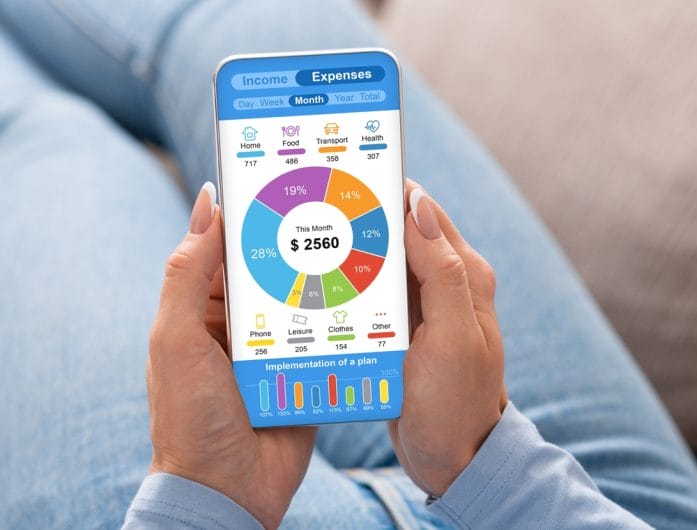
Online shopping has transformed how we interact with money, but not always in comforting ways. When your bank balance is just a tap away on your phone, each purchase feels immediate and irreversible. This constant visibility can make spending feel riskier because you’re reminded of the cost before, during, and after the transaction.

Even contactless payments amplify this effect. Swipe, tap, or scan, and the transaction is instant—but so is the mental accounting. Without the tangible sensation of handing over cash, our brains struggle to register spending in a satisfying, completed way.

Why Does Spending Feel Riskier Than It Used To

Image source: shutterstock.com

Psychological Factors Heighten Our Sense Of Risk

Spending anxiety isn’t just about dollars—it’s about human psychology. Loss aversion, the idea that losing feels worse than gaining feels good, plays a huge role. When you spend money, you’re essentially giving up something tangible for something intangible, and our brains register that as a mini-loss. Combine this with uncertainty about future expenses, and suddenly, every decision feels like high-stakes poker.

FOMO, or fear of missing out, can also backfire. We want the latest gadget or trendy product, but in an environment of rising prices and unpredictable finances, the thrill of ownership is often overshadowed by a lingering dread of overspending.

Reflect On Your Spending Experiences

Feeling cautious about spending is completely normal in today’s financial landscape. The combination of inflation, digital payment habits, and deep-seated psychological biases has made each purchase feel more loaded than ever before. Understanding why spending feels risky can help you approach purchases with awareness rather than guilt or anxiety. Take note of the moments when you hesitate and consider what’s driving the feeling—is it a real financial concern or just a psychological quirk?

We’d love to hear your thoughts or experiences with spending in today’s world—what makes you pause before reaching for your wallet?

You May Also Like…

Why Does Spending Turn A Dream Vacation Into A Nightmare?

Why Do People Feel Guilty Spending Money Even on Necessities

8 Grocery Shopping Habits That Make You Spend More Without Realizing It

Why Does Interest Rate Talk Suddenly Affect Everyday Spending

Holiday Trap: 6 Gift-Spending Mistakes That Could Wreck Your Budget

Brandon Marcus
Brandon Marcus

Brandon Marcus is a writer who has been sharing the written word since a very young age. His interests include sports, history, pop culture, and so much more. When he isn’t writing, he spends his time jogging, drinking coffee, or attempting to read a long book he may never complete.

Filed Under: Spending Habits Tagged With: digital spending, economic challenges, economic problems, Inflation, Money, money habits, money issues, overspending, risky spending, Smart Spending, spend, spending, Spending Habits

Why Are So Many People Rethinking How They Budget

January 23, 2026 by Brandon Marcus Leave a Comment

Why Are So Many People Rethinking How They Budget

Image source: shutterstock.com

Money—it’s thrilling, terrifying, and somehow always at the center of our life choices. But recently, something curious is happening: people are no longer just sitting down with a spreadsheet or an app and dutifully categorizing every coffee and grocery purchase.

Instead, there’s a movement, subtle but undeniable, where individuals are rethinking not only how they spend but why they spend at all. It’s not about cutting every indulgence or living austerely; it’s about taking control in ways that make sense for today’s world, a world that feels less predictable than ever.

If you’ve noticed friends experimenting with new budgeting methods or reconsidering their financial priorities, you’re not imagining it. And the reasons behind this shift are as fascinating as they are practical.

Economic Uncertainty Is Changing Spending Habits

One major reason people are reevaluating their budgets is economic uncertainty. Inflation, fluctuating interest rates, and job market shifts have made yesterday’s strategies feel outdated.

People used to be able to predict monthly expenses with a degree of confidence, but now, expenses that were once minor can suddenly balloon, throwing a traditional budget out of balance. Many are turning to more flexible budgeting approaches that allow them to respond to unexpected costs without panic.

These methods often emphasize adaptability over rigidity, making it easier to balance financial goals with reality. Interestingly, this trend isn’t just about survival; it’s about regaining a sense of control. In an unpredictable economy, knowing where your money is going and having the freedom to adjust can be surprisingly empowering.

Digital Tools Are Making Budgeting Smarter And Simpler

Technology is transforming budgeting in ways most of us could barely imagine a decade ago. Apps now categorize spending automatically, track bills, and even forecast cash flow based on past patterns. Artificial intelligence and machine learning have started helping people identify patterns in their finances, from recurring charges they might have missed to spending habits they weren’t aware of.

This digital assistance makes the process feel less like a chore and more like having a personal finance coach in your pocket. Users can set goals, monitor progress in real-time, and make tweaks instantly rather than waiting until the end of the month.

It’s no wonder more people are exploring these tools—they offer insight and control, packaged in a surprisingly user-friendly interface. Ultimately, technology is not replacing personal responsibility; it’s making that responsibility far easier to manage.

Why Are So Many People Rethinking How They Budget

Image source: shutterstock.com

Mindset Shifts Are Reshaping Financial Priorities

Budgeting today is less about deprivation and more about intentional living. People are increasingly questioning traditional advice like “save first, spend later” or “track every penny,” asking instead what spending choices actually bring value to their lives.

Many are adopting value-based budgeting, where money is allocated according to priorities rather than rigid categories. This could mean spending more on wellness, hobbies, or travel while cutting back on things that feel less meaningful.

Psychology is playing a huge role in this shift, too: people are learning that budgeting works best when it aligns with personal goals and emotional satisfaction. By integrating mental health, lifestyle goals, and financial planning, budgets are becoming tools for fulfillment rather than simply accounting exercises.

Social Influence And Financial Transparency Are Shaping Choices

Another fascinating factor behind the budgeting rethink is the rise of social influence. Platforms where users openly discuss their financial habits—whether successes, failures, or clever hacks—have created a new culture of accountability and inspiration.

People are seeing alternatives to traditional budgeting methods and realizing that there’s no single “right” approach. This transparency helps remove shame from financial mistakes while encouraging experimentation. For instance, someone might learn about envelope budgeting from a friend, try it, and tweak it to fit their unique lifestyle.

Peer examples provide both validation and motivation, which can be far more impactful than generic advice. As a result, budgeting is becoming a shared journey, where lessons learned collectively help everyone refine their strategies.

The Rise Of Irregular Income Is Forcing Creative Approaches

Freelancers, gig workers, and side hustlers are redefining budgeting because their income isn’t predictable. Traditional monthly budgeting doesn’t fit a world where paychecks fluctuate wildly. Instead, people are adopting flexible systems that separate fixed needs from variable wants, ensuring essentials are covered regardless of income swings.

Methods like zero-based budgeting, percentage allocation, or even building substantial emergency funds have become essential for this demographic. These approaches teach not just discipline but also creativity in managing money. Learning to budget around irregular income isn’t just practical—it’s an exercise in resilience and strategic planning that anyone can benefit from.

Financial Education Is More Accessible Than Ever

Finally, access to financial education has exploded, leading many to rethink old habits. Podcasts, online courses, YouTube channels, and community forums make expert advice and real-life examples widely available.

People are no longer limited to advice from family, friends, or traditional financial advisors—they can explore diverse perspectives that challenge assumptions and spark innovation. This democratization of knowledge allows individuals to make informed choices tailored to their circumstances.

Better education encourages experimentation, and when mistakes happen, they’re treated as learning opportunities rather than failures. With this influx of information, the act of budgeting transforms from a mundane task to an engaging process of discovery and improvement.

Rethinking Budgets As A Personal Journey

Rethinking how we budget isn’t just about dollars and cents—it’s about values, priorities, and empowerment. More people are realizing that budgeting can be a flexible, adaptive, and even enjoyable tool to shape life the way they want.

Whether prompted by economic uncertainty, technological innovation, changing mindsets, social influence, irregular income, or accessible financial education, the trend is clear: people want budgets that reflect their lives, not constrain them.

What’s your experience with budgeting? Have you tried a method that changed the way you see your money, or discovered a tip that transformed your approach? Tell your story!

You May Also Like…

Why Are Utility Bills Becoming a Bigger Budget Problem

Why Does Budgeting Feel More Emotional Than Logical

10 Common Budgeting Mistakes That Create Constant Money Stress

Why Do So Many People Believe Budgeting Apps Solve Everything

9 Budget Categories That Blow Up After One Emergency

Brandon Marcus
Brandon Marcus

Brandon Marcus is a writer who has been sharing the written word since a very young age. His interests include sports, history, pop culture, and so much more. When he isn’t writing, he spends his time jogging, drinking coffee, or attempting to read a long book he may never complete.

Filed Under: Budgeting Tagged With: Budget, budget apps, budget tips, budgeting, budgeting problems, Budgeting Tips, digital tools, economic uncertainty, financial choices, financial priorities, Mindset, mindshift, Money, money issues, money problems, overspending, Smart Spending, spending, Spending Habits

8 Money Habits That Increase Anxiety Without Helping

January 23, 2026 by Brandon Marcus Leave a Comment

These Are 8 Money Habits That Increase Anxiety Without Helping

Image source: shutterstock.com

Some people think money anxiety is just about not having enough. The truth is, the way you handle money can be just as anxiety-inducing as an empty bank account. Imagine staring at your finances, trying to “stay on top of everything,” only to feel your chest tighten, palms sweat, and brain spiral into “what if?” mode.

It turns out, a lot of our financial stress isn’t caused by dollars and cents—it’s caused by habits that make us feel busy, responsible, or cautious, but do very little to actually improve our situation. Let’s break down eight of these surprisingly counterproductive behaviors.

Obsessively Checking Your Bank Account Multiple Times A Day

It seems harmless, even responsible, right? Checking your balance frequently might make you feel like you’re in control, but it can quickly turn into a vicious cycle. Each glance at your bank app can trigger anxiety spikes, especially if you see pending charges or bills you forgot about.

Research shows that repetitive checking can heighten stress and worsen decision-making because your brain becomes overloaded with micro-worries. Instead of clarity, you get tension, racing thoughts, and sometimes even impulsive spending out of frustration.

Your account balance is a snapshot, not a full story, and obsessing over it rarely helps you plan or save. Creating a schedule for reviewing finances—like once a week—can maintain awareness without turning your day into a mini panic fest.

Comparing Yourself To Others Constantly

Scrolling through social media or talking to friends about money can trigger the comparison trap. “They bought a new car, I’m still paying off last year’s credit card,” is a familiar thought pattern for many.

Comparison doesn’t motivate; it triggers anxiety and self-doubt. Financial situations are deeply personal, shaped by debt, income, savings, and life priorities. Comparing yourself to someone else’s highlight reel is like judging your marathon performance against someone who’s already halfway to the finish line.

It can make you feel inadequate, overworked, and stressed about things that don’t actually matter. Focusing on your own goals, however small, provides measurable progress and relief from constant mental pressure.

Ignoring Budgets Because They Feel Restrictive

Many people avoid creating budgets because they fear it will feel like jail for their money. Ironically, not budgeting can create more anxiety than following one. Without a clear plan, every purchase triggers a moment of guilt or panic.

You’re left guessing whether you can afford things, constantly second-guessing yourself, and carrying the mental load of financial uncertainty. A budget is not a cage—it’s a map.

By defining limits and priorities, you can make confident spending decisions without that nagging “did I overspend?” stress. Over time, seeing your money allocated intentionally can actually be liberating, reducing financial tension.

Making Impulse Purchases As Emotional Therapy

Shopping to feel better is a classic stress-relief trick, but it backfires financially and emotionally. Every time you buy a mood boost, your short-term pleasure is overshadowed by long-term worry.

Credit card balances rise, bills loom, and guilt accumulates faster than the receipts in your wallet. Emotional spending also teaches your brain that money equals comfort, making anxiety worse when you don’t spend.

The smarter approach? Identify your triggers—boredom, stress, loneliness—and find low-cost ways to satisfy them. A walk, a phone call, or even a quick meditation can calm anxiety without jeopardizing your bank account.

Hoarding Receipts And Financial Papers Without Organization

Some people keep stacks of receipts, invoices, and statements because they think it might help later. The truth is, disorganized piles just fuel stress.

When you need information, finding it feels like searching for treasure in a hurricane. Hoarding can also create a sense of looming doom, like something bad will happen if you throw anything away.

Organization doesn’t have to be extreme; a simple filing system, labeled folders, or even a digital scanning habit can cut anxiety dramatically. Knowing where everything is provides mental space, so your brain isn’t constantly running “what if” simulations about lost documents.

These Are 8 Money Habits That Increase Anxiety Without Helping

Image source: shutterstock.com

Overthinking Every Financial Decision

Spending hours deliberating over every minor purchase—$5 coffee or $6?—can be exhausting. Overanalyzing doesn’t guarantee better choices; it breeds indecision and anxiety.

While thoughtful planning is important for big-ticket items, micromanaging tiny transactions is overkill. Constant rumination also hijacks your attention, reducing your mental bandwidth for more meaningful financial planning.

Letting go of the need for perfection in small matters builds confidence and reduces stress. Trusting your judgment on everyday expenses frees mental energy for decisions that actually matter.

Avoiding Professional Advice Out Of Fear Or Pride

Many people think they can figure out finances alone, believing that asking for help is a weakness. Avoiding professional guidance can heighten anxiety, because unresolved questions linger and stress compounds.

Financial advisors, accountants, or even reputable educational resources can provide clarity, reduce errors, and give peace of mind. The trick isn’t blind reliance—it’s informed decision-making.

Getting help often reduces stress immediately, creating a foundation for smarter, calmer financial habits. Pride may feel good temporarily, but clarity feels better in the long term.

Obsessing Over News Headlines And Market Fluctuations

Watching the stock market or economic news obsessively might feel like staying informed, but it’s more likely to spike anxiety than improve your portfolio. Markets fluctuate constantly, and day-to-day news is rarely actionable for long-term financial health.

Consuming too much financial media can create a sense of impending doom, even when your personal finances are stable. Instead, consider limiting exposure to periodic reviews instead of continuous monitoring. Controlled, intentional information intake keeps your mind focused and reduces panic-driven decision-making.

Rethink, Relax, And Reset Your Money Habits

Money stress doesn’t come solely from lack of funds; it often comes from behaviors that keep your mind spinning. By identifying habits that raise anxiety without real benefits—like overchecking balances, comparing yourself to others, or overanalyzing every decision—you can take steps toward calmer, smarter financial management. Experiment with pacing, organization, and professional guidance to reclaim peace of mind.

Now it’s your turn: what money habits have you noticed increasing your stress, and which strategies have helped you breathe easier? Feel free to comment with your experiences, tips, or aha moments. Your insight could be exactly what someone else needs to feel less overwhelmed.

You May Also Like…

7 Common Money Habits That Increase Stress Instead of Reducing It

8 Financial Habits That Quietly Drain Your Checking Account

How To Regularly Save Money At The Grocery Store

8 Toxic Money Habits That Are Silently Poisoning Your Relationship

Why Does Money Anxiety Increase With Age Instead of Decrease

Brandon Marcus
Brandon Marcus

Brandon Marcus is a writer who has been sharing the written word since a very young age. His interests include sports, history, pop culture, and so much more. When he isn’t writing, he spends his time jogging, drinking coffee, or attempting to read a long book he may never complete.

Filed Under: Finance Tagged With: anxiety, bank account, banking, Budget, budget tips, budgeting, Budgeting Tips, comparison, finance, finances, financial anxiety, financial stress, impulse purchase, impulse spending, Money, money habits, money issues, news headline, overspending, overthinking, professional advice, saving money, Smart Spending, spending

Why Do So Many People Say Money Stress Is Constant

January 22, 2026 by Brandon Marcus Leave a Comment

Why Do So Many People Say Money Stress Is Constant

Image source: shutterstock.com

Money stress doesn’t knock politely and wait for an invitation. It crashes the mental party, grabs a chair, and refuses to leave. One minute you’re enjoying a quiet coffee, and the next your brain is running numbers you didn’t ask for.

Bills, savings, emergencies, future plans, and that one expense you forgot about all start talking at once. It’s loud, distracting, and weirdly exhausting, even when nothing is technically “wrong.” So why do so many people describe money stress as constant instead of occasional?

The Feeling Of Never Quite Catching Up

A huge reason money stress feels nonstop is the sense that you’re always a step behind. Paychecks arrive, then disappear into rent, groceries, utilities, and other basics before you can blink. Even people who budget carefully often feel like progress moves at a crawl. When necessities take priority, goals like saving or investing get pushed further down the list.

That gap between what people earn and what life costs creates a steady background hum of worry. Over time, that hum starts to feel normal, which is unsettling in its own way. The stress isn’t always about crisis; it’s about endurance.

Why Modern Life Makes Money Feel Louder

Money concerns didn’t suddenly appear in recent decades, but modern life amplifies them. Prices for housing, healthcare, childcare, and education have climbed faster than many wages. Meanwhile, people are constantly exposed to images of other lifestyles through social media and advertising.

That exposure can quietly reset expectations about what “normal” looks like. When your reality doesn’t match those images, stress fills the gap. Add in subscription services, automatic payments, and financial apps pinging your phone, and money becomes a daily presence. It’s hard to relax when reminders are built into your pocket.

Why Do So Many People Say Money Stress Is Constant

Image source: shutterstock.com

Debt Turns Time Into A Bill

Debt is one of the most powerful reasons money stress sticks around. Unlike a one-time expense, debt stretches into the future and follows people for years. Each payment is a reminder of past choices, emergencies, or structural realities like student loans. Interest adds pressure by making balances feel stubbornly resistant to progress.

Even manageable debt can weigh heavily because it limits flexibility and options. Many people don’t just worry about paying today’s bills; they worry about how long those bills will exist. That long horizon makes stress feel permanent instead of temporary.

Uncertainty Keeps The Nervous System On Alert

Another reason money stress feels constant is uncertainty. Jobs change, industries shift, and unexpected expenses show up without warning. Even people with stable incomes know that one medical bill or major repair could disrupt everything.

The human brain is wired to scan for threats, and financial uncertainty fits that category perfectly. When the future feels unpredictable, the body stays slightly tense, even during calm moments. This low-level vigilance can be draining over time. It’s not panic; it’s preparedness that never fully switches off.

Talking About Money Is Still Awkward

Money stress is also intensified by how rarely people talk honestly about it. Many cultures treat money as private or even taboo, which leaves people feeling isolated. Without open conversations, it’s easy to assume everyone else has it figured out.

That assumption fuels shame and self-blame, even when struggles are common. Silence makes stress heavier because it removes perspective. When people don’t hear others admit similar worries, they internalize the pressure. The result is a quiet, persistent tension that feels personal but is actually widespread.

Why The Stress Feels Constant

Money stress is rarely about one bill or one bad month. It’s about systems, expectations, uncertainty, and the mental load of planning for a future that never feels fully secure. When costs rise, debt lingers, and conversations stay quiet, stress becomes a steady companion instead of a passing visitor. Understanding why it feels constant can help people feel less alone in it.

If this topic resonates with you, feel free to leave your thoughts or personal experiences in the comments section below. Your perspective might help someone else feel seen.

You May Also Like…

What Does Financial Stress Do To Your Body?

9 Financial Habits That Look Responsible but Feel Stressful

7 Common Money Habits That Increase Stress Instead of Reducing It

Why Does Money Anxiety Increase With Age Instead of Decrease

Why Do People Feel Guilty Spending Money Even on Necessitiesd

Brandon Marcus
Brandon Marcus

Brandon Marcus is a writer who has been sharing the written word since a very young age. His interests include sports, history, pop culture, and so much more. When he isn’t writing, he spends his time jogging, drinking coffee, or attempting to read a long book he may never complete.

Filed Under: Finance Tagged With: anxiety, bills, conversations about money, Debt, eliminating debt, Emotional Spending, emotions, financial anxiety, financial stress, impulse spending, Life, Lifestyle, modern life, Money, money issues, money stress, monthly bills, Pay Off Debt, stress

10 Personal Finance Lessons People Learn the Hard Way

January 22, 2026 by Brandon Marcus Leave a Comment

These Are 10 Personal Finance Lessons People Learn the Hard Way

Image source: shutterstock.com

Money lessons rarely arrive politely. They crash into life during overdraft alerts, awkward conversations, or that sinking feeling after opening a credit card statement. Most of us don’t learn personal finance from calm instruction; we learn it from experience, stress, and a few “well, that didn’t work” moments.

The upside is that these lessons stick. They change habits, sharpen judgment, and turn past mistakes into future wisdom. Here are ten personal finance lessons people commonly learn the hard way, usually after their wallet has already taken a hit.

1. Spending More Than You Earn Always Catches Up

Living beyond your income feels manageable at first, especially when credit fills the gaps. Bills get paid, life looks normal, and the problem seems distant. Over time, though, the math becomes unavoidable. Interest compounds, balances grow, and flexibility disappears.

Many people only grasp this lesson after losing sleep over money or juggling due dates. Once learned, it often leads to tracking expenses, setting limits, and respecting the simple truth that income sets the ceiling.

2. An Emergency Fund Is Not Optional

Emergencies are rude, unpredictable, and expensive. Cars break down, jobs vanish, and medical bills appear without warning. Without savings, even small surprises can spiral into debt.

People usually learn this after relying on credit cards for emergencies and struggling to recover. A basic emergency fund provides breathing room and better choices. It turns crises into inconveniences instead of financial disasters.

3. Credit Cards Are Tools, Not Extra Income

Credit cards make spending feel painless, which is exactly the danger. Swiping now and worrying later often leads to balances that linger for years. Interest rates quietly punish unpaid balances month after month.

Many people realize this only after paying far more in interest than the original purchase cost. Used carefully, credit cards can build credit and offer protections. Used carelessly, they become very expensive loans.

4. Lifestyle Inflation Can Sabotage Raises

Earning more money feels like progress, and it is. The trap appears when spending rises just as fast. Bigger paychecks often bring bigger apartments, nicer cars, and more subscriptions.

At some point, people notice they feel just as broke as before, despite earning more. This lesson usually arrives with frustration and confusion. Keeping lifestyle inflation in check allows raises to actually improve financial security.

5. Ignoring Retirement Early Is Costly

Retirement feels far away, especially in your twenties and thirties. It’s easy to delay saving while focusing on current needs. Years later, people realize how powerful time and compound growth could have been. Catching up requires much larger contributions and sacrifices.

This lesson hits hardest when projections reveal uncomfortable gaps. Starting early, even with small amounts, dramatically reduces future stress.

6. Insurance Matters More Than It Seems

Insurance feels boring until the moment it’s desperately needed. Skipping coverage can save money short term, but the risk is enormous. Accidents, illnesses, and disasters can erase years of savings instantly.

Many people learn this lesson after paying out of pocket for something insurance would have covered. Proper coverage protects not just money, but stability and peace of mind. It’s about risk management, not optimism.

7. Not All Debt Is Created Equal

Debt often gets treated as a single category, but its impact varies widely. High-interest consumer debt drains finances quickly, while lower-interest debt can sometimes be strategic.

People often learn this after struggling to escape credit card balances while managing other obligations. Understanding interest rates and repayment terms changes priorities. It encourages attacking the most expensive debt first. This clarity can speed up financial recovery dramatically.

8. Small Purchases Add Up Faster Than Expected

Daily habits quietly shape financial outcomes. Coffee runs, delivery fees, and impulse buys seem harmless in isolation. Over months, they can consume hundreds or thousands of dollars.

Many people only notice after reviewing statements and feeling shocked by the totals. This lesson isn’t about deprivation. It’s about awareness and choosing what truly adds value.

9. Money Stress Affects Relationships

Financial problems rarely stay contained to spreadsheets. They spill into conversations, decisions, and emotional well-being. Couples and families often clash over spending, saving, and priorities.

People usually recognize this lesson after tension builds or trust erodes. Open communication and shared goals reduce conflict. Managing money together requires honesty, compromise, and patience.

These Are 10 Personal Finance Lessons People Learn the Hard Way

Image source: shutterstock.com

10. No One Cares More About Your Money Than You Do

Advice comes from everywhere, but responsibility rests with the individual. Employers, banks, and even well-meaning friends have their own interests.

Many people learn this after blindly following guidance that didn’t fit their situation. Taking ownership means learning basics, asking questions, and paying attention. Confidence grows with knowledge. Ultimately, financial control starts with personal accountability.

Turning Hard Lessons Into Lasting Wins

Personal finance mistakes can sting, but they also teach clarity and resilience. Each hard-earned lesson strengthens future decisions and builds confidence over time. Money management isn’t about perfection; it’s about progress and awareness.

Everyone’s journey includes missteps, and those stories matter. Feel free to give your thoughts or add your own experiences in the comments section below.

You May Also Like…

Risk Proaction: 5 Steps to Stress-Test Your Finances for Worst-Case Scenarios

5 Lessons Young People Should Know About Investing

7 Old-School Life Lessons Only Today’s 50-Somethings Still Remember

5 Valuable Lessons Learned From Market Crashes Historically

7 Personality Clues That Predict Divorce Before It Happens

Brandon Marcus
Brandon Marcus

Brandon Marcus is a writer who has been sharing the written word since a very young age. His interests include sports, history, pop culture, and so much more. When he isn’t writing, he spends his time jogging, drinking coffee, or attempting to read a long book he may never complete.

Filed Under: Finance Tagged With: Debt, debt payoff, eliminating debt, emergency fund, emergency funds, finance, finance lessons, financial goals, financial lessons, lessons, Life, Lifestyle, Lifestyle Inflation, Money, money anxiety, money issues, money plans, money stress, overspending, Personal Finance, purchases, Retirement, retirement accounts, retirement plan, retirement planning, retirement savings, small purchases, Smart Spending, spending

Why Does Financial Planning Feel Overwhelming Right Now

January 22, 2026 by Brandon Marcus Leave a Comment

Why Does Financial Planning Feel Overwhelming Right Now

Image source: shutterstock.com

Your phone buzzes with a market alert. A podcast host warns about retirement gaps. A headline announces yet another economic plot twist. Meanwhile, rent is due, groceries cost more than they used to, and your future self is staring at you like, “So… what’s the plan?” Financial planning used to feel like a calm sit-down with a calculator and a cup of coffee.

Lately, it feels more like trying to assemble furniture while riding a roller coaster. Let’s talk about why this stress feels so intense right now—and why you’re not imagining it.

The Economy Feels Unpredictable And Personal

Economic news used to live at a distance, tucked into the business section. Now it barges straight into daily life. Inflation affects grocery bills in real time, interest rate changes show up in mortgage payments, and job market shifts feel alarmingly close to home.

When the broader economy feels unstable, financial planning stops feeling theoretical and starts feeling urgent. That urgency can make every decision feel loaded, as if one wrong move might echo for years. Add constant media coverage and expert opinions that don’t always agree, and it’s easy to feel frozen. Planning becomes harder when the ground beneath your assumptions keeps moving.

Why Does Financial Planning Feel Overwhelming Right Now

Image source: shutterstock.com

Too Many Choices Create Decision Fatigue

There has never been a time with more financial options. Multiple savings accounts, countless investment funds, side hustles, apps, cryptocurrencies, budgeting systems, and retirement vehicles compete for attention.

Choice is great in theory, but in practice it can overwhelm the brain. When every option claims to be the smartest move, making any move feels risky.

Decision fatigue sets in, leading many people to procrastinate or second-guess themselves endlessly. Instead of clarity, abundance creates noise. Financial planning becomes less about strategy and more about sorting through a crowded room of opinions.

Money Is Tied To Identity And Self-Worth

Money isn’t just math; it’s emotional. Financial choices often feel like reflections of responsibility, intelligence, and even morality. When planning feels difficult, people may internalize that struggle as personal failure rather than a response to complex conditions.

Social comparisons don’t help, especially when curated success stories float through social media feeds. Seeing peers buy homes, travel, or retire early can quietly turn planning into a referendum on self-worth.

That emotional weight makes financial decisions feel heavier than they need to be. Stress increases when money stops being a tool and starts feeling like a judgment.

The Rules Keep Changing Mid-Game

Many people grew up with clear financial milestones: steady job, affordable housing, predictable retirement paths. Those rules don’t apply as neatly anymore.

Careers are less linear, pensions are rare, housing markets fluctuate wildly, and longevity has increased planning horizons. Advice from previous generations may no longer fit current realities, which can create confusion and frustration.

When the old playbook doesn’t work and the new one feels unfinished, planning becomes guesswork. It’s tough to feel confident when the goalposts keep shifting. Uncertainty thrives when there’s no clear roadmap.

Information Is Everywhere But Clarity Is Rare

Access to financial information has exploded, yet clarity hasn’t kept pace. Articles, videos, influencers, and experts flood the internet with tips, warnings, and predictions. Some advice is thoughtful and grounded; some is oversimplified or driven by trends.

Sorting credible guidance from noise takes time and energy many people don’t have. Conflicting messages can cancel each other out, leaving readers more confused than before. When learning feels like wading through chaos, planning stalls. Knowledge overload can paradoxically lead to inaction.

Life Feels More Expensive And More Fragile

Rising living costs leave less margin for error, which raises the emotional stakes of every decision. At the same time, recent global events have highlighted how quickly circumstances can change. Health issues, job disruptions, and unexpected expenses feel more plausible than ever.

That awareness pushes people to plan for more contingencies, which complicates already tight budgets. Planning starts to feel like trying to predict every possible curveball. When security feels fragile, perfectionism creeps in—and perfectionism is exhausting.

Let’s Talk About The Pressure Out Loud

Financial planning feels overwhelming right now because it’s happening at the intersection of uncertainty, emotion, and constant input. That doesn’t mean you’re behind, broken, or bad with money.

It means you’re navigating a complex moment with real consequences and limited clarity. Sometimes the most helpful step isn’t finding the perfect strategy, but acknowledging the pressure itself.

If our article sparked recognition or raised questions, drop your thoughts or personal experiences in the comments below. Honest conversations can make the process feel a little less lonely—and a lot more human.

You May Also Like…

The Florida Premium Spike: Why Your “Affordable” Health Plan Just Quadrupled in Cost Overnight

Could Your Financial Plan Withstand A Surprise Recession Beginning In December?

How Can Family Dynamics Ruin Even the Best Financial Plans

Why Do Medical Bills Feel So Hard to Plan Around

How a Solid Estate Plan Can Protect Your Finances

Brandon Marcus
Brandon Marcus

Brandon Marcus is a writer who has been sharing the written word since a very young age. His interests include sports, history, pop culture, and so much more. When he isn’t writing, he spends his time jogging, drinking coffee, or attempting to read a long book he may never complete.

Filed Under: Finance Tagged With: economic challenges, economy, finance, finances, financial plans, general finance, Money, money issues, Planning

10 Money Decisions That Feel Urgent Later in Life

January 20, 2026 by Brandon Marcus Leave a Comment

These Are 10 Money Decisions That Feel Urgent Later in Life

Image source: shutterstock.com

Money has a way of turning into a silent, persistent pressure cooker. One day, you’re breezing through your twenties thinking, “I’ll deal with that later,” and the next, you’re staring at a spreadsheet and wondering why no one warned you about the little things that spiral into life-altering dilemmas.

We all make financial decisions that feel trivial at the moment, but they suddenly scream for attention decades down the line. Some of them hit like a surprise plot twist in your favorite show—except this time, it’s your bank account. Let’s dive into ten decisions you might be putting off, but that could demand urgent attention later.

1. Not Starting Retirement Savings Early

Delaying retirement savings is the classic “I’ll start tomorrow” trap. Compound interest is like a quiet superhero; it’s powerful, but only if you give it time to work. Even small contributions in your twenties can balloon into life-changing sums by your sixties, while waiting too long means you’re playing catch-up with every paycheck.

Many people underestimate how much they need for retirement, assuming Social Security or pensions will cover the gap. By the time you realize you should’ve started, the pressure to save aggressively can feel suffocating. Starting now, even modestly, gives your future self a serious advantage.

2. Ignoring Emergency Funds

Life is unpredictable, and bills don’t care about your plans. Skipping an emergency fund can turn a minor car repair, medical bill, or job loss into a full-blown crisis. Financial advisors usually recommend three to six months’ worth of living expenses, but even a small cushion is better than none. Without it, you might find yourself relying on high-interest credit cards or loans, which can snowball faster than you expect. Building a safety net gradually doesn’t hurt your present, but it pays off immensely later. Once emergencies arise, the peace of mind from having a buffer is priceless.

3. Letting Debt Go Unmanaged

Debt has a sneaky way of multiplying if ignored. Student loans, credit cards, and personal loans accumulate interest that often outpaces inflation, meaning your balance grows even as you pay. Many people put off tackling debt thinking it’s “manageable,” until it becomes a heavy anchor on everything else in life. Addressing it early allows for strategic repayment plans, potential refinancing, or consolidation, which all reduce stress down the road. Unmanaged debt can limit your choices, from buying a home to investing in your future. Facing it head-on today saves headaches, sleepless nights, and financial strain tomorrow.

4. Skipping Health Insurance Planning

Health expenses are unpredictable, but skipping or underestimating insurance is a major pitfall. Medical bills can spiral into six figures unexpectedly, particularly in later adulthood when preventive care and chronic conditions become more common. Some young adults feel invincible and avoid paying for coverage, only to discover that a serious illness or accident can wipe out savings in months. Adequate health insurance acts as a protective shield, not just for emergencies but for everyday medical maintenance. Planning now avoids the scramble and financial jeopardy that often feels urgent in midlife.

These Are 10 Money Decisions That Feel Urgent Later in Life

Image source: shutterstock.com

5. Neglecting Long-Term Care Considerations

Long-term care isn’t just for the very elderly—it’s a planning step that many overlook. Assisted living, home modifications, or in-home help can be costly, and these expenses tend to rise faster than inflation. Without preparation, families often face emotional and financial stress simultaneously. Options like long-term care insurance or dedicated savings accounts give more control and flexibility later. It might feel remote in your thirties or forties, but thinking ahead keeps your independence intact. Ignoring it can turn what could have been a smooth transition into a financial and logistical scramble.

6. Underestimating Lifestyle Inflation

Lifestyle inflation happens quietly as income rises: bigger rent, fancier cars, more frequent vacations. While rewarding yourself is natural, unchecked spending increases your baseline expenses faster than your wealth grows. Suddenly, saving or investing feels impossible because the “new normal” consumes every extra dollar. Being mindful of lifestyle inflation allows you to balance enjoyment with growth, ensuring your future self isn’t stressed over missed opportunities. Small choices today—like saving raises instead of spending them all—can compound into financial freedom later.

7. Postponing Estate Planning

No one likes thinking about death, but delaying estate planning is a costly oversight. Wills, trusts, and beneficiary designations protect loved ones and prevent legal chaos. Without a plan, assets can be tied up in court, creating delays and expenses for heirs. Estate planning also includes powers of attorney and healthcare directives, which matter far sooner than most expect. Tackling this early ensures clarity and reduces emotional strain during difficult times. Your future self—and your family—will thank you for thinking ahead.

8. Ignoring Tax-Advantaged Accounts

401(k)s, IRAs, HSAs—these aren’t just buzzwords. Tax-advantaged accounts can significantly boost wealth over decades, but ignoring them leaves money on the table. Many people focus on today’s spending and forget the exponential benefits of tax savings and compounding. Starting contributions early maximizes these accounts’ power and gives more flexibility for major life goals. Failing to use them is like leaving a bonus paycheck unclaimed every year. When you realize the opportunity cost decades later, it can feel like a wake-up call you wish you had earlier.

9. Avoiding Financial Education

Understanding basic finance isn’t glamorous, but skipping it creates a lifetime of stress. Knowing how interest works, how to invest, and how to read financial statements arms you with control and confidence. Many people make avoidable mistakes simply from ignorance—like high fees, bad investments, or missed deductions. Lifelong learning about money turns uncertainty into strategy. The earlier you start, the fewer surprises and regrets you’ll face. Knowledge compounds just like money; the sooner you invest in it, the bigger the payoff.

10. Delaying Conversations About Money With Loved Ones

Family money conversations are awkward, but postponing them can lead to misunderstandings, resentment, or missed opportunities. From inheritance plans to joint expenses or household budgeting, clear communication reduces stress. Many people wait for emergencies to bring up finances, which adds pressure and emotional strain. Early discussions establish expectations, foster cooperation, and prevent financial surprises. Talking openly might feel uncomfortable now, but it saves a lifetime of tension later.

Reflect And Engage

Money is more than numbers—it’s freedom, stress, opportunity, and sometimes, a sneaky source of regret if we ignore it. The choices we make today ripple through the decades, shaping our options, comfort, and peace of mind.

Which of these ten decisions resonates with your life most? Have you already faced some of these challenges or learned lessons the hard way? Drop your thoughts or personal stories in the comments.

You May Also Like…

Could Giving Money to Friends Be the Worst Investment Choice

Why Do People Feel Guilty Spending Money Even on Necessitiesd

9 Money Assumptions That No Longer Work in Today’s Economy

How Can Student Loans Quietly Shape Life Decisions for Decades

What Are The Worst Choices You Can Make As A New Investor?

Brandon Marcus
Brandon Marcus

Brandon Marcus is a writer who has been sharing the written word since a very young age. His interests include sports, history, pop culture, and so much more. When he isn’t writing, he spends his time jogging, drinking coffee, or attempting to read a long book he may never complete.

Filed Under: Finance Tagged With: 401(k), Debt, debt payoff, eliminating debt, emergency funds, Estate planning, financial choices, financial decisions, health insurance, healthcare costs, Life, Lifestyle, Lifestyle Inflation, Money, money choices, money decisions, money issues, Retirement, retirement account, retirement savings

8 Monthly Expenses That Are Harder to Control Than You Think

January 20, 2026 by Brandon Marcus Leave a Comment

These Are 8 Monthly Expenses That Are Harder to Control Than You Think

Image source: shutterstock.com

Ever feel like your paycheck disappears into a black hole before you’ve even finished your first cup of coffee? You’re not imagining it. Some monthly expenses have a sneaky way of stacking up, turning “just one bill” into a financial juggling act.

From bills you barely notice to habits you didn’t realize were costing you, understanding these expenses is the first step toward taking charge. Let’s dive into the eight expenses that are harder to control than most people think—and why they keep catching you off guard.

1. Groceries And Impulse Purchases

Groceries are supposed to be predictable, right? You make a list, check it twice, and head to the store thinking you’re in control. But the moment you walk past the candy aisle or the fancy cheese display, that carefully planned budget can evaporate. Many people underestimate just how much “little” impulse buys add up over a month. Beyond that, rising food prices can make a weekly shop feel like a rollercoaster you didn’t sign up for.

Online grocery delivery adds another layer of temptation with one-click extras, and convenience often comes at a steep price. Meal planning can help, but even the most disciplined shopper can get blindsided by cravings or last-minute additions.

2. Streaming Services And Subscription Overload

It starts innocently enough: one streaming service for your favorite show, another for a family member’s obsession, maybe a gaming or fitness subscription thrown in for good measure. Before you know it, you’ve got a dozen subscriptions, some of which you barely use. These recurring charges can feel invisible because they don’t hit your bank account like a traditional bill. Yet collectively, they can rival your rent or utilities. And the more subscriptions you have, the harder it becomes to track which ones are actually worth keeping. Even a quick cleanup often reveals you’ve been paying for services you forgot existed.

3. Utility Bills That Fluctuate

Water, electricity, gas, heating—these are basic needs, but they rarely stay steady. Seasonal changes can turn a predictable bill into a shocking surprise. Air conditioning in the summer, extra heating in the winter, or even the timing of when your bills are read can all cause fluctuations. Energy rates themselves sometimes rise without much warning, and small leaks or inefficient appliances can quietly drain your wallet. Trying to stick to a fixed budget becomes tricky when these essential costs are out of your hands. Smart meters and energy-saving habits help, but they’re not foolproof shields.

4. Transportation Costs

Gas, maintenance, tolls, rideshares, public transit—it all adds up faster than you’d expect. Even if you drive the same route daily, fluctuating gas prices can turn your commute into a moving budget crisis. Car maintenance costs often hit in unpredictable bursts, like when tires need replacing or your brakes suddenly scream for attention. Parking fees and traffic tickets can also surprise you mid-month. Even those who rely on public transit face fare increases or emergency ride services that slip under the radar. Transportation is essential, but it’s a monthly expense that’s surprisingly difficult to pin down.

These Are 8 Monthly Expenses That Are Harder to Control Than You Think

Image source: shutterstock.com

5. Health And Medical Expenses

Insurance premiums might be predictable, but the actual costs of healthcare are anything but. Prescription copays, over-the-counter treatments, dentist visits, or specialist appointments can pile up without warning. Health emergencies or unexpected diagnoses can throw a wrench into even the tightest budget. Flexible spending accounts help, but not everyone maximizes them, and many expenses aren’t fully covered. Preventive care can save money in the long run, yet it still requires planning and discipline. When you add up co-pays, medications, and wellness necessities, healthcare often becomes a bigger bite out of your paycheck than anticipated.

6. Credit Card Payments And Interest

Debt isn’t always obvious in your monthly spending. Minimum payments on credit cards might feel manageable, but interest compounds quickly, silently increasing your monthly obligations. Late fees, penalty rates, and variable APRs can sneak in if you’re not vigilant. It’s easy to underestimate how much small purchases today can cost you tomorrow. Paying only the minimum can trap you in a cycle that eats away at both your budget and peace of mind. Keeping track of balances, interest rates, and due dates requires attention that most people don’t realize is necessary.

7. Dining Out And Takeout

Even if you plan to cook most meals at home, dining out can become a recurring trap. Lunches at work, quick dinners after long shifts, or celebratory meals can quickly add up. Delivery apps make it effortless to spend without thinking, but that convenience comes with a premium. Hidden fees, tips, and service charges amplify the cost. Social habits often drive these expenses, because declining a group outing isn’t always easy. Even occasional indulgences can make a noticeable dent in your monthly spending if they become regular.

8. Pet Expenses

Pets are adorable, but they’re also surprisingly expensive. Food, grooming, vet visits, preventive care, and emergency treatments all contribute to an unpredictable monthly total. Even routine wellness visits can catch owners off guard if medications or vaccinations are required. Specialty food or accessories, while not strictly necessary, often find their way into the cart. Insurance for pets can help, but it’s another recurring cost that adds up over time. Many pet owners underestimate the financial commitment until it’s staring them in the face mid-month.

Is It Time To Get Your Monthly Spending Together?

Managing monthly expenses is a bit like trying to herd cats—just when you think you’ve got everything under control, one cost jumps out and demands attention. These eight categories are particularly tricky because they combine unpredictability, temptation, and invisible charges. By recognizing where your money tends to slip through the cracks, you can make smarter choices and regain some control.

Tell us about your experiences or strategies for handling these sneaky expenses in the comments below—we’d love to hear your perspective.

You May Also Like…

The Texas Mortgage Shock: Why Your Monthly Payment Just Jumped $400 Without Warning

9 Expenses That Used to Be Optional but Aren’t Anymore

Savings Fallout: 4 Hidden Expenses That Quietly Drain Retirement Budgets

Why Do Unexpected Expenses Always Seem to Hit at the Worst Time

Generate Extra Monthly Cash Flow Starting With These Side Hustle Ideas

Brandon Marcus
Brandon Marcus

Brandon Marcus is a writer who has been sharing the written word since a very young age. His interests include sports, history, pop culture, and so much more. When he isn’t writing, he spends his time jogging, drinking coffee, or attempting to read a long book he may never complete.

Filed Under: Spending Habits Tagged With: credit card payments, credit cards, expenses, groceries, healthcare, impulse purchases, impulse spending, medical bills, medical expenses, Money, money issues, monthly bills, monthly expenses, Smart Spending, spending, Spending Habits, streaming apps, streaming services, subscriptions, transportation costs

Why Does Budgeting Feel More Emotional Than Logical

January 20, 2026 by Brandon Marcus Leave a Comment

Why Does Budgeting Feel More Emotional Than Logical

Image source: shutterstock.com

Money is supposed to be rational. Numbers don’t lie, calculators don’t cry, and spreadsheets shouldn’t spark anxiety. And yet, ask anyone to create a budget and suddenly it feels like they’re walking through an emotional obstacle course. Guilt, excitement, fear, and even nostalgia can all show up in one sitting as you decide whether to allocate $50 to dining out or sock it away in savings. The clash between our inner desires and our practical goals can make budgeting feel less like a math exercise and more like a therapy session.

But why exactly do these numbers get under our skin? It turns out, the answer is a mix of brain chemistry, learned behavior, and the social pressures that surround money.

Emotional Brain Overrides Logical Brain When Money Is Involved

When we handle money, the prefrontal cortex—the part of the brain responsible for logical thinking—doesn’t always get top billing. Instead, the limbic system, which governs emotions, often takes the lead. That’s why splurging on a fancy coffee or treating yourself to a new gadget can feel deeply satisfying in the moment, even when your budget screams “don’t do it.” Scientists call this emotional hijacking, and it’s rooted in the brain’s reward circuitry.

Every time you spend, your brain releases dopamine, the same chemical that makes chocolate taste heavenly or a compliment feel great. This reward signal can overpower logic, making it incredibly difficult to stick to a plan that requires delayed gratification. Essentially, your brain wants pleasure now, not stability later, which is why budgeting can feel like a tug-of-war between your rational self and your impulsive self.

Childhood Experiences Shape How We React To Money

Your relationship with money didn’t start yesterday; it began in childhood. If you grew up in a household where money was scarce, budgeting might trigger anxiety or even fear. Conversely, if you were raised in a family that prioritized indulgence, you might feel guilt or confusion when trying to spend less. Research shows that early financial experiences strongly influence adult spending and saving habits. This means that the emotional intensity of budgeting isn’t just a quirk—it’s often hardwired from years of observing and internalizing parental attitudes toward money.

Recognizing these patterns can be the first step toward breaking them. Understanding that your emotional reactions are rooted in history helps reframe budgeting from a personal failing into a psychological puzzle worth exploring.

Why Does Budgeting Feel More Emotional Than Logical

Image source: shutterstock.com

Social Pressure Amplifies Emotional Responses To Spending

We live in a world that constantly compares our financial choices, whether through social media, friends, or even family. That latte, those concert tickets, or the trendy new shoes come with unspoken social expectations. Spending—or not spending—becomes a statement about who we are. Social psychologist studies show that people often make purchasing decisions to fit in or signal status, which injects a huge emotional component into budgeting. Even when we logically know we should save, the fear of missing out or being judged can override practical reasoning.

The pressure to “keep up” doesn’t just cost money—it costs emotional energy, guilt, and sometimes sleepless nights. That’s why creating a budget can feel less like a task and more like a performance review, where the audience is yourself and the stakes feel unbearably high.

Mental Accounting Complicates Simple Decisions

Ever wonder why you might splurge on a night out but hesitate to buy a necessary kitchen appliance? That’s mental accounting in action. Humans don’t treat all money equally. We assign emotional weight to different pots of money—fun money, bills, emergency funds—which makes logical budgeting complicated. Mental accounting helps explain why we might blow a “treat yourself” fund but panic over spending from our “essential” budget. Psychologists note that this behavior is normal; it’s our brain’s way of creating psychological boundaries. But it also means that budgeting isn’t purely numerical—it’s inherently emotional. Recognizing these mental accounts can help you plan realistically while also understanding why certain budget decisions feel surprisingly stressful.

Guilt And Reward Are Two Sides Of The Budgeting Coin

Guilt is a surprisingly common companion to budgeting. You might feel it when you spend on something indulgent, or even when you save, imagining you’re depriving yourself. On the flip side, sticking to a budget and meeting financial goals triggers a sense of reward that’s disproportionately satisfying compared to the effort involved. Behavioral economists describe this as a balancing act between pain and pleasure.

The more we understand that budgeting activates these deep emotional circuits, the more we can design systems that work with our feelings rather than against them. Simple tricks—like treating yourself within reason or celebrating milestones—acknowledge the emotional component and make it easier to stay consistent.

Strategies To Make Budgeting Less Emotionally Charged

Understanding why budgeting feels emotional is half the battle; the next step is finding strategies to work with your feelings instead of fighting them. Some people benefit from automating savings and bills, which removes the immediate emotional trigger. Others find it helpful to reframe budgeting as a way to fuel personal goals, like travel, hobbies, or financial freedom, rather than as a list of restrictions. Keeping a spending journal can also illuminate patterns of emotional spending, allowing you to spot triggers and make informed adjustments. The key is not to eliminate emotion entirely but to recognize and channel it constructively. Budgeting isn’t just about numbers; it’s about navigating the human experience with money in a way that aligns with your values and emotions.

Your Turn To Reflect

Budgeting doesn’t have to feel like a battleground between your head and your heart. Recognizing the emotional roots of spending, the influence of childhood experiences, and the pressures of social norms can transform budgeting from a chore into a thoughtful practice. Every person’s financial journey is unique, shaped by psychology as much as arithmetic.

How do you handle the emotional side of budgeting? Do you struggle with guilt, excitement, or even anxiety when planning your finances? Let’s hear about it below.

You May Also Like…

10 Common Budgeting Mistakes That Create Constant Money Stress

Expense Mindset: 5 Budgeting Habits High-Net Individuals Use

5 Budgeting Tools That Trick You Into Higher Spending

Are Budgeting Apps Designed to Push You Into Debt?

Why Does Shopping for Basics Feel Emotionally Draining Now


Brandon Marcus
Brandon Marcus

Brandon Marcus is a writer who has been sharing the written word since a very young age. His interests include sports, history, pop culture, and so much more. When he isn’t writing, he spends his time jogging, drinking coffee, or attempting to read a long book he may never complete.
Filed Under: Budgeting Tagged With: accounting, Budget, budgeting, Budgeting Tips, childhood, Emotional Spending, emotions, impulse spending, logical spending, Money, money choices, money issues, overspending, Smart Spending, social pressure, spending

Why Does Money Anxiety Increase With Age Instead of Decrease

January 19, 2026 by Brandon Marcus Leave a Comment

Why Does Money Anxiety Increase With Age Instead of Decrease

Image source: shutterstock.com

Money anxiety doesn’t politely wait until adulthood to show up, but it definitely learns new tricks as the years stack up. At 22, financial stress looks like panic over rent and ramen budgets. At 42, it shows up with a clipboard, a mortgage statement, and a list of people depending on you. Somehow, more experience doesn’t calm the nerves—it sharpens them.

Expectations rise, stakes climb, and every decision suddenly echoes into the future. That buzzing sense of “Am I doing enough?” turns into background noise you can’t mute. Let’s dig into why money anxiety grows louder with age instead of quietly fading away.

Responsibilities Multiply Faster Than Paychecks

Early adulthood feels financially stressful, but responsibility levels stay relatively low. You mostly answer to yourself, your landlord, and maybe a student loan servicer with terrible hold music. As the years roll on, life adds layers: partners, kids, aging parents, pets with suspiciously expensive health issues. Each new responsibility brings emotional weight and financial pressure that doesn’t disappear after payday.

Income often rises with age, but expenses sprint ahead with impressive confidence. Childcare, healthcare, housing upgrades, and education costs eat into raises before they even hit your account. You stop worrying about survival and start worrying about stability, continuity, and everyone else’s safety net. That mental load alone fuels anxiety, even when the numbers technically “work.”

Money stops feeling personal and starts feeling communal. One bad decision suddenly affects multiple people. That reality makes every financial choice feel heavier and more permanent.

Time Stops Feeling Like An Unlimited Resource

Youth comes with the illusion of endless do-overs. Mess up financially at 25, and you still see decades of earning potential ahead. At 45, time suddenly looks finite and precious. Retirement math enters the chat, and it doesn’t whisper—it shouts.

You begin to measure money against time left to earn it. Every missed savings opportunity feels louder. Every unexpected expense feels like it steals from your future self. Even smart, cautious people start second-guessing past decisions through a harsher lens.

This shift changes how the brain processes risk. You don’t just ask, “Can I afford this?” You ask, “Can I recover from this?” That question alone raises anxiety levels, even during relatively stable periods.

Financial Decisions Become More Complex And Less Forgiving

Early financial choices feel simple, even when money stays tight. You juggle fewer accounts, fewer investments, and fewer long-term consequences. As you age, complexity explodes. Mortgages, retirement accounts, insurance policies, taxes, and college savings plans demand attention all at once.

Complexity breeds uncertainty, and uncertainty feeds anxiety. One wrong assumption or overlooked detail can cost real money. The margin for error shrinks, especially when goals carry long timelines.

Financial systems don’t exactly come with clear instructions, either. Most people learn through trial, error, and late-night Googling. That constant sense of “I hope I’m doing this right” wears down confidence over time.

Why Does Money Anxiety Increase With Age Instead of Decrease

Image source: shutterstock.com

Social Comparison Gets Louder With Age

In your twenties, everyone admits confusion. In your forties, everyone pretends competence. Social media highlights promotions, vacations, home upgrades, and early retirements with zero context. Even grounded, self-aware adults fall into comparison traps.

You start measuring progress against peers, siblings, and coworkers. Someone else’s success can trigger questions about your own choices, even when your situation makes sense. Comparison doesn’t ask permission before it sparks doubt.

Money anxiety thrives in silence and assumption. When people stop talking honestly about finances, imagination fills the gaps—and imagination loves worst-case scenarios. That constant mental comparison loop keeps stress levels high.

Past Mistakes Feel Louder Than Present Wins

With age comes history. Every financial misstep leaves a memory, and those memories stack up. A bad investment, a missed savings window, or years of under-earning don’t just fade away emotionally.

Wins feel quieter than losses. You might earn more, save more, and plan better, yet the brain keeps replaying old regrets. That mental replay fuels anxiety by framing the present through the past.

Experience sharpens awareness, but it also sharpens self-criticism. You know more now, so you judge younger versions of yourself more harshly. That internal dialogue adds stress, even when current decisions look solid.

The Future Carries Bigger, Scarier Unknowns

Youth focuses on next steps. Adulthood focuses on long outcomes. Health, longevity, market stability, and economic shifts suddenly matter a lot. Questions about retirement, medical costs, and long-term care loom large.

You can’t control those variables, but you feel responsible for preparing anyway. That tension creates constant low-level stress. Planning helps, but planning doesn’t eliminate uncertainty.

Money anxiety grows when the future feels both important and unpredictable. Age amplifies both factors at once, which explains why the worry doesn’t fade—it evolves.

Let’s Talk About The Money Worries We Don’t Say Out Loud

Money anxiety increasing with age doesn’t signal failure. It reflects responsibility, awareness, and care for the future. The stress feels real because the stakes actually rise. Understanding that shift helps remove shame from the conversation and replaces it with clarity. If any part of this experience sounds familiar, you’re far from alone. Drop your thoughts or personal experiences in the comments below—your perspective might help someone else feel a little less isolated.

You May Also Like…

Why Does Financial Anxiety Show Up Even When Bills Are Paid

7 Common Money Habits That Increase Stress Instead of Reducing It

11 Anxiety Triggers Caused By Living Paycheck-to-Paycheck Still

10 Common Budgeting Mistakes That Create Constant Money Stress

10 Things That Instantly Reduce Anxiety and Overthinking

Brandon Marcus
Brandon Marcus

Brandon Marcus is a writer who has been sharing the written word since a very young age. His interests include sports, history, pop culture, and so much more. When he isn’t writing, he spends his time jogging, drinking coffee, or attempting to read a long book he may never complete.

Filed Under: Finance Tagged With: anxiety, family life, finance, finances, financial decisions, financial stress, financial worries, general finance, Money, money anxiety, money issues, money matters, money worries, paycheck to paycheck, paychecks, stress, worries

  • « Previous Page
  • 1
  • 2
  • 3
  • 4
  • …
  • 8
  • Next Page »

FOLLOW US

Search this site:

Recent Posts

  • Can My Savings Account Affect My Financial Aid? by Tamila McDonald
  • 12 Ways Gen X’s Views Clash with Millennials… by Tamila McDonald
  • What Advantages and Disadvantages Are There To… by Jacob Sensiba
  • 10 Tactics for Building an Emergency Fund from Scratch by Vanessa Bermudez
  • Call 911: Go To the Emergency Room Immediately If… by Stephen Kanaval
  • 7 Weird Things You Can Sell Online by Tamila McDonald
  • 10 Scary Facts About DriveTime by Tamila McDonald

Copyright © 2026 · News Pro Theme on Genesis Framework