• Home
  • About Us
  • Toolkit
  • Getting Finances Done
    • Hiring Advisors
    • Debt Management
    • Spending Plan
  • Insurance
    • Life Insurance
    • Health Insurance
    • Disability Insurance
    • Homeowners/Renters Insurance
  • Contact Us
  • Privacy Policy
  • Risk Tolerance Quiz

The Free Financial Advisor

You are here: Home / Archives for Life

Why Landlords Are Now Using ‘AI Scoring’ to Reject Tenants Over Age 55

January 17, 2026 by Brandon Marcus Leave a Comment

Why Landlords Are Now Using 'AI Scoring' to Reject Tenants Over Age 55

Image source: shutterstock.com

The rental market is evolving faster than anyone could have imagined, and not always in ways renters would like. Suddenly, older tenants are finding themselves on the wrong side of algorithms they didn’t even know existed. Artificial intelligence isn’t just predicting the weather or curating your playlist anymore—it’s quietly infiltrating apartment applications.

Landlords across the country are now using AI scoring systems to vet potential tenants, and for people over 55, the results can be unexpectedly harsh. At the same time, mortgage payments are climbing to dizzying heights, leaving landlords with tighter margins and more reason to rely on data-driven decision-making. The combination is creating a storm of tension in the rental market, and older renters are often caught in the eye.

Understanding AI Scoring In Rentals

AI scoring in the rental market works similarly to credit scoring, but it’s far more complex and opaque. These systems analyze a variety of factors—payment histories, employment stability, sometimes even the digital footprint of potential tenants—to assign a numerical value to an applicant. The higher the score, the more likely the tenant is deemed “low risk.” Unfortunately, older renters often fall into lower tiers, not because they are unreliable, but because their financial history or credit mix doesn’t fit the algorithm’s preferred patterns.

Landlords, who are increasingly stretched by rising mortgage costs and property taxes, are leaning on these automated scores as a shortcut to minimize risk. For tenants over 55, a lifetime of responsible renting doesn’t always translate into a favorable AI rating, making it much harder to secure housing.

The Mystery Of Rising Mortgage Payments

One of the driving forces behind this shift is the mounting pressure on landlords to cover skyrocketing mortgage payments. Across the United States, interest rates have climbed. This leaves monthly payments far higher than they were just a few years ago. In Texas, for example, 44% of mortgages are now considered “escrow burdened,” meaning the combination of taxes, insurance, and principal payments strains homeowners’ finances.

Unfortunately, this has unintended consequences for older renters who may have fixed incomes or less conventional financial histories. What seems like a simple background check is, in reality, part of a complex financial calculus landlords are forced to make to stay afloat.

Why Age Becomes A Factor

Age is not explicitly coded into most AI scoring systems, but it can appear indirectly through other variables. Retirement status, income sources, or even gaps in employment history can all signal to the algorithm that an applicant is “older” or potentially higher risk. While age discrimination is illegal, the opaque nature of AI makes it difficult for tenants to contest these decisions. Older renters may notice their applications being denied without a clear explanation, leaving them frustrated and confused.

Meanwhile, landlords see it as an efficiency tool, a way to pre-screen tenants without poring over hundreds of applications. This creates an uneven playing field where responsible older renters can be penalized simply because their financial profile doesn’t align with the AI’s preferred model.

The Human Impact Of AI Decisions

The effects of AI scoring extend beyond numbers and spreadsheets. Rejected tenants often face stress, uncertainty, and even the need to move farther from work, family, or support networks. Some landlords argue that AI scoring is simply a reflection of economic reality, a safeguard against missed rent payments in a market strained by rising costs. But for older renters, it can feel impersonal and unfair, stripping away the human judgment that used to accompany renting. Stories are emerging of seniors being denied apartments despite impeccable rental histories, leaving them feeling sidelined in a system that’s supposed to protect fairness and reliability. The tension is real: on one hand, landlords need to manage financial risk; on the other, older renters are confronting technology that seems to misunderstand their stability and reliability.

How Renters Can Respond

While AI scoring feels like an insurmountable barrier, older renters aren’t entirely powerless. Gathering a robust application portfolio, including references, a detailed rental history, and proof of income stability, can help counteract algorithmic assumptions. Some tenants are turning to co-signers or rental insurance policies to strengthen their applications. Advocacy groups are also beginning to examine AI practices in housing. They are pushing for transparency and regulation to ensure these systems don’t inadvertently discriminate.

The goal is not to eliminate AI but to create safeguards that balance landlord risk with fairness for renters of all ages. Knowledge, preparation, and persistence are key. Understanding the system and presenting yourself as a strong candidate can make a real difference in what feels like a biased environment.

Why Landlords Are Now Using 'AI Scoring' to Reject Tenants Over Age 55

Image source: shutterstock.com

Looking Ahead: AI And The Rental Market

The use of AI in renting is likely to grow. Landlords may rely even more heavily on automated scoring to navigate financial pressure, making transparency and regulation increasingly critical. For renters over 55, awareness is the first step toward mitigating potential disadvantages. Technology may be reshaping the rental market, but human ingenuity and persistence can still level the playing field. As both renters and landlords adapt, it’s becoming clear that AI is not just a tool—it’s a game-changer, one that requires vigilance, preparation, and a little strategic savvy from anyone looking to secure a home in a challenging market.

Let’s Have A Conversation About Renting

AI scoring in renting raises questions that touch all corners of the housing market, especially for older tenants navigating rising mortgage pressures and opaque algorithms. We want to hear your experiences:

Have you noticed AI affecting your rental applications? How are you adapting to the new landscape? Tell your story in the comments section below. Your insights could help others understand, navigate, and maybe even challenge these emerging trends.

You May Also Like…

13 Intriguing Ideas for Generating Passive Rental Income Streams

7 Outrageous Costs Hidden in Apartment Leases

No Backyard? No Problem! 10 Ideal Pets for Tiny Homes and Apartments

Which Sneaky Bills Have The Biggest Chance To Rise In 2026?

6 Sneaky Ways Landlords Profit From Tenants


Brandon Marcus
Brandon Marcus

Brandon Marcus is a writer who has been sharing the written word since a very young age. His interests include sports, history, pop culture, and so much more. When he isn’t writing, he spends his time jogging, drinking coffee, or attempting to read a long book he may never complete.


Filed Under: Lifestyle Tagged With: AI, AI scoring, apartment hunting, apartment leases, artificial intelligence, Landlord, landlords, Life, Lifestyle, mortgage payments, rental properties, rental property, renting an apartment, senior citizens, seniors, tenant rights, tenants

The Texas Mortgage Shock: Why Your Monthly Payment Just Jumped $400 Without Warning

January 17, 2026 by Brandon Marcus Leave a Comment

The Texas Mortgage Shock: Why Your Monthly Payment Just Jumped $400 Without Warning

Image source: shutterstock.com

You open your mailbox, shuffle through the usual stack of bills, and suddenly your eyes lock on one number: your mortgage payment. It’s $400 higher than last month. You blink, rub your eyes, maybe even double-check the envelope.

Nope. That’s not a typo. That’s real.

Welcome to the wild world of Texas mortgages in 2026, where nearly half of homeowners are facing an “escrow burden” that’s turning calm financial waters into choppy seas. How did we get here, and why is your once-predictable monthly payment now looking like a heart-stopping rollercoaster?

Understanding The Escrow Burden And Its Hidden Weight

An escrow account is supposed to be your safety net. Lenders collect extra money each month to cover property taxes and homeowners insurance, so you don’t have a giant bill once or twice a year.

Sounds reasonable, right? But in Texas, this safety net is starting to feel more like a trap. About 44% of mortgages in the state are currently “escrow burdened,” meaning homeowners are sending far more money than they expected toward taxes and insurance.

Why? Property taxes are soaring in many counties, and insurance premiums have spiked thanks to extreme weather events and rising construction costs. The result: your once-manageable mortgage is now inflated, not because your principal or interest changed, but because your lender is trying to stay ahead of the mounting bills.

It’s worth noting that escrow burdens aren’t just numbers on a statement—they’re real dollars leaving your bank account each month. And they often come as a surprise because lenders typically review escrow accounts once a year. If taxes or insurance went up dramatically in the past year, your monthly payment could suddenly jump without any warning. That $400 spike? That could be a combination of both tax reassessments and insurance hikes, landing all at once.

Why Texas Homeowners Are Feeling The Heat

Texas has long been known for affordable housing compared to other states, but affordability is starting to erode. Property values have risen steadily, which in theory is great for homeowners…until your property taxes rise with them. Counties are under pressure to fund schools, roads, and emergency services, and the easiest solution is often to raise taxes. Combine that with insurance rates climbing after hurricanes, hailstorms, and wildfires, and suddenly the “extra” in your escrow account is anything but extra.

For many homeowners, these jumps are shocking because they weren’t budgeting for them. Monthly payments that were once $1,800 or $2,000 can quickly climb to $2,200 or $2,300, forcing families to adjust their spending. That latte habit? Gone. Weekend trips? On hold. Even bills that seem fixed—utilities, groceries—start to feel like tightrope walking when your mortgage swells overnight. The stress is real, and it’s hitting a large portion of the Texas population right in the wallet.

How Lenders Calculate Your Escrow And Why It Changes

Lenders have a methodical way of figuring out escrow: they estimate annual taxes and insurance premiums, divide that total by 12, and add it to your monthly mortgage payment. Sounds simple, but it’s only as accurate as the numbers they have. When property taxes are reassessed or insurance premiums spike mid-year, the lender adjusts your escrow contribution to keep up. Those adjustments are legal, routine, and often automatic—but they rarely come with a drumroll announcement.

What’s tricky is that homeowners don’t always get a clear explanation. You might see “escrow adjustment” on your statement without context. Did your county raise your taxes? Did your insurer hike rates? Or maybe both? That’s why reading the breakdown of your mortgage statement is more important than ever. Understanding where every dollar is going can turn confusion into clarity and prevent future shocks.

Steps You Can Take To Avoid Future Escrow Surprises

Even if you’re already facing a $400 jump, there are ways to manage the situation and protect yourself from more surprises. Start by reviewing your escrow account annually. Check property tax assessments, compare insurance premiums, and ask your lender for a detailed breakdown of your monthly contribution.

Another strategy is to consider paying taxes and insurance directly, instead of rolling them into your mortgage. This approach gives you more control over timing and budgeting, though it requires discipline. Refinancing your mortgage could also help, especially if interest rates have dropped since you first bought your home. Finally, local homeowner associations or county tax offices can sometimes provide payment plans for taxes, helping spread the cost over time rather than letting it hit all at once. Knowledge and proactive management are your best defenses against the unexpected.

The Texas Mortgage Shock: Why Your Monthly Payment Just Jumped $400 Without Warning

Image source: shutterstock.com

The Human Side Of The Mortgage Shock

Numbers tell one story, but the human side tells another. Homeowners are juggling skyrocketing monthly bills, family budgets, and the emotional strain of feeling blindsided. Some are cutting back on daily comforts, others are working overtime, and some are even questioning whether they can stay in their homes long-term. Financial stress can ripple into every corner of life, from sleep patterns to personal relationships, making a $400 spike more than just a math problem—it becomes a lived reality that affects health and happiness.

It’s also fueling conversations around financial literacy and transparency. People are asking questions they never thought they’d need to: How exactly does escrow work? What triggers these sudden jumps? Can I appeal my property tax assessment? These discussions are crucial because they put power back into homeowners’ hands and reduce the sense of helplessness that comes with a sudden payment increase.

Join The Talk About Texas

The Texas mortgage shock is real, it’s stressful, and it’s affecting nearly half of homeowners in the state. Understanding the escrow burden and its causes is the first step toward taking control of your finances and reducing surprise increases. Whether you’re navigating a $400 jump or just curious about why payments are rising statewide, talking about it helps.

We want to hear your thoughts and experiences with mortgage surprises—what’s your story? How are you handling these unexpected changes in your budget? Comment below and let’s get the conversation started.

You May Also Like…

Texas Property Alert: The New 2026 Law That Allows Police to Remove Squatters in 24 Hours

Power to Choose: Exploring Wind Energy Options in Texas Electricity Market

Why a Mortgage & Protection Network Matters in Today’s Advice Market

7 Hidden Signs You Should Refinance Your Mortgage Right Now

7 Home Mortgage Loopholes Older Homeowners Should Know Before Refinancing


Brandon Marcus
Brandon Marcus

Brandon Marcus is a writer who has been sharing the written word since a very young age. His interests include sports, history, pop culture, and so much more. When he isn’t writing, he spends his time jogging, drinking coffee, or attempting to read a long book he may never complete.

Filed Under: Lifestyle Tagged With: buying a home, buying a house, escrow, Home, homeowner, homeownership, lenders, Life, Lifestyle, mortgage, Mortgage payment, mortgage shock, Real estate, Texas, Texas mortgage, Texas property, Texas real estate

The Florida Premium Spike: Why Your ‘Affordable’ Health Plan Just Quadrupled in Cost Overnight

January 16, 2026 by Brandon Marcus Leave a Comment

The Florida Premium Spike: Why Your 'Affordable' Health Plan Just Quadrupled in Cost Overnight

Image source: shutterstock.com

The bill arrived like a thunderclap on a sunny afternoon. One day, your Florida health plan felt manageable, even responsible. The next, the premium looked like it belonged to a luxury sports car lease instead of a routine monthly expense. Phones lit up, inboxes flooded, and dinner conversations turned into financial post-mortems.

This wasn’t a slow creep or an annual nudge upward; it felt instant, dramatic, and deeply personal. Welcome to Florida’s premium spike, where “affordable” suddenly became a loaded word.

How Florida Became Ground Zero For Premium Shock

Florida has long been a unique beast in the health insurance world, and not always in a good way. The state relies heavily on the Affordable Care Act marketplace, yet it also has one of the highest percentages of residents paying full price for coverage. Insurers in Florida face a population that skews older, has higher rates of chronic illness, and uses more health services than many other states.

That combination alone pushes premiums upward before any policy changes even enter the conversation. When insurers recalculate risk each year, Florida often lands on the expensive end of the spectrum. The result is a market where even small shifts can produce jaw-dropping numbers.

The Subsidy Cliff That Turns A Hill Into A Canyon

For many Floridians, the real shock comes from losing financial help rather than from insurers raising base prices alone. Premium tax credits are income-based, and even modest income changes can sharply reduce or eliminate them. A raise, a side gig that did well, or a spouse returning to work can quietly push a household over a subsidy threshold.

When that happens, the government contribution shrinks or disappears, revealing the plan’s full, unsubsidized cost. What felt like a four-figure annual plan can instantly become a five-figure one. To the consumer, it looks like the plan quadrupled overnight, even though the underlying price was always there, hiding behind subsidies.

Insurer Repricing And Plan Restructuring Shake The Table

Insurance companies don’t just tweak prices; they also redesign plans from the ground up. Networks change, deductibles move, and cost-sharing formulas get reshuffled. In Florida, several insurers have responded to rising medical costs by repricing aggressively or exiting certain counties altogether. Less competition almost always means higher premiums for the plans that remain.

Even staying with the “same” insurer doesn’t guarantee stability, because that plan may no longer exist in its previous form. When consumers are auto-enrolled into a similar but more expensive option, the increase can feel sudden and unfair, even though it followed industry rules.

Age, Location, And Health Costs Quietly Pile On

Health insurance pricing is deeply personal, even if it doesn’t feel that way. Age plays a major role, and premiums are legally allowed to increase significantly as policyholders get older. Florida’s county-by-county pricing adds another twist, since local hospital costs and provider pricing vary widely. A move across county lines can change a premium more than switching cars or cell phone plans ever could.

Add in Florida’s high use of emergency care and specialty services, and insurers factor those costs into future rates. None of this happens in isolation, and together it can turn a routine renewal into a financial shockwave.

The Florida Premium Spike: Why Your 'Affordable' Health Plan Just Quadrupled in Cost Overnight

Image source: shutterstock.com

Why This Feels So Sudden Even When It Is Not

Part of the outrage comes from timing and communication. Renewal notices often arrive close to the enrollment deadline, leaving little time to digest or compare options. Insurance language is dense, and many people understandably tune it out until the dollar amount forces attention. When multiple factors hit at once, such as subsidy changes, age increases, and plan restructuring, the math compounds quickly. The consumer experience feels like a trapdoor opening rather than a staircase you saw coming. That emotional whiplash is real, and it explains why so many Floridians feel blindsided rather than merely annoyed.

What Happens Next Is A Conversation About Florida’s Health

The Florida premium spike isn’t just about numbers on a statement; it’s about trust, transparency, and how people plan their lives around healthcare costs. Understanding the mechanics doesn’t erase the frustration, but it does restore a bit of control. Every renewal season tells a slightly different story, shaped by policy decisions, insurer behavior, and personal circumstances.

If this spike caught you off guard, you’re far from alone. The comments section below is open for your experiences, questions, and reflections on how this sudden change has affected your household.

You May Also Like…

The Florida Insurance Trap: Why “Safe” Neighborhoods Are Facing a $500 Monthly Payment Hike This Week

Why South Carolina is Beating Florida in Retirement Relocation

Legacy Insider: 4 Estate Secrets Wealthy Families Use

Retiring Early? Here Are Your Best Health Insurance Options Explained

8 Critical Questions You Must Ask Before Buying Long-Term Care Insurance

Brandon Marcus
Brandon Marcus

Brandon Marcus is a writer who has been sharing the written word since a very young age. His interests include sports, history, pop culture, and so much more. When he isn’t writing, he spends his time jogging, drinking coffee, or attempting to read a long book he may never complete.

Filed Under: Lifestyle Tagged With: America, best type of insurance, Florida, health, health and safety, health and wellness, health costs, health insurance, health insurance premium, healthcare, Insurance, insurance premiums, Life, Lifestyle, United States

The Florida Insurance Trap: Why ‘Safe’ Neighborhoods Are Facing a $500 Monthly Payment Hike This Week

January 15, 2026 by Brandon Marcus Leave a Comment

The Florida Insurance Trap: Why 'Safe' Neighborhoods Are Facing a $500 Monthly Payment Hike This Week

Image Source: Shutterstock.com

Florida has always had a reputation for sunshine, sandy beaches, and palm trees swaying in the breeze. But lately, homeowners are noticing another phenomenon sweeping the state—not storms or hurricanes, but a shocking spike in insurance costs.

If you live in a neighborhood with manicured lawns, low crime rates, and a tight-knit community vibe, you might think you’re safe from financial surprises. Think again.

This week, many residents are staring at a potential $500 monthly increase in their insurance bills, and it’s stirring anxiety, confusion, and frustration across the state.

Why Florida’s Insurance Market Is Exploding

The Florida insurance market is currently in a state of chaos. Years of mounting natural disasters, fraudulent claims, and risky investments by insurance companies have created a perfect storm.

Carriers are raising premiums aggressively, and even traditionally “safe” areas are feeling the heat. Homeowners who never worried about hurricanes or flooding are now being hit with sudden, jaw-dropping increases. Insurers argue that they need to cover growing risks, but for residents, it feels like punishment for simply living somewhere peaceful. This isn’t just about one company or one neighborhood; it’s a statewide shake-up that’s redefining what “affordable insurance” means in the Sunshine State.

Catastrophe Modeling And Risk Assessment Gone Wild

Insurance companies rely heavily on catastrophe modeling to predict losses from natural disasters. While these models sound like scientific wizardry, they’re imperfect, and in Florida, they’ve consistently underestimated the risk—or sometimes overreacted to it. Rising sea levels, stronger storms, and unpredictable weather patterns have pushed carriers to label previously “safe” areas as high-risk zones.

The result? Monthly premiums skyrocketing, sometimes by hundreds of dollars. For residents who’ve never filed a claim in their lives, this feels arbitrary, even unfair. And with competition thinning as some insurers pull out of the state entirely, homeowners have fewer choices and less negotiating power than ever before.

Fraud And Its Hidden Impact On Premiums

Florida’s insurance woes aren’t just about Mother Nature—they’re also about human nature. The state has long struggled with insurance fraud, including staged property damage and inflated claims. These scams cost insurers billions annually, and the financial fallout trickles down to regular homeowners. When a company pays out for fraudulent claims, it has to recoup those losses, and that often means raising premiums across the board. Unfortunately, this hits law-abiding citizens in safe neighborhoods the hardest. People who take care of their properties and avoid risky behavior suddenly find themselves subsidizing fraudsters, and the frustration is palpable.

Legal Battles And Regulatory Chaos

Another layer fueling these increases is Florida’s unique legal and regulatory environment. Lawsuits against insurance companies have exploded, often resulting in massive payouts. To protect themselves, insurers have been forced to hike premiums, tighten policies, or even leave the market altogether. Regulatory reforms have tried to curb these trends, but the process is slow and messy, leaving homeowners caught in the middle. Policies that once seemed affordable are now costly gambles, and navigating the insurance system feels like walking a tightrope. For anyone who thought living in a quiet, low-risk neighborhood offered peace of mind, the current reality is anything but.

The Florida Insurance Trap: Why 'Safe' Neighborhoods Are Facing a $500 Monthly Payment Hike This Week

Image Source: Shutterstock.com

The $500 Monthly Shock And How It Hits Families

The numbers are staggering. Some homeowners who once paid $250–$400 monthly for insurance are suddenly facing bills north of $900. Families budgeting carefully for mortgages, groceries, and other essentials now face a financial headache that feels impossible to manage. The emotional toll is real, with homeowners scrambling to understand their policies, appeal hikes, or even consider selling homes they’ve invested in for decades. This isn’t a small adjustment; it’s a seismic shift that can impact life decisions, retirement plans, and long-term financial stability.

What Homeowners Can Actually Do

Despite the grim headlines, there are steps residents can take. Shopping around for a different insurer, bundling policies, and improving home resilience to storms can help mitigate the impact. Some are exploring state-backed insurance options, while others are considering policy adjustments like higher deductibles. Staying informed about legislative changes, fraud trends, and catastrophe predictions is crucial.

While these actions don’t erase the pain of a $500 monthly jump, they do provide homeowners with some control in an otherwise turbulent environment. Knowledge, preparedness, and vigilance have never been more valuable for Florida residents.

Your Voice Matters On This Insurance Change Matters

Florida’s insurance crisis is reshaping neighborhoods once considered safe and predictable. The combination of natural disasters, fraud, regulatory shifts, and market instability has created a perfect storm that leaves many homeowners paying far more than expected. This week’s $500 hike is not just a number—it’s a wake-up call.

We want to hear from you. How are you managing these rising costs? Have you had experiences with sudden hikes or policy challenges? Leave your thoughts and stories in the comments section below and contribute to the conversation shaping the future of Florida homeownership.

You May Also Like…

Why South Carolina is Beating Florida in Retirement Relocation

Setting Realistic Expectations: What Will Building a Home in Florida Cost You?

6 Reasons Your Car Insurance Company Can Legally Drop You After One Claim

The “Act of God” Clause Insurance Companies Are Using to Reject Storm Damage Claims

8 Critical Questions You Must Ask Before Buying Long-Term Care Insurance

Brandon Marcus
Brandon Marcus

Brandon Marcus is a writer who has been sharing the written word since a very young age. His interests include sports, history, pop culture, and so much more. When he isn’t writing, he spends his time jogging, drinking coffee, or attempting to read a long book he may never complete.

Filed Under: Lifestyle Tagged With: Florida, health insurance, Insurance, insurance costs, Insurance policy, insurance trap, insurance traps, Life, life insurance, Lifestyle, neighborhoods, risk assessment

7 Common Money Habits That Increase Stress Instead of Reducing It

January 12, 2026 by Brandon Marcus Leave a Comment

These Are 7 Common Money Habits That Increase Stress Instead of Reducing It

Image Source: Shutterstock.com

Money advice is everywhere, shouted from podcasts, splashed across social feeds, and whispered by well-meaning relatives at family dinners. Yet for all that guidance, many people still feel a tight knot in their stomach every time they open a banking app. The twist is that some habits praised as “responsible” are actually fueling anxiety instead of calming it. These behaviors often look smart on the surface, but underneath, they quietly crank up pressure, guilt, and overwhelm.

If your finances feel more exhausting than empowering, you’re not broken. You might just be practicing a few stress-boosting money habits without realizing it.

1. Treating A Budget Like A Punishment

A budget is supposed to be a tool, not a disciplinary hearing, yet many people approach it like a scolding authority figure. Every coffee, snack, or small indulgence becomes evidence in a case against yourself. This mindset turns budgeting into a constant emotional battle rather than a helpful roadmap. When a budget feels restrictive and joyless, it often leads to rebellion spending, followed by guilt and self-criticism.

Stress grows because the budget is framed as something to survive rather than something that supports your life. A healthier approach allows room for enjoyment, flexibility, and adjustments as life changes.

2. Obsessively Checking Accounts And Balances

Keeping an eye on your money is wise, but refreshing your banking app ten times a day is a fast track to anxiety. Each glance becomes a mini emotional roller coaster, especially if balances fluctuate or expenses hit unexpectedly. This habit keeps your nervous system on high alert, as if a financial emergency is always seconds away. Instead of feeling informed, you feel monitored by your own numbers. Constant checking can also distort reality, making normal spending feel dangerous. Trust grows when you set intentional check-in times rather than living inside your balance screen.

3. Saving Every Extra Dollar Without Purpose

Saving money is often treated like an unquestionable virtue, but saving without clarity can be surprisingly stressful. When every spare dollar disappears into an unnamed savings account, it can feel like money is vanishing instead of working for you. This creates a vague sense of deprivation without a satisfying payoff. Goals give savings emotional meaning, whether it’s security, freedom, or future experiences. Without that meaning, saving feels endless and heavy. Stress eases when you know exactly what your money is preparing you for.

4. Avoiding Money Conversations Completely

Silence around money can feel safer than awkward conversations, but avoidance tends to magnify fear. When finances are never discussed, misunderstandings grow, assumptions take over, and anxiety fills in the blanks. This is especially true in relationships where unspoken expectations quietly build pressure. Avoidance can also prevent problem-solving, allowing small issues to snowball into major stressors.

Talking about money doesn’t have to be confrontational or uncomfortable. Honest, calm conversations often replace dread with relief and clarity.

5. Comparing Your Finances To Everyone Else’s

Financial comparison is a stress factory disguised as motivation. Social media highlights vacations, new cars, and dream homes without showing debt, trade-offs, or family support behind the scenes. Measuring your progress against someone else’s highlight reel can make even solid finances feel inadequate. This habit breeds impatience and dissatisfaction, pushing people to make choices that don’t align with their reality. Comparison also ignores personal values, priorities, and timelines. Peace grows when success is defined on your own terms, not someone else’s feed.

6. Using Credit As Emotional Relief

Swiping a card can feel like instant relief after a hard day, a rough week, or an emotional blow. That temporary comfort, however, often carries a delayed stress bill. Purchases made to soothe feelings can quickly turn into regret when statements arrive. The cycle repeats as stress leads to spending, which then creates more stress. Credit itself isn’t the villain, but using it as emotional support can quietly erode financial confidence. Awareness and alternative coping strategies can break this exhausting loop.

These Are 7 Common Money Habits That Increase Stress Instead of Reducing It

Image Source: Shutterstock.com

7. Believing You Should Already Know Everything About Money

Many adults secretly believe they missed a class where everyone else learned how money works. This belief creates shame, hesitation, and fear of asking questions. When you think you should already understand investing, taxes, or debt, learning feels intimidating instead of empowering. Stress thrives in that silence, convincing you to avoid decisions altogether. The truth is that money skills are learned, not inherited through some mysterious adulthood rite. Giving yourself permission to learn at your own pace can dramatically reduce financial tension.

Turning Stress Into Financial Confidence

Money stress often isn’t about numbers alone; it’s about habits, beliefs, and emotional patterns woven into daily life. When these common behaviors go unchecked, they can quietly drain energy and confidence. The encouraging part is that awareness opens the door to change, and even small shifts can bring noticeable relief. By reframing how you budget, save, spend, and think about money, finances can start to feel supportive instead of suffocating. Everyone’s journey with money is different, shaped by experiences, values, and goals.

Feel free to tell us what habits have caused you the most stress or what changes have made the biggest difference for you in the comments below.

You May Also Like…

6 Bad Money Habits Families Show During The Holidays

Behaviour Check: 8 Money Habits That Sabotage Boomers’ Financial Futures

The Impact Of Mortgage Choices On Your Financial Health

Risk Proaction: 5 Steps to Stress-Test Your Finances for Worst-Case Scenarios

9 Money Assumptions That No Longer Work in Today’s Economy


Brandon Marcus
Brandon Marcus

Brandon Marcus is a writer who has been sharing the written word since a very young age. His interests include sports, history, pop culture, and so much more. When he isn’t writing, he spends his time jogging, drinking coffee, or attempting to read a long book he may never complete.

Filed Under: Lifestyle Tagged With: bank account, Budget, budgeting, checking account, comparing finances, conversations about money, financial choices, financial decisions, Life, Lifestyle, Money, money choices, money habits, overspending, saving money, savings account, smart saving

10 Costs That Make Retirement Budgets Feel Unstable

January 12, 2026 by Brandon Marcus Leave a Comment

Here Are 10 Costs That Make Retirement Budgets Feel Unstable

Image Source: Shutterstock.com

Retirement is supposed to feel like a victory lap, not a financial obstacle course. You clock out for the last time, imagine slow mornings and flexible days, and expect your money to finally relax along with you. Then reality taps you on the shoulder with a stack of bills you didn’t see coming.

Some costs arrive loudly, others creep in quietly, but all of them have the power to make a perfectly reasonable retirement budget feel wobbly. Understanding these expenses doesn’t ruin the dream—it actually gives you control over it.

1. Healthcare And Medical Expenses

Healthcare is often the heavyweight champion of retirement costs. Even with Medicare, premiums, deductibles, copays, and uncovered services can pile up faster than expected. Prescription drugs alone can fluctuate wildly from year to year, especially if your health changes. Dental, vision, and hearing care frequently fall outside standard coverage, yet they become more important with age.

A single unexpected diagnosis can reroute thousands of dollars without warning. The uncertainty, not just the size of the bills, is what makes retirees feel uneasy.

2. Housing Repairs And Maintenance

Homes age just like people do, and they tend to demand more attention over time. Roofs wear out, appliances fail, and plumbing issues love to announce themselves at the worst possible moment. Even paid-off homes aren’t “free” when you factor in maintenance, property taxes, and insurance.

Many retirees underestimate how often small fixes turn into big projects. When several repairs hit in the same year, budgets can feel suddenly fragile. Housing costs don’t politely stay put once you retire.

3. Rising Utility Costs

Utilities rarely get the spotlight, but they quietly chip away at monthly cash flow. Energy prices fluctuate, and extreme weather can push heating or cooling costs into uncomfortable territory. Retirees often spend more time at home, which naturally increases electricity, water, and internet usage. Small monthly increases don’t seem scary at first. Over a year, though, those increases can reshape an entire budget. Utilities are predictable enough to forget about, yet unpredictable enough to cause stress.

4. Long-Term Care Needs

Long-term care is one of the most emotionally charged expenses in retirement planning. Assisted living, in-home care, or nursing facilities can cost more per month than many people earned while working. These services often aren’t fully covered by Medicare, leaving families scrambling. The hardest part is timing, since no one knows if or when care will be needed. Planning too little feels risky, but planning too much feels expensive. This uncertainty alone can make even confident retirees uneasy.

Here Are 10 Costs That Make Retirement Budgets Feel Unstable

Image Source: Shutterstock.com

5. Taxes That Don’t Disappear

Retirement doesn’t mean waving goodbye to taxes forever. Withdrawals from traditional retirement accounts are often taxable, sometimes pushing retirees into higher brackets than expected. Property taxes can rise, even on homes that haven’t changed. Social Security benefits may also be taxed depending on total income. Many people assume taxes will shrink dramatically after work ends. When they don’t, it can feel like a budgeting ambush.

6. Inflation’s Slow And Steady Pressure

Inflation doesn’t shout, but it never stops talking. Over time, groceries, insurance, transportation, and everyday services gradually cost more. A budget that felt generous at 65 can feel tight by 75. Fixed incomes struggle to keep pace with rising prices, especially during inflationary spikes. Even modest annual increases add up over a decade or two. Inflation turns time itself into a financial expense.

7. Helping Family Members

Many retirees happily help adult children, grandchildren, or aging parents. Unfortunately, generosity doesn’t always fit neatly into a budget. Covering emergencies, contributing to education, or offering housing support can become ongoing commitments. These expenses are often emotional decisions, not financial ones. They tend to appear suddenly and resist easy limits. Over time, family assistance can quietly destabilize retirement plans.

8. Transportation And Vehicle Costs

Cars don’t retire when you do. Maintenance, insurance, fuel, and eventual replacement still apply, even if you drive less. Older vehicles may require more frequent repairs, which can be unpredictable. Public transportation or ride services can add their own recurring costs. Travel plans, road trips, or visits to family also increase transportation spending. Mobility is freedom, but that freedom has a price tag.

9. Lifestyle And Leisure Spending

Retirement finally opens the door to hobbies, travel, and experiences long postponed. Classes, clubs, trips, and dining out can quickly become regular expenses. Many retirees underestimate how active they’ll want to be. Leisure spending often grows instead of shrinking. While these costs bring joy, they still test financial boundaries. Fun is wonderful, but it isn’t free.

10. Insurance Premium Increases

Insurance rarely stays the same price year after year. Health, home, auto, and supplemental policies often increase with age or market shifts. Even small premium hikes across multiple policies can sting. Retirees may add coverage for peace of mind, further raising costs. Dropping coverage feels risky, yet keeping it strains the budget. Insurance becomes a balancing act between protection and affordability.

Steady Ground Starts With Awareness

Retirement budgets don’t unravel because of one dramatic mistake. They wobble because of many moving parts working together over time. Knowing where instability comes from makes it easier to prepare, adjust, and breathe a little easier. Awareness turns surprise costs into manageable challenges.

If retirement has thrown you a financial curveball, or if you’ve found smart ways to stay steady, we’d love to hear your thoughts or stories in the comments below.

You May Also Like…

Why Does Retirement Feel More Expensive Than People Planned For

Savings Repair: 4 Moves to Catch Up if You’re Within 10 Years of Retirement

Income Stability: 6 Retirement Income Moves That Aren’t as Safe as They Seem

Risk Scenario: 8 What-Ifs Every Pre-Retiree Should Consider

Expense Overflow: 4 Retirement Bills That Catch People Off Guard


Brandon Marcus
Brandon Marcus

Brandon Marcus is a writer who has been sharing the written word since a very young age. His interests include sports, history, pop culture, and so much more. When he isn’t writing, he spends his time jogging, drinking coffee, or attempting to read a long book he may never complete.

Filed Under: Retirement Tagged With: Budget, budgeting, healthcare, healthcare costs, housing, housing maintenance, housing repairs, liefstyle, Life, Lifestyle creep, medical expenses, retire, retiree, retirees, Retirement, Retirement activities, retirement budget, retirement budgeting, retirement planning, utility costs

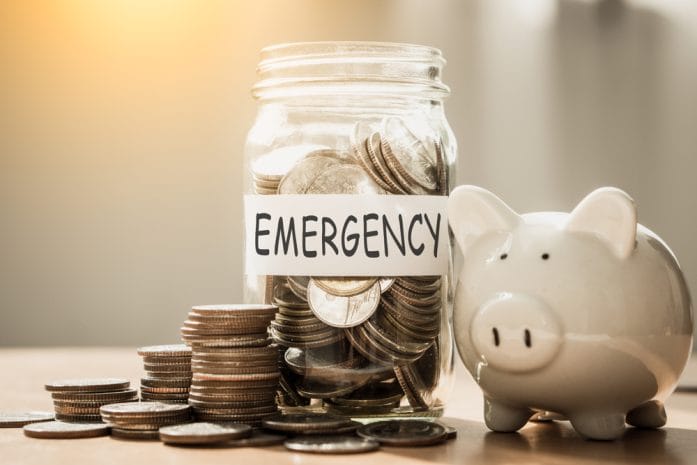
Why Are Emergency Funds Harder to Rebuild Than People Expect

January 11, 2026 by Brandon Marcus Leave a Comment

Why Are Emergency Funds Harder to Rebuild Than People Expect

Image Source: Shutterstock.com

Life has a sneaky habit of tossing unexpected bills, medical emergencies, and car repairs at the worst possible moments. One week you’re cruising through your budget with confidence, the next you’re staring at a drained bank account wondering, “How did this happen so fast?” Rebuilding an emergency fund often feels like trying to fill a leaky bucket—no matter how hard you try, the water just disappears. And yet, many people underestimate just how long it takes to recover after a financial setback.

It’s not about laziness, it’s about psychology, lifestyle pressures, and the subtle tricks our money habits play on us. Let’s dig into why replenishing your emergency fund can feel way harder than anyone expects.

The Psychology Of Loss And Why It Hurts More Than Expected

Humans are wired to feel losses more acutely than gains, a phenomenon economists call loss aversion. When money disappears from your emergency fund, the emotional impact is immediate and often exaggerated. Even a small setback can feel catastrophic, making the goal of rebuilding seem daunting. Our brains don’t treat money linearly; losing $500 feels like more than the happiness of earning $500. This mental weight can make it difficult to stay motivated, even if the numbers on paper aren’t dire.

On top of that, stress triggers a survival mode where long-term planning feels secondary to immediate needs. Understanding the psychology behind loss can help you cut yourself some slack while designing a realistic strategy to refill your safety net.

Lifestyle Inflation Sneaks In When You Least Expect It

As your income grows, it’s tempting to upgrade your lifestyle immediately—new gadgets, fancier dinners, or more travel. Lifestyle inflation is like a silent budget leak that drains money that could be rebuilding your emergency fund. Even small, consistent increases in monthly spending can derail your financial recovery plan without you noticing. People often assume that once the crisis is over, money will flow back in naturally—but reality doesn’t work that way. Every extra latte, subscription, or impulse purchase chips away at your ability to save. Being mindful of lifestyle inflation isn’t about restriction; it’s about protecting your long-term security while still enjoying life.

The Unseen Costs That Keep Piling Up

Unexpected expenses rarely come alone. A medical visit might lead to prescription costs, follow-up appointments, and transportation expenses. A car repair might reveal other maintenance needs. These hidden costs can make it feel like your emergency fund is a game of whack-a-mole. Each time you patch one hole, another seems to appear, making rebuilding a slow, sometimes discouraging process.

People often forget to account for these ripple effects when estimating how long it will take to recover. Anticipating potential hidden expenses and creating a buffer beyond your target fund can make a big difference in how achievable rebuilding feels.

Why Are Emergency Funds Harder to Rebuild Than People Expect

Image Source: Shutterstock.com

The Trap Of Overestimating Income Flexibility

After a financial shock, it’s natural to assume that “extra” money can be redirected to the emergency fund immediately. But life is rarely that simple. Paychecks are often already spoken for—rent, utilities, groceries, and debts don’t pause just because your fund is low. Overestimating your ability to save can lead to frustration and, in some cases, abandoning the effort altogether. People sometimes think that a small monthly contribution is inconsequential, but even modest, consistent deposits can rebuild a fund over time. The key is realistic expectations: understanding what can truly be allocated each month without causing stress or sacrificing essential needs.

The Long-Term Habit Shift That’s Often Required

Rebuilding an emergency fund isn’t just about numbers; it’s about forming lasting habits. If your spending patterns contributed to the initial drain, those habits need to change for recovery to stick. This often involves creating stricter budgets, tracking spending meticulously, or even reassessing priorities. Habit change takes time—sometimes months—to feel natural, and during this period, patience is crucial.

It’s common to see progress, experience setbacks, and feel like the effort isn’t paying off. Recognizing that habit formation is part of the process can transform frustration into steady progress. Consistency beats speed every time when it comes to financial security.

Unexpected Emotional Triggers Can Set You Back

Rebuilding your fund isn’t just about math; emotions play a huge role. Stress, peer pressure, and social comparison can trigger impulsive spending or feelings of hopelessness. A night out with friends, seeing a colleague’s new purchase, or even seasonal advertising can tempt you to dip into the fund you’re trying to rebuild. Emotional spending is a natural human response, but it can make recovery feel painfully slow. By identifying emotional triggers and planning for them—like allocating a small fun budget—you can protect your fund while still enjoying life. Financial resilience isn’t about perfection; it’s about managing these challenges strategically.

Join The Conversation About Rebuilding Financial Safety

Rebuilding an emergency fund is rarely as quick or easy as people hope, but understanding the hurdles makes the process less intimidating. From loss aversion to lifestyle inflation, hidden costs, and emotional triggers, many factors contribute to the challenge. By creating realistic goals, practicing patience, and cultivating consistent saving habits, you can rebuild your financial safety net without sacrificing your sanity.

Have you ever had to rebuild your emergency fund, or are you in the process now? Tell us your experiences and lessons below—your insights might just help someone else navigate the tricky path to financial security.

You May Also Like…

Savings Game: 5 Ways to Boost Your Emergency Fund Before December Ends

Build an Ironclad Emergency Fund That Can Withstand Any Crisis

10 Financial Dangers of Skipping Emergency Funds

Why Your $1,000 Emergency Fund Is Not Nearly Enough for 2026

5 Ways The New Year Gets In The Way Of Saving Money


Brandon Marcus
Brandon Marcus

Brandon Marcus is a writer who has been sharing the written word since a very young age. His interests include sports, history, pop culture, and so much more. When he isn’t writing, he spends his time jogging, drinking coffee, or attempting to read a long book he may never complete.

Filed Under: Lifestyle Tagged With: Cost of living, costs, emergency fund, emergency funds, Income, income flexibility, Life, Lifestyle, Lifestyle Inflation, loss, rising costs, Saving, saving account, saving money, savings

Which Sneaky Bills Have The Biggest Chance To Rise In 2026?

January 11, 2026 by Brandon Marcus Leave a Comment

Which Sneaky Bills Have The Biggest Chance To Rise In 2026?

Image Source: Shutterstock.com

If you think 2026 is just another year on the calendar, think again. Your wallet might disagree. From energy costs to subscription services you barely remember signing up for, some bills are poised to climb faster than a roller coaster in a hurricane. Economists, analysts, and even everyday consumers are bracing for shifts that could make budgeting feel like playing a game with invisible rules.

But not all bills are created equal. Some have obvious reasons for rising, while others are lurking quietly in the background, ready to surprise even the savviest spenders. Let’s break down which bills could hit your finances hardest and why you should pay attention before it’s too late.

1. Energy Bills And Utility Costs

Electricity, natural gas, and heating oil are likely to see significant increases in 2026. Global energy markets are still recovering from past disruptions, and inflationary pressures in production and transportation are lingering. Utility companies may pass these rising costs straight to consumers, meaning higher monthly bills for homes and apartments alike. Renewable energy incentives might help offset some costs, but they’re often limited and region-specific.

Weather patterns also play a big role—longer, hotter summers or colder winters could push energy demand—and prices—even higher. For households with older infrastructure, energy efficiency upgrades could become more of a necessity than a choice.

2. Rent And Housing Expenses

Housing costs have been on an upward trajectory for years, and 2026 is expected to continue that trend. Rental demand remains high in urban areas while the supply of affordable units lags behind. Mortgage rates, which fluctuate based on economic conditions, can also indirectly affect rental markets by keeping more people renting rather than buying. Landlords may raise rents to keep pace with property taxes, maintenance costs, and inflation.

This isn’t just a city problem—suburban and rural markets are seeing modest increases as well. Budget-conscious renters may need to plan for incremental increases that, over the course of a year, add up to a significant chunk of their income.

3. Healthcare Premiums And Out-Of-Pocket Costs

Medical expenses are a financial headache most of us can’t avoid, and 2026 could see them climb again. Health insurance premiums have historically risen faster than general inflation, and experts anticipate this trend will continue. Prescription drugs, specialist visits, and medical procedures all contribute to growing out-of-pocket costs. Even small copay increases can add up, especially for families or those managing chronic conditions.

Public health policy changes, the ongoing evolution of telehealth, and shifts in employer coverage can also play a role. Keeping track of plan details and exploring cost-saving alternatives will be critical for anyone looking to avoid sticker shock.

4. Internet And Streaming Service Fees

If you thought your monthly subscription bundle was safe, think again. Internet service providers have been adjusting plans frequently, and new infrastructure costs may be passed on to consumers. Streaming platforms, too, continue experimenting with pricing models, premium tiers, and ad-supported plans. The average household is juggling multiple subscriptions, from video to music to gaming, meaning even modest increases add up quickly. Bundles that once seemed like savings could end up costing more in 2026. Staying informed and periodically auditing subscriptions could help prevent surprises at the end of the month. For tech-savvy households, comparison shopping and promotional deals could become essential strategies.

5. Grocery And Food Prices

Groceries may feel unavoidable, but in 2026, your shopping list might cost more than expected. Agricultural challenges, global supply chain issues, and fuel price fluctuations all influence grocery costs. Organic and specialty items often see steeper price hikes than staples, but even common products like bread, dairy, and meat are susceptible. Food inflation doesn’t just hit the shelves—it trickles into restaurants and takeout options, making dining out pricier too.

Seasonal variations and extreme weather events can spike produce costs unexpectedly. Savvy shoppers who monitor sales, stock up strategically, and explore alternatives could protect their wallets, but many households may still notice the pinch.

Which Sneaky Bills Have The Biggest Chance To Rise In 2026?

Image Source: Shutterstock.com

6. Transportation And Fuel Expenses

Getting from point A to point B isn’t going to get cheaper in 2026. Gasoline, diesel, and public transportation fares are all sensitive to international markets and domestic policy shifts. Electric vehicle adoption is increasing, but charging infrastructure and electricity costs may partially offset savings from fuel. Car insurance premiums, maintenance, and even ride-sharing fares are influenced by inflation and demand. Urban commuters, rural drivers, and anyone relying on public transit may need to rethink their travel budgets. Planning ahead, using cost-saving apps, and considering hybrid or electric options could help, but a jump in transportation expenses is likely unavoidable for most people.

How Will You Navigate Rising Bills?

2026 promises to be a year of financial juggling, with multiple bills likely rising in ways that feel unpredictable. Being aware of the potential culprits—from utilities to housing, healthcare, subscriptions, groceries, and transportation—gives you a head start on planning and strategizing.

How are you preparing for these changes? Have you noticed trends in your own bills that suggest an increase is on the horizon? Let us know your experiences, insights, or tips in the comments below, because there’s no better place for practical advice and shared wisdom than a community that’s navigating the same challenges.

You May Also Like…

Tax Surge: 4 Income Types That Trigger Hidden Tax Bills

Expense Overflow: 4 Retirement Bills That Catch People Off Guard

6 Surprising Costs That Hit Families After Natural Disasters

Your Medical Bills Might Be Shared Online Without Your Knowledge

How Paying Some Bills In Advance Can Help In A Financial Emergency


Brandon Marcus
Brandon Marcus

Brandon Marcus is a writer who has been sharing the written word since a very young age. His interests include sports, history, pop culture, and so much more. When he isn’t writing, he spends his time jogging, drinking coffee, or attempting to read a long book he may never complete.

Filed Under: Lifestyle Tagged With: bills, energy bills, family spending, food prices, fuel expenses, grocery costs, healthcare costs, healthcare premiums, housing expenses, Life, Lifestyle, overspending, Smart Spending, spending, transportation, utility bills, utility costs

Why Do So Many People Feel One Bill Away From Trouble

January 11, 2026 by Brandon Marcus Leave a Comment

Why Do So Many People Feel One Bill Away From Trouble

Image Source: Shutterstock.com

Life can feel like walking a tightrope over a pit of uncertainty, and for millions, one wrong step—or one unexpected bill—can send everything tumbling. You might think financial stability is about earning more or spending less, but the reality is far more complicated. People live paycheck to paycheck, sometimes not by choice, but because the system seems rigged against them. Even those with decent jobs often feel like they’re balancing on a knife’s edge, one car repair or medical bill away from chaos.

So, why does it feel like so many people are perpetually one bill away from disaster? The answer lies in a mix of modern lifestyle pressures, systemic challenges, and human psychology that creates a perfect storm of financial vulnerability.

The Rising Cost Of Everyday Life

Inflation isn’t just a buzzword economists throw around—it’s a daily reality for everyone reaching for a grocery cart or paying a rent check. Essentials like housing, healthcare, and food have been rising faster than wages for decades. Many people find themselves constantly adjusting, cutting corners, or delaying bills just to make it through the month. This creates a fragile financial ecosystem where a single unexpected expense—a broken fridge, a flat tire, or a sudden medical need—can tip the balance.

Even small setbacks feel monumental because there’s little cushion to absorb the shock. The rising cost of living isn’t just numbers on a page; it’s a pressure cooker that makes everyday life feel like walking on a financial tightrope.

Credit Cards And Debt Are A Double-Edged Sword

For decades, credit cards have promised convenience and freedom—but they often deliver stress instead. People lean on plastic to pay for essentials, emergencies, or the occasional treat, thinking they’ll pay it off later. Yet, high-interest rates and compounding debt mean those temporary solutions often become permanent burdens. The result? A cycle where bills get paid with borrowed money, interest piles up, and financial security feels like an impossible dream.

Debt can feel invisible until it isn’t, and suddenly, you’re one bill behind, scrambling to keep the lights on and the rent paid. While credit can be a useful tool, it often serves as a reminder that many are living on borrowed time—and borrowed money.

Job Instability And The Gig Economy

The old model of a steady nine-to-five job with benefits is vanishing, replaced by contract work, gig roles, and temporary positions. This shift offers flexibility, sure—but it also brings uncertainty. Paychecks fluctuate, hours disappear, and benefits are often nonexistent. Without predictable income, people can feel like they’re running on a treadmill with no finish line. One missed payment, one unexpected expense, and suddenly, the financial house of cards starts to wobble. Job instability isn’t just stressful—it creates a constant sense of being “one bill away” from trouble, no matter how careful someone is with their money. The modern economy may be dynamic, but it’s also unforgiving for anyone without a robust safety net.

Unexpected Emergencies Strike Hard

Life doesn’t send warnings before it hits you with the unexpected. A medical crisis, a car accident, or even a plumbing disaster can instantly drain savings that took years to build. Most people underestimate the likelihood and cost of emergencies, and even those with an emergency fund may find it insufficient when catastrophe strikes.

The shock of sudden expenses compounds anxiety, leaving people scrambling to find solutions and juggling bills in creative—and sometimes risky—ways. Emergencies are inevitable, but financial systems and personal circumstances often leave people vulnerable, perpetuating that nerve-racking feeling of being just one bill away from serious trouble.

Why Do So Many People Feel One Bill Away From Trouble

Image Source: Shutterstock.com

Human Psychology And Financial Stress

Our brains are wired to react strongly to scarcity and uncertainty, and money is a major trigger. Living paycheck to paycheck triggers stress responses similar to running from a predator: constant vigilance, anxiety, and a focus on immediate survival over long-term planning. This psychological load makes every decision feel higher stakes, every bill feel monumental, and every unexpected expense a potential disaster. Financial stress doesn’t just hurt bank accounts—it erodes mental health, relationships, and decision-making. The combination of external pressures and internal reactions explains why many people feel trapped, even when their numbers might seem manageable on paper.

Societal Pressures And Lifestyle Inflation

From social media to neighborhood norms, societal expectations push people to spend more than they earn. Vacations, electronics, cars, and even dining habits are often influenced by comparisons, creating subtle pressure to maintain a lifestyle that exceeds one’s means. Lifestyle inflation—where income rises but spending rises faster—traps many in a loop of appearing comfortable while actually living on the edge. The desire to keep up can outweigh financial prudence, leaving people one unexpected expense away from a financial emergency. Society constantly nudges us toward consumption, making the balancing act even trickier for anyone without a substantial buffer.

Building Resilience And Breaking The Cycle

Feeling like you’re one bill away from trouble isn’t inevitable. Awareness, planning, and small but consistent financial habits can provide a sense of control and security. Emergency funds, budgeting, and debt management are crucial tools, but so is shifting the mindset around money—thinking long-term, prioritizing essentials, and questioning societal pressures.

Policy solutions like affordable healthcare, fair wages, and accessible credit also play a huge role, highlighting that personal responsibility and systemic change must work hand in hand. Understanding why people feel perpetually vulnerable is the first step toward empowerment and, eventually, peace of mind.

Your Turn To Reflect

Money worries are universal, but every person’s story is unique. Whether it’s a car repair that nearly derailed the month, a medical bill that hit out of nowhere, or juggling debt that never seems to shrink, these experiences shape how we approach financial security.

How do you navigate being one step away from a financial emergency? What strategies, lessons, or surprises have you discovered along the way? Drop your thoughts and experiences in the comments below, and let’s explore together what it really means to feel secure in a world where one bill can change everything.

You May Also Like…

7 Monthly Bills That Keep Rising Even When You Use Less

When Your Parents Take Your Paycheck: 6 Signs You’re Being Emotionally Manipulated

Why You Should Never, Ever Skip Paying Your Bills

Tax Surge: 4 Income Types That Trigger Hidden Tax Bills

7 Silent Money Traps in Monthly Bills


Brandon Marcus
Brandon Marcus

Brandon Marcus is a writer who has been sharing the written word since a very young age. His interests include sports, history, pop culture, and so much more. When he isn’t writing, he spends his time jogging, drinking coffee, or attempting to read a long book he may never complete.

Filed Under: Lifestyle Tagged With: bills, Cost of living, everyday spending, family issues, family money, gig economy, job, job instability, Life, Lifestyle, living paycheck to paycheck, money issues, paycheck to paycheck, paying bills, rising costs, saving money, Smart Spending, spending

Why Does Interest Rate Talk Suddenly Affect Everyday Spending

January 10, 2026 by Brandon Marcus Leave a Comment

Why Does Interest Rate Talk Suddenly Affect Everyday Spending

Image Source: Shutterstock.com

Money moves quietly until someone whispers the magic—or terrifying—words: “interest rates.” Suddenly, everyday spending decisions start feeling monumental. That morning latte feels like a major budget choice. The idea of buying a car seems like launching a rocket.

But why does talk about interest rates have this weird power over our daily lives? Let’s talk about the thrilling, surprising, and sometimes eyebrow-raising connection between central bank chatter and the way you spend, save, and think about money every single day.

How Interest Rates Shape Your Wallet Without You Noticing

Interest rates are essentially the price of borrowing money. When rates go up, loans cost more. Mortgages, car loans, and credit cards suddenly carry heftier price tags. Even a small rate hike can nudge people to pause before splurging. But the effect goes beyond obvious borrowing; it seeps into your subconscious spending habits. When rates rise, banks pay more to savers, which makes holding onto money slightly more attractive than spending it.

Conversely, lower rates make borrowing cheaper and encourage shopping sprees, bigger renovations, or even impulsive online purchases. It’s like a quiet tug-of-war between spending now and saving for later, and interest rates are the referee.

The Psychological Push Behind Interest Rate Announcements

Human brains love patterns, predictability, and stories. Interest rate announcements tell a story about the economy. If rates are climbing, people assume inflation is on the march, and prices may rise faster than usual. Even if you don’t have a mortgage or a loan, your brain starts factoring in future costs. On the flip side, a rate cut signals easier money and sometimes sparks confidence that spending won’t hurt as much. It’s remarkable how numbers on a chart or a short speech from a central bank can trigger a chain reaction in millions of wallets, grocery carts, and online checkouts. Psychology and economics collide, turning abstract percentages into very real decisions at the supermarket or car dealership.

Everyday Spending That Feels The Interest Rate Effect

You might not think buying a coffee, movie ticket, or new phone is linked to interest rates—but it often is. High rates can make you rethink that big vacation, postpone home renovations, or hesitate on dining out at pricier restaurants. On the other hand, lower rates may encourage a spontaneous upgrade to the latest gadget, an extra night out, or even taking out a small personal loan to consolidate debt. It’s a ripple effect that moves through households in ways economists and behavioral scientists study carefully. Even subtle habits—like choosing to refill a water bottle instead of buying bottled water—can be influenced by the invisible pressure of rising rates. Every little purchase is suddenly weighed against the backdrop of a larger economic climate you might not even consciously notice.

The Media Amplification Factor

News outlets love interest rate stories. Headlines scream, analysts speculate, and social media debates explode. This constant coverage amplifies the impact on everyday spending. People see graphs, charts, and bullet points, and suddenly, the numbers matter more than the items they were planning to buy. It’s one thing to hear “rates rose by a quarter percent,” and another to see it framed as “borrowing just got more expensive!”

The media doesn’t just report; it magnifies perceptions, shaping moods and mindsets. Suddenly, even casual conversations at the water cooler are colored by economic forecasts, making every purchase feel slightly weightier. The buzz surrounding rates often spreads faster than the actual change in the numbers themselves, feeding a cycle of caution—or optimism—depending on the news spin.

Why Does Interest Rate Talk Suddenly Affect Everyday Spending

Image Source: Shutterstock.com

The Domino Effect On Major Purchases

Interest rates aren’t just about small, everyday buys—they can derail or accelerate big-ticket decisions. Mortgages, car loans, and student loans all respond directly to rate changes. When rates rise, monthly payments grow, and people might delay moving, buying a new car, or refinancing debt. Companies notice this too, slowing expansions or holding off on new hires.

Conversely, low rates can create spending booms, housing surges, and even unexpected splurges on home improvements. The connection between rates and large purchases is straightforward, but it bleeds into smaller decisions. Even those latte runs or weekend splurges are subtly influenced by the backdrop of big financial moves, creating a ripple effect through the economy.

How Consumers Can Stay Calm Amid Rate Chatter

The secret to thriving in a world where interest rates dominate headlines is perspective. Educating yourself about what rates really mean—and how they actually affect your personal finances—can turn fear into strategy. For instance, understanding that a small rate hike might barely change your mortgage payment can prevent unnecessary panic. Budgeting with flexibility, keeping an emergency fund, and prioritizing goals over hype keeps spending decisions grounded in reality. Remember, the market reacts instantly, but your personal finances don’t need to. A little awareness transforms abstract financial news into practical, everyday wisdom. You regain control instead of letting the numbers dictate moods or purchases.

Your Take On The Rate Rollercoaster

Interest rate chatter might sound boring at first, but its impact is anything but. From tiny coffee decisions to massive purchases like cars or homes, rates influence how we think, feel, and act in ways we rarely notice. The next time you hesitate at the checkout, consider what role the financial headlines are playing in your choice. Have you noticed that your spending habits change when rates rise or fall? Your stories, insights, or even surprising observations could add a fascinating layer to this ongoing economic conversation.

Drop your experiences in the comments section below and see how other readers react to the rate rollercoaster.

You May Also Like…

Could Rising Interest Rates Force You To Delay Retirement Longer Than Planned?

Could Ignoring Rising Interest Rates Destroy Your Budget

8 Expenses That Quietly Rise Every Time Interest Rates Drop

Why Do Poorer Families Pay Higher Interest Rates Than Wealthy Ones

Tax Ahead: 4 Strategic Moves If You Think Congress Will Rewrite Tax Rules


Brandon Marcus
Brandon Marcus

Brandon Marcus is a writer who has been sharing the written word since a very young age. His interests include sports, history, pop culture, and so much more. When he isn’t writing, he spends his time jogging, drinking coffee, or attempting to read a long book he may never complete.

Filed Under: Lifestyle Tagged With: consumer spending, daily spending, digital spending, everyday items, impulse spending, interest rates, Life, Lifestyle, media, overspending, Smart Spending, spending

  • « Previous Page
  • 1
  • 2
  • 3
  • 4
  • 5
  • 6
  • 7
  • Next Page »

FOLLOW US

Search this site:

Recent Posts

  • Can My Savings Account Affect My Financial Aid? by Tamila McDonald
  • 12 Ways Gen X’s Views Clash with Millennials… by Tamila McDonald
  • What Advantages and Disadvantages Are There To… by Jacob Sensiba
  • 10 Tactics for Building an Emergency Fund from Scratch by Vanessa Bermudez
  • Call 911: Go To the Emergency Room Immediately If… by Stephen Kanaval
  • 7 Weird Things You Can Sell Online by Tamila McDonald
  • 10 Scary Facts About DriveTime by Tamila McDonald

Copyright © 2026 · News Pro Theme on Genesis Framework