
• Home
  • About Us
  • Toolkit
  • Getting Finances Done
    • Hiring Advisors
    • Debt Management
    • Spending Plan
  • Insurance
    • Life Insurance
    • Health Insurance
    • Disability Insurance
    • Homeowners/Renters Insurance
  • Contact Us
  • Privacy Policy
  • Risk Tolerance Quiz

The Free Financial Advisor

You are here: Home / Archives for Texas

Texas vs. Florida: Which No-Income-Tax State Actually Leaves You With More Money?

March 7, 2026 by Brandon Marcus Leave a Comment

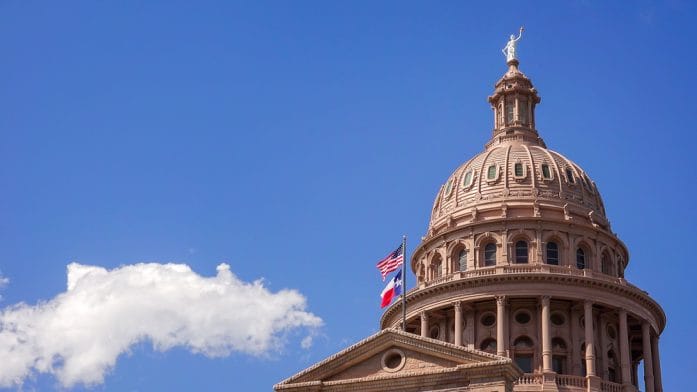
Texas vs. Florida: Which No-Income-Tax State Actually Leaves You With More Money?

Image Source: Shutterstock.com

People love hearing that a state charges zero income tax because it sounds like an automatic win for the wallet, almost like finding extra cash inside a jacket pocket you forgot about last winter. Both Texas and Florida market themselves as tax-friendly places that let workers keep more of what they earn, and the absence of state income tax attracts professionals, retirees, and business owners who want lighter financial pressure. But the real story goes deeper than that simple headline, because governments still collect money through property taxes, sales taxes, insurance costs, and everyday living expenses that quietly shape total spending.

Both states bring sunshine, warm weather, and fast-growing communities, but lifestyle costs follow the sunshine like a shadow nobody talks about at relocation fairs. Housing markets in particular often decide whether the “tax-free” promise feels like a celebration or a financial trade-off that shows up in mortgage statements.

What Zero Income Tax Really Means for Paychecks

At first glance, workers expect bigger take-home pay when moving to states without income tax, and on paper that expectation sounds reasonable. Neither Texas nor Florida deducts state income tax from earnings, which gives employees the feeling of receiving a bonus every payday compared to states that collect such tax. However, payroll size does not automatically translate into wealth accumulation, because other expenses tend to adjust around local economic conditions.

Property taxes stand out as a major balancing force in Texas, where local governments rely heavily on property assessments to fund public services such as schools and infrastructure. Homeowners often pay property tax rates that rank among the highest in the United States, and this becomes noticeable when housing values rise. Florida keeps property taxes somewhat more moderate in many counties, though coastal real estate markets sometimes push home prices upward, which increases total property tax payments anyway.

Sales taxes also change daily life math. Texas collects state sales tax plus local sales taxes that can push the combined rate close to 8.25 percent in many areas. Florida’s statewide sales tax stays around 6 percent, but local add-ons in certain counties push purchases slightly higher depending on location. Someone who shops frequently or eats out often may notice the difference more than someone who spends mostly on housing.

Income levels matter too. Major metropolitan areas in both states offer strong job opportunities, yet salary competition and industry mix influence earnings. Technology and professional service jobs cluster in cities like Austin or Miami, creating pockets of high wages but also intense housing pressure. Workers moving purely for tax reasons sometimes discover that employers already adjust salaries based on local cost conditions.

Housing, Heat, and Hidden Expenses That Follow the Moving Truck

Housing remains the biggest financial decision in either state because rent or mortgage payments consume a large portion of monthly income. In Texas, expanding suburban development around cities like Dallas and Houston keeps some housing prices relatively accessible, but property taxes offset part of that affordability. Florida offers attractive coastal living, yet beachfront or waterfront homes carry premium pricing that pushes average household spending higher.

Insurance costs also deserve serious attention. Florida experiences frequent hurricane threats, and homeowners insurance policies often reflect that environmental risk. Texas faces its own weather challenges, including storms, flooding, and occasional severe events that drive up insurance premiums. Residents sometimes discover that insurance bills quietly swallow savings created by the absence of income tax.

Transportation costs add another layer. Texas cities tend to spread outward, encouraging driving and longer commute distances, which increases fuel spending and vehicle maintenance. Florida urban zones vary, with some regions supporting public transit while others require car ownership. Gasoline prices fluctuate nationally, but lifestyle design decides how much fuel someone burns each month.

Lifestyle, Jobs, and Personal Happiness Economics

Money matters, but lifestyle satisfaction shapes long-term financial decisions more than spreadsheet calculations alone. Florida attracts retirees and tourism-related employment because of beaches, recreation, and seasonal vacation culture. Healthcare and hospitality jobs dominate some regions, and these sectors often pay differently compared to technology or engineering industries.

Texas carries a strong business and energy sector reputation, particularly around oil, logistics, manufacturing, and technology startups. Cities such as Austin built strong cultural identities around music, entrepreneurship, and younger professional communities. Career mobility tends to feel slightly broader in Texas urban centers, though Florida continues expanding its corporate presence.

Food, entertainment, and daily lifestyle expenses vary by region rather than by state label. Dining prices in tourist-heavy Florida zones sometimes rise because visitors support local businesses year-round. Texas cities offer large restaurant cultures, but popular urban districts also price experiences competitively. Someone who cooks at home more often will probably care less about these differences.

Texas vs. Florida: Which No-Income-Tax State Actually Leaves You With More Money?

Image Source: Shutterstock.com


So, Which State Leaves More Money in the Pocket?

There is no universal winner because financial outcomes depend heavily on housing choice, job type, family size, and personal habits. High earners who rent rather than buy property may enjoy stronger advantages in Florida because of lower average property tax burdens in some regions. Homeowners who purchase expensive coastal property might find Texas competitive depending on local assessment rates.

Relocating purely for tax savings rarely guarantees wealth growth. Smart movers usually compare total cost of living, not just income tax status, before packing boxes. Checking insurance quotes, real estate trends, and commuting distance matters more than focusing on a single tax category.

Someone planning to move should test financial projections by listing monthly expenses in each state, comparing job opportunities, and considering long-term lifestyle goals. Visiting neighborhoods before relocating helps reveal hidden costs that online calculators sometimes miss. Watching local housing development patterns can also provide clues about future price pressure.

The Winner Depends on Personal Money Strategy

Between Texas and Florida, the smarter choice depends on how someone spends, earns, and lives rather than which state removes income tax. Texas often appeals to homeowners and business-oriented professionals who accept higher property tax trade-offs. Florida often attracts retirees, tourism workers, and people who value coastal lifestyle access alongside moderate overall taxation.

Neither state magically guarantees financial prosperity, but both offer opportunities to build comfortable lives when residents manage expenses carefully. The best decision comes from balancing career growth, housing affordability, and lifestyle happiness rather than chasing the headline about zero income tax alone.

So, if you had to choose between the warm Gulf breezes of Florida or the wide economic landscape of Texas, where do you think your paycheck would stretch farther, and what lifestyle matters most when deciding? We want to hear your opinion in our comments.

You May Also Like…

The $140,000 Oversight: The Missing Texas Tax Paperwork That Is Costing Homeowners Thousands This Week

Florida Escrow Payments Continue Rising as Insurance Costs Climb

Florida Condo Fees Continue Surging — Seniors Face Massive Assessments

The $3,000 Property Tax Reality Facing the Average U.S. Household

How The SALT Deduction Caps Squeezed Many Middle-Income Taxpayers

Brandon Marcus
Brandon Marcus

Brandon Marcus is a writer who has been sharing the written word since a very young age. His interests include sports, history, pop culture, and so much more. When he isn’t writing, he spends his time jogging, drinking coffee, or attempting to read a long book he may never complete.

Filed Under: tax tips Tagged With: Cost of living, Florida, Housing Prices, lifestyle comparison, money savings, no income tax, Personal Finance, relocation, state taxes, Texas, US states

The $140,000 Oversight: The Missing Texas Tax Paperwork That Is Costing Homeowners Thousands This Week

January 18, 2026 by Brandon Marcus Leave a Comment

The $140,000 Oversight: The Missing Texas Tax Paperwork That Is Costing Homeowners Thousands This Week

Image source: shutterstock.com

Texas homeowners are learning the hard way that a missing piece of tax paperwork can cost a small fortune. This week, thousands of residents across the Lone Star State are seeing their property tax bills spike—some by as much as $140,000—thanks to a tangled web of legislation, voter-approved amendments, and administrative oversights.

For homeowners who thought they were on top of their taxes, the situation is a reminder that even in a state famous for its independence, the government is keeping a very close eye on the fine print.

How Senate Bill 4 Triggered A $140,000 Surge

Senate Bill 4, passed by the Texas Legislature, authorized a massive $140,000 hike under very specific conditions. The bill, designed to address gaps in property tax collections, gave local appraisal districts the legal authority to adjust values dramatically—but only if certain paperwork was completed. The problem? Many homeowners and even some appraisal offices failed to file or verify these critical documents on time. When SB 4 kicks in without that paperwork, the law allows for retroactive reassessments that hit taxpayers like a Texas summer heatwave. For some, this spike is not just a line item on a bill—it’s a life-changing financial event.

The legislation itself is complex but precise. It was written to close loopholes where certain high-value properties were being underreported, ensuring that municipal budgets stay intact. However, the law’s enforcement relies heavily on compliance with Texas Property Tax Code Section 11.43.

Without this step, local authorities have the green light to impose substantial back taxes. Essentially, SB 4 isn’t arbitrary—it’s a reminder of how important following the tax code down to the last form can be.

Texas Property Tax Code Section 11.43: The Audit And Re-Verify Requirement

Section 11.43 of the Texas Property Tax Code is at the heart of this week’s crisis. This provision requires an “audit and re-verify” process for high-value properties or those that have not been properly documented in previous assessments. The audit ensures that homeowners aren’t underpaying, but it also acts as a trigger for retroactive tax adjustments if the paperwork is missing or incomplete.

For homeowners, the process can feel like navigating a maze. Appraisal districts must verify every line of data and cross-check with previously submitted documents. When a piece is missing, the system interprets it as non-compliance, which can unleash substantial penalties and retroactive tax bills. The key takeaway? Even small administrative oversights can escalate quickly under Section 11.43. This is why many taxpayers who believed they were fully compliant are suddenly facing bills they never anticipated.

Voter-Approved Amendments Proposition 11 And 13: How They Play Into The Puzzle

Adding another layer of complexity are Texas Proposition 11 and Proposition 13, both constitutional amendments approved by voters. Proposition 11 deals with local taxation transparency and sets rules for how appraisal districts calculate and report values. Proposition 13 limits the rate at which property taxes can increase year over year but only under certain circumstances.

The interaction between these propositions and SB 4 is tricky. On paper, Proposition 13 should protect homeowners from drastic yearly increases. In reality, the protections only kick in when the audit and re-verify process is completed correctly. Missing paperwork effectively nullifies the ceiling provided by Proposition 13, leaving homeowners vulnerable to sudden spikes.

Proposition 11 also complicates matters because it requires additional reporting and compliance that many taxpayers overlook. The combination of these laws and amendments means that even well-intentioned homeowners can be blindsided by massive tax bills.

Why Homeowners Are Feeling The Crunch Right Now

The timing of this crisis is particularly brutal. As local appraisal offices catch up on missed filings and incomplete audits, thousands of homeowners are receiving notices this week that reflect the $140,000 adjustments. Many residents were unaware of the interplay between SB 4, Section 11.43, and the voter-approved propositions until the notice arrived in the mailbox.

Financially, the impact is staggering. Some homeowners are forced to take out emergency loans or restructure mortgages to cover unexpected taxes. Others are scrambling to provide missing documentation in the hopes of reducing their bills. The uncertainty is causing stress, confusion, and widespread frustration across Texas, highlighting how critical understanding the nuances of local tax law can be.

The $140,000 Oversight: The Missing Texas Tax Paperwork That Is Costing Homeowners Thousands This Week

Image source: shutterstock.com

How To Protect Yourself From Future Oversights

While this week’s events are shocking, they also serve as a cautionary tale. Homeowners can take proactive steps to avoid similar situations in the future. First, keeping meticulous records of all tax-related paperwork is essential. Second, staying informed about legislation like SB 4 and understanding the requirements of Section 11.43 can prevent unpleasant surprises. Finally, consulting with a tax professional who is familiar with local appraisal processes and voter-approved amendments is invaluable.

Knowledge is power, especially when it comes to property taxes. Homeowners who understand the connections between legislation, audit requirements, and constitutional amendments are far better equipped to avoid sudden spikes. It’s a complicated system, but staying organized and proactive is the best defense against unexpected bills.

Any Homeowners Out There? Tell Us What You Think

Texas homeowners are facing one of the most startling tax surprises in recent memory, and this week’s $140,000 oversight is a wake-up call for everyone.

If you’ve experienced this firsthand, or if you’ve navigated tricky tax paperwork successfully, we want to hear from you. How did your property tax situation change, and what strategies did you use to handle the challenge?

You May Also Like…

Texas Property Alert: The New 2026 Law That Allows Police to Remove Squatters in 24 Hours

Power to Choose: Exploring Wind Energy Options in Texas Electricity Market

Exploring VA Construction Loans: Transforming Homeownership Dreams in Texas

Power to Choose: Exploring Wind Energy Options in Texas Electricity Market

6 Financial Surprises That Appear After Moving States

Brandon Marcus
Brandon Marcus

Brandon Marcus is a writer who has been sharing the written word since a very young age. His interests include sports, history, pop culture, and so much more. When he isn’t writing, he spends his time jogging, drinking coffee, or attempting to read a long book he may never complete.

Filed Under: Lifestyle Tagged With: America, buying a home, buying a house, Home, homeowner advice, homeowners, homeownership, Life, Lifestyle, local laws, paperwork, Texas, Texas taxes, United States

The Texas Mortgage Shock: Why Your Monthly Payment Just Jumped $400 Without Warning

January 17, 2026 by Brandon Marcus Leave a Comment

The Texas Mortgage Shock: Why Your Monthly Payment Just Jumped $400 Without Warning

Image source: shutterstock.com

You open your mailbox, shuffle through the usual stack of bills, and suddenly your eyes lock on one number: your mortgage payment. It’s $400 higher than last month. You blink, rub your eyes, maybe even double-check the envelope.

Nope. That’s not a typo. That’s real.

Welcome to the wild world of Texas mortgages in 2026, where nearly half of homeowners are facing an “escrow burden” that’s turning calm financial waters into choppy seas. How did we get here, and why is your once-predictable monthly payment now looking like a heart-stopping rollercoaster?

Understanding The Escrow Burden And Its Hidden Weight

An escrow account is supposed to be your safety net. Lenders collect extra money each month to cover property taxes and homeowners insurance, so you don’t have a giant bill once or twice a year.

Sounds reasonable, right? But in Texas, this safety net is starting to feel more like a trap. About 44% of mortgages in the state are currently “escrow burdened,” meaning homeowners are sending far more money than they expected toward taxes and insurance.

Why? Property taxes are soaring in many counties, and insurance premiums have spiked thanks to extreme weather events and rising construction costs. The result: your once-manageable mortgage is now inflated, not because your principal or interest changed, but because your lender is trying to stay ahead of the mounting bills.

It’s worth noting that escrow burdens aren’t just numbers on a statement—they’re real dollars leaving your bank account each month. And they often come as a surprise because lenders typically review escrow accounts once a year. If taxes or insurance went up dramatically in the past year, your monthly payment could suddenly jump without any warning. That $400 spike? That could be a combination of both tax reassessments and insurance hikes, landing all at once.

Why Texas Homeowners Are Feeling The Heat

Texas has long been known for affordable housing compared to other states, but affordability is starting to erode. Property values have risen steadily, which in theory is great for homeowners…until your property taxes rise with them. Counties are under pressure to fund schools, roads, and emergency services, and the easiest solution is often to raise taxes. Combine that with insurance rates climbing after hurricanes, hailstorms, and wildfires, and suddenly the “extra” in your escrow account is anything but extra.

For many homeowners, these jumps are shocking because they weren’t budgeting for them. Monthly payments that were once $1,800 or $2,000 can quickly climb to $2,200 or $2,300, forcing families to adjust their spending. That latte habit? Gone. Weekend trips? On hold. Even bills that seem fixed—utilities, groceries—start to feel like tightrope walking when your mortgage swells overnight. The stress is real, and it’s hitting a large portion of the Texas population right in the wallet.

How Lenders Calculate Your Escrow And Why It Changes

Lenders have a methodical way of figuring out escrow: they estimate annual taxes and insurance premiums, divide that total by 12, and add it to your monthly mortgage payment. Sounds simple, but it’s only as accurate as the numbers they have. When property taxes are reassessed or insurance premiums spike mid-year, the lender adjusts your escrow contribution to keep up. Those adjustments are legal, routine, and often automatic—but they rarely come with a drumroll announcement.

What’s tricky is that homeowners don’t always get a clear explanation. You might see “escrow adjustment” on your statement without context. Did your county raise your taxes? Did your insurer hike rates? Or maybe both? That’s why reading the breakdown of your mortgage statement is more important than ever. Understanding where every dollar is going can turn confusion into clarity and prevent future shocks.

Steps You Can Take To Avoid Future Escrow Surprises

Even if you’re already facing a $400 jump, there are ways to manage the situation and protect yourself from more surprises. Start by reviewing your escrow account annually. Check property tax assessments, compare insurance premiums, and ask your lender for a detailed breakdown of your monthly contribution.

Another strategy is to consider paying taxes and insurance directly, instead of rolling them into your mortgage. This approach gives you more control over timing and budgeting, though it requires discipline. Refinancing your mortgage could also help, especially if interest rates have dropped since you first bought your home. Finally, local homeowner associations or county tax offices can sometimes provide payment plans for taxes, helping spread the cost over time rather than letting it hit all at once. Knowledge and proactive management are your best defenses against the unexpected.

The Texas Mortgage Shock: Why Your Monthly Payment Just Jumped $400 Without Warning

Image source: shutterstock.com

The Human Side Of The Mortgage Shock

Numbers tell one story, but the human side tells another. Homeowners are juggling skyrocketing monthly bills, family budgets, and the emotional strain of feeling blindsided. Some are cutting back on daily comforts, others are working overtime, and some are even questioning whether they can stay in their homes long-term. Financial stress can ripple into every corner of life, from sleep patterns to personal relationships, making a $400 spike more than just a math problem—it becomes a lived reality that affects health and happiness.

It’s also fueling conversations around financial literacy and transparency. People are asking questions they never thought they’d need to: How exactly does escrow work? What triggers these sudden jumps? Can I appeal my property tax assessment? These discussions are crucial because they put power back into homeowners’ hands and reduce the sense of helplessness that comes with a sudden payment increase.

Join The Talk About Texas

The Texas mortgage shock is real, it’s stressful, and it’s affecting nearly half of homeowners in the state. Understanding the escrow burden and its causes is the first step toward taking control of your finances and reducing surprise increases. Whether you’re navigating a $400 jump or just curious about why payments are rising statewide, talking about it helps.

We want to hear your thoughts and experiences with mortgage surprises—what’s your story? How are you handling these unexpected changes in your budget? Comment below and let’s get the conversation started.

You May Also Like…

Texas Property Alert: The New 2026 Law That Allows Police to Remove Squatters in 24 Hours

Power to Choose: Exploring Wind Energy Options in Texas Electricity Market

Why a Mortgage & Protection Network Matters in Today’s Advice Market

7 Hidden Signs You Should Refinance Your Mortgage Right Now

7 Home Mortgage Loopholes Older Homeowners Should Know Before Refinancing


Brandon Marcus
Brandon Marcus

Brandon Marcus is a writer who has been sharing the written word since a very young age. His interests include sports, history, pop culture, and so much more. When he isn’t writing, he spends his time jogging, drinking coffee, or attempting to read a long book he may never complete.

Filed Under: Lifestyle Tagged With: buying a home, buying a house, escrow, Home, homeowner, homeownership, lenders, Life, Lifestyle, mortgage, Mortgage payment, mortgage shock, Real estate, Texas, Texas mortgage, Texas property, Texas real estate

Texas Property Alert: The New 2026 Law That Allows Police to Remove Squatters in 24 Hours

January 15, 2026 by Brandon Marcus Leave a Comment

Texas Property Alert: The New 2026 Law That Allows Police to Remove Squatters in 24 Hours

Image Source: Shutterstock.com

Your property is supposed to feel like a sanctuary, but what happens when someone shows up uninvited and refuses to leave? For years, Texas homeowners have battled the headache of squatters, navigating long legal processes just to reclaim their own spaces. That struggle could be over sooner than ever thanks to a groundbreaking 2026 law that empowers law enforcement to remove squatters within 24 hours.

The implications are massive, from protecting homes and rental properties to giving landlords a newfound sense of security. For anyone who’s ever worried about the potential chaos of a squatter, this law is turning the page on a long-standing problem.

How The 2026 Law Changes The Game For Homeowners

For decades, Texas property owners have faced a cumbersome legal maze when dealing with squatters. Eviction notices, court dates, and months of waiting were often the norm, even when the homeowner had full legal rights. The new 2026 law streamlines that process dramatically. Law enforcement can now respond immediately to verified claims of unlawful occupation, drastically cutting down the waiting period. The law requires clear documentation proving ownership or rental rights, ensuring that the process is legitimate and protects against misuse.

For homeowners, this means that the frustration of waiting weeks or months to reclaim property is replaced with a solution that takes just a day. Experts are hailing this as one of the most significant changes to property law in Texas in years.

What Homeowners Need To Do To Use This Law

Using this law isn’t as simple as picking up the phone and calling the police—there are specific steps that must be followed. First, the property owner must provide proof of ownership or legal possession. This can include deeds, leases, or other official documents that clearly establish your rights. Next, the homeowner must verify that the individual occupying the property is a squatter, meaning they have no lease, permission, or claim to the space. Law enforcement officers will then respond, and if all criteria are met, the squatter can be removed within 24 hours.

The law also protects property owners from liability during the process, giving peace of mind that the removal is fully legal and enforceable. Being prepared with the right documentation is crucial to making this system work efficiently.

How Police Will Handle Squatter Removal

The law places a strong emphasis on procedural fairness, ensuring that both homeowners and occupants are treated appropriately. Police officers are trained to verify the property claim and determine whether the individual truly qualifies as a squatter. If the person has a legitimate dispute, officers will not remove them immediately, preventing wrongful eviction. In cases where the law clearly applies, removal happens swiftly, often within hours.

Officers are also guided to handle belongings with care and avoid confrontations whenever possible. This structured approach not only protects the homeowner’s rights but also ensures that the process is safe, respectful, and efficient for everyone involved.

Texas Property Alert: The New 2026 Law That Allows Police to Remove Squatters in 24 Hours

Image Source: Shutterstock.com

Implications For Landlords And Rental Properties

Landlords stand to benefit enormously from this new law. Rental properties, especially in urban areas, are often targets for illegal occupation, and the prior legal process could drain time and money. With the 24-hour removal provision, landlords can take action quickly, minimizing property damage and financial loss. It also changes the dynamic of property management, as the risk of long-term squatting is drastically reduced. Landlords are encouraged to stay proactive, documenting leases and keeping clear records of occupancy.

Insurance providers may also view properties differently now that rapid squatter removal is legally supported, potentially influencing rates and coverage. For anyone renting property in Texas, this law represents a sea change in security and control.

Legal Boundaries And Safeguards Homeowners Should Know

While the law is powerful, it comes with strict safeguards to prevent abuse. Homeowners must follow documented procedures to avoid legal consequences. Misidentifying someone as a squatter or attempting self-eviction could still result in civil or criminal liability. The law is also limited to situations where occupancy is clearly unauthorized, meaning roommates, tenants, or family members with legal rights cannot be removed under this statute.

Courts can review disputes, ensuring that the 24-hour removal is not applied unfairly. Essentially, this law balances rapid enforcement with careful protection against misuse. Understanding the boundaries is key to using it successfully without complications.

Preparing For The New Reality In Texas Property Law

The 2026 law marks a new era for property owners across Texas, but preparation is everything. Homeowners should organize deeds, leases, and any other proof of ownership or legal possession. Maintaining clear records of communication with tenants or occupants is also wise, as documentation can support claims under the law. Local police departments may offer guidance on filing requests for removal efficiently, so reaching out early can streamline the process.

Staying informed about updates to the law or implementation guidelines ensures homeowners are ready to act if needed. Ultimately, this law empowers Texans to protect their property while keeping the process lawful and structured.

Do You Have Any Thoughts On These New Texas Laws?

This new law is shaking up the Texas property landscape, giving homeowners and landlords unprecedented power to act swiftly against unauthorized occupants. It’s a game-changer for anyone who values the safety, security, and control of their property.

If you’ve had experiences with squatters, either frustrating or frightening, now is the time to reflect on how this law could have made a difference. We’d love to hear your thoughts, stories, or opinions about the impact of rapid squatter removal in Texas.

You May Also Like…

Power to Choose: Exploring Wind Energy Options in Texas Electricity Market

13 Eye-Opening Truths About Real Estate Crowdfunding Ventures

9 Georgia Counties Where Property Taxes Are Set to Rise the Fastest

6 Hidden Costs of Homeownership That Blindside First-Time Buyers

7 Fine-Print Exclusions in Your Homeowner’s Policy That Could Cost You Everything

Brandon Marcus
Brandon Marcus

Brandon Marcus is a writer who has been sharing the written word since a very young age. His interests include sports, history, pop culture, and so much more. When he isn’t writing, he spends his time jogging, drinking coffee, or attempting to read a long book he may never complete.

Filed Under: Law Tagged With: 2026 laws, buying a house, Home, homeowners, homeownership, House, illegal, laws, legal advice, new laws, owning a house, Property, property laws, property taxes, Real estate, real estate laws, squatters, Squatters rights, Texas, Texas laws, Texas property

9 States Where Social Security Benefits May Be at Risk

April 2, 2025 by Latrice Perez Leave a Comment

Concept of funding for social security drying up with loss of income to trust fund after market crash

Image Source: 123rf.com

Imagine relying on your Social Security benefits to cover essential expenses, only to discover that changes in your state’s policies might reduce the amount you receive. For many Americans, this scenario is becoming a concerning reality. While Social Security is a federal program, certain state-level actions and proposals can significantly influence the benefits you depend on. In this article, we’ll explore nine states where recent developments may impact your Social Security payments and what you can do to stay informed.

1. Texas

In Texas, over 32,000 residents who still receive Social Security payments via paper checks are affected by a federal mandate transitioning to electronic payments. This shift aims to reduce costs and prevent fraud but may disrupt the financial routines of many vulnerable recipients. Texans relying on paper checks must adapt to direct deposit or prepaid cards by September 30, 2025. ​

2. Colorado

Approximately 6,300 Coloradans are impacted by the same federal order ending paper Social Security checks. The transition to digital payments poses challenges, particularly for those without easy access to banking services or the internet. Beneficiaries must make the switch by September 30, 2025, to avoid payment disruptions.

3. Iowa

In Iowa, proposed state budget reallocations could affect funding for programs supporting older adults. Governor Kim Reynolds’ initiative to fund full-time child care for 4-year-olds by diverting resources from existing early childhood programs may indirectly impact services that seniors rely on, though the direct effect on Social Security benefits remains uncertain.

4. Utah

Utah’s Governor Spencer Cox has proposed eliminating the state’s Social Security tax in the 2025 budget. While this move could save approximately 150,000 Utahns about $950 annually, it would reduce state revenue by $143.8 million each year, potentially affecting other state-funded programs.

5. Michigan

drawing of american state of michigan on chalkboard, drawn by chalk

Image Source: 123rf.com

Michigan residents have expressed concerns over potential Social Security cuts amid federal efforts to reduce spending. During town halls, constituents voiced fears about decreased access to benefits due to office closures and federal worker layoffs. Lawmakers have assured voters that Social Security will remain unaffected, but apprehensions persist. ​

6. Florida

Florida, with its significant retiree population, is closely monitoring federal discussions on Social Security reforms. Proposals to raise the retirement age or adjust benefit calculations could disproportionately affect Floridians. State officials are advocating for measures that protect their senior residents from potential benefit reductions.​

7. Nevada

Nevada’s retirees are attentive to federal policy changes that may impact Social Security. Discussions around modifying benefit formulas or taxation policies could have significant implications for the state’s senior population. Local advocacy groups are mobilizing to ensure that any changes consider the needs of retirees.​

8. South Dakota

In South Dakota, state officials are evaluating the potential impact of federal Social Security reforms on their residents. While no specific state-level changes have been proposed, the state’s seniors are encouraged to stay informed and engaged with ongoing policy discussions that could affect their benefits.​

9. Wyoming

Wyoming, known for its low tax burden, is also home to many retirees who depend on Social Security. Any federal adjustments to the program could have outsized effects here. State leaders are monitoring developments and considering strategies to support their senior residents amid potential changes,

State Level Actions and Proposals Can Influence Benefits

While Social Security is primarily a federal program, state-level actions and proposals can influence how benefits are administered and taxed. Staying informed about both federal and state developments is crucial to ensure you receive the benefits you’ve earned. Engaging with local advocacy groups and communicating with state representatives can help protect and enhance your Social Security benefits.​

Are you experiencing changes to your Social Security benefits in your state? Share your thoughts and experiences in the comments below.

Read More:

Are There Any Social Security Spousal Benefits Loopholes Left?

11 Key Changes to Your Social Security Benefits After Losing a Spouse

Latrice Perez

Latrice is a dedicated professional with a rich background in social work, complemented by an Associate Degree in the field. Her journey has been uniquely shaped by the rewarding experience of being a stay-at-home mom to her two children, aged 13 and 5. This role has not only been a testament to her commitment to family but has also provided her with invaluable life lessons and insights.

As a mother, Latrice has embraced the opportunity to educate her children on essential life skills, with a special focus on financial literacy, the nuances of life, and the importance of inner peace.

Filed Under: Finance Tagged With: Colorado, Florida, Iowa, Michigan, Nevada, retirement benefits, Social Security, South Dakota, state policies, Texas, Utah, Wyoming

FOLLOW US

Search this site:

Recent Posts

  • Can My Savings Account Affect My Financial Aid? by Tamila McDonald
  • 12 Ways Gen X’s Views Clash with Millennials… by Tamila McDonald
  • What Advantages and Disadvantages Are There To… by Jacob Sensiba
  • 10 Tactics for Building an Emergency Fund from Scratch by Vanessa Bermudez
  • Call 911: Go To the Emergency Room Immediately If… by Stephen Kanaval
  • 7 Weird Things You Can Sell Online by Tamila McDonald
  • 10 Scary Facts About DriveTime by Tamila McDonald

Copyright © 2026 · News Pro Theme on Genesis Framework