• Home
  • About Us
  • Toolkit
  • Getting Finances Done
    • Hiring Advisors
    • Debt Management
    • Spending Plan
  • Insurance
    • Life Insurance
    • Health Insurance
    • Disability Insurance
    • Homeowners/Renters Insurance
  • Contact Us
  • Privacy Policy
  • Risk Tolerance Quiz

The Free Financial Advisor

You are here: Home / Archives for transportation

7 Ways Rising Costs Affect Everyday Decisions

January 31, 2026 by Brandon Marcus Leave a Comment

These Are 7 Ways Rising Costs Affect Everyday Decisions

Image source: shutterstock.com

We’ve all felt it—the creeping pinch at checkout, the quiet shock of a higher gas bill, the subtle disappointment when your favorite latte suddenly costs a little more. Rising costs aren’t just numbers on a spreadsheet; they infiltrate the tiny, everyday choices we make, often without us even realizing it.

From deciding whether to dine out or cook at home, to reevaluating weekend adventures or luxury splurges, inflation quietly nudges our habits. Knowing how these shifts affect us can help us make smarter, sometimes even surprising decisions that protect our wallets—and maybe even our sanity.

1. Grocery Shopping Gets Strategic (and Sometimes Sneaky)

The humble grocery trip has transformed into a tactical mission. When prices climb, shoppers become sleuths, hunting for discounts, comparing unit prices, and sometimes even switching to store brands. The cost of staples like eggs, milk, or bread has been steadily rising in recent years due to supply chain issues and inflationary pressures. This often encourages people to plan meals more carefully, buy in bulk, or lean on coupons and loyalty programs.

But the ripple effect is bigger than just budgeting—it can change our diets. Some shoppers might swap fresh produce for frozen options, which are often cheaper and longer-lasting, or skip premium items entirely. On a brighter note, this frugal creativity can spark new culinary adventures, inspiring recipes that use pantry staples more inventively than ever before.

2. Dining Out or Staying In Becomes a Calculated Decision

Restaurants aren’t immune to rising costs either. Menu prices tend to climb when ingredient, labor, and utility expenses rise, and suddenly that Friday night takeout feels like a luxury splurge. Many people respond by becoming more selective, choosing restaurants strategically, hunting for deals, or opting for smaller portions. The result? Family nights might shift from dining out to hosting homemade pizza parties or experimenting with gourmet recipes at home.

Interestingly, some diners report rediscovering the joy of cooking because of it—transforming a necessity into an opportunity to bond and save. Even beverage choices get influenced: a fancy cocktail might get swapped for a simple homemade mocktail, proving that creativity often thrives when budgets tighten.

3. Transportation Choices Are Rewritten in Real Time

Gasoline prices are a classic example of how rising costs dictate daily decisions. Commuters may rethink their usual routines, opting for public transit, carpooling, biking, or even walking when possible. Beyond commuting, rising fuel costs can influence bigger life choices, like where to live or work, and whether weekend road trips are still feasible.

These pressures can spark environmentally friendly behaviors almost by accident. Choosing a bike over a car, or consolidating errands to save fuel, can reduce carbon footprints while easing financial strain.
These Are 7 Ways Rising Costs Affect Everyday Decisions

Image source: shutterstock.com

4. Entertainment Becomes About Value (Not Just Fun)

Rising costs have reshaped how we think about leisure and entertainment. Movie tickets, streaming subscriptions, and concert prices all factor into decisions about how to spend free time. People may weigh the value of experiences more carefully, seeking free or low-cost alternatives such as local events, hiking trips, or DIY movie nights at home.

The upside? Many people report getting more creative with entertainment, discovering hobbies and experiences they might have overlooked when money felt more abundant. This shift doesn’t just save cash; it often leads to richer, more personalized ways to spend downtime.

5. Home Energy Bills Spark Smart Adjustments

Heating, cooling, and electricity costs have been climbing steadily, encouraging households to rethink how they use energy. Simple habits like adjusting thermostats, switching to energy-efficient bulbs, or unplugging devices when not in use suddenly become more than just good ideas—they become smart money moves. Homeowners may even invest in bigger changes, such as improved insulation or smart home technology, which reduces long-term expenses.

These choices can feel like small sacrifices, but they often result in surprisingly significant savings over time. In essence, rising energy costs force us to become more conscious consumers, balancing comfort with efficiency in ways we might never have considered otherwise.

6. Travel Plans Are Reviewed (and Sometimes Postponed)

Vacations and getaways are often among the first luxuries to feel the impact of rising costs. Airline tickets, hotel rates, and even meals abroad can become prohibitive, prompting travelers to rethink when, where, and how they journey. Many people turn to alternatives like road trips, off-season travel, or “staycations” to keep the experience alive while reducing the financial hit. Some travelers find that exploring nearby attractions leads to hidden gems they would never have discovered otherwise.

The travel landscape is becoming more creative, with a focus on maximizing experience per dollar. This cost-conscious approach often leads to more meaningful, less hurried trips, because planning becomes intentional rather than spontaneous.

7. Savings and Spending Habits Shift Instantly

One of the most invisible—but powerful—ways rising costs affect everyday life is by reshaping how people save and spend. Faced with inflation, some individuals feel the urge to increase emergency funds or retirement contributions, even while cutting back on discretionary spending. Others may make small but frequent adjustments, like quitting coffee or postponing new clothing purchases.

The key is awareness: understanding the connection between rising costs and personal finances can empower smarter choices. While it can feel restrictive at first, this heightened awareness often cultivates long-term financial resilience, transforming reactive spending into proactive planning.

Living Smart in a World of Rising Prices

Rising costs don’t just influence the big purchases—they ripple through the tiny decisions we make every day, from the meals we eat to how we entertain ourselves. While inflation can feel frustrating, it also offers a chance to rethink habits, prioritize spending, and embrace creativity in unexpected ways. By paying attention to the subtle impacts, we can turn economic pressure into smarter, more intentional decision-making.

What about you? How have rising costs nudged the choices you make daily, and what creative solutions have you discovered to stretch your budget without sacrificing fun? Share your strategies in the comments

You May Also Like…

9 Surprising Costs That Appear With New Technology

5 Surprising Costs Older Parents Face When Raising Kids Later in Life

Expense Trap: 7 Inflation Surprises That Sneak Up on Middle-Aged Investors

8 Bold Strategies for Investing During Periods of High Inflation

Why Do People Underestimate the True Cost of Living Longer

Brandon Marcus
Brandon Marcus

Brandon Marcus is a writer who has been sharing the written word since a very young age. His interests include sports, history, pop culture, and so much more. When he isn’t writing, he spends his time jogging, drinking coffee, or attempting to read a long book he may never complete.


Filed Under: Lifestyle Tagged With: Budgeting Tips, consumer habits, Cost of living, dining out, energy savings, Entertainment, everyday items, grocery shopping, Inflation, Life, Lifestyle, Personal Finance, rising costs, transportation, travel tips

9 Expenses That Used to Be Optional but Aren’t Anymore

January 12, 2026 by Brandon Marcus Leave a Comment

Here Are 9 Expenses That Used to Be Optional but Aren’t Anymore

Image Source: Shutterstock.com

The world didn’t just change overnight—it upgraded, auto-renewed, and charged your card while you weren’t looking. What once felt like a lifestyle choice has quietly transformed into a requirement for keeping a job, raising a family, or simply existing without daily frustration. Somewhere between dial-up tones and paper maps, modern life added a stack of “must-haves” that now feel as essential as electricity.

These expenses didn’t arrive with warning labels, but here we are, budgeting around them anyway. Let’s talk about the nine costs that graduated from “nice to have” to “you can’t realistically opt out.”

1. Mobile Data And Internet Access

Once upon a time, the internet lived in a single room and made loud noises while connecting. Now it’s the backbone of work, school, healthcare, banking, entertainment, and social life. Mobile data and home internet aren’t luxuries when job applications, homework portals, and appointment scheduling all happen online. Even basic communication often assumes instant access to email, messaging apps, and video calls.

Many employers quietly expect workers to be reachable, connected, and capable of hopping onto digital platforms at any moment. Trying to function without reliable internet today doesn’t make you frugal—it makes you invisible.

2. Smartphones

Smartphones used to be flashy gadgets for early adopters and tech enthusiasts. Today, they’re the remote controls for everyday life. From boarding passes and two-factor authentication to payment apps and emergency alerts, entire systems assume you have one. Schools send updates through apps, workplaces rely on messaging platforms, and even restaurants expect you to scan a code. Without a smartphone, simple tasks take longer, cost more, or become impossible. It’s not about brand loyalty or upgrades—it’s about participation.

3. Subscription Software And Apps

Buying software once and owning it forever now sounds like a fairy tale. Essential tools for work, creativity, taxes, fitness, and productivity increasingly live behind monthly or annual paywalls. Students and professionals alike are expected to use specific platforms just to keep up. Even things like note-taking, document signing, and cloud storage often require ongoing fees. These subscriptions may look small individually, but together they form a quiet, permanent drain on monthly budgets. Cancel too many, and daily life suddenly becomes much harder.

4. Health Insurance And Out-Of-Pocket Healthcare Costs

Healthcare has always cost money, but the degree of personal financial responsibility has shifted dramatically. Insurance premiums, deductibles, copays, and surprise bills have turned basic medical care into a budgeting challenge. Preventive care, mental health services, and prescription medications are no longer optional if you want to function well. Skipping care can quickly lead to bigger, more expensive problems down the road. For many people, healthcare expenses are now as non-negotiable as rent.

5. Reliable Transportation

Transportation used to mean getting from point A to point B when needed. Now, reliability is everything. Many jobs require flexible schedules, long commutes, or multiple daily stops that public transit can’t always support. Ride-share costs add up fast, and unreliable transportation can threaten employment itself. Even remote workers often need dependable transportation for childcare, errands, or medical appointments. Whether it’s car payments, maintenance, insurance, or transit passes, getting around is no longer optional—it’s foundational.

6. Childcare And After-School Programs

There was a time when childcare was considered a short-term or optional expense. Today, it’s a necessity for most working families. Dual-income households aren’t a luxury anymore—they’re often the only way to stay afloat. Safe, reliable childcare and after-school programs allow parents to work consistent hours without constant stress. These services also support children’s development, learning, and social skills. For many families, childcare costs rival housing expenses, yet opting out simply isn’t realistic.

7. Home Security And Digital Protection

Locks on doors used to be enough. Now, physical and digital security go hand in hand. Home security systems, smart cameras, identity theft protection, and antivirus software have become standard defenses. Online banking, remote work, and digital records make personal data more vulnerable than ever. Recovering from fraud or a breach can cost far more than preventive measures. Peace of mind, it turns out, comes with a monthly fee.

Here Are 9 Expenses That Used to Be Optional but Aren’t Anymore

Image Source: Shutterstock.com

8. Professional Development And Continuing Education

Education no longer ends with a diploma. Industries evolve quickly, and staying employable often requires constant learning. Certifications, online courses, workshops, and licensing fees are now part of many careers. Employers may expect skills updates without fully covering the cost. Falling behind can mean fewer opportunities or lower pay. Investing in yourself isn’t just aspirational anymore—it’s a survival strategy.

9. Convenience Services And Time-Saving Tools

Time has become one of the most expensive resources of all. Grocery delivery, meal kits, cleaning services, and digital assistants once felt indulgent. Now they’re coping mechanisms for overloaded schedules and burnout. When work, family, and obligations collide, convenience fills the gaps. These services help people stay functional when time and energy run low. Paying for time, it turns out, is often the only way to get any back.

Living In A World Of Non-Optional Options

Modern life has quietly rewritten the definition of “essential.” Expenses that once felt elective are now woven into how we work, connect, and care for ourselves and others. Recognizing these shifts doesn’t make budgeting easier, but it does make it more honest.

Everyone’s list looks a little different depending on lifestyle and priorities. Drop your thoughts or personal experiences in the comments below and let the conversation continue.

You May Also Like…

Why Do Unexpected Expenses Always Seem to Hit at the Worst Time

Are App-Linked Budget Tools Selling Your Income Data?

3 Reasons You Can’t Afford to Lose Your Smartphone

5 Tips to Save Money on Your Smartphone Bill

What Happens When Retirement Plans Ignore Healthcare Costs


Brandon Marcus
Brandon Marcus

Brandon Marcus is a writer who has been sharing the written word since a very young age. His interests include sports, history, pop culture, and so much more. When he isn’t writing, he spends his time jogging, drinking coffee, or attempting to read a long book he may never complete.

Filed Under: Spending Habits Tagged With: childcare, Cost of living, costs, cutting expenses, digital safety, Digital Security, everyday costs, expense mindset, expense tracking, expenses, health insurance, healthcare, home security, insurance costs, internet access, mobile data, smartphone apps, smartphones, subscriptions, transportation

Which Sneaky Bills Have The Biggest Chance To Rise In 2026?

January 11, 2026 by Brandon Marcus Leave a Comment

Which Sneaky Bills Have The Biggest Chance To Rise In 2026?

Image Source: Shutterstock.com

If you think 2026 is just another year on the calendar, think again. Your wallet might disagree. From energy costs to subscription services you barely remember signing up for, some bills are poised to climb faster than a roller coaster in a hurricane. Economists, analysts, and even everyday consumers are bracing for shifts that could make budgeting feel like playing a game with invisible rules.

But not all bills are created equal. Some have obvious reasons for rising, while others are lurking quietly in the background, ready to surprise even the savviest spenders. Let’s break down which bills could hit your finances hardest and why you should pay attention before it’s too late.

1. Energy Bills And Utility Costs

Electricity, natural gas, and heating oil are likely to see significant increases in 2026. Global energy markets are still recovering from past disruptions, and inflationary pressures in production and transportation are lingering. Utility companies may pass these rising costs straight to consumers, meaning higher monthly bills for homes and apartments alike. Renewable energy incentives might help offset some costs, but they’re often limited and region-specific.

Weather patterns also play a big role—longer, hotter summers or colder winters could push energy demand—and prices—even higher. For households with older infrastructure, energy efficiency upgrades could become more of a necessity than a choice.

2. Rent And Housing Expenses

Housing costs have been on an upward trajectory for years, and 2026 is expected to continue that trend. Rental demand remains high in urban areas while the supply of affordable units lags behind. Mortgage rates, which fluctuate based on economic conditions, can also indirectly affect rental markets by keeping more people renting rather than buying. Landlords may raise rents to keep pace with property taxes, maintenance costs, and inflation.

This isn’t just a city problem—suburban and rural markets are seeing modest increases as well. Budget-conscious renters may need to plan for incremental increases that, over the course of a year, add up to a significant chunk of their income.

3. Healthcare Premiums And Out-Of-Pocket Costs

Medical expenses are a financial headache most of us can’t avoid, and 2026 could see them climb again. Health insurance premiums have historically risen faster than general inflation, and experts anticipate this trend will continue. Prescription drugs, specialist visits, and medical procedures all contribute to growing out-of-pocket costs. Even small copay increases can add up, especially for families or those managing chronic conditions.

Public health policy changes, the ongoing evolution of telehealth, and shifts in employer coverage can also play a role. Keeping track of plan details and exploring cost-saving alternatives will be critical for anyone looking to avoid sticker shock.

4. Internet And Streaming Service Fees

If you thought your monthly subscription bundle was safe, think again. Internet service providers have been adjusting plans frequently, and new infrastructure costs may be passed on to consumers. Streaming platforms, too, continue experimenting with pricing models, premium tiers, and ad-supported plans. The average household is juggling multiple subscriptions, from video to music to gaming, meaning even modest increases add up quickly. Bundles that once seemed like savings could end up costing more in 2026. Staying informed and periodically auditing subscriptions could help prevent surprises at the end of the month. For tech-savvy households, comparison shopping and promotional deals could become essential strategies.

5. Grocery And Food Prices

Groceries may feel unavoidable, but in 2026, your shopping list might cost more than expected. Agricultural challenges, global supply chain issues, and fuel price fluctuations all influence grocery costs. Organic and specialty items often see steeper price hikes than staples, but even common products like bread, dairy, and meat are susceptible. Food inflation doesn’t just hit the shelves—it trickles into restaurants and takeout options, making dining out pricier too.

Seasonal variations and extreme weather events can spike produce costs unexpectedly. Savvy shoppers who monitor sales, stock up strategically, and explore alternatives could protect their wallets, but many households may still notice the pinch.

Which Sneaky Bills Have The Biggest Chance To Rise In 2026?

Image Source: Shutterstock.com

6. Transportation And Fuel Expenses

Getting from point A to point B isn’t going to get cheaper in 2026. Gasoline, diesel, and public transportation fares are all sensitive to international markets and domestic policy shifts. Electric vehicle adoption is increasing, but charging infrastructure and electricity costs may partially offset savings from fuel. Car insurance premiums, maintenance, and even ride-sharing fares are influenced by inflation and demand. Urban commuters, rural drivers, and anyone relying on public transit may need to rethink their travel budgets. Planning ahead, using cost-saving apps, and considering hybrid or electric options could help, but a jump in transportation expenses is likely unavoidable for most people.

How Will You Navigate Rising Bills?

2026 promises to be a year of financial juggling, with multiple bills likely rising in ways that feel unpredictable. Being aware of the potential culprits—from utilities to housing, healthcare, subscriptions, groceries, and transportation—gives you a head start on planning and strategizing.

How are you preparing for these changes? Have you noticed trends in your own bills that suggest an increase is on the horizon? Let us know your experiences, insights, or tips in the comments below, because there’s no better place for practical advice and shared wisdom than a community that’s navigating the same challenges.

You May Also Like…

Tax Surge: 4 Income Types That Trigger Hidden Tax Bills

Expense Overflow: 4 Retirement Bills That Catch People Off Guard

6 Surprising Costs That Hit Families After Natural Disasters

Your Medical Bills Might Be Shared Online Without Your Knowledge

How Paying Some Bills In Advance Can Help In A Financial Emergency


Brandon Marcus
Brandon Marcus

Brandon Marcus is a writer who has been sharing the written word since a very young age. His interests include sports, history, pop culture, and so much more. When he isn’t writing, he spends his time jogging, drinking coffee, or attempting to read a long book he may never complete.

Filed Under: Lifestyle Tagged With: bills, energy bills, family spending, food prices, fuel expenses, grocery costs, healthcare costs, healthcare premiums, housing expenses, Life, Lifestyle, overspending, Smart Spending, spending, transportation, utility bills, utility costs

7 Dangers Lurking in Rideshare Apps You’ve Probably Ignored

November 26, 2025 by Travis Campbell Leave a Comment

rideshare

Image source: shutterstock.com

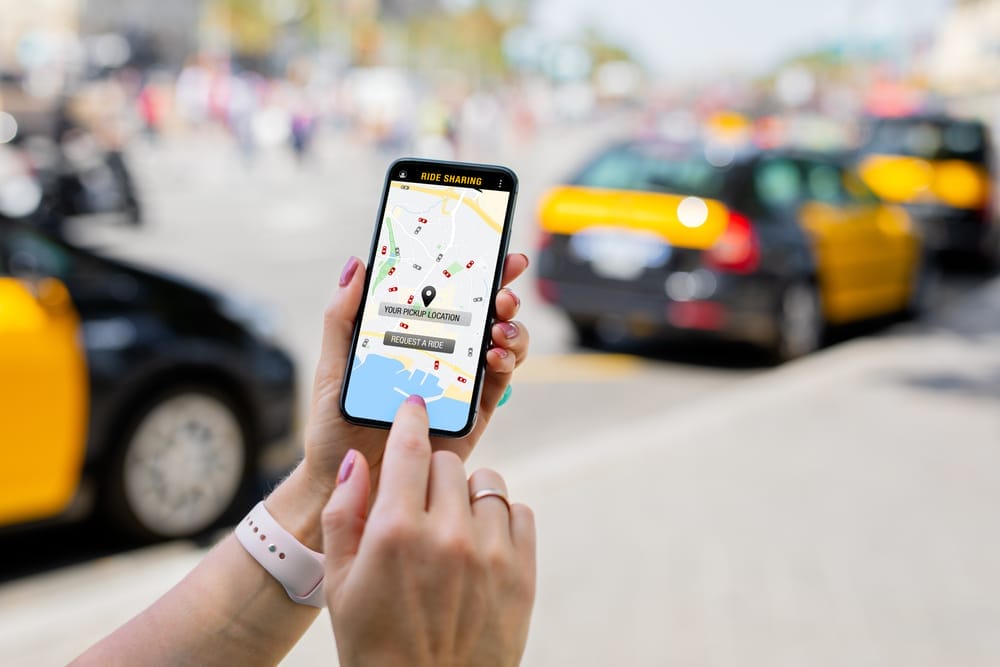
Rideshare apps have become commonplace. Users activate their screens before entering vehicles, which then transport them to their desired locations. The user-friendly design of rideshare apps conceals dangerous situations that users cannot see through their app interfaces or driver profiles. The system contains two types of problems: visible issues that users can see, and hidden issues in data settings and fast business processes. People tend to disregard these risks until they witness the adverse effects firsthand. The analysis of rideshare app security risks has become essential because users often disregard potential threats when using these services.

1. Data Trails That Don’t Disappear

Rideshare apps collect precise information about where people go, when they go, and how often they travel. That means every trip creates a data point tied to routines, habits, and private details. The data often stays on servers long after a person deletes the app. In some cases, the location history built by rideshare apps can reveal medical visits, financial errands, or personal relationships. This depth of information turns a simple ride request into a long-term record that can create vulnerabilities if mishandled or breached.

2. Surge Pricing That Quietly Drains Budgets

Surge pricing feels like a temporary inconvenience, but its impact stretches further. The algorithms shift fares in real time, sometimes doubling or tripling prices without warning. People often find themselves paying significantly more during peak hours when they have the fewest alternatives. These spikes create unpredictable expenses that undermine budgeting efforts. Over time, recurring surges make rideshare apps far more expensive than they appear in marketing claims or default fare estimates.

3. Driver Identity Gaps

Verification systems look strict from the outside. Inside the apps, gaps still exist. Photos may be outdated, names may appear similar, and occasional mismatches slip through unnoticed. The ride starts before the rider realizes something feels off. When that happens, a sense of safety built on trust in the app breaks down. And once the ride begins, exiting a moving car or arguing with a driver becomes a risk in itself.

4. App Glitches That Leave Riders Stranded

Most rides run smoothly until the app freezes, the GPS fails, or the platform crashes during high-traffic times. A stalled request can leave someone waiting alone at night or stuck outside in an unfamiliar area. Even when the app restarts, previous cancellations or broken connections can trigger penalties or delayed pickups. The reliance on rideshare apps for transportation makes these glitches more than technical hiccups—they become real safety issues disguised as simple errors.

5. Background Checks That Miss Critical Information

Rideshare companies promote safety processes, but the checks often rely on databases that update inconsistently. Recent incidents or unresolved cases may not appear, and the screening windows sometimes exclude relevant events. This creates a gap between what riders assume about driver histories and what the platform can actually confirm. When a driver with missing or outdated records is approved, the oversight exposes passengers to risks that go unnoticed until it’s too late.

6. Vehicle Safety Standards That Vary Widely

Cars participating in rideshare programs range from brand-new models to older vehicles that have barely passed inspection. Some drivers maintain their cars meticulously. Others cut corners. A clean interior can hide mechanical issues, poor tire conditions, or missing safety features. Riders rarely check because the transaction moves fast. That quick entry into an unknown car, combined with the assumption that the platform enforces strict standards, creates a false sense of security.

7. Quiet Shifts in Privacy Policies

Privacy policies inside rideshare apps change often. Updates typically come through small pop-up notices or long documents that most people accept without reading. Those quiet changes can alter how trip data is stored, shared, or monetized. A single update may expand a company’s ability to use detailed travel patterns for internal modeling or outside partnerships. Over time, these incremental shifts reshape how personal information is handled while giving riders little control over the outcome.

Why These Risks Keep Growing

The rapid growth of rideshare applications has outpaced the protective measures that should support them. The companies operating these platforms operate at high speed, but implementing oversight and consumer protection measures takes extended periods of time. The combination of feature development, increased trip data collection, and rising user numbers increases the risk of accidents, financial losses, and privacy violations. The same technology that provides affordable, quick transportation also raises financial, safety, and privacy issues that require human intervention to address.

People who understand how rideshare apps function can use them by setting specific goals and making logical choices. Knowledge of rideshare app operations does not eliminate all dangers, but it reduces the unknowns surrounding this widely used service. What issues have you faced while using your rideshare app?

What to Read Next…

  • Whos Watching Your Financial Apps Without You Knowing It
  • How Your Wi Fi Router Placement Might Be Sharing Personal Info
  • What Scams Are Targeting Retirees While You Still Trust Your Phone
  • 6 Phone App Permissions That Spy On Your Financial Life
  • Are Financial Apps Sharing Your Spending Data More Than You Realize
Travis Campbell
Travis Campbell

Travis Campbell is a digital marketer/developer with over 10 years of experience and a writer for over 6 years. He holds a degree in E-commerce and likes to share life advice he’s learned over the years. Travis loves spending time on the golf course or at the gym when he’s not working.

Filed Under: Online Safety Tagged With: budgeting, Personal Finance, privacy, rideshare, safety, transportation

7 Wild Facts About Electric Cars That’ll Shock You

November 11, 2025 by Travis Campbell Leave a Comment

electric car

Image source: shutterstock.com

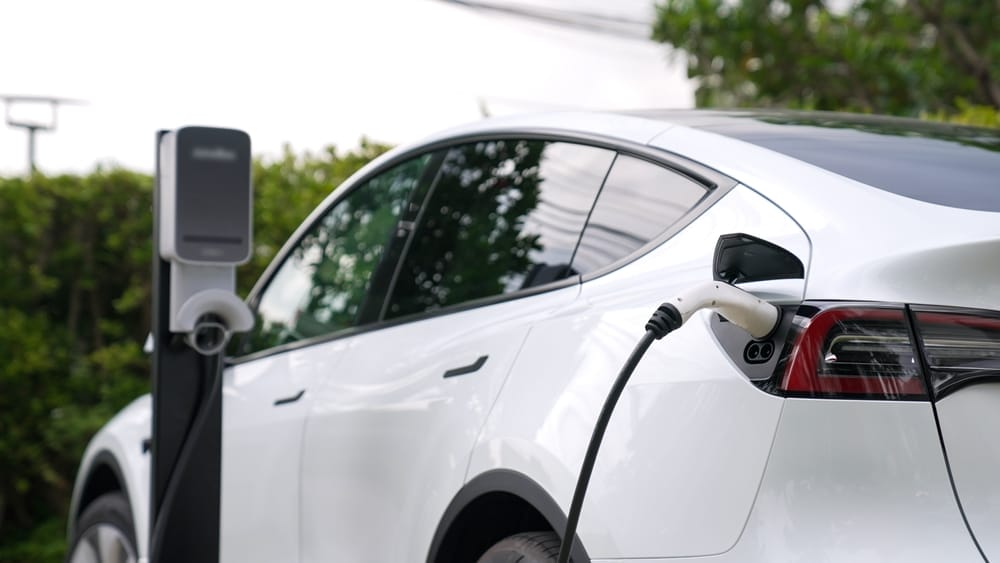
Electric cars are no longer a futuristic fantasy—they’re here, humming quietly beside you in traffic. As more drivers trade gas pumps for charging cables, the world of electric cars becomes increasingly interesting. From their surprising performance to the unexpected ways they affect the power grid, these vehicles are changing transportation faster than many realize. Understanding how electric cars work and what makes them unique helps drivers and investors see the bigger picture of where mobility is heading. Let’s plug in and explore seven wild facts about electric cars that might just change how you think about driving.

1. Electric Cars Can Outrun Sports Cars

Many people still picture electric cars as slow or dull, but that’s far from true. Electric motors deliver instant torque, meaning power is transmitted directly to the wheels without delay. Some electric cars can go from zero to sixty miles per hour in under three seconds, rivaling or beating high-end gasoline sports cars. The lack of gears also means smoother acceleration and fewer moving parts to wear out over time. For anyone who loves speed but hates gas bills, electric cars offer the best of both worlds.

2. The Batteries Are More Complex Than You Think

At the heart of every electric car is a massive battery pack, typically composed of thousands of individual lithium-ion cells wired in series. These batteries are engineered to balance energy density, safety, and lifespan. They include sophisticated cooling systems to prevent overheating and maximize performance in all weather conditions. The chemistry behind these batteries continues to evolve as manufacturers seek cheaper, lighter, and more sustainable materials. The race to improve battery technology is one reason electric cars keep getting better each year.

3. Electric Cars Can Power Your Home

One of the lesser-known capabilities of electric cars is bidirectional charging. Some models allow owners to use the car’s battery as a backup power source for their home. During a blackout, the car can feed electricity back into the house, keeping lights and appliances running. This feature, known as vehicle-to-home or V2H, turns electric cars into mobile energy storage units. As energy grids modernize, more utilities are exploring how electric cars could help stabilize power demand during peak hours. It’s a small step toward a smarter, more resilient energy system.

4. The Environmental Impact Isn’t Always Simple

Many drivers choose electric cars to reduce their carbon footprint, and in most cases, they do. But the environmental story is more complicated than just tailpipe emissions. Producing the batteries requires mining and processing materials like lithium, cobalt, and nickel, which can have significant environmental costs. However, as recycling technologies improve and renewable energy becomes more common, the lifetime emissions of electric cars continue to drop. For those curious about the math, EPA data on electric vehicle emissions shows that even when powered by a mixed energy grid, electric cars typically produce fewer total emissions than gasoline vehicles.

5. Charging Networks Are Growing Faster Than You Think

Just a few years ago, finding a public charger could be a challenge. Now, thousands of new charging stations are being installed every month across the world. Governments, automakers, and private companies are racing to expand infrastructure. In the United States, the Department of Energy’s charging station locator tracks a rapidly growing network that makes long-distance travel more practical than ever. With faster chargers capable of adding hundreds of miles in under 30 minutes, electric cars are shedding one of their biggest early drawbacks—range anxiety.

6. Maintenance Costs Are Surprisingly Low

Electric cars have fewer moving parts than traditional vehicles. There are no oil changes, timing belts, or exhaust systems to maintain. Regenerative braking also reduces wear on brake pads, meaning longer intervals between replacements. Over time, this simplicity adds up to significant savings. While battery replacement can be expensive, most batteries are built to last over 100,000 miles and often come with long warranties. For budget-conscious drivers, the lower maintenance costs make electric cars not just cleaner but cheaper to live with.

7. Some Electric Cars Make Artificial Engine Sounds

Because electric cars run almost silently, they can pose a risk to pedestrians who rely on sound cues to detect approaching traffic. To address this, regulators in many countries require electric cars to emit artificial sounds at low speeds. Automakers have responded creatively—some use futuristic hums, while others mimic the sound of traditional engines. It’s a strange twist: cars designed to be quiet now need to make noise for safety. This blend of technology and psychology shows how electric cars are reshaping not just transportation, but also how we experience it.

The Future Is Plugged In

Electric cars are more than a passing trend—they represent a turning point in how people think about energy, technology, and mobility. As battery innovation accelerates and infrastructure expands, the barriers that once held electric cars back are disappearing. The next decade will likely bring models with greater range, faster charging, and even lower costs. For anyone watching the automotive industry, the shift to electric cars is one of the most fascinating transformations in modern history.

What’s the most surprising thing you’ve learned about electric cars? Share your thoughts in the comments below.

What to Read Next…

  • What That New Car Smell Might Be Hiding Legally
  • 9 Cities Where Car Theft Is Becoming a Daily Occurrence
  • 7 Tactics Grocery Stores Use to Keep You From Thinking About Price
  • The Danger of Using Debit Cards While Traveling Abroad
  • What Are Banks Really Doing With Your Personal Spending Data?
Travis Campbell
Travis Campbell

Travis Campbell is a digital marketer/developer with over 10 years of experience and a writer for over 6 years. He holds a degree in E-commerce and likes to share life advice he’s learned over the years. Travis loves spending time on the golf course or at the gym when he’s not working.

Filed Under: Auto & Tech Tagged With: automotive, electric cars, EV technology, green energy, sustainability, transportation

Could Owning a Second Car Drain Your Wealth

September 27, 2025 by Travis Campbell Leave a Comment

car

Image source: pexels.com

For many families, the idea of owning a second car sounds like a ticket to convenience. With busy schedules, kids’ activities, and work commutes, a backup vehicle can seem essential. But before you sign the paperwork on that extra set of wheels, it’s worth asking: could owning a second car drain your wealth? The costs aren’t just about a monthly payment. Insurance, maintenance, and other hidden expenses add up fast. Let’s examine the actual financial impact of owning a second car and determine if it’s truly worthwhile for your situation.

1. The True Cost of Ownership

The sticker price is just the beginning. When you buy a second car, you’re taking on a package of ongoing expenses. These include registration, taxes, insurance, fuel, and regular upkeep. Even if you opt for a used vehicle, these costs can quickly add up. The average annual cost of owning a car in the U.S. is over $10,000. Doubling that for a second car means a significant hit to your annual budget.

If you finance the purchase, you’ll pay interest over time, making the car even more expensive. Even for those who pay in cash, the money spent could have been invested elsewhere for a potential return. In short, the true cost of ownership can quietly drain your wealth, especially when multiplied by two.

2. Insurance and Registration Expenses

Insurance rates can jump when you add a second car to your policy. Even with multi-car discounts, you’re still paying another premium. Depending on your driving record, location, and vehicle type, this can easily run into hundreds or even thousands of dollars each year. Registration and inspection fees are another recurring expense that is often overlooked.

There’s also the risk of higher deductibles and out-of-pocket expenses if both cars are ever involved in accidents or need repairs at the same time. When you consider these extra insurance and registration expenses, it’s clear how owning a second car can drain your wealth through small but steady leaks.

3. Maintenance and Depreciation

Every car requires regular maintenance—oil changes, tire rotations, brake checks, and more. With two cars, you’re doubling those costs. Even if you drive each car less, time-based maintenance (like battery replacements or fluid flushes) doesn’t stop.

Depreciation is another silent killer. Cars lose value the moment they leave the lot, and this loss accelerates in the first few years. If your second car sits unused for long periods, it still loses value. When you eventually sell, you’ll likely get less than you expect, especially if the car has aged or market demand has shifted.

4. Parking, Storage, and Opportunity Costs

Where will you keep your second car? Many homeowners find themselves paying for extra parking permits or even renting a storage space. If you live in a city, street parking may be limited or require costly permits. Garages and driveways can quickly become overcrowded, leading to more headaches than convenience.

There’s also the opportunity cost to consider. The money spent on a second vehicle could be used for other goals—paying down debt, investing, or saving for a vacation. When you add up all the extras, owning a second car can drain your wealth not just directly, but through what you give up elsewhere.

5. Environmental and Lifestyle Impacts

Owning a second car doesn’t just affect your wallet. It also impacts your lifestyle and the environment. More vehicles mean more emissions, higher fuel consumption, and a larger carbon footprint. If your second car encourages you to drive more, you might find yourself spending less time walking, biking, or using public transportation—all of which save money and improve health.

Before committing, consider whether a car-sharing service or short-term rental option could meet your occasional needs. These alternatives can reduce your costs and environmental impact, helping you avoid the financial drain of a second car.

Smart Alternatives to a Second Car

If you’re starting to see how owning a second car can drain your wealth, it’s worth exploring other options. Carpooling, ride-sharing, and public transit can fill transportation gaps at a fraction of the cost. Many cities now offer bike-sharing programs or electric scooter rentals for short trips. Even renting a car for weekend getaways might be cheaper than maintaining a second vehicle year-round.

You can also look into peer-to-peer car rental services, which let you borrow a car only when you truly need it. These solutions offer flexibility and can help you keep more money in your pocket—money that can go toward building real wealth over time. Before you buy, take a close look at your actual needs and run the numbers. The freedom of a second car may not be worth the long-term financial drain.

What are your thoughts on owning a second car? Have you weighed the costs against the benefits? Share your experiences and opinions in the comments below!

What to Read Next…

  • Why Your Adult Children Might Fight Over The Family Car
  • 9 Cities Where Car Theft Is Becoming A Daily Occurrence
  • What That New Car Smell Might Be Hiding Legally
  • Are These 7 Little Expenses Quietly Costing You Thousands A Year
  • 10 Ways You’re Wasting Money Just Trying To Keep Up Appearances
Travis Campbell
Travis Campbell

Travis Campbell is a digital marketer/developer with over 10 years of experience and a writer for over 6 years. He holds a degree in E-commerce and likes to share life advice he’s learned over the years. Travis loves spending time on the golf course or at the gym when he’s not working.

Filed Under: Car Tagged With: auto expenses, budgeting, car ownership, Personal Finance, Planning, transportation, Wealth management

How Can Car Ownership Quietly Drain More Than Rent

September 10, 2025 by Catherine Reed Leave a Comment

How Can Car Ownership Quietly Drain More Than Rent

Image source: 123rf.com

For many households, rent is considered the biggest monthly expense, but a closer look often tells a different story. Between payments, insurance, and upkeep, cars quietly eat up thousands of dollars every year. In fact, in some cases, the total cost of maintaining a vehicle can rival or even surpass what you pay for housing. Understanding how car ownership quietly drain more than rent can help you make smarter financial decisions and avoid letting your car control your budget.

1. Monthly Payments Add Up Quickly

The most obvious cost of owning a car is the monthly loan payment. Many people stretch these loans across five to seven years, leaving them tied to a payment for much longer than expected. With average new car prices soaring, the monthly bill alone can sometimes equal a small apartment’s rent. Add interest charges on top of that, and the real cost is even higher. This is often the first way car ownership quietly drain more than rent.

2. Insurance Premiums Eat Away at Income

Car insurance is unavoidable, and rates continue to climb. Depending on your age, location, and driving record, insurance can easily cost hundreds of dollars per month. Unlike rent, which is usually fixed for a lease period, premiums can fluctuate yearly, making budgeting harder. For households with multiple drivers, these costs multiply quickly. Insurance is one of the hidden factors that make car ownership quietly drain more than rent.

3. Gasoline Expenses Never Stop

Fuel is a constant expense that adds up quietly week after week. Even with lower gas prices, regular fill-ups easily cost hundreds of dollars per month for commuters. For those living in suburban or rural areas with longer drives, the burden is even greater. Unlike rent, which is a single monthly bill, gas is a repeating charge that’s easy to overlook in the bigger picture. Over a year, these costs make a major dent in your budget.

4. Maintenance and Repairs Surprise Owners

Oil changes, new tires, and routine maintenance often sneak up on car owners. When combined with occasional breakdowns or unexpected repairs, these costs can be overwhelming. A single major repair, like a transmission replacement, can equal several months of rent. Because these expenses are irregular, they often throw budgets into disarray. Over time, this unpredictability shows how car ownership quietly drain more than rent.

5. Depreciation Is a Silent Loss

Unlike housing, which often gains value, cars lose value the second they leave the dealership. This depreciation is a hidden cost most people forget to factor in. Even if you pay off your loan, the resale value of the car is often far less than what you originally paid. This means you’re constantly losing money without realizing it. In the long run, depreciation is one of the biggest ways car ownership quietly drain more than rent.

6. Parking and Registration Pile On

Depending on where you live, parking can be a major expense. City dwellers often pay hundreds per month for a garage spot, while suburban homeowners may still face costs for permits or street parking. Registration fees, inspections, and other government charges add to the annual burden. While each of these might seem small, together they represent another layer of hidden costs. These “extras” are often overlooked but push total car expenses higher than expected.

7. Opportunity Cost of Car Spending

Every dollar spent on your car is a dollar not invested elsewhere. When large portions of your income go toward vehicles, less money is available for savings, retirement accounts, or paying down debt. Unlike rent, which provides shelter, car spending rarely offers long-term financial value. This missed opportunity can significantly impact your financial health over time. Considering opportunity costs helps explain how car ownership quietly drain more than rent.

Rethinking Transportation for Financial Freedom

The reality that car ownership quietly drain more than rent highlights the importance of rethinking your transportation strategy. Exploring alternatives such as public transit, biking, ridesharing, or even reducing the number of cars per household can save thousands every year. Downsizing to a more affordable vehicle or buying used instead of new are also practical ways to ease the burden. Taking control of car expenses opens the door to redirecting money toward savings and financial security. By being intentional, you can prevent your vehicle from steering your budget off course.

Have you ever added up your annual car expenses and compared them to your rent? Share your thoughts and experiences in the comments below!

What to Read Next…

9 Lifestyle Changes That Quietly Save Thousands a Year

Why Does Carvana Offer Better Deals Than Car Dealerships?

9 Luxuries That Quietly Drain Wealth Faster Than Bad Investments

7 Things That End Up Costing More in Poor Neighborhoods

9 Inherited Assets That Cause More Family Fights Than Joy

Catherine Reed
Catherine Reed

Catherine is a tech-savvy writer who has focused on the personal finance space for more than eight years. She has a Bachelor’s in Information Technology and enjoys showcasing how tech can simplify everyday personal finance tasks like budgeting, spending tracking, and planning for the future. Additionally, she’s explored the ins and outs of the world of side hustles and loves to share what she’s learned along the way. When she’s not working, you can find her relaxing at home in the Pacific Northwest with her two cats or enjoying a cup of coffee at her neighborhood cafe.

Filed Under: Personal Finance Tagged With: budgeting, car ownership, hidden costs, money management, Personal Finance, rent comparison, transportation

Retirement Costs to Consider

January 5, 2022 by Jacob Sensiba Leave a Comment


Retirement Costs to Consider

You save for years and years…decades and decades. When you’re saving for retirement, an important consideration to keep in mind when you set your nest egg goal is your retirement costs.

When determining and estimating retirement costs, you need to consider what the average expenses are in general and for the retired folks in your area/state. Once you figure out the generalities, you must adapt them to your situation.

Some items to consider:

  • Travel – Will you stay in your current home? Will you move to a warmer state or a state without an income tax? Do you have family spread around the country? Will you take vacations on an annual basis? If you’re planning on traveling every year, possibly multiple times a year, it’s important to factor those costs into your monthly/annual budget – so you can save for it.
  • Healthcare costs – When you get older, your body doesn’t typically work as it has in the past. You are also more susceptible to illness (as we’ve seen over the past two years). As a result, your healthcare costs go up.
  • Housing – There are a few things to consider when determining your housing costs. Will you stay put or will you move? If you move, will you downsize? If you move, will you move to a different state? Does that state have income taxes? What do you anticipate energy costs will be?

Typical retirement costs

People 65 and older have spent an average of $4,847. On average, utilities, public services, and fuel cost an additional $3,743.

On average, Americans spend $10,160 per year on transportation. Retirees spend a little less. Anywhere between $4,963 and $6,618.

The general American population spends $5,204 on healthcare. Retirees spend between $6,792 and $6,619.

American retirees spend $6,303 on food. They also spend, on average, $2,282 on entertainment.

Expect to spend between 55%-80% of current expenses in retirement.

There are 9 states without a state income tax – Alaska, Florida, South Dakota, Tennessee, Texas, Washington, and Wyoming.

These are the states with the cheapest monthly utilities – Idaho ($343.71), Utah ($350.17), Montana ($359.03), Washington ($369.18), and Nevada ($3376.93).

Conversely, here are the top 5 most expensive ones – Hawaii ($730.86), Alaska ($527.96), Rhode Island ($521.98), Connecticut ($496.07), and New York ($477.31).

Related reading:

Managing High Inflation in Retirement

5 Solutions for Managing Money After Retirement

Retiring Out of State

Disclaimer:

**Securities offered through Securities America, Inc., Member FINRA/SIPC. Advisory services offered through Securities America Advisors, Inc. Securities America and its representatives do not provide tax or legal advice; therefore, it is important to coordinate with your tax or legal advisor regarding your specific situation. Please see the website for full disclosures: www.crgfinancialservices.com

Jacob Sensiba
Jacob Sensiba

Jacob Sensible is a financial advisor with decades of experience in the financial planning industry.  His journey into finance began out of necessity, stepping up to support his grandfather during a health crisis. This period not only grounded him in the essentials of stock analysis, investment strategies, and the critical roles of insurance and trusts in asset preservation but also instilled a comprehensive understanding of financial markets and wealth management.  Jacob can be reached at: jake.sensiba@mygfpartner.com.

mygfpartner.com/jacob-sensiba-wisconsin-financial-advisor/

Filed Under: budget tips, money management, Personal Finance, Retirement, risk management Tagged With: downsizing, expenses, food, housing, Income tax, Retirement, retirement plan, retirement planning, transportation, utilities

FOLLOW US

Search this site:

Recent Posts

  • Can My Savings Account Affect My Financial Aid? by Tamila McDonald
  • 12 Ways Gen X’s Views Clash with Millennials… by Tamila McDonald
  • What Advantages and Disadvantages Are There To… by Jacob Sensiba
  • Call 911: Go To the Emergency Room Immediately If… by Stephen Kanaval
  • 10 Tactics for Building an Emergency Fund from Scratch by Vanessa Bermudez
  • 7 Weird Things You Can Sell Online by Tamila McDonald
  • 10 Scary Facts About DriveTime by Tamila McDonald

Copyright © 2026 · News Pro Theme on Genesis Framework