• Home
  • About Us
  • Toolkit
  • Getting Finances Done
    • Hiring Advisors
    • Debt Management
    • Spending Plan
  • Insurance
    • Life Insurance
    • Health Insurance
    • Disability Insurance
    • Homeowners/Renters Insurance
  • Contact Us
  • Privacy Policy
  • Risk Tolerance Quiz

The Free Financial Advisor

You are here: Home / Archives for tenant rights

New York’s Rent-Audit Increase: Why More Seniors Are Getting Verification Letters

April 30, 2026 by Brandon Marcus Leave a Comment

New York’s Rent-Audit Increase: Why More Seniors Are Getting Verification Letters

Image Source: Shutterstock.com

The pace of rent verification in New York City has picked up, and seniors now find themselves at the center of this shift. While the city has not launched a new audit program, many housing providers, management companies, and subsidy administrators have increased their own internal reviews. These checks help update long-standing tenant files, confirm income information, and ensure compliance with long‑established program rules.

Verification letters often arrive without warning, prompting immediate attention from older tenants who rely on stable housing to maintain financial security. Property managers also move quickly as they work to keep records aligned with regulatory requirements. The entire process reflects a tightening administrative environment rather than a new citywide mandate.

Why New York City Housing Providers Are Increasing Verification Requests

New York City’s housing agencies have not introduced new audit rules, but many buildings and subsidy programs are conducting more frequent internal reviews. These efforts aim to ensure that tenant files remain accurate, especially in rent‑regulated and subsidized housing where eligibility depends on income and household composition. Seniors often appear in these review cycles because they make up a large share of long‑term tenants whose records may not have been updated in years. Housing providers want to prevent discrepancies between reported income and current financial status, particularly as digital systems replace older paper files.

Another factor driving the increase is the need to reconcile outdated information. Many senior tenants have lived in the same apartment for decades, and older records may contain gaps or inconsistencies. Verification requests help management companies update these files to meet current administrative standards. Property managers play a central role by collecting tenant documents and responding to oversight from city, state, or federal housing programs. This combination of modernization and compliance pressure fuels the rise in verification activity.

What Verification Letters Actually Request From Senior Tenants

Verification letters typically ask for proof of income, household size, and benefit sources. Seniors may be asked to submit tax returns, Social Security statements, pension documents, or bank records within a specific timeframe. Housing providers use this information to confirm continued eligibility for regulated or subsidized units. The letters often include strict deadlines that require quick organization of personal documents, which can feel overwhelming for tenants who are not accustomed to frequent paperwork.

These letters may also request clarification about changes in household composition or income adjustments. Even small updates, such as a cost‑of‑living increase in Social Security benefits, can prompt a review. Management companies compare submitted documents with previously reported information to ensure accuracy. Seniors who do not respond risk delays in rent calculations or further follow‑up requests. The process depends heavily on timely and complete responses to avoid complications.

How Seniors Feel the Pressure of Increased Housing Scrutiny

Seniors often experience stress when verification letters arrive because they involve detailed financial disclosures. Many rely on fixed incomes, which makes any perceived discrepancy feel urgent and concerning. The requirement to gather multiple documents within tight deadlines adds pressure to routines that may already feel complicated. Some older tenants struggle with digital submission systems, which increases frustration. This combination of factors creates emotional strain alongside administrative challenges.

Uncertainty around compliance can also affect daily stability. Seniors may worry about potential rent adjustments if management identifies inconsistencies. Even when tenants follow all instructions, the process can still feel intimidating due to technical language and strict formatting requirements. Community support services often step in to help interpret letters and organize paperwork. These support systems become essential in helping seniors stay confident during verification cycles.

New York’s Rent-Audit Increase: Why More Seniors Are Getting Verification Letters

Image Source: Shutterstock.com

What Triggers Verification Requests in NYC Housing

Several factors can prompt verification requests, especially within senior housing programs. Changes in reported income often draw attention from management companies or subsidy administrators. Missing or outdated documentation can also increase the likelihood of a review. Large discrepancies between tax records and previously reported income may prompt additional questions. These triggers help housing providers maintain accurate records and comply with oversight requirements.

Long-term tenancy can also lead to periodic reviews. Housing providers may revisit older files to ensure they meet current standards, especially as digital systems replace paper records. Adjustments to subsidies or benefit programs often require updated verification to maintain accuracy. Even administrative errors from past filings can resurface during routine checks. The system relies on these triggers to maintain fairness and accuracy across regulated housing.

How Seniors Can Respond Effectively to Verification Requests

Seniors can respond more effectively by keeping financial documents organized and maintaining updated records throughout the year. Housing counselors often recommend storing copies of tax forms, benefit statements, and rent receipts in one accessible location. Timely responses help reduce the risk of delays or additional follow‑up. Clear communication with property managers also improves the verification process. These steps help seniors stay ahead of potential issues.

Support services across New York City provide assistance with document preparation and submission. Community organizations guide tenants through complex forms and deadlines, helping them understand what each request means. Seniors who use these resources often feel more confident and less overwhelmed. Digital tools can also help streamline submission when used comfortably. Preparation and support together create a smoother experience during verification cycles.

What the Future of Verification Means for Senior Housing Stability

Housing experts expect verification requests to remain common as New York City’s housing providers continue modernizing their systems. Seniors will likely see more frequent documentation requests as management companies update records and comply with oversight requirements. This trend reflects a broader push for accuracy and transparency in regulated housing. While the process may feel demanding, officials and housing providers aim to maintain fairness and prevent errors in eligibility tracking.

Seniors can expect continued emphasis on documentation and timely communication with housing offices. The city’s housing landscape will remain highly regulated due to ongoing affordability pressures. Increased administrative oversight may improve long‑term stability by reducing mistakes in rent calculations and subsidy management. However, the process will continue requiring attention to detail from tenants. The evolving system highlights the importance of preparation and awareness for maintaining housing security.

What do you think about the rise in verification letters for seniors in New York City—helpful oversight or added stress for tenants?

You May Also Like…

Why Banks Are Quietly Reducing Cash Withdrawal Limits in California, New York, Texas, Florida, and Illinois

The Rental Car Insurance Mistake That Can Cost You a Fortune

Essential Guide to Umbrella Insurance for Rental Property Owners

7 Outrageous Costs Hidden in Apartment Leases

6 States Where It’s Better To Rent Than to Buy A Home

Brandon Marcus
Brandon Marcus

Brandon Marcus is a writer who has been sharing the written word since a very young age. His interests include sports, history, pop culture, and so much more. When he isn’t writing, he spends his time jogging, drinking coffee, or attempting to read a long book he may never complete.

Filed Under: Lifestyle Tagged With: affordable housing NYC, housing audits, housing policy NYC, NYC housing authority, NYC rent audits, property management NYC, rent regulation, rent stabilization, rent verification letters, senior citizens housing, senior housing NYC, tenant income verification, tenant rights

Why Landlords Are Now Using ‘AI Scoring’ to Reject Tenants Over Age 55

January 17, 2026 by Brandon Marcus Leave a Comment

Why Landlords Are Now Using 'AI Scoring' to Reject Tenants Over Age 55

Image source: shutterstock.com

The rental market is evolving faster than anyone could have imagined, and not always in ways renters would like. Suddenly, older tenants are finding themselves on the wrong side of algorithms they didn’t even know existed. Artificial intelligence isn’t just predicting the weather or curating your playlist anymore—it’s quietly infiltrating apartment applications.

Landlords across the country are now using AI scoring systems to vet potential tenants, and for people over 55, the results can be unexpectedly harsh. At the same time, mortgage payments are climbing to dizzying heights, leaving landlords with tighter margins and more reason to rely on data-driven decision-making. The combination is creating a storm of tension in the rental market, and older renters are often caught in the eye.

Understanding AI Scoring In Rentals

AI scoring in the rental market works similarly to credit scoring, but it’s far more complex and opaque. These systems analyze a variety of factors—payment histories, employment stability, sometimes even the digital footprint of potential tenants—to assign a numerical value to an applicant. The higher the score, the more likely the tenant is deemed “low risk.” Unfortunately, older renters often fall into lower tiers, not because they are unreliable, but because their financial history or credit mix doesn’t fit the algorithm’s preferred patterns.

Landlords, who are increasingly stretched by rising mortgage costs and property taxes, are leaning on these automated scores as a shortcut to minimize risk. For tenants over 55, a lifetime of responsible renting doesn’t always translate into a favorable AI rating, making it much harder to secure housing.

The Mystery Of Rising Mortgage Payments

One of the driving forces behind this shift is the mounting pressure on landlords to cover skyrocketing mortgage payments. Across the United States, interest rates have climbed. This leaves monthly payments far higher than they were just a few years ago. In Texas, for example, 44% of mortgages are now considered “escrow burdened,” meaning the combination of taxes, insurance, and principal payments strains homeowners’ finances.

Unfortunately, this has unintended consequences for older renters who may have fixed incomes or less conventional financial histories. What seems like a simple background check is, in reality, part of a complex financial calculus landlords are forced to make to stay afloat.

Why Age Becomes A Factor

Age is not explicitly coded into most AI scoring systems, but it can appear indirectly through other variables. Retirement status, income sources, or even gaps in employment history can all signal to the algorithm that an applicant is “older” or potentially higher risk. While age discrimination is illegal, the opaque nature of AI makes it difficult for tenants to contest these decisions. Older renters may notice their applications being denied without a clear explanation, leaving them frustrated and confused.

Meanwhile, landlords see it as an efficiency tool, a way to pre-screen tenants without poring over hundreds of applications. This creates an uneven playing field where responsible older renters can be penalized simply because their financial profile doesn’t align with the AI’s preferred model.

The Human Impact Of AI Decisions

The effects of AI scoring extend beyond numbers and spreadsheets. Rejected tenants often face stress, uncertainty, and even the need to move farther from work, family, or support networks. Some landlords argue that AI scoring is simply a reflection of economic reality, a safeguard against missed rent payments in a market strained by rising costs. But for older renters, it can feel impersonal and unfair, stripping away the human judgment that used to accompany renting. Stories are emerging of seniors being denied apartments despite impeccable rental histories, leaving them feeling sidelined in a system that’s supposed to protect fairness and reliability. The tension is real: on one hand, landlords need to manage financial risk; on the other, older renters are confronting technology that seems to misunderstand their stability and reliability.

How Renters Can Respond

While AI scoring feels like an insurmountable barrier, older renters aren’t entirely powerless. Gathering a robust application portfolio, including references, a detailed rental history, and proof of income stability, can help counteract algorithmic assumptions. Some tenants are turning to co-signers or rental insurance policies to strengthen their applications. Advocacy groups are also beginning to examine AI practices in housing. They are pushing for transparency and regulation to ensure these systems don’t inadvertently discriminate.

The goal is not to eliminate AI but to create safeguards that balance landlord risk with fairness for renters of all ages. Knowledge, preparation, and persistence are key. Understanding the system and presenting yourself as a strong candidate can make a real difference in what feels like a biased environment.

Why Landlords Are Now Using 'AI Scoring' to Reject Tenants Over Age 55

Image source: shutterstock.com

Looking Ahead: AI And The Rental Market

The use of AI in renting is likely to grow. Landlords may rely even more heavily on automated scoring to navigate financial pressure, making transparency and regulation increasingly critical. For renters over 55, awareness is the first step toward mitigating potential disadvantages. Technology may be reshaping the rental market, but human ingenuity and persistence can still level the playing field. As both renters and landlords adapt, it’s becoming clear that AI is not just a tool—it’s a game-changer, one that requires vigilance, preparation, and a little strategic savvy from anyone looking to secure a home in a challenging market.

Let’s Have A Conversation About Renting

AI scoring in renting raises questions that touch all corners of the housing market, especially for older tenants navigating rising mortgage pressures and opaque algorithms. We want to hear your experiences:

Have you noticed AI affecting your rental applications? How are you adapting to the new landscape? Tell your story in the comments section below. Your insights could help others understand, navigate, and maybe even challenge these emerging trends.

You May Also Like…

13 Intriguing Ideas for Generating Passive Rental Income Streams

7 Outrageous Costs Hidden in Apartment Leases

No Backyard? No Problem! 10 Ideal Pets for Tiny Homes and Apartments

Which Sneaky Bills Have The Biggest Chance To Rise In 2026?

6 Sneaky Ways Landlords Profit From Tenants


Brandon Marcus
Brandon Marcus

Brandon Marcus is a writer who has been sharing the written word since a very young age. His interests include sports, history, pop culture, and so much more. When he isn’t writing, he spends his time jogging, drinking coffee, or attempting to read a long book he may never complete.

Filed Under: Lifestyle Tagged With: AI, AI scoring, apartment hunting, apartment leases, artificial intelligence, Landlord, landlords, Life, Lifestyle, mortgage payments, rental properties, rental property, renting an apartment, senior citizens, seniors, tenant rights, tenants

6 Sneaky Ways Landlords Profit From Tenants

September 21, 2025 by Catherine Reed Leave a Comment

6 Sneaky Ways Landlords Profit From Tenants

Image source: 123rf.com

Renting a home or apartment may feel straightforward, but what many renters don’t realize is how landlords profit from tenants in ways that aren’t always obvious. Beyond collecting monthly rent, property owners often use hidden fees, strategic contracts, and overlooked maintenance clauses to squeeze out extra income. These tactics may seem small at first, but they add up quickly, leaving tenants paying more than they expected. Understanding these profit strategies is essential if you want to protect your wallet and avoid unnecessary costs. Here are six sneaky ways landlords make more money from renters.

1. Charging Non-Refundable Fees

One of the most common ways landlords profit from tenants is through non-refundable fees. These can include application fees, pet deposits, move-in charges, or administrative processing costs. While some fees are legitimate, many are structured to cover more than the landlord’s actual expenses. Tenants often pay these without realizing they’re non-refundable, which means the landlord keeps the money no matter what. Asking upfront which fees are refundable can save renters from losing hundreds of dollars unnecessarily.

2. Keeping Security Deposits for “Wear and Tear”

Security deposits are meant to cover damages beyond normal use, but many landlords stretch the definition of “damage.” They may deduct charges for small scuffs, faded paint, or minor carpet wear that naturally occur over time. This practice is a sneaky way landlords profit from tenants, turning deposits into extra income. Many renters never dispute these deductions, assuming they have no choice. Documenting the condition of your unit at move-in and move-out with photos is the best defense against unfair charges.

3. Raising Rent More Than Market Rates

Another way landlords profit from tenants is by raising rent aggressively, sometimes beyond the actual market value of the property. Without rent control laws in place, tenants often feel stuck, especially if moving is costly or difficult. Landlords count on this reluctance, knowing many renters will pay the higher rate rather than face the hassle of relocation. Over time, these increases can add hundreds or thousands of dollars to a tenant’s yearly housing expenses. Staying informed about average local rents helps you recognize when an increase is excessive.

4. Passing Along Maintenance Costs

While landlords are legally required to maintain properties in safe and livable condition, some pass smaller maintenance costs onto tenants. Examples include charging for pest control, landscaping, or even routine repairs that should be the landlord’s responsibility. This is another subtle way landlords profit from tenants, shifting expenses that belong to the owner. Renters may not question these charges, especially if they’re added quietly to monthly statements. Reviewing your lease carefully before signing helps clarify who is responsible for what.

5. Charging for Amenities You Rarely Use

Apartment complexes often advertise amenities like gyms, pools, or shared workspaces as part of their appeal. However, landlords typically build the cost of these amenities into the monthly rent, whether you use them or not. This means tenants who never step foot in the fitness center are still paying for it every month. It’s a sneaky way landlords profit from tenants by bundling extras into overall costs. If amenities are not a priority, renters may be better off choosing simpler housing options to avoid inflated rates.

6. Adding Late Fees and Penalties

Finally, one of the most direct ways landlords profit from tenants is through late payment fees. Even if a payment is only a day late, penalties can be steep and add up quickly. Some landlords set up their systems so that grace periods are minimal or non-existent, maximizing the chances of collecting extra income. Tenants who rely on automatic payments or who live paycheck to paycheck are especially vulnerable. Setting reminders and scheduling early payments can help avoid these unnecessary costs.

Knowledge is Your Best Defense

At the end of the day, landlords profit from tenants in more ways than just collecting rent. From hidden fees to inflated charges, these tactics are designed to increase income while leaving renters footing the bill. The good news is that informed tenants can take steps to protect themselves by asking the right questions, documenting conditions, and reviewing lease agreements carefully. When you know the tricks landlords use, you’re in a stronger position to push back and keep more money in your pocket.

Have you ever experienced one of these sneaky ways landlords profit from tenants? Share your story and tips in the comments below.

What to Read Next…

  • 9 Lesser-Known Costs of Owning Investment Property
  • 6 Financial Risks That Appear After Moving in With Someone
  • 10 Times Inflation Changed What Families Could Afford Overnight
  • How Much Home Can You Really Afford? Hint: Don’t Believe The Mortgage Company
  • Why Do Families Spend More On Cars Than Homes Over a Lifetime
Catherine Reed
Catherine Reed

Catherine is a tech-savvy writer who has focused on the personal finance space for more than eight years. She has a Bachelor’s in Information Technology and enjoys showcasing how tech can simplify everyday personal finance tasks like budgeting, spending tracking, and planning for the future. Additionally, she’s explored the ins and outs of the world of side hustles and loves to share what she’s learned along the way. When she’s not working, you can find her relaxing at home in the Pacific Northwest with her two cats or enjoying a cup of coffee at her neighborhood cafe.

Filed Under: Real Estate Tagged With: hidden costs, landlords profit from tenants, lease agreements, rental fees, renting tips, security deposits, tenant rights

The Real Reason Landlords Are Suddenly Canceling Month-to-Month Leases

July 20, 2025 by Travis Campbell Leave a Comment

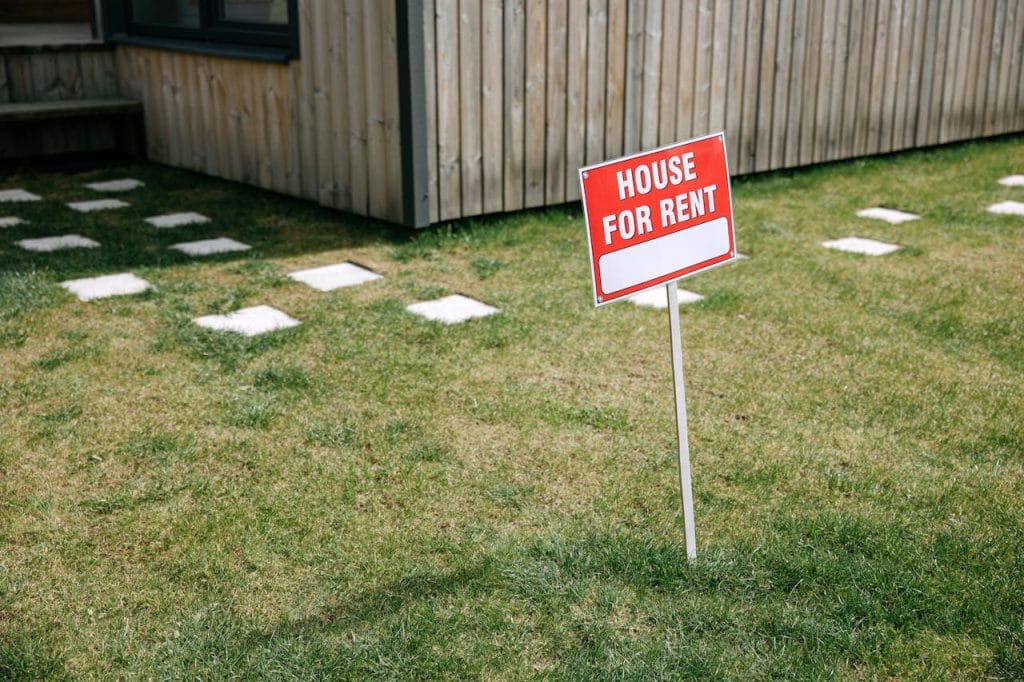
house for rent

Image Source: pexels.com

Month-to-month leases used to be a win-win. Renters liked the flexibility. Landlords liked the steady income without long-term commitment. But lately, more renters are getting that dreaded notice: your lease is canceled. It’s not just happening in one city or state. It’s everywhere. If you’re renting, this shift matters. It could mean you have to move with little warning, or pay more to stay. Here’s why landlords are suddenly canceling month-to-month leases—and what you can do about it.

1. Rising Property Values Push Landlords to Sell

Home prices have jumped in many areas. Landlords see a chance to cash out. If a property’s value has gone up 20% in two years, selling now can mean a big profit. Month-to-month leases make it easy for landlords to clear out tenants fast. They don’t have to wait for a year-long lease to end. This is happening in both hot markets and places where prices are just starting to rise. If your landlord cancels your lease, they might be getting ready to sell.

2. New Laws Make Renting Riskier for Landlords

Some cities and states have passed new rules to protect renters. These laws can make it harder for landlords to raise rent or evict tenants. For example, some places now require “just cause” for eviction, even for month-to-month renters. Others limit how much rent can go up each year. Landlords who don’t want to deal with these rules may cancel leases before new laws take effect. They want to avoid getting stuck with a tenant they can’t easily remove or charge more. If you live in a place with new tenant protections, your landlord might be acting now to avoid future headaches.

3. Short-Term Rentals Are More Profitable

Platforms like Airbnb and Vrbo have changed the game. In many cities, landlords can make more money renting to tourists by the night or week. A unit that rents for $1,500 a month might bring in $3,000 as a short-term rental. Month-to-month leases are easy to end, so landlords can switch to short-term rentals fast. This trend is especially strong in vacation spots and big cities. If your landlord cancels your lease, they might be planning to list the unit on a short-term rental site.

4. Higher Interest Rates Change the Math

Interest rates have gone up. That means higher mortgage payments for landlords with adjustable-rate loans. Some landlords can’t cover the new costs with the current rent. They may cancel month-to-month leases to raise the rent for new tenants or to sell the property. If your landlord’s costs have gone up, they might be looking for ways to make the numbers work. Month-to-month leases give them the flexibility to act fast.

5. Insurance and Maintenance Costs Are Climbing

It’s not just mortgages. Insurance premiums and repair costs are up, too. Landlords are paying more for everything from roof repairs to property taxes. Some decide it’s not worth the hassle. Others want to raise rent to cover costs, but local laws or market limits make that tough. Canceling month-to-month leases lets landlords reset the rent or rethink their investment. If your building needs major repairs, your landlord might want everyone out before work starts.

6. Landlords Want More Predictable Tenants

Month-to-month leases are flexible, but they’re also risky for landlords. Tenants can leave with little notice. That means empty units and lost income. Some landlords are moving back to year-long leases. They want stability. If you get a notice canceling your month-to-month lease, your landlord might offer you a longer lease at a higher rate. It’s a way to lock in income and reduce turnover.

7. Market Uncertainty Makes Landlords Nervous

The economy feels shaky. Some landlords worry about falling home prices, job losses, or new regulations. They want to control their risk. Canceling month-to-month leases gives them options. They can sell, renovate, or just wait and see. If your landlord seems jumpy, it might be about more than just your lease. They’re watching the market and making moves to protect themselves.

8. Renters Are More Informed and Assertive

Renters today know their rights. They ask for repairs, challenge rent hikes, and push back on unfair treatment. Some landlords don’t want the hassle. Month-to-month leases are easy to end, so they use that power. If you’re a tenant who stands up for yourself, your landlord might see you as “high maintenance.” It’s not fair, but it happens.

9. Pandemic-Era Eviction Bans Changed the Landscape

During the pandemic, eviction bans made it hard for landlords to remove tenants, even for nonpayment. Some landlords are still feeling the effects. They want more control now. Canceling month-to-month leases is one way to avoid getting stuck again. If you’re renting month-to-month, your landlord might be thinking about what happened in 2020 and 2021.

10. Some Landlords Are Just Restructuring

Not every lease cancellation is about money or laws. Some landlords are changing how they manage their properties. They might want to renovate, combine units, or move in themselves. Month-to-month leases make these changes easier. If your landlord cancels your lease, ask why. Sometimes, it’s just a business decision.

What Renters Can Do Next

Month-to-month leases are less secure than they used to be. If you’re renting this way, have a backup plan. Save for moving costs. Know your rights in your city or state. Talk to your landlord about a longer lease if you want more stability. And if you get a cancellation notice, act fast. Look for new places, ask for more time, and get everything in writing. The rental market is changing, but you can still protect yourself.

Have you had your month-to-month lease canceled? How did you handle it? Share your story in the comments.

Read More

5 Things that Can Happen If You Buy A Home WIth A Solar Lease

Lease vs. Own: A Company’s Guide To Having Its Own Building

Travis Campbell
Travis Campbell

Travis Campbell is a digital marketer/developer with over 10 years of experience and a writer for over 6 years. He holds a degree in E-commerce and likes to share life advice he’s learned over the years. Travis loves spending time on the golf course or at the gym when he’s not working.

Filed Under: Real Estate Tagged With: housing, landlord tips, month-to-month lease, real estate trends, rental market, renting advice, tenant rights

Renting a Home? Stop Falling for These 6 Lies Landlords Want You to Believe

February 11, 2025 by Latrice Perez Leave a Comment

House For Rent

Image Source: 123rf.com

Renting a home may seem like a simple solution—after all, you get a place to live without the commitment of ownership. But while renting can be an appealing option for some, landlords often play on the insecurities or assumptions of tenants to increase their profits or maintain control over the situation. Many renters fall for these myths without even realizing it. In this article, we’ll debunk six common lies landlords want you to believe so that you can make better, more informed decisions about your rental.

1. “Renting Is Always the Safer Financial Option”

Many landlords will tell you that renting is the “safer” financial choice compared to buying a home. This is a misleading notion. While renting offers flexibility, especially for those who may not want to commit to a mortgage, it doesn’t always mean financial security. Over time, rent payments can add up to far more than a mortgage payment for a similar property, without any equity being built. On the flip side, owning a home allows you to build equity, which could prove to be a much more stable long-term investment.

Renting may seem like the less risky choice for those not ready to settle down, but it can also lock you into endless monthly payments without the potential to build wealth. Make sure you’re weighing the long-term financial picture and considering factors like the housing market, interest rates, and your own future goals before believing that renting is the “safer” route.

2. “Your Rent Will Never Go Up If You’re a Good Tenant”

Many landlords try to assure tenants that as long as they pay on time and take care of the property, their rent will stay the same. This is a comforting lie, but one that can come back to bite you. In reality, there are no guarantees when it comes to rent increases. Landlords can raise your rent at the end of a lease, especially in areas with high demand or limited rental availability.

Rent control may apply in some cities or buildings, but it’s important to be aware that rent hikes can still happen outside of those restrictions. If you want to keep your housing costs predictable, be prepared for the possibility of rent increases when your lease is up.

3. “Security Deposits Are Just Standard—You’ll Get It Back If You Follow the Rules”

It’s a commonly accepted truth that you’ll get your security deposit back as long as you follow the rules, keep the place clean, and don’t damage anything. However, this is another lie landlords love to tell to keep tenants complacent. Many landlords will find ways to withhold part or all of your security deposit, citing vague reasons like “wear and tear” or “necessary repairs.”

Even when you do everything right, it’s often difficult to prove that the full deposit should be returned. Always document the condition of the property when you move in and when you move out, and get it in writing if there are any promises about the deposit being returned.

4. “You’re Responsible for All Repairs—Even Minor Issues”

Another lie landlords tell tenants is that renters are responsible for all repairs, including minor ones. While it’s true that renters are expected to handle small tasks like changing lightbulbs or unclogging a drain, major repairs like fixing leaks, broken appliances, or damaged plumbing are usually the landlord’s responsibility.

Renters should know that they have legal rights regarding property maintenance. If your landlord refuses to address repair issues that affect your safety or quality of life, you may have legal grounds to demand action. Always read your lease and local tenant laws to ensure you’re not being taken advantage of.

5. “The Rent Is Fair Because It’s Below Market Value”

Money In Dirt

Image Source: 123rf.com

Landlords often use the line, “The rent is below market value” as a way to make tenants feel like they’re getting a deal, even when the rent is still quite high. This is a manipulative tactic to make you feel like you’re saving money, even if the rent still represents a significant portion of your income.

The truth is, landlords are rarely looking out for your financial well-being. Rent is often set based on what the market can bear and what will maximize profits. Just because a rent price is “below market value” in comparison to other properties doesn’t mean it’s necessarily a good deal. Always compare the price of other similar properties in the area to get a true sense of what you should be paying.

6. “You Can’t Negotiate the Rent”

Many renters assume that the listed rent is non-negotiable and that there’s no room for discussion. However, this is often just a tactic used to avoid having a conversation about price. The truth is, landlords may be open to negotiating the rent, especially if the property has been vacant for a while or if you’re willing to sign a longer lease.

If you find a place you like but feel the rent is too high, don’t be afraid to ask for a discount. Some landlords may be willing to lower the rent to keep a responsible tenant, especially if you have good references, a steady income, and a good track record of paying rent on time.

Know Your Rights

Renting a home is a big decision, and you should never feel pressured or misled into accepting terms that don’t work for you. By understanding the myths that landlords often propagate, you can protect yourself from hidden costs and unfavorable conditions. Be aware of your rights, document everything, and don’t be afraid to negotiate.

Renting doesn’t have to be a trap, and it doesn’t mean giving up your financial future. With the right knowledge and awareness, you can navigate the rental market with confidence and ensure that you aren’t taken advantage of.

Has a landlord ever lied to you about a house you were renting? Did you continue to rent from them or move out? Tell us more in the comments below.

Read More:

Are There Any Cheap Ways to Get Started In Buying Real Estate?

Forget Traditional Home Ownership: 12 Alternative Housing Options That Can Give You Real Financial Freedom

Latrice Perez

Latrice is a dedicated professional with a rich background in social work, complemented by an Associate Degree in the field. Her journey has been uniquely shaped by the rewarding experience of being a stay-at-home mom to her two children, aged 13 and 5. This role has not only been a testament to her commitment to family but has also provided her with invaluable life lessons and insights.

As a mother, Latrice has embraced the opportunity to educate her children on essential life skills, with a special focus on financial literacy, the nuances of life, and the importance of inner peace.

Filed Under: Real Estate Tagged With: financial advice, home rental, homeownership tips, landlord lies, lease agreements, rent negotiation, rental myths, rental tips, renting a home, tenant rights

FOLLOW US

Search this site:

Recent Posts

  • Can My Savings Account Affect My Financial Aid? by Tamila McDonald
  • 12 Ways Gen X’s Views Clash with Millennials… by Tamila McDonald
  • What Advantages and Disadvantages Are There To… by Jacob Sensiba
  • 10 Tactics for Building an Emergency Fund from Scratch by Vanessa Bermudez
  • Call 911: Go To the Emergency Room Immediately If… by Stephen Kanaval
  • 7 Weird Things You Can Sell Online by Tamila McDonald
  • 10 Scary Facts About DriveTime by Tamila McDonald

Copyright © 2026 · News Pro Theme on Genesis Framework