• Home
  • About Us
  • Toolkit
  • Getting Finances Done
    • Hiring Advisors
    • Debt Management
    • Spending Plan
  • Insurance
    • Life Insurance
    • Health Insurance
    • Disability Insurance
    • Homeowners/Renters Insurance
  • Contact Us
  • Privacy Policy
  • Risk Tolerance Quiz

The Free Financial Advisor

You are here: Home / Archives for retirement budgeting

Georgia Seniors Are Paying More Due to Ad Valorem Rules on Vehicle Purchases

April 21, 2026 by Brandon Marcus Leave a Comment

Georgia Seniors Are Paying More Due to Ad Valorem Rules on Vehicle Purchases

Image Source: Shutterstock.com

Buying a car in Georgia has become a much bigger financial event than many seniors expect. What once felt like a manageable expense now often comes with a hefty upfront tax bill that can catch buyers off guard. For retirees living on fixed incomes, that shift can throw even the most carefully planned budget into chaos.

The change stems from the state’s ad valorem tax rules, which front-load costs instead of spreading them out. That single adjustment has quietly made vehicle ownership more expensive for older residents across the state.

What Is Georgia’s Ad Valorem Tax and Why It Matters

Georgia replaced its traditional annual car tax system with a Title Ad Valorem Tax (TAVT), which applies at the time of purchase. Instead of paying yearly property taxes on vehicles, buyers now pay a one-time tax based on the car’s fair market value. While this system simplified administration, it shifted the financial burden to the moment of purchase. Seniors who once spread costs over time now must come up with a larger lump sum. That shift can disrupt carefully balanced retirement budgets and force tough financial decisions.

Why Seniors Feel the Impact More Than Other Buyers

Retirees often depend on Social Security, pensions, or savings, which don’t always leave room for large unexpected expenses. A higher upfront tax makes replacing a vehicle more difficult, especially when older cars finally give out.

Many seniors also prefer to buy reliable used vehicles, but even those come with TAVT based on assessed value rather than purchase price alone. This can lead to a mismatch between what they pay for the car and what the state says it’s worth. As a result, seniors sometimes feel like they’re paying a premium just to stay mobile.

Hidden Costs That Catch Buyers Off Guard

The sticker price of a vehicle rarely tells the full story in Georgia. Buyers must factor in the ad valorem tax, which can add thousands of dollars to the final cost. Dealers may not always emphasize this upfront, leaving some seniors surprised at the total due at signing. Registration fees, insurance adjustments, and documentation charges pile on top of that initial tax. Without clear planning, what seemed like an affordable purchase can quickly stretch beyond reach.

Real-Life Scenarios Showing the Financial Strain

Consider a retiree trading in an older sedan for a modest $15,000 used vehicle. Under the TAVT system, the buyer might pay around 7% of the car’s value in taxes, adding over $1,000 immediately. For someone on a fixed monthly income, that extra cost can mean dipping into emergency savings. Another common scenario involves seniors delaying purchases longer than they should, risking reliability issues with aging vehicles. These real-world examples highlight how the ad valorem structure creates ripple effects beyond the initial transaction.

Strategies Seniors Can Use to Reduce the Burden

Planning ahead can soften the impact of Georgia’s ad valorem tax rules. Setting aside a dedicated vehicle fund allows seniors to prepare for the upfront cost over time rather than scrambling at purchase. Researching a car’s fair market value before buying helps avoid surprises when the tax gets calculated. Some buyers explore private sales or lower-value vehicles to reduce the taxable amount. Others consider keeping their current vehicle longer while saving specifically for the tax portion of a future purchase.

Georgia Seniors Are Paying More Due to Ad Valorem Rules on Vehicle Purchases

Image Source: Shutterstock.com

Common Misconceptions About the Ad Valorem System

Many people believe the TAVT system automatically saves money compared to the old annual tax structure, but that isn’t always true. While it eliminates yearly payments, it concentrates costs into one significant expense. Some assume the tax reflects the exact purchase price, yet the state often uses its own valuation methods. Others think seniors receive special exemptions, but Georgia does not widely offer age-based relief for this tax. Clearing up these misunderstandings helps buyers approach the process with realistic expectations.

How Policy Changes Could Shape the Future

Lawmakers occasionally debate adjustments to Georgia’s vehicle tax system, especially as complaints from seniors and other groups grow louder. Some proposals suggest caps, exemptions, or alternative payment options to ease the burden. Advocacy groups argue that fixed-income residents deserve more flexibility when facing large one-time taxes. While no sweeping reforms have passed recently, the conversation continues to evolve. Staying informed about potential changes can help seniors time their purchases more strategically.

What Georgia Seniors Navigating Vehicle Costs Should Remember

Georgia’s ad valorem tax system changed the timing of vehicle expenses, and that shift carries real consequences for seniors. Higher upfront costs demand more planning, sharper budgeting, and a deeper awareness of how vehicle values get assessed. Ignoring these factors can lead to financial stress that lingers long after the purchase. On the flip side, informed buyers who prepare for the tax can still make smart, manageable decisions. The key lies in knowing the rules before stepping onto the lot and building those costs into the plan from day one.

What has your experience been with Georgia’s ad valorem tax when buying a vehicle? Share your thoughts or tips in the comments below.

You May Also Like…

9 Georgia Counties Where Property Taxes Are Set to Rise the Fastest

Texas Property Tax Relief Is Being Offset by Rapidly Rising Appraisals

5 Overlooked Tax Deductions That Could Save You Thousands

The $49,000+ New Car Reality — Why Entry-Level Vehicles Cost More

7 Wild Facts About Electric Cars That’ll Shock You

Brandon Marcus
Brandon Marcus

Brandon Marcus is a writer who has been sharing the written word since a very young age. His interests include sports, history, pop culture, and so much more. When he isn’t writing, he spends his time jogging, drinking coffee, or attempting to read a long book he may never complete.


Filed Under: Auto & Tech Tagged With: car taxes Georgia, Georgia ad valorem tax seniors, Georgia tax rules, retirement budgeting, senior finances, TAVT Georgia, vehicle purchase costs

Retirement Healthcare Costs Are Climbing Again — What the Average Couple Now Needs

March 25, 2026 by Brandon Marcus Leave a Comment

Retirement Healthcare Costs Are Climbing Again — What the Average Couple Now Needs

Image Source: Unsplash.com

You might think retirement means cocktails, sunshine, and guilt‑free naps. But there’s another number lurking in the background that’s as important as any beach house or bucket list trip: healthcare costs. And right now those numbers are creeping upward again, faster than many people would like to admit. Since medical costs for older Americans have consistently outpaced general inflation for decades, retirement healthcare isn’t just a small line item—it’s one of the biggest chunks of a nest egg most couples will face.

So let’s get real: if a couple dreams of a comfortable retirement without financial stress, they need to know how much healthcare will cost, what Medicare actually covers (spoiler: not everything), and how to craft a strategy that doesn’t leave them eating instant oatmeal for the rest of their lives.

The Shocking Numbers Behind Healthcare in Retirement

The raw numbers might make you raise your eyebrows—or even snort your coffee. According to the latest estimates, a 65‑year‑old couple retiring today can expect to spend around hundreds of thousands on healthcare costs over the course of their retirement. That’s not insurance premiums alone, but the total tab for medical care, copays, deductibles, prescriptions, and other out‑of‑pocket expenses.

Think about that for a moment. That number exists before factoring in major care needs or long‑term services like assisted living, which Medicare barely touches. Even if you’re healthy and optimistic, medical costs tend to rise as people age, and health inflation has historically outstripped general inflation. That means your $1,000 doctor’s bill today could easily be $1,500 in a few short years.

Medicare helps, of course, but it’s not a golden ticket. It covers hospitalization, doctor visits, and basic prescription coverage—but it doesn’t kick in until age 65, and it leaves plenty of gaps in coverage. Dental care, vision, hearing aids, long‑term care, and many routine services simply aren’t part of the package. That’s where retirees often feel like they’re constantly filling holes in a leaky bucket

Then there’s the unpredictable stuff: a health scare, an unexpected surgery, chronic conditions that require medication year after year. Those costs add up quickly and sometimes without warning. Planning for the big stuff and the small stuff is smart—because ignoring it won’t make the bills go away.

Understanding Medicare (and What It Really Covers)

Let’s demystify Medicare because most people assume it’s “free healthcare for seniors,” and that’s just not accurate. The program consists of multiple parts, each with its own costs and caveats. Original Medicare Part A handles hospital stays, and Part B covers doctor visits and outpatient services—but both require premiums. There’s also Part D for prescription drugs, with its own premium and cost‑sharing obligations.

Then there’s the whole world of supplemental coverage. Medicare Advantage plans bundle Parts A, B, and usually D together, often with lower premiums but tighter provider networks. Medigap plans—also called Medicare Supplement Insurance—can help pick up what Original Medicare leaves behind, such as copayments, coinsurance, and deductibles. But these policies come with their own monthly premiums.

So when planners say Medicare “covers most expenses,” they really mean it covers some major categories, while you’re left juggling the rest. And those premiums and gaps can make the total cost of healthcare over retirement surprisingly large. That’s why many financial professionals suggest factoring Medicare premiums, supplemental policies, out‑of‑pocket costs, and expected health needs into your long‑term budget early—because guessing wrong could mean dipping deep into your savings to cover surprise bills.

Don’t Forget Long‑Term Care

If healthcare costs are the elephant in the room, long‑term care is the entire herd. Medicare provides only limited coverage for skilled nursing or rehab after a hospital stay, but it does not cover ongoing custodial care—like help with bathing, dressing, or daily supervision. And that’s exactly what many retirees end up needing.

Consider this: a private room in a skilled nursing facility can easily exceed $115,000 per year, while assisted living costs often hover around $70,000 or more. If you or your spouse needs in‑home care, even a few hours a day can add up to tens of thousands of dollars annually. These aren’t fringe expenses—they’re very real possibilities for a large portion of retirees.

Because Medicare leaves this major gap, planning ahead matters. Long‑term care insurance can help cover a portion of these costs, but policies are most affordable when purchased at younger ages—usually in your 50s or early 60s. For some couples, building a dedicated care fund or considering hybrid life‑insurance policies with long‑term care riders can soften the financial blow. Ignoring this huge category because it’s uncomfortable to think about today could turn into a retirement nightmare tomorrow.

Retirement Healthcare Costs Are Climbing Again — What the Average Couple Now Needs

Image Source: Unsplash.com

Smart Moves to Lower Retirement Healthcare Burdens

Okay, now for the good news: there are ways to get ahead of these costs instead of watching them swallow your retirement savings. First up, consider using tax‑advantaged accounts like Health Savings Accounts while you’re still working. These triple‑tax‑advantaged vehicles let you stash money pre‑tax, grow it tax‑free, and withdraw it tax‑free for qualified medical expenses—including Medicare premiums and other out‑of‑pocket costs later in life.

Another strategy involves actively reviewing your Medicare options each year during open enrollment. Plans change, premiums change, and what worked last year might not be the best fit next year. Doing a yearly check‑in and comparing Medigap, Medicare Advantage, and Part D options could save you hundreds or even thousands annually. It’s a little work now for a lot less stress later.

Living a healthier lifestyle today can also pay off later. Regular exercise, balanced nutrition, and preventive care not only improve quality of life—they can reduce the frequency and severity of expensive health events down the line. While you can’t control everything, taking charge of what you can influence often pays dividends in both enjoyment and cost savings.

What the Numbers Should Make You Do

If you and your partner want to retire without healthcare costs gnawing away at your budget, you can’t ignore the numbers. Set realistic expectations, build a healthcare savings plan, and remember that Medicare is a foundation—not a full safety net. Expect to spend hundreds of thousands of dollars on medical care in retirement, and plan accordingly. Even if that sounds like a lot, treating it like a key part of your retirement plan—not an afterthought—will drastically improve your financial confidence in your later years.

What strategies have worked for you? Are you saving with an HSA, eyeing long‑term care insurance, or thinking about lifestyle moves to stretch your retirement dollars? Drop your thoughts, ideas, or stories of savvy planning (or happy mistakes!) in the comments below.

You May Also Like…

8 Hidden Fees That Can Eat Away at Your Retirement Savings

More Retirees Are Seeing Higher Medicare Costs—And It’s Tied to Income From Years Ago

Is it Too Late at 45? How to Use the Mega Backdoor Roth to Dump Tens of Thousands into Retirement in One Year

The Retirement Honeymoon Phase — Planning for Years 1 and 2

Utah’s $7,522 Healthcare Annual Cost And What It Means for Residents

Brandon Marcus
Brandon Marcus

Brandon Marcus is a writer who has been sharing the written word since a very young age. His interests include sports, history, pop culture, and so much more. When he isn’t writing, he spends his time jogging, drinking coffee, or attempting to read a long book he may never complete.

Filed Under: Retirement Tagged With: aging expenses, health savings accounts, healthcare inflation, Long-term care, Medicare Advantage, Medicare costs, Medigap, Planning, retirement budgeting, retirement healthcare, retirement planning, senior health

10 Costs That Make Retirement Budgets Feel Unstable

January 12, 2026 by Brandon Marcus Leave a Comment

Here Are 10 Costs That Make Retirement Budgets Feel Unstable

Image Source: Shutterstock.com

Retirement is supposed to feel like a victory lap, not a financial obstacle course. You clock out for the last time, imagine slow mornings and flexible days, and expect your money to finally relax along with you. Then reality taps you on the shoulder with a stack of bills you didn’t see coming.

Some costs arrive loudly, others creep in quietly, but all of them have the power to make a perfectly reasonable retirement budget feel wobbly. Understanding these expenses doesn’t ruin the dream—it actually gives you control over it.

1. Healthcare And Medical Expenses

Healthcare is often the heavyweight champion of retirement costs. Even with Medicare, premiums, deductibles, copays, and uncovered services can pile up faster than expected. Prescription drugs alone can fluctuate wildly from year to year, especially if your health changes. Dental, vision, and hearing care frequently fall outside standard coverage, yet they become more important with age.

A single unexpected diagnosis can reroute thousands of dollars without warning. The uncertainty, not just the size of the bills, is what makes retirees feel uneasy.

2. Housing Repairs And Maintenance

Homes age just like people do, and they tend to demand more attention over time. Roofs wear out, appliances fail, and plumbing issues love to announce themselves at the worst possible moment. Even paid-off homes aren’t “free” when you factor in maintenance, property taxes, and insurance.

Many retirees underestimate how often small fixes turn into big projects. When several repairs hit in the same year, budgets can feel suddenly fragile. Housing costs don’t politely stay put once you retire.

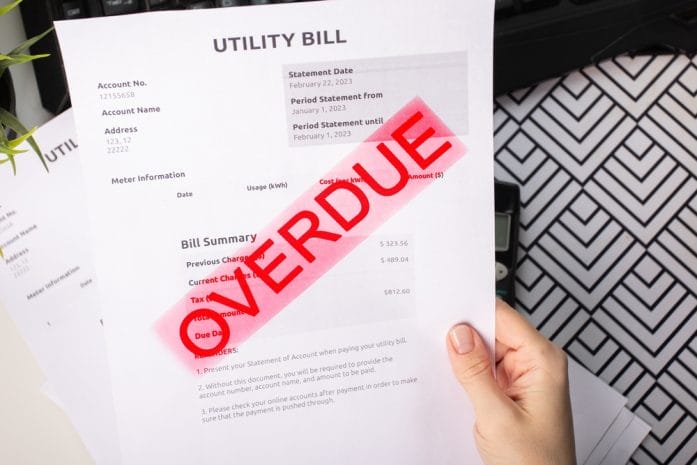
3. Rising Utility Costs

Utilities rarely get the spotlight, but they quietly chip away at monthly cash flow. Energy prices fluctuate, and extreme weather can push heating or cooling costs into uncomfortable territory. Retirees often spend more time at home, which naturally increases electricity, water, and internet usage. Small monthly increases don’t seem scary at first. Over a year, though, those increases can reshape an entire budget. Utilities are predictable enough to forget about, yet unpredictable enough to cause stress.

4. Long-Term Care Needs

Long-term care is one of the most emotionally charged expenses in retirement planning. Assisted living, in-home care, or nursing facilities can cost more per month than many people earned while working. These services often aren’t fully covered by Medicare, leaving families scrambling. The hardest part is timing, since no one knows if or when care will be needed. Planning too little feels risky, but planning too much feels expensive. This uncertainty alone can make even confident retirees uneasy.

Here Are 10 Costs That Make Retirement Budgets Feel Unstable

Image Source: Shutterstock.com

5. Taxes That Don’t Disappear

Retirement doesn’t mean waving goodbye to taxes forever. Withdrawals from traditional retirement accounts are often taxable, sometimes pushing retirees into higher brackets than expected. Property taxes can rise, even on homes that haven’t changed. Social Security benefits may also be taxed depending on total income. Many people assume taxes will shrink dramatically after work ends. When they don’t, it can feel like a budgeting ambush.

6. Inflation’s Slow And Steady Pressure

Inflation doesn’t shout, but it never stops talking. Over time, groceries, insurance, transportation, and everyday services gradually cost more. A budget that felt generous at 65 can feel tight by 75. Fixed incomes struggle to keep pace with rising prices, especially during inflationary spikes. Even modest annual increases add up over a decade or two. Inflation turns time itself into a financial expense.

7. Helping Family Members

Many retirees happily help adult children, grandchildren, or aging parents. Unfortunately, generosity doesn’t always fit neatly into a budget. Covering emergencies, contributing to education, or offering housing support can become ongoing commitments. These expenses are often emotional decisions, not financial ones. They tend to appear suddenly and resist easy limits. Over time, family assistance can quietly destabilize retirement plans.

8. Transportation And Vehicle Costs

Cars don’t retire when you do. Maintenance, insurance, fuel, and eventual replacement still apply, even if you drive less. Older vehicles may require more frequent repairs, which can be unpredictable. Public transportation or ride services can add their own recurring costs. Travel plans, road trips, or visits to family also increase transportation spending. Mobility is freedom, but that freedom has a price tag.

9. Lifestyle And Leisure Spending

Retirement finally opens the door to hobbies, travel, and experiences long postponed. Classes, clubs, trips, and dining out can quickly become regular expenses. Many retirees underestimate how active they’ll want to be. Leisure spending often grows instead of shrinking. While these costs bring joy, they still test financial boundaries. Fun is wonderful, but it isn’t free.

10. Insurance Premium Increases

Insurance rarely stays the same price year after year. Health, home, auto, and supplemental policies often increase with age or market shifts. Even small premium hikes across multiple policies can sting. Retirees may add coverage for peace of mind, further raising costs. Dropping coverage feels risky, yet keeping it strains the budget. Insurance becomes a balancing act between protection and affordability.

Steady Ground Starts With Awareness

Retirement budgets don’t unravel because of one dramatic mistake. They wobble because of many moving parts working together over time. Knowing where instability comes from makes it easier to prepare, adjust, and breathe a little easier. Awareness turns surprise costs into manageable challenges.

If retirement has thrown you a financial curveball, or if you’ve found smart ways to stay steady, we’d love to hear your thoughts or stories in the comments below.

You May Also Like…

Why Does Retirement Feel More Expensive Than People Planned For

Savings Repair: 4 Moves to Catch Up if You’re Within 10 Years of Retirement

Income Stability: 6 Retirement Income Moves That Aren’t as Safe as They Seem

Risk Scenario: 8 What-Ifs Every Pre-Retiree Should Consider

Expense Overflow: 4 Retirement Bills That Catch People Off Guard


Brandon Marcus
Brandon Marcus

Brandon Marcus is a writer who has been sharing the written word since a very young age. His interests include sports, history, pop culture, and so much more. When he isn’t writing, he spends his time jogging, drinking coffee, or attempting to read a long book he may never complete.

Filed Under: Retirement Tagged With: Budget, budgeting, healthcare, healthcare costs, housing, housing maintenance, housing repairs, liefstyle, Life, Lifestyle creep, medical expenses, retire, retiree, retirees, Retirement, Retirement activities, retirement budget, retirement budgeting, retirement planning, utility costs

Could Your Retirement Be at Risk From Rising Utility Costs

September 25, 2025 by Catherine Reed Leave a Comment

Could Your Retirement Be at Risk From Rising Utility Costs

Image source: 123rf.com

Many retirees carefully plan for healthcare, housing, and everyday living expenses, but there’s one area often overlooked: utility bills. Electricity, water, gas, and internet are essential, and their prices have been climbing steadily. Rising utility costs may not seem as daunting as medical expenses, but they can quietly eat away at fixed incomes. For retirees living on savings, pensions, or Social Security, even modest increases can cause financial strain. Understanding how rising utility costs impact retirement can help you prepare and protect your long-term security.

1. Energy Inflation Outpaces Income Growth

One of the biggest threats from rising utility costs is that they often increase faster than retirement income. Social Security and pensions may provide cost-of-living adjustments, but these rarely match the pace of energy inflation. For retirees on fixed budgets, this means a growing portion of income gets eaten up by electricity and heating. The gap widens each year, leaving less money for food, healthcare, or leisure. Without adjustments, these creeping costs can destabilize a retirement plan.

2. Extreme Weather Drives Higher Bills

Another overlooked factor behind rising utility costs is the effect of extreme weather. Longer, hotter summers and colder winters force retirees to run air conditioning and heating systems more often. These spikes create utility bills that strain monthly budgets, especially during back-to-back seasons of severe weather. Even retirees who conserve energy may find it impossible to avoid higher bills. Climate-related demand makes energy unpredictability a financial risk.

3. Fixed Incomes Magnify the Impact

When working, people can offset rising utility costs with overtime or a raise, but retirees don’t have that option. Fixed incomes make it difficult to absorb even small increases. A $50 monthly jump in electricity may not seem huge, but over a year that’s $600 taken from a tight budget. Rising utility costs are especially challenging for retirees who already juggle medical and housing bills. Without extra income streams, the impact hits harder.

4. Regional Utility Differences Add Pressure

Where you live plays a major role in how much rising utility costs affect you. Retirees in areas with extreme climates, aging infrastructure, or monopolized providers often face higher bills than those in milder regions. Relocating isn’t always an option, making these differences unavoidable. For those planning retirement, overlooking regional costs can lead to unpleasant surprises. Factoring utility expenses into location decisions is critical for long-term comfort.

5. Hidden Costs of Outdated Homes

Many retirees live in older homes that weren’t built with energy efficiency in mind. Poor insulation, outdated HVAC systems, and older appliances all drive up energy use. Rising utility costs hit harder when a home isn’t optimized for efficiency. Upgrading may require upfront investment, but without it, retirees end up paying more month after month. Over time, these hidden inefficiencies drain savings faster than expected.

6. Technology Demands Increase Utility Usage

Modern lifestyles rely heavily on technology, even in retirement. Smartphones, tablets, streaming services, and home internet all contribute to rising utility costs. Retirees who once used little electricity now find themselves powering multiple devices daily. Add in medical equipment like oxygen machines or mobility aids, and utility bills climb further. Technology improves quality of life, but it also increases monthly obligations.

7. Limited Ability to Negotiate or Switch Providers

Younger households often switch providers or negotiate better deals, but retirees may not have the same flexibility. In many areas, there’s only one utility provider, leaving no room for competition. This makes rising utility costs unavoidable, no matter how much you conserve. Without leverage, retirees are stuck absorbing price hikes. This lack of control can be a major source of financial stress.

8. Rising Utility Costs Compound Over Time

Perhaps the most unsettling issue is how small increases compound over years. A $20 monthly increase may not feel like much, but over 10 years it adds up to $2,400. Rising utility costs create a snowball effect that quietly eats into retirement savings. Without planning, these compounded expenses can force retirees to cut back on essentials. Long-term projections must account for this ongoing creep.

Planning Ahead Protects Retirement Security

Rising utility costs may seem like small annoyances, but over time they become significant threats to retirement stability. By planning ahead, making homes energy-efficient, and accounting for regional and inflationary factors, retirees can avoid being blindsided. Utility bills are just as important as healthcare or housing when calculating retirement budgets. Protecting your retirement means addressing these hidden risks before they become unmanageable. Awareness and preparation make the difference between comfort and financial stress in later years.

Have rising utility costs already started to impact your retirement budget? Share your experiences in the comments below.

What to Read Next…

Could A Divorce Completely Erase Retirement Savings

5 Surprising Risks of Keeping Large Savings at Home

6 Silent Money Leaks in the Average Household

9 Expenses That Quietly Rise After Retirement

Could Being House Poor Leave You Broke in Retirement

Catherine Reed
Catherine Reed

Catherine is a tech-savvy writer who has focused on the personal finance space for more than eight years. She has a Bachelor’s in Information Technology and enjoys showcasing how tech can simplify everyday personal finance tasks like budgeting, spending tracking, and planning for the future. Additionally, she’s explored the ins and outs of the world of side hustles and loves to share what she’s learned along the way. When she’s not working, you can find her relaxing at home in the Pacific Northwest with her two cats or enjoying a cup of coffee at her neighborhood cafe.

Filed Under: Retirement Tagged With: energy bills, financial risks, fixed income, retirement budgeting, retirement planning, rising utility costs

6 Hidden Costs That Come With Retirement Homes

September 20, 2025 by Catherine Reed Leave a Comment

6 Hidden Costs That Come With Retirement Homes

Image source: 123rf.com

Retirement homes often advertise themselves as the perfect solution for seniors seeking comfort, safety, and social connection. Families expect predictable monthly fees to cover most expenses, but the reality is often more complicated. Beyond the base cost, residents and their loved ones are surprised by charges that weren’t clear upfront. These extra expenses can significantly impact retirement savings and create financial stress. Knowing the hidden costs that come with retirement homes helps families prepare wisely and avoid unpleasant surprises.

1. Entrance Fees and Deposits

Many retirement communities require an upfront entrance fee or deposit before moving in. This can range from a few thousand to hundreds of thousands of dollars, depending on the facility. While some fees are refundable, many are not, leaving families with little recourse if circumstances change. People are often caught off guard because these costs are not included in the advertised monthly price. Entrance fees are one of the first hidden costs associated with retirement homes and can significantly impact budgets.

2. Healthcare and Assistance Add-Ons

Basic care may be included in the monthly fee, but additional healthcare services often come with extra charges. For example, assistance with medication management, memory care, or specialized therapies can increase costs dramatically. These add-ons are billed as needed, meaning expenses rise as residents’ health changes over time. Families may underestimate how quickly these fees accumulate. Healthcare upgrades are one of the most unpredictable hidden costs that come with retirement homes.

3. Activity and Amenity Charges

Retirement homes often promote a wide range of amenities, from fitness classes to social clubs. While some activities are free, others come with additional charges. Residents might pay extra for outings, workshops, or access to premium facilities like spas or golf courses. These optional but appealing extras can inflate monthly bills beyond expectations. Amenity-related expenses are subtle hidden costs that come with retirement homes, especially for active seniors.

4. Transportation Fees

Many retirement homes provide transportation for medical appointments, errands, or social events. However, the cost is not always included in the base fee. Some facilities charge per trip, while others add fees for destinations outside a set radius. Families may assume transportation is fully covered only to discover mounting charges on monthly statements. Transportation is another hidden cost associated with retirement homes that can surprise residents.

5. Guest and Visitor Expenses

Having friends and family visit is important for seniors’ well-being, but visits can sometimes come at a cost. Retirement homes may charge for guest meals, overnight stays, or use of recreational facilities. While these charges may seem small, they can add up if family visits are frequent. Families often don’t expect to budget for visiting costs in addition to regular fees. Guest-related charges are overlooked, hidden costs that come with retirement homes, but affect many households.

6. Maintenance and Customization Fees

While retirement homes often handle routine upkeep, residents may face fees for personal requests. Customizing living spaces, requesting nonstandard furniture, or handling wear and tear beyond normal use can trigger charges. Even simple requests like additional cleaning services may not be included in standard fees. Over time, these extra charges accumulate and surprise families who thought maintenance was fully covered. Maintenance-related expenses are another example of hidden costs that come with retirement homes.

Planning Ahead Reduces the Shock

The hidden costs that come with retirement homes can derail even the most careful financial plans. Families who only budget for the base monthly fee often find themselves stretched thin by deposits, add-ons, and unexpected charges. The key is to ask detailed questions before signing any contract and to build flexibility into retirement budgets. By preparing for extra expenses, families can enjoy peace of mind knowing they won’t be blindsided. Retirement homes can still provide comfort and community—just make sure the financial side is fully understood.

Have you or a loved one encountered hidden costs that come with retirement homes? Share your experience in the comments below.

What to Read Next…

  • The Retirement Rule That Sounds Smart—But Could Leave You Broke at 75
  • Could Being House Poor Leave You Broke in Retirement
  • What Happens When You Save Too Much in the Wrong Accounts
  • 8 Brutal Ways Inflation Punishes Retirees More Than Anyone Else
  • 5 Dangerous Myths About Saving for Retirement
Catherine Reed
Catherine Reed

Catherine is a tech-savvy writer who has focused on the personal finance space for more than eight years. She has a Bachelor’s in Information Technology and enjoys showcasing how tech can simplify everyday personal finance tasks like budgeting, spending tracking, and planning for the future. Additionally, she’s explored the ins and outs of the world of side hustles and loves to share what she’s learned along the way. When she’s not working, you can find her relaxing at home in the Pacific Northwest with her two cats or enjoying a cup of coffee at her neighborhood cafe.

Filed Under: Retirement Tagged With: assisted living costs, family finances, hidden costs that come with retirement homes, retirement budgeting, retirement planning, senior living expenses

FOLLOW US

Search this site:

Recent Posts

  • Can My Savings Account Affect My Financial Aid? by Tamila McDonald
  • 12 Ways Gen X’s Views Clash with Millennials… by Tamila McDonald
  • What Advantages and Disadvantages Are There To… by Jacob Sensiba
  • 10 Tactics for Building an Emergency Fund from Scratch by Vanessa Bermudez
  • Call 911: Go To the Emergency Room Immediately If… by Stephen Kanaval
  • 7 Weird Things You Can Sell Online by Tamila McDonald
  • 10 Scary Facts About DriveTime by Tamila McDonald

Copyright © 2026 · News Pro Theme on Genesis Framework