• Home
  • About Us
  • Toolkit
  • Getting Finances Done
    • Hiring Advisors
    • Debt Management
    • Spending Plan
  • Insurance
    • Life Insurance
    • Health Insurance
    • Disability Insurance
    • Homeowners/Renters Insurance
  • Contact Us
  • Privacy Policy
  • Risk Tolerance Quiz

The Free Financial Advisor

You are here: Home / Archives for best type of insurance

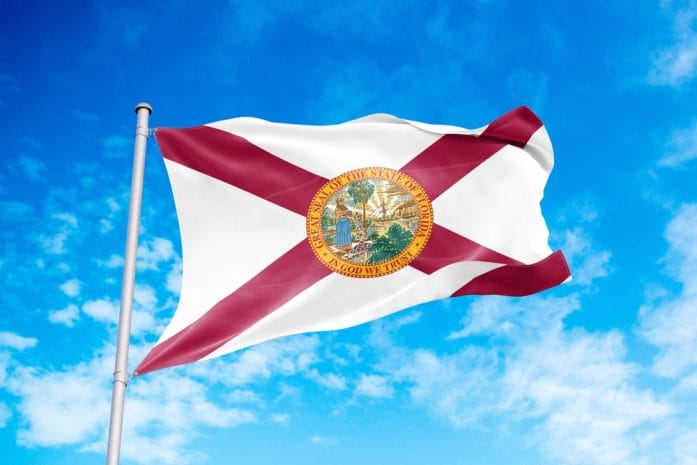
The Florida Premium Spike: Why Your ‘Affordable’ Health Plan Just Quadrupled in Cost Overnight

January 16, 2026 by Brandon Marcus Leave a Comment

The Florida Premium Spike: Why Your 'Affordable' Health Plan Just Quadrupled in Cost Overnight

Image source: shutterstock.com

The bill arrived like a thunderclap on a sunny afternoon. One day, your Florida health plan felt manageable, even responsible. The next, the premium looked like it belonged to a luxury sports car lease instead of a routine monthly expense. Phones lit up, inboxes flooded, and dinner conversations turned into financial post-mortems.

This wasn’t a slow creep or an annual nudge upward; it felt instant, dramatic, and deeply personal. Welcome to Florida’s premium spike, where “affordable” suddenly became a loaded word.

How Florida Became Ground Zero For Premium Shock

Florida has long been a unique beast in the health insurance world, and not always in a good way. The state relies heavily on the Affordable Care Act marketplace, yet it also has one of the highest percentages of residents paying full price for coverage. Insurers in Florida face a population that skews older, has higher rates of chronic illness, and uses more health services than many other states.

That combination alone pushes premiums upward before any policy changes even enter the conversation. When insurers recalculate risk each year, Florida often lands on the expensive end of the spectrum. The result is a market where even small shifts can produce jaw-dropping numbers.

The Subsidy Cliff That Turns A Hill Into A Canyon

For many Floridians, the real shock comes from losing financial help rather than from insurers raising base prices alone. Premium tax credits are income-based, and even modest income changes can sharply reduce or eliminate them. A raise, a side gig that did well, or a spouse returning to work can quietly push a household over a subsidy threshold.

When that happens, the government contribution shrinks or disappears, revealing the plan’s full, unsubsidized cost. What felt like a four-figure annual plan can instantly become a five-figure one. To the consumer, it looks like the plan quadrupled overnight, even though the underlying price was always there, hiding behind subsidies.

Insurer Repricing And Plan Restructuring Shake The Table

Insurance companies don’t just tweak prices; they also redesign plans from the ground up. Networks change, deductibles move, and cost-sharing formulas get reshuffled. In Florida, several insurers have responded to rising medical costs by repricing aggressively or exiting certain counties altogether. Less competition almost always means higher premiums for the plans that remain.

Even staying with the “same” insurer doesn’t guarantee stability, because that plan may no longer exist in its previous form. When consumers are auto-enrolled into a similar but more expensive option, the increase can feel sudden and unfair, even though it followed industry rules.

Age, Location, And Health Costs Quietly Pile On

Health insurance pricing is deeply personal, even if it doesn’t feel that way. Age plays a major role, and premiums are legally allowed to increase significantly as policyholders get older. Florida’s county-by-county pricing adds another twist, since local hospital costs and provider pricing vary widely. A move across county lines can change a premium more than switching cars or cell phone plans ever could.

Add in Florida’s high use of emergency care and specialty services, and insurers factor those costs into future rates. None of this happens in isolation, and together it can turn a routine renewal into a financial shockwave.

The Florida Premium Spike: Why Your 'Affordable' Health Plan Just Quadrupled in Cost Overnight

Image source: shutterstock.com

Why This Feels So Sudden Even When It Is Not

Part of the outrage comes from timing and communication. Renewal notices often arrive close to the enrollment deadline, leaving little time to digest or compare options. Insurance language is dense, and many people understandably tune it out until the dollar amount forces attention. When multiple factors hit at once, such as subsidy changes, age increases, and plan restructuring, the math compounds quickly. The consumer experience feels like a trapdoor opening rather than a staircase you saw coming. That emotional whiplash is real, and it explains why so many Floridians feel blindsided rather than merely annoyed.

What Happens Next Is A Conversation About Florida’s Health

The Florida premium spike isn’t just about numbers on a statement; it’s about trust, transparency, and how people plan their lives around healthcare costs. Understanding the mechanics doesn’t erase the frustration, but it does restore a bit of control. Every renewal season tells a slightly different story, shaped by policy decisions, insurer behavior, and personal circumstances.

If this spike caught you off guard, you’re far from alone. The comments section below is open for your experiences, questions, and reflections on how this sudden change has affected your household.

You May Also Like…

The Florida Insurance Trap: Why “Safe” Neighborhoods Are Facing a $500 Monthly Payment Hike This Week

Why South Carolina is Beating Florida in Retirement Relocation

Legacy Insider: 4 Estate Secrets Wealthy Families Use

Retiring Early? Here Are Your Best Health Insurance Options Explained

8 Critical Questions You Must Ask Before Buying Long-Term Care Insurance

Brandon Marcus
Brandon Marcus

Brandon Marcus is a writer who has been sharing the written word since a very young age. His interests include sports, history, pop culture, and so much more. When he isn’t writing, he spends his time jogging, drinking coffee, or attempting to read a long book he may never complete.


Filed Under: Lifestyle Tagged With: America, best type of insurance, Florida, health, health and safety, health and wellness, health costs, health insurance, health insurance premium, healthcare, Insurance, insurance premiums, Life, Lifestyle, United States

The Rental Car Insurance Mistake That Can Cost You a Fortune

December 3, 2025 by Brandon Marcus Leave a Comment

There Is A Certain Rental Car Insurance Mistake That Can Cost You a Fortune

Image Source: Shutterstock.com

You’re standing at the rental car counter, your suitcase still half-zipped, your energy drained from the flight, and suddenly the agent hits you with the question that makes every traveler break into a mental sweat: “Would you like to add insurance today?” It feels like a pop quiz you didn’t study for, and the stakes are sky-high. Your brain scrambles—Does my credit card cover this? Does my personal auto policy apply? Am I about to gamble thousands of dollars on a three-day weekend trip?

Before you know it, you’re nodding awkwardly, unsure whether you just protected your wallet or threw money into a black hole. But here’s the truth: the biggest rental car insurance mistake isn’t what you think, and making it can genuinely cost you a fortune.

The Hidden Gap Between Your Personal Insurance And Rental Coverage

Many travelers assume their personal auto insurance automatically protects them in a rental car, but that’s only partially true. While liability and collision coverage often transfer, deductibles, exclusions, and limitations can still leave you dangerously exposed. Some policies don’t cover loss-of-use charges, which rental companies apply when the car is being repaired and can’t be rented out. Others don’t cover diminished value, a fee you might face if the car is worth less after an accident, even if it’s fully fixed. Without knowing these details upfront, you might think you’re covered—right up until a bill arrives that makes your stomach drop.

Credit Card Protections Aren’t The Safety Net You Think

Credit cards advertise “free rental car insurance,” but the fine print is where dreams of savings go to die. Many cards offer only secondary coverage, meaning they only step in after your personal insurance has paid out—and your premiums take the hit. Some cards only cover certain vehicle types, rental durations, or countries, creating a maze of exceptions that can easily trap the unprepared traveler. Worse yet, forgetting a single requirement—like declining the rental company’s collision damage waiver—can void the entire benefit. Relying solely on your credit card protection without reading the exact terms is one of the most common and costly rental car mistakes people make.

The Collision Damage Waiver Isn’t Technically Insurance

The rental agent’s script might make the Collision Damage Waiver (CDW) sound like standard insurance, but it’s actually a contractual agreement. Instead of covering you like a traditional insurance policy, the CDW simply waives the rental company’s right to charge you for damage. But this waiver often comes with conditions, such as prohibiting off-road driving, unauthorized drivers, or late-night street parking in certain areas.

If you violate any of the terms—even unintentionally—the waiver becomes useless, leaving you fully responsible for damages. Because of this gap, countless travelers think they’re protected until a technicality proves otherwise.

There Is A Certain Rental Car Insurance Mistake That Can Cost You a Fortune

Image Source: Shutterstock.com

Not Understanding “Loss Of Use” Can Drain Your Wallet

Rental car companies don’t just charge you for damage—they charge you for the money they could have earned while the car is being repaired. This fee, known as loss of use, is one of the biggest surprise expenses after an accident. Personal auto insurance and credit card coverage often exclude it, meaning you’re stuck paying out-of-pocket. Some rental companies even calculate loss of use at inflated daily rates, turning a minor fender-bender into a major financial setback. Without understanding this clause, you might walk away from the counter thinking you’re fully protected when you’re not even close.

Overlooking Supplemental Liability Coverage Can Be Risky

Liability claims can cost far more than damage to the rental car itself, yet many renters completely ignore supplemental liability coverage. Your personal auto policy might cover some liability. However, if you’re renting in a state with low mandatory minimums, you might be relying on dangerously thin protection. One accident could lead to costs that spiral far beyond what your policy covers. Supplemental liability feels optional until you’re in a situation where it suddenly becomes the most important coverage you could have purchased. Understanding how your liability limits apply is essential before driving off the lot.

Assuming The Rental Company Will Be “Reasonable”

Rental companies aren’t known for their generosity when it comes to damage assessments, and that can surprise even experienced travelers. They may charge you for repairs, lost revenue, administrative fees, and towing—sometimes before you even have a chance to respond. Some renters have reported being billed for damage they didn’t cause. Even minor scuffs or pre-existing scratches can turn into major disputes if there’s no proof of condition. Trusting that the company will be fair is a mistake that can cost thousands if you don’t take precautions.

Forgetting To Document The Vehicle Is A Classic Rookie Error

Five minutes taking photos can save you five thousand dollars later—and yet most people skip this step entirely. Documenting dents, scratches, paint issues, or even interior scuffs can prevent false or exaggerated claims. A full walk-around with photos and videos isn’t just smart—it’s essential. If you skip it, you’re leaving your wallet at the mercy of someone else’s memory.

Thinking You Don’t Need Full Coverage On A Vacation

Travelers often take more risks on vacation, whether that means unfamiliar roads, crowded city streets, or unpredictable weather. Add the fact that you’re in a new environment—possibly jet-lagged, distracted, or rushing—and the odds of a mishap increase significantly. Because of this, skipping full coverage while traveling is far riskier than skipping it at home. The financial consequences of an accident abroad or in a high-traffic tourist area can be enormous. What feels like a harmless shortcut at the rental counter can turn into a nightmare the moment something goes wrong.

Protect Your Trip Before You Hit The Road

Understanding what coverage you truly have is the key to stress-free travel. Before your next rental, take a moment to review your personal policy, your credit card benefits, and the rental company’s fine print. Doing so can save you from unexpected bills, exhausting disputes, and headaches you definitely didn’t pack for.

Have you ever had a rental car insurance surprise? Give us your thoughts, stories, or cautionary tales in the comments section for others to learn.

You May Also Like…

6 Reasons Your Car Insurance Company Can Legally Drop You After One Claim

7 Wild Facts About Electric Cars That’ll Shock You

Getting Around Without Going Broke: Smart Transit Options After Car Loss

7 Everyday Car Items Thieves Are Watching for Right Now

The “Act of God” Clause Insurance Companies Are Using to Reject Storm Damage Claims

Brandon Marcus
Brandon Marcus

Brandon Marcus is a writer who has been sharing the written word since a very young age. His interests include sports, history, pop culture, and so much more. When he isn’t writing, he spends his time jogging, drinking coffee, or attempting to read a long book he may never complete.

Filed Under: Car Tagged With: auto insurance, Automobile, automobiles, automotive care, best type of insurance, car, car insurance, cars, collision damage, credit card, credit card protections, credit cards, Insurance, insurance mistakes, liability insurance, mistakes, personal insurance, rental car, rental cars, Rentals, spending mistakes

FOLLOW US

Search this site:

Recent Posts

  • Can My Savings Account Affect My Financial Aid? by Tamila McDonald
  • 12 Ways Gen X’s Views Clash with Millennials… by Tamila McDonald
  • What Advantages and Disadvantages Are There To… by Jacob Sensiba
  • 10 Tactics for Building an Emergency Fund from Scratch by Vanessa Bermudez
  • Call 911: Go To the Emergency Room Immediately If… by Stephen Kanaval
  • 7 Weird Things You Can Sell Online by Tamila McDonald
  • 10 Scary Facts About DriveTime by Tamila McDonald

Copyright © 2026 · News Pro Theme on Genesis Framework