• Home
  • About Us
  • Toolkit
  • Getting Finances Done
    • Hiring Advisors
    • Debt Management
    • Spending Plan
  • Insurance
    • Life Insurance
    • Health Insurance
    • Disability Insurance
    • Homeowners/Renters Insurance
  • Contact Us
  • Privacy Policy
  • Risk Tolerance Quiz

The Free Financial Advisor

You are here: Home / Archives for risk assessment

Why Home Insurance Claims Can Raise Premiums Without Payouts

February 21, 2026 by Brandon Marcus Leave a Comment

Why Home Insurance Claims Can Raise Premiums Without Payouts

Image Source: Pexels.com

You file a claim in good faith, receive no money at all, and still watch your home insurance premium climb. That feels unfair, and in some cases it even feels personal. But insurance companies do not raise rates out of spite. They raise rates because of risk, and when you understand how they define and measure risk, the picture gets clearer and a little less mysterious.

Home insurance works on probability and pattern recognition. When you file a claim, even one that results in no payout, you send a signal. That signal lands in your claims history, and insurers use that history to predict what might happen next. The system does not wait for a check to clear before it decides how it views your home. The act of filing the claim often matters as much as the outcome.

When You File a Claim, You Create a Record

The moment you contact your insurance company to report damage and open a formal claim, you start a paper trail. Insurers log that information in a claims database, often connected to industry tools like the Comprehensive Loss Underwriting Exchange, commonly known as CLUE. That report tracks property claims for several years, typically up to seven, and insurers review it whenever you renew or shop for coverage.

Even if the adjuster inspects the damage and determines that the loss falls below your deductible, the claim still exists in that record. From the insurer’s perspective, you experienced a potential loss event. They now see your property as one that encountered risk, whether a storm, water leak, or other hazard triggered the report.

Insurance companies rely heavily on data trends. If their data shows that homes with one claim carry a higher likelihood of filing another, they adjust pricing accordingly. They do not need to pay out money to consider the risk real. The filing itself becomes part of your risk profile.

Zero Payout Does Not Mean Zero Impact

A denied claim or a claim that falls under your deductible often surprises homeowners the most. You might think, if the company did not pay me anything, why would they raise my rate? The answer lies in how insurers define exposure.

When you submit a claim, you reveal something about the condition of your home or the environment around it. A water damage claim may signal aging plumbing. A wind damage report may show that your roof struggles with storms. Even if the insurer denies the claim because the damage does not meet policy terms, they still learn something about your property.

Underwriters analyze patterns, not intentions. They ask whether your home now falls into a higher-risk category. If their models show that homes with similar claims histories generate more future losses, they adjust premiums to reflect that probability. The company does not treat the situation as a moral judgment. It treats it as a numbers problem.

Deductibles and the Hidden Math of Small Claims

Many homeowners choose lower deductibles because they want help covering moderate repairs. That choice feels sensible, especially when you imagine a broken appliance or a damaged section of roof. But when you file a claim for a relatively small amount, you may trigger a long-term cost that outweighs the short-term benefit.

Imagine you file a claim for $1,200 in damage with a $1,000 deductible. The insurer pays $200. That small payout can still mark your record. If your annual premium rises by several hundred dollars for the next few years, you could easily spend more in increased premiums than you received from the claim.

Insurance works best for major, unexpected losses that you could not comfortably afford on your own. When you use it for minor repairs, you shift your risk profile without gaining much financial relief. Before filing, you should calculate not only the deductible but also the potential long-term premium impact. A quick conversation with your agent about hypothetical scenarios can help you make that call with more confidence.

Claims History Follows You, Not Just the House

Many people assume that claims attach only to the property. In reality, insurers look at both the property’s history and your personal claims record. If you move to a new house and carry a pattern of frequent claims, the new insurer may factor that into your rate.

Companies share data through industry databases, and they use that information to evaluate new applications. A history with multiple claims, even small or denied ones, can make it harder to find competitive rates. In some cases, insurers may even decline to offer coverage if they see repeated losses.

This does not mean you should avoid filing legitimate claims out of fear. It means you should treat each claim as a serious financial decision. When you understand that your claims history can travel with you, you gain a clearer picture of the long-term stakes.

Why Home Insurance Claims Can Raise Premiums Without Payouts

Image Source: Unsplash.com

Not All Claims Affect Premiums the Same Way

Insurance pricing does not operate as a one-size-fits-all formula. The type of claim matters. A weather-related claim, such as hail or wind, often carries less weight than a water damage claim caused by maintenance issues. Insurers view certain types of losses as more predictive of future problems.

Location also plays a role. If your neighborhood experiences a surge in storm claims, insurers may raise rates across the area, regardless of individual behavior. In that case, your premium may rise even if you never file a claim at all. Understanding the broader market helps you see when a rate increase reflects personal history versus regional trends.

Smart Strategies Before You Pick Up the Phone

You do not have to guess when it comes to filing a claim. Start by reviewing your deductible and your policy coverage in detail. Know what your policy covers, what exclusions apply, and how much you would realistically receive after the deductible.

If damage occurs, get repair estimates before you file. Contractors can often provide a ballpark figure quickly. If the repair cost barely exceeds your deductible, consider paying out of pocket. That decision may save you more money in the long run.

You should also focus on prevention. Regular roof inspections, plumbing maintenance, and updated electrical systems reduce the likelihood of future claims. Insurers often offer discounts for safety upgrades like security systems, smoke detectors, and impact-resistant roofing. Proactive maintenance does more than protect your home; it protects your insurance profile.

Insurance Protects Catastrophes, Not Convenience

Home insurance exists to shield you from financial disaster, not to cover every cracked tile or minor leak. When you treat it like a maintenance plan, you invite higher premiums and a more complicated claims history. When you reserve it for serious, unpredictable events, you use it the way it was designed.

Rate increases after a no-payout claim may feel frustrating, but they follow a logic grounded in risk assessment and data. Once you understand that filing a claim changes how insurers view your home and your history, you can approach that decision with clarity instead of confusion.

What do you think—have you ever weighed the cost of filing a claim against the long-term impact on your premium? Any and all homeowners should head to our comments to chat.

You May Also Like…

Florida’s 3.35% Non-Renewal Rate: Why Hundreds of Thousands Lost Home Insurance Last Year

The Home Insurance Review Clause That’s Triggering Surprise Policy Cancellations in 2026

Home Insurance Premiums Are About to Spike Again—Here’s Why

California Insurance Crisis: 13% of Home Sales Failed Due to No Coverage Available

Insurance Premium Increases Continue Outpacing Inflation

Brandon Marcus
Brandon Marcus

Brandon Marcus is a writer who has been sharing the written word since a very young age. His interests include sports, history, pop culture, and so much more. When he isn’t writing, he spends his time jogging, drinking coffee, or attempting to read a long book he may never complete.

Filed Under: Insurance Tagged With: claims history, CLUE report, Home insurance, homeowner's policy, insurance claims, insurance premiums, insurance tips, Personal Finance, property insurance, rate increases, risk assessment, underwriting

8 Homeowner Insurance Denials Based on Aerial Photos

February 9, 2026 by Brandon Marcus Leave a Comment

These Are 8 Homeowner Insurance Denials Based on Aerial Photos

Image source: shutterstock.com

Homeowners have always known that insurance companies keep a close eye on risk, but the definition of “close” has changed dramatically in recent years. Instead of sending inspectors to climb ladders or walk roofs, many insurers now rely on aerial imagery to evaluate properties — sometimes without the homeowner ever knowing their house was being examined.

These high‑resolution photos can spot everything from missing shingles to overgrown trees, but they’ve also led to a wave of surprising coverage denials. One of the most common culprits? Moss. Yes, the green fuzz that grows on damp shingles has become a trigger for non‑renewals and policy cancellations across the country. But there are far more, and it’s becoming clear that aerial photos may be homeowners’ new worst enemy.

1. Moss Has Launched a Thousand Letters

Moss may look harmless, but insurers see it as a sign of moisture retention, shingle deterioration, and potential roof failure. Aerial photos can easily detect patches of moss, especially on north‑facing slopes where sunlight is limited. When insurers spot it, they often flag the roof as “poor condition,” even if the homeowner hasn’t noticed any issues.

This can lead to a warning letter, a demand for roof-cleaning, or a flat‑out non‑renewal. The frustrating part for homeowners is that moss doesn’t always indicate structural damage — sometimes it’s just cosmetic. But insurers aren’t taking chances, and aerial imagery gives them a fast, inexpensive way to identify anything that might increase risk. If you live in a damp or shaded area, regular roof cleaning can help you avoid being caught off guard by a photo you never knew was taken.

2. The “Dark Streaks” That Look Worse From Above

Many homeowners are surprised to learn that dark streaks on shingles — often caused by algae — can be mistaken for roof deterioration in aerial images. From the ground, these streaks may look minor, but from above, they can appear as large discolored patches that insurers interpret as aging or damaged roofing. This can trigger a demand for replacement even when the roof is structurally sound.

The challenge is that aerial photos don’t always capture texture or depth, so insurers rely on color patterns to make decisions. If your roof has algae streaks, a professional cleaning can make a big difference in how it appears in aerial assessments. It’s a small step that can prevent a big headache.

3. The Overhanging Tree Limbs That Signal Risk

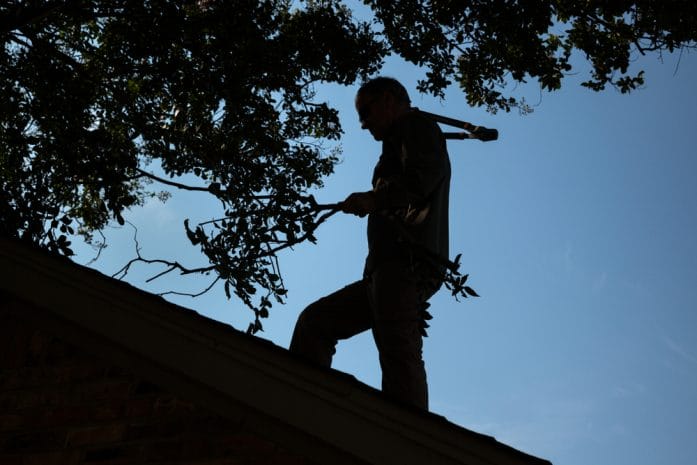
Aerial imagery makes it easy for insurers to spot tree limbs hanging over roofs, and this has become a major reason for coverage denials. Overhanging branches increase the risk of roof damage, clogged gutters, and debris buildup, all of which can lead to costly claims.

Even if the trees are healthy and well‑maintained, insurers may still classify them as hazards. Homeowners often don’t realize how dramatic these branches look from above, where shadows and angles can exaggerate their reach. Trimming trees regularly is one of the simplest ways to avoid being flagged by aerial inspections.

These Are 8 Homeowner Insurance Denials Based on Aerial Photos

Image source: shutterstock.com

4. The Patchwork Roof Repairs That Raise Red Flags

Aerial photos can reveal mismatched shingles or patchwork repairs that aren’t visible from the street. Insurers sometimes interpret these repairs as signs of underlying structural issues or past damage that wasn’t fully addressed.

It often doesn’t matter if the repairs were done professionally; the visual inconsistency can trigger concerns about the roof’s overall condition. This is especially common with older homes where repairs have been made over time. If you’ve had roof work done, keeping documentation and photos can help you dispute any inaccurate assumptions made by insurers.

5. The Debris That Suggests Neglect

Leaves, branches, and other debris may seem harmless, but insurers often view them as indicators of poor maintenance. Aerial images can capture debris accumulation on roofs, in gutters, or around chimneys, and insurers may interpret this as a sign that the homeowner isn’t keeping up with necessary upkeep.

This can lead to warnings or non‑renewals, even if the debris is seasonal or temporary. Regular cleaning — especially after storms — can help ensure your home looks well‑maintained from every angle, including the sky.

6. The Ponding Water That Signals Roof Trouble

Flat or low‑slope roofs are particularly vulnerable to ponding water, which aerial photos can detect with surprising accuracy. Standing water is a major red flag for insurers because it can lead to leaks, mold, and structural damage.

Even small puddles can trigger concerns if they appear consistently in aerial images. Homeowners with flat roofs should ensure proper drainage and consider periodic inspections to prevent water accumulation. Addressing ponding early can save you from both roof damage and insurance complications.

7. The Missing Shingles You Didn’t Know Were Missing

Aerial imagery can reveal missing or lifted shingles that homeowners may not notice from the ground. These small issues can be interpreted as signs of wind damage or aging, prompting insurers to demand repairs or deny coverage.

Sometimes the shingles aren’t actually missing — they may simply appear that way due to shadows or lighting in the photo. Still, insurers often err on the side of caution. Regular roof inspections can help you catch and document these issues before they become grounds for denial.

8. The Chimney and Flashing Issues That Stand Out From Above

Aerial photos can highlight gaps, cracks, or discoloration around chimneys and flashing, which insurers may interpret as potential leak points. Even minor wear can look significant from above, especially if the photo captures shadows or debris.

Insurers often flag these areas as high‑risk, leading to repair demands or non‑renewals. Having a professional inspect and maintain your chimney and flashing can help prevent misunderstandings and ensure your home passes aerial scrutiny.

The Sky Isn’t Falling — But Your Coverage Might Be

Aerial imagery has transformed the way insurers evaluate homes, and while it offers efficiency and accuracy, it also introduces new challenges for homeowners. Moss on shingles, overhanging branches, algae streaks, and other seemingly minor issues can now be detected instantly and used as grounds for denial. The key to staying protected is staying proactive. Regular maintenance, documentation, and awareness of how your home appears from above can help you avoid unpleasant surprises. Insurance companies may be watching from the sky, but with the right preparation, you can stay one step ahead.

What surprising issues have you encountered with homeowners’ insurance inspections? Have you seen drones flying around your home and reporting on you? Tell us everything you know about this new insurance phenomenon in the comments section.

You May Also Like…

The Drone Inspection Finding That’s Triggering Homeowner Policy Cancellations

The Roof Age That Automatically Disqualifies Florida Homes From Coverage

Crisis Proof: 10 Buffer Strategies Advisors Use to Protect Clients From Market Shock

The $2,000 Average National Homeowner Premium — Highest Share of Mortgage Payment Ever

Heritage Insurance Approved: 9.6% Premium Drop for Seminole County Homeowners

Brandon Marcus
Brandon Marcus

Brandon Marcus is a writer who has been sharing the written word since a very young age. His interests include sports, history, pop culture, and so much more. When he isn’t writing, he spends his time jogging, drinking coffee, or attempting to read a long book he may never complete.

Filed Under: Insurance Tagged With: aerial imagery, home maintenance, homeowners insurance, homeownership, insurance denials, insurance industry, moss on shingles, property insurance, Real estate, risk assessment, roof inspections

The Drone Inspection Finding That’s Triggering Homeowner Policy Cancellations

February 4, 2026 by Brandon Marcus Leave a Comment

The Drone Inspection Finding That's Triggering Homeowner Policy Cancellations

Image source: shutterstock.com

It used to take a ladder, a clipboard, and a very brave insurance inspector to assess your roof. Now? It takes a drone, a high-resolution camera, and about ten minutes of flight time. And that quiet little technological upgrade is creating very loud consequences for homeowners everywhere.

Insurance companies are increasingly using drone inspections to evaluate properties, and one specific finding is quietly triggering policy cancellations, non-renewals, and coverage denials—often without homeowners ever seeing it coming.

The Roof Issue Drones Are Exposing That Homeowners Rarely See

The most common red flag drones are identifying isn’t dramatic storm damage or missing chunks of roof. It’s something far sneakier: deteriorating shingles, soft spots, granular loss, and structural roof wear that’s invisible from the yard but crystal clear from above.

Insurance companies don’t see this as cosmetic. They see it as a future claims risk. A roof that looks “fine” from the street can look like a liability from 60 feet in the air. Even minor deterioration signals increased chances of water intrusion, mold, structural damage, and storm vulnerability. From an underwriting perspective, that’s not a “maybe problem,” that’s a “future payout” problem.

Why Insurance Companies Are Leaning Hard Into Drone Inspections

This shift isn’t random. Drone inspections are cheaper, faster, safer, and more consistent than human inspections. No climbing, no liability risk, no scheduling delays, and no subjective judgment calls. Insurers get standardized imagery, AI-assisted analysis, and digital records that integrate directly into risk models.

From a business standpoint, it’s a no-brainer. Drones can inspect thousands of properties quickly, especially after storms, natural disasters, or policy renewals. Instead of inspecting only high-risk properties, companies can now inspect almost everything. That means more data, more scrutiny, and more reasons to reclassify risk.

Drones Triggering Non-Renewals

This common trigger isn’t catastrophic damage, it’s roof aging and material degradation. That includes worn shingles, brittle materials, exposed underlayment, patchwork repairs, curling edges, granule loss, and uneven wear patterns. These signs suggest a roof that’s nearing the end of its functional lifespan, even if it isn’t leaking yet.

Drones also identify moisture retention zones, algae and moss growth patterns, and structural sagging that indicate water infiltration risks. These aren’t dramatic visuals, but they’re statistically powerful predictors of claims. In insurance language, this falls under “deferred maintenance risk.”

The Drone Inspection Finding That's Triggering Homeowner Policy Cancellations

Image source: shutterstock.com

Why Homeowners Feel Blindsided by the Process

Homeowners think insurance reacts to damage. Insurers now react to probability. That’s a fundamental mindset shift. People expect inspections after claims, not before renewals. They expect notice, not silent evaluations.

Because drone inspections don’t require homeowner presence, people often don’t know they happened. No knock at the door or appointment request. No explanation. Just a data update in an insurance system that changes your risk profile overnight.

What Homeowners Can Do to Protect Themselves

Don’t wait for your insurer to find the problem. Proactive roof inspections matter more than ever. A professional inspection every few years isn’t just maintenance—it’s insurance protection. Documentation matters. If your roof is in good condition, proof helps.

Maintenance is now a financial strategy, not just a homeownership habit. Small repairs prevent big red flags. Cleaning debris, addressing algae growth, replacing damaged shingles, and fixing flashing issues can materially change how your roof appears in aerial imaging.

Also, understand your policy language. Many policies allow cancellation or non-renewal based on “property condition risk.” That language gives insurers broad discretion. Knowing that helps you act before you’re forced to react.

The Wake-Up Call Hidden in the Sky

Drones are revealing problems that were always there, just out of sight and out of mind. The real danger isn’t inspection technology; it’s the assumption that “no visible damage” equals “no risk.” That belief doesn’t hold up in a world of aerial imaging, predictive analytics, and algorithm-driven underwriting.

For homeowners, this is a mindset shift moment. Insurance isn’t just protection anymore—it’s a data relationship. The better your property looks to technology, the safer you are financially.

The sky isn’t falling—but the sky is watching.

Should insurance companies be allowed to cancel policies based on drone inspections that homeowners never knew happened? Give us your thoughts in the comments.

You May Also Like…

Why Major Insurers Are Quietly Canceling 2026 Policies Using Satellite Photos

Why Are So Many DIY Projects Actually Illegal in Your County?

California’s Insurance Cancellation Crisis: 3.18% of Homeowners Lost Coverage in 2024

7 Ways Your Neighbor Could Be Spying on You Without Breaking the Law

The Credit Score That Adds $2,000/Year to Florida Homeowner’s Insurance Premiums

Brandon Marcus
Brandon Marcus

Brandon Marcus is a writer who has been sharing the written word since a very young age. His interests include sports, history, pop culture, and so much more. When he isn’t writing, he spends his time jogging, drinking coffee, or attempting to read a long book he may never complete.

Filed Under: Insurance Tagged With: drone inspections, Home insurance, home protection, homeowner insurance, homeowners, homeownership, insurance cancellations, insurance underwriting, property insurance, risk assessment, roof damage, roof maintenance, smart home tech

The Florida Insurance Trap: Why ‘Safe’ Neighborhoods Are Facing a $500 Monthly Payment Hike This Week

January 15, 2026 by Brandon Marcus Leave a Comment

The Florida Insurance Trap: Why 'Safe' Neighborhoods Are Facing a $500 Monthly Payment Hike This Week

Image Source: Shutterstock.com

Florida has always had a reputation for sunshine, sandy beaches, and palm trees swaying in the breeze. But lately, homeowners are noticing another phenomenon sweeping the state—not storms or hurricanes, but a shocking spike in insurance costs.

If you live in a neighborhood with manicured lawns, low crime rates, and a tight-knit community vibe, you might think you’re safe from financial surprises. Think again.

This week, many residents are staring at a potential $500 monthly increase in their insurance bills, and it’s stirring anxiety, confusion, and frustration across the state.

Why Florida’s Insurance Market Is Exploding

The Florida insurance market is currently in a state of chaos. Years of mounting natural disasters, fraudulent claims, and risky investments by insurance companies have created a perfect storm.

Carriers are raising premiums aggressively, and even traditionally “safe” areas are feeling the heat. Homeowners who never worried about hurricanes or flooding are now being hit with sudden, jaw-dropping increases. Insurers argue that they need to cover growing risks, but for residents, it feels like punishment for simply living somewhere peaceful. This isn’t just about one company or one neighborhood; it’s a statewide shake-up that’s redefining what “affordable insurance” means in the Sunshine State.

Catastrophe Modeling And Risk Assessment Gone Wild

Insurance companies rely heavily on catastrophe modeling to predict losses from natural disasters. While these models sound like scientific wizardry, they’re imperfect, and in Florida, they’ve consistently underestimated the risk—or sometimes overreacted to it. Rising sea levels, stronger storms, and unpredictable weather patterns have pushed carriers to label previously “safe” areas as high-risk zones.

The result? Monthly premiums skyrocketing, sometimes by hundreds of dollars. For residents who’ve never filed a claim in their lives, this feels arbitrary, even unfair. And with competition thinning as some insurers pull out of the state entirely, homeowners have fewer choices and less negotiating power than ever before.

Fraud And Its Hidden Impact On Premiums

Florida’s insurance woes aren’t just about Mother Nature—they’re also about human nature. The state has long struggled with insurance fraud, including staged property damage and inflated claims. These scams cost insurers billions annually, and the financial fallout trickles down to regular homeowners. When a company pays out for fraudulent claims, it has to recoup those losses, and that often means raising premiums across the board. Unfortunately, this hits law-abiding citizens in safe neighborhoods the hardest. People who take care of their properties and avoid risky behavior suddenly find themselves subsidizing fraudsters, and the frustration is palpable.

Legal Battles And Regulatory Chaos

Another layer fueling these increases is Florida’s unique legal and regulatory environment. Lawsuits against insurance companies have exploded, often resulting in massive payouts. To protect themselves, insurers have been forced to hike premiums, tighten policies, or even leave the market altogether. Regulatory reforms have tried to curb these trends, but the process is slow and messy, leaving homeowners caught in the middle. Policies that once seemed affordable are now costly gambles, and navigating the insurance system feels like walking a tightrope. For anyone who thought living in a quiet, low-risk neighborhood offered peace of mind, the current reality is anything but.

The Florida Insurance Trap: Why 'Safe' Neighborhoods Are Facing a $500 Monthly Payment Hike This Week

Image Source: Shutterstock.com

The $500 Monthly Shock And How It Hits Families

The numbers are staggering. Some homeowners who once paid $250–$400 monthly for insurance are suddenly facing bills north of $900. Families budgeting carefully for mortgages, groceries, and other essentials now face a financial headache that feels impossible to manage. The emotional toll is real, with homeowners scrambling to understand their policies, appeal hikes, or even consider selling homes they’ve invested in for decades. This isn’t a small adjustment; it’s a seismic shift that can impact life decisions, retirement plans, and long-term financial stability.

What Homeowners Can Actually Do

Despite the grim headlines, there are steps residents can take. Shopping around for a different insurer, bundling policies, and improving home resilience to storms can help mitigate the impact. Some are exploring state-backed insurance options, while others are considering policy adjustments like higher deductibles. Staying informed about legislative changes, fraud trends, and catastrophe predictions is crucial.

While these actions don’t erase the pain of a $500 monthly jump, they do provide homeowners with some control in an otherwise turbulent environment. Knowledge, preparedness, and vigilance have never been more valuable for Florida residents.

Your Voice Matters On This Insurance Change Matters

Florida’s insurance crisis is reshaping neighborhoods once considered safe and predictable. The combination of natural disasters, fraud, regulatory shifts, and market instability has created a perfect storm that leaves many homeowners paying far more than expected. This week’s $500 hike is not just a number—it’s a wake-up call.

We want to hear from you. How are you managing these rising costs? Have you had experiences with sudden hikes or policy challenges? Leave your thoughts and stories in the comments section below and contribute to the conversation shaping the future of Florida homeownership.

You May Also Like…

Why South Carolina is Beating Florida in Retirement Relocation

Setting Realistic Expectations: What Will Building a Home in Florida Cost You?

6 Reasons Your Car Insurance Company Can Legally Drop You After One Claim

The “Act of God” Clause Insurance Companies Are Using to Reject Storm Damage Claims

8 Critical Questions You Must Ask Before Buying Long-Term Care Insurance

Brandon Marcus
Brandon Marcus

Brandon Marcus is a writer who has been sharing the written word since a very young age. His interests include sports, history, pop culture, and so much more. When he isn’t writing, he spends his time jogging, drinking coffee, or attempting to read a long book he may never complete.

Filed Under: Lifestyle Tagged With: Florida, health insurance, Insurance, insurance costs, Insurance policy, insurance trap, insurance traps, Life, life insurance, Lifestyle, neighborhoods, risk assessment

6 Real Estate Investments That Hide Disaster Liability

August 18, 2025 by Travis Campbell Leave a Comment

investing real estate

Image source: pexels.com

Real estate investments come with the promise of stable income and long-term growth. But sometimes, hidden risks lurk beneath the surface. Disaster liability is one of those risks that can turn a profitable property into a financial nightmare. When you invest in real estate, you may unknowingly take on exposure to floods, fires, earthquakes, or other calamities. These events can lead to massive repair costs, legal issues, and even personal bankruptcy. Understanding which real estate investments hide disaster liability is crucial if you want to protect your portfolio and your peace of mind.

1. Coastal Vacation Rentals

Coastal vacation rentals are popular for their scenic views and high rental demand. However, these properties often hide disaster liability in the form of hurricane and flood risks. While insurance can help, coverage gaps are common, and premiums are high. Storm surges, erosion, and even rising sea levels can damage your investment or make it uninsurable. Many investors don’t realize that short-term rental income can evaporate after a major storm, while repair and cleanup costs soar.

Before buying a coastal property, check local flood maps and the history of natural disasters in the area. Some areas require expensive upgrades to meet building codes, especially after a disaster. The true cost of owning a coastal rental often extends far beyond the purchase price.

2. Older Multi-Family Buildings

Older multi-family buildings can look like a great deal thanks to lower purchase prices and high cash flow potential. But these properties often hide disaster liability related to outdated wiring, plumbing, and fire safety systems. Buildings constructed before modern codes may not withstand earthquakes or fires as well as newer properties. In some cases, landlords are legally responsible for injuries or deaths caused by these hidden hazards.

Investors should always order a thorough inspection and budget for major upgrades. Retrofitting an old building to meet disaster standards can be costly. If you skip this step, you risk both your investment and your legal standing.

3. Rural Properties in Wildfire Zones

Investors are increasingly drawn to rural properties for their privacy and potential for appreciation. But many rural areas, especially in the western U.S., face high wildfire risk. These real estate investments hide disaster liability because fires can spread rapidly, destroying homes and infrastructure. Access to emergency services is often limited, and insurance can be hard to obtain or keep.

Wildfire-prone areas may also have strict building codes that require expensive materials and landscaping. If a fire hits, rebuilding can take years and cost far more than expected. Always check local fire maps and talk to insurance agents before buying in these regions.

4. Downtown Commercial Buildings

Downtown commercial buildings can be lucrative, but they hide disaster liability in a different way. Older city centers often have aging infrastructure, including water mains, gas lines, and electrical grids. These systems can fail during earthquakes, floods, or even extreme weather. If your building is damaged and tenants can’t operate, you may face lost rent and expensive repairs.

Some cities require owners to retrofit buildings for earthquake or flood safety, which can be a six-figure expense. Tenants may also sue if they believe you failed to provide a safe environment. To reduce risk, consider a FEMA flood map review and a professional structural assessment before investing.

5. Manufactured Home Parks

Manufactured home parks are attractive for their steady cash flow and lower entry costs. But these real estate investments hide disaster liability because manufactured homes are especially vulnerable to storms, tornadoes, and floods. Even with tie-downs and skirting, mobile homes often suffer more damage than site-built houses. Owners may be liable for infrastructure failures, such as collapsing roads or failing drainage systems, that worsen disaster impacts.

Insurance for manufactured home parks can be tricky and expensive. If a major disaster strikes, you could be on the hook for cleanup and legal claims from tenants. Always research local disaster history and talk to other park owners before buying.

6. Properties in Unincorporated Areas

Properties located outside city limits can offer fewer regulations and more land. But these real estate investments hide disaster liability because they often lack access to municipal services. Fire protection, water, and emergency response may be limited or nonexistent. If a fire, flood, or other disaster hits, you could face long delays for help—which means more damage and higher costs.

Unincorporated areas may also have less oversight of building standards, making it easier for hidden hazards to go unnoticed. Before investing, ask about local emergency resources and consider the true cost of self-sufficiency in a crisis. Sometimes, the savings on the purchase price are quickly lost to disaster recovery expenses.

How to Protect Yourself from Hidden Disaster Liability

Every real estate investment comes with risk, but disaster liability is often overlooked until it’s too late. The key is to do your homework before you buy. Research local hazards, review insurance options, and talk to professionals who know the area. Don’t assume that popular areas or attractive deals are free from hidden dangers.

It’s also wise to consult with a knowledgeable real estate attorney or risk management expert. They can help you spot potential problems before you sign on the dotted line. What steps have you taken to protect your properties from disaster liability? Share your experiences in the comments below!

Read More

8 Real Estate Mistakes That Erode Wealth Before Retirement Ever Starts

6 Reasons Real Estate Wealth Disappears Within One Generation

Travis Campbell
Travis Campbell

Travis Campbell is a digital marketer/developer with over 10 years of experience and a writer for over 6 years. He holds a degree in E-commerce and likes to share life advice he’s learned over the years. Travis loves spending time on the golf course or at the gym when he’s not working.

Filed Under: Real Estate Tagged With: disaster liability, Insurance, investment tips, property management, property risk, Real Estate Investments, risk assessment

7 Risky Outdoor Activities Every Man Should Think Twice About

April 20, 2025 by Travis Campbell Leave a Comment

mountain climbing

Image Source: unsplash.com

Adventure seekers often chase the adrenaline rush that comes with outdoor activities, but some pursuits carry risks that deserve serious consideration. While pushing boundaries can be rewarding, understanding the potential dangers of high-risk outdoor activities is essential for making informed decisions about your safety. Before you sign up for your next adventure, consider these seven outdoor activities that might require more preparation, training, or reconsideration than you initially thought. These activities may offer thrilling experiences but demand respect for their inherent dangers.

1. Free Solo Rock Climbing

Free soloing—climbing without ropes or protective equipment—represents the ultimate risk in climbing sports. Even experienced climbers with years of training face potentially fatal consequences from a single mistake. According to the American Alpine Club, climbing accidents result in dozens of fatalities annually, with free soloing being particularly dangerous.

The mental pressure is as challenging as the physical demands. Climbers must maintain perfect focus for hours, as any lapse in concentration could be fatal. Even elite climbers like Alex Honnold, famous for free soloing El Capitan, spend years preparing for major climbs with extensive practice on the same routes with protection before attempting them without ropes.

If you’re drawn to climbing, consider starting with traditional roped climbing at established areas with qualified instructors before even contemplating free soloing.

2. Backcountry Skiing and Snowboarding

Venturing beyond resort boundaries puts you in avalanche territory without the safety infrastructure of patrolled slopes. Avalanches kill an average of 28 people annually in North America alone, according to the Colorado Avalanche Information Center.

Backcountry snow sports require specialized equipment (beacon, probe, shovel), avalanche safety training, and weather assessment skills. Even experienced skiers can be caught off guard by rapidly changing mountain conditions.

If backcountry skiing appeals to you, invest in proper avalanche safety courses and always check local avalanche forecasts before heading out. Never venture into the backcountry alone; ensure everyone in your group has adequate training and equipment.

3. Bull Riding

This rodeo staple involves mounting a 2,000-pound animal specifically bred for bucking. The average bull-riding career lasts just 3-5 years due to injuries. Nearly every professional bull rider has experienced significant injuries, including concussions, broken bones, and internal injuries.

The sport’s danger comes from the fall and being stomped or gored after being thrown. Even with protective vests and helmets, riders face extreme risks each time they enter the chute.

If you’re interested in Western sports, consider starting with less dangerous options like team roping or barrel racing. These activities still provide Western cultural experiences without the extreme danger.

4. Cave Diving

Underwater cave exploration combines the risks of scuba diving with additional hazards of overhead environments, limited visibility, and complex navigation. According to diving safety organizations, cave diving has one of the highest fatalities among recreational activities when attempted without proper training.

The confined spaces, potential for silt-outs (zero visibility), and limited gas supply create a situation where minor problems can quickly become life-threatening. Even experienced open-water divers need specialized training for cave environments.

If you are interested in underwater exploration, consider starting with open-water diving and gradually building experience before pursuing technical specialties like cave diving.

5. Big Wave Surfing

Faced with waves over 20 feet tall, surfers risk being held underwater for extended periods, suffering impact injuries from powerful waves, and dealing with dangerous currents. The force of a breaking wave can push surfers deep underwater, creating disorientation and risking drowning.

Professional big wave surfers train extensively for breath-holding and underwater recovery, often practicing holding their breath for 4+ minutes. They also use specialized equipment and safety teams with jet skis for rescue.

Consider progressively developing your surfing skills on smaller waves before attempting larger ones, and never surf big ones alone.

6. Wingsuit Flying

This extreme form of skydiving involves flying through the air in a specialized suit that adds surface area to the human body. According to skydiving safety statistics, fatality rates are estimated at one death per 500-1,000 jumps, making it considered among the most dangerous recreational activities in the world.

The margin for error is incredibly small, with jumpers reaching speeds over 100 mph while navigating close to terrain. Most wingsuit fatalities occur when jumpers misjudge distances or encounter unexpected conditions.

If you’re drawn to the skies, consider starting with traditional skydiving and accumulating hundreds or thousands of jumps before considering wingsuit progression.

7. Free Diving

Descending to extreme depths on a single breath without scuba equipment puts tremendous physiological stress on the body. Blackouts near the surface (shallow water blackout) are particularly dangerous and can occur without warning.

Competitive free divers train extensively to hold their breath for 4+ minutes and dive to depths exceeding 100 meters, but even with safety divers present, the sport has seen numerous fatalities.

If you’re interested in underwater exploration, consider starting with snorkeling in safe environments before pursuing free diving training with qualified instructors.

Balancing Adventure and Safety: The Wiser Approach

The appeal of these high-risk activities is understandable—they offer unparalleled thrills and profound experiences. However, the wisest adventurers understand that proper training, equipment, and risk assessment aren’t signs of weakness but of intelligence. Many of these activities can be enjoyed with significantly reduced risk through proper progression, training, and safety protocols.

Remember that adventure doesn’t always require extreme risk. Often, the most rewarding outdoor experiences come from challenging yourself within reasonable safety margins while progressively developing skills.

Have you ever tried any high-risk outdoor activities, or do you have safety tips from your adventure experiences? Share your stories in the comments below.

Read More

7 Risky Behaviors That Could Be Sabotaging Your Job Prospects

6 Dangerous Home Appliances That You’re Using Every Day

Travis Campbell
Travis Campbell

Travis Campbell is a digital marketer/developer with over 10 years of experience and a writer for over 6 years. He holds a degree in E-commerce and likes to share life advice he’s learned over the years. Travis loves spending time on the golf course or at the gym when he’s not working.

Filed Under: safety Tagged With: adventure risks, extreme sports, men's activities, outdoor adventures, outdoor safety, risk assessment

Rain, Snow, Fire: Bad Weather Is Changing the Insurance Industry

March 28, 2025 by Latrice Perez Leave a Comment

Bad Weather

Image Source: 123rf.com

The year 2025 has witnessed an unprecedented surge in severe weather events, fundamentally altering the landscape of the insurance industry. This article explores how extreme weather conditions are driving up premiums, causing record losses, and reshaping market dynamics. It examines the adjustments insurers are making to adapt to an era marked by uncertainty and environmental challenges. Read on to understand the profound impact of climate change on insurance practices.

Escalating Insurance Premiums

The increasing frequency and severity of natural disasters have forced insurers to raise property and casualty premiums, particularly in high-risk areas. Homeowners in states like Tennessee have seen significant premium hikes due to recent storms and tornadoes. These adjustments are a direct response to the escalating costs associated with higher claim volumes. Insurers are recalibrating risk models to better reflect the current climate realities. Consumers must now navigate a market where insurance is becoming an increasingly expensive necessity.

Record-Breaking Wildfire Losses

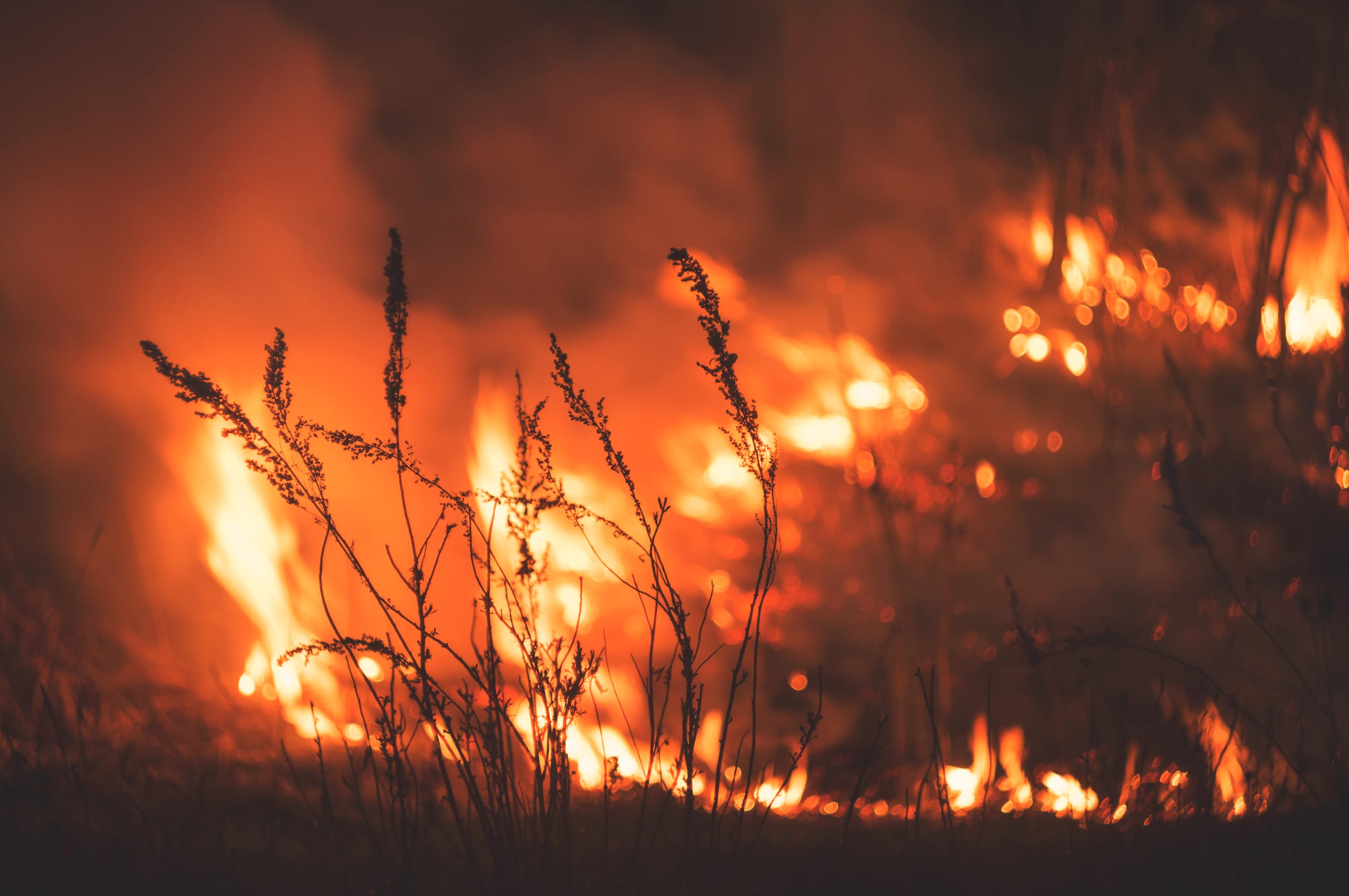
The raging flame of fire burn in the fields, forests and black thick acrid smoke. Big spring wildfire close-up.

Image Source: 123rf.com

Recent wildfires, particularly in Southern California, have led to record-breaking insured losses that exceed previous historical benchmarks. The devastation from these fires has strained insurers and forced a reevaluation of risk models. With losses projected to surpass $20 billion, the financial impact on the industry is immense. These events underscore the vulnerability of regions prone to wildfires and the need for improved preventive measures. The situation has sparked urgent discussions about better disaster management and policy structuring.

Increased Reinsurance Costs

Global reinsurers are now facing mounting losses as a result of climate change-induced disasters, driving up reinsurance costs. These increased costs are often passed down to consumers in the form of higher premiums. For example, the recent Los Angeles wildfires have had a noticeable impact on reinsurance rates. This ripple effect makes insurance less affordable for many policyholders. As a result, the overall landscape of insurance pricing is undergoing significant transformation.

Emergence of Insurance Deserts

In regions frequently affected by extreme weather, insurers are reassessing their willingness to provide coverage, leading to the emergence of so-called ‘insurance deserts.’ Homeowners in these high-risk areas may find it increasingly difficult to secure affordable coverage. This trend raises concerns about the accessibility of essential insurance for those most in need. The lack of available options can exacerbate the financial vulnerability of affected communities. Addressing this challenge requires coordinated efforts between regulators and insurers.

Regulatory Responses and Market Stabilization Efforts

In response to the volatile insurance landscape, lawmakers in various states are proposing measures to stabilize the market. Initiatives such as state-backed funds and regulatory reforms aim to keep insurance accessible and affordable. These efforts are designed to address the dual challenges of rising premiums and increasing claim volumes. Collaborative measures between the public and private sectors are essential for long-term market stability. Consumers and insurers alike are closely watching these regulatory developments for signs of relief.

The Weather Has Reshaped The Insurance Industry

The severe weather events of 2025 have reshaped the insurance industry in profound ways, from escalating premiums to the emergence of insurance deserts. As climate change continues to influence weather patterns, both insurers and consumers must adapt to a new financial reality. Proactive measures, improved risk assessments, and regulatory interventions are vital for navigating these changes. The evolving landscape calls for a reassessment of traditional insurance models.

How have recent weather challenges affected your insurance experience? Share your insights in the comments below!

Read More:

False Sense of Security: Why Relying Solely on a Fence Could Leave You Vulnerable

Think You’re Safe Without Flood Insurance? 7 Dangerous Lies Insurance Companies Tell

Latrice Perez

Latrice is a dedicated professional with a rich background in social work, complemented by an Associate Degree in the field. Her journey has been uniquely shaped by the rewarding experience of being a stay-at-home mom to her two children, aged 13 and 5. This role has not only been a testament to her commitment to family but has also provided her with invaluable life lessons and insights.

As a mother, Latrice has embraced the opportunity to educate her children on essential life skills, with a special focus on financial literacy, the nuances of life, and the importance of inner peace.

Filed Under: Insurance Industry Tagged With: climate change, Insurance, market trends, premium increases, risk assessment, severe weather

FOLLOW US

Search this site:

Recent Posts

  • Can My Savings Account Affect My Financial Aid? by Tamila McDonald
  • 12 Ways Gen X’s Views Clash with Millennials… by Tamila McDonald
  • What Advantages and Disadvantages Are There To… by Jacob Sensiba
  • Call 911: Go To the Emergency Room Immediately If… by Stephen Kanaval
  • 10 Tactics for Building an Emergency Fund from Scratch by Vanessa Bermudez
  • 7 Weird Things You Can Sell Online by Tamila McDonald
  • 10 Scary Facts About DriveTime by Tamila McDonald

Copyright © 2026 · News Pro Theme on Genesis Framework