• Home
  • About Us
  • Toolkit
  • Getting Finances Done
    • Hiring Advisors
    • Debt Management
    • Spending Plan
  • Insurance
    • Life Insurance
    • Health Insurance
    • Disability Insurance
    • Homeowners/Renters Insurance
  • Contact Us
  • Privacy Policy
  • Risk Tolerance Quiz

The Free Financial Advisor

You are here: Home / Archives for gig economy

10 Remote Work Tax Deductions Many Miss Each April

March 9, 2026 by Brandon Marcus Leave a Comment

These Are 10 Remote Work Tax Deductions Many Miss Each April

Image Source: Unsplash.com

April brings numbers, receipts, and the quiet suspicion that money slipped through the cracks somewhere. Remote work opened doors to flexibility and freedom, yet it also created a long list of potential tax deductions that many people never claim. A laptop on the kitchen table, a converted spare room, upgraded internet service, and stacks of office supplies all carry potential tax value when tax season arrives. Unfortunately, plenty of workers overlook those opportunities because tax rules feel confusing or overly technical.

That mistake costs real money. Remote workers often qualify for deductions that traditional office employees never see, yet those same workers frequently ignore the details that turn everyday expenses into legitimate tax write-offs. A closer look at overlooked deductions can shrink a tax bill and reward the effort that goes into building a productive home workspace.

1. The Home Office That Actually Counts

A surprising number of remote workers skip the home office deduction because the rules sound intimidating, but the concept remains fairly straightforward. Anyone who uses a specific part of a home exclusively for work can often deduct expenses connected to that space. A spare bedroom that functions as a dedicated office qualifies, and even a clearly defined corner workspace may count when it serves only work purposes.

The deduction often includes a percentage of rent or mortgage interest, property taxes, utilities, and even home insurance. The calculation usually depends on the size of the workspace compared with the total home area. Someone who uses 10 percent of a home strictly for work can typically deduct 10 percent of certain housing costs.

That percentage might sound small, but housing expenses usually rank among the largest monthly costs. A legitimate home office deduction can quickly add up to meaningful tax savings.

2. Internet Bills That Power the Workday

Remote work collapses the distance between an office network and a household internet connection. That monthly internet bill now supports video meetings, cloud storage, project uploads, and endless email threads. Many people treat that expense as purely personal even when work demands most of the bandwidth.

Tax rules often allow remote workers to deduct the work-related portion of internet costs. Someone who spends most of the day online for business tasks can usually justify a sizable percentage of the monthly bill.

Accuracy matters here. A reasonable estimate works better than an exaggerated claim. Keeping records that show work usage helps support the deduction if questions ever arise.

3. Office Supplies That Quietly Add Up

Pens, notebooks, printer ink, folders, sticky notes, shipping envelopes, and desk organizers rarely cost much individually. Over an entire year, though, those items quietly accumulate into a noticeable expense pile.

Remote workers often buy these supplies without a second thought, especially when a quick online order solves an immediate need. Each purchase might seem too small to track, yet tax law treats legitimate office supplies as deductible business expenses.

A simple habit solves the problem. Save receipts or maintain a digital log throughout the year. That small effort prevents a frantic hunt for proof when tax time arrives.

4. The Furniture That Makes Work Possible

A comfortable chair and a sturdy desk transform a home workspace from a temporary setup into a productive environment. Many remote workers invest in ergonomic furniture to avoid back pain and maintain focus during long hours. Those purchases may qualify as business expenses when the furniture serves work purposes. A quality office chair, standing desk, filing cabinet, or shelving unit often counts toward deductible equipment.

Furniture rarely costs pocket change, so the tax impact can feel significant. Some situations allow a full deduction in one year, while other cases require spreading the cost over time. Either way, that investment in comfort and productivity may deliver financial relief during tax season.

5. Software Subscriptions That Keep Work Moving

Modern remote work runs on software. Project management tools, cloud storage platforms, design software, accounting programs, and video meeting services form the backbone of many home-based careers.

Each monthly subscription may look modest, yet the combined total often reaches hundreds or even thousands of dollars per year. Tax rules generally allow deductions for software used directly for business tasks.

Tracking these expenses proves easier than ever because most companies send digital invoices. A quick folder in an email account can store those receipts for easy access when tax preparation begins.

6. Phone Expenses Beyond Personal Calls

Smartphones serve as miniature offices for many remote professionals. Work messages arrive through multiple apps, video calls pop up throughout the day, and project updates travel through messaging platforms.

When work drives a large share of phone usage, a portion of the monthly phone bill may qualify as a business expense. Remote workers who maintain a separate business line can often deduct the full cost of that line.

Clear documentation helps support this deduction. Phone statements and a reasonable estimate of work usage create a solid foundation if any tax authority ever asks questions.

7. Professional Development That Sharpens Skills

Remote work rewards adaptability. New tools appear constantly, industries evolve quickly, and professionals often pursue courses or certifications to stay competitive. Many education expenses related to maintaining or improving current job skills qualify as deductible costs. Online courses, training programs, workshops, and industry certifications may all fall into that category.

Someone who invests in learning new software, marketing strategies, or technical abilities may receive a financial reward during tax season. That deduction essentially supports both career growth and financial health.

These Are 10 Remote Work Tax Deductions Many Miss Each April

Image Source: Unsplash.com

8. Business Insurance That Protects the Work

Freelancers and independent contractors frequently purchase insurance policies to protect their businesses. Professional liability coverage, errors and omissions insurance, and similar policies help guard against unexpected problems.

These premiums often qualify as deductible business expenses. Remote workers sometimes forget about them because the payments occur only once or twice per year.

A quick review of financial records before filing taxes often reveals those overlooked payments. Including them in the deduction list can lower the overall tax burden.

9. Bank Fees That Chip Away at Earnings

Many remote professionals operate separate business bank accounts to keep finances organized. Banks may charge monthly maintenance fees, wire transfer costs, or transaction fees tied to those accounts.

Those charges rarely generate excitement, yet they still count as business expenses in many cases. Deducting those small amounts can reclaim money that otherwise disappears into the banking system.

The key involves reviewing bank statements carefully. Hidden among routine transactions, those fees often slip past unnoticed.

10. Mileage for Work Errands

Remote work does not eliminate travel entirely. Trips to ship products, meet clients, purchase supplies, or attend networking events still occur throughout the year. Each of those work-related drives may qualify for a mileage deduction. Keeping a simple mileage log—either on paper or through a mobile app—makes the process far easier.

Even occasional trips can accumulate into a respectable deduction over twelve months. Gas prices and vehicle wear add real costs to those errands, so claiming mileage acknowledges that expense.

A Smarter Approach to Tax Season

Remote work reshaped modern careers, yet tax habits often lag behind that transformation. Many people treat home-based work like a casual arrangement instead of a legitimate business activity with real expenses.

Tracking deductions throughout the year turns tax season into a strategic opportunity instead of a stressful guessing game. Organized records, saved receipts, and thoughtful estimates help capture the full value of remote work expenses.

Which of these deductions often slips under the radar during your tax season? Give us your tax plans for this year in the comments section below.

You May Also Like…

Why Some Experts Say Remote Work Is Harming Mental Health More Than We Think

5 Reasons Why Executives Are Joining the Remote Workforce

5 Deductions Solopreneurs Still Miss

Tax Blindspot: 4 Deductions Many Americans Miss During December

Homebuyers Are Losing Pre-Approvals After Routine Credit Checks — Here’s What Changed

Brandon Marcus
Brandon Marcus

Brandon Marcus is a writer who has been sharing the written word since a very young age. His interests include sports, history, pop culture, and so much more. When he isn’t writing, he spends his time jogging, drinking coffee, or attempting to read a long book he may never complete.

Filed Under: tax tips Tagged With: freelance taxes, gig economy, home office deduction, Personal Finance, Planning, remote work, Tax Deductions, tax season, tax tips, taxes, Work from home

The IRS Doesn’t Care If You Forgot — Missing Tax Dates Could Cost You Thousands

February 26, 2026 by Brandon Marcus Leave a Comment

The IRS Doesn’t Care If You Forgot — Estimated Tax Dates That Could Cost You Thousands

Image Source: Pexels.com

The IRS doesn’t care if life got busy. It doesn’t care if a client paid late, if bookkeeping fell behind, or if someone assumed April would cover everything. When it comes to estimated taxes, the federal government expects its money on time, four times a year, and it calculates penalties with quiet efficiency when those payments don’t show up.

Estimated tax deadlines rarely grab headlines, yet they can quietly drain thousands of dollars from bank accounts through penalties and interest. Anyone who earns income without automatic withholding stands directly in the line of fire. That includes freelancers, consultants, landlords, small business owners, investors, and gig workers who receive 1099 forms instead of W-2s.

Mark These Dates or Pay the Price

The IRS sets four estimated tax deadlines each year, and none of them fall neatly at the end of a quarter. Payments typically come due on April 15, June 15, September 15, and January 15 of the following year. When one of those dates lands on a weekend or federal holiday, the deadline shifts to the next business day. The schedule catches many people off guard because June 15 arrives only two months after April, and January 15 follows closely on the heels of the holiday season.

When someone waits until April to pay everything, the IRS reviews the account quarter by quarter and assesses underpayment penalties for each period that fell short. That means a large April payment does not magically erase missed quarterly obligations.

Anyone who expects to owe at least $1,000 in federal tax for the year after subtracting withholding and refundable credits generally needs to make estimated payments. The IRS built that threshold into its rules, and it applies to a wide range of earners. Skipping the calendar reminders may feel harmless in the moment, but those missed dates often lead to interest charges that continue to grow until payment clears.

Who Really Needs to Worry About Estimated Taxes?

W-2 employees usually glide through tax season because employers withhold income tax, Social Security, and Medicare from each paycheck. The system works automatically in the background. Independent earners, however,P do not enjoy that convenience. Anyone who runs a sole proprietorship, earns freelance income, drives for a rideshare platform, sells goods online, or collects significant investment income must take responsibility for setting aside and paying taxes throughout the year.

People in partnerships and shareholders in S corporations also face estimated tax obligations when distributions or profits do not cover their tax liability through withholding. Landlords who collect rent without withholding fall into the same category. Even retirees can trigger estimated payments if pension and Social Security withholding does not cover total tax owed on additional income such as dividends or capital gains.

The gig economy expanded rapidly, and many new earners jumped in without realizing that the IRS expects quarterly payments. Platforms may issue Form 1099-NEC or 1099-K, but they rarely withhold federal income tax. That leaves individuals responsible for calculating both income tax and self-employment tax, which covers Social Security and Medicare contributions. Ignoring that responsibility invites penalties that feel especially painful when profits already run thin.

How the IRS Calculates Penalties and Why They Add Up Fast

The IRS does not guess when it calculates an underpayment penalty. It uses a formula based on how much someone underpaid, how long the underpayment lasted, and the federal short-term interest rate plus three percentage points. The agency adjusts that interest rate quarterly, so the cost of missing a payment can change throughout the year.

When a taxpayer pays less than the required amount for a quarter, the IRS assesses a penalty on the shortfall from the due date until the payment arrives. That calculation applies even if the person pays the full annual tax bill by April 15. Each quarter stands on its own in the eyes of the IRS, which means consistent underpayments can create a stack of separate penalties.

The safe harbor rules offer some protection. Taxpayers can generally avoid penalties if they pay at least 90 percent of the current year’s tax liability or 100 percent of the previous year’s total tax, whichever amount proves smaller.

The IRS Doesn’t Care If You Forgot — Estimated Tax Dates That Could Cost You Thousands

Image Source: Pexels.com

Smart Strategies to Stay Ahead of the Game

Estimated taxes do not have to feel like a guessing contest. Many financial professionals recommend setting aside a fixed percentage of every payment received, often between 25 and 35 percent depending on income level and state taxes. That habit creates a built-in buffer and prevents the shock of a large quarterly bill.

Opening a separate savings account dedicated to taxes can transform the process. Moving money into that account immediately after receiving income removes temptation and builds discipline. Some taxpayers schedule automatic transfers so they never rely on memory alone.

Online payments through IRS Direct Pay or the Electronic Federal Tax Payment System allow quick, trackable submissions. Electronic payments reduce the risk of lost checks and provide instant confirmation. Consistency matters more than perfection, so calculating conservative estimates and adjusting each quarter keeps surprises manageable.

Working with a tax professional can also sharpen accuracy, especially when income fluctuates. A professional can project annual income, apply deductions, and fine-tune quarterly amounts. Even a single planning session midyear can prevent an expensive underpayment penalty.

When Income Swings Wildly, Flexibility Still Has Rules

Not everyone earns steady, predictable income. Contractors may land a major project in September, investors may realize large capital gains in December, and business owners may experience seasonal spikes. The IRS recognizes uneven income patterns and allows taxpayers to use the annualized income installment method to align payments more closely with when income actually arrives.

This method requires additional calculations, but it can reduce penalties for those who earn most of their income later in the year. Instead of paying equal installments, taxpayers base each quarter’s payment on actual earnings during that period. That approach rewards accurate recordkeeping and proactive planning.

However, flexibility does not mean freedom from deadlines. Taxpayers still must submit payments on the established due dates. Waiting until year-end to settle everything can still trigger penalties, even when income arrived late. Careful tracking of revenue and expenses throughout the year supports smarter decisions and cleaner filings.

The Real Cost of Forgetting and the Power of a Plan

Estimated tax deadlines may not generate drama, but they carry real financial weight. Missed or underestimated payments lead to penalties and interest that chip away at hard-earned income. The IRS enforces these rules consistently, and it does not waive penalties simply because someone forgot.

Taking control of quarterly payments protects cash flow and reduces stress during tax season. Marking the four key dates, calculating safe harbor targets, setting aside money regularly, and using electronic payment tools can keep obligations manageable. Taxpayers who treat estimated taxes as a routine expense rather than a once-a-year event often sleep better and keep more of their money where it belongs.

What personal system will keep quarterly deadlines from slipping through the cracks this year? Let’s talk taxes in our comments below.

You May Also Like…

Can You Trust AI With Your Taxes and Investments? 8 Risks No One Explains

5 Reasons To Talk To Your Kids About Taxes

Income Threshold: 4 Hidden Taxes That Hit Once You Cross Certain Limits

Refunds Are Being Frozen Over a Single IRS Identity Check — Here’s What’s Causing the Delays

Why IRS Payment Plans Still Default After Missed Online Notices

Brandon Marcus
Brandon Marcus

Brandon Marcus is a writer who has been sharing the written word since a very young age. His interests include sports, history, pop culture, and so much more. When he isn’t writing, he spends his time jogging, drinking coffee, or attempting to read a long book he may never complete.

Filed Under: tax tips Tagged With: Estimated taxes, Form 1040-ES, freelancers, gig economy, IRS, quarterly taxes, self-employed, Small business, tax advice, tax deadlines, tax penalties, tax planning

Millions of Gig Workers May Be Missing This Key IRS Requirement

February 18, 2026 by Brandon Marcus Leave a Comment

Millions of Gig Workers May Be Missing This Key IRS Requirement

Image source: shutterstock.com

You can hustle every day, grind through back-to-back deliveries, finish freelance projects at midnight, and still get blindsided by the IRS if you miss one crucial requirement. Millions of gig workers focus on earning income but ignore the tax rule that keeps that income safe from penalties.

The problem does not come from a lack of effort or ambition. It comes from a misunderstanding of how the IRS treats independent contractors. If you earn money outside of traditional employment, the IRS expects something very specific from you, and ignoring it can cost you more than you think.

The Rule Too Many Gig Workers Ignore: Quarterly Estimated Taxes

When you work as an employee, your employer withholds federal income taxes, Social Security, and Medicare from every paycheck. That system creates a steady drip of payments to the IRS throughout the year. Gig workers and independent contractors operate under a completely different structure. The IRS requires most self-employed individuals to pay estimated taxes quarterly if they expect to owe at least $1,000 in taxes when they file their return.

That rule surprises people who assume they can just settle up in April. The IRS does not operate on a “pay later” philosophy for self-employed income. Instead, it expects you to pay as you earn. The agency sets four estimated tax deadlines each year, generally in April, June, September, and January of the following year. If you skip those payments or underpay, the IRS can assess an underpayment penalty, even if you ultimately pay the full amount when you file your annual return.

You do not need a storefront or a formal business entity to fall under this rule. If you drive for rideshare platforms, deliver food, sell goods online, design logos, tutor students, or complete freelance writing assignments, the IRS sees you as self-employed. That classification triggers the estimated tax requirement.

The 1099 Confusion That Trips People Up

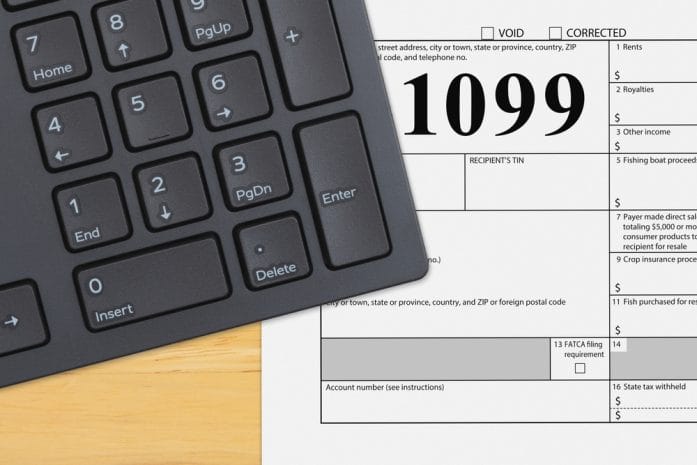
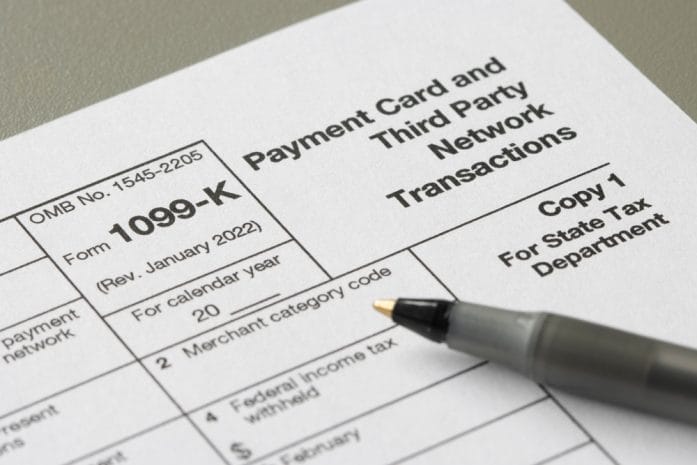
Gig workers often receive Form 1099-NEC or Form 1099-K from platforms or clients. Those forms report income paid to you during the year. Some workers assume that if they do not receive a 1099, they do not need to report the income. That assumption creates serious risk.

The IRS requires you to report all taxable income, even if you do not receive a form. Payment apps and online platforms follow specific reporting thresholds, and those thresholds have changed in recent years. Even if a company does not send you a 1099 because your earnings fall below a reporting limit, you still must include that income on your tax return.

Relying solely on 1099 forms to track your income can also distort your estimated tax calculations. You should track your gross receipts and expenses consistently throughout the year. Waiting for tax documents in January does not help you meet quarterly deadlines that occur long before those forms arrive.

Millions of Gig Workers May Be Missing This Key IRS Requirement

Image source: shutterstock.com

How to Calculate Estimated Taxes Without Losing Your Mind

You do not need to turn into a tax expert overnight, but you do need a plan.

If your income fluctuates significantly, you can adjust your estimated payments each quarter. Gig work often comes with uneven cash flow, so you should review your earnings regularly rather than locking yourself into rigid numbers from January. You can also use accounting software or work with a tax professional who understands self-employment income.

Setting aside a percentage of every payment can simplify the process. Many experienced gig workers automatically move 25 to 30 percent of each deposit into a separate savings account designated for taxes. That habit creates a buffer and prevents the panic that hits when a large quarterly payment comes due.

Deductions: Your Best Friend If You Track Them Properly

Quarterly payments matter, but deductions can dramatically reduce the amount you owe. The IRS allows self-employed individuals to deduct ordinary and necessary business expenses. That includes mileage for business driving, a portion of home office expenses if you meet the requirements, supplies, software subscriptions, marketing costs, and health insurance premiums for self-employed individuals, among others.

Accurate recordkeeping determines whether you can claim those deductions confidently. You should track mileage using a reliable log or app, save receipts for business purchases, and maintain separate accounts for business and personal expenses. If the IRS ever questions your return, organized records will support your claims.

Deductions reduce your net income, which in turn reduces both your income tax and your self-employment tax. That connection makes consistent tracking throughout the year essential. You cannot reconstruct a year’s worth of expenses from memory in March and expect precision.

What Happens If You Ignore This Requirement

The IRS does not send friendly reminders about missed quarterly payments. Instead, it calculates underpayment penalties based on how much you owed and how long you delayed payment. The penalty functions like interest, and it accrues over time. Even if you pay your full balance in April, the IRS can still assess a penalty if you failed to make sufficient quarterly payments.

Repeated noncompliance can also create cash flow chaos. If you owe a large amount at filing time and cannot pay in full, the IRS can impose additional penalties and interest. You can request a payment plan, but that route adds stress and extra cost.

Ignoring estimated taxes does not make the obligation disappear. It simply shifts the burden into the future, where it often grows larger and more disruptive.

Take Control Before the IRS Takes Notice

Gig work offers flexibility and independence, but it also demands discipline. You must treat your tax obligations as a regular business expense, not an afterthought. Mark quarterly deadlines on your calendar, review your income monthly, and set aside money consistently. If you feel overwhelmed, consult a certified public accountant or enrolled agent who specializes in self-employment taxes. A single professional session can save you far more in penalties and missed deductions than it costs.

You built your gig income with effort and persistence. Protect it with the same energy. Estimated taxes do not represent a bureaucratic nuisance; they represent a core responsibility of running your own operation. When you handle them proactively, you gain control and avoid unpleasant surprises.

If you earn income through gig work, when did you last review your estimated tax strategy? It’s time to discuss this very important subject in our comments.

You May Also Like…

Budgeting For Irregular Income: Freelancers And Gig Workers

5 Warning Signs Your “Side Gig” Is Destroying Your Finances

5 Reasons To Talk To Your Kids About Taxes

Can Your Taxes Be Cut In Half By You Simply Incorporating Your Name?

9 Financial Dangers of Ignoring Property Taxes

Brandon Marcus
Brandon Marcus

Brandon Marcus is a writer who has been sharing the written word since a very young age. His interests include sports, history, pop culture, and so much more. When he isn’t writing, he spends his time jogging, drinking coffee, or attempting to read a long book he may never complete.
Filed Under: tax tips Tagged With: 1099, Estimated taxes, freelancers, gig economy, Independent contractors, IRS, Planning, self-employment tax, side hustle, tax compliance, tax penalties, taxes

1099-K Reality Check: Which Payments Are Always Reported

February 16, 2026 by Brandon Marcus Leave a Comment

1099-K Reality Check: Which Payments Are Always Reported

Image source: shutterstock.com

You can ignore a lot of paperwork in life, but you cannot ignore a Form 1099-K.

That form lands in your inbox or mailbox with one clear message: the IRS already knows about this money. The real question is whether you understand which payments triggered it and why. If you sell products online, freelance, drive for a rideshare company, flip concert tickets, or even accept digital payments for a side hustle that started as a hobby, you need a clear-eyed understanding of how 1099-K reporting works. Guessing your way through it invites headaches you do not want in April.

The Platforms That Report No Matter What

Third-party payment networks sit at the center of the 1099-K universe. Companies like PayPal, Venmo, Stripe, Square, and Cash App fall under IRS rules as payment settlement entities when they process payments for goods and services. When you receive money through these platforms for business activity, they track your gross payments and report them to the IRS using Form 1099-K if you meet the applicable federal threshold for that year.

If a platform processes payments for goods or services and you cross the reporting threshold, that company will issue a 1099-K and send the same information to the IRS. You do not get a vote in that process. The system runs automatically, and the IRS computers match forms against tax returns.

1099-K Reality Check: Which Payments Are Always Reported

Image source: shutterstock.com

Business Transactions Count, Personal Payments Do Not

Here is where confusion explodes. Not every digital payment triggers reporting. The IRS cares about payments for goods and services. When someone pays you for a product you sold, a service you performed, or gig work you completed, that payment counts as business income. If the total hits the reporting threshold, the platform reports it.

Personal payments sit in a different category. If your roommate reimburses you for rent or your friend sends money for dinner through a personal transfer labeled correctly as non-business, those transfers do not count toward 1099-K reporting. Payment platforms now ask users to designate whether a transaction involves goods and services or personal transfers. That distinction matters because platforms treat those categories differently.

However, you cannot play games with labels. If you sell custom artwork and mark those payments as personal transfers to avoid fees or reporting, you create a problem for yourself. The IRS focuses on the substance of the transaction, not the emoji in the memo line.

Gross Payments Get Reported, Not Profit

This part catches people off guard. Form 1099-K reports gross payment amounts. That number does not subtract fees, refunds, shipping costs, or chargebacks. If you run an online shop and process $20,000 in sales but pay $3,000 in platform fees and issue $2,000 in refunds, your 1099-K may still show the full $20,000 in gross payments.

You need to track your expenses carefully so you can report your true net income. The IRS expects your reported gross receipts to match or reasonably align with the total shown on your 1099-K. If your tax return shows dramatically less income without explanation, IRS systems may flag that discrepancy.

Smart recordkeeping solves this problem before it starts. Keep detailed records of fees, refunds, cost of goods sold, shipping expenses, and other legitimate deductions. When tax time arrives, you can reconcile your books to your 1099-K and explain any differences with confidence.

Your Game Plan for Staying Ahead

You do not need to fear Form 1099-K, but you do need a strategy. First, separate personal and business transactions clearly. Open a dedicated business account or payment profile for your side hustle or freelance work. That separation keeps your records clean and makes tax preparation far less chaotic.

Second, track your income and expenses monthly rather than scrambling in March. Use accounting software, a spreadsheet, or even a meticulous notebook, but choose a system and stick with it. Reconcile your records with platform statements so you understand exactly how much gross income you received and what expenses reduce your taxable profit.

Third, consider making estimated tax payments if you earn significant non-wage income. The IRS expects quarterly payments when you do not have enough withholding from a traditional paycheck. Planning for those payments prevents underpayment penalties and the shock of a large bill in April.

The Bottom Line on 1099-K Reporting

Form 1099-K does not exist to surprise you; it exists to document payments that platforms process on your behalf for goods and services. When you cross the applicable reporting threshold, those payments get reported to the IRS whether you feel ready or not. Gross amounts appear on the form, and you must reconcile them with your actual income and deductions.

Clarity beats anxiety every time. If you run a side hustle, sell through online marketplaces, or accept digital payments for services, treat your activity like a real business from day one. Keep records, understand the rules, and review IRS updates each year because thresholds and guidance can evolve. When you know which payments always get reported and why, you stay in control of your tax story instead of reacting to it.

Are you tracking your digital payments closely enough to feel confident when that 1099-K shows up? If you have some helpful tax tips for others, make sure that you share them in our comments below.

You May Also Like…

State 1099-K Rules Still Create Reporting Confusion

IRS 1099-K Rules in 2026: Who Must Report Payments This Year

The One Line on Your 1099 That Can Ruin Everything

6 Advanced Techniques to Lower Your Capital Gains Taxes Legally

Can Your Taxes Be Cut In Half By You Simply Incorporating Your Name?

Brandon Marcus
Brandon Marcus

Brandon Marcus is a writer who has been sharing the written word since a very young age. His interests include sports, history, pop culture, and so much more. When he isn’t writing, he spends his time jogging, drinking coffee, or attempting to read a long book he may never complete.

Filed Under: tax tips Tagged With: 1099-K, digital payments, e-commerce taxes, gig economy, IRS reporting rules, online payments, PayPal taxes, side hustle income, small business taxes, tax reporting thresholds, third-party payment networks, Venmo taxes

State 1099-K Rules Still Create Reporting Confusion

February 14, 2026 by Brandon Marcus Leave a Comment

State 1099-K Rules Still Create Reporting Confusion

Image source: shutterstock.com

Have you ever stared at a 1099‑K form and wondered if someone slipped it into your mailbox as a prank? If tax paperwork ever felt like a cryptic puzzle where every state speaks a slightly different language, you’re not alone.

The whole world of Form 1099‑K has become a plot twist in the tax code that’s equal parts frustrating and fascinating. Across the country, rules about when and why these forms get issued still confuse folks even after federal changes aimed at simplifying things. Some of that confusion rustles up from the IRS rulebook, some from quirky state-level add‑ons, and some from the fact that payment platforms follow a patchwork of thresholds depending on where you live and what you do.

When Federal Rules Change, But Then Change Again

IRS rule changes have shaken the 1099‑K world like a snow globe in a blender. For a time, the plan was to drop the reporting threshold so low that even modest side hustles might trigger a form. But after debate and delay, Congress stepped in and hit the rewind button. Under current federal law, third‑party settlement organizations — that means platforms like PayPal, Venmo, Etsy, and others — generally don’t have to issue a 1099‑K unless you process more than $20,000 in gross payments and have more than 200 transactions in a calendar year. That’s the classic rule we used for years before lawmakers started tinkering.

This high bar was meant to reduce unnecessary tax friction for casual sellers who only do a handful of sales or get occasional payments from friends or customers. On the surface, it sounds simple: only the big volumes get reported. But that’s where complications sneak in, because federal rules aren’t the whole story.

States That Don’t Stay in Line

Now imagine you live in one state that says “Hey, keep an eye on those $600 payments!” while the IRS looks for $20,000. That’s reality for many taxpayers across the U.S. Several states set their own 1099‑K reporting thresholds and require platforms to generate forms for state tax agencies if a seller’s payments exceed a much lower number. These state rules can pick up sellers who wouldn’t hit the federal standard at all.

For example, a handful of states require 1099‑Ks for gross payments of just $600 in a year. This creates a weird situation. A platform might send you a 1099‑K because your state’s government wants to see it, even when federal rules wouldn’t require that form at all. If you live in one of these jurisdictions and do a modest amount of selling or gig work, you might open your mail and find a tax form you didn’t expect. That’s not because you did something wrong, it’s because your state and the IRS are speaking different threshold languages.

Why Platforms Play By State Rules

You might assume payment platforms simply follow federal tax codes and that’s it. That would sure make life easier. In reality, these companies must follow both federal and state laws. They figure out what to report based on the address they have on file for you and the set of rules that applies there. As a result, two sellers doing the exact same thing might receive very different tax paperwork just because one lives in a state with a lower 1099‑K trigger.

This system also means you could receive multiple 1099‑K forms from different platforms if you use more than one — and each of those forms could have different numbers on them because they report gross payments before fees, refunds, or other adjustments. That’s another piece of the confusion puzzle.

What You Really Owe Isn’t Determined by the Threshold

Whether or not a 1099‑K form arrives in your mailbox does not change your obligation to report income. The IRS expects you to report all taxable income regardless of whether the third‑party platform sent you a 1099‑K.

So even if you don’t hit a federal or state threshold that triggers a form, you still have to report what you’ve earned when you file your taxes. That’s true for side hustlers, freelancers, and small‑business owners alike.

The Maze of Tax Rules

1099‑K rules aren’t inherently evil, but they sure didn’t emerge fully baked. Federal and state thresholds don’t always align, platforms don’t always give clear guidance, and gross reporting often bears little resemblance to your real take‑home profit. All that leads to confusion that could have been avoided with clearer guidance and more uniform standards.

If you do work that generates payments through online platforms, keep these tips in mind. Track your income and expenses meticulously, don’t assume a missing 1099‑K means you don’t owe taxes on that income, and check both federal and your state’s specific reporting thresholds so you know what to expect. When in doubt, talk to a tax professional who’s up to date on both federal changes and your state’s quirks.

State 1099-K Rules Still Create Reporting Confusion

Image source: shutterstock.com

Not a Game Show, But You Can Win

Tax rules aren’t a carnival ride, but understanding them can feel like decoding secret levels in a video game. Don’t let unexpected 1099‑Ks or state rules blindside you. Stay organized, know your thresholds, and treat every dollar you earn like it deserves respect.

Have you ever received a 1099‑K that didn’t make sense to you? What did you do about it? Let us know in the comments.

You May Also Like…

IRS 1099-K Rules in 2026: Who Must Report Payments This Year

The One Line on Your 1099 That Can Ruin Everything

9 Side Hustles That Sound Great but Are a Complete Waste of Your Time

Generate Extra Monthly Cash Flow Starting With These Side Hustle Ideas

Income Threshold: 4 Hidden Taxes That Hit Once You Cross Certain Limits

Brandon Marcus
Brandon Marcus

Brandon Marcus is a writer who has been sharing the written word since a very young age. His interests include sports, history, pop culture, and so much more. When he isn’t writing, he spends his time jogging, drinking coffee, or attempting to read a long book he may never complete.

Filed Under: Tax Planning Tagged With: 1099-K, federal tax, gig economy, IRS, payment apps, payment processors, PayPal, Small business, state tax rules, tax compliance, tax confusion, tax reporting, tax thresholds, Venmo

Why Do So Many People Feel One Bill Away From Trouble

January 11, 2026 by Brandon Marcus Leave a Comment

Why Do So Many People Feel One Bill Away From Trouble

Image Source: Shutterstock.com

Life can feel like walking a tightrope over a pit of uncertainty, and for millions, one wrong step—or one unexpected bill—can send everything tumbling. You might think financial stability is about earning more or spending less, but the reality is far more complicated. People live paycheck to paycheck, sometimes not by choice, but because the system seems rigged against them. Even those with decent jobs often feel like they’re balancing on a knife’s edge, one car repair or medical bill away from chaos.

So, why does it feel like so many people are perpetually one bill away from disaster? The answer lies in a mix of modern lifestyle pressures, systemic challenges, and human psychology that creates a perfect storm of financial vulnerability.

The Rising Cost Of Everyday Life

Inflation isn’t just a buzzword economists throw around—it’s a daily reality for everyone reaching for a grocery cart or paying a rent check. Essentials like housing, healthcare, and food have been rising faster than wages for decades. Many people find themselves constantly adjusting, cutting corners, or delaying bills just to make it through the month. This creates a fragile financial ecosystem where a single unexpected expense—a broken fridge, a flat tire, or a sudden medical need—can tip the balance.

Even small setbacks feel monumental because there’s little cushion to absorb the shock. The rising cost of living isn’t just numbers on a page; it’s a pressure cooker that makes everyday life feel like walking on a financial tightrope.

Credit Cards And Debt Are A Double-Edged Sword

For decades, credit cards have promised convenience and freedom—but they often deliver stress instead. People lean on plastic to pay for essentials, emergencies, or the occasional treat, thinking they’ll pay it off later. Yet, high-interest rates and compounding debt mean those temporary solutions often become permanent burdens. The result? A cycle where bills get paid with borrowed money, interest piles up, and financial security feels like an impossible dream.

Debt can feel invisible until it isn’t, and suddenly, you’re one bill behind, scrambling to keep the lights on and the rent paid. While credit can be a useful tool, it often serves as a reminder that many are living on borrowed time—and borrowed money.

Job Instability And The Gig Economy

The old model of a steady nine-to-five job with benefits is vanishing, replaced by contract work, gig roles, and temporary positions. This shift offers flexibility, sure—but it also brings uncertainty. Paychecks fluctuate, hours disappear, and benefits are often nonexistent. Without predictable income, people can feel like they’re running on a treadmill with no finish line. One missed payment, one unexpected expense, and suddenly, the financial house of cards starts to wobble. Job instability isn’t just stressful—it creates a constant sense of being “one bill away” from trouble, no matter how careful someone is with their money. The modern economy may be dynamic, but it’s also unforgiving for anyone without a robust safety net.

Unexpected Emergencies Strike Hard

Life doesn’t send warnings before it hits you with the unexpected. A medical crisis, a car accident, or even a plumbing disaster can instantly drain savings that took years to build. Most people underestimate the likelihood and cost of emergencies, and even those with an emergency fund may find it insufficient when catastrophe strikes.

The shock of sudden expenses compounds anxiety, leaving people scrambling to find solutions and juggling bills in creative—and sometimes risky—ways. Emergencies are inevitable, but financial systems and personal circumstances often leave people vulnerable, perpetuating that nerve-racking feeling of being just one bill away from serious trouble.

Why Do So Many People Feel One Bill Away From Trouble

Image Source: Shutterstock.com

Human Psychology And Financial Stress

Our brains are wired to react strongly to scarcity and uncertainty, and money is a major trigger. Living paycheck to paycheck triggers stress responses similar to running from a predator: constant vigilance, anxiety, and a focus on immediate survival over long-term planning. This psychological load makes every decision feel higher stakes, every bill feel monumental, and every unexpected expense a potential disaster. Financial stress doesn’t just hurt bank accounts—it erodes mental health, relationships, and decision-making. The combination of external pressures and internal reactions explains why many people feel trapped, even when their numbers might seem manageable on paper.

Societal Pressures And Lifestyle Inflation

From social media to neighborhood norms, societal expectations push people to spend more than they earn. Vacations, electronics, cars, and even dining habits are often influenced by comparisons, creating subtle pressure to maintain a lifestyle that exceeds one’s means. Lifestyle inflation—where income rises but spending rises faster—traps many in a loop of appearing comfortable while actually living on the edge. The desire to keep up can outweigh financial prudence, leaving people one unexpected expense away from a financial emergency. Society constantly nudges us toward consumption, making the balancing act even trickier for anyone without a substantial buffer.

Building Resilience And Breaking The Cycle

Feeling like you’re one bill away from trouble isn’t inevitable. Awareness, planning, and small but consistent financial habits can provide a sense of control and security. Emergency funds, budgeting, and debt management are crucial tools, but so is shifting the mindset around money—thinking long-term, prioritizing essentials, and questioning societal pressures.

Policy solutions like affordable healthcare, fair wages, and accessible credit also play a huge role, highlighting that personal responsibility and systemic change must work hand in hand. Understanding why people feel perpetually vulnerable is the first step toward empowerment and, eventually, peace of mind.

Your Turn To Reflect

Money worries are universal, but every person’s story is unique. Whether it’s a car repair that nearly derailed the month, a medical bill that hit out of nowhere, or juggling debt that never seems to shrink, these experiences shape how we approach financial security.

How do you navigate being one step away from a financial emergency? What strategies, lessons, or surprises have you discovered along the way? Drop your thoughts and experiences in the comments below, and let’s explore together what it really means to feel secure in a world where one bill can change everything.

You May Also Like…

7 Monthly Bills That Keep Rising Even When You Use Less

When Your Parents Take Your Paycheck: 6 Signs You’re Being Emotionally Manipulated

Why You Should Never, Ever Skip Paying Your Bills

Tax Surge: 4 Income Types That Trigger Hidden Tax Bills

7 Silent Money Traps in Monthly Bills


Brandon Marcus
Brandon Marcus

Brandon Marcus is a writer who has been sharing the written word since a very young age. His interests include sports, history, pop culture, and so much more. When he isn’t writing, he spends his time jogging, drinking coffee, or attempting to read a long book he may never complete.

Filed Under: Lifestyle Tagged With: bills, Cost of living, everyday spending, family issues, family money, gig economy, job, job instability, Life, Lifestyle, living paycheck to paycheck, money issues, paycheck to paycheck, paying bills, rising costs, saving money, Smart Spending, spending

7 Reasons Why Gen Z Isn’t Saving Money

January 9, 2026 by Brandon Marcus Leave a Comment

Here Are 7 Reasons Why Gen Z Isn't Saving Money

Image Source: Shutterstock.com

Gen Z is often painted as a generation glued to their screens, addicted to avocado toast, and more interested in experiences than finances—but is that really the whole story?

The truth is, saving money isn’t just about willpower; it’s about the world we live in, the pressures we face, and the financial landscape that can feel more like a rollercoaster than a gentle ride.

From skyrocketing living costs to the lure of instant gratification, there’s a wild mix of reasons why so many Gen Zers struggle to stash away cash. Let’s talk about the seven biggest culprits behind this modern money mystery, and maybe, just maybe, we’ll spot a few ways to make saving a little less painful—and a lot more realistic.

1. Sky-High Student Loan Debt Crushes Budgets

Student loans aren’t just numbers on a page—they’re a daily weight on Gen Z’s financial shoulders. Many young adults are leaving college with tens of thousands of dollars in debt, which often means juggling minimum payments, interest rates, and the constant anxiety of “how long will this take to pay off?” When your income barely covers rent, groceries, and the occasional night out, saving anything extra can feel impossible.

Unlike past generations who might have bought a first home straight out of college, Gen Z often has to think in terms of debt-first, then life. Even when they try to budget, these loans dominate their financial decisions, leaving saving in the backseat. It’s like running a marathon while carrying a backpack full of bricks.

2. The Cost Of Living Keeps Rising Faster Than Paychecks

Rent, groceries, gas, healthcare—everything seems to have its price tag skyrocketing. While inflation is constantly in the news, for Gen Z, it’s not just a headline; it’s reality. Wages for entry-level jobs haven’t kept pace with these increases, creating a frustrating gap between what’s earned and what’s needed to survive. Many young adults are forced to prioritize basic expenses over emergency funds or retirement accounts. Even a small amount of discretionary income can evaporate the moment a utility bill spikes or a car needs repairs. It’s not that Gen Z doesn’t want to save—they just have to survive first. And let’s be honest: surviving in this economy is exhausting.

3. Social Media Temptations Are Relentless

Scrolling through Instagram or TikTok often feels like wandering through a shopping mall designed to make your wallet cry. Influencers flaunt the latest fashion drops, tech gadgets, or exotic trips, and suddenly your “just browsing” session turns into a list of things you need now. FOMO—fear of missing out—is real, and for many Gen Zers, it’s a powerful motivator to spend rather than save.

Even with the best intentions, the constant bombardment of “must-haves” can make saving seem less important than keeping up. The pressure to maintain a curated, stylish lifestyle online doesn’t pay off in your bank account, but it sure affects your spending habits.

Here Are 7 Reasons Why Gen Z Isn't Saving Money

Image Source: Shutterstock.com

4. Gig Economy Jobs Offer Flexibility But Not Stability

Freelance work, delivery apps, and part-time gigs dominate the job market for many young adults. While these opportunities offer incredible flexibility and independence, they rarely come with benefits like health insurance, retirement plans, or predictable paychecks. This financial instability makes it hard to plan for the future. Saving for emergencies—or anything beyond tomorrow’s bills—becomes a challenge when income fluctuates week to week.

Many Gen Zers are living paycheck to paycheck, balancing multiple gigs just to make ends meet. In this context, putting money aside can feel like trying to build a sandcastle in a storm.

5. Minimal Financial Education Leaves Many Clueless

School teaches algebra, history, and biology—but often skips personal finance entirely. As a result, Gen Z enters adulthood without a strong foundation in budgeting, investing, or managing debt. Compound interest? Retirement accounts? Many concepts sound intimidating or irrelevant until the bills pile up. Without guidance, it’s easy to fall into the trap of “spend now, figure it out later.” Some young adults avoid dealing with money altogether because it feels stressful, confusing, or overwhelming.

The irony is that even small steps—like opening a savings account or automating deposits—can make a huge difference. But if you don’t know where to start, taking that first step can feel impossible.

6. Mental Health And Stress Affect Spending Decisions

Money stress and mental health are closely intertwined. Anxiety, depression, or burnout can lead to impulsive spending as a coping mechanism, making saving seem like a distant dream. Treating yourself can feel necessary when life is overwhelming, whether it’s ordering takeout, buying a trendy gadget, or splurging on a streaming service. Gen Z is more open about discussing mental health than previous generations, which is great—but it also means recognizing that financial habits are deeply connected to emotional well-being. When stress drives spending, saving becomes an uphill battle. In this sense, financial struggles are not just practical—they’re personal.

7. The Allure Of Instant Gratification Is Hard To Resist

Let’s face it: apps make buying things as easy as tapping a button. From one-click shopping to digital subscriptions, the temptation to spend is immediate and constant. Saving requires patience and planning, two things that are increasingly at odds with a culture built on instant results. Gen Z grew up in a world where Netflix, social media, and online shopping deliver satisfaction immediately, which makes waiting for future rewards challenging. This is not laziness—it’s adaptation to a digital ecosystem designed to be irresistible. Learning to delay gratification is a skill that many are still developing while navigating student loans, living costs, and social pressure.

Money Challenges Are Real, But Not Hopeless

Gen Z isn’t failing at saving because they’re careless or immature; they’re navigating a complex web of debt, living costs, social pressures, and a constantly shifting job market. Understanding the obstacles is the first step to overcoming them. Some may find creative solutions, like side hustles, budgeting apps, or investing early—even if it’s just a little at a time. Others may take comfort in the fact that they’re not alone, and that financial literacy and good habits can grow with time.

What are your experiences with saving money in today’s world? Leave your thoughts or stories in the comments below—we’d love to hear how you’re navigating this financial maze.

You May Also Like…

7 Tech Products Gen Z Can’t Live Without — That Are Actually Downgrades

9 Gen Z Fashion Obsessions Millennials Don’t Get at All

6 Ways Travel Is Quietly Transforming for Millennials and Gen Z

5 Ways The New Year Gets In The Way Of Saving Money

Savings Sprint: 9 Ways to Catch Up on Retirement Savings Before December Ends

Brandon Marcus
Brandon Marcus

Brandon Marcus is a writer who has been sharing the written word since a very young age. His interests include sports, history, pop culture, and so much more. When he isn’t writing, he spends his time jogging, drinking coffee, or attempting to read a long book he may never complete.

Filed Under: saving money Tagged With: baby boomers, banking, Boomers, Cost of living, Debt, gen z, Generation Differences, generational changes, generational insight, gig economy, Money, money issues, Saving, saving money, savings account, student debt, student loans

Tax Surge: 4 Income Types That Trigger Hidden Tax Bills

December 28, 2025 by Brandon Marcus Leave a Comment

Tax Surge: 4 Income Types That Trigger Hidden Tax Bills

Image Source: Shutterstock.com

Money feels great when it lands in your account — until the tax bill shows up like an uninvited guest who knows exactly how much you made and wants a cut. One of the biggest financial surprises people face isn’t earning more money, but realizing that not all income is treated the same by the tax system. Some income types quietly trigger extra taxes, phaseouts, penalties, or reporting rules that most people never see coming.

These hidden tax traps don’t just affect the ultra-wealthy; they quietly snag freelancers, retirees, investors, and side hustlers every year.

1. Investment Income That Quietly Raises Your Tax Rate

Investment income often feels passive, but the tax system treats it like an active participant in your financial life. Capital gains, dividends, and interest can push your total income higher, sometimes triggering higher marginal tax brackets without you realizing it. Long-term capital gains are taxed differently than ordinary income, but they can still cause other benefits or credits to phase out. Investment income can also trigger the Net Investment Income Tax, an extra 3.8% levy many people don’t realize applies once certain income thresholds are crossed. Even reinvested dividends — money you never actually touched — can still generate a tax bill that sneaks up on you.

2. Side Hustle And Gig Income That Comes With Surprise Self-Employment Taxes

That side hustle money feels especially sweet because it’s often earned on your own terms, but it comes with tax strings attached. Unlike a traditional job, side income usually doesn’t have taxes withheld automatically, meaning the IRS expects you to pay both income tax and self-employment tax. Many people are shocked to learn they owe quarterly estimated payments instead of settling up once a year. What starts as a fun side project can quietly become a tax headache if planning doesn’t keep pace with profits.

3. Retirement Income That Isn’t As Tax-Free As It Sounds

Retirement income often carries the illusion of simplicity, but the tax reality can be surprisingly complex. Traditional 401(k) and IRA withdrawals are taxed as ordinary income, which can push retirees into higher tax brackets than expected. Social Security benefits can also become partially taxable depending on your total income, a twist that catches many retirees off guard. Required Minimum Distributions can force withdrawals even when the money isn’t needed, creating taxable income by mandate rather than choice. What feels like a stable retirement paycheck can quietly reshape your entire tax picture.

Tax Surge: 4 Income Types That Trigger Hidden Tax Bills

Image Source: Shutterstock.com

4. Windfalls And One-Time Payments That Trigger Unexpected Consequences

Bonuses, legal settlements, severance packages, and even forgiven debt often come with tax implications that aren’t obvious at first glance. These lump sums can push income temporarily into a higher tax bracket, increasing the rate applied to part of your earnings. Certain payments may also reduce deductions, credits, or healthcare subsidies tied to income thresholds. What feels like a financial win can become a tax maze without careful planning.

The Hidden Side Of “Extra” Money

Understanding how different income types interact with tax rules can help prevent unpleasant surprises and allow smarter financial decisions year-round. Whether it’s investments, side gigs, retirement funds, or one-time windfalls, knowledge turns confusion into control.

If you’ve ever been surprised by a tax bill or learned a lesson the hard way, we’d love to hear your thoughts or experiences in the comments below.

You May Also Like…

Income Stream: 5 Unexpected Income Sources Retirees Are Trying This Winter

Income Pivot: 8 Income Streams Retirees Are Adding Before Rates Change Again

13 Intriguing Ideas for Generating Passive Rental Income Streams

7 Income Streams You’d Laugh At—Until They Out-earned Your Salary

6 Income Sources People Don’t Try But Should


Brandon Marcus
Brandon Marcus

Brandon Marcus is a writer who has been sharing the written word since a very young age. His interests include sports, history, pop culture, and so much more. When he isn’t writing, he spends his time jogging, drinking coffee, or attempting to read a long book he may never complete.
Filed Under: tax tips Tagged With: gig economy, Income, income stream, income types, invest, investing, Investment, investments, multiple income stream, retire, Retirement, retirement account, side hustle, side hustles, Tax, tax tips, taxes, windfalls

9 Side Hustles That Sound Great but Are a Complete Waste of Your Time

December 8, 2025 by Brandon Marcus Leave a Comment

Some Side Hustles That Sound Great but Are a Complete Waste of Your Time

Image Source: Shutterstock.com

Making extra money on the side has become the ultimate goal for many, especially when rent is high, student loans are lurking, and avocado toast seems more like a necessity than a luxury. The internet is overflowing with “brilliant” side hustles that promise big paychecks with little effort, but the reality? Some of them are downright traps. You might start full of hope and end up frustrated, exhausted, or worse—losing more money than you earn.

While a few side hustles are legitimate goldmines, others are basically modern myths designed to make you think you’re hustling while you’re really spinning your wheels. Here’s a roundup of nine side hustles that sound amazing but will probably waste your time.

1. Flipping Low-Quality Items On Online Marketplaces

Flipping items online seems simple: buy cheap, sell high, and pocket the difference. In reality, hunting for bargains, listing products, taking photos, and waiting for buyers can be exhausting. Many items simply don’t sell, and shipping costs eat into your profits faster than you can calculate. On top of that, dealing with returns, complaints, and scammers can make the process feel like a part-time customer service nightmare. Unless you have an eye for rare collectibles or high-demand goods, this hustle often ends up costing more time and stress than it’s worth.

2. Taking Online Surveys For Cash

Online surveys are pitched as an easy way to earn money while lounging on your couch. The catch? Each survey pays so little that your hourly rate is barely above zero. Many platforms require you to qualify for surveys, which wastes even more time, and some surveys get disqualified after you’ve spent 20 minutes filling them out. You’ll rarely get a payout fast, and some platforms have high minimum thresholds before you can cash out. Essentially, you’re working for pennies when your time could be invested in higher-value side hustles.

3. Mystery Shopping Adventures

Mystery shopping is often marketed as glamorous—get paid to shop, dine, or visit places and report back. In reality, reimbursements rarely cover your costs, and the promised “full payment” is often delayed or conditional. You’re basically running errands for companies without true compensation, and many tasks require strict documentation that can be frustrating to collect. Travel, time, and effort all stack up while your bank account barely sees any benefit. Unless you truly enjoy window-shopping for free and can stomach slow payments, it’s a side hustle that’s more hassle than reward.

4. Selling Your Crafts On Handmade Marketplaces

If you’re creative, selling your crafts might seem like a dream hustle—turning hobbies into income. The challenge is that handmade marketplaces are oversaturated, meaning even high-quality items can get lost among thousands of listings. Fees and commissions from the platform eat into your profit margins, and marketing yourself requires a completely separate skill set. Customers expect custom work and fast shipping, which can make your creative hobby feel more like a full-time job. Many artists find that the time spent managing an online shop outweighs the money they actually make.

5. Participating In Affiliate Marketing Without An Audience

Affiliate marketing promises passive income by promoting products and earning a commission. It sounds simple until you realize that without a large, engaged audience, your links won’t generate clicks—or commissions. Building that audience takes months or years of consistent content creation and promotion, which is far more work than people initially expect. Some affiliates also run into niche saturation, where competition is stiff and profits are minimal. Without a strategic platform or loyal followers, you’re essentially shouting into the void with no reward.

6. Teaching Classes On Random Skill Platforms

Online teaching platforms tempt you with the idea that your knowledge can earn money on autopilot. But you’ll soon find out that attracting students requires marketing, scheduling, and responding to endless inquiries. Platforms also take a substantial cut of your earnings, and competition is fierce, especially in common subjects. Time spent filming videos, prepping lessons, and troubleshooting tech issues can quickly outpace the money earned. Unless you already have a built-in audience or a truly unique skill, this hustle can feel more like busy work than a profitable venture.

Some Side Hustles That Sound Great but Are a Complete Waste of Your Time

Image Source: Shutterstock.com

7. Becoming A Social Media Influencer Overnight

Everyone dreams of the influencer lifestyle: sponsorships, free products, and a flood of followers. The reality is brutal: building an engaged following takes years, consistent content creation, and heavy marketing savvy. Algorithms constantly change, engagement can plummet overnight, and brands are picky about who they collaborate with. Many hopeful influencers burn out before they see any return on investment. If your plan is to become an overnight sensation, you’ll likely end up frustrated, broke, and exhausted.

8. Participating In Focus Groups That Pay In Vouchers

Focus groups sound enticing—you share opinions and get paid. But most only pay in store credits, gift cards, or points that may never match your effort. Scheduling conflicts and limited spots make participation inconsistent, and some companies even cancel at the last minute. Travel or time spent preparing reports can outweigh any tangible benefit, leaving you feeling like you worked for free. In the end, focus groups often feel like a time-consuming chore masquerading as a fun side gig.

9. Dropshipping From Overseas Suppliers

Dropshipping is pitched as a low-effort e-commerce goldmine: sell products without ever handling inventory. Unfortunately, shipping times, supplier errors, and customer complaints can make this model a logistical nightmare. Margins are razor-thin, and competition is fierce, which means your advertising costs can swallow profits whole. Returns, refunds, and delayed shipments add stress that far outweighs the “hands-off” appeal. Many people start dropshipping thinking they’ll make a quick fortune and end up learning harsh lessons about effort, patience, and marketing skills.

Know Where Your Time Goes

Side hustles can be a fantastic way to earn extra cash, but not every opportunity is worth chasing. The nine hustles outlined here might look enticing online, but in reality, they often drain your energy, time, and sometimes even your money. The key is to be realistic about the work required versus the reward. True side hustles that generate meaningful income require strategy, effort, and sometimes a little bit of luck—but they should never make you feel trapped or endlessly frustrated.

Have you tried any of these hustles? Share your experiences, horror stories, or wins in the comments section below.

You May Also Like…

7 Side Hustles Compatible with a Slower Pace

Generate Extra Monthly Cash Flow Starting With These Side Hustle Ideas

10 Financial Risks of Starting a Side Hustle Too Quickly

Side Hustles That Look Legit—Until They Break Tax Laws

How to Transition From Full-Time Work to ‘Semi-Retirement’ Smoothly

Brandon Marcus
Brandon Marcus

Brandon Marcus is a writer who has been sharing the written word since a very young age. His interests include sports, history, pop culture, and so much more. When he isn’t writing, he spends his time jogging, drinking coffee, or attempting to read a long book he may never complete.

Filed Under: side hustles Tagged With: affiliate marketing, dropshipping, employment, focus groups, gig economy, hustle culture, job, job search, jobs, mystery shopping, online classes, online jobs, parttime work, selling crafts, side gig, side hustle, side hustles, Social media, social media influencer, teacher, teaching, waste of time, work

The Gig Economy Tax Nightmare: Why So Many Freelancers End Up Owing the IRS

October 30, 2025 by Travis Campbell Leave a Comment

taxes

Image source: shutterstock.com

The gig economy continues to grow rapidly as more people choose to work as freelancers. Flexible hours and the chance to be your own boss are appealing. Freelancers discover a surprising truth about taxes when they need to file their taxes. The gig economy tax nightmare is real, and it’s catching thousands of independent workers off guard. Freelancers who work independently will often discover they need to pay the IRS more than their initial estimates, which can result in substantial additional amounts.

Why does this happen? The situation resulted from a combination of public confusion, insufficient preparation, and complex tax regulations. The following explanation identifies the primary reasons gig workers face tax issues, helping you avoid these common mistakes.

1. No Taxes Withheld Upfront

Traditional employees have federal and state taxes withheld from every paycheck. Freelancers, on the other hand, usually receive the full amount for every job. Platforms like Uber, DoorDash, or Upwork don’t automatically deduct taxes. That means it’s up to you to set money aside for the IRS. This is a core part of the gig economy tax nightmare. It’s easy to forget, and even easier to spend the money you should be saving for taxes. Many freelancers don’t realize the IRS expects them to pay quarterly. By the time April comes, the tax bill can be overwhelming.

2. Misunderstanding Self-Employment Tax

Gig workers are considered self-employed. This means you’re responsible for both the employer and employee portions of Social Security and Medicare taxes. That’s a total of 15.3% on top of your regular income tax. Many freelancers focus only on income tax and forget about self-employment tax. The result? They seriously underestimate how much they owe. When the IRS calculates the full amount, the bill can be hundreds or even thousands of dollars more than expected.

3. Inconsistent Income Makes Planning Hard

Unlike a steady paycheck, gig work income can fluctuate from month to month. Some months are great, others are slow. This makes it hard to predict how much to set aside for taxes. Many freelancers guess or wait until the end of the year to figure it out. But the IRS doesn’t care if your income is unpredictable. If you don’t make estimated payments on time, you could get hit with penalties and interest. This unpredictability is a major part of the gig-economy tax nightmare for many independent workers.

4. Overlooking Deductible Expenses

Freelancers can deduct business expenses, which lowers taxable income. But many gig workers don’t track these costs or don’t realize what counts as a deductible expense. Missed deductions mean you pay more tax than necessary. Common expenses include mileage, supplies, home office costs, and even part of your phone bill. Not keeping good records or not knowing the rules means you leave money on the table—and that’s money that could help cover your tax bill.

5. Confusion Over 1099 Forms and Reporting

Freelancers often receive multiple 1099-NEC or 1099-K forms from clients and platforms. Some income might not be reported at all if it’s under $600, but you’re still legally required to report it. Many gig workers don’t realize this and fail to include all their earnings. The IRS gets copies of those forms, and mismatches can trigger audits or penalties. This confusion adds to the gig economy tax nightmare and makes tax time stressful for freelancers.

6. Not Making Estimated Quarterly Tax Payments

The IRS expects self-employed workers to pay taxes throughout the year, not just in April. If you owe more than $1,000 in taxes, you’re supposed to make estimated payments quarterly. Many freelancers skip this step, either because they don’t know about it or because cash flow is tight. Missing these payments can lead to penalties and interest. By the time you file your tax return, you may owe a lot more than just your original tax bill. This is a painful surprise for many in the gig economy.

7. State and Local Taxes Are Easy to Forget

Federal taxes are only part of the story. Many states also require estimated payments or have their own tax rules for freelancers. Some cities and counties also impose business taxes or licenses. If you don’t keep up, you could owe back taxes at the state or local level as well.

Staying on top of all these requirements is tough, especially if you work gigs in multiple states. This adds another layer to the gig economy tax nightmare, making it even more complicated for freelancers to stay compliant.

How to Tame the Gig Economy Tax Nightmare

The gig economy tax nightmare doesn’t have to be inevitable. Most financial experts recommend reserving a portion of each payment for taxes, typically 25% to 30%. Use a separate savings account if possible. Every business expense needs to be tracked, regardless of size, and all receipts should be stored either digitally or physically. You should make quarterly payments to both the IRS and your state government, even though your income levels change throughout the year. You should use a tax professional or reputable tax software when you are unsure about tax rules or payment amounts.

The gig economy offers people independence, but they must handle all the responsibilities that come with it. Freelancers who understand the tax rules for their work can plan their finances to avoid unexpected tax bills, which often leave gig economy workers owing money to the IRS.

Have you experienced a gig economy tax nightmare? What specific actions have you taken to prevent tax problems when working as a freelancer? Share your story in the comments!

What to Read Next…

  • 5 Account Transfers That Unexpectedly Trigger IRS Penalties
  • 7 Ill Advised Advisor Tips That Trigger IRS Audits
  • 9 Mistakes That Turned Wealth Transfers Into IRS Nightmares
  • What Tax Preparers Aren’t Warning Pre Retirees About in 2025
  • 6 Tax Breaks That Vanished Before Anyone Noticed
Travis Campbell
Travis Campbell

Travis Campbell is a digital marketer/developer with over 10 years of experience and a writer for over 6 years. He holds a degree in E-commerce and likes to share life advice he’s learned over the years. Travis loves spending time on the golf course or at the gym when he’s not working.

Filed Under: Tax Planning Tagged With: 1099, freelancers, gig economy, IRS, Self-employment, tax planning, taxes

  • 1
  • 2
  • Next Page »

FOLLOW US

Search this site:

Recent Posts

  • Can My Savings Account Affect My Financial Aid? by Tamila McDonald
  • 12 Ways Gen X’s Views Clash with Millennials… by Tamila McDonald
  • What Advantages and Disadvantages Are There To… by Jacob Sensiba
  • 10 Tactics for Building an Emergency Fund from Scratch by Vanessa Bermudez
  • Call 911: Go To the Emergency Room Immediately If… by Stephen Kanaval
  • 7 Weird Things You Can Sell Online by Tamila McDonald
  • 10 Scary Facts About DriveTime by Tamila McDonald

Copyright © 2026 · News Pro Theme on Genesis Framework