• Home
  • About Us
  • Getting Finances Done
    • Hiring Advisors
    • Debt Management
    • Spending Plan
  • Insurance
    • Life Insurance
    • Health Insurance
    • Disability Insurance
    • Homeowners/Renters Insurance
  • Contact Us
  • Our Editorial Commitment

The Free Financial Advisor

You are here: Home / Archives for Florida

Florida Homeowners Are Rechecking Insurance Bills Again—and Many Don’t Like What They’re Seeing

May 28, 2026 by Brandon Marcus Leave a Comment

Florida Homeowners Are Rechecking Insurance Bills Again—and Many Don’t Like What They’re Seeing
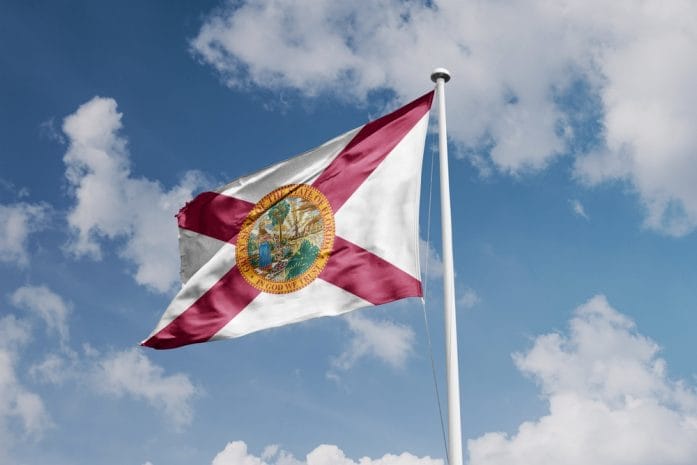
Florida: a beautiful place to live, but one with hefty home insurance plans – Shutterstock

Florida homeowners are opening insurance bills with a mix of curiosity and dread as new premium notices arrive across the state. Many households expected some increases after recent storm seasons, but the latest numbers still manage to surprise even long-time policyholders. Insurance companies continue adjusting rates as rebuilding costs climb, and risk models shift in real time. Homeowners across coastal and inland communities now face higher annual expenses that strain already tight budgets. Conversations at kitchen tables and neighborhood gatherings increasingly focus on one topic: how to keep a home insured without draining savings.

Rising premiums do not arrive in isolation, either, because many homeowners also face higher property taxes and maintenance costs at the same time. Florida’s housing market still attracts new buyers, but existing residents feel the financial squeeze more intensely than ever. Insurance renewal letters now spark immediate comparisons with last year’s statements, and many households question every line item.

Why Florida Insurance Bills Are Spiking Again

Insurance companies in Florida continue raising rates due to rising repair costs and frequent storm damage claims that reshape their risk calculations. Roof replacements, water intrusion repairs, and material shortages all push claim payouts higher than insurers planned for just a few years ago. Companies now factor in stronger hurricane seasons and unpredictable weather patterns when setting premiums for both new and existing policies. Homeowners feel these changes directly when renewal letters arrive with noticeable jumps that often exceed previous expectations. The result creates a financial environment where insurance costs grow faster than many household incomes.

Reinsurance costs also play a major role because insurers must pay more to protect themselves against large-scale disaster losses. Florida’s exposure to hurricanes forces carriers to purchase expensive backup coverage, and they pass those costs down to customers. Regulatory adjustments and market exits by some insurers also reduce competition in certain areas, which further drives prices upward. Homeowners notice fewer affordable options when they shop around, especially in high-risk coastal zones. These combined pressures create a cycle where insurance premiums rise even in years without major storms.

Hidden Factors Driving Higher Premiums

Many homeowners focus only on storms when thinking about insurance increases, but several less obvious factors shape the final bill. Construction labor shortages continue to push repair costs higher because contractors demand more pay for limited availability. Supply chain disruptions also keep material prices elevated, especially for roofing, drywall, and impact-resistant windows. Insurers build these realities into their pricing models, which means even routine claims now cost significantly more than before. Homeowners often discover that these hidden cost drivers matter just as much as weather events.

Fraud and litigation trends also influence insurance pricing in Florida’s market. Some insurers report higher legal expenses tied to disputed claims, which forces them to increase premiums across entire regions. Population growth in high-risk areas adds another layer of complexity, since more homes sit in storm-prone zones than ever before. Insurance companies adjust their risk exposure constantly, which leads to frequent policy changes that surprise homeowners at renewal time. These behind-the-scenes factors shape the numbers that land in mailboxes every year.

Florida Homeowners Are Rechecking Insurance Bills Again—and Many Don’t Like What They’re Seeing
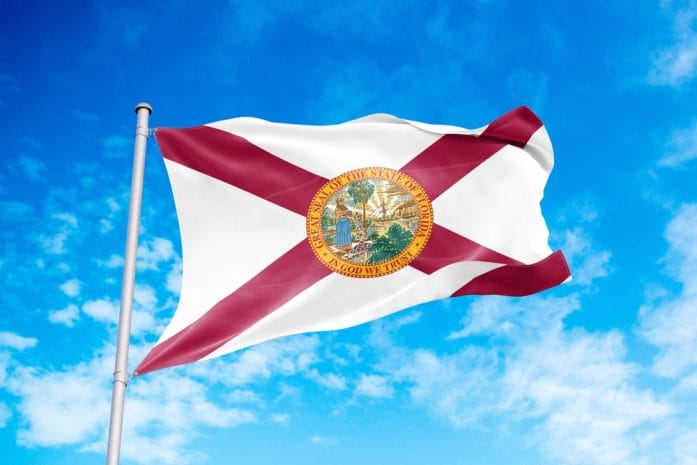
Insurance bills in Florida are changing, and homeowners aren’t too happy about it – Shutterstock

What Homeowners Are Doing Right Now

Florida homeowners respond to rising premiums in several practical ways, starting with aggressive policy comparisons. Many households now request quotes from multiple insurers months before renewal dates to avoid last-minute pressure. Some homeowners increase deductibles to lower monthly costs, even though that decision raises out-of-pocket risk during claims. Others invest in home upgrades like reinforced roofing or storm shutters to qualify for discounts. These strategies reflect a growing effort to regain control over unpredictable insurance expenses.

Community discussions also play a bigger role as neighbors share tips about providers, coverage changes, and local experiences. Online groups and local forums now serve as informal hubs for insurance advice that helps residents spot trends early. Some homeowners even work with independent brokers who track market shifts and identify emerging deals. The search for savings now feels more active and strategic than in previous years. Florida residents increasingly treat insurance planning as an ongoing financial task instead of a once-a-year decision.

Smart Ways to Push Back and Save Money

Homeowners who want to reduce insurance costs often start by reviewing coverage details line by line instead of accepting automatic renewals. Many policies include optional add-ons that no longer fit current needs, and removing them can lower premiums without reducing essential protection. Bundling home and auto insurance also creates opportunities for discounts that some residents overlook. Upgrading home safety features, such as impact-resistant windows or modern electrical systems, can also trigger rate reductions. Each adjustment helps chip away at rising costs while maintaining necessary coverage.

Timing also matters because shopping for insurance earlier in the year sometimes reveals better rates before seasonal adjustments hit the market. Homeowners who document property improvements carefully also strengthen their position when negotiating with insurers. Some residents even request reassessments after major upgrades to ensure their policy reflects reduced risk. Small actions add up when applied consistently across multiple policy cycles. Financial awareness turns into a practical defense against unpredictable rate increases.

What This Means for Florida Homeowners Going Forward

Florida’s insurance market continues shifting under the pressure of climate risk, construction costs, and regulatory changes that reshape pricing structures year after year. Homeowners now face a reality where insurance costs influence buying decisions, renovation plans, and even long-term housing stability. Many households must balance protection with affordability, which often leads to difficult tradeoffs during renewal season. The situation encourages more proactive financial planning and stronger attention to policy details. This trend shows no signs of slowing as risk models continue evolving.

What changes have you noticed in your own insurance bills, and how are you handling them?

You May Also Like…

Michigan Seniors Are Delaying Downsizing as Mortgage Rates and Insurance Costs Stay Elevated

Florida’s Insurance Spike: Why Retirees Are Seeing “Rebuild Fees” on May Statements

The Home Insurance Review Clause That’s Triggering Surprise Policy Cancellations in 2026

6 Insurance Changes That Can Increase Costs in Retirement

Florida’s 3.35% Non-Renewal Rate: Why Hundreds of Thousands Lost Home Insurance Last Year

Brandon Marcus
Brandon Marcus

Brandon Marcus is a writer who has been sharing the written word since a very young age. His interests include sports, history, pop culture, and so much more. When he isn’t writing, he spends his time jogging, drinking coffee, or attempting to read a long book he may never complete.

Filed Under: Insurance Tagged With: Florida, Florida housing market, homeowners insurance, Housing Costs, insurance premiums, insurance rates, Personal Finance, property insurance

Texas vs. Florida: Which No-Income-Tax State Actually Leaves You With More Money?

March 7, 2026 by Brandon Marcus Leave a Comment

Texas vs. Florida: Which No-Income-Tax State Actually Leaves You With More Money?
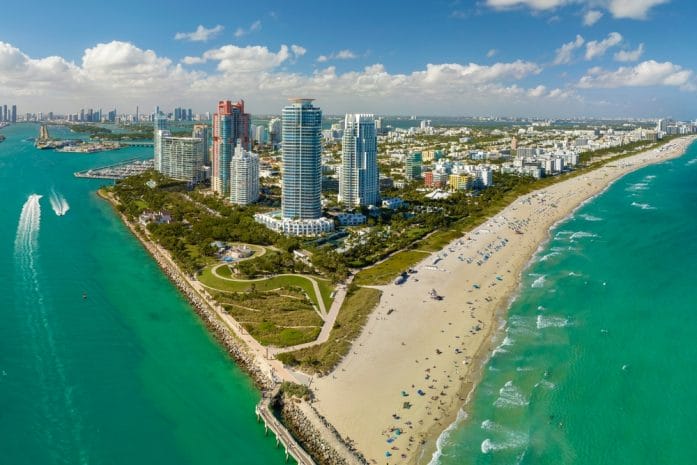
Image Source: Shutterstock.com

People love hearing that a state charges zero income tax because it sounds like an automatic win for the wallet, almost like finding extra cash inside a jacket pocket you forgot about last winter. Both Texas and Florida market themselves as tax-friendly places that let workers keep more of what they earn, and the absence of state income tax attracts professionals, retirees, and business owners who want lighter financial pressure. But the real story goes deeper than that simple headline, because governments still collect money through property taxes, sales taxes, insurance costs, and everyday living expenses that quietly shape total spending.

Both states bring sunshine, warm weather, and fast-growing communities, but lifestyle costs follow the sunshine like a shadow nobody talks about at relocation fairs. Housing markets in particular often decide whether the “tax-free” promise feels like a celebration or a financial trade-off that shows up in mortgage statements.

What Zero Income Tax Really Means for Paychecks

At first glance, workers expect bigger take-home pay when moving to states without income tax, and on paper that expectation sounds reasonable. Neither Texas nor Florida deducts state income tax from earnings, which gives employees the feeling of receiving a bonus every payday compared to states that collect such tax. However, payroll size does not automatically translate into wealth accumulation, because other expenses tend to adjust around local economic conditions.

Property taxes stand out as a major balancing force in Texas, where local governments rely heavily on property assessments to fund public services such as schools and infrastructure. Homeowners often pay property tax rates that rank among the highest in the United States, and this becomes noticeable when housing values rise. Florida keeps property taxes somewhat more moderate in many counties, though coastal real estate markets sometimes push home prices upward, which increases total property tax payments anyway.

Sales taxes also change daily life math. Texas collects state sales tax plus local sales taxes that can push the combined rate close to 8.25 percent in many areas. Florida’s statewide sales tax stays around 6 percent, but local add-ons in certain counties push purchases slightly higher depending on location. Someone who shops frequently or eats out often may notice the difference more than someone who spends mostly on housing.

Income levels matter too. Major metropolitan areas in both states offer strong job opportunities, yet salary competition and industry mix influence earnings. Technology and professional service jobs cluster in cities like Austin or Miami, creating pockets of high wages but also intense housing pressure. Workers moving purely for tax reasons sometimes discover that employers already adjust salaries based on local cost conditions.

Housing, Heat, and Hidden Expenses That Follow the Moving Truck

Housing remains the biggest financial decision in either state because rent or mortgage payments consume a large portion of monthly income. In Texas, expanding suburban development around cities like Dallas and Houston keeps some housing prices relatively accessible, but property taxes offset part of that affordability. Florida offers attractive coastal living, yet beachfront or waterfront homes carry premium pricing that pushes average household spending higher.

Insurance costs also deserve serious attention. Florida experiences frequent hurricane threats, and homeowners insurance policies often reflect that environmental risk. Texas faces its own weather challenges, including storms, flooding, and occasional severe events that drive up insurance premiums. Residents sometimes discover that insurance bills quietly swallow savings created by the absence of income tax.

Transportation costs add another layer. Texas cities tend to spread outward, encouraging driving and longer commute distances, which increases fuel spending and vehicle maintenance. Florida urban zones vary, with some regions supporting public transit while others require car ownership. Gasoline prices fluctuate nationally, but lifestyle design decides how much fuel someone burns each month.

Lifestyle, Jobs, and Personal Happiness Economics

Money matters, but lifestyle satisfaction shapes long-term financial decisions more than spreadsheet calculations alone. Florida attracts retirees and tourism-related employment because of beaches, recreation, and seasonal vacation culture. Healthcare and hospitality jobs dominate some regions, and these sectors often pay differently compared to technology or engineering industries.

Texas carries a strong business and energy sector reputation, particularly around oil, logistics, manufacturing, and technology startups. Cities such as Austin built strong cultural identities around music, entrepreneurship, and younger professional communities. Career mobility tends to feel slightly broader in Texas urban centers, though Florida continues expanding its corporate presence.

Food, entertainment, and daily lifestyle expenses vary by region rather than by state label. Dining prices in tourist-heavy Florida zones sometimes rise because visitors support local businesses year-round. Texas cities offer large restaurant cultures, but popular urban districts also price experiences competitively. Someone who cooks at home more often will probably care less about these differences.

Texas vs. Florida: Which No-Income-Tax State Actually Leaves You With More Money?
Image Source: Shutterstock.com


So, Which State Leaves More Money in the Pocket?

There is no universal winner because financial outcomes depend heavily on housing choice, job type, family size, and personal habits. High earners who rent rather than buy property may enjoy stronger advantages in Florida because of lower average property tax burdens in some regions. Homeowners who purchase expensive coastal property might find Texas competitive depending on local assessment rates.

Relocating purely for tax savings rarely guarantees wealth growth. Smart movers usually compare total cost of living, not just income tax status, before packing boxes. Checking insurance quotes, real estate trends, and commuting distance matters more than focusing on a single tax category.

Someone planning to move should test financial projections by listing monthly expenses in each state, comparing job opportunities, and considering long-term lifestyle goals. Visiting neighborhoods before relocating helps reveal hidden costs that online calculators sometimes miss. Watching local housing development patterns can also provide clues about future price pressure.

The Winner Depends on Personal Money Strategy

Between Texas and Florida, the smarter choice depends on how someone spends, earns, and lives rather than which state removes income tax. Texas often appeals to homeowners and business-oriented professionals who accept higher property tax trade-offs. Florida often attracts retirees, tourism workers, and people who value coastal lifestyle access alongside moderate overall taxation.

Neither state magically guarantees financial prosperity, but both offer opportunities to build comfortable lives when residents manage expenses carefully. The best decision comes from balancing career growth, housing affordability, and lifestyle happiness rather than chasing the headline about zero income tax alone.

So, if you had to choose between the warm Gulf breezes of Florida or the wide economic landscape of Texas, where do you think your paycheck would stretch farther, and what lifestyle matters most when deciding? We want to hear your opinion in our comments.

You May Also Like…

The $140,000 Oversight: The Missing Texas Tax Paperwork That Is Costing Homeowners Thousands This Week

Florida Escrow Payments Continue Rising as Insurance Costs Climb

Florida Condo Fees Continue Surging — Seniors Face Massive Assessments

The $3,000 Property Tax Reality Facing the Average U.S. Household

How The SALT Deduction Caps Squeezed Many Middle-Income Taxpayers

Brandon Marcus
Brandon Marcus

Brandon Marcus is a writer who has been sharing the written word since a very young age. His interests include sports, history, pop culture, and so much more. When he isn’t writing, he spends his time jogging, drinking coffee, or attempting to read a long book he may never complete.

Filed Under: tax tips Tagged With: Cost of living, Florida, Housing Prices, lifestyle comparison, money savings, no income tax, Personal Finance, relocation, state taxes, Texas, US states

The Sunshine State Squeeze: Why Florida Retirees are Seeing Smaller Social Security Checks This Week

January 18, 2026 by Brandon Marcus Leave a Comment

The Sunshine State Squeeze: Why Florida Retirees are Seeing Smaller Social Security Checks This Week
Image source: shutterstock.com

Sunshine, sandy beaches, and palm trees—Florida has always been the poster child for retirement dreams. But this week, a less sunny reality is hitting some retirees in the wallet.

Social Security checks, a vital lifeline for many seniors, are coming in smaller than expected, leaving a wave of concern and confusion. While a few dollars might not seem like much to some, for many retirees, every penny counts. The reason behind the reduction isn’t a mystery, but it’s a combination of economic forces, policy rules, and timing quirks that even seasoned retirees might not have anticipated.

Understanding why your check is smaller can help you plan better, avoid stress, and maybe even find a few clever ways to soften the impact.

Understanding The Mechanics Of Social Security Payments

Social Security payments are calculated based on lifetime earnings, age at retirement, and adjustments for inflation known as the Cost-of-Living Adjustment (COLA). Each year, the Social Security Administration evaluates inflation rates and other economic factors to determine how much your monthly benefit will rise. But here’s the twist: the system also has rules that can temporarily reduce payments. For example, if you are working while receiving benefits, or if certain deductions apply, your check can shrink unexpectedly.

Florida retirees might notice the effect this week due to how taxes, healthcare premiums, and other contributions are factored in. Even minor fluctuations in Medicare premiums, which are automatically deducted from Social Security, can create a noticeable dent in a check. The result? A smaller payment that feels like a sting when bills are due.

How Economic Factors Are Affecting Retirees Right Now

Inflation and interest rate changes play a surprisingly big role in Social Security payments. Even with the annual COLA designed to keep pace with inflation, retirees can feel squeezed when prices for groceries, utilities, and gas rise faster than expected. Recent spikes in energy costs, combined with a slow adjustment in the COLA, are creating a mismatch that hits retirees in Florida especially hard.

Florida’s large retiree population means many seniors are relying on fixed incomes, making any reduction in cash flow noticeable. Bank statements, once predictable, can suddenly show a drop that triggers immediate concern. Experts note that even small percentage changes in inflation calculations or Medicare premiums can reduce checks by dozens of dollars per month. That’s enough to disrupt a carefully planned budget for groceries, prescriptions, or leisure activities.

The Sunshine State Squeeze: Why Florida Retirees are Seeing Smaller Social Security Checks This Week
Image source: shutterstock.com

Timing And Administrative Factors That Lead To Check Reductions

Sometimes, the timing of payments and deductions can make it seem like your Social Security check is shrinking when, in reality, it’s just a temporary quirk. The SSA coordinates with Medicare, supplemental insurance providers, and even tax authorities to ensure deductions are applied correctly. When these agencies adjust their figures—especially after the holidays or the start of the new year—checks can fluctuate. Florida retirees who are used to receiving a consistent amount may see the change this week simply because of how the administrative calendar aligns with their payment schedule. Additionally, if a retiree recently updated direct deposit information, switched Medicare plans, or had late reporting of income, the system can adjust payments retroactively. That means your check could bounce back to normal—or even increase—next month.

Strategies Florida Retirees Can Use To Mitigate The Impact

Even if your Social Security check is temporarily smaller, there are strategies to keep finances manageable. First, reviewing Medicare premiums and supplemental insurance options can sometimes reduce deductions. Secondly, careful budgeting around the timing of bills and expenses can help bridge the gap. Retirees can also take advantage of state-specific programs that offer utility or property tax relief for seniors. Staying informed about COLA announcements, healthcare premium adjustments, and federal policy updates is another proactive step.

Many retirees are turning to local senior centers or online communities to exchange practical tips and experiences, which can be invaluable for understanding how others are handling similar situations. Finally, consulting a certified financial planner can provide personalized guidance tailored to your income, expenses, and retirement goals.

The Human Side Of Smaller Social Security Checks

It’s easy to look at numbers and see a few dollars, but the real impact is on people’s daily lives. Retirees in Florida rely on Social Security for essentials: groceries, medication, transportation, and maintaining independence. Even a small reduction can cause stress, forcing tough choices between necessities and leisure activities that keep life enjoyable. There’s also an emotional side: these payments represent decades of work, security, and planning.

When a check comes in smaller than expected, it can feel like a personal setback, even if the system is following the rules. Understanding why it happened, keeping perspective, and planning ahead can help retirees navigate these fluctuations without panic. Communities and family support networks often play a key role in buffering the impact, proving that while money matters, connection and guidance matter too.

Looking Ahead: What Retirees Can Expect

While this week’s reduction is jarring, it’s not necessarily a permanent trend. Social Security payments are dynamic, responding to economic conditions, policy changes, and personal circumstances. Retirees can expect occasional variations, but over time, COLA adjustments usually help offset inflation and rising costs. Staying informed, checking statements regularly, and asking questions when discrepancies arise is the best way to avoid surprises.

For Florida retirees, the key is preparation: budgeting for small fluctuations, exploring cost-saving measures, and understanding the system’s mechanics. A smaller check today doesn’t mean long-term financial trouble, but it does highlight the importance of vigilance and flexibility in retirement planning.

Your Thoughts And Experiences As A Retiree

Smaller Social Security checks are more than a number—they’re a moment to reassess, plan, and connect with others navigating the same journey.

If you’ve noticed a dip in your payment or have tips on managing fluctuations, we’d love to hear your perspective in the comments section.

You May Also Like…

The Florida Insurance Trap: Why “Safe” Neighborhoods Are Facing a $500 Monthly Payment Hike This Week

Why South Carolina is Beating Florida in Retirement Relocation

Setting Realistic Expectations: What Will Building a Home in Florida Cost You?

8 Cities Millennials Are Flocking To — And Why

Could Your Social Security Plans Collapse If The Economy Shifts Again This Winter?

Brandon Marcus
Brandon Marcus

Brandon Marcus is a writer who has been sharing the written word since a very young age. His interests include sports, history, pop culture, and so much more. When he isn’t writing, he spends his time jogging, drinking coffee, or attempting to read a long book he may never complete.

Filed Under: Retirement Tagged With: Florida, retire, retiree, retirees, Retirement, retirement accounts, retirement planning, senior citizens, seniors, Social Security, Social Security Administration, social security checks, social security payments

The Florida Premium Spike: Why Your ‘Affordable’ Health Plan Just Quadrupled in Cost Overnight

January 16, 2026 by Brandon Marcus Leave a Comment

The Florida Premium Spike: Why Your 'Affordable' Health Plan Just Quadrupled in Cost Overnight
Image source: shutterstock.com

The bill arrived like a thunderclap on a sunny afternoon. One day, your Florida health plan felt manageable, even responsible. The next, the premium looked like it belonged to a luxury sports car lease instead of a routine monthly expense. Phones lit up, inboxes flooded, and dinner conversations turned into financial post-mortems.

This wasn’t a slow creep or an annual nudge upward; it felt instant, dramatic, and deeply personal. Welcome to Florida’s premium spike, where “affordable” suddenly became a loaded word.

How Florida Became Ground Zero For Premium Shock

Florida has long been a unique beast in the health insurance world, and not always in a good way. The state relies heavily on the Affordable Care Act marketplace, yet it also has one of the highest percentages of residents paying full price for coverage. Insurers in Florida face a population that skews older, has higher rates of chronic illness, and uses more health services than many other states.

That combination alone pushes premiums upward before any policy changes even enter the conversation. When insurers recalculate risk each year, Florida often lands on the expensive end of the spectrum. The result is a market where even small shifts can produce jaw-dropping numbers.

The Subsidy Cliff That Turns A Hill Into A Canyon

For many Floridians, the real shock comes from losing financial help rather than from insurers raising base prices alone. Premium tax credits are income-based, and even modest income changes can sharply reduce or eliminate them. A raise, a side gig that did well, or a spouse returning to work can quietly push a household over a subsidy threshold.

When that happens, the government contribution shrinks or disappears, revealing the plan’s full, unsubsidized cost. What felt like a four-figure annual plan can instantly become a five-figure one. To the consumer, it looks like the plan quadrupled overnight, even though the underlying price was always there, hiding behind subsidies.

Insurer Repricing And Plan Restructuring Shake The Table

Insurance companies don’t just tweak prices; they also redesign plans from the ground up. Networks change, deductibles move, and cost-sharing formulas get reshuffled. In Florida, several insurers have responded to rising medical costs by repricing aggressively or exiting certain counties altogether. Less competition almost always means higher premiums for the plans that remain.

Even staying with the “same” insurer doesn’t guarantee stability, because that plan may no longer exist in its previous form. When consumers are auto-enrolled into a similar but more expensive option, the increase can feel sudden and unfair, even though it followed industry rules.

Age, Location, And Health Costs Quietly Pile On

Health insurance pricing is deeply personal, even if it doesn’t feel that way. Age plays a major role, and premiums are legally allowed to increase significantly as policyholders get older. Florida’s county-by-county pricing adds another twist, since local hospital costs and provider pricing vary widely. A move across county lines can change a premium more than switching cars or cell phone plans ever could.

Add in Florida’s high use of emergency care and specialty services, and insurers factor those costs into future rates. None of this happens in isolation, and together it can turn a routine renewal into a financial shockwave.

The Florida Premium Spike: Why Your 'Affordable' Health Plan Just Quadrupled in Cost Overnight
Image source: shutterstock.com

Why This Feels So Sudden Even When It Is Not

Part of the outrage comes from timing and communication. Renewal notices often arrive close to the enrollment deadline, leaving little time to digest or compare options. Insurance language is dense, and many people understandably tune it out until the dollar amount forces attention. When multiple factors hit at once, such as subsidy changes, age increases, and plan restructuring, the math compounds quickly. The consumer experience feels like a trapdoor opening rather than a staircase you saw coming. That emotional whiplash is real, and it explains why so many Floridians feel blindsided rather than merely annoyed.

What Happens Next Is A Conversation About Florida’s Health

The Florida premium spike isn’t just about numbers on a statement; it’s about trust, transparency, and how people plan their lives around healthcare costs. Understanding the mechanics doesn’t erase the frustration, but it does restore a bit of control. Every renewal season tells a slightly different story, shaped by policy decisions, insurer behavior, and personal circumstances.

If this spike caught you off guard, you’re far from alone. The comments section below is open for your experiences, questions, and reflections on how this sudden change has affected your household.

You May Also Like…

The Florida Insurance Trap: Why “Safe” Neighborhoods Are Facing a $500 Monthly Payment Hike This Week

Why South Carolina is Beating Florida in Retirement Relocation

Legacy Insider: 4 Estate Secrets Wealthy Families Use

Retiring Early? Here Are Your Best Health Insurance Options Explained

8 Critical Questions You Must Ask Before Buying Long-Term Care Insurance

Brandon Marcus
Brandon Marcus

Brandon Marcus is a writer who has been sharing the written word since a very young age. His interests include sports, history, pop culture, and so much more. When he isn’t writing, he spends his time jogging, drinking coffee, or attempting to read a long book he may never complete.

Filed Under: Lifestyle Tagged With: America, best type of insurance, Florida, health, health and safety, health and wellness, health costs, health insurance, health insurance premium, healthcare, Insurance, insurance premiums, Life, Lifestyle, United States

The Florida Insurance Trap: Why ‘Safe’ Neighborhoods Are Facing a $500 Monthly Payment Hike This Week

January 15, 2026 by Brandon Marcus Leave a Comment

The Florida Insurance Trap: Why 'Safe' Neighborhoods Are Facing a $500 Monthly Payment Hike This Week
Image Source: Shutterstock.com

Florida has always had a reputation for sunshine, sandy beaches, and palm trees swaying in the breeze. But lately, homeowners are noticing another phenomenon sweeping the state—not storms or hurricanes, but a shocking spike in insurance costs.

If you live in a neighborhood with manicured lawns, low crime rates, and a tight-knit community vibe, you might think you’re safe from financial surprises. Think again.

This week, many residents are staring at a potential $500 monthly increase in their insurance bills, and it’s stirring anxiety, confusion, and frustration across the state.

Why Florida’s Insurance Market Is Exploding

The Florida insurance market is currently in a state of chaos. Years of mounting natural disasters, fraudulent claims, and risky investments by insurance companies have created a perfect storm.

Carriers are raising premiums aggressively, and even traditionally “safe” areas are feeling the heat. Homeowners who never worried about hurricanes or flooding are now being hit with sudden, jaw-dropping increases. Insurers argue that they need to cover growing risks, but for residents, it feels like punishment for simply living somewhere peaceful. This isn’t just about one company or one neighborhood; it’s a statewide shake-up that’s redefining what “affordable insurance” means in the Sunshine State.

Catastrophe Modeling And Risk Assessment Gone Wild

Insurance companies rely heavily on catastrophe modeling to predict losses from natural disasters. While these models sound like scientific wizardry, they’re imperfect, and in Florida, they’ve consistently underestimated the risk—or sometimes overreacted to it. Rising sea levels, stronger storms, and unpredictable weather patterns have pushed carriers to label previously “safe” areas as high-risk zones.

The result? Monthly premiums skyrocketing, sometimes by hundreds of dollars. For residents who’ve never filed a claim in their lives, this feels arbitrary, even unfair. And with competition thinning as some insurers pull out of the state entirely, homeowners have fewer choices and less negotiating power than ever before.

Fraud And Its Hidden Impact On Premiums

Florida’s insurance woes aren’t just about Mother Nature—they’re also about human nature. The state has long struggled with insurance fraud, including staged property damage and inflated claims. These scams cost insurers billions annually, and the financial fallout trickles down to regular homeowners. When a company pays out for fraudulent claims, it has to recoup those losses, and that often means raising premiums across the board. Unfortunately, this hits law-abiding citizens in safe neighborhoods the hardest. People who take care of their properties and avoid risky behavior suddenly find themselves subsidizing fraudsters, and the frustration is palpable.

Legal Battles And Regulatory Chaos

Another layer fueling these increases is Florida’s unique legal and regulatory environment. Lawsuits against insurance companies have exploded, often resulting in massive payouts. To protect themselves, insurers have been forced to hike premiums, tighten policies, or even leave the market altogether. Regulatory reforms have tried to curb these trends, but the process is slow and messy, leaving homeowners caught in the middle. Policies that once seemed affordable are now costly gambles, and navigating the insurance system feels like walking a tightrope. For anyone who thought living in a quiet, low-risk neighborhood offered peace of mind, the current reality is anything but.

The Florida Insurance Trap: Why 'Safe' Neighborhoods Are Facing a $500 Monthly Payment Hike This Week
Image Source: Shutterstock.com

The $500 Monthly Shock And How It Hits Families

The numbers are staggering. Some homeowners who once paid $250–$400 monthly for insurance are suddenly facing bills north of $900. Families budgeting carefully for mortgages, groceries, and other essentials now face a financial headache that feels impossible to manage. The emotional toll is real, with homeowners scrambling to understand their policies, appeal hikes, or even consider selling homes they’ve invested in for decades. This isn’t a small adjustment; it’s a seismic shift that can impact life decisions, retirement plans, and long-term financial stability.

What Homeowners Can Actually Do

Despite the grim headlines, there are steps residents can take. Shopping around for a different insurer, bundling policies, and improving home resilience to storms can help mitigate the impact. Some are exploring state-backed insurance options, while others are considering policy adjustments like higher deductibles. Staying informed about legislative changes, fraud trends, and catastrophe predictions is crucial.

While these actions don’t erase the pain of a $500 monthly jump, they do provide homeowners with some control in an otherwise turbulent environment. Knowledge, preparedness, and vigilance have never been more valuable for Florida residents.

Your Voice Matters On This Insurance Change Matters

Florida’s insurance crisis is reshaping neighborhoods once considered safe and predictable. The combination of natural disasters, fraud, regulatory shifts, and market instability has created a perfect storm that leaves many homeowners paying far more than expected. This week’s $500 hike is not just a number—it’s a wake-up call.

We want to hear from you. How are you managing these rising costs? Have you had experiences with sudden hikes or policy challenges? Leave your thoughts and stories in the comments section below and contribute to the conversation shaping the future of Florida homeownership.

You May Also Like…

Why South Carolina is Beating Florida in Retirement Relocation

Setting Realistic Expectations: What Will Building a Home in Florida Cost You?

6 Reasons Your Car Insurance Company Can Legally Drop You After One Claim

The “Act of God” Clause Insurance Companies Are Using to Reject Storm Damage Claims

8 Critical Questions You Must Ask Before Buying Long-Term Care Insurance

Brandon Marcus
Brandon Marcus

Brandon Marcus is a writer who has been sharing the written word since a very young age. His interests include sports, history, pop culture, and so much more. When he isn’t writing, he spends his time jogging, drinking coffee, or attempting to read a long book he may never complete.

Filed Under: Lifestyle Tagged With: Florida, health insurance, Insurance, insurance costs, Insurance policy, insurance trap, insurance traps, Life, life insurance, Lifestyle, neighborhoods, risk assessment

9 States Where Social Security Benefits May Be at Risk

April 2, 2025 by Latrice Perez Leave a Comment

Concept of funding for social security drying up with loss of income to trust fund after market crash
Image Source: 123rf.com

Imagine relying on your Social Security benefits to cover essential expenses, only to discover that changes in your state’s policies might reduce the amount you receive. For many Americans, this scenario is becoming a concerning reality. While Social Security is a federal program, certain state-level actions and proposals can significantly influence the benefits you depend on. In this article, we’ll explore nine states where recent developments may impact your Social Security payments and what you can do to stay informed.

1. Texas

In Texas, over 32,000 residents who still receive Social Security payments via paper checks are affected by a federal mandate transitioning to electronic payments. This shift aims to reduce costs and prevent fraud but may disrupt the financial routines of many vulnerable recipients. Texans relying on paper checks must adapt to direct deposit or prepaid cards by September 30, 2025. ​

2. Colorado

Approximately 6,300 Coloradans are impacted by the same federal order ending paper Social Security checks. The transition to digital payments poses challenges, particularly for those without easy access to banking services or the internet. Beneficiaries must make the switch by September 30, 2025, to avoid payment disruptions.

3. Iowa

In Iowa, proposed state budget reallocations could affect funding for programs supporting older adults. Governor Kim Reynolds’ initiative to fund full-time child care for 4-year-olds by diverting resources from existing early childhood programs may indirectly impact services that seniors rely on, though the direct effect on Social Security benefits remains uncertain.

4. Utah

Utah’s Governor Spencer Cox has proposed eliminating the state’s Social Security tax in the 2025 budget. While this move could save approximately 150,000 Utahns about $950 annually, it would reduce state revenue by $143.8 million each year, potentially affecting other state-funded programs.

5. Michigan

drawing of american state of michigan on chalkboard, drawn by chalk
Image Source: 123rf.com

Michigan residents have expressed concerns over potential Social Security cuts amid federal efforts to reduce spending. During town halls, constituents voiced fears about decreased access to benefits due to office closures and federal worker layoffs. Lawmakers have assured voters that Social Security will remain unaffected, but apprehensions persist. ​

6. Florida

Florida, with its significant retiree population, is closely monitoring federal discussions on Social Security reforms. Proposals to raise the retirement age or adjust benefit calculations could disproportionately affect Floridians. State officials are advocating for measures that protect their senior residents from potential benefit reductions.​

7. Nevada

Nevada’s retirees are attentive to federal policy changes that may impact Social Security. Discussions around modifying benefit formulas or taxation policies could have significant implications for the state’s senior population. Local advocacy groups are mobilizing to ensure that any changes consider the needs of retirees.​

8. South Dakota

In South Dakota, state officials are evaluating the potential impact of federal Social Security reforms on their residents. While no specific state-level changes have been proposed, the state’s seniors are encouraged to stay informed and engaged with ongoing policy discussions that could affect their benefits.​

9. Wyoming

Wyoming, known for its low tax burden, is also home to many retirees who depend on Social Security. Any federal adjustments to the program could have outsized effects here. State leaders are monitoring developments and considering strategies to support their senior residents amid potential changes,

State Level Actions and Proposals Can Influence Benefits

While Social Security is primarily a federal program, state-level actions and proposals can influence how benefits are administered and taxed. Staying informed about both federal and state developments is crucial to ensure you receive the benefits you’ve earned. Engaging with local advocacy groups and communicating with state representatives can help protect and enhance your Social Security benefits.​

Are you experiencing changes to your Social Security benefits in your state? Share your thoughts and experiences in the comments below.

Read More:

Are There Any Social Security Spousal Benefits Loopholes Left?

11 Key Changes to Your Social Security Benefits After Losing a Spouse

Latrice Perez

Latrice is a dedicated professional with a rich background in social work, complemented by an Associate Degree in the field. Her journey has been uniquely shaped by the rewarding experience of being a stay-at-home mom to her two children, aged 13 and 5. This role has not only been a testament to her commitment to family but has also provided her with invaluable life lessons and insights.

As a mother, Latrice has embraced the opportunity to educate her children on essential life skills, with a special focus on financial literacy, the nuances of life, and the importance of inner peace.

Filed Under: Finance Tagged With: Colorado, Florida, Iowa, Michigan, Nevada, retirement benefits, Social Security, South Dakota, state policies, Texas, Utah, Wyoming

Follow Us

Search this site:

Recent Posts

  • Can My Savings Account Affect My Financial Aid? by Tamila McDonald
  • 12 Ways Gen X’s Views Clash with Millennials… by Tamila McDonald
  • What Advantages and Disadvantages Are There To… by Jacob Sensiba
  • 10 Tactics for Building an Emergency Fund from Scratch by Vanessa Bermudez
  • Call 911: Go To the Emergency Room Immediately If… by Stephen Kanaval
  • 7 Weird Things You Can Sell Online by Tamila McDonald
  • 10 Scary Facts About DriveTime by Tamila McDonald

Copyright © 2026 · News Pro Theme on Genesis Framework