
• Home
  • About Us
  • Toolkit
  • Getting Finances Done
    • Hiring Advisors
    • Debt Management
    • Spending Plan
  • Insurance
    • Life Insurance
    • Health Insurance
    • Disability Insurance
    • Homeowners/Renters Insurance
  • Contact Us
  • Risk Tolerance Quiz
  • Our Editorial Commitment

The Free Financial Advisor

You are here: Home / Archives for utility bills

Pennsylvania Households Are Reporting Bigger Utility Bills Heading Into Summer

June 1, 2026 by Brandon Marcus Leave a Comment

Pennsylvania Households Are Reporting Bigger Utility Bills Heading Into Summer
Utility bills are ticking upward and Pennyslvania residents are noticing – Shutterstock

Electricity bills across Pennsylvania climb as warmer weather approaches, and households feel the pinch before the first major heat wave even hits. Utility companies across the state adjust pricing and demand forecasts as air conditioners prepare to run nonstop. Families opening monthly statements now spot higher totals compared to spring averages, and many households scramble to figure out why costs keep rising.

Energy demand, grid pressures, and seasonal usage patterns all collide at the same time. Summer arrives with more than heat—it brings a noticeable jump in household expenses.

Rising Energy Demand Pushes Rates Higher

Electric demand in Pennsylvania increases sharply as temperatures climb, and utilities respond by adjusting supply costs in real time. Power grids across the region pull more electricity from generation sources when air conditioners start running in homes, schools, and businesses. This spike in usage creates tighter supply conditions, which pushes wholesale electricity prices upward. Utilities like PECO Energy Company and PPL Electric Utilities pass portions of those costs to customers through rate adjustments. That chain reaction makes summer one of the most expensive seasons for electricity use.

Grid operators in the mid-Atlantic region also monitor demand closely because Pennsylvania connects to a larger regional energy network. When neighboring states also increase usage, supply strains intensify across the system. Higher demand periods force utilities to rely on more expensive generation sources, especially during peak hours. Those costs eventually show up on residential bills even when usage habits stay the same. The system rewards balance, but summer demand often tips the scale in the wrong direction for consumers.

Heat Waves Turn Air Conditioners Into Budget Drivers

Summer heat in Pennsylvania does not arrive quietly, and temperatures often swing from mild to extreme within days. Air conditioners become essential instead of optional, and that shift immediately increases household energy consumption. Many systems run for long stretches during the hottest parts of the day, especially in older homes with weaker insulation. Each cooling cycle adds to kilowatt-hour usage, which directly impacts monthly bills. Hotter afternoons turn into the most expensive hours of the day for many families.

Peak demand pricing also plays a role in higher summer costs, even when households do not realize it. Utility demand spikes typically occur between late afternoon and early evening when residents return home and turn on multiple appliances. That overlap creates a surge that forces utilities to rely on higher-cost electricity sources. Smart meters in many Pennsylvania homes track that usage in real time and reflect it in billing cycles. Small changes in cooling habits during peak hours can make a noticeable difference over the course of a month.

Pennsylvania Households Are Reporting Bigger Utility Bills Heading Into Summer
Air conditioners are being worked out hard in Pennyslvania – Shutterstock

Hidden Utility Costs Add Pressure Behind the Scenes

Electric bills do not reflect energy usage alone, and many households miss the additional charges that stack onto monthly totals. Delivery fees, transmission costs, and infrastructure maintenance expenses all appear on statements alongside energy usage. These charges often rise independently of how much electricity a home consumes. Regulators like the Pennsylvania Public Utility Commission review these adjustments, but costs still shift over time. That combination creates frustration when bills rise even during periods of steady usage.

Infrastructure investments also influence pricing trends across the state. Utilities continue upgrading power lines, substations, and grid systems to handle higher demand and extreme weather. Those long-term improvements require funding that spreads across customer bills. Even weather-related damage repairs after storms can increase operational costs for providers. Over time, those expenses blend into monthly billing structures and contribute to higher seasonal totals.

Smart Habits That Help Reduce Summer Bills

Households gain more control over utility costs by adjusting a few daily habits before temperatures peak. Setting thermostats a few degrees higher during the afternoon reduces strain on air conditioning systems without sacrificing comfort. Ceiling fans also help circulate cool air more efficiently, which reduces the need for constant AC cycles. Closing blinds during peak sunlight hours blocks heat buildup indoors and lowers cooling demand. Small adjustments like these add up quickly across an entire billing cycle.

Energy usage timing also plays a major role in cost control. Running dishwashers, laundry machines, and ovens during off-peak hours helps avoid high-demand pricing windows. Smart thermostats allow households to program cooling schedules that align with lower-cost energy periods. Many Pennsylvania utilities also offer usage tracking tools that show real-time consumption patterns. Households that monitor those patterns often spot savings opportunities within the first billing cycle.

Why Summer Utility Costs Keep Climbing

Energy demand continues rising across Pennsylvania as population needs and weather extremes both increase. Hotter summers drive higher air conditioning use, while infrastructure costs continue climbing in response to system upgrades and repairs. Utility companies adjust rates to match those realities, which places households directly in the middle of shifting energy economics. The result shows up clearly on monthly bills that rise even when habits stay the same. Summer transforms electricity from a background expense into a noticeable financial pressure point.

What strategies do households in Pennsylvania use to keep summer utility bills under control, and which changes make the biggest difference?

You May Also Like…

Pennsylvania Seniors Say Grocery Bills Still Haven’t Dropped Despite Slower Inflation

Pennsylvania’s Inheritance Tax Applies to Most Estate Transfers

Texas Families Are Paying More to Stay Cool This Year: How Utility Costs Are Reshaping Summer Budgets

Florida Homeowners Are Rechecking Insurance Bills Again—and Many Don’t Like What They’re Seeing

Florida Seniors Could See a 3.9% Social Security COLA in 2027 — But Energy Bills Are Rising Even Faster

Brandon Marcus
Brandon Marcus

Brandon Marcus is a writer who has been sharing the written word since a very young age. His interests include sports, history, pop culture, and so much more. When he isn’t writing, he spends his time jogging, drinking coffee, or attempting to read a long book he may never complete.


Filed Under: Lifestyle Tagged With: Cost of living, electricity rates, energy costs, household budgeting, PECO, Pennsylvania, PPL Electric Utilities, summer energy use, utility bills

Arizona Homeowners Over 60 Are Seeing Cooling Costs Jump as Summer Heat Arrives Early

May 22, 2026 by Brandon Marcus Leave a Comment

Arizona Homeowners Over 60 Are Seeing Cooling Costs Jump as Summer Heat Arrives Early
Keeping your air conditioner in great shape is vital in Arizona – Shutterstock

Summer heat arrived early across Arizona, and utility bills wasted no time following it upward. Homeowners over 60 now face a sharp spike in cooling costs as air conditioners run longer and harder each day. Temperatures have already climbed into triple digits in several regions, forcing cooling systems to work overtime just to keep indoor spaces livable. Many households that carefully planned their retirement budgets now find themselves adjusting on the fly. The combination of extreme heat and rising energy demand creates a financial squeeze that hits older homeowners especially hard.

Utility companies continue adjusting rates during peak demand periods, which adds even more pressure to monthly bills. Older adults who spend more time at home during the day feel these increases more intensely than working households. Cooling systems that once cycled on and off now run nearly nonstop during peak afternoon hours. The result shows up quickly in monthly statements, often with little warning.

Early Heat Waves Push Air Conditioners Into Constant Operation

Arizona’s heat arrived earlier than usual this year, and that shift immediately changed household energy patterns. Air conditioners now operate for longer stretches throughout the day, especially in homes without upgraded insulation or shading. Many systems struggle to keep indoor temperatures stable when outdoor readings climb above 100 degrees before noon. Homeowners notice rooms warming quickly even after the AC shuts off briefly. That cycle repeats all day and drives energy consumption higher than expected.

Older cooling units amplify the problem by working harder to deliver the same level of comfort. Maintenance issues like dirty filters or aging compressors reduce efficiency and increase runtime. Homeowners over 60 often rely on fixed incomes, so even small increases in daily usage create noticeable financial strain. The early heat wave turns a normally predictable utility expense into a growing monthly burden. That shift forces many households to rethink how and when they cool their homes.

Why Homeowners Over 60 Feel the Financial Pressure Most

Retirees and older homeowners often spend more time inside their homes, especially during peak heat hours. That daily presence increases reliance on air conditioning from morning until late evening. Unlike younger households that may leave for work or errands, these homeowners keep systems running continuously. The result leads to higher baseline energy use that spikes further during extreme weather. Comfort becomes essential, but it comes at a steep price during Arizona summers.

Fixed incomes make these rising costs even harder to absorb. Many homeowners over 60 budget carefully for essentials, and unexpected utility increases disrupt that balance quickly. Medical conditions that require temperature control add another layer of necessity to cooling expenses. Cutting back on air conditioning often feels unrealistic when heat levels reach dangerous highs. This combination of financial limits and health concerns creates a uniquely stressful situation for older residents.

Smart Cooling Habits That Cut Energy Bills Fast

Small adjustments inside the home can significantly reduce cooling costs without sacrificing comfort. Homeowners who close blinds during peak sunlight hours often notice immediate improvements in indoor temperature stability. Ceiling fans also help circulate cool air more efficiently, allowing thermostats to stay set a few degrees higher. Even minor thermostat adjustments, such as raising settings by two or three degrees, reduce system strain over time. These simple habits add up quickly during long Arizona summers.

Routine maintenance plays a major role in keeping cooling systems efficient. Clean filters allow air conditioners to work with less effort, which lowers daily energy use. Sealing gaps around windows and doors prevents cool air from escaping and hot air from entering. Many homeowners also benefit from scheduling professional HVAC inspections before peak summer months. These proactive steps help control costs while extending the life of expensive cooling equipment.

Arizona Homeowners Over 60 Are Seeing Cooling Costs Jump as Summer Heat Arrives Early
Nothing is worse than a broken air conditioning unit during Arizona’s summer – Shutterstock

Utility Rate Surges and Hidden Cost Traps Across Arizona Homes

Utility pricing structures often include peak-hour surcharges that catch many homeowners off guard. These higher rates typically apply during the hottest parts of the day when air conditioners already run the most. Small increases in per-kilowatt pricing quickly translate into much larger monthly bills. Homeowners who do not track usage patterns often miss the moments when costs climb the fastest. That lack of visibility creates frustration when the bill arrives.

Energy demand across Arizona continues to grow as more households rely on constant cooling. Power grids respond by adjusting pricing to manage strain during extreme heat events. Older adults feel these changes more intensely because their daily routines center around home comfort. Even small inefficiencies in appliances or insulation can magnify costs under these conditions. Understanding rate structures helps homeowners make smarter decisions before bills spiral upward.

A Smarter Summer Strategy for Managing Cooling Expenses

Arizona homeowners over 60 face a challenging balance between comfort and cost during early summer heat waves. Strategic cooling habits, combined with system maintenance, offer real relief from rising energy bills. Small changes in daily routines often produce noticeable savings without reducing indoor comfort. Utility rate awareness also helps households avoid the worst of peak-hour pricing. These combined strategies create a more manageable approach to extreme summer weather.

What strategies help keep cooling costs manageable during extreme summer heat in your area, and which habits make the biggest difference?

You May Also Like…

California Seniors Face Insurance Renewal Shock as Housing and Utility Costs Continue Climbing

9 Estate Planning Moves That End Up in Heated Probate Cases

Massachusetts’ Millionaire Tax Is Creating Indirect Costs for Some Retirees

Savings Repair: 4 Moves to Catch Up if You’re Within 10 Years of Retirement

How Prioritizing Your Lawn Boosts Your Home’s Value

Brandon Marcus
Brandon Marcus

Brandon Marcus is a writer who has been sharing the written word since a very young age. His interests include sports, history, pop culture, and so much more. When he isn’t writing, he spends his time jogging, drinking coffee, or attempting to read a long book he may never complete.
Filed Under: Lifestyle Tagged With: air conditioning, Arizona heat, cooling costs, retirement budgeting, senior homeowners, summer energy savings, utility bills

California Seniors Face Insurance Renewal Shock as Housing and Utility Costs Continue Climbing

May 21, 2026 by Brandon Marcus Leave a Comment

California Seniors Face Insurance Renewal Shock as Housing and Utility Costs Continue Climbing
California is a great place for seniors to retire but insuanrce prices are eye-popping – Shutterstock

Retirement in California continues to feel less like a fixed chapter and more like a moving target. Seniors across the state now open insurance renewal notices and immediately notice steep jumps that disrupt carefully planned budgets. Many households that once felt stable now face sudden monthly increases that force tough financial choices. Housing expenses continue to climb at the same time, leaving less breathing room for essentials like food, transportation, and medical care. Utility companies also keep adjusting rates upward, adding even more pressure to already stretched incomes.

This combination creates a financial squeeze that does not ease up with time. Seniors who rely on Social Security or fixed pensions often struggle to match income with rapidly rising expenses. Insurance renewals, in particular, have become a major shock point because increases often arrive without much warning. Families and caregivers now step in more frequently to help cover gaps or reorganize budgets. The situation reflects a broader affordability challenge that continues reshaping retirement life in the state.

Insurance Renewal Shock Hits California Seniors Hard

Insurance renewal notices across California now deliver some of the most stressful financial moments for seniors. Homeowners and renters alike report sharp premium increases that sometimes climb by double-digit percentages within a single year. Many insurance carriers point to rising wildfire risks, higher construction costs, and inflation-driven claim expenses as key reasons behind the adjustments. Seniors on fixed incomes feel these changes immediately because they rarely have room to absorb unexpected increases. A once-manageable monthly premium now competes directly with groceries, prescriptions, and transportation costs.

Some seniors respond by reducing coverage or increasing deductibles, but those choices introduce new risks. Others shop aggressively for alternative providers, yet find fewer affordable options available in high-risk regions. Insurance brokers across California note that older homeowners often feel stuck between rising premiums and limited market availability. Budget planning becomes more complicated as renewal dates approach, especially when multiple policies increase at the same time. The result creates ongoing financial uncertainty that disrupts long-term retirement stability.

Housing Costs Continue to Drain Fixed Retirement Incomes

Housing expenses in California continue to climb, placing steady pressure on seniors who remain in long-term homes or rental units. Property taxes, maintenance costs, and rent increases often rise faster than retirement income adjustments. Many seniors who expected lower expenses after retirement now face the reality of staying in high-cost housing markets. Even homeowners without mortgages still deal with rising insurance, repairs, and utility-linked housing costs. The overall cost of keeping a roof overhead continues to grow year after year.

Downsizing sounds like a logical solution, but the housing market complicates that option. Smaller homes or senior-friendly units often carry price tags that surprise retirees expecting relief. Relocation also brings emotional and financial challenges, including moving expenses and higher rental rates in some smaller communities. Seniors who stay put frequently redirect funds from other essential categories just to maintain housing stability. This ongoing pressure makes housing one of the biggest drivers of financial strain in retirement.

Utility Bills Add Another Layer of Financial Strain

Utility costs in California continue to rise, and seniors feel the impact each month when electricity, water, and gas bills arrive. Energy providers cite infrastructure upgrades, climate-related demand, and supply costs as reasons behind higher rates. Air conditioning use during hotter months creates especially noticeable spikes in electricity bills. Seniors who spend more time at home often experience higher baseline usage compared to working-age households. That reality turns utilities into a consistent and unavoidable expense category that keeps expanding.

Some seniors attempt to reduce costs by adjusting thermostats, limiting appliance use, or installing energy-efficient upgrades. However, upfront costs for upgrades often feel out of reach for households already struggling with insurance and housing increases. Water bills also rise in many areas due to conservation pricing structures and local infrastructure investments. Even small increases across multiple utility categories combine into significant monthly budget changes. These compounding expenses leave fewer financial buffers for emergencies or unexpected medical costs.

California Seniors Face Insurance Renewal Shock as Housing and Utility Costs Continue Climbing
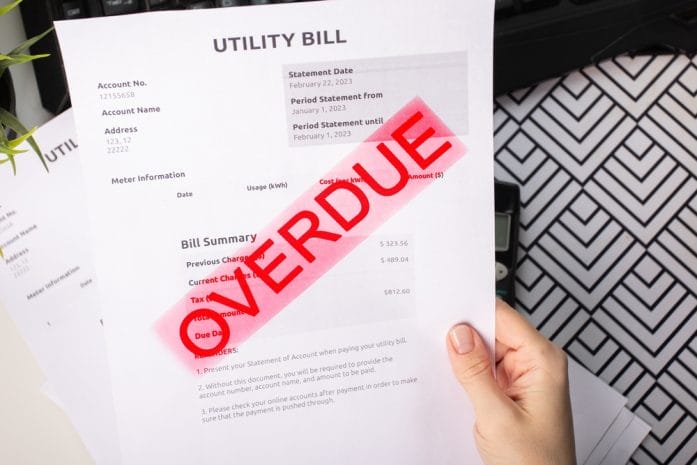
Utility bills are hurting California seniors in the pocketbook, along with insurance renewals – Shutterstock

Why Insurance Premiums Keep Rising Across the State

Insurance companies continue adjusting premiums upward due to a combination of environmental and economic pressures. Wildfire frequency and severity across California create higher risk exposure that insurers factor into pricing models. Inflation also raises the cost of rebuilding homes, replacing vehicles, and processing claims, which directly affects premium calculations. Reinsurance costs, which insurers pay to protect themselves from large-scale losses, continue climbing as well. All these factors work together to push renewal prices higher for consumers.

Regulatory changes and regional risk assessments also influence how insurers structure coverage in different counties. High-risk zones often see fewer providers, which reduces competition and contributes to higher pricing. Seniors who live in long-established homes sometimes feel particularly affected because their properties sit in areas now classified as higher risk than in previous decades. Insurance markets respond quickly to new data, but consumers often experience the financial impact immediately. This gap between risk modeling and household affordability creates ongoing tension for retirees.

Smart Cost Strategies Offer Relief Amid Rising Expenses

Seniors across California increasingly look for practical strategies to manage rising insurance, housing, and utility costs. Many review insurance policies annually to compare coverage levels and identify possible discounts tied to bundling or safety upgrades. Local assistance programs sometimes help offset utility bills, especially for low-income retirees who qualify for energy support. Budget restructuring also plays a key role as seniors prioritize essential expenses and reduce discretionary spending. Financial advisors often recommend building small emergency buffers even during tight income periods.

Community resources and senior advocacy organizations also provide guidance on cost-saving opportunities that many households overlook. Some retirees explore shared housing or cooperative living arrangements to reduce housing pressure without leaving familiar communities. Energy efficiency improvements, even small ones like LED lighting or improved insulation, help reduce long-term utility expenses. Careful planning around renewal dates for insurance policies helps prevent surprise budget disruptions. These combined strategies create more stability, even in an environment where costs continue to rise.

The Reality Behind California’s Retirement Cost Crunch

California seniors now navigate a financial landscape shaped by rising insurance renewals, housing pressure, and increasing utility costs. Each category alone presents challenges, but together they create a compounding effect that strains even well-planned retirement budgets. Many households now adjust spending monthly instead of yearly just to stay ahead of changes. Financial resilience depends more on flexibility and awareness than ever before. The situation continues evolving, but seniors who track costs closely and explore available support options gain more control over their financial stability.

What changes would make retirement more sustainable where cost pressures keep rising?

You May Also Like…

Florida Seniors Could See a 3.9% Social Security COLA in 2027 — But Energy Bills Are Rising Even Faster

Texas Retirees: Property Insurance Premiums Rose Over 20% in Some Counties Last Year — Here’s What Seniors Are Cutting to Keep Up

Common Meds That Could Knock You Off Balance: Dangerous Drugs Seniors Should Avoid or Use With Caution

Life Insurance Policies Can Lose Value Due to Rising Internal Costs

California Prop 19 Alert: Why Heirs Are Receiving Supplemental Property Tax Bills

Brandon Marcus
Brandon Marcus

Brandon Marcus is a writer who has been sharing the written word since a very young age. His interests include sports, history, pop culture, and so much more. When he isn’t writing, he spends his time jogging, drinking coffee, or attempting to read a long book he may never complete.
Filed Under: Lifestyle Tagged With: California seniors, Cost of living, housing crisis, inflation impact, insurance premiums, retirement budgeting, senior finances, utility bills

The Water Surcharge: Why Arizona and Nevada Homeowners Are Seeing New Fees

April 30, 2026 by Brandon Marcus Leave a Comment

The Water Surcharge: Why Arizona and Nevada Homeowners Are Seeing New Fees
Image Source: Shutterstock.com

Life in the Southwest has always come with trade-offs, and now the bill has arrived in a very literal way. Arizona and Nevada homeowners now face new water surcharges that quietly slip onto monthly statements and spark serious frustration. These charges don’t show up as random penalties; utilities carefully design them to reflect deeper issues tied to supply and demand. Water providers now push these fees as a way to stabilize infrastructure and stretch limited resources. Homeowners who once treated water bills as predictable expenses now scramble to adjust budgets.

The shift didn’t happen overnight, and it didn’t come without warning. Years of drought conditions across the Colorado River Basin forced officials to rethink how cities handle water consumption. Lake Mead and Lake Powell levels dropped to historic lows, and policymakers responded with aggressive conservation strategies. Utilities now pass those costs directly to consumers through structured surcharges.

What Exactly Is a Water Surcharge Anyway?

Water surcharges don’t follow the same rules as standard usage fees, and that difference often confuses homeowners. Utilities add these charges to cover specific costs like drought mitigation, infrastructure upgrades, or emergency water sourcing. Instead of simply charging per gallon, providers layer these fees on top of base rates to ensure consistent revenue. That structure helps cities maintain systems even when residents cut back on usage. The result often feels like a no-win situation for households trying to conserve.

Some surcharges target peak usage, while others apply across the board regardless of consumption. For example, a homeowner who reduces lawn watering might still see a higher bill because fixed surcharges don’t disappear. Utilities justify this approach by pointing to long-term system stability and investment needs. Aging pipelines, treatment facilities, and reservoir management all require steady funding. That funding now comes directly from ratepayers rather than unpredictable consumption levels.

Why Arizona and Nevada Feel the Pressure More Than Most

Arizona and Nevada sit at the center of one of the most water-stressed regions in North America, and that geographic reality drives everything. Both states rely heavily on the Colorado River, which supplies millions of residents and fuels agriculture. As water levels decline, competition intensifies between cities, farmers, and neighboring states. Officials must make tough decisions, and higher costs often land on homeowners first. Those decisions aim to stretch every drop while avoiding catastrophic shortages.

Rapid population growth adds another layer of pressure that many people overlook. Cities like Phoenix and Las Vegas continue to expand, bringing more demand into an already strained system. New developments require water infrastructure, and those costs don’t stay hidden for long. Utilities spread expenses across customers, which leads to noticeable increases in monthly bills. Homeowners now pay not just for their own use but also for the region’s ongoing expansion.

How These Fees Show Up on Monthly Bills

Water bills used to feel straightforward, but today’s statements read more like itemized invoices packed with unfamiliar terms. Homeowners now see line items labeled “drought surcharge,” “infrastructure recovery fee,” or “conservation adjustment.” Each charge reflects a specific policy decision rather than simple usage. That complexity makes it harder to track exactly where money goes. Many residents only notice the total rising without fully grasping the breakdown.

The unpredictability frustrates even the most budget-conscious households. Seasonal adjustments can cause bills to spike during summer months when demand peaks. Some utilities also adjust surcharges quarterly based on reservoir levels or regional water allocations. That variability makes it difficult to plan long-term expenses. Homeowners often feel blindsided when bills jump despite efforts to conserve.

The Water Surcharge: Why Arizona and Nevada Homeowners Are Seeing New Fees
Image Source: Shutterstock.com

What Homeowners Can Actually Do About It

Homeowners don’t have to accept rising costs without taking action, even though surcharges feel unavoidable. Smart water use still plays a role in controlling overall expenses, especially when tiered pricing structures reward conservation. Installing low-flow fixtures, upgrading irrigation systems, and switching to drought-resistant landscaping can reduce baseline usage. Those changes won’t eliminate surcharges, but they can soften the financial impact. Every gallon saved still counts in a system designed to reward efficiency.

Advocacy also matters more than many people realize. Local water boards and city councils often hold public meetings where residents can voice concerns about rate structures. Staying informed about proposed changes gives homeowners a chance to push for fairer pricing models. Some communities even offer rebates for conservation upgrades, which help offset upfront costs. Taking advantage of those programs can turn frustration into practical savings.

Behind Rising Water Costs

Water surcharges don’t exist in isolation; they reflect a broader shift in how cities manage essential resources. Climate patterns continue to change, and long-term drought conditions force governments to rethink traditional systems. Infrastructure built decades ago now struggles to meet modern demands. Upgrades require massive investment, and utilities rely on ratepayers to fund those improvements. That reality ensures water bills will remain a hot topic for years to come.

Economic factors also play a role in shaping these policies. Inflation affects everything from construction materials to labor costs, which drives up the price of maintaining water systems. Utilities must balance affordability with financial stability, and that balancing act rarely satisfies everyone. Homeowners often feel caught in the middle of competing priorities. The result looks like a steady stream of new fees that reflect deeper structural challenges.

Where This Trend Heads Next for Southwest Living

The future of water pricing in Arizona and Nevada points toward even more dynamic and responsive systems. Utilities will likely continue refining surcharge models to reflect real-time conditions like reservoir levels and seasonal demand. Technology could play a bigger role, with smart meters providing detailed usage data that influences billing. That shift could bring more transparency but also more variability in monthly costs. Homeowners will need to stay alert and adaptable as these systems evolve.

Policy changes at the state and federal levels could also reshape how water costs get distributed. Ongoing negotiations over Colorado River allocations will influence pricing structures for years ahead. Investments in alternative water sources, such as desalination or recycling, could introduce new costs and opportunities. Those developments won’t happen overnight, but they will gradually change how utilities approach billing. Homeowners who stay informed will navigate these changes with far more confidence.

The Cost of Water Isn’t Just the Bill

Water surcharges tell a bigger story than a simple line item on a utility statement. They reveal how environmental pressure, population growth, and infrastructure needs collide in real time. Homeowners now face a new reality where water costs fluctuate alongside natural conditions and policy decisions. That shift demands attention, planning, and a willingness to adapt. Ignoring the trend won’t make it disappear, but smart choices can make it manageable.

How are rising water costs affecting your monthly budget, and have you made any changes to keep your bills under control? We want to hear your stories and experiences in the comments below.

You May Also Like…

Why May Bills Include “Grid Modernization” Charges

Illinois Counties Are Issuing More Property Liens for Unpaid Utility Balances

Why Do Renters Pay More Than Homeowners for the Same Utilities

Arizona Homeowners Are Affected by Local Water System and Infrastructure Issues

Staying Healthy and Hydrated: How Often Should I Wash My Water Bottle

Brandon Marcus
Brandon Marcus

Brandon Marcus is a writer who has been sharing the written word since a very young age. His interests include sports, history, pop culture, and so much more. When he isn’t writing, he spends his time jogging, drinking coffee, or attempting to read a long book he may never complete.

Filed Under: Lifestyle Tagged With: Arizona water fees, climate change, Cost of living, desert living, drought impact, homeowner expenses, Nevada water surcharge, rising utility costs, Southwest housing, utility bills, water conservation, water pricing

Illinois Counties Are Issuing More Property Liens for Unpaid Utility Balances

April 21, 2026 by Brandon Marcus Leave a Comment

Illinois Counties Are Issuing More Property Liens for Unpaid Utility Balances
Image Source: Shutterstock.com

A growing number of Illinois homeowners now face an unexpected financial threat that has nothing to do with missed mortgage payments. Local governments across the state have ramped up efforts to collect unpaid water, sewer, and garbage bills by placing liens directly on properties.

This shift turns what once felt like a manageable monthly expense into a serious legal and financial burden. Property liens can complicate refinancing, delay home sales, and even trigger foreclosure risks if left unresolved.

Why Illinois Counties Are Cracking Down on Unpaid Utility Bills

Illinois counties have tightened enforcement because unpaid utility balances continue to pile up year after year. Local governments rely heavily on these payments to fund essential services like water treatment and waste management. When residents fall behind, municipalities absorb the shortfall, which strains already tight budgets.

Officials now use property liens as a faster, more reliable way to recover those funds. This approach ensures the debt attaches to the property itself, making repayment far more likely during a sale or refinance.

How Property Liens for Utilities Actually Work

A property lien for unpaid utilities gives the county a legal claim against a home until the debt gets paid. Once officials place the lien, it becomes part of the public record and follows the property, not just the owner. That means even if the home changes hands, the debt does not disappear.

Title companies usually flag these liens during a sale, forcing resolution before closing. In some cases, counties can escalate the situation, adding penalties or initiating foreclosure proceedings if the balance remains unpaid for too long.

The Financial Ripple Effects Homeowners Can’t Ignore

Property liens for unpaid utilities create more than just a paperwork headache—they can hit finances from multiple angles. Homeowners often face additional fees, interest charges, and administrative costs once a lien gets filed. Lenders may hesitate to approve refinancing applications when a lien clouds the title.

Even selling a home becomes more complicated because buyers expect a clean title before closing. These ripple effects can turn a relatively small unpaid bill into a much larger financial obstacle.

Why More Residents Are Falling Behind on Utility Payments

Several factors have contributed to the rise in unpaid utility balances across Illinois. Inflation has pushed everyday expenses higher, leaving many households with tighter budgets. Utility rates themselves have increased in some areas, adding pressure to monthly bills. Unexpected events like job loss or medical expenses can quickly disrupt even the most carefully planned finances. When households prioritize immediate needs like food and housing, utility payments sometimes slip down the list—setting the stage for liens later.

Illinois Counties Are Issuing More Property Liens for Unpaid Utility Balances
Image Source: Shutterstock.com

Practical Steps to Avoid Property Liens for Unpaid Utilities

Homeowners can take proactive steps to avoid the risk of property liens for unpaid utilities. Setting up automatic payments helps ensure bills never get overlooked during busy months. Many municipalities offer payment plans or assistance programs for residents who fall behind, but those options require early action.

Reviewing utility bills regularly can also catch errors or unusual spikes before they turn into larger debts. Staying in communication with local utility offices often opens the door to flexible solutions that prevent liens from ever being filed.

What to Do If a Lien Has Already Been Filed

Facing a property lien for unpaid utilities may feel overwhelming, but several options can help resolve the situation. Contacting the county or utility provider immediately can clarify the total balance and any added fees. Some areas allow homeowners to negotiate payment plans or even reduce penalties under certain conditions. Paying off the lien quickly removes the claim and restores a clear property title. Ignoring the issue only increases costs and risks, so taking action early remains the smartest move.

A Growing Trend That Demands Attention

Illinois counties continue expanding the use of property liens for unpaid utilities, signaling a long-term shift in how local governments handle delinquent accounts. This trend places greater responsibility on homeowners to stay current and informed about their utility obligations. Even small unpaid balances can snowball into significant financial consequences when liens enter the picture. Staying proactive, organized, and communicative can make the difference between a minor hiccup and a major financial setback. Awareness and early action remain the strongest defenses against this growing challenge.

Have you or someone you know dealt with property liens for unpaid utilities, and how did it impact your finances? We want to hear your stories in the comments section below!

You May Also Like…

The Real Reason Your Utility Bill Is Skyrocketing and What You Can Do

Seniors Receiving ‘Utility Shutoff’ Calls With Exact Account Numbers — Here’s How Criminals Are Stealing Them

Texas Property Tax Relief Is Being Offset by Rapidly Rising Appraisals

California Heirs Are Facing Higher Property Taxes Under Prop 19 Transfer Rules

Utility Billing Cycle Changes Causing Double Charges

Brandon Marcus
Brandon Marcus

Brandon Marcus is a writer who has been sharing the written word since a very young age. His interests include sports, history, pop culture, and so much more. When he isn’t writing, he spends his time jogging, drinking coffee, or attempting to read a long book he may never complete.

Filed Under: Lifestyle Tagged With: Debt Management, homeownership risks, Illinois homeowners, Personal Finance, property liens, real estate issues, unpaid utilities, utility bills

Utility Bills Are Rising as Service Fees Increase Across Multiple States

April 21, 2026 by Brandon Marcus Leave a Comment

Utility Bills Are Rising as Service Fees Increase Across Multiple States
Image Source: Shutterstock.com

A quiet shift in utility pricing has started to hit households where it hurts most—monthly bills. Electricity, water, gas, and even trash collection now come with extra service fees that many people never saw coming. These charges often sneak in as small line items, but together they can push a manageable bill into stressful territory.

Across multiple states, providers have increased fees to cover infrastructure upgrades, regulatory costs, and inflation pressures. The result feels the same everywhere: higher totals and tighter budgets.

Why Service Fees Are Climbing So Quickly

Utility companies have ramped up service fees to cover aging infrastructure that demands expensive upgrades and repairs. Power grids, water systems, and pipelines require modernization, and companies pass those costs directly to consumers. Regulators often approve these increases because they prioritize reliability and safety, even when that means higher bills.

Inflation has also driven up labor and material costs, which utilities factor into new pricing structures. The phrase “utility bills rising” reflects more than energy usage—it signals a structural shift in how companies charge for basic services.

The Hidden Fees Driving Higher Bills

Service fees often appear as delivery charges, administrative costs, or system maintenance fees buried in the fine print. Many households focus on usage rates, but these fixed fees increase regardless of how much electricity or water someone uses. For example, a family that cuts back on energy consumption may still see their total bill climb due to higher base charges. Some providers have introduced tiered service fees that rise based on regional demand or seasonal strain. These hidden costs play a major role in why utility bills rising has become a common frustration across different income levels.

How Different States Are Impacted

States with extreme weather patterns often experience the fastest increases because utilities must invest heavily in infrastructure resilience. Areas prone to wildfires, hurricanes, or freezing temperatures require constant upgrades to prevent outages and damage. Meanwhile, fast-growing states face pressure to expand capacity, which leads to new service fees to fund expansion projects. Some regions also allow utilities to adjust pricing more frequently, which accelerates the pace of increases. This uneven landscape explains why utility bills rising feels more intense in certain states than others, even when usage habits remain similar.

Practical Ways to Offset Rising Costs

Households can take strategic steps to soften the impact of higher service fees, even when they cannot eliminate them entirely. Reviewing utility bills line by line helps identify patterns and unexpected charges that might qualify for dispute or clarification. Many providers offer budget billing programs that spread costs evenly throughout the year, making monthly expenses more predictable.

Energy-efficient appliances, smart thermostats, and water-saving fixtures can reduce usage and partially offset fixed fee increases. While these actions cannot stop utility bills rising altogether, they can prevent costs from spiraling out of control.

Utility Bills Are Rising as Service Fees Increase Across Multiple States
Image Source: Shutterstock.com

What This Trend Means for the Future

Utility pricing will likely continue evolving as companies balance infrastructure needs with consumer affordability concerns. Policymakers face increasing pressure to regulate fee structures and improve transparency so households understand what they pay for. At the same time, renewable energy adoption and decentralized systems could reshape how utilities charge customers in the coming years.

Consumers who stay informed and proactive will have a stronger chance of adapting to these changes without financial strain. The reality remains clear: utility bills rising has become a long-term trend, not a temporary spike.

The Bottom Line on Managing Higher Utility Costs

Rising service fees have transformed everyday utility bills into a more complex and often frustrating expense. These increases stem from real challenges like infrastructure upgrades and inflation, but they still demand attention from consumers who want to protect their budgets. Small actions, such as reviewing bills and improving efficiency, can add up over time and create meaningful savings. Staying informed about local regulations and utility policies also helps households respond quickly to new charges. As utility bills rising continues to shape monthly expenses, awareness and adaptability will make the biggest difference.

What changes have you noticed in your utility bills lately, and what strategies have helped you manage the increases? Share your thoughts in the comments.

You May Also Like…

The Real Reason Your Utility Bill Is Skyrocketing and What You Can Do

Seniors Receiving ‘Utility Shutoff’ Calls With Exact Account Numbers — Here’s How Criminals Are Stealing Them

Utility Billing Cycle Changes Causing Double Charges

SSA Overpayment Letters Are Demanding Fast Repayment From Seniors

Why Do Utility Bills Keep Rising Even When Usage Stays the Same

Brandon Marcus
Brandon Marcus

Brandon Marcus is a writer who has been sharing the written word since a very young age. His interests include sports, history, pop culture, and so much more. When he isn’t writing, he spends his time jogging, drinking coffee, or attempting to read a long book he may never complete.

Filed Under: Lifestyle Tagged With: Budgeting Tips, energy costs, household expenses, inflation impact, rising costs, saving money, service fees, utility bills

The Real Reason Your Utility Bill Is Skyrocketing and What You Can Do

April 7, 2026 by Brandon Marcus Leave a Comment

The Real Reason Your Utility Bill Is Skyrocketing and What You Can Do
Image Source: Shutterstock.com

Electric bills aren’t just creeping up anymore—they’re charging forward like they’ve got something to prove. Numbers that once felt manageable now look like a monthly shock, and the explanation rarely feels clear. Blaming “higher costs” sounds vague, and vague doesn’t help when the total jumps again. The truth hides behind a mix of global shifts, local infrastructure, and everyday habits that quietly stack up over time. Understanding what actually drives those numbers gives far more power than simply bracing for the next bill.

Big energy changes don’t stay behind the scenes anymore; they show up in homes, apartments, and bank accounts. Rising costs don’t come from one single cause, and that’s exactly why they feel so frustrating. A mix of supply issues, aging systems, extreme weather, and lifestyle patterns pushes prices higher from multiple directions at once. That layered reality means quick fixes won’t cut it, but smart adjustments absolutely can. Once the real drivers come into focus, cutting costs stops feeling like guesswork and starts feeling like strategy.

The Hidden Forces Driving Your Bill Higher

Energy prices don’t just rise randomly; global supply and demand shifts push them up in ways that ripple into everyday life. When fuel costs increase, electricity providers pass those increases along almost immediately, and that impact hits every household regardless of usage habits. Infrastructure also plays a massive role, because many power grids rely on aging systems that require expensive maintenance and upgrades. Those upgrades cost money, and utility companies recover those expenses through higher rates. Weather adds another layer of pressure, especially during extreme heat or cold when demand spikes dramatically. Increased demand forces utilities to generate more power quickly, which often costs more and drives rates upward. Even water bills feel the pressure, as drought conditions and water treatment expenses raise costs in many regions.

Government policies and environmental regulations also influence utility pricing, often with long-term goals that carry short-term cost increases. Cleaner energy initiatives, for example, require investment in renewable systems, and that transition doesn’t come cheap. While those changes aim to reduce environmental impact, they often increase bills during the transition period. Population growth in certain areas strains local resources, forcing utilities to expand capacity and infrastructure faster than planned. That expansion again feeds into higher costs for consumers. On top of that, energy markets fluctuate constantly, and those fluctuations create unpredictable pricing patterns. When all these forces combine, bills rise steadily rather than dramatically, which makes the increases feel relentless instead of sudden.

The Everyday Habits That Quietly Add Up

Daily routines shape utility bills far more than most people expect, and small patterns often create surprisingly large impacts over time. Leaving lights on in multiple rooms, running appliances during peak hours, and keeping devices plugged in all day steadily increase electricity usage. Even modern homes packed with energy-efficient devices still waste power through standby consumption, sometimes called “phantom energy.” That constant drain may seem minor, but it adds up every single day. Heating and cooling habits also make a massive difference, especially when thermostats stay fixed instead of adjusting with the weather or time of day. A few degrees higher or lower can shift energy use significantly across an entire month. Laundry habits, water heater settings, and even cooking methods all contribute to the total.

Water usage creates another major piece of the puzzle, especially in homes with older fixtures or unnoticed leaks. A dripping faucet or running toilet may not seem urgent, but those small issues waste gallons of water daily and quietly inflate bills. Long showers, frequent laundry cycles, and inefficient dishwashing routines also push usage higher than necessary. Seasonal changes amplify these habits, especially during summer when air conditioning and water use both increase. Many households don’t adjust routines to match those seasonal shifts, which leads to spikes that feel unexpected. Awareness alone can start to shift those patterns in a meaningful way. Once habits come into focus, simple changes begin to lower costs without sacrificing comfort.

Smart Moves That Actually Lower Costs

Cutting utility bills doesn’t require drastic lifestyle changes; it starts with targeted, practical adjustments that deliver real results. Switching to energy-efficient lighting, such as LED bulbs, immediately reduces electricity use without affecting brightness or comfort. Smart thermostats offer another powerful tool by automatically adjusting temperatures based on daily routines. That kind of automation eliminates wasted energy without constant manual changes. Running appliances like dishwashers and washing machines during off-peak hours can also reduce costs in areas with time-based pricing. Sealing windows and doors prevents air leaks, which keeps heating and cooling systems from working overtime. Even unplugging unused devices helps eliminate phantom energy loss.

Water-saving upgrades also make a noticeable difference, especially when paired with smarter usage habits. Low-flow showerheads and faucets reduce water consumption without sacrificing pressure, which keeps comfort intact while lowering costs. Fixing leaks quickly prevents long-term waste and avoids unnecessary charges that build over time.

Adjusting water heater temperatures slightly downward reduces energy use while still providing plenty of hot water. Outdoor water use deserves attention too, especially for homes with gardens or lawns. Watering during early morning or evening hours minimizes evaporation and improves efficiency. These changes don’t require major investments, yet they consistently deliver measurable savings.

The Real Reason Your Utility Bill Is Skyrocketing and What You Can Do
Image Source: Shutterstock.com

Why Timing Matters More Than You Think

Utility costs often fluctuate throughout the day, and timing plays a bigger role than many people realize. Peak hours typically occur when demand hits its highest point, often in the late afternoon and early evening. During those times, electricity costs more because utilities must generate additional power quickly. Running high-energy appliances during those peak periods drives bills higher even if overall usage stays the same. Shifting those activities to off-peak hours reduces costs without reducing comfort or convenience. Many utility providers now offer time-of-use plans that reward this kind of behavior with lower rates.

Seasonal timing also affects energy costs in a big way, especially during extreme weather months. Summer heat drives air conditioning use, while winter cold increases heating demand, and both scenarios push energy consumption upward. Preparing for those seasonal shifts ahead of time helps control costs before they spike. Simple steps like servicing HVAC systems, improving insulation, and adjusting thermostat schedules can make a noticeable difference.

Even cooking habits matter, since using ovens during hot months adds extra heat that forces cooling systems to work harder. Paying attention to timing transforms energy use from reactive to strategic. That shift alone often leads to lower bills without major sacrifices.

You DO Have Control

Rising utility bills don’t come from a single cause, and that complexity makes them feel overwhelming at first glance. Once the real drivers come into focus—global energy shifts, infrastructure costs, everyday habits, and timing—those numbers start to make more sense. More importantly, they start to feel manageable instead of mysterious. Small, consistent changes create real impact, especially when they target the biggest areas of energy and water use. Smart habits, efficient upgrades, and better timing combine into a strategy that works month after month. No dramatic overhaul required, just smarter decisions stacked together.

If you’re in Texas, the deregulated energy market means you can compare and switch providers like Energy Texas to potentially lower your monthly bill.

Which change feels easiest to try first, and what strategies have already made a difference? Drop your thoughts, ideas, or personal wins in the comments and keep the conversation going.

You May Also Like…

Seniors Receiving ‘Utility Shutoff’ Calls With Exact Account Numbers — Here’s How Criminals Are Stealing Them

Utility Companies Are Ending Paper Billing — How It Will Change Your Monthly Payments

Utility Billing Cycle Changes Causing Double Charges

Adult Kids Beware: Some States Can Sue You for Your Parents’ Medical Bills

From Medicare to Medicaid: Why Billing Glitches Are Causing Unexpected Medical Bills Nationwide

Brandon Marcus
Brandon Marcus

Brandon Marcus is a writer who has been sharing the written word since a very young age. His interests include sports, history, pop culture, and so much more. When he isn’t writing, he spends his time jogging, drinking coffee, or attempting to read a long book he may never complete.
Filed Under: Lifestyle Tagged With: budgeting, Cost of living, electricity prices, energy costs, Energy Efficiency, home tips, Inflation, saving money, smart home, sustainability, utility bills, water bills

Utility Companies Are Ending Paper Billing — How It Will Change Your Monthly Payments

April 1, 2026 by Brandon Marcus Leave a Comment

Utility Companies Are Ending Paper Billing — How It Will Change Your Monthly Payments
Image Source: Shutterstock.com

The mailbox just lost one of its most reliable tenants. Utility bills, those predictable envelopes that showed up month after month, now face extinction as companies push hard toward digital-only billing. This shift doesn’t just clean up clutter or save paper; it reshapes how households track spending, avoid late fees, and even think about money. The familiar ritual of tearing open an envelope and scanning a printed total starts to feel like something from another era, and that change comes with both convenience and a few surprising challenges.

The move away from paper billing signals a bigger transformation in how everyday finances operate. Utility companies want faster payments, fewer administrative costs, and tighter integration with apps and automated systems, and digital billing delivers all of that. At the same time, households must adjust quickly or risk missed due dates, confusion over fluctuating charges, and less visibility into monthly expenses. This transition doesn’t ask for permission; it already moves forward at full speed.

The Quiet Disappearance of Paper Bills

Utility companies didn’t flip a switch overnight, but the direction feels unmistakable. Many providers now charge extra fees for paper statements, while others require customers to opt in just to keep receiving them. This shift reduces printing and mailing costs for companies, but it also nudges households toward digital habits whether they feel ready or not. Environmental messaging often supports the change, and it resonates with many people who want to cut down on waste. Still, the financial motivation behind the scenes plays an equally strong role, as digital billing trims operational expenses significantly.

That disappearance changes more than the format of a bill; it alters the way people engage with their finances. A physical bill demands attention in a way that an email notification sometimes does not, especially when inboxes overflow with promotions and updates. Without that tangible reminder sitting on a kitchen counter, some households find it easier to forget or delay payments. Others embrace the change and enjoy instant access to statements, searchable records, and fewer piles of paperwork. The key difference lies in how intentional someone becomes about checking and managing those digital alerts.

The shift also affects households that rely on traditional systems, including those who prefer in-person payments or lack consistent internet access. Utility companies often provide alternatives, but those options sometimes come with extra steps or limitations. This transition doesn’t treat everyone equally, and it places more responsibility on individuals to adapt quickly. Keeping track of account logins, passwords, and billing cycles becomes part of the new routine, whether anyone asked for it or not.

Autopay Takes Center Stage — For Better or Worse

Digital billing almost always pairs with a strong push toward automatic payments. Utility companies highlight autopay as the easiest, most reliable option, and they often sweeten the deal with small discounts or incentives. That setup ensures bills get paid on time, which helps avoid late fees and service interruptions. For many households, autopay removes a layer of stress and keeps everything running smoothly in the background. It turns bill-paying into something that happens quietly rather than something that demands attention every month.

That convenience, however, comes with trade-offs that deserve attention. Automatic withdrawals can catch people off guard when utility costs spike due to seasonal changes or unexpected usage. A higher-than-usual bill might slip through without immediate notice, especially if no one checks the account regularly. This situation can strain budgets quickly, particularly when multiple bills withdraw at different times. Staying aware of account balances and reviewing statements becomes essential, even when autopay handles the actual transaction.

Setting up alerts offers a simple but powerful way to stay in control. Many utility providers allow users to receive notifications when bills exceed a certain amount or when payments process. Taking advantage of these tools helps bridge the gap between convenience and awareness. Reviewing statements at least once a month ensures that errors or unusual charges don’t go unnoticed. Autopay works best when it operates alongside active oversight rather than replacing it entirely.

Utility Companies Are Ending Paper Billing — How It Will Change Your Monthly Payments
Image Source: Shutterstock.com

Budgeting Feels Different Without That Paper Trail

Paper bills used to create a natural rhythm for budgeting. Each envelope served as a physical checkpoint, prompting a quick review of charges and a mental note of how much money needed to go out. Digital billing changes that rhythm completely, and it requires a more proactive approach to tracking expenses. Without a stack of statements to flip through, everything lives inside apps and online accounts, which can feel less immediate and sometimes less memorable.

This shift pushes households toward digital budgeting tools, which can actually improve financial awareness when used consistently. Apps that categorize expenses, track trends, and send reminders offer a level of insight that paper bills never could. Still, these tools demand setup and regular engagement, and they don’t work automatically without some effort. Those who ignore them risk losing sight of how much utilities actually cost month to month, especially when payments happen quietly in the background.

Creating a simple routine helps keep everything on track. Setting a specific day each month to review all utility accounts builds a new habit that replaces the old paper-based system. Downloading or saving digital statements also creates a record that remains easy to access later. Even something as straightforward as jotting down monthly totals in a notebook can restore a sense of control. The format may change, but the goal stays the same: understanding where money goes and why.

Security, Scams, and the Digital Learning Curve

Moving bills online introduces a new set of concerns that didn’t exist with paper statements. Email notifications and online portals create opportunities for phishing scams and fraudulent messages that mimic legitimate utility companies. These scams often look convincing, and they can trick people into sharing sensitive information or making payments through fake websites. Staying cautious becomes essential, especially when dealing with unexpected emails or urgent payment requests.

Learning how to spot red flags makes a huge difference in avoiding these traps. Checking the sender’s email address, avoiding suspicious links, and logging in directly through official websites rather than email prompts all help reduce risk. Utility companies often provide guidance on recognizing scams, and taking a few minutes to review that information can prevent costly mistakes. Digital billing offers convenience, but it also requires a sharper awareness of online security.

Password management plays a bigger role than ever in this new system. Each utility account needs a strong, unique password, and reusing the same credentials across multiple sites increases vulnerability. Using a password manager simplifies this process and keeps everything organized. Enabling two-factor authentication adds another layer of protection, making it harder for unauthorized users to access accounts. These steps may feel like extra work at first, but they quickly become part of a safer, more confident digital routine.

What This Shift Means for the Future of Payments

The move away from paper billing doesn’t stand alone; it connects to a broader evolution in how financial systems operate. Utility companies continue to integrate with mobile apps, smart home devices, and real-time usage tracking tools. This integration allows households to monitor energy or water consumption more closely and adjust habits in response. Payments may soon feel less like monthly events and more like ongoing, dynamic interactions with services.

This future brings both opportunities and challenges. Real-time data can help reduce waste and lower costs, but it also requires consistent attention and engagement. Subscription-style billing models may become more common, smoothing out seasonal spikes but changing how expenses appear month to month. Staying flexible and open to new tools will help households adapt as these changes unfold. The key lies in understanding how each new feature affects both convenience and control.

Adapting early often makes the transition smoother. Exploring available apps, setting up notifications, and reviewing account settings all help build confidence in the new system. Asking questions and seeking support from utility providers can also clear up confusion and prevent mistakes. This shift doesn’t need to feel overwhelming; it simply requires a willingness to adjust habits and embrace new ways of managing everyday finances.

The Bill Isn’t Gone — It Just Changed Shape

Paper bills may disappear, but the responsibility behind them stays exactly the same. Digital billing offers speed, convenience, and powerful tools, yet it also demands more awareness and intentional habits. Ignoring that shift can lead to missed payments, surprise charges, or security risks, while embracing it can create a smoother, more efficient system for handling monthly expenses. The difference comes down to how actively someone engages with the process.

What changes feel most exciting or frustrating about this shift to digital billing, and what strategies have worked best for staying on top of monthly payments? Share your thoughts, ideas, or personal approaches in the comments and keep the conversation going.

You May Also Like…

From Medicare to Medicaid: Why Billing Glitches Are Causing Unexpected Medical Bills Nationwide

6 Ways to Lower Your Tax Bill Under 2026 OBBBA Updates

Ground Ambulance Bills Still Fall Outside Federal Surprise Billing Protections

Why Do Utility Bills Keep Rising Even When Usage Stays the Same

Here’s When It’s Okay To Let Kids Move Back Home To Pay Off Bills

Brandon Marcus
Brandon Marcus

Brandon Marcus is a writer who has been sharing the written word since a very young age. His interests include sports, history, pop culture, and so much more. When he isn’t writing, he spends his time jogging, drinking coffee, or attempting to read a long book he may never complete.

Filed Under: Lifestyle Tagged With: Autopay, bill pay apps, Budgeting Tips, digital payments, energy bills, finance trends, household expenses, money management, online billing, paper billing, Personal Finance, utility bills

Homeowners Are Getting Hit With $3,000+ “Surprise Costs” — And They’re Not From the Mortgage

March 27, 2026 by Brandon Marcus Leave a Comment

Homeowners Are Getting Hit With $3,000+ “Surprise Costs” — And They’re Not From the Mortgage
Image Source: Pexels.com

Homeownership looks glamorous on Pinterest boards: cozy mornings, freshly painted walls, and backyard barbecues. Reality, however, has a way of crashing the party with bills that can make anyone’s eyes pop. While monthly mortgage payments get all the attention, homeowners are increasingly encountering jaw-dropping costs that seem to appear out of thin air. These aren’t small, forgettable fees — we’re talking $3,000 and up, landing like an unwelcome surprise on bank statements. This isn’t about forgetting to budget; it’s about understanding the true cost of owning a home and staying one step ahead of financial headaches.

It isn’t just about paying for a roof over your head anymore. Homes carry hidden weight in the form of repairs, insurance adjustments, maintenance, and even government-required assessments. Many homeowners are discovering that what they thought was a fixed, predictable budget is actually a constantly shifting landscape of expenses.

The Silent Wallet Eaters Lurking in Your Home

Unexpected expenses have a way of sneaking up even on the most careful planners. One major culprit? Home maintenance that doesn’t wait for convenience. HVAC systems, plumbing, and roofing aren’t cheap to repair or replace. An aging furnace can demand a $2,500 to $5,000 replacement almost overnight, and homeowners rarely see that coming in a standard budget. Electrical rewiring or water line replacements can easily add another $3,000, leaving little room for error.

Beyond infrastructure, there’s the everyday wear-and-tear that accumulates quietly. Flooring, windows, and paint don’t scream for attention until the problem reaches a breaking point, at which stage the price tag inflates rapidly. Seasonal demands also pack a punch: winter storms, summer heatwaves, and even humidity can accelerate the breakdown of materials, leading to sudden costs for repairs or replacements. Proactively scheduling inspections and preventative maintenance isn’t just smart—it’s essential for dodging these shockers.

Insurance Isn’t Just Paperwork — It’s a Pricey Reality Check

Homeowners insurance sounds simple until a claim or rate hike lands like a slap to the face. Premiums can jump for a variety of reasons, including neighborhood crime statistics, natural disaster risk, or even minor claims on the property. Some homeowners find themselves shelling out thousands more when their insurance company recalculates coverage based on new valuations or local events. It’s a subtle, often overlooked financial strain that can catch anyone unprepared.

Adding to the challenge, insurance doesn’t always cover everything. Deductibles, exclusions, and gaps in coverage can leave homeowners footing massive bills themselves. Imagine a plumbing disaster or a tree crash during a storm and realizing that your policy only covers part of it. That’s why reviewing policies annually and comparing alternatives is crucial. It’s also wise to consider umbrella policies or extra coverage for high-value items to avoid unpleasant surprises.

Taxes, Fees, and Government Mandates — The Unseen Thieves

Property taxes alone have driven many homeowners into shock. While rates vary by location, they rarely stay stagnant. Home value reassessments, municipal fees, and special assessments can easily push yearly costs into the thousands. Some localities have added infrastructure or environmental levies, meaning homeowners suddenly face bills that feel completely unrelated to the house itself.

Homeowners should budget proactively for these governmental hits. Establishing a separate emergency fund for property taxes and mandatory fees can prevent scrambling when bills arrive. Staying engaged with local planning boards and tax offices also pays dividends, giving a heads-up on upcoming rate changes or special assessments. This knowledge is not just power—it’s peace of mind for homeowners trying to manage a sprawling set of financial responsibilities.

Renovations and Upgrades: Fun Now, Costly Later

Everyone loves a chic kitchen remodel or a backyard upgrade, but those projects can spiral out of control faster than anyone expects. While the initial estimate might seem reasonable, hidden issues like outdated wiring, water damage, or structural flaws often emerge mid-project, sending costs soaring. A $10,000 renovation can quickly become $15,000, or more, before the final touch of paint.

Even small projects carry hidden financial weight. Adding energy-efficient appliances, smart-home systems, or luxury finishes can quickly bump the price of an upgrade. It’s crucial for homeowners to plan for a contingency budget—often 20% to 30% above the expected cost. Working with trusted contractors and obtaining multiple estimates helps avoid the classic pitfall of overspending and ensures surprises stay minimal rather than monumental.

Utility Bills: The Sneaky Daily Drainers

Homeowners might not expect everyday bills to be part of the “surprise” category, but energy and water costs fluctuate far more than many realize. Heating during extreme winters or running air conditioning in sweltering summers can inflate utility bills by hundreds of dollars a month. Water usage spikes when irrigation systems, leaks, or new appliances come into play, and these can quietly rack up thousands over a year.

Utility companies also introduce unexpected fees or rate hikes, sometimes without much fanfare. Smart homeowners monitor usage closely, invest in energy-efficient systems, and use devices to track leaks or unusual consumption patterns. Seasonal planning—like insulating pipes for winter or scheduling energy-intensive chores during off-peak hours—helps maintain control over what can quickly become a financial surprise storm.

Homeowners Are Getting Hit With $3,000+ “Surprise Costs” — And They’re Not From the Mortgage
Image Source: Pexels.com

Navigating the Homeownership Minefield With Confidence

While $3,000+ surprise costs sound terrifying, they don’t have to feel like a trap. Forethought, budgeting, and proactive management can turn these potential shocks into manageable line items on a homeowner’s financial plan. Regular maintenance, insurance reviews, tax awareness, and careful renovation planning act as a buffer against the most brutal hits. Emergency funds and contingency budgets aren’t just safety nets—they’re survival tools in a world where houses aren’t just homes, they’re ongoing financial adventures.

How do you handle these unexpected expenses? Have a strategy, a hack, or a story about a surprise home cost that went way over budget? Share your insights and tips in the comments.

You May Also Like…

Your House Is Holding You Back: Why So Many People Are Re‑Thinking Homeownership

The “Homeowner Lie”: Why Your House is Actually a Liability, Not an Investment in 2026

7 Reasons Your Home Insurance Premium Just Went Up Again

Top 10 Reasons Boomers Were Right About Homeownership: Is It Too Late for Millennials?

Escrow Shortages Are Adding $100–$300 to Monthly Mortgage Payments

Brandon Marcus
Brandon Marcus

Brandon Marcus is a writer who has been sharing the written word since a very young age. His interests include sports, history, pop culture, and so much more. When he isn’t writing, he spends his time jogging, drinking coffee, or attempting to read a long book he may never complete.

Filed Under: Finance Tagged With: home budget, Home insurance, homeowners, homeownership, maintenance tips, Planning, property costs, Real estate, renovations, unexpected expenses, utility bills

Utility Billing Cycle Changes Causing Double Charges

February 23, 2026 by Brandon Marcus Leave a Comment

Utility Billing Cycle Changes Causing Double Charges
Image Source: Unsplash.com

A single date change can rattle an entire household budget. When a utility company shifts its billing cycle, many households open a statement that looks inflated, confusing, and sometimes downright alarming.

The total often appears far higher than usual, and panic sets in before anyone even scans the fine print. Utility billing cycle changes can cause what looks like double charges, but the real story often sits in the details, and those details deserve close attention.

Why Billing Cycles Change in the First Place

Utility companies do not change billing cycles on a whim. Providers sometimes adjust billing schedules to streamline operations, align meter-reading routes, or upgrade internal systems. When a company rolls out new billing software or reorganizes service territories, it often shifts customer billing dates to match those new structures.

These changes can also occur after a customer moves service to a new address, switches rate plans, or enrolls in budget billing programs. In some cases, regulators approve adjustments that affect billing cycles, especially when utilities update rate structures or modernize their metering infrastructure. None of this automatically means a mistake occurred, but it does mean the next bill might cover more days than usual.

That extended billing period often triggers the appearance of a double charge. Instead of billing for 30 days, the utility might bill for 45 or even 60 days to transition from the old cycle to the new one. The total rises because the billing period grew longer, not because the company charged twice for the same electricity or water. Still, without clear communication, that spike can feel like a punch to the budget.

When One Bill Covers Two Time Periods

A billing cycle change often results in what industry professionals call a “prorated” bill. That term simply means the company calculated charges based on the actual number of days in the billing period. If the cycle shifts forward by two weeks, the next statement might include six weeks of usage instead of four.

That longer window can easily look like a duplicate charge. The total doubles compared to a typical month, and the brain jumps to the worst-case scenario. In reality, the bill likely reflects real usage over a longer stretch of time. Electricity, gas, and water meters continue to record consumption every day, so a longer billing period naturally generates a higher total.

Utilities typically show the start and end dates for the billing period on the statement. Those dates tell the real story. If the previous bill covered January 1 through January 30 and the new bill covers January 31 through March 15, the math adds up. That statement reflects 44 days of service, not two separate charges for the same month. Scrutinizing those dates clears up confusion faster than any call to customer service.

Red Flags That Signal a Real Problem

Not every high bill stems from a harmless billing cycle change. Errors can occur, and customers should never ignore a number that feels wildly off. A true double charge usually appears as two identical line items for the same service period or two withdrawals from a bank account for the same invoice.

Online account portals make this easier to track. Many utilities allow customers to view payment history, pending charges, and past statements in one place. If the system shows two payments processed for the same bill number, that signals a potential issue. Bank and credit card statements can also confirm whether a duplicate payment cleared.

Another warning sign involves mismatched meter readings. Each bill typically lists the previous and current meter reading. If those numbers jump far beyond normal usage without explanation, something may have gone wrong with the reading or data entry. In that situation, contacting the utility promptly can prevent late fees and additional stress.

Utility Billing Cycle Changes Causing Double Charges
Image Source: Unsplash.com

How to Respond Without Losing Your Cool

The worst move involves ignoring the bill out of frustration. Late fees, service interruptions, and credit reporting consequences can follow quickly if payment deadlines pass. Instead, take a methodical approach.

First, review the billing period dates and compare them to the previous statement. Calculate the number of days covered in each bill. If the latest statement includes significantly more days, the higher total likely reflects a transition period rather than a duplicate charge.

Second, check whether the utility sent prior notice about a billing cycle change. Many companies send emails, letters, or bill inserts explaining upcoming adjustments. Those notices often outline what to expect and warn about a potentially larger transitional bill.

Third, contact customer service if confusion persists. Utility companies typically offer payment plans for unusually large bills, especially when a billing cycle shift creates a temporary spike. Many providers also allow customers to spread the cost over several months through installment arrangements or budget billing programs.

Keeping detailed records strengthens any dispute. Save copies of statements, screenshots of account histories, and confirmation numbers from phone calls or online chats. Organized documentation can speed up resolution if the situation escalates.

Protecting Your Budget From Future Surprises

A billing cycle change highlights a bigger truth about household finances: flexibility matters. Setting aside a small monthly cushion in a dedicated utilities fund can soften the blow of an unexpectedly large bill. Even a modest buffer can prevent panic when a statement jumps higher than usual.

Enrolling in budget billing programs offers another layer of stability. Many utilities calculate an average monthly payment based on past usage and spread costs evenly throughout the year. While the total annual cost remains the same, the predictable payment can simplify planning.

Monitoring usage through smart meters and online dashboards also helps. Many utilities now provide near real-time data, allowing households to track daily or weekly consumption. That visibility makes it easier to spot unusual spikes and adjust habits before the next statement arrives.

Finally, always read notices from utility providers, even when they look routine. Billing inserts and email updates often contain critical information about rate changes, cycle adjustments, or new fees. Staying informed prevents confusion and strengthens confidence when a bill looks unfamiliar.

Information Beats Panic Every Time

A billing cycle change can inflate a single statement and create the impression of double charges, but the explanation usually lies in the dates and the number of days billed. Utilities adjust schedules for operational reasons, and those transitions often produce one larger-than-normal bill rather than an actual duplicate charge. Careful review of billing periods, meter readings, and payment history separates harmless timing shifts from true errors.

Taking a calm, organized approach protects both finances and peace of mind. Reviewing statements closely, keeping records, and reaching out to customer service when necessary ensures that no one pays more than required. A larger bill may feel alarming at first glance, but clear information often replaces that anxiety with understanding.

Has a recent utility bill caught attention in a way that felt confusing or overwhelming, and what steps helped clarify the situation? We want you to share with everyone below.

You May Also Like…

Why Monthly Bills Are Rising Even for Households That Haven’t Changed Spending

Why Are Utility Bills Becoming a Bigger Budget Problem

Could Your Retirement Be at Risk From Rising Utility Costs

9 Everyday Costs Rising Faster Than Seniors’ Income

Why Do So Many People Believe Budgeting Apps Solve Everything

Brandon Marcus
Brandon Marcus

Brandon Marcus is a writer who has been sharing the written word since a very young age. His interests include sports, history, pop culture, and so much more. When he isn’t writing, he spends his time jogging, drinking coffee, or attempting to read a long book he may never complete.
Filed Under: Lifestyle Tagged With: billing cycle change, billing errors, Consumer Protection, customer service, double charges, electricity rates, energy bills, household budgeting, payment due dates, Personal Finance, utility bills, water bills

  • 1
  • 2
  • 3
  • Next Page »

FOLLOW US

Search this site:

Recent Posts

  • Can My Savings Account Affect My Financial Aid? by Tamila McDonald
  • 12 Ways Gen X’s Views Clash with Millennials… by Tamila McDonald
  • What Advantages and Disadvantages Are There To… by Jacob Sensiba
  • 10 Tactics for Building an Emergency Fund from Scratch by Vanessa Bermudez
  • Call 911: Go To the Emergency Room Immediately If… by Stephen Kanaval
  • 7 Weird Things You Can Sell Online by Tamila McDonald
  • 10 Scary Facts About DriveTime by Tamila McDonald

Copyright © 2026 · News Pro Theme on Genesis Framework