
• Home
  • About Us
  • Toolkit
  • Getting Finances Done
    • Hiring Advisors
    • Debt Management
    • Spending Plan
  • Insurance
    • Life Insurance
    • Health Insurance
    • Disability Insurance
    • Homeowners/Renters Insurance
  • Contact Us
  • Privacy Policy
  • Risk Tolerance Quiz

The Free Financial Advisor

You are here: Home / Archives for Home

6 States Where Homeownership Is Getting More Expensive in 2026 — Here’s Why

February 5, 2026 by Brandon Marcus Leave a Comment

These Are 6 States Where Homeownership Is Getting More Expensive in 2026 — Here’s Why

Image source: shutterstock.com

Buying a home in 2026 isn’t just about finding the right kitchen island or a backyard big enough for a grill and a dog — it’s about navigating a maze of rising costs that go way beyond the mortgage payment.

Between higher insurance premiums, climbing property taxes, infrastructure growth, population surges, and ongoing housing shortages, homeownership is becoming more expensive in places that used to feel like financial safe havens.

Many of these states are still incredibly desirable, which means demand isn’t slowing down. In fact, it’s accelerating. If you’re planning to buy, relocate, or invest, understanding where costs are rising (and why) can help you avoid financial shock later.

1. Florida — Paradise Comes With a Price Tag

Florida continues to attract new residents thanks to warm weather, no state income tax, and lifestyle appeal, but those same perks are fueling higher housing demand and ownership costs. Insurance premiums have been rising sharply due to hurricane risk, flooding exposure, and increasing rebuilding costs, which directly impacts homeowners’ monthly budgets.

Property taxes are also trending upward in fast-growing counties as infrastructure expands to support population growth. Add in increased maintenance costs tied to climate wear-and-tear, and Florida ownership becomes far more expensive than the listing price suggests. For buyers, budgeting for long-term ownership costs is now just as important as securing a good mortgage rate.

2. Texas — Growth Isn’t Cheap Anymore

Texas still markets itself as affordable, but that reputation is rapidly changing. Major metros like Austin, Dallas, Houston, and San Antonio continue to see population growth, corporate relocations, and housing demand that puts pressure on inventory. Property taxes in Texas are among the highest in the country, and as home values rise, those taxes follow.

Insurance premiums are also climbing due to storm risks, heat-related damage, and construction costs. Even new developments, once seen as affordable alternatives, are seeing rising HOA fees and infrastructure costs that quietly raise the true cost of ownership.

3. Arizona — Desert Demand Drives Prices Up

Arizona’s housing market has been fueled by remote work, retiree migration, and population growth, especially in cities like Phoenix, Scottsdale, and Tucson. Rising demand has pushed home values higher, but the hidden costs are just as impactful. Water infrastructure investments, insurance increases, and property tax adjustments are adding to the cost of staying in a home long-term.

Utility costs also rise with climate extremes, making ownership more expensive beyond the mortgage payment. The result is a state that still attracts buyers — but at a growing premium.

4. Tennessee — The Boom State Effect

Tennessee has seen explosive growth in cities like Nashville, Knoxville, and Chattanooga, driven by business expansion, job growth, and quality-of-life appeal. As demand rises, so do home prices, property taxes, and development-related fees. Infrastructure expansion, road projects, and public services all get funded through local taxes that impact homeowners directly.

Insurance costs are also increasing due to severe weather risks and construction inflation. What once felt like an affordable Southern market is quickly transforming into a competitive, high-demand housing environment with rising ownership expenses.

5. Colorado — Lifestyle Demand Meets Limited Supply

Colorado’s combination of outdoor lifestyle, strong job markets, and limited housing supply continues to push prices higher. Cities like Denver, Boulder, and Colorado Springs face zoning limitations, land scarcity, and development restrictions that limit new housing supply.

As a result, home values rise — and so do taxes, insurance premiums, and maintenance costs. Wildfire risk has also driven insurance price increases in many areas. Homeownership in Colorado increasingly reflects premium living, not budget-friendly opportunity.

These Are 6 States Where Homeownership Is Getting More Expensive in 2026 — Here’s Why

Image source: shutterstock.com

6. North Carolina — Growth Corridors Get Costly

North Carolina’s major metros — including Charlotte, Raleigh, and Durham — are seeing sustained population growth driven by tech jobs, universities, and business relocation. Housing demand is outpacing supply in many areas, leading to rising home prices and development pressure.

Property taxes increase as communities expand infrastructure, schools, and public services. Insurance costs are also trending upward due to storm exposure and rebuilding costs. The state still offers value compared to some coastal markets, but the cost of ownership is steadily climbing.

What Buyers Need to Hear in 2026

Homeownership in 2026 isn’t just about affordability at purchase — it’s about sustainability over time. Insurance, taxes, utilities, maintenance, infrastructure fees, and community development costs are becoming just as important as mortgage rates when evaluating a home. The smartest buyers are looking beyond sticker price and asking deeper questions about long-term ownership expenses, climate risk, tax structures, and growth patterns.

Are rising homeownership costs changing how you think about where you want to live or invest? Share your thoughts in the comments, because we’d love to hear how you’re navigating the 2026 housing market.

You May Also Like…

The Drone Inspection Finding That’s Triggering Homeowner Policy Cancellations

California’s Insurance Cancellation Crisis: 3.18% of Homeowners Lost Coverage in 2024

The Credit Score That Adds $2,000/Year to Florida Homeowner’s Insurance Premiums

13 Eye-Opening Truths About Real Estate Crowdfunding Ventures

The $140,000 Oversight: The Missing Texas Tax Paperwork That Is Costing Homeowners Thousands This Week


Brandon Marcus
Brandon Marcus

Brandon Marcus is a writer who has been sharing the written word since a very young age. His interests include sports, history, pop culture, and so much more. When he isn’t writing, he spends his time jogging, drinking coffee, or attempting to read a long book he may never complete.


Filed Under: Lifestyle Tagged With: 2026 housing, buying a home, Cost of living, Home, homeowners, homeownership, Housing Market, housing trends, mortgage rates, property taxes, Real estate, real estate investing, relocation trends

Why Major Insurers Are Quietly Canceling 2026 Policies Using Satellite Photos

February 1, 2026 by Brandon Marcus Leave a Comment

Why Major Insurers Are Quietly Canceling 2026 Policies Using Satellite Photos

Image source: shutterstock.com

One day, you may open your mailbox expecting junk mail and maybe a coupon for pizza, and instead find a crisp, official letter from your insurance company saying they’re ending your policy. No claim. No accident. Just a snapshot taken from space—or so they say.

It sounds like the setup to a pulp thriller where Big Brother has upgraded from street cameras to satellites, but this is the real world of home insurance in 2026. Nobody wants their roof to be judged by a fly‑over photo, yet that’s exactly the high‑tech twist unfolding in the market right now.

When Underwriting Goes Up… Literally

You might have heard insurance companies send inspectors for a property visit back in the day—someone with a clipboard driving up your driveway, taking pictures of the roof, the siding, and maybe complimenting your landscaping.

Well, those days are fading fast. Today, insurers are tapping aerial imagery sourced from satellites, drones, and AI‑analyzed photos to evaluate risk and make decisions about your policy without ever stepping foot on your lawn. It’s faster, cheaper, and increasingly common—but also controversial.

Instead of a local adjuster inspecting one house at a time, companies can scan thousands of rooftops in minutes. But like any technology, it has limitations—and that’s where things get messy for homeowners.

The “Satellite Snapshot” That Can Sink Your Policy

Companies are sometimes basing non‑renewals, cancellations, or rate hikes on what they see from above. If a roof looks discolored, shadows make it appear damaged, or nearby trees cast ominous silhouettes, algorithms might flag those as risk factors. In some cases, insurers have even issued letters demanding repairs based on these aerial images—or sent non‑renewal notices without any physical inspection.

To be clear, aerial imagery can be a valid tool for assessing property condition, and many insurers pair it with additional checks before making a final call. But rapid data processing and AI scoring systems have, in some instances, triggered policy actions before a human reviews the case—which leaves homeowners scrambling for answers.

Why Major Insurers Are Quietly Canceling 2026 Policies Using Satellite Photos

Image source: shutterstock.com

The Invisible Premium Pressure Pump

It’s not just about cancellations. Insurance costs have been climbing for years, and the trend is continuing into 2026. Some data suggests average policies are still rising significantly, putting pressure on homeowners’ wallets. While not every insurer is dropping policies en masse, this combination of rising costs and tighter underwriting can feel like a “trap” when you get hit with a surprise non‑renewal or hefty price jump at renewal time.

This pressure is partly driven by higher claim costs nationwide and the need for insurers to rebalance their portfolios. By focusing on micro‑risks at the ZIP‑code or even property level, companies are making decisions in what feels like hyper‑local detail—sometimes with minimal explanation.

What Rights You Have (And What You Don’t)

So what happens when you get one of these letters? First, it’s important to know that insurers can non‑renew policies at the end of a term for many reasons, but they usually give notice.

Some states and regulators have issued guidelines urging carriers to use aerial photos responsibly and to share them with policyholders, allowing homeowners to contest inaccuracies. These measures stem from documented cases where outdated or misleading images led to erroneous policy actions.

But for now, your rights vary depending on where you live, and many homeowners find themselves in unfamiliar territory when contesting a non‑renewal. That makes being proactive—and informed—all the more important.

How You Can Fight Back (And Stay Insured)

Don’t panic, but do pay attention. If you receive a non‑renewal or an unexpected rate hike, there’s a strategy that can help.

If your insurer used an aerial photo to make a decision, request to see it. Knowing the exact image and timestamp gives you a fighting chance to correct errors or explain changes. Many insurers will comply if asked—even if they aren’t required to.

Keep up‑to‑date photographs, repair receipts, and professional inspection reports. If an aerial image looks misleading, your own documentation can counter it. It’s like having your own high‑def rebuttal ready.

If you can’t convince one insurer to renew, start shopping for others before your policy expires. A gap in coverage can be costly and make future coverage harder to find.

Understanding the New High‑Tech Insurance Reality

Home insurance in 2026 isn’t your parents’ old policy anymore. With satellites, drones, and AI tightening the underwriting microscope, the industry has entered a new era where a pixel in the sky can influence your financial security. But armed with knowledge, documentation, and a proactive mindset, you don’t have to be at the mercy of unseen eyes.

What’s the craziest insurance letter you’ve ever received? Have you ever been hit with a non‑renewal or rate hike based on imagery you thought was unfair? Share your story below.

You May Also Like…

The Tax Document Most Homeowners Fail to Update That Triggers Surprise Liens

How to File an Insurance Claim After a Car Accident (Step-by-Step Guide to Maximizing Your Payout)

The Home Insurance Review Clause That’s Triggering Surprise Policy Cancellations in 2026

7 Fine-Print Exclusions in Your Homeowner’s Policy That Could Cost You Everything

The Florida Insurance Trap: Why “Safe” Neighborhoods Are Facing a $500 Monthly Payment Hike This Week

Brandon Marcus
Brandon Marcus

Brandon Marcus is a writer who has been sharing the written word since a very young age. His interests include sports, history, pop culture, and so much more. When he isn’t writing, he spends his time jogging, drinking coffee, or attempting to read a long book he may never complete.

Filed Under: Lifestyle Tagged With: 2026 insurance trends, aerial imagery, Consumer Protection, drone inspections, Home, homeowner, homeowners, homeowners insurance, homeownership, homeownership tips, insurance premiums, Life, Lifestyle, policy cancellation, satellite photos, underwriting technology

Why Monthly Bills Are Rising Even for Households That Haven’t Changed Spending

January 28, 2026 by Brandon Marcus Leave a Comment

Why Monthly Bills Are Rising Even for Households That Haven’t Changed Spending

Image source: shutterstock.com

You open your bank app, scan your transactions, and feel that familiar sting of confusion. Nothing looks reckless, nothing feels indulgent, and yet the total at the end of the month keeps climbing. This experience has become common for households that swear they have not changed their spending habits at all.

The frustration comes from the fact that many rising costs operate quietly in the background, outside daily decision-making. Understanding what is actually driving those increases puts power back in your hands and helps you respond strategically instead of emotionally.

Higher Prices On Everyday Essentials Add Up Fast

Even modest price increases on groceries, utilities, and household goods compound quickly over time. Inflation affects staples more visibly because people buy them consistently, not occasionally. When essentials rise by small amounts across multiple categories, the total monthly impact feels sudden and disproportionate.

Sadly, households often underestimate these changes because each individual increase seems manageable, at least at first. Tracking category-level spending can reveal where creeping costs quietly take root, and that is the first step to combating them.

Insurance Premiums Often Rise Automatically

Many insurance policies include built-in annual adjustments that raise premiums without requiring any action from the customer. Home, auto, and health insurance costs often increase due to broader risk assessments, repair costs, or medical pricing trends.

These hikes occur even if you file no claims and maintain a clean record. Because premiums usually renew quietly, they can escape notice for months. Reviewing policies annually and requesting competitive quotes can help slow this particular leak.

Utility Costs Shift Beyond Personal Usage

Energy, water, and internet bills fluctuate based on infrastructure costs, maintenance expenses, and supplier pricing. Even if usage stays flat, rate changes can push monthly totals higher. Seasonal adjustments and regional pricing structures amplify these shifts over time.

Many households assume higher bills reflect higher usage when pricing plays a larger role. A smart idea would be to monitor rate changes and negotiate service plans to reduce unnecessary overpayment.

Why Monthly Bills Are Rising Even for Households That Haven’t Changed Spending

Image source: shutterstock.com

Subscription Creep Drains Budgets Silently

Streaming services, apps, cloud storage, and memberships often increase prices incrementally. Because these services auto-renew, small increases blend into normal spending patterns. Over time, subscription costs can rival major fixed expenses. People rarely reevaluate subscriptions they signed up for years ago, but a smart audit of subscriptions every once in a while, can uncover savings without sacrificing quality of life.

Credit Interest Becomes More Expensive Over Time

Variable interest rates affect credit cards, personal loans, and some financing plans. Even without adding new debt, interest charges can grow as rates rise. This creates the illusion of higher spending when the real issue involves the cost of borrowing.

Interest-heavy balances absorb cash that could otherwise stabilize monthly budgets, so paying down high-interest balances delivers immediate and lasting relief for the whole household.

Fees And Service Charges Multiply In The Background

Banks, utilities, and service providers increasingly rely on fees for revenue. Convenience fees, service charges, and administrative costs often appear small in isolation. When stacked across multiple accounts, they create meaningful monthly pressure.

Many fees persist simply because customers overlook them. Therefore, reviewing statements line by line helps identify negotiable or avoidable charges.

Why Awareness Turns Frustration Into Control

Rising bills do not always signal poor money management or lifestyle inflation. Many increases stem from structural pricing changes rather than personal choices. Awareness allows households to focus energy where it actually makes a difference. Small proactive steps often outperform dramatic budget overhauls. Financial confidence grows when understanding replaces confusion.

Which monthly expense surprised you most when you finally looked closely at your statements? Share your thoughts with other readers in the comments below.

You May Also Like…

Why Does Paying Bills Feel More Mentally Exhausting

Why Does Financial Anxiety Show Up Even When Bills Are Paid

7 Costs That Sneak Up on Fixed-Income Households

Why Do So Many Middle-Class Households Miss Out on Tax Credits

8 Monthly Expenses That Are Harder to Control Than You Think

Brandon Marcus
Brandon Marcus

Brandon Marcus is a writer who has been sharing the written word since a very young age. His interests include sports, history, pop culture, and so much more. When he isn’t writing, he spends his time jogging, drinking coffee, or attempting to read a long book he may never complete.

Filed Under: Lifestyle Tagged With: Cost of living, energy costs, fees, Hidden Fees, Home, home bills, household items, household responsibilities, Inflation, Life, Lifestyle, monthly bills, rising costs, rising prices, surcharges

The $140,000 Oversight: The Missing Texas Tax Paperwork That Is Costing Homeowners Thousands This Week

January 18, 2026 by Brandon Marcus Leave a Comment

The $140,000 Oversight: The Missing Texas Tax Paperwork That Is Costing Homeowners Thousands This Week

Image source: shutterstock.com

Texas homeowners are learning the hard way that a missing piece of tax paperwork can cost a small fortune. This week, thousands of residents across the Lone Star State are seeing their property tax bills spike—some by as much as $140,000—thanks to a tangled web of legislation, voter-approved amendments, and administrative oversights.

For homeowners who thought they were on top of their taxes, the situation is a reminder that even in a state famous for its independence, the government is keeping a very close eye on the fine print.

How Senate Bill 4 Triggered A $140,000 Surge

Senate Bill 4, passed by the Texas Legislature, authorized a massive $140,000 hike under very specific conditions. The bill, designed to address gaps in property tax collections, gave local appraisal districts the legal authority to adjust values dramatically—but only if certain paperwork was completed. The problem? Many homeowners and even some appraisal offices failed to file or verify these critical documents on time. When SB 4 kicks in without that paperwork, the law allows for retroactive reassessments that hit taxpayers like a Texas summer heatwave. For some, this spike is not just a line item on a bill—it’s a life-changing financial event.

The legislation itself is complex but precise. It was written to close loopholes where certain high-value properties were being underreported, ensuring that municipal budgets stay intact. However, the law’s enforcement relies heavily on compliance with Texas Property Tax Code Section 11.43.

Without this step, local authorities have the green light to impose substantial back taxes. Essentially, SB 4 isn’t arbitrary—it’s a reminder of how important following the tax code down to the last form can be.

Texas Property Tax Code Section 11.43: The Audit And Re-Verify Requirement

Section 11.43 of the Texas Property Tax Code is at the heart of this week’s crisis. This provision requires an “audit and re-verify” process for high-value properties or those that have not been properly documented in previous assessments. The audit ensures that homeowners aren’t underpaying, but it also acts as a trigger for retroactive tax adjustments if the paperwork is missing or incomplete.

For homeowners, the process can feel like navigating a maze. Appraisal districts must verify every line of data and cross-check with previously submitted documents. When a piece is missing, the system interprets it as non-compliance, which can unleash substantial penalties and retroactive tax bills. The key takeaway? Even small administrative oversights can escalate quickly under Section 11.43. This is why many taxpayers who believed they were fully compliant are suddenly facing bills they never anticipated.

Voter-Approved Amendments Proposition 11 And 13: How They Play Into The Puzzle

Adding another layer of complexity are Texas Proposition 11 and Proposition 13, both constitutional amendments approved by voters. Proposition 11 deals with local taxation transparency and sets rules for how appraisal districts calculate and report values. Proposition 13 limits the rate at which property taxes can increase year over year but only under certain circumstances.

The interaction between these propositions and SB 4 is tricky. On paper, Proposition 13 should protect homeowners from drastic yearly increases. In reality, the protections only kick in when the audit and re-verify process is completed correctly. Missing paperwork effectively nullifies the ceiling provided by Proposition 13, leaving homeowners vulnerable to sudden spikes.

Proposition 11 also complicates matters because it requires additional reporting and compliance that many taxpayers overlook. The combination of these laws and amendments means that even well-intentioned homeowners can be blindsided by massive tax bills.

Why Homeowners Are Feeling The Crunch Right Now

The timing of this crisis is particularly brutal. As local appraisal offices catch up on missed filings and incomplete audits, thousands of homeowners are receiving notices this week that reflect the $140,000 adjustments. Many residents were unaware of the interplay between SB 4, Section 11.43, and the voter-approved propositions until the notice arrived in the mailbox.

Financially, the impact is staggering. Some homeowners are forced to take out emergency loans or restructure mortgages to cover unexpected taxes. Others are scrambling to provide missing documentation in the hopes of reducing their bills. The uncertainty is causing stress, confusion, and widespread frustration across Texas, highlighting how critical understanding the nuances of local tax law can be.

The $140,000 Oversight: The Missing Texas Tax Paperwork That Is Costing Homeowners Thousands This Week

Image source: shutterstock.com

How To Protect Yourself From Future Oversights

While this week’s events are shocking, they also serve as a cautionary tale. Homeowners can take proactive steps to avoid similar situations in the future. First, keeping meticulous records of all tax-related paperwork is essential. Second, staying informed about legislation like SB 4 and understanding the requirements of Section 11.43 can prevent unpleasant surprises. Finally, consulting with a tax professional who is familiar with local appraisal processes and voter-approved amendments is invaluable.

Knowledge is power, especially when it comes to property taxes. Homeowners who understand the connections between legislation, audit requirements, and constitutional amendments are far better equipped to avoid sudden spikes. It’s a complicated system, but staying organized and proactive is the best defense against unexpected bills.

Any Homeowners Out There? Tell Us What You Think

Texas homeowners are facing one of the most startling tax surprises in recent memory, and this week’s $140,000 oversight is a wake-up call for everyone.

If you’ve experienced this firsthand, or if you’ve navigated tricky tax paperwork successfully, we want to hear from you. How did your property tax situation change, and what strategies did you use to handle the challenge?

You May Also Like…

Texas Property Alert: The New 2026 Law That Allows Police to Remove Squatters in 24 Hours

Power to Choose: Exploring Wind Energy Options in Texas Electricity Market

Exploring VA Construction Loans: Transforming Homeownership Dreams in Texas

Power to Choose: Exploring Wind Energy Options in Texas Electricity Market

6 Financial Surprises That Appear After Moving States

Brandon Marcus
Brandon Marcus

Brandon Marcus is a writer who has been sharing the written word since a very young age. His interests include sports, history, pop culture, and so much more. When he isn’t writing, he spends his time jogging, drinking coffee, or attempting to read a long book he may never complete.

Filed Under: Lifestyle Tagged With: America, buying a home, buying a house, Home, homeowner advice, homeowners, homeownership, Life, Lifestyle, local laws, paperwork, Texas, Texas taxes, United States

The One Household Appliance That Will Spike Your Insurance Premiums if Discovered During Inspection

January 18, 2026 by Brandon Marcus Leave a Comment

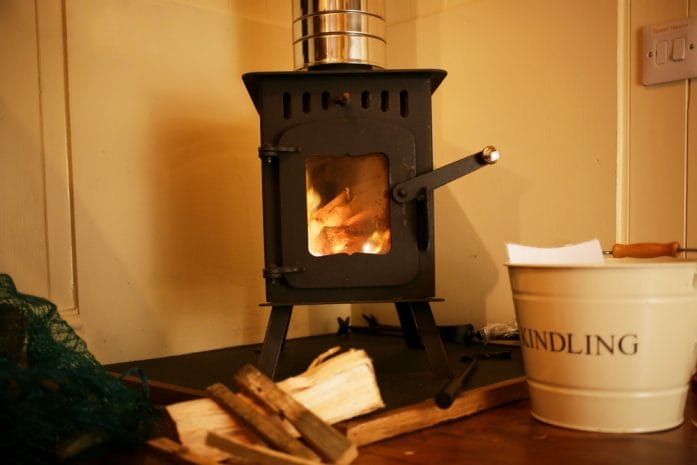
This Is The One Household Appliance That Will Spike Your Insurance Premiums if Discovered During Inspection

Image source: shutterstock.com

Your home is your sanctuary, but what if one seemingly innocent appliance could turn your cozy haven into a red flag for insurance companies? Most people think about home insurance in terms of fire, flood, or burglary, but there’s one specific appliance that can send premiums soaring faster than a popcorn kernel in a hot pan.

It’s not a flashy new gadget, and it doesn’t beep or flash in neon lights—but insurers treat it like a ticking time bomb. Understanding why this appliance is so problematic can save you a lot of money and, more importantly, a lot of stress.

Why Insurance Companies Fear This Appliance

Insurance companies operate on risk assessment, plain and simple. They look at the likelihood that something in your home could cause a claim, and some appliances immediately raise red flags. The one appliance that consistently triggers higher premiums is the indoor wood-burning stove or fireplace insert. These devices, while cozy and charming, have a track record for fire hazards and smoke damage. Insurers worry because even a small ember that escapes or a buildup of creosote in a chimney can lead to catastrophic damage. In other words, a single moment of negligence or poor maintenance could turn a dream of a warm, crackling fire into a costly nightmare.

Beyond fire, these appliances can impact air quality, create unseen smoke damage in walls, and even void certain parts of a home insurance policy if installed incorrectly. Insurance adjusters are trained to spot these stoves, and if one is found during an inspection, they often consider it high-risk. That can translate to immediate premium hikes, expensive add-ons, or even outright refusal to cover your home until modifications are made.

Common Mistakes Homeowners Make With High-Risk Appliances

Many homeowners don’t realize just how many small errors can turn an indoor stove from a cozy feature into an insurance headache. One of the biggest mistakes is improper installation. Some homeowners try DIY projects, failing to comply with local building codes or manufacturer instructions. This alone can lead to denied claims if a fire occurs. Another common error is neglecting regular cleaning and chimney inspections. Creosote buildup is extremely flammable, and insurers see it as a ticking time bomb. Even using the wrong type of wood or overloading the stove can make your policy more expensive or even invalidate it.

Some people also install stoves in spaces that are too confined or lack proper ventilation. While it may look stylish, insurers know that confined stoves dramatically increase fire risk. Even accessories like hearth pads or protective barriers must meet code. Skipping these details is tempting for a homeowner who wants a seamless look, but insurers notice—and they react with higher premiums.

How To Legally Protect Your Premiums

If you absolutely love the ambiance of a wood-burning stove or fireplace, there are steps you can take to minimize insurance complications. First and foremost, hire a certified professional for installation. Insurers trust professionally installed units, and proper permits and inspections can make a huge difference. Regular maintenance is crucial, too. Have your chimney swept and inspected annually, and follow the manufacturer’s guidelines for wood and fuel usage. These steps don’t just protect your home—they protect your wallet.

It’s also smart to inform your insurer upfront if you plan to install one of these appliances. Transparency allows the company to properly adjust your coverage and may prevent future disputes if a claim arises. Some insurers offer discounts for certain safety measures, like carbon monoxide detectors, spark guards, or high-efficiency stoves that produce less creosote. By following code and implementing safety measures, you show your insurer that you’re mitigating the very risks that could otherwise spike your premium.

Alternative Options That Won’t Break Your Budget

If the potential premium increase feels too steep, there are creative alternatives that still give you warmth and ambiance without triggering insurance headaches. Electric or gas fireplace inserts mimic the visual appeal of a traditional stove but are far safer in the eyes of insurers. These options have a lower fire risk, don’t produce creosote, and often come with built-in safety features. Portable heaters and bioethanol fireplaces are other alternatives that provide warmth and style without major insurance implications.

Many homeowners overlook the fact that decorative stoves or fake fireplace setups can deliver the same cozy vibe for a fraction of the risk. While they won’t produce the same crackling fire experience, they provide atmosphere without jeopardizing your coverage. Insurance companies love it when risk is minimized, and these alternatives are often treated just like any other standard appliance.

This Is The One Household Appliance That Will Spike Your Insurance Premiums if Discovered During Inspection

Image source: shutterstock.com

The Bottom Line On Household Appliances And Insurance

The key takeaway is simple: not all appliances are created equal in the eyes of insurers. While a wood-burning stove can transform your living room into a scene from a rustic magazine, it can also transform your insurance bill into something much less cozy.

Being proactive, following code, and prioritizing maintenance can protect both your home and your wallet. For many homeowners, understanding the potential financial implications before installation is the smartest move. After all, a warm home isn’t worth much if it comes with a sky-high insurance premium or denied claims in the event of an accident.

Have you ever had to adjust your home insurance because of an appliance, or do you have tips for staying cozy without raising premiums? Tell us about your experiences and thoughts in the comments below. Learning from each other’s real-life stories is a great way to navigate the tricky intersection of home comfort and insurance.

You May Also Like…

These 6 Appliances Are Now Banned in Certain States—Do You Own One?

6 Dangerous Home Appliances That You’re Using Every Day

7 Costs That Sneak Up on Fixed-Income Households

7 Fine-Print Exclusions in Your Homeowner’s Policy That Could Cost You Everything

5 Reasons Boomers Are Staying Home Instead of Retiring Away

Brandon Marcus
Brandon Marcus

Brandon Marcus is a writer who has been sharing the written word since a very young age. His interests include sports, history, pop culture, and so much more. When he isn’t writing, he spends his time jogging, drinking coffee, or attempting to read a long book he may never complete.

Filed Under: Lifestyle Tagged With: appliances, Home, home and garden, home appliances, Home insurance, homeowners, homeownership, household essentials, household expenses, household finances, household items, Insurance, insurance companies, Life, Lifestyle, stove, wood-burning stove

The Texas Mortgage Shock: Why Your Monthly Payment Just Jumped $400 Without Warning

January 17, 2026 by Brandon Marcus Leave a Comment

The Texas Mortgage Shock: Why Your Monthly Payment Just Jumped $400 Without Warning

Image source: shutterstock.com

You open your mailbox, shuffle through the usual stack of bills, and suddenly your eyes lock on one number: your mortgage payment. It’s $400 higher than last month. You blink, rub your eyes, maybe even double-check the envelope.

Nope. That’s not a typo. That’s real.

Welcome to the wild world of Texas mortgages in 2026, where nearly half of homeowners are facing an “escrow burden” that’s turning calm financial waters into choppy seas. How did we get here, and why is your once-predictable monthly payment now looking like a heart-stopping rollercoaster?

Understanding The Escrow Burden And Its Hidden Weight

An escrow account is supposed to be your safety net. Lenders collect extra money each month to cover property taxes and homeowners insurance, so you don’t have a giant bill once or twice a year.

Sounds reasonable, right? But in Texas, this safety net is starting to feel more like a trap. About 44% of mortgages in the state are currently “escrow burdened,” meaning homeowners are sending far more money than they expected toward taxes and insurance.

Why? Property taxes are soaring in many counties, and insurance premiums have spiked thanks to extreme weather events and rising construction costs. The result: your once-manageable mortgage is now inflated, not because your principal or interest changed, but because your lender is trying to stay ahead of the mounting bills.

It’s worth noting that escrow burdens aren’t just numbers on a statement—they’re real dollars leaving your bank account each month. And they often come as a surprise because lenders typically review escrow accounts once a year. If taxes or insurance went up dramatically in the past year, your monthly payment could suddenly jump without any warning. That $400 spike? That could be a combination of both tax reassessments and insurance hikes, landing all at once.

Why Texas Homeowners Are Feeling The Heat

Texas has long been known for affordable housing compared to other states, but affordability is starting to erode. Property values have risen steadily, which in theory is great for homeowners…until your property taxes rise with them. Counties are under pressure to fund schools, roads, and emergency services, and the easiest solution is often to raise taxes. Combine that with insurance rates climbing after hurricanes, hailstorms, and wildfires, and suddenly the “extra” in your escrow account is anything but extra.

For many homeowners, these jumps are shocking because they weren’t budgeting for them. Monthly payments that were once $1,800 or $2,000 can quickly climb to $2,200 or $2,300, forcing families to adjust their spending. That latte habit? Gone. Weekend trips? On hold. Even bills that seem fixed—utilities, groceries—start to feel like tightrope walking when your mortgage swells overnight. The stress is real, and it’s hitting a large portion of the Texas population right in the wallet.

How Lenders Calculate Your Escrow And Why It Changes

Lenders have a methodical way of figuring out escrow: they estimate annual taxes and insurance premiums, divide that total by 12, and add it to your monthly mortgage payment. Sounds simple, but it’s only as accurate as the numbers they have. When property taxes are reassessed or insurance premiums spike mid-year, the lender adjusts your escrow contribution to keep up. Those adjustments are legal, routine, and often automatic—but they rarely come with a drumroll announcement.

What’s tricky is that homeowners don’t always get a clear explanation. You might see “escrow adjustment” on your statement without context. Did your county raise your taxes? Did your insurer hike rates? Or maybe both? That’s why reading the breakdown of your mortgage statement is more important than ever. Understanding where every dollar is going can turn confusion into clarity and prevent future shocks.

Steps You Can Take To Avoid Future Escrow Surprises

Even if you’re already facing a $400 jump, there are ways to manage the situation and protect yourself from more surprises. Start by reviewing your escrow account annually. Check property tax assessments, compare insurance premiums, and ask your lender for a detailed breakdown of your monthly contribution.

Another strategy is to consider paying taxes and insurance directly, instead of rolling them into your mortgage. This approach gives you more control over timing and budgeting, though it requires discipline. Refinancing your mortgage could also help, especially if interest rates have dropped since you first bought your home. Finally, local homeowner associations or county tax offices can sometimes provide payment plans for taxes, helping spread the cost over time rather than letting it hit all at once. Knowledge and proactive management are your best defenses against the unexpected.

The Texas Mortgage Shock: Why Your Monthly Payment Just Jumped $400 Without Warning

Image source: shutterstock.com

The Human Side Of The Mortgage Shock

Numbers tell one story, but the human side tells another. Homeowners are juggling skyrocketing monthly bills, family budgets, and the emotional strain of feeling blindsided. Some are cutting back on daily comforts, others are working overtime, and some are even questioning whether they can stay in their homes long-term. Financial stress can ripple into every corner of life, from sleep patterns to personal relationships, making a $400 spike more than just a math problem—it becomes a lived reality that affects health and happiness.

It’s also fueling conversations around financial literacy and transparency. People are asking questions they never thought they’d need to: How exactly does escrow work? What triggers these sudden jumps? Can I appeal my property tax assessment? These discussions are crucial because they put power back into homeowners’ hands and reduce the sense of helplessness that comes with a sudden payment increase.

Join The Talk About Texas

The Texas mortgage shock is real, it’s stressful, and it’s affecting nearly half of homeowners in the state. Understanding the escrow burden and its causes is the first step toward taking control of your finances and reducing surprise increases. Whether you’re navigating a $400 jump or just curious about why payments are rising statewide, talking about it helps.

We want to hear your thoughts and experiences with mortgage surprises—what’s your story? How are you handling these unexpected changes in your budget? Comment below and let’s get the conversation started.

You May Also Like…

Texas Property Alert: The New 2026 Law That Allows Police to Remove Squatters in 24 Hours

Power to Choose: Exploring Wind Energy Options in Texas Electricity Market

Why a Mortgage & Protection Network Matters in Today’s Advice Market

7 Hidden Signs You Should Refinance Your Mortgage Right Now

7 Home Mortgage Loopholes Older Homeowners Should Know Before Refinancing


Brandon Marcus
Brandon Marcus

Brandon Marcus is a writer who has been sharing the written word since a very young age. His interests include sports, history, pop culture, and so much more. When he isn’t writing, he spends his time jogging, drinking coffee, or attempting to read a long book he may never complete.
Filed Under: Lifestyle Tagged With: buying a home, buying a house, escrow, Home, homeowner, homeownership, lenders, Life, Lifestyle, mortgage, Mortgage payment, mortgage shock, Real estate, Texas, Texas mortgage, Texas property, Texas real estate

Texas Property Alert: The New 2026 Law That Allows Police to Remove Squatters in 24 Hours

January 15, 2026 by Brandon Marcus Leave a Comment

Texas Property Alert: The New 2026 Law That Allows Police to Remove Squatters in 24 Hours

Image Source: Shutterstock.com

Your property is supposed to feel like a sanctuary, but what happens when someone shows up uninvited and refuses to leave? For years, Texas homeowners have battled the headache of squatters, navigating long legal processes just to reclaim their own spaces. That struggle could be over sooner than ever thanks to a groundbreaking 2026 law that empowers law enforcement to remove squatters within 24 hours.

The implications are massive, from protecting homes and rental properties to giving landlords a newfound sense of security. For anyone who’s ever worried about the potential chaos of a squatter, this law is turning the page on a long-standing problem.

How The 2026 Law Changes The Game For Homeowners

For decades, Texas property owners have faced a cumbersome legal maze when dealing with squatters. Eviction notices, court dates, and months of waiting were often the norm, even when the homeowner had full legal rights. The new 2026 law streamlines that process dramatically. Law enforcement can now respond immediately to verified claims of unlawful occupation, drastically cutting down the waiting period. The law requires clear documentation proving ownership or rental rights, ensuring that the process is legitimate and protects against misuse.

For homeowners, this means that the frustration of waiting weeks or months to reclaim property is replaced with a solution that takes just a day. Experts are hailing this as one of the most significant changes to property law in Texas in years.

What Homeowners Need To Do To Use This Law

Using this law isn’t as simple as picking up the phone and calling the police—there are specific steps that must be followed. First, the property owner must provide proof of ownership or legal possession. This can include deeds, leases, or other official documents that clearly establish your rights. Next, the homeowner must verify that the individual occupying the property is a squatter, meaning they have no lease, permission, or claim to the space. Law enforcement officers will then respond, and if all criteria are met, the squatter can be removed within 24 hours.

The law also protects property owners from liability during the process, giving peace of mind that the removal is fully legal and enforceable. Being prepared with the right documentation is crucial to making this system work efficiently.

How Police Will Handle Squatter Removal

The law places a strong emphasis on procedural fairness, ensuring that both homeowners and occupants are treated appropriately. Police officers are trained to verify the property claim and determine whether the individual truly qualifies as a squatter. If the person has a legitimate dispute, officers will not remove them immediately, preventing wrongful eviction. In cases where the law clearly applies, removal happens swiftly, often within hours.

Officers are also guided to handle belongings with care and avoid confrontations whenever possible. This structured approach not only protects the homeowner’s rights but also ensures that the process is safe, respectful, and efficient for everyone involved.

Texas Property Alert: The New 2026 Law That Allows Police to Remove Squatters in 24 Hours

Image Source: Shutterstock.com

Implications For Landlords And Rental Properties

Landlords stand to benefit enormously from this new law. Rental properties, especially in urban areas, are often targets for illegal occupation, and the prior legal process could drain time and money. With the 24-hour removal provision, landlords can take action quickly, minimizing property damage and financial loss. It also changes the dynamic of property management, as the risk of long-term squatting is drastically reduced. Landlords are encouraged to stay proactive, documenting leases and keeping clear records of occupancy.

Insurance providers may also view properties differently now that rapid squatter removal is legally supported, potentially influencing rates and coverage. For anyone renting property in Texas, this law represents a sea change in security and control.

Legal Boundaries And Safeguards Homeowners Should Know

While the law is powerful, it comes with strict safeguards to prevent abuse. Homeowners must follow documented procedures to avoid legal consequences. Misidentifying someone as a squatter or attempting self-eviction could still result in civil or criminal liability. The law is also limited to situations where occupancy is clearly unauthorized, meaning roommates, tenants, or family members with legal rights cannot be removed under this statute.

Courts can review disputes, ensuring that the 24-hour removal is not applied unfairly. Essentially, this law balances rapid enforcement with careful protection against misuse. Understanding the boundaries is key to using it successfully without complications.

Preparing For The New Reality In Texas Property Law

The 2026 law marks a new era for property owners across Texas, but preparation is everything. Homeowners should organize deeds, leases, and any other proof of ownership or legal possession. Maintaining clear records of communication with tenants or occupants is also wise, as documentation can support claims under the law. Local police departments may offer guidance on filing requests for removal efficiently, so reaching out early can streamline the process.

Staying informed about updates to the law or implementation guidelines ensures homeowners are ready to act if needed. Ultimately, this law empowers Texans to protect their property while keeping the process lawful and structured.

Do You Have Any Thoughts On These New Texas Laws?

This new law is shaking up the Texas property landscape, giving homeowners and landlords unprecedented power to act swiftly against unauthorized occupants. It’s a game-changer for anyone who values the safety, security, and control of their property.

If you’ve had experiences with squatters, either frustrating or frightening, now is the time to reflect on how this law could have made a difference. We’d love to hear your thoughts, stories, or opinions about the impact of rapid squatter removal in Texas.

You May Also Like…

Power to Choose: Exploring Wind Energy Options in Texas Electricity Market

13 Eye-Opening Truths About Real Estate Crowdfunding Ventures

9 Georgia Counties Where Property Taxes Are Set to Rise the Fastest

6 Hidden Costs of Homeownership That Blindside First-Time Buyers

7 Fine-Print Exclusions in Your Homeowner’s Policy That Could Cost You Everything

Brandon Marcus
Brandon Marcus

Brandon Marcus is a writer who has been sharing the written word since a very young age. His interests include sports, history, pop culture, and so much more. When he isn’t writing, he spends his time jogging, drinking coffee, or attempting to read a long book he may never complete.

Filed Under: Law Tagged With: 2026 laws, buying a house, Home, homeowners, homeownership, House, illegal, laws, legal advice, new laws, owning a house, Property, property laws, property taxes, Real estate, real estate laws, squatters, Squatters rights, Texas, Texas laws, Texas property

10 Financial Tradeoffs Families Are Making Quietly

January 10, 2026 by Brandon Marcus Leave a Comment

Here Are 10 Financial Tradeoffs Families Are Making Quietly

Image Source: Shutterstock.com

Money makes the world spin, but in family life, it often spins quietly beneath the surface. Every decision, from the latte in the morning to the weekend getaway, comes with a cost. And while parents might not announce it to the world, families are constantly juggling tradeoffs—some small, some monumental—trying to keep life moving without collapsing under financial pressure. Some choices are obvious, others are so subtle you wouldn’t notice unless you lived them.

The truth? Families everywhere are making clever, sometimes surprising compromises that shape everything from daily routines to long-term dreams. Here’s a peek behind the curtain at the financial balancing act happening in households today.

1. Trading Dining Out For Homemade Adventures

Restaurants are tempting, with sizzling dishes and zero cleanup, but families are increasingly turning off the takeout apps and rediscovering the kitchen. This choice doesn’t just save money—it sparks creativity, teamwork, and even the occasional culinary victory dance. Instead of grabbing burgers on the way home, parents are experimenting with homemade versions, sometimes adding secret healthy twists the kids don’t even notice. Dinner becomes an event, not just a task, and savings pile up almost invisibly.

Of course, it’s not always easy. There are nights when the pasta boils over or the sauce burns, but the tradeoff teaches patience, resourcefulness, and that a little chaos in the kitchen can still taste delicious.

2. Choosing Experiences Over Expensive Gadgets

For many families, the shiny electronics aisle is tempting, but there’s a quiet shift toward experiences over things. A new tablet or gaming console may light up a child’s eyes for a moment, but a family camping trip, museum visit, or simple backyard movie night creates memories that last decades. Experiences also offer unique social, educational, and emotional payoffs, teaching kids more than any gadget ever could. Parents are trading temporary thrills for long-term joy, proving that happiness can often come from a sunset, not a sale. It’s not just about money—this tradeoff encourages connection, laughter, and sometimes, spontaneous storytelling that no device can replicate.

3. Skipping Brand-Name Items To Stretch Budgets

Brand loyalty runs deep, but families quietly swap premium brands for store alternatives when budgets tighten. From cereal boxes to detergent, the cost difference can be dramatic without a noticeable drop in quality. It’s a subtle choice that often flies under the radar, yet the savings accumulate fast and can fund larger priorities like vacation or education funds. Families make these decisions not out of stinginess but practicality, showing that frugality doesn’t mean deprivation—it means making room for what truly matters. Over time, kids learn the value of money without feeling the pinch, and parents get a little breathing space in the monthly budget.

4. Forgoing Luxurious Vacations For Local Adventures

Plane tickets, hotel stays, and travel insurance add up faster than you can say “family getaway.” Many families now choose staycations or local adventures, trading exotic landscapes for neighborhood parks, hiking trails, and city exploration. These choices often turn into hidden treasures: local spots reveal secrets parents and kids never knew existed. Time off is still thrilling, but costs are cut dramatically. The tradeoff teaches families to enjoy what’s nearby, fostering creativity in planning activities and a deeper appreciation for their own backyard. Sometimes, the adventure is more about the journey than the destination, and families are learning to love both.

5. Cutting Cable But Boosting Streaming

Cable bills are notorious, often climbing unnoticed until the check arrives. Families are canceling traditional subscriptions, opting for streaming services or free content instead. This shift allows more customization, letting each family member pick their favorites without paying for a hundred channels they never watch. It’s also a subtle lifestyle change, encouraging time together in shared shows or movie nights. The tradeoff isn’t just financial—it’s behavioral. Screen time becomes intentional, and families discover that control over what they watch can be more valuable than endless options on demand.

Here Are 10 Financial Tradeoffs Families Are Making Quietly

Image Source: Shutterstock.com

6. Investing In Education Over Entertainment

Families are quietly prioritizing learning opportunities over flashy toys or amusement parks. Tutoring, online courses, and educational programs often take precedence because parents see the long-term payoff. Kids may miss out on one trendy item, but they gain skills, confidence, and knowledge that carry into adulthood. The investment doesn’t just stop at school—it often includes trips to museums, historical sites, or interactive workshops. Education-focused tradeoffs are forward-thinking, aiming to create opportunities rather than just instant gratification. It’s about shaping futures while managing today’s budget carefully.

7. Reducing Car Expenses By Consolidating Trips

Gas prices, insurance, and maintenance bills add up quickly, so families are consolidating errands, carpooling, or using public transportation to stretch budgets. This requires planning and flexibility, but the savings can be substantial. Beyond money, it teaches kids time management, resourcefulness, and an understanding of how small adjustments accumulate over months. Families also find opportunities for bonding during shared rides or walks, turning a financial necessity into a small, everyday adventure. The tradeoff emphasizes efficiency while subtly reinforcing the value of thoughtful planning.

8. Prioritizing Health Over Impulse Spending

Skipping the weekly fast food or sugary snacks isn’t just about money—it’s about long-term well-being. Families are quietly investing in groceries, fitness classes, or wellness programs instead of indulgences that fade quickly. Meal prepping, home workouts, or local fitness activities replace instant gratification with sustained benefits. Kids see parents making conscious choices, learning that value often comes from health and energy rather than immediate pleasure. Financial and physical tradeoffs merge here, creating a culture where wellness and money sense go hand in hand. It’s less flashy, but more rewarding in the long run.

9. Limiting Expensive Hobbies To Focus On Shared Interests

Individual hobbies can be costly, from music lessons to sports equipment. Some families are trading these for activities everyone can enjoy together—cycling, hiking, or game nights—reducing costs while boosting quality time. The change isn’t about depriving children but finding balance, teaching collaboration, and stretching creativity.

Group activities also create shared memories, making each experience richer than solo pursuits alone. Families discover that shared joy often outweighs personal splurges, and that sometimes the most valuable currency is attention, not cash.

10. Postponing Big Purchases To Build Security

Whether it’s a new car, home renovation, or luxury appliance, families are delaying large purchases to bolster savings and create a financial safety net. This patience may feel uncomfortable at first, but it teaches resilience and careful planning. Emergencies, opportunities, and unexpected costs are easier to manage when resources exist, reducing stress in everyday life. Children learn that waiting for the right moment can be a strategic move rather than a disappointment. These quiet tradeoffs create stability, showing that some sacrifices now lead to a calmer, more flexible future.

Your Thoughts On Financial Tradeoffs

Families are constantly making decisions that balance joy, stability, and long-term goals. These tradeoffs reflect creativity, adaptability, and love—each choice shaping a household in ways both visible and invisible.

Which of these strategies resonates with your family? Are there choices you’ve made quietly that have reshaped your daily life or financial habits? We’d love to hear your perspective in the comments section below.

You May Also Like…

Legacy Insider: 4 Estate Secrets Wealthy Families Use

7 Things That Must Be in Your Will to Prevent Vicious Family Fights

Legacy Harmony: 5 Financial Conversations Families Should Have Before Holidays

Blended Families Over 50: Challenges & Success Strategies

Why Do Families Pay More for Private Schools Than Retirement


Brandon Marcus
Brandon Marcus

Brandon Marcus is a writer who has been sharing the written word since a very young age. His interests include sports, history, pop culture, and so much more. When he isn’t writing, he spends his time jogging, drinking coffee, or attempting to read a long book he may never complete.

Filed Under: Finance Tagged With: dining out, Eating Out, families, family disputes, family dynamics, family money, family vacation, finance, finances, general finance, Home, homemade meals, household responsibilities, Money, money issues, vacation, vacation budget

7 Tiny Gardens That Completely Transformed Backyards

November 27, 2025 by Travis Campbell Leave a Comment

garden

Image source: shutterstock.com

The growing number of people living in cities results in reduced backyard space, forcing homes to be built closer together. The close arrangement of houses makes people believe that outdoor spaces lose their significance. Small sections of soil can be turned into useful green areas with proper management. The design of compact gardens creates a positive impression of the entire property by establishing boundaries, creating gentle transitions between rigid edges, and redirecting viewer attention away from a feeling of being trapped. The right design elements help garden owners build functional retreats in their small outdoor spaces, combining visual appeal with practical features.

1. Vertical Greens on a Blank Fence

A flat fence can dominate a small yard. It reads as a wall rather than a backdrop. A vertical arrangement of herbs and low-maintenance plants shifts that balance. The fence becomes a living surface that breaks the monotony and adds a sense of height to the yard. In many tight spaces, tiny gardens like this work because they grow upward rather than outward.

The effect is immediate. A thin frame holds pots or panels, leaving space on the ground for seating or storage. The plants soften the fence line and create a more controlled sense of enclosure. It’s a compact system that adds depth without taking valuable floor space.

2. A Corner Plot Turned Micro Orchard

Unused corners often trap leaves and nothing else. In one backyard, a single raised bed tucked into a corner created a micro orchard with dwarf fruit trees. It required little soil volume but offered structure and seasonal change. Small yards benefit from elements that shift through the year, because movement makes the space feel alive.

Tiny gardens with fruit trees need pruning to maintain scale, but that work keeps them manageable. The payoff comes in texture: branches, blossoms, and fruit that create purpose in an area once written off as dead space.

3. A Narrow Bed Along the Patio

Patios in small yards often feel like slabs, more functional than inviting. A narrow planting bed carved into the edge changes that. Even a strip less than a foot wide can hold grasses, succulents, or small shrubs. Those plants act as a buffer, breaking the visual line between the hard surface and the fence.

This layout works especially well in tiny gardens because it retains usable patio space while adding softness. The plants draw the eye sideways and make the yard feel longer than it is. Movement from wind or shifting light gives the area dimension that concrete alone can’t provide.

4. A Raised Bed that Doubles as Seating

Furniture consumes limited real estate fast. A raised bed built to bench height solves that problem. It adds planting depth and structural support while offering a place to sit. Flowers or edibles grow at arm’s reach, and the edges serve as gathering points.

Tiny gardens benefit from dual-purpose elements like this. They force every inch to work harder. The raised bed frames the yard, creates order, and supplies a sense of permanence. The yard feels intentional instead of improvised.

5. A Pocket Garden Beside the Back Door

Small yards often have awkward spots near the back door, where nothing seems to fit. Filling that space with a pocket garden changes the daily path through the yard. Low groundcover, compact perennials, and a single focal plant create a moment of calm right at the entry.

Tiny gardens near doorways make the yard feel connected to the home. The shift in mood happens immediately. A once-overlooked strip becomes a small but steady visual anchor.

6. A Shaded Niche Turned Fern Garden

Shade frustrates many homeowners, especially when the yard is already small. But ferns, hostas, and shade-loving groundcovers thrive where sun fails. Carving out a shaded niche with these plants changes the space’s tone. It feels deliberate, not like a problem area.

This approach works well for tiny gardens because shade plants grow thick but not tall. They fill the area without overwhelming it. The yard gains a cool, textured patch that contrasts with the brighter sections and adds balance to the layout.

7. A Simple Gravel Path Framed by Green

A path in a small yard sounds counterintuitive. It takes up space and forces a grid into a limited area. But a narrow gravel path edged with compact plants guides movement and gives the yard direction. It creates structure where there was none.

Tiny gardens that include a path feel larger because the eye follows the line. Even a short walkway creates the suggestion of zones. It makes the space feel organized rather than crowded.

An Outdoor Shift in Scale

I notice that tiny gardens change how the backyard feels, even when the square footage stays the same. The tiny gardens set boundaries, soften lines, and break up surfaces. Each group of plants works like a hinge. Moves the eye from a tight space to a design. The yard feels less scattered.

I notice that these changes start small and carry weight. These changes show that space constraints do not limit what a backyard can offer. These changes require attention, patience, and a willingness to experiment with scale. Tiny gardens push us to think with precision rather than abundance.

I am curious. What small change made the difference in your own backyard?

What to Read Next…

  • How Homeowners Associations Are Targeting Retirees With Fines
  • Why Are So Many DIY Projects Actually Illegal In Your County
  • 7 Popular Cleaning Products That Can Destroy Your Plumbing
  • The Subtle Home Smells That Real Estate Agents Say Ruin Sales
  • Can You Really Be Fined For Not Shoveling Your Sidewalk Anymore
Travis Campbell
Travis Campbell

Travis Campbell is a digital marketer/developer with over 10 years of experience and a writer for over 6 years. He holds a degree in E-commerce and likes to share life advice he’s learned over the years. Travis loves spending time on the golf course or at the gym when he’s not working.

Filed Under: Home Improvement Tagged With: backyards, design, gardening, Home, outdoor living

7 Essential Things Everyone Forgets When Moving

November 22, 2025 by Travis Campbell Leave a Comment

moving

Image source: shutterstock.com

People prepare for moving by using spreadsheets and organizing their belongings in colored storage bins while making optimistic estimates of the process’s duration. The entire planning process fails to prevent unexpected problems. A moving checklist helps people complete their essential responsibilities, but it does not provide critical information, which can lead to increased stress levels. Unanticipated items people overlook can cause major delays, financial losses, and frustration during the most critical time. The process of moving shows how much we need our daily routines, which we usually ignore. The loss of regular routines reveals all remaining work responsibilities.

1. Updating Critical Addresses

People remember to change their postal address, but the rest often fall through the cracks. Banks, insurers, and medical providers don’t update themselves, and a missing notice can trigger fees or missed appointments. A moving checklist cuts the risk, but only if it includes every place that needs your contact information. The list grows fast, then grows again when you think it’s finished.

Some organizations require address changes through specific forms, not verbal requests. Others need in-person verification. And if you move across state lines, your driver’s license and vehicle registration land on the calendar, too. These details don’t feel urgent until paperwork bounces back or a bill arrives late at the old address.

2. Transferring Utilities on the Right Day

Utility timing looks simple until the dates line up badly. Power cut off a day early leaves you loading boxes in the dark. The Internet installed too late derails work commitments. A moving checklist helps track providers, but it doesn’t solve the scheduling windows that stretch for hours.

Many companies schedule weeks out. Some require deposits for new service or charge fees to expedite. Others need equipment returns, and those returns take time when locations have limited hours. A single oversight can turn a move into a weekend of waiting and improvising.

3. Photographing Valuables and Fragile Items

Insurance claims rely on evidence. Movers misplace boxes. Items break quietly in the back of a truck. But people rush during move week and box valuables without documenting them. A moving checklist usually includes packing tasks, but not the extra step of photographing everything fragile before it leaves the house.

Images protect you later. They show condition, quantity, and distinguishing marks. They also serve as a reminder of what you even packed. In the chaos of relocating, memory turns unreliable fast.

4. Backing Up Digital Devices Before the Move

Laptops fall off seats. Tablets get lost between locations. Hard drives don’t survive temperature swings. Most people mean to back up their devices, but the move pushes it aside. A moving checklist rarely includes digital prep, even though data loss hits harder than a broken lamp.

Cloud backups help, but large files take time. External drives protect you, but only if you pack them in a place you can find. Data is fragile, and moves create the perfect conditions for something to go wrong.

5. Measuring Doors, Hallways, and Stairwells

Furniture often fits in the old home but not the new one. People assume doorways match, and many don’t. A moving checklist might mention measuring, but few follow through until they’re staring at a sofa stuck halfway up a narrow stairwell.

Proper measurements prevent last-minute disassembly, returns, or the awkward scramble to find temporary storage. They also reveal whether you need a different moving crew or specialized equipment. Buildings built decades apart have wildly different layouts. Measurements control the surprises.

6. Setting Aside a “First 48 Hours” Box

The first two days in a new place feel disorienting. Essentials disappear into boxes labeled too vaguely or stacked too deeply. A moving checklist makes packing systematic, but it doesn’t always emphasize the importance of one clearly marked box that stays with you.

This box should carry medication, chargers, toiletries, bedding, and anything that supports basic functioning. Without it, the first night becomes a scavenger hunt. And exhaustion makes every missing item feel twice as urgent.

7. Cleaning the Old Place After the Truck Leaves

Once the last box rolls out, the real mess appears. Dust, scattered hardware, and forgotten items hide behind furniture until the room empties. A moving checklist often focuses on the new address rather than the old one you’re leaving behind.

Landlords expect full cleanup. Buyers notice details during final walkthroughs. And if you skip this step, you risk charges, delays, or tense conversations at the finish line. Cleaning work expands the moment you think you’re done.

The Overlooked Costs of Transition

The process of moving disrupts your daily schedule, revealing the unplanned aspects you failed to consider.

Your ability to predict these forgotten tasks will reduce the amount of disorganization that moves between your two residences. Your experience in the first days of your new home depends on these minor details, which also determine the level of stress you will face in your last days in your current residence. A moving checklist provides useful guidance, yet the most challenging tasks tend to be the ones that require minimal attention. What particular details would you like to include in the list of items that people commonly overlook?

What to Read Next…

  • What Happens If You Forget To Update Your Will Before Moving States
  • Forgetting To Update What Documents That Break Estate Distribution
  • What Happens If You Forget To Update A Power Of Attorney Before Moving States
  • How Many Of These 8 Middle Class Habits Are Keeping You Poor
  • 6 Household Services You Can Eliminate Without Losing Quality Of Life
Travis Campbell
Travis Campbell

Travis Campbell is a digital marketer/developer with over 10 years of experience and a writer for over 6 years. He holds a degree in E-commerce and likes to share life advice he’s learned over the years. Travis loves spending time on the golf course or at the gym when he’s not working.

Filed Under: Relocation Tagged With: checklist, Home, moving, organization, Planning

  • 1
  • 2
  • Next Page »

FOLLOW US

Search this site:

Recent Posts

  • Can My Savings Account Affect My Financial Aid? by Tamila McDonald
  • 12 Ways Gen X’s Views Clash with Millennials… by Tamila McDonald
  • What Advantages and Disadvantages Are There To… by Jacob Sensiba
  • 10 Tactics for Building an Emergency Fund from Scratch by Vanessa Bermudez
  • Call 911: Go To the Emergency Room Immediately If… by Stephen Kanaval
  • 7 Weird Things You Can Sell Online by Tamila McDonald
  • 10 Scary Facts About DriveTime by Tamila McDonald

Copyright © 2026 · News Pro Theme on Genesis Framework