• Home
  • About Us
  • Toolkit
  • Getting Finances Done
    • Hiring Advisors
    • Debt Management
    • Spending Plan
  • Insurance
    • Life Insurance
    • Health Insurance
    • Disability Insurance
    • Homeowners/Renters Insurance
  • Contact Us
  • Privacy Policy
  • Risk Tolerance Quiz

The Free Financial Advisor

You are here: Home / Archives for insurance costs

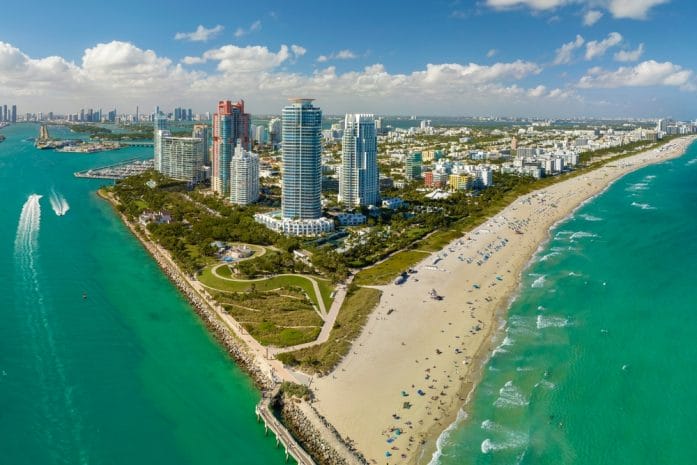
Florida’s Insurance Spike: Why Retirees Are Seeing “Rebuild Fees” on May Statements

April 29, 2026 by Brandon Marcus Leave a Comment

Florida’s Insurance Spike: Why Retirees Are Seeing “Rebuild Fees” on May Statements

Image Source: Shutterstock.com

Florida’s sunny promise has always come with a price tag, but this year, that number jumped in a way many retirees didn’t see coming. May insurance statements started landing in mailboxes, and tucked between the usual line items sat something new and confusing: rebuild fees. These charges didn’t just nudge bills upward—they sent some premiums soaring by hundreds or even thousands of dollars annually.

For retirees living on fixed incomes, that kind of surprise hits hard and fast. The reality behind these fees reveals a complicated mix of risk, regulation, and rising construction costs that demand a closer look.

What Exactly Are “Rebuild Fees” and Why Are They Showing Up Now?

These fees represent a recalculation of what it would cost to completely rebuild a home after a disaster. Insurance companies rely on updated construction data, labor costs, and materials pricing to determine these figures. Florida’s recent storms and supply chain issues pushed rebuilding costs significantly higher than in previous years. Insurers now adjust policies to reflect those realities, often without much fanfare. That quiet adjustment explains why so many homeowners first noticed the change only when their May statements arrived.

The term “rebuild fee” might sound like a small administrative charge, but it carries serious financial weight. Insurance providers use it to bridge the gap between older coverage estimates and today’s actual rebuilding expenses. Lumber prices, contractor shortages, and stricter building codes all play a role in inflating those costs. When insurers detect that a home’s insured value falls short of what a rebuild would require, they increase coverage—and premiums—accordingly. That adjustment often appears as a rebuild-related fee or surcharge.

Retirees often feel the impact more sharply because many purchased their homes years ago under very different market conditions. Back then, rebuilding costs sat much lower, and policies reflected that reality. Now, insurers scramble to catch up with current prices, leaving homeowners to absorb the difference. The timing adds to the frustration, especially when increases arrive without clear, upfront explanations. That lack of transparency makes the charges feel sudden, even though the factors behind them have been building for years.

Why Florida’s Unique Risks Are Driving Costs Higher Than Anywhere Else

These risks include hurricanes, flooding, and a growing population concentrated in vulnerable coastal areas. Insurance companies factor in both the frequency and severity of potential disasters when calculating premiums. Florida’s recent history of powerful storms has forced insurers to rethink how much risk they can safely take on. Reinsurance costs, which insurers pay to protect themselves, have also skyrocketed. All of those pressures trickle down to homeowners in the form of higher premiums and new fees.

Florida doesn’t just face occasional storms—it sits in a high-risk zone where severe weather events happen regularly. Each hurricane season brings the possibility of widespread damage, and insurers must prepare for worst-case scenarios. That preparation costs money, and companies pass those expenses along to policyholders. The rebuild fee reflects not only current construction costs but also the probability that a rebuild will actually become necessary. In other words, it’s both a pricing adjustment and a risk signal.

Retirees often choose Florida for its tax benefits and warm climate, but those perks now come with increased financial exposure. Insurance companies have pulled out of certain markets or limited coverage, reducing competition and driving prices higher. Fewer options mean less bargaining power for homeowners. When insurers remain in the market, they tighten their calculations to avoid losses. That environment creates the perfect storm for sudden pricing changes like rebuild fees.

How Rising Construction Costs Are Quietly Reshaping Insurance Bills

Material costs have surged due to global supply disruptions and increased demand for rebuilding after storms. Labor shortages in the construction industry have further driven up prices. Florida’s updated building codes require stronger, more resilient structures, which cost more to build. Insurance companies must account for these factors when determining coverage levels. Those adjustments often show up as higher premiums or added fees like the rebuild charge.

A decade ago, rebuilding a modest home cost far less than it does today. Now, even basic materials like concrete, roofing supplies, and wiring come with elevated price tags. Contractors also charge more due to high demand and limited availability. When a storm hits, those costs spike even further as homeowners compete for repairs. Insurance companies track these trends closely and update their models to reflect real-world pricing.

Retirees may not actively follow construction markets, but those changes directly impact their insurance bills. A policy that once comfortably covered a home might now fall short by tens of thousands of dollars. Insurers step in to correct that gap, but the correction comes at a cost. The rebuild fee essentially acts as a catch-up mechanism. While it ensures adequate coverage, it also creates financial strain for those unprepared for the increase.

What Retirees Can Do Right Now to Manage the Financial Impact

Reviewing policy details, shopping for alternative insurers, and considering higher deductibles can all help Florida retirees. Homeowners should request a detailed breakdown of any new fees or charges from their insurance provider. Comparing quotes from multiple companies can reveal more competitive options. Some retirees may benefit from bundling policies or exploring state-backed insurance programs. Taking action early can prevent further financial surprises later in the year.

Knowledge serves as the first line of defense against unexpected costs. Retirees should carefully examine their insurance statements and look beyond the total premium. Line-by-line analysis often reveals where increases originate and whether they make sense. Calling an insurance agent for clarification can uncover opportunities to adjust coverage without sacrificing protection. Small tweaks sometimes lead to meaningful savings.

Florida’s Insurance Spike: Why Retirees Are Seeing “Rebuild Fees” on May Statements

Image Source: Shutterstock.com

Why This Trend Isn’t Going Away

These changes reflect long-term shifts in climate risk, population growth, and construction economics. Insurance companies will continue adjusting pricing models to stay financially viable. Florida’s regulatory environment may evolve, but it won’t eliminate underlying risk factors. Homeowners should expect ongoing fluctuations in premiums and coverage requirements. Preparing for that reality now helps reduce stress and financial strain in the future.

The rebuild fee represents more than a temporary spike—it signals a broader transformation in how insurers approach risk. Climate patterns continue to intensify, and rebuilding costs show no signs of declining. As more people move to Florida, demand for housing and construction services increases. That combination keeps upward pressure on both insurance premiums and rebuilding estimates. Retirees who recognize this trend early can adapt more effectively.

Staying Ahead of the Curve Without Losing Sleep Over It

Florida’s rebuild fees may feel like an unwelcome surprise, but they reveal a deeper shift in the cost of protecting a home in a high-risk environment. Retirees who take the time to dig into their policies, ask questions, and explore alternatives gain a clear advantage. Insurance companies will continue adjusting to changing risks, but homeowners don’t have to accept every increase without scrutiny. A proactive mindset turns confusion into control and helps prevent future financial shocks. Smart planning today keeps those sunny Florida years from getting clouded by rising costs.

What’s your take on these new rebuild fees—fair adjustment or financial overreach? State your opinion below and start a conversation in our comments.

You May Also Like…

Why Banks Are Quietly Reducing Cash Withdrawal Limits in California, New York, Texas, Florida, and Illinois

Florida Homeowners Are Seeing Major Premium Increases as Citizens Policies Adjust Rates

Texas vs. Florida: Which No-Income-Tax State Actually Leaves You With More Money?

Nevada Trust Rules Offer Less Asset Protection Than Many Homeowners Expect

What Are New Jersey’s ANCHOR Rebate Payments And How Can They Help Homeowners?

Brandon Marcus
Brandon Marcus

Brandon Marcus is a writer who has been sharing the written word since a very young age. His interests include sports, history, pop culture, and so much more. When he isn’t writing, he spends his time jogging, drinking coffee, or attempting to read a long book he may never complete.


Filed Under: Insurance Tagged With: cost of living Florida, Florida housing, Florida insurance, homeowners insurance, hurricane risk, insurance costs, insurance premiums, Planning, property insurance crisis, rebuild fees, retirees, senior finances

Life Insurance Policies Can Lose Value Due to Rising Internal Costs

April 21, 2026 by Brandon Marcus Leave a Comment

Life Insurance Policies Can Lose Value Due to Rising Internal Costs

Image Source: Shutterstock.com

A life insurance policy often feels like a rock-solid financial safety net, quietly working in the background while everything else in life changes. But beneath that steady surface, some policies carry moving parts that can quietly chip away at their value over time. Rising internal costs—often buried in fine print—can reduce the cash value of certain policies faster than many policyholders expect.

This reality catches people off guard, especially those who assume their policy will simply grow untouched. Knowing how and why this happens can mean the difference between a reliable asset and an unpleasant financial surprise.

What “Internal Costs” Really Mean for Your Policy

Internal costs in life insurance policies include administrative fees, mortality charges, and investment management expenses that insurers deduct regularly. These charges often increase as the policyholder ages, which means the policy becomes more expensive to maintain over time.

Many universal and whole life policies rely on cash value to cover these costs, especially if premiums stay level. When costs rise faster than expected, the policy starts pulling more money from that cash value pool. This gradual drain can shrink the policy’s value and even put coverage at risk if left unchecked.

Why Rising Costs Hit Harder Than Expected

Life insurance policies often project long-term growth based on assumptions about interest rates, investment returns, and expenses. When reality doesn’t match those assumptions, rising internal costs can eat into returns more aggressively than planned. For example, lower-than-expected interest rates can reduce growth while expenses continue climbing, creating a financial squeeze inside the policy.

Policyholders who rely on illustrations from years ago may not realize how much has changed under the hood. This mismatch between expectations and actual performance can lead to policies underperforming or losing value altogether.

The Hidden Risk to Your Cash Value

Cash value acts as the financial engine of many permanent life insurance policies, but rising internal costs can slowly drain that engine. Each deduction reduces the amount available to earn interest or investment returns, which compounds the problem over time. A policy that once showed steady growth may begin to stagnate or decline without obvious warning signs. In some cases, the policyholder may need to increase premiums just to keep the coverage active. Ignoring these changes can lead to policy lapse, leaving the insured without the protection they counted on.

Warning Signs Your Policy May Be Losing Value

Policyholders should watch for several red flags that signal rising internal costs may be causing trouble. Annual statements showing slower growth or declining cash value often provide the first clue. Notices about increasing cost of insurance charges or requests for higher premiums also point to underlying issues. Loans taken against the policy can amplify the problem, as interest adds another layer of cost. Regular reviews with a financial professional can help catch these warning signs before they escalate into major setbacks.

Smart Moves to Protect Your Policy’s Value

Taking action early can help offset the impact of rising internal costs and keep a policy on track. Reviewing the policy annually ensures that performance aligns with expectations and allows for adjustments when needed. Increasing premium payments, even slightly, can help replenish cash value and cover higher expenses.

Some policyholders choose to reduce coverage amounts to make the policy more sustainable long-term. Others explore policy exchanges or adjustments that better match current financial goals and market conditions.

Life Insurance Policies Can Lose Value Due to Rising Internal Costs

Image Source: Shutterstock.com

Staying Ahead of the Cost Curve

Life insurance policies require more attention than many people realize, especially when rising internal costs come into play. Treating a policy like a “set it and forget it” asset can lead to unpleasant surprises years down the road. Staying informed, asking questions, and reviewing performance regularly keeps policyholders in control. Financial products evolve alongside economic conditions, and policies need occasional tuning to stay effective. A proactive approach ensures that coverage remains strong while preserving as much value as possible.

The Real Bottom Line on Policy Performance

Life insurance policies can lose value due to rising internal costs, but awareness changes the outcome dramatically. Policyholders who understand how these costs work can take steps to protect their investment and avoid unexpected losses. Regular monitoring, smart adjustments, and realistic expectations all play a role in maintaining a healthy policy. Financial security depends on more than just having coverage—it depends on how well that coverage performs over time. Paying attention today can prevent frustration and financial gaps tomorrow.

What steps have been taken to review or adjust a life insurance policy recently? Share thoughts or experiences in the comments below.

You May Also Like…

5 Dangerous Myths About Life Insurance

Why Do People Take Out Loans Against Life Insurance

Why Do Families Assume Life Insurance Covers Everything

What Your Life Insurance Company Doesn’t Have to Tell Your Family

Missed Insurance Payment? Your Auto Lender May Raise Your Costs Overnight

Brandon Marcus
Brandon Marcus

Brandon Marcus is a writer who has been sharing the written word since a very young age. His interests include sports, history, pop culture, and so much more. When he isn’t writing, he spends his time jogging, drinking coffee, or attempting to read a long book he may never complete.

Filed Under: Insurance Tagged With: cash value, insurance costs, insurance tips, life insurance, money management, Personal Finance, Planning

Florida Has 0% Income Tax — But Seniors Still Spend Thousands a Year on Essentials

April 12, 2026 by Brandon Marcus Leave a Comment

Florida Has 0% Income Tax — But Seniors Still Spend Thousands a Year on Essentials

Image Source: Shutterstock.com

No state income tax is like a jackpot, right? It grabs attention fast, sparks big dreams, and fuels countless retirement plans built around sunshine and savings. Florida wears that zero-percent badge like a crown, and it absolutely delivers on that promise. No income tax means more take-home money, fewer headaches at tax time, and a cleaner financial picture on paper. But here’s the twist that doesn’t get nearly enough airtime: skipping state income tax doesn’t mean skipping expenses. Not even close.

The real story unfolds after the move, when the numbers start stacking up in ways that feel less glamorous. Everyday essentials still demand attention, and they don’t come cheap. Housing, healthcare, insurance, groceries, and utilities quietly build a monthly bill that can surprise even the most prepared retiree. Florida offers financial perks, no doubt about it, but it also comes with a cost structure that demands strategy. That sunny, tax-friendly reputation only tells half the story, and the other half deserves a closer look.

No Income Tax, But Property Taxes Still Show Up Loud and Clear

Florida skips income tax, but property taxes step into the spotlight quickly. Homeownership doesn’t come with a free pass, and local governments rely heavily on property taxes to fund schools, infrastructure, and services. Rates vary by county, but the overall bill can still feel substantial, especially in desirable coastal or high-growth areas. Even with protections like the Homestead Exemption, which can reduce taxable home value for primary residents, many seniors still face annual property tax bills that run into the thousands. Rising home values can push those taxes higher over time, even when income stays fixed.

That dynamic creates a tricky situation for retirees who expected stable housing costs. A home might be paid off, but that doesn’t eliminate the ongoing tax obligation. Some areas also reassess property values regularly, which can lead to gradual increases that quietly chip away at a fixed budget. Planning ahead becomes essential here. Downsizing, choosing less expensive counties, or carefully evaluating property tax rates before buying can make a meaningful difference.

The key takeaway here involves understanding that “no income tax” doesn’t mean “low taxes overall.” Florida shifts the tax burden in a different direction, and property taxes carry a significant share of that weight. Seniors who go in with clear expectations can manage it well, but ignoring it can lead to budget strain down the road.

Insurance Costs That Refuse to Stay Calm

Insurance in Florida doesn’t just sit quietly in the background. It demands attention, and in many cases, it demands a larger chunk of the budget than expected. Homeowners insurance rates in Florida have climbed significantly in recent years due to hurricane risk, litigation costs, and insurer pullbacks from the market. That reality hits seniors particularly hard, especially those living on fixed incomes.

A standard policy might cost far more than in other states, and homes in coastal or flood-prone areas can require additional coverage like flood insurance, which often comes through the National Flood Insurance Program. That extra layer adds another annual expense that can reach into the thousands depending on location and risk level. Even inland properties don’t escape higher premiums entirely, as insurers price in statewide risks.

Shopping around for policies, strengthening a home against storm damage, and reviewing coverage regularly can help control costs. Some homeowners install impact-resistant windows or upgrade roofs to qualify for discounts, and those moves can pay off over time. Insurance doesn’t have to derail a budget, but it absolutely requires attention and proactive planning.

Healthcare Costs That Keep Climbing

Healthcare costs don’t take a vacation just because someone retires in Florida. In fact, they often move in the opposite direction. Seniors typically rely on Medicare, but Medicare doesn’t cover everything. Premiums, deductibles, copayments, and supplemental insurance plans all add up, and those costs can stretch a monthly budget more than expected.

Florida has a large senior population, which means access to healthcare services remains strong, but demand also drives pricing in certain areas. Long-term care, dental work, vision care, and prescription drugs can create additional financial pressure. Even small, recurring expenses can stack up quickly over time.

Planning for healthcare means looking beyond the basics. Setting aside funds specifically for medical costs, reviewing Medicare plan options annually, and considering supplemental insurance can help manage the load. Healthcare might not grab headlines the way taxes do, but it plays a huge role in shaping the overall cost of living.

Florida Has 0% Income Tax — But Seniors Still Spend Thousands a Year on Essentials

Image Source: Shutterstock.com

Everyday Living: The Costs That Add Up Fast

Groceries, utilities, transportation, and entertainment don’t disappear in retirement. Florida’s cost of living varies widely depending on location, but essentials still require steady spending. Grocery prices align closely with national averages, but certain items can cost more due to transportation and demand. Utilities, especially electricity, can spike during the hot summer months when air conditioning runs nonstop.

Transportation costs also deserve attention. Even without a daily commute, fuel, maintenance, and insurance for a vehicle still add up. Public transportation options exist in some areas, but many retirees rely heavily on personal vehicles. Dining out, social activities, and hobbies also play a role in the budget, and those expenses can climb quickly without careful planning.

Creating a realistic monthly budget helps keep these costs in check. Tracking spending, identifying patterns, and making small adjustments can lead to big improvements over time. Florida offers plenty of opportunities to enjoy life, but enjoying it responsibly requires awareness and balance.

Housing Isn’t Always the Bargain People Expect

Florida’s housing market has seen significant growth, and that growth has pushed prices higher in many areas. While some regions still offer affordable options, popular retirement destinations often come with premium price tags. Buying a home in these areas can require a larger upfront investment, and renting doesn’t always provide a cheap alternative.

Maintenance costs also come into play. Owning a home means handling repairs, upkeep, and potential upgrades, all of which carry ongoing expenses. Condos and planned communities may include association fees, which can cover amenities and maintenance but also add another monthly cost.

Exploring different regions, comparing housing options, and factoring in all associated costs can help create a clearer financial picture. Florida offers a wide range of living environments, from quiet inland towns to bustling coastal cities, and each comes with its own price point. Choosing the right fit can make a major difference in long-term affordability.

Sunshine Comes With a Price Tag

Florida absolutely delivers on its promise of no state income tax, and that benefit holds real value. But the full financial picture includes much more than income tax alone. Property taxes, insurance, healthcare, housing, and everyday expenses all play a role in shaping the true cost of living. Ignoring those factors can lead to surprises that take the shine off an otherwise appealing retirement plan.

What strategies have worked—or not worked—when it comes to managing costs in a place that promises tax relief but delivers real-world expenses? Share your thoughts, insights, or personal experiences in the comments.

You May Also Like…

Texas vs. Florida: Which No-Income-Tax State Actually Leaves You With More Money?

How The SALT Deduction Caps Squeezed Many Middle-Income Taxpayers

7 Hidden Costs That Are Eating Away at Retirement Income

Nevada’s Low Median Property Tax — Weighing Investment Appeal

How Utilities Affect Colorado’s Low Property Tax Rate


Brandon Marcus
Brandon Marcus

Brandon Marcus is a writer who has been sharing the written word since a very young age. His interests include sports, history, pop culture, and so much more. When he isn’t writing, he spends his time jogging, drinking coffee, or attempting to read a long book he may never complete.

Filed Under: Lifestyle Tagged With: Budgeting Tips, Cost of living, Financial Tips, Florida living, healthcare costs, housing expenses, insurance costs, property taxes, retirement costs, retirement planning, seniors, utilities

Citizens Property Insurance Sees Sharp Drop in Policies — What It Means for Homeowners in 2026

February 6, 2026 by Brandon Marcus Leave a Comment

Citizens Property Insurance Sees Sharp Drop in Policies — What It Means for Homeowners in 2026

Image source: shutterstock.com

If you’ve lived in Florida long enough, you know Citizens Property Insurance is like that friend you only call when things get really messy. It’s the state‑run insurer of last resort—the safety net for homeowners who can’t find coverage anywhere else. But in 2026, something unusual is happening: Citizens is shrinking. Fast.

The company’s policy count has dropped sharply as more homeowners are being shifted—or “taken out”—by private insurers returning to the market. For years, Citizens ballooned as private companies pulled back, but now the tide is turning. And whether you’re insured with Citizens or not, this shift affects the entire Florida insurance landscape.

Why Citizens Is Shrinking After Years of Rapid Growth

For most of the past decade, Citizens grew because private insurers struggled with rising claim costs, reinsurance challenges, and unpredictable weather patterns. When private companies pulled back, homeowners had nowhere else to go, so Citizens became the default option.

But in 2026, the trend is reversing. Several private insurers have re‑entered the market or expanded their offerings, and they’re taking policies out of Citizens through state‑approved programs. These “takeouts” aren’t random—they’re part of a long‑standing effort to keep Citizens from becoming too large, since a massive state‑run insurer creates financial risk for everyone. The result is a noticeable drop in Citizens’ policy count, signaling a shift toward a more balanced insurance market.

What’s Driving Private Insurers Back Into the Market

Private insurers don’t return to a market unless they see stability, opportunity, or both. In Florida, several factors are encouraging companies to expand again. Legislative changes in recent years have aimed to reduce litigation costs and curb fraudulent claims, two major issues that previously drove insurers away. Reinsurance markets have also shown signs of stabilization, giving companies more confidence in their ability to manage risk.

Additionally, some insurers are targeting specific regions or home types where they believe they can operate sustainably. This doesn’t mean the market is suddenly easy or inexpensive—it simply means conditions have improved enough for companies to cautiously re‑engage.

How Takeouts Work—and Why Homeowners Are Getting Letters

If you’re insured with Citizens, you may have received a letter from a private insurer offering to take over your policy. This is part of the state’s depopulation program, which encourages private companies to assume Citizens policies when they believe they can insure them sustainably.

Homeowners typically have the option to accept or decline, but declining may affect eligibility for Citizens renewal depending on the offer. These letters can feel confusing or even alarming, but they’re a normal part of Florida’s insurance system. The goal is to reduce Citizens’ size so it remains a true insurer of last resort—not the largest insurer in the state.

Citizens Property Insurance Sees Sharp Drop in Policies — What It Means for Homeowners in 2026

Image source: shutterstock.com

Why a Smaller Citizens Isn’t Automatically Good or Bad

A shrinking Citizens policy count can be interpreted in different ways. On one hand, it suggests the private market is strengthening, which can be a positive sign for long‑term stability. A healthier private market means more competition, more options, and potentially more innovation.

On the other hand, takeouts don’t always mean lower premiums. Some homeowners may find that private insurers offer higher rates or different coverage terms. Others may welcome the switch if it means more comprehensive options or better customer service. The impact varies widely depending on location, home age, construction type, and risk factors.

What Homeowners Should Watch Closely During This Transition

If you’re affected by a takeout, it’s important to read the offer carefully. Private insurers may have different deductibles, coverage limits, or exclusions compared to Citizens. Homeowners should compare the proposed policy with their current one to understand what’s changing.

It’s also wise to check the financial strength rating of the private insurer, since stability matters when choosing coverage. Even homeowners who aren’t being taken out should pay attention to market shifts, as changes in Citizens’ size can influence overall insurance trends, availability, and pricing across the state.

Why Citizens’ Shrinking Size Matters for the Entire State

Citizens plays a unique role in Florida’s insurance ecosystem. When it grows too large, the financial risk spreads to all policyholders statewide through potential assessments if the company faces major losses. A smaller Citizens reduces that risk, which is one reason state leaders encourage depopulation. However, Citizens also provides a safety net for homeowners who truly can’t find coverage elsewhere.

If the private market becomes too selective, some homeowners may struggle to secure affordable insurance. The challenge is finding a balance where Citizens remains available but not oversized—a balance Florida has been trying to achieve for years.

What This Means for the Future of Florida’s Insurance Market

The drop in Citizens’ policy count is a sign of shifting momentum, but it doesn’t mean Florida’s insurance challenges are solved. Premiums remain high in many areas, and weather‑related risks continue to influence the market. Still, the return of private insurers suggests cautious optimism.

If the trend continues, homeowners may see more options and a more stable insurance environment over time. The key will be whether insurers can maintain profitability while offering coverage that homeowners can reasonably afford. For now, the shrinking size of Citizens is a noteworthy milestone in a state where insurance has been a major concern for years.

A Changing Market, but Homeowners Still Hold the Power

Even as Citizens shrinks and private insurers expand, homeowners remain central to the equation. Staying informed, reviewing policies carefully, and understanding your options can make a meaningful difference in navigating Florida’s evolving insurance landscape. The market may shift, but your ability to make smart, proactive decisions remains constant. Whether you stay with Citizens or move to a private insurer, the most important thing is choosing coverage that fits your needs and protects your home.

What’s your experience with Citizens or private insurance takeouts this year? Share your story in the comments.

You May Also Like…

Florida Homeowners See First Rate Decrease in 10 Years — Citizens Property Insurance Dropping Premiums 2.6%

Senior Citizens Alert: 8 Pieces of Information You Should Never Give Out Over The Phone

The Roof Age That Automatically Disqualifies Florida Homes From Coverage

The Sunshine State Squeeze: Why Florida Retirees are Seeing Smaller Social Security Checks This Week

The Florida Premium Spike: Why Your “Affordable” Health Plan Just Quadrupled in Cost Overnight

Brandon Marcus
Brandon Marcus

Brandon Marcus is a writer who has been sharing the written word since a very young age. His interests include sports, history, pop culture, and so much more. When he isn’t writing, he spends his time jogging, drinking coffee, or attempting to read a long book he may never complete.

Filed Under: Insurance Tagged With: Citizens Property Insurance, depopulation program, Florida insurance, Home insurance, homeowners, insurance costs, insurance market, Planning, private insurers, property insurance, real estate trends

The Florida Insurance Trap: Why ‘Safe’ Neighborhoods Are Facing a $500 Monthly Payment Hike This Week

January 15, 2026 by Brandon Marcus Leave a Comment

The Florida Insurance Trap: Why 'Safe' Neighborhoods Are Facing a $500 Monthly Payment Hike This Week

Image Source: Shutterstock.com

Florida has always had a reputation for sunshine, sandy beaches, and palm trees swaying in the breeze. But lately, homeowners are noticing another phenomenon sweeping the state—not storms or hurricanes, but a shocking spike in insurance costs.

If you live in a neighborhood with manicured lawns, low crime rates, and a tight-knit community vibe, you might think you’re safe from financial surprises. Think again.

This week, many residents are staring at a potential $500 monthly increase in their insurance bills, and it’s stirring anxiety, confusion, and frustration across the state.

Why Florida’s Insurance Market Is Exploding

The Florida insurance market is currently in a state of chaos. Years of mounting natural disasters, fraudulent claims, and risky investments by insurance companies have created a perfect storm.

Carriers are raising premiums aggressively, and even traditionally “safe” areas are feeling the heat. Homeowners who never worried about hurricanes or flooding are now being hit with sudden, jaw-dropping increases. Insurers argue that they need to cover growing risks, but for residents, it feels like punishment for simply living somewhere peaceful. This isn’t just about one company or one neighborhood; it’s a statewide shake-up that’s redefining what “affordable insurance” means in the Sunshine State.

Catastrophe Modeling And Risk Assessment Gone Wild

Insurance companies rely heavily on catastrophe modeling to predict losses from natural disasters. While these models sound like scientific wizardry, they’re imperfect, and in Florida, they’ve consistently underestimated the risk—or sometimes overreacted to it. Rising sea levels, stronger storms, and unpredictable weather patterns have pushed carriers to label previously “safe” areas as high-risk zones.

The result? Monthly premiums skyrocketing, sometimes by hundreds of dollars. For residents who’ve never filed a claim in their lives, this feels arbitrary, even unfair. And with competition thinning as some insurers pull out of the state entirely, homeowners have fewer choices and less negotiating power than ever before.

Fraud And Its Hidden Impact On Premiums

Florida’s insurance woes aren’t just about Mother Nature—they’re also about human nature. The state has long struggled with insurance fraud, including staged property damage and inflated claims. These scams cost insurers billions annually, and the financial fallout trickles down to regular homeowners. When a company pays out for fraudulent claims, it has to recoup those losses, and that often means raising premiums across the board. Unfortunately, this hits law-abiding citizens in safe neighborhoods the hardest. People who take care of their properties and avoid risky behavior suddenly find themselves subsidizing fraudsters, and the frustration is palpable.

Legal Battles And Regulatory Chaos

Another layer fueling these increases is Florida’s unique legal and regulatory environment. Lawsuits against insurance companies have exploded, often resulting in massive payouts. To protect themselves, insurers have been forced to hike premiums, tighten policies, or even leave the market altogether. Regulatory reforms have tried to curb these trends, but the process is slow and messy, leaving homeowners caught in the middle. Policies that once seemed affordable are now costly gambles, and navigating the insurance system feels like walking a tightrope. For anyone who thought living in a quiet, low-risk neighborhood offered peace of mind, the current reality is anything but.

The Florida Insurance Trap: Why 'Safe' Neighborhoods Are Facing a $500 Monthly Payment Hike This Week

Image Source: Shutterstock.com

The $500 Monthly Shock And How It Hits Families

The numbers are staggering. Some homeowners who once paid $250–$400 monthly for insurance are suddenly facing bills north of $900. Families budgeting carefully for mortgages, groceries, and other essentials now face a financial headache that feels impossible to manage. The emotional toll is real, with homeowners scrambling to understand their policies, appeal hikes, or even consider selling homes they’ve invested in for decades. This isn’t a small adjustment; it’s a seismic shift that can impact life decisions, retirement plans, and long-term financial stability.

What Homeowners Can Actually Do

Despite the grim headlines, there are steps residents can take. Shopping around for a different insurer, bundling policies, and improving home resilience to storms can help mitigate the impact. Some are exploring state-backed insurance options, while others are considering policy adjustments like higher deductibles. Staying informed about legislative changes, fraud trends, and catastrophe predictions is crucial.

While these actions don’t erase the pain of a $500 monthly jump, they do provide homeowners with some control in an otherwise turbulent environment. Knowledge, preparedness, and vigilance have never been more valuable for Florida residents.

Your Voice Matters On This Insurance Change Matters

Florida’s insurance crisis is reshaping neighborhoods once considered safe and predictable. The combination of natural disasters, fraud, regulatory shifts, and market instability has created a perfect storm that leaves many homeowners paying far more than expected. This week’s $500 hike is not just a number—it’s a wake-up call.

We want to hear from you. How are you managing these rising costs? Have you had experiences with sudden hikes or policy challenges? Leave your thoughts and stories in the comments section below and contribute to the conversation shaping the future of Florida homeownership.

You May Also Like…

Why South Carolina is Beating Florida in Retirement Relocation

Setting Realistic Expectations: What Will Building a Home in Florida Cost You?

6 Reasons Your Car Insurance Company Can Legally Drop You After One Claim

The “Act of God” Clause Insurance Companies Are Using to Reject Storm Damage Claims

8 Critical Questions You Must Ask Before Buying Long-Term Care Insurance

Brandon Marcus
Brandon Marcus

Brandon Marcus is a writer who has been sharing the written word since a very young age. His interests include sports, history, pop culture, and so much more. When he isn’t writing, he spends his time jogging, drinking coffee, or attempting to read a long book he may never complete.

Filed Under: Lifestyle Tagged With: Florida, health insurance, Insurance, insurance costs, Insurance policy, insurance trap, insurance traps, Life, life insurance, Lifestyle, neighborhoods, risk assessment

9 Expenses That Used to Be Optional but Aren’t Anymore

January 12, 2026 by Brandon Marcus Leave a Comment

Here Are 9 Expenses That Used to Be Optional but Aren’t Anymore

Image Source: Shutterstock.com

The world didn’t just change overnight—it upgraded, auto-renewed, and charged your card while you weren’t looking. What once felt like a lifestyle choice has quietly transformed into a requirement for keeping a job, raising a family, or simply existing without daily frustration. Somewhere between dial-up tones and paper maps, modern life added a stack of “must-haves” that now feel as essential as electricity.

These expenses didn’t arrive with warning labels, but here we are, budgeting around them anyway. Let’s talk about the nine costs that graduated from “nice to have” to “you can’t realistically opt out.”

1. Mobile Data And Internet Access

Once upon a time, the internet lived in a single room and made loud noises while connecting. Now it’s the backbone of work, school, healthcare, banking, entertainment, and social life. Mobile data and home internet aren’t luxuries when job applications, homework portals, and appointment scheduling all happen online. Even basic communication often assumes instant access to email, messaging apps, and video calls.

Many employers quietly expect workers to be reachable, connected, and capable of hopping onto digital platforms at any moment. Trying to function without reliable internet today doesn’t make you frugal—it makes you invisible.

2. Smartphones

Smartphones used to be flashy gadgets for early adopters and tech enthusiasts. Today, they’re the remote controls for everyday life. From boarding passes and two-factor authentication to payment apps and emergency alerts, entire systems assume you have one. Schools send updates through apps, workplaces rely on messaging platforms, and even restaurants expect you to scan a code. Without a smartphone, simple tasks take longer, cost more, or become impossible. It’s not about brand loyalty or upgrades—it’s about participation.

3. Subscription Software And Apps

Buying software once and owning it forever now sounds like a fairy tale. Essential tools for work, creativity, taxes, fitness, and productivity increasingly live behind monthly or annual paywalls. Students and professionals alike are expected to use specific platforms just to keep up. Even things like note-taking, document signing, and cloud storage often require ongoing fees. These subscriptions may look small individually, but together they form a quiet, permanent drain on monthly budgets. Cancel too many, and daily life suddenly becomes much harder.

4. Health Insurance And Out-Of-Pocket Healthcare Costs

Healthcare has always cost money, but the degree of personal financial responsibility has shifted dramatically. Insurance premiums, deductibles, copays, and surprise bills have turned basic medical care into a budgeting challenge. Preventive care, mental health services, and prescription medications are no longer optional if you want to function well. Skipping care can quickly lead to bigger, more expensive problems down the road. For many people, healthcare expenses are now as non-negotiable as rent.

5. Reliable Transportation

Transportation used to mean getting from point A to point B when needed. Now, reliability is everything. Many jobs require flexible schedules, long commutes, or multiple daily stops that public transit can’t always support. Ride-share costs add up fast, and unreliable transportation can threaten employment itself. Even remote workers often need dependable transportation for childcare, errands, or medical appointments. Whether it’s car payments, maintenance, insurance, or transit passes, getting around is no longer optional—it’s foundational.

6. Childcare And After-School Programs

There was a time when childcare was considered a short-term or optional expense. Today, it’s a necessity for most working families. Dual-income households aren’t a luxury anymore—they’re often the only way to stay afloat. Safe, reliable childcare and after-school programs allow parents to work consistent hours without constant stress. These services also support children’s development, learning, and social skills. For many families, childcare costs rival housing expenses, yet opting out simply isn’t realistic.

7. Home Security And Digital Protection

Locks on doors used to be enough. Now, physical and digital security go hand in hand. Home security systems, smart cameras, identity theft protection, and antivirus software have become standard defenses. Online banking, remote work, and digital records make personal data more vulnerable than ever. Recovering from fraud or a breach can cost far more than preventive measures. Peace of mind, it turns out, comes with a monthly fee.

Here Are 9 Expenses That Used to Be Optional but Aren’t Anymore

Image Source: Shutterstock.com

8. Professional Development And Continuing Education

Education no longer ends with a diploma. Industries evolve quickly, and staying employable often requires constant learning. Certifications, online courses, workshops, and licensing fees are now part of many careers. Employers may expect skills updates without fully covering the cost. Falling behind can mean fewer opportunities or lower pay. Investing in yourself isn’t just aspirational anymore—it’s a survival strategy.

9. Convenience Services And Time-Saving Tools

Time has become one of the most expensive resources of all. Grocery delivery, meal kits, cleaning services, and digital assistants once felt indulgent. Now they’re coping mechanisms for overloaded schedules and burnout. When work, family, and obligations collide, convenience fills the gaps. These services help people stay functional when time and energy run low. Paying for time, it turns out, is often the only way to get any back.

Living In A World Of Non-Optional Options

Modern life has quietly rewritten the definition of “essential.” Expenses that once felt elective are now woven into how we work, connect, and care for ourselves and others. Recognizing these shifts doesn’t make budgeting easier, but it does make it more honest.

Everyone’s list looks a little different depending on lifestyle and priorities. Drop your thoughts or personal experiences in the comments below and let the conversation continue.

You May Also Like…

Why Do Unexpected Expenses Always Seem to Hit at the Worst Time

Are App-Linked Budget Tools Selling Your Income Data?

3 Reasons You Can’t Afford to Lose Your Smartphone

5 Tips to Save Money on Your Smartphone Bill

What Happens When Retirement Plans Ignore Healthcare Costs


Brandon Marcus
Brandon Marcus

Brandon Marcus is a writer who has been sharing the written word since a very young age. His interests include sports, history, pop culture, and so much more. When he isn’t writing, he spends his time jogging, drinking coffee, or attempting to read a long book he may never complete.

Filed Under: Spending Habits Tagged With: childcare, Cost of living, costs, cutting expenses, digital safety, Digital Security, everyday costs, expense mindset, expense tracking, expenses, health insurance, healthcare, home security, insurance costs, internet access, mobile data, smartphone apps, smartphones, subscriptions, transportation

FOLLOW US

Search this site:

Recent Posts

  • Can My Savings Account Affect My Financial Aid? by Tamila McDonald
  • 12 Ways Gen X’s Views Clash with Millennials… by Tamila McDonald
  • What Advantages and Disadvantages Are There To… by Jacob Sensiba
  • 10 Tactics for Building an Emergency Fund from Scratch by Vanessa Bermudez
  • Call 911: Go To the Emergency Room Immediately If… by Stephen Kanaval
  • 7 Weird Things You Can Sell Online by Tamila McDonald
  • 10 Scary Facts About DriveTime by Tamila McDonald

Copyright © 2026 · News Pro Theme on Genesis Framework