• Home
  • About Us
  • Toolkit
  • Getting Finances Done
    • Hiring Advisors
    • Debt Management
    • Spending Plan
  • Insurance
    • Life Insurance
    • Health Insurance
    • Disability Insurance
    • Homeowners/Renters Insurance
  • Contact Us
  • Privacy Policy
  • Risk Tolerance Quiz

The Free Financial Advisor

You are here: Home / Archives for Life

Why Does Paying Bills Feel More Mentally Exhausting

January 23, 2026 by Brandon Marcus Leave a Comment

Why Does Paying Bills Feel More Mentally Exhausting

Image source: shutterstock.com

Your heart rate spikes, your jaw tightens, and suddenly the room feels louder—all because you opened a bill. It’s not even a shocking amount, yet your energy dips as if you just finished a long meeting that should have been an email. Paying bills somehow manages to feel heavier than tasks that are objectively harder, like cooking dinner or finishing a workout.

That odd sense of mental fatigue is real, common, and surprisingly well-studied. Bills aren’t just numbers; they poke at our sense of security, time, and control. Once you understand why your brain reacts this way, the exhaustion starts to make a lot more sense.

The Brain Hates Open-Ended Decisions

Paying bills rarely involves a single, clean action, and that’s where the trouble begins. Each bill demands a mini decision tree: Is this correct, is it due now, should I pay the full amount, and how will this affect the rest of the month?

The brain burns energy every time it evaluates options, even when the choice feels obvious. Psychologists call this decision fatigue, and it builds quickly when multiple bills pile up.

Unlike tasks with a clear finish line, bills feel ongoing, returning every month with slightly different variables. That lack of closure keeps the mind alert longer than it wants to be, draining mental resources. By the time the last payment is made, your brain feels like it ran a marathon made entirely of spreadsheets.

Money Triggers Emotional Stress Signals

Money isn’t neutral to the brain, no matter how much we wish it were. Bills activate emotional centers tied to safety, survival, and self-worth, which explains why even routine payments can feel tense. Research consistently shows that financial stress increases cognitive load, making it harder to concentrate and process information.

When a bill arrives, the brain often jumps ahead to worst-case scenarios, even if they’re unlikely. That stress response releases cortisol, which is useful in emergencies but exhausting when triggered repeatedly. Over time, just seeing a payment reminder can prompt fatigue before any action is taken. It’s not weakness—it’s biology responding to perceived risk.

Bills Demand Invisible Mental Labor

Unlike physical chores, the work of paying bills is mostly invisible, which makes it feel oddly heavier. You’re tracking dates, remembering passwords, monitoring balances, and mentally projecting future expenses all at once. This kind of background thinking is known as cognitive load, and it adds up fast.

Even when bills are on autopay, the brain often double-checks them “just in case,” refusing to fully let go. That constant low-level vigilance keeps mental tabs open that never quite close. Because the effort isn’t visible, it’s easy to underestimate how much energy it consumes. The exhaustion sneaks in quietly, then hits all at once.

Loss Feels Worse Than Effort Feels Good

Psychologists have long known that humans feel losses more intensely than gains, a principle called loss aversion. Paying bills is framed as money leaving, not value being gained, even when the bill covers something essential.

Your brain reacts more strongly to the subtraction than it would to earning the same amount. That emotional imbalance makes the act of paying feel disproportionately draining.

Even necessary expenses can feel like a personal setback when viewed through this lens. Add recurring payments to the mix, and the sense of loss repeats again and again. The brain gets tired of bracing itself for something it interprets as negative.

Time Pressure Makes Everything Worse

Bills come with deadlines, and deadlines are kryptonite for mental calm. Even when the due date is days away, the presence of a ticking clock creates background tension. The brain treats unresolved deadlines as unfinished business, which keeps them mentally active.

This phenomenon, sometimes called the Zeigarnik effect, explains why unpaid bills linger in your thoughts. Each reminder nudges the brain to stay alert, preventing full relaxation. When several bills overlap, that pressure multiplies. The result is a constant hum of low-grade stress that wears you down faster than expected.

Why Does Paying Bills Feel More Mentally Exhausting

Image source: shutterstock.com

Why It Feels Harder Than It Used To

Modern billing systems were supposed to make life easier, yet many people feel more drained than ever. Digital platforms increase convenience but also increase the number of accounts, passwords, and notifications to manage. The brain now juggles more financial touchpoints than in the past, each demanding attention.

Inflation, variable pricing, and subscription models add layers of uncertainty that didn’t always exist. With more complexity comes more mental bookkeeping. That extra effort doesn’t always register consciously, but your fatigue knows it’s there.

Your Brain Isn’t Broken, It’s Responding

Paying bills feels mentally exhausting because it stacks decisions, emotions, deadlines, and invisible labor into one deceptively simple task. Your brain reacts to perceived risk, loss, and uncertainty exactly as it was designed to do.

Understanding this doesn’t magically make bills enjoyable, but it does make the fatigue easier to respect. The next time you feel wiped out after handling payments, remember that real cognitive work just happened.

If you’ve noticed your own patterns, coping tricks, or surprising reactions around bill-paying, let us know in the comments below. Your story could help someone else on a similar journey.

You May Also Like…

Why Are Utility Bills Becoming a Bigger Budget Problem

Why Does Financial Anxiety Show Up Even When Bills Are Paid

Behavior Insight: 6 Mental Models That Keep Investors Grounded

7 Financial Tradeoffs People Make to Stay Comfortable

8 Monthly Expenses That Are Harder to Control Than You Think

Brandon Marcus
Brandon Marcus

Brandon Marcus is a writer who has been sharing the written word since a very young age. His interests include sports, history, pop culture, and so much more. When he isn’t writing, he spends his time jogging, drinking coffee, or attempting to read a long book he may never complete.


Filed Under: Lifestyle Tagged With: bills, financial anxiety, financial stress, Life, Lifestyle, mental exhaustion, mental labor, money triggers, monthly bills, Smart Spending, spending, utilities, utility bills

Why Do So Many People Say Money Stress Is Constant

January 22, 2026 by Brandon Marcus Leave a Comment

Why Do So Many People Say Money Stress Is Constant

Image source: shutterstock.com

Money stress doesn’t knock politely and wait for an invitation. It crashes the mental party, grabs a chair, and refuses to leave. One minute you’re enjoying a quiet coffee, and the next your brain is running numbers you didn’t ask for.

Bills, savings, emergencies, future plans, and that one expense you forgot about all start talking at once. It’s loud, distracting, and weirdly exhausting, even when nothing is technically “wrong.” So why do so many people describe money stress as constant instead of occasional?

The Feeling Of Never Quite Catching Up

A huge reason money stress feels nonstop is the sense that you’re always a step behind. Paychecks arrive, then disappear into rent, groceries, utilities, and other basics before you can blink. Even people who budget carefully often feel like progress moves at a crawl. When necessities take priority, goals like saving or investing get pushed further down the list.

That gap between what people earn and what life costs creates a steady background hum of worry. Over time, that hum starts to feel normal, which is unsettling in its own way. The stress isn’t always about crisis; it’s about endurance.

Why Modern Life Makes Money Feel Louder

Money concerns didn’t suddenly appear in recent decades, but modern life amplifies them. Prices for housing, healthcare, childcare, and education have climbed faster than many wages. Meanwhile, people are constantly exposed to images of other lifestyles through social media and advertising.

That exposure can quietly reset expectations about what “normal” looks like. When your reality doesn’t match those images, stress fills the gap. Add in subscription services, automatic payments, and financial apps pinging your phone, and money becomes a daily presence. It’s hard to relax when reminders are built into your pocket.

Why Do So Many People Say Money Stress Is Constant

Image source: shutterstock.com

Debt Turns Time Into A Bill

Debt is one of the most powerful reasons money stress sticks around. Unlike a one-time expense, debt stretches into the future and follows people for years. Each payment is a reminder of past choices, emergencies, or structural realities like student loans. Interest adds pressure by making balances feel stubbornly resistant to progress.

Even manageable debt can weigh heavily because it limits flexibility and options. Many people don’t just worry about paying today’s bills; they worry about how long those bills will exist. That long horizon makes stress feel permanent instead of temporary.

Uncertainty Keeps The Nervous System On Alert

Another reason money stress feels constant is uncertainty. Jobs change, industries shift, and unexpected expenses show up without warning. Even people with stable incomes know that one medical bill or major repair could disrupt everything.

The human brain is wired to scan for threats, and financial uncertainty fits that category perfectly. When the future feels unpredictable, the body stays slightly tense, even during calm moments. This low-level vigilance can be draining over time. It’s not panic; it’s preparedness that never fully switches off.

Talking About Money Is Still Awkward

Money stress is also intensified by how rarely people talk honestly about it. Many cultures treat money as private or even taboo, which leaves people feeling isolated. Without open conversations, it’s easy to assume everyone else has it figured out.

That assumption fuels shame and self-blame, even when struggles are common. Silence makes stress heavier because it removes perspective. When people don’t hear others admit similar worries, they internalize the pressure. The result is a quiet, persistent tension that feels personal but is actually widespread.

Why The Stress Feels Constant

Money stress is rarely about one bill or one bad month. It’s about systems, expectations, uncertainty, and the mental load of planning for a future that never feels fully secure. When costs rise, debt lingers, and conversations stay quiet, stress becomes a steady companion instead of a passing visitor. Understanding why it feels constant can help people feel less alone in it.

If this topic resonates with you, feel free to leave your thoughts or personal experiences in the comments section below. Your perspective might help someone else feel seen.

You May Also Like…

What Does Financial Stress Do To Your Body?

9 Financial Habits That Look Responsible but Feel Stressful

7 Common Money Habits That Increase Stress Instead of Reducing It

Why Does Money Anxiety Increase With Age Instead of Decrease

Why Do People Feel Guilty Spending Money Even on Necessitiesd

Brandon Marcus
Brandon Marcus

Brandon Marcus is a writer who has been sharing the written word since a very young age. His interests include sports, history, pop culture, and so much more. When he isn’t writing, he spends his time jogging, drinking coffee, or attempting to read a long book he may never complete.

Filed Under: Finance Tagged With: anxiety, bills, conversations about money, Debt, eliminating debt, Emotional Spending, emotions, financial anxiety, financial stress, impulse spending, Life, Lifestyle, modern life, Money, money issues, money stress, monthly bills, Pay Off Debt, stress

10 Personal Finance Lessons People Learn the Hard Way

January 22, 2026 by Brandon Marcus Leave a Comment

These Are 10 Personal Finance Lessons People Learn the Hard Way

Image source: shutterstock.com

Money lessons rarely arrive politely. They crash into life during overdraft alerts, awkward conversations, or that sinking feeling after opening a credit card statement. Most of us don’t learn personal finance from calm instruction; we learn it from experience, stress, and a few “well, that didn’t work” moments.

The upside is that these lessons stick. They change habits, sharpen judgment, and turn past mistakes into future wisdom. Here are ten personal finance lessons people commonly learn the hard way, usually after their wallet has already taken a hit.

1. Spending More Than You Earn Always Catches Up

Living beyond your income feels manageable at first, especially when credit fills the gaps. Bills get paid, life looks normal, and the problem seems distant. Over time, though, the math becomes unavoidable. Interest compounds, balances grow, and flexibility disappears.

Many people only grasp this lesson after losing sleep over money or juggling due dates. Once learned, it often leads to tracking expenses, setting limits, and respecting the simple truth that income sets the ceiling.

2. An Emergency Fund Is Not Optional

Emergencies are rude, unpredictable, and expensive. Cars break down, jobs vanish, and medical bills appear without warning. Without savings, even small surprises can spiral into debt.

People usually learn this after relying on credit cards for emergencies and struggling to recover. A basic emergency fund provides breathing room and better choices. It turns crises into inconveniences instead of financial disasters.

3. Credit Cards Are Tools, Not Extra Income

Credit cards make spending feel painless, which is exactly the danger. Swiping now and worrying later often leads to balances that linger for years. Interest rates quietly punish unpaid balances month after month.

Many people realize this only after paying far more in interest than the original purchase cost. Used carefully, credit cards can build credit and offer protections. Used carelessly, they become very expensive loans.

4. Lifestyle Inflation Can Sabotage Raises

Earning more money feels like progress, and it is. The trap appears when spending rises just as fast. Bigger paychecks often bring bigger apartments, nicer cars, and more subscriptions.

At some point, people notice they feel just as broke as before, despite earning more. This lesson usually arrives with frustration and confusion. Keeping lifestyle inflation in check allows raises to actually improve financial security.

5. Ignoring Retirement Early Is Costly

Retirement feels far away, especially in your twenties and thirties. It’s easy to delay saving while focusing on current needs. Years later, people realize how powerful time and compound growth could have been. Catching up requires much larger contributions and sacrifices.

This lesson hits hardest when projections reveal uncomfortable gaps. Starting early, even with small amounts, dramatically reduces future stress.

6. Insurance Matters More Than It Seems

Insurance feels boring until the moment it’s desperately needed. Skipping coverage can save money short term, but the risk is enormous. Accidents, illnesses, and disasters can erase years of savings instantly.

Many people learn this lesson after paying out of pocket for something insurance would have covered. Proper coverage protects not just money, but stability and peace of mind. It’s about risk management, not optimism.

7. Not All Debt Is Created Equal

Debt often gets treated as a single category, but its impact varies widely. High-interest consumer debt drains finances quickly, while lower-interest debt can sometimes be strategic.

People often learn this after struggling to escape credit card balances while managing other obligations. Understanding interest rates and repayment terms changes priorities. It encourages attacking the most expensive debt first. This clarity can speed up financial recovery dramatically.

8. Small Purchases Add Up Faster Than Expected

Daily habits quietly shape financial outcomes. Coffee runs, delivery fees, and impulse buys seem harmless in isolation. Over months, they can consume hundreds or thousands of dollars.

Many people only notice after reviewing statements and feeling shocked by the totals. This lesson isn’t about deprivation. It’s about awareness and choosing what truly adds value.

9. Money Stress Affects Relationships

Financial problems rarely stay contained to spreadsheets. They spill into conversations, decisions, and emotional well-being. Couples and families often clash over spending, saving, and priorities.

People usually recognize this lesson after tension builds or trust erodes. Open communication and shared goals reduce conflict. Managing money together requires honesty, compromise, and patience.

These Are 10 Personal Finance Lessons People Learn the Hard Way

Image source: shutterstock.com

10. No One Cares More About Your Money Than You Do

Advice comes from everywhere, but responsibility rests with the individual. Employers, banks, and even well-meaning friends have their own interests.

Many people learn this after blindly following guidance that didn’t fit their situation. Taking ownership means learning basics, asking questions, and paying attention. Confidence grows with knowledge. Ultimately, financial control starts with personal accountability.

Turning Hard Lessons Into Lasting Wins

Personal finance mistakes can sting, but they also teach clarity and resilience. Each hard-earned lesson strengthens future decisions and builds confidence over time. Money management isn’t about perfection; it’s about progress and awareness.

Everyone’s journey includes missteps, and those stories matter. Feel free to give your thoughts or add your own experiences in the comments section below.

You May Also Like…

Risk Proaction: 5 Steps to Stress-Test Your Finances for Worst-Case Scenarios

5 Lessons Young People Should Know About Investing

7 Old-School Life Lessons Only Today’s 50-Somethings Still Remember

5 Valuable Lessons Learned From Market Crashes Historically

7 Personality Clues That Predict Divorce Before It Happens

Brandon Marcus
Brandon Marcus

Brandon Marcus is a writer who has been sharing the written word since a very young age. His interests include sports, history, pop culture, and so much more. When he isn’t writing, he spends his time jogging, drinking coffee, or attempting to read a long book he may never complete.

Filed Under: Finance Tagged With: Debt, debt payoff, eliminating debt, emergency fund, emergency funds, finance, finance lessons, financial goals, financial lessons, lessons, Life, Lifestyle, Lifestyle Inflation, Money, money anxiety, money issues, money plans, money stress, overspending, Personal Finance, purchases, Retirement, retirement accounts, retirement plan, retirement planning, retirement savings, small purchases, Smart Spending, spending

How To Make Plans During Such Economic Uncertainty

January 22, 2026 by Brandon Marcus Leave a Comment

How To Make Plans During Such Economic Uncertainty

Image source: shutterstock.com

The world feels a little wobbly right now, and it’s not just your imagination. Prices jump, headlines shout, and even the calmest planners find themselves double-checking every decision. Yet uncertainty doesn’t have to freeze you in place. In fact, moments like these are where creativity, flexibility, and level-headed planning shine brightest.

Making plans during economic uncertainty isn’t about predicting the future perfectly; it’s about learning how to move forward without losing sleep, joy, or your sense of humor.

Understand What Uncertainty Really Means

Economic uncertainty sounds ominous, but it’s often misunderstood. It doesn’t mean everything is falling apart or that every plan is doomed to fail. It simply means conditions are changing in ways that are harder to predict than usual. Markets fluctuate, policies shift, and consumer behavior adjusts, sometimes quickly.

Recognizing this helps you avoid panic-driven decisions and focus on what you can actually control. When you accept uncertainty as a normal phase rather than a personal threat, planning becomes less emotional and more strategic. That mindset alone can dramatically improve the quality of your choices.

Focus On What You Can Control

When uncertainty rises, attention tends to drift toward worst-case scenarios. Instead, redirect your energy toward factors within your influence. Your spending habits, savings rate, skills, and time management are powerful levers.

Tightening a budget, even slightly, can create breathing room and confidence. Investing in learning new skills or improving existing ones increases flexibility if job conditions change. Control doesn’t mean perfection; it means clarity. By anchoring plans in areas you can manage, you build stability even when the broader picture feels shaky.

Build Flexible Goals Instead Of Rigid Ones

Rigid plans crack under pressure, but flexible goals bend and adapt. Rather than committing to one narrow outcome, define goals with room to adjust. For example, aim to grow income through multiple paths instead of relying on a single promotion or opportunity. Create timelines with buffers rather than exact deadlines carved in stone.

Flexibility allows you to respond thoughtfully instead of reacting impulsively. It also reduces stress, because adjustments feel like part of the plan rather than a failure. In uncertain times, adaptability is a form of intelligence.

How To Make Plans During Such Economic Uncertainty

Image source: shutterstock.com

Keep Short-Term And Long-Term Plans Separate

One common mistake is letting short-term anxiety hijack long-term vision. While it’s wise to be cautious right now, abandoning future goals entirely can be counterproductive. Separate your planning into near-term actions and long-term aspirations.

Short-term plans might focus on cash flow, emergency savings, or reducing unnecessary expenses. Long-term plans can still include career growth, home ownership, or personal projects, just with flexible pacing. This separation keeps fear from shrinking your dreams while still respecting present realities. Balance is the real win here.

Use Information Without Letting It Overwhelm You

Information is helpful until it becomes noise. During economic uncertainty, updates arrive constantly, and not all of them deserve equal attention. Choose a few reliable sources and limit how often you check them.

Overconsumption of news can distort perception and fuel anxiety-driven decisions. Instead, look for patterns rather than daily fluctuations. Ask how trends affect your specific situation rather than reacting to every headline. Thoughtful planning thrives on clarity, not constant alerts buzzing in your pocket.

Leave Room For Enjoyment And Humanity

Planning during uncertain times doesn’t mean stripping life down to bare essentials only. Joy, rest, and connection are not luxuries; they’re stabilizers. Allow space in your plans for small pleasures and meaningful experiences. This might mean choosing cost-conscious enjoyment rather than eliminating it altogether.

When life feels balanced, decision-making improves and burnout becomes less likely. Humans plan better when they feel grounded and hopeful. A plan that ignores emotional well-being is rarely sustainable, no matter how logical it looks on paper.

Revisit And Revise Plans Regularly

Plans are living things, not contracts etched into marble. Schedule regular check-ins with yourself to see what’s working and what isn’t. Economic conditions evolve, and your plans should evolve with them.

Revising a plan isn’t a sign of weakness or indecision; it’s evidence of engagement and awareness. These moments of reflection also build confidence, because you’re actively steering instead of drifting. Over time, this habit turns uncertainty into something manageable rather than intimidating.

Planning With Confidence, Not Fear

Economic uncertainty challenges everyone, but it also reveals resilience, creativity, and perspective. Making plans during these times is less about predicting outcomes and more about building systems that support you no matter what happens. With flexibility, clarity, and a bit of patience, planning becomes empowering rather than stressful.

Everyone has their own experiences navigating uncertain moments, and those stories matter. Drop your thoughts or personal experiences in the comments section below and keep the conversation going.

You May Also Like…

9 Money Assumptions That No Longer Work in Today’s Economy

Could Your Social Security Plans Collapse If The Economy Shifts Again This Winter?

8 Surprising Financial Traps in the Gig Economy

5 Silent Money Traps in the Gig Economy

8 Signs Your Portfolio Strategy May Be Outdated in This Economy

Brandon Marcus
Brandon Marcus

Brandon Marcus is a writer who has been sharing the written word since a very young age. His interests include sports, history, pop culture, and so much more. When he isn’t writing, he spends his time jogging, drinking coffee, or attempting to read a long book he may never complete.

Filed Under: Lifestyle Tagged With: American economy, behavioral economics, economic challenges, economic changes, economic crisis, financial goals, Life, Lifestyle, market uncertainty, Planning, political uncertainty

Why Do Fixed Expenses Feel Anything But Fixed

January 21, 2026 by Brandon Marcus Leave a Comment

Why Do Fixed Expenses Feel Anything But Fixed

Image source: shutterstock.com

You open your wallet, confident that you’ve got your monthly budget down to a science. Rent? Check. Utilities? Check. Car payment? Check. And yet somehow, by the end of the month, your “predictable” expenses have transformed into a moving target, teasing you like a magician’s disappearing coin.

How can something that’s supposed to be constant feel like it’s plotting against your financial stability? That’s the mystery we’re tackling today, and trust me—it’s more interesting than it sounds.

The Illusion Of Predictability In Fixed Expenses

Fixed expenses are meant to be stable, right? Rent, mortgage, and loan payments are supposed to arrive like clockwork, a comforting hum in the background of your financial life. Yet, somehow, that sense of predictability evaporates the moment you factor in real life. Property taxes rise, insurance premiums adjust, and sometimes utility bills fluctuate with nothing but the weather as an excuse.

Even subscriptions—those seemingly straightforward streaming or software services—have a habit of changing terms or sneaking in annual increases that don’t quite make it into your mental spreadsheet. The human brain craves stability, and when it doesn’t get it, fixed expenses feel like they’re on a trampoline, bouncing higher and lower without warning.

Hidden Costs Lurking Behind “Fixed” Payments

One of the reasons fixed expenses feel anything but fixed is that most of them are riddled with hidden costs. That mortgage payment you consider your rock-solid monthly commitment? It may include insurance, property taxes, and occasionally, fees you didn’t anticipate. Utilities? Your usage might stay consistent, but seasonal spikes, service fees, and regulatory changes can turn your predictable $100 water bill into a $145 headache overnight.

Even digital subscriptions are guilty of this trickery: add-ons, premium features, and processing fees pile up quietly. Essentially, what you thought was a single number is actually a bundle of moving parts, each capable of making your “fixed” budget dance to its own rhythm.

Inflation And The Slow Creep Of Rising Expenses

Inflation is like that quiet friend who always shows up uninvited to the party and eats all the snacks. Over time, the money you thought would cover your fixed expenses stretches thinner and thinner. Even if your nominal payments stay the same, the cost of living around them doesn’t. Grocery bills, gasoline, or home maintenance costs can make your once-comfortable fixed payments feel like they are consuming more of your income than ever before. This subtle erosion of purchasing power is especially sneaky because it doesn’t hit you in one dramatic wave; it tiptoes in, month by month, until your carefully balanced budget feels like it’s balancing on a tightrope above a pit of unseen costs.

The Psychology Of Perceived Instability

There’s a psychological twist here too. Humans perceive risk and unpredictability far more acutely than stability. A small fluctuation in your electricity bill or a slightly higher interest rate triggers far more emotional stress than the reality of the dollar amount might justify. When bills shift even slightly, our brains interpret it as instability. Fixed expenses feel like they are moving, not because they are wildly unpredictable, but because we are wired to notice and react to any deviation from our expectations. This means that a seemingly minor change can feel like a budget earthquake, even when, mathematically, it’s a ripple.

How Life Changes Impact Fixed Expenses

Life is messy, and fixed expenses are rarely immune to its twists and turns. A new child, a job change, or a relocation can instantly transform “fixed” commitments into flexible nightmares. Even small lifestyle changes—upgrading a phone plan, switching insurance providers, or enrolling in a new subscription service—add layers of complexity to what once felt simple. Each tweak requires recalculating, reassessing, and mentally absorbing the change, making fixed expenses feel fluid and unpredictable. In reality, the world is constantly nudging these expenses, turning our mental map of stability into a constantly evolving puzzle.

Why Do Fixed Expenses Feel Anything But Fixed

Image source: shutterstock.com

Strategies To Regain Control Over Fixed Expenses

The first step to taming your “unfixed” fixed expenses is awareness. Track every bill and subscription, and note seasonal or annual fluctuations. Next, anticipate change: know that insurance, taxes, and utilities will rarely remain static, and plan for buffer amounts in your budget. Automate payments wherever possible to reduce the stress of human error or missed due dates. Consider negotiating rates on recurring bills—sometimes a simple call to your provider can lower a payment that seemed unchangeable. Finally, create a mental distinction between genuinely fixed expenses, like a car loan, and semi-fixed or fluctuating ones, like utilities. Recognizing which bills are likely to move helps reduce the surprise factor, turning unpredictable frustration into manageable planning.

The Unexpected Freedom In Understanding Fixed Expenses

Here’s the twist: embracing the “unfixed” nature of fixed expenses can actually be liberating. Once you understand that stability is more a goal than a guarantee, you can plan with intention and flexibility. You stop beating yourself up for minor fluctuations and start building budgets that adapt instead of constrain. You learn to enjoy the predictability when it exists but aren’t crushed when reality intervenes. Fixed expenses may never feel truly fixed, but with awareness and planning, they can become less like a trap and more like a guide—sometimes strict, sometimes surprising, but always manageable.

Thoughts On Navigating The Fixed Expense Maze

Fixed expenses might be anything but fixed, but that doesn’t mean we’re helpless. By understanding the hidden costs, the effects of inflation, and the psychological quirks that make minor fluctuations feel catastrophic, we can approach budgeting with clarity and calm.

Have you ever had a “fixed expense surprise” that completely threw off your month? Or a strategy that turned unpredictable bills into something manageable? Let’s swap experiences and insights to help make these tricky payments feel just a little less wild.

You May Also Like…

Why Are Fixed Expenses Difficult to Reduce?

7 Costs That Sneak Up on Fixed-Income Households

Income Stability: 6 Retirement Income Moves That Aren’t as Safe as They Seem

Income Threshold: 4 Hidden Taxes That Hit Once You Cross Certain Limits

5 Ways To Easily Boost Your Income In 2026

Brandon Marcus
Brandon Marcus

Brandon Marcus is a writer who has been sharing the written word since a very young age. His interests include sports, history, pop culture, and so much more. When he isn’t writing, he spends his time jogging, drinking coffee, or attempting to read a long book he may never complete.

Filed Under: Spending Habits Tagged With: expenses, financial instability, fixed expenses, fixed income, Life, life changes, Lifestyle, loan payments, mortgage, overspending, Payments, Rent, rent payments, Smart Spending, spending, subscriptions

What Does Financial Stress Do To Your Body?

January 21, 2026 by Brandon Marcus Leave a Comment

What Does Financial Stress Do To Your Body?

Image source: shutterstock.com

Your phone buzzes. Great, another bill reminder. Your jaw tightens, shoulders creep upward, and suddenly your heart is thumping like it’s auditioning for a drum solo. Financial stress doesn’t politely wait its turn; it crashes the party and grabs the mic. While money problems start on paper or a screen, their impact is deeply physical.

From tense muscles to foggy thinking, your body reacts as if it’s facing a real, immediate threat. That reaction can be useful in short bursts, but when money worries linger, your body pays a steep price. Let’s break down what’s really going on under the hood.

Your Brain Goes Into Survival Mode

When financial stress hits, your brain treats it like danger. The amygdala, which handles fear and threat detection, lights up and signals the release of stress hormones like cortisol and adrenaline. These chemicals sharpen focus in the short term, which might help you scramble to cover a bill or make a plan. Over time, though, they can make it harder to concentrate, remember details, or make calm decisions.

Chronic stress can even shrink parts of the brain involved in memory and emotional regulation, such as the hippocampus. That’s why money stress often feels mentally exhausting and strangely paralyzing at the same time. You’re thinking constantly, yet clarity feels just out of reach.

Your Heart And Blood Pressure Feel The Pressure

Your cardiovascular system responds quickly to stress, and financial worries are no exception. Stress hormones cause your heart rate to increase and your blood vessels to constrict, which raises blood pressure. When this happens occasionally, your body recovers. When it happens day after day, the strain adds up. Long-term financial stress is associated with higher risks of hypertension, heart disease, and stroke. Even younger adults aren’t immune, especially if stress is paired with poor sleep or unhealthy coping habits. Your heart isn’t reacting to numbers on a page; it’s responding to the emotional weight those numbers carry.

Your Muscles Stay Tense And Achy

Ever notice how money stress seems to live in your neck, shoulders, or lower back? That’s not your imagination. Stress triggers muscle tension as part of the body’s readiness response, preparing you to act. When stress becomes chronic, those muscles don’t fully relax. The result can be persistent aches, tension headaches, and jaw pain from clenching or grinding teeth. Over time, this tension can limit mobility and increase sensitivity to pain. Your body is essentially stuck in a low-grade “brace yourself” posture, waiting for a threat that never quite resolves.

Your Digestive System Gets Thrown Off Balance

The gut and the brain are in constant conversation, and stress changes the tone of that dialogue. Financial stress can slow digestion for some people and speed it up for others. Symptoms like stomachaches, bloating, heartburn, diarrhea, or constipation are common during stressful periods. Stress can also alter the balance of bacteria in your gut, which affects digestion and immunity. Appetite changes often follow, with some people eating less and others reaching for comfort foods high in sugar or fat. None of this means you’re weak; it means your digestive system is reacting to prolonged tension.

What Does Financial Stress Do To Your Body?

Image source: shutterstock.com

Your Immune System Loses Its Edge

Stress hormones are powerful, and one of their side effects is immune suppression. When financial stress drags on, your body becomes less efficient at fighting off viruses and bacteria. You may notice you get sick more often or take longer to recover. Inflammation can also increase, which plays a role in many chronic conditions. This is part of why stressful times often coincide with colds, flare-ups, or general feelings of being run-down. Your body is busy managing stress and has fewer resources left for defense.

Your Sleep And Energy Take A Hit

Money worries have a special talent for showing up right when your head hits the pillow. Financial stress can make it harder to fall asleep, stay asleep, or reach the deeper stages of rest your body needs. Poor sleep then amplifies stress, creating a frustrating cycle. Fatigue affects mood, reaction time, and even pain tolerance. Over time, chronic sleep disruption can raise the risk of metabolic issues and mental health challenges. When you’re tired, everything feels heavier, including those financial concerns.

Your Hormones And Metabolism Shift

Chronic stress influences hormones beyond cortisol and adrenaline. It can interfere with insulin regulation, contributing to blood sugar imbalances. Stress can also affect hunger hormones, making you feel hungrier or less satisfied after meals. For some people, this contributes to weight changes, particularly increased abdominal fat, which is more sensitive to stress hormones. These shifts don’t happen overnight, but they build quietly over time. Your body is constantly adjusting to what it believes is a long-term threat.

Your Mood And Behavior Change In Noticeable Ways

Financial stress doesn’t just affect how you feel physically; it shapes behavior. Irritability, anxiety, and low mood are common, and they can strain relationships. Some people withdraw socially, while others become more reactive or restless. Coping behaviors like overeating, skipping exercise, or increased alcohol use often appear during prolonged stress. These aren’t character flaws; they’re attempts to regulate overwhelming feelings. Understanding this connection can make it easier to respond with self-compassion rather than self-criticism.

Listening To What Your Body Is Saying

Financial stress is more than a mental burden—it’s a full-body experience with real consequences. Your body responds to money worries as if they’re physical threats, and over time, that reaction can wear you down. Paying attention to these signals is a powerful first step toward change, whether that means adjusting habits, seeking support, or simply acknowledging how hard it’s been.

Everyone’s experience with financial stress looks a little different. If this topic resonates, the comments section below is open for thoughts, reflections, and personal experiences.

You May Also Like…

9 Financial Habits That Look Responsible but Feel Stressful

10 Common Budgeting Mistakes That Create Constant Money Stress

Risk Proaction: 5 Steps to Stress-Test Your Finances for Worst-Case Scenarios

Why Does Financial Anxiety Show Up Even When Bills Are Paid

Money Anxiety Is the New Pandemic—Here’s How to Cope

Brandon Marcus
Brandon Marcus

Brandon Marcus is a writer who has been sharing the written word since a very young age. His interests include sports, history, pop culture, and so much more. When he isn’t writing, he spends his time jogging, drinking coffee, or attempting to read a long book he may never complete.

Filed Under: Lifestyle Tagged With: brain, brain science, emotional baggage, emotions and investing, emotions and money, energy, financial anxiety, financial stress, health, health and wellbeing, Life, Lifestyle, mental health, money emotions, physical health, sleep, stress

10 Money Decisions That Feel Urgent Later in Life

January 20, 2026 by Brandon Marcus Leave a Comment

These Are 10 Money Decisions That Feel Urgent Later in Life

Image source: shutterstock.com

Money has a way of turning into a silent, persistent pressure cooker. One day, you’re breezing through your twenties thinking, “I’ll deal with that later,” and the next, you’re staring at a spreadsheet and wondering why no one warned you about the little things that spiral into life-altering dilemmas.

We all make financial decisions that feel trivial at the moment, but they suddenly scream for attention decades down the line. Some of them hit like a surprise plot twist in your favorite show—except this time, it’s your bank account. Let’s dive into ten decisions you might be putting off, but that could demand urgent attention later.

1. Not Starting Retirement Savings Early

Delaying retirement savings is the classic “I’ll start tomorrow” trap. Compound interest is like a quiet superhero; it’s powerful, but only if you give it time to work. Even small contributions in your twenties can balloon into life-changing sums by your sixties, while waiting too long means you’re playing catch-up with every paycheck.

Many people underestimate how much they need for retirement, assuming Social Security or pensions will cover the gap. By the time you realize you should’ve started, the pressure to save aggressively can feel suffocating. Starting now, even modestly, gives your future self a serious advantage.

2. Ignoring Emergency Funds

Life is unpredictable, and bills don’t care about your plans. Skipping an emergency fund can turn a minor car repair, medical bill, or job loss into a full-blown crisis. Financial advisors usually recommend three to six months’ worth of living expenses, but even a small cushion is better than none. Without it, you might find yourself relying on high-interest credit cards or loans, which can snowball faster than you expect. Building a safety net gradually doesn’t hurt your present, but it pays off immensely later. Once emergencies arise, the peace of mind from having a buffer is priceless.

3. Letting Debt Go Unmanaged

Debt has a sneaky way of multiplying if ignored. Student loans, credit cards, and personal loans accumulate interest that often outpaces inflation, meaning your balance grows even as you pay. Many people put off tackling debt thinking it’s “manageable,” until it becomes a heavy anchor on everything else in life. Addressing it early allows for strategic repayment plans, potential refinancing, or consolidation, which all reduce stress down the road. Unmanaged debt can limit your choices, from buying a home to investing in your future. Facing it head-on today saves headaches, sleepless nights, and financial strain tomorrow.

4. Skipping Health Insurance Planning

Health expenses are unpredictable, but skipping or underestimating insurance is a major pitfall. Medical bills can spiral into six figures unexpectedly, particularly in later adulthood when preventive care and chronic conditions become more common. Some young adults feel invincible and avoid paying for coverage, only to discover that a serious illness or accident can wipe out savings in months. Adequate health insurance acts as a protective shield, not just for emergencies but for everyday medical maintenance. Planning now avoids the scramble and financial jeopardy that often feels urgent in midlife.

These Are 10 Money Decisions That Feel Urgent Later in Life

Image source: shutterstock.com

5. Neglecting Long-Term Care Considerations

Long-term care isn’t just for the very elderly—it’s a planning step that many overlook. Assisted living, home modifications, or in-home help can be costly, and these expenses tend to rise faster than inflation. Without preparation, families often face emotional and financial stress simultaneously. Options like long-term care insurance or dedicated savings accounts give more control and flexibility later. It might feel remote in your thirties or forties, but thinking ahead keeps your independence intact. Ignoring it can turn what could have been a smooth transition into a financial and logistical scramble.

6. Underestimating Lifestyle Inflation

Lifestyle inflation happens quietly as income rises: bigger rent, fancier cars, more frequent vacations. While rewarding yourself is natural, unchecked spending increases your baseline expenses faster than your wealth grows. Suddenly, saving or investing feels impossible because the “new normal” consumes every extra dollar. Being mindful of lifestyle inflation allows you to balance enjoyment with growth, ensuring your future self isn’t stressed over missed opportunities. Small choices today—like saving raises instead of spending them all—can compound into financial freedom later.

7. Postponing Estate Planning

No one likes thinking about death, but delaying estate planning is a costly oversight. Wills, trusts, and beneficiary designations protect loved ones and prevent legal chaos. Without a plan, assets can be tied up in court, creating delays and expenses for heirs. Estate planning also includes powers of attorney and healthcare directives, which matter far sooner than most expect. Tackling this early ensures clarity and reduces emotional strain during difficult times. Your future self—and your family—will thank you for thinking ahead.

8. Ignoring Tax-Advantaged Accounts

401(k)s, IRAs, HSAs—these aren’t just buzzwords. Tax-advantaged accounts can significantly boost wealth over decades, but ignoring them leaves money on the table. Many people focus on today’s spending and forget the exponential benefits of tax savings and compounding. Starting contributions early maximizes these accounts’ power and gives more flexibility for major life goals. Failing to use them is like leaving a bonus paycheck unclaimed every year. When you realize the opportunity cost decades later, it can feel like a wake-up call you wish you had earlier.

9. Avoiding Financial Education

Understanding basic finance isn’t glamorous, but skipping it creates a lifetime of stress. Knowing how interest works, how to invest, and how to read financial statements arms you with control and confidence. Many people make avoidable mistakes simply from ignorance—like high fees, bad investments, or missed deductions. Lifelong learning about money turns uncertainty into strategy. The earlier you start, the fewer surprises and regrets you’ll face. Knowledge compounds just like money; the sooner you invest in it, the bigger the payoff.

10. Delaying Conversations About Money With Loved Ones

Family money conversations are awkward, but postponing them can lead to misunderstandings, resentment, or missed opportunities. From inheritance plans to joint expenses or household budgeting, clear communication reduces stress. Many people wait for emergencies to bring up finances, which adds pressure and emotional strain. Early discussions establish expectations, foster cooperation, and prevent financial surprises. Talking openly might feel uncomfortable now, but it saves a lifetime of tension later.

Reflect And Engage

Money is more than numbers—it’s freedom, stress, opportunity, and sometimes, a sneaky source of regret if we ignore it. The choices we make today ripple through the decades, shaping our options, comfort, and peace of mind.

Which of these ten decisions resonates with your life most? Have you already faced some of these challenges or learned lessons the hard way? Drop your thoughts or personal stories in the comments.

You May Also Like…

Could Giving Money to Friends Be the Worst Investment Choice

Why Do People Feel Guilty Spending Money Even on Necessitiesd

9 Money Assumptions That No Longer Work in Today’s Economy

How Can Student Loans Quietly Shape Life Decisions for Decades

What Are The Worst Choices You Can Make As A New Investor?

Brandon Marcus
Brandon Marcus

Brandon Marcus is a writer who has been sharing the written word since a very young age. His interests include sports, history, pop culture, and so much more. When he isn’t writing, he spends his time jogging, drinking coffee, or attempting to read a long book he may never complete.

Filed Under: Finance Tagged With: 401(k), Debt, debt payoff, eliminating debt, emergency funds, Estate planning, financial choices, financial decisions, health insurance, healthcare costs, Life, Lifestyle, Lifestyle Inflation, Money, money choices, money decisions, money issues, Retirement, retirement account, retirement savings

Why Does Spending Turn A Dream Vacation Into A Nightmare?

January 20, 2026 by Brandon Marcus Leave a Comment

Why Does Spending Turn A Dream Vacation Into A Nightmare?

Image source: shutterstock.com

The moment you step off the plane into a new city, with the sun kissing your skin and the scent of adventure in the air, everything should feel perfect. That sense of freedom, excitement, and endless possibility is why we travel in the first place. But there’s a sneaky villain lurking in the shadows: spending.

One careless swipe of a credit card, one splurge on a luxury dinner, or a spontaneous tour can quietly transform your dream getaway into a wallet-draining nightmare. Suddenly, what should have been a memory-making escape becomes a source of stress, anxiety, and regret. Let’s dive into why spending can sabotage your perfect vacation and how to avoid falling into the trap.

How Impulse Purchases Steal Vacation Joy

Impulse buying is the silent dream killer. When you’re in a new city, everything feels exotic and exciting—street food, souvenirs, guided tours, quirky little shops. It’s easy to convince yourself that “this one thing” is essential, only to discover your purchases pile up faster than your memories. Impulse spending doesn’t just eat into your budget; it creates a mental weight that lingers after the trip ends. You might feel proud at first, holding a quirky hand-carved sculpture or that designer bag you couldn’t resist. But the thrill fades when you check your bank statement and realize you’ve spent more than you intended. Suddenly, your excitement is replaced with stress, guilt, and a nagging sense that you traded financial peace for momentary gratification.

The Illusion Of Luxury And Status

We often equate vacation success with luxury: five-star hotels, gourmet meals, private tours. Social media only amplifies this, showcasing glamorous snapshots that make your own experiences feel inadequate. Spending excessively to chase that illusion can turn your escape into a competitive performance, rather than a relaxing getaway. You might convince yourself that the opulent spa or $200-a-night room is a “once-in-a-lifetime” necessity. In reality, luxury purchases can inflate expectations and pressure you to maintain an unsustainable standard. Instead of enjoying the local culture, you’re constantly calculating, “Is this worth it?” The irony is that the more you chase perceived status, the further you drift from genuine relaxation and connection with your surroundings.

Hidden Costs That Multiply Quickly

Even if you plan carefully, vacations are full of hidden costs that sneak past your budget. Transportation fees, resort taxes, tipping, parking, and small daily purchases can pile up into a serious financial burden. One afternoon of casually grabbing drinks or souvenirs can turn into a night of anxious number-crunching. Hidden costs aren’t just about money—they also add stress. Worrying about overspending can affect your mood, making even scenic walks or casual sightseeing feel tense. Before you know it, the lighthearted trip you envisioned is overshadowed by mental math and financial worry. Recognizing hidden costs beforehand is crucial to keeping your vacation lighthearted and genuinely enjoyable.

Why Does Spending Turn A Dream Vacation Into A Nightmare?

Image source: shutterstock.com

How FOMO Fuels Overspending

Fear of missing out is a powerful motivator, especially when traveling. It drives tourists to overbook experiences, dine at every “must-try” restaurant, and buy every trinket that looks Instagram-worthy. While FOMO can make a vacation feel thrilling in the moment, it often leads to buyer’s remorse later. You may end up rushing from activity to activity, spending money you hadn’t planned on, and forgetting to pause and truly soak in your surroundings. FOMO also creates a mindset where relaxation takes a back seat to “maximizing experiences,” leaving you exhausted and financially strained. Balancing curiosity with mindfulness is the key to enjoying adventures without letting your wallet—or your stress levels—suffer.

Psychological Toll Of Overspending

Overspending isn’t just a financial issue—it has emotional consequences, too. Anxiety about bills waiting at home can shadow your entire vacation. Moments that should be joyful can be tainted by guilt and self-recrimination, turning your sunny beach day into a mental tug-of-war. This stress isn’t limited to the duration of your trip; it can linger long after you’ve returned, making post-vacation life feel heavier. Psychologists note that the mental load of overspending reduces your ability to enjoy experiences fully, no matter how beautiful or rare they are. The paradox is striking: you spend more to make memories, but the weight of financial stress undermines the very joy you were seeking.

Strategies To Enjoy Without Overspending

The antidote to vacation overspending is awareness and planning. Start by setting a clear budget, breaking it down by category: lodging, food, experiences, and souvenirs. Give yourself small allowances for spontaneous purchases, so you don’t feel deprived. Research local options ahead of time; sometimes hidden gems cost far less than flashy attractions. Another strategy is to prioritize experiences over objects—photographs, hikes, and street performances often leave deeper, longer-lasting memories than any purchased item. Keeping a journal or tracking expenses on the go can also prevent that creeping anxiety that comes from losing control of your finances. With these strategies, you can enjoy your dream vacation without it turning into a financial nightmare.

Keep Your Memories Rich, Not Your Stress

Vacations are meant to recharge us, expose us to new perspectives, and create stories we’ll tell for years. Overspending can hijack that experience, replacing joy with anxiety, curiosity with calculation, and relaxation with stress. By understanding the psychological traps, hidden costs, and impulsive urges that come with travel, you can make conscious choices that prioritize enjoyment over expenditure.

Now, we want to hear from you—what are your experiences with vacation spending? Have you ever found yourself regretting a splurge or discovering a money-saving hack that saved your trip?

You May Also Like…

7 Clever Ways Grandparents Save on Family Vacations

9 Lesser-Known Risks of Buying Vacation Homes

6 Ways Travel Is Quietly Transforming for Millennials and Gen Z

7 Travel Safety Tips You’ve Never Heard Before

6 Weird Costs of Owning Vacation Rentals

Brandon Marcus
Brandon Marcus

Brandon Marcus is a writer who has been sharing the written word since a very young age. His interests include sports, history, pop culture, and so much more. When he isn’t writing, he spends his time jogging, drinking coffee, or attempting to read a long book he may never complete.

Filed Under: Travel Tagged With: dream vacation, family spending, FOMO, hidden costs, Holiday, Holidays, impulse purchases, Life, Lifestyle, overspending, Smart Spending, spending, travel, traveling, traveling across country, vacation, world travel

The $140,000 Oversight: The Missing Texas Tax Paperwork That Is Costing Homeowners Thousands This Week

January 18, 2026 by Brandon Marcus Leave a Comment

The $140,000 Oversight: The Missing Texas Tax Paperwork That Is Costing Homeowners Thousands This Week

Image source: shutterstock.com

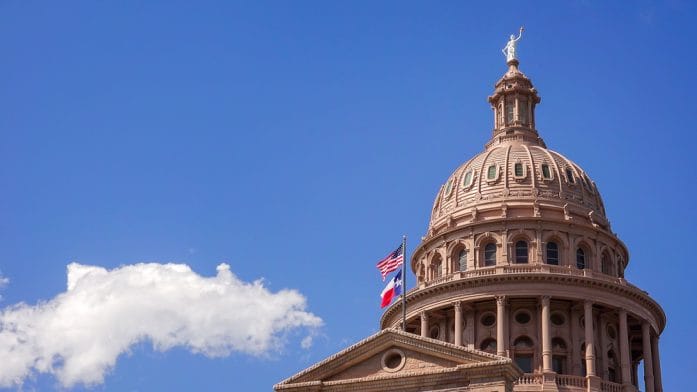
Texas homeowners are learning the hard way that a missing piece of tax paperwork can cost a small fortune. This week, thousands of residents across the Lone Star State are seeing their property tax bills spike—some by as much as $140,000—thanks to a tangled web of legislation, voter-approved amendments, and administrative oversights.

For homeowners who thought they were on top of their taxes, the situation is a reminder that even in a state famous for its independence, the government is keeping a very close eye on the fine print.

How Senate Bill 4 Triggered A $140,000 Surge

Senate Bill 4, passed by the Texas Legislature, authorized a massive $140,000 hike under very specific conditions. The bill, designed to address gaps in property tax collections, gave local appraisal districts the legal authority to adjust values dramatically—but only if certain paperwork was completed. The problem? Many homeowners and even some appraisal offices failed to file or verify these critical documents on time. When SB 4 kicks in without that paperwork, the law allows for retroactive reassessments that hit taxpayers like a Texas summer heatwave. For some, this spike is not just a line item on a bill—it’s a life-changing financial event.

The legislation itself is complex but precise. It was written to close loopholes where certain high-value properties were being underreported, ensuring that municipal budgets stay intact. However, the law’s enforcement relies heavily on compliance with Texas Property Tax Code Section 11.43.

Without this step, local authorities have the green light to impose substantial back taxes. Essentially, SB 4 isn’t arbitrary—it’s a reminder of how important following the tax code down to the last form can be.

Texas Property Tax Code Section 11.43: The Audit And Re-Verify Requirement

Section 11.43 of the Texas Property Tax Code is at the heart of this week’s crisis. This provision requires an “audit and re-verify” process for high-value properties or those that have not been properly documented in previous assessments. The audit ensures that homeowners aren’t underpaying, but it also acts as a trigger for retroactive tax adjustments if the paperwork is missing or incomplete.

For homeowners, the process can feel like navigating a maze. Appraisal districts must verify every line of data and cross-check with previously submitted documents. When a piece is missing, the system interprets it as non-compliance, which can unleash substantial penalties and retroactive tax bills. The key takeaway? Even small administrative oversights can escalate quickly under Section 11.43. This is why many taxpayers who believed they were fully compliant are suddenly facing bills they never anticipated.

Voter-Approved Amendments Proposition 11 And 13: How They Play Into The Puzzle

Adding another layer of complexity are Texas Proposition 11 and Proposition 13, both constitutional amendments approved by voters. Proposition 11 deals with local taxation transparency and sets rules for how appraisal districts calculate and report values. Proposition 13 limits the rate at which property taxes can increase year over year but only under certain circumstances.

The interaction between these propositions and SB 4 is tricky. On paper, Proposition 13 should protect homeowners from drastic yearly increases. In reality, the protections only kick in when the audit and re-verify process is completed correctly. Missing paperwork effectively nullifies the ceiling provided by Proposition 13, leaving homeowners vulnerable to sudden spikes.

Proposition 11 also complicates matters because it requires additional reporting and compliance that many taxpayers overlook. The combination of these laws and amendments means that even well-intentioned homeowners can be blindsided by massive tax bills.

Why Homeowners Are Feeling The Crunch Right Now

The timing of this crisis is particularly brutal. As local appraisal offices catch up on missed filings and incomplete audits, thousands of homeowners are receiving notices this week that reflect the $140,000 adjustments. Many residents were unaware of the interplay between SB 4, Section 11.43, and the voter-approved propositions until the notice arrived in the mailbox.

Financially, the impact is staggering. Some homeowners are forced to take out emergency loans or restructure mortgages to cover unexpected taxes. Others are scrambling to provide missing documentation in the hopes of reducing their bills. The uncertainty is causing stress, confusion, and widespread frustration across Texas, highlighting how critical understanding the nuances of local tax law can be.

The $140,000 Oversight: The Missing Texas Tax Paperwork That Is Costing Homeowners Thousands This Week

Image source: shutterstock.com

How To Protect Yourself From Future Oversights

While this week’s events are shocking, they also serve as a cautionary tale. Homeowners can take proactive steps to avoid similar situations in the future. First, keeping meticulous records of all tax-related paperwork is essential. Second, staying informed about legislation like SB 4 and understanding the requirements of Section 11.43 can prevent unpleasant surprises. Finally, consulting with a tax professional who is familiar with local appraisal processes and voter-approved amendments is invaluable.

Knowledge is power, especially when it comes to property taxes. Homeowners who understand the connections between legislation, audit requirements, and constitutional amendments are far better equipped to avoid sudden spikes. It’s a complicated system, but staying organized and proactive is the best defense against unexpected bills.

Any Homeowners Out There? Tell Us What You Think

Texas homeowners are facing one of the most startling tax surprises in recent memory, and this week’s $140,000 oversight is a wake-up call for everyone.

If you’ve experienced this firsthand, or if you’ve navigated tricky tax paperwork successfully, we want to hear from you. How did your property tax situation change, and what strategies did you use to handle the challenge?

You May Also Like…

Texas Property Alert: The New 2026 Law That Allows Police to Remove Squatters in 24 Hours

Power to Choose: Exploring Wind Energy Options in Texas Electricity Market

Exploring VA Construction Loans: Transforming Homeownership Dreams in Texas

Power to Choose: Exploring Wind Energy Options in Texas Electricity Market

6 Financial Surprises That Appear After Moving States

Brandon Marcus
Brandon Marcus

Brandon Marcus is a writer who has been sharing the written word since a very young age. His interests include sports, history, pop culture, and so much more. When he isn’t writing, he spends his time jogging, drinking coffee, or attempting to read a long book he may never complete.

Filed Under: Lifestyle Tagged With: America, buying a home, buying a house, Home, homeowner advice, homeowners, homeownership, Life, Lifestyle, local laws, paperwork, Texas, Texas taxes, United States

The One Household Appliance That Will Spike Your Insurance Premiums if Discovered During Inspection

January 18, 2026 by Brandon Marcus Leave a Comment

This Is The One Household Appliance That Will Spike Your Insurance Premiums if Discovered During Inspection

Image source: shutterstock.com

Your home is your sanctuary, but what if one seemingly innocent appliance could turn your cozy haven into a red flag for insurance companies? Most people think about home insurance in terms of fire, flood, or burglary, but there’s one specific appliance that can send premiums soaring faster than a popcorn kernel in a hot pan.

It’s not a flashy new gadget, and it doesn’t beep or flash in neon lights—but insurers treat it like a ticking time bomb. Understanding why this appliance is so problematic can save you a lot of money and, more importantly, a lot of stress.

Why Insurance Companies Fear This Appliance

Insurance companies operate on risk assessment, plain and simple. They look at the likelihood that something in your home could cause a claim, and some appliances immediately raise red flags. The one appliance that consistently triggers higher premiums is the indoor wood-burning stove or fireplace insert. These devices, while cozy and charming, have a track record for fire hazards and smoke damage. Insurers worry because even a small ember that escapes or a buildup of creosote in a chimney can lead to catastrophic damage. In other words, a single moment of negligence or poor maintenance could turn a dream of a warm, crackling fire into a costly nightmare.

Beyond fire, these appliances can impact air quality, create unseen smoke damage in walls, and even void certain parts of a home insurance policy if installed incorrectly. Insurance adjusters are trained to spot these stoves, and if one is found during an inspection, they often consider it high-risk. That can translate to immediate premium hikes, expensive add-ons, or even outright refusal to cover your home until modifications are made.

Common Mistakes Homeowners Make With High-Risk Appliances

Many homeowners don’t realize just how many small errors can turn an indoor stove from a cozy feature into an insurance headache. One of the biggest mistakes is improper installation. Some homeowners try DIY projects, failing to comply with local building codes or manufacturer instructions. This alone can lead to denied claims if a fire occurs. Another common error is neglecting regular cleaning and chimney inspections. Creosote buildup is extremely flammable, and insurers see it as a ticking time bomb. Even using the wrong type of wood or overloading the stove can make your policy more expensive or even invalidate it.

Some people also install stoves in spaces that are too confined or lack proper ventilation. While it may look stylish, insurers know that confined stoves dramatically increase fire risk. Even accessories like hearth pads or protective barriers must meet code. Skipping these details is tempting for a homeowner who wants a seamless look, but insurers notice—and they react with higher premiums.

How To Legally Protect Your Premiums

If you absolutely love the ambiance of a wood-burning stove or fireplace, there are steps you can take to minimize insurance complications. First and foremost, hire a certified professional for installation. Insurers trust professionally installed units, and proper permits and inspections can make a huge difference. Regular maintenance is crucial, too. Have your chimney swept and inspected annually, and follow the manufacturer’s guidelines for wood and fuel usage. These steps don’t just protect your home—they protect your wallet.

It’s also smart to inform your insurer upfront if you plan to install one of these appliances. Transparency allows the company to properly adjust your coverage and may prevent future disputes if a claim arises. Some insurers offer discounts for certain safety measures, like carbon monoxide detectors, spark guards, or high-efficiency stoves that produce less creosote. By following code and implementing safety measures, you show your insurer that you’re mitigating the very risks that could otherwise spike your premium.

Alternative Options That Won’t Break Your Budget

If the potential premium increase feels too steep, there are creative alternatives that still give you warmth and ambiance without triggering insurance headaches. Electric or gas fireplace inserts mimic the visual appeal of a traditional stove but are far safer in the eyes of insurers. These options have a lower fire risk, don’t produce creosote, and often come with built-in safety features. Portable heaters and bioethanol fireplaces are other alternatives that provide warmth and style without major insurance implications.

Many homeowners overlook the fact that decorative stoves or fake fireplace setups can deliver the same cozy vibe for a fraction of the risk. While they won’t produce the same crackling fire experience, they provide atmosphere without jeopardizing your coverage. Insurance companies love it when risk is minimized, and these alternatives are often treated just like any other standard appliance.

This Is The One Household Appliance That Will Spike Your Insurance Premiums if Discovered During Inspection

Image source: shutterstock.com

The Bottom Line On Household Appliances And Insurance

The key takeaway is simple: not all appliances are created equal in the eyes of insurers. While a wood-burning stove can transform your living room into a scene from a rustic magazine, it can also transform your insurance bill into something much less cozy.

Being proactive, following code, and prioritizing maintenance can protect both your home and your wallet. For many homeowners, understanding the potential financial implications before installation is the smartest move. After all, a warm home isn’t worth much if it comes with a sky-high insurance premium or denied claims in the event of an accident.

Have you ever had to adjust your home insurance because of an appliance, or do you have tips for staying cozy without raising premiums? Tell us about your experiences and thoughts in the comments below. Learning from each other’s real-life stories is a great way to navigate the tricky intersection of home comfort and insurance.

You May Also Like…

These 6 Appliances Are Now Banned in Certain States—Do You Own One?

6 Dangerous Home Appliances That You’re Using Every Day

7 Costs That Sneak Up on Fixed-Income Households

7 Fine-Print Exclusions in Your Homeowner’s Policy That Could Cost You Everything

5 Reasons Boomers Are Staying Home Instead of Retiring Away

Brandon Marcus
Brandon Marcus

Brandon Marcus is a writer who has been sharing the written word since a very young age. His interests include sports, history, pop culture, and so much more. When he isn’t writing, he spends his time jogging, drinking coffee, or attempting to read a long book he may never complete.

Filed Under: Lifestyle Tagged With: appliances, Home, home and garden, home appliances, Home insurance, homeowners, homeownership, household essentials, household expenses, household finances, household items, Insurance, insurance companies, Life, Lifestyle, stove, wood-burning stove

  • « Previous Page
  • 1
  • 2
  • 3
  • 4
  • 5
  • …
  • 7
  • Next Page »

FOLLOW US

Search this site:

Recent Posts

  • Can My Savings Account Affect My Financial Aid? by Tamila McDonald
  • 12 Ways Gen X’s Views Clash with Millennials… by Tamila McDonald
  • What Advantages and Disadvantages Are There To… by Jacob Sensiba
  • 10 Tactics for Building an Emergency Fund from Scratch by Vanessa Bermudez
  • Call 911: Go To the Emergency Room Immediately If… by Stephen Kanaval
  • 7 Weird Things You Can Sell Online by Tamila McDonald
  • 10 Scary Facts About DriveTime by Tamila McDonald

Copyright © 2026 · News Pro Theme on Genesis Framework