• Home
  • About Us
  • Getting Finances Done
    • Hiring Advisors
    • Debt Management
    • Spending Plan
  • Insurance
    • Life Insurance
    • Health Insurance
    • Disability Insurance
    • Homeowners/Renters Insurance
  • Contact Us
  • Our Editorial Commitment

The Free Financial Advisor

You are here: Home / Archives for utility costs

Why Bills Are Jumping in North Carolina, Ohio, and Arizona

May 4, 2026 by Brandon Marcus Leave a Comment

Why Bills Are Jumping in North Carolina, Ohio, and Arizona
Image Source: Unsplash.com

Sticker shock has started showing up in mailboxes and inboxes across several states, and the numbers don’t look pretty. Households in North Carolina, Ohio, and Arizona have watched their monthly bills creep higher, then suddenly leap. Utility statements, rent notices, and insurance premiums now demand more cash without offering more value.

Families feel the squeeze, and the reasons go deeper than simple inflation headlines. Today, we will dive into what’s really happening and what people can actually do about it.

Energy Costs Are Climbing Faster Than Paychecks

Energy companies across these states have raised rates in response to rising fuel costs, infrastructure upgrades, and extreme weather demands. Power grids need modernization, and utility providers pass those costs directly to customers through rate hikes. North Carolina has seen steady increases tied to grid improvements and storm resilience projects, while Ohio utilities have adjusted rates based on fluctuating natural gas prices. Arizona faces intense summer demand, which pushes electricity prices higher as air conditioning usage spikes. Regulators approve many of these increases, which leaves consumers with little room to negotiate.

The impact hits hardest during peak seasons, especially in Arizona, where cooling costs dominate household budgets for months. Families often see bills double compared to milder seasons, even with consistent usage habits. Ohio residents experience winter spikes due to heating demands, which creates a second wave of financial strain. North Carolina households deal with a mix of both heating and cooling pressures throughout the year. These patterns create a year-round cycle of elevated costs that never quite settle down.

Housing Costs Continue to Surge Across Key Cities

Rent and mortgage payments have climbed significantly in major cities like Charlotte, Columbus, and Phoenix. Population growth drives demand, and developers struggle to keep up with housing needs, which pushes prices upward. Investors have entered these markets aggressively, snapping up properties and raising rental rates. Limited housing inventory gives renters fewer options, which forces many to accept higher costs. Even suburban areas now reflect these price increases as people search for more affordable alternatives.

Homeowners have not escaped the pressure either, as property taxes and insurance premiums have risen alongside property values. Insurance companies have adjusted rates due to climate risks, especially in Arizona, where extreme heat and drought conditions pose long-term concerns. Ohio homeowners face increased costs tied to storm damage risks and aging infrastructure. North Carolina residents deal with hurricane-related insurance adjustments that raise premiums significantly. These combined factors make housing one of the biggest contributors to rising monthly expenses.

Inflation Still Plays a Major Role in Everyday Expenses

Groceries, transportation, and basic services continue to cost more, even as inflation rates fluctuate in national reports. Prices for essentials like eggs, meat, and fresh produce remain elevated compared to previous years. Gas prices shift frequently, which adds unpredictability to commuting costs in all three states. Service providers, including internet and phone companies, have introduced incremental price increases that add up quickly. These everyday expenses quietly stretch budgets beyond their limits.

Many households underestimate how smaller price increases compound over time. A few extra dollars on groceries, subscriptions, and fuel may seem manageable individually, but together they create a noticeable financial burden. Families often adjust by cutting discretionary spending, but fixed costs leave little flexibility. Ohio residents, for example, have reported scaling back dining and entertainment just to balance essential expenses. Arizona and North Carolina households show similar patterns, which highlights how widespread this issue has become.

Climate and Weather Patterns Add Unexpected Costs

Extreme weather events have started influencing utility bills and insurance rates more than ever before. Arizona’s prolonged heat waves increase electricity demand, which drives up both usage and pricing tiers. North Carolina faces hurricanes and heavy storms that lead to infrastructure repairs and higher insurance premiums. Ohio deals with unpredictable seasonal shifts that strain heating and cooling systems throughout the year. These environmental factors create additional financial pressure that many households cannot avoid.

Utility companies often implement tiered pricing during high-demand periods, which means customers pay more once they cross certain usage thresholds. This structure penalizes households during extreme weather, even when they use energy responsibly. Insurance providers also reassess risk based on climate trends, which results in higher premiums across affected regions. Home maintenance costs rise as properties endure harsher conditions, from roof repairs to HVAC replacements. These hidden expenses quietly stack on top of already rising bills.

Why Bills Are Jumping in North Carolina, Ohio, and Arizona
Image Source: Shutterstock.com

What Residents Can Actually Do to Push Back

Households do not have to accept rising costs without taking action, even though options may feel limited at first glance. Energy efficiency improvements, such as better insulation and smart thermostats, can reduce utility usage significantly. Shopping around for insurance providers often reveals better rates or bundled discounts that lower monthly expenses. Budget tracking helps identify spending leaks, especially with subscriptions and recurring charges that often go unnoticed. Small changes, when combined, can create meaningful financial relief over time.

Community programs and state-level assistance also offer support for eligible residents struggling with high bills. Many utility companies provide payment plans or energy-saving audits that help customers manage costs more effectively. Local governments sometimes offer rebates for energy-efficient upgrades, which makes improvements more affordable. Residents in North Carolina, Ohio, and Arizona have started sharing strategies online, creating a sense of collective problem-solving. Taking proactive steps can make a noticeable difference, even in a challenging financial climate.

What Is Behind These Numbers

Rising bills in these states reflect a combination of economic forces, environmental challenges, and infrastructure demands rather than a single cause. Energy costs, housing pressures, inflation, and climate factors all intersect to create the current situation. Households feel the impact because these increases hit essential expenses that people cannot easily cut. Awareness helps, but action ultimately determines how much of that financial pressure sticks around. Smart adjustments and informed decisions can soften the blow, even when costs continue to rise.

So what changes have made the biggest difference in handling rising bills lately? We want your advice and insight in the comments section.

You May Also Like…

Illinois Counties Are Issuing More Property Liens for Unpaid Utility Balances

The Water Surcharge: Why Arizona and Nevada Homeowners Are Seeing New Fees

Arizona’s Rising Cost of Living — What $100K Buys in Phoenix Today

Utility Bills Are Rising as Service Fees Increase Across Multiple States

Utility Companies Are Ending Paper Billing — How It Will Change Your Monthly Payments

Brandon Marcus
Brandon Marcus

Brandon Marcus is a writer who has been sharing the written word since a very young age. His interests include sports, history, pop culture, and so much more. When he isn’t writing, he spends his time jogging, drinking coffee, or attempting to read a long book he may never complete.
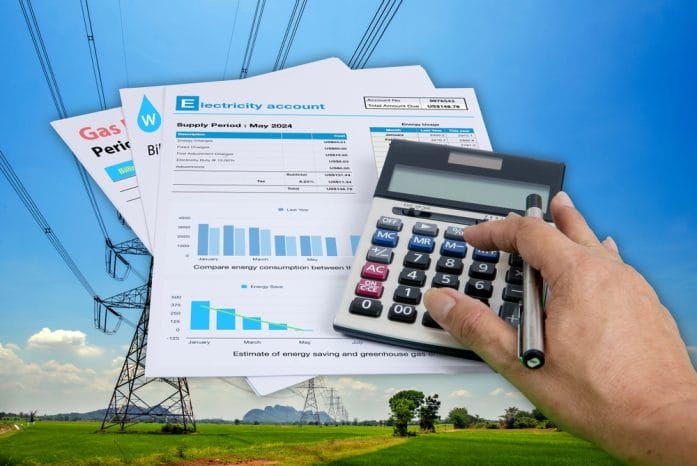

Filed Under: Lifestyle Tagged With: Arizona utilities, Budgeting Tips, Cost of living, electricity rates, energy savings, financial advic, household expenses, inflation 2026, North Carolina economy, Ohio energy, rising bills, utility costs

Why May Bills Include “Grid Modernization” Charges

April 29, 2026 by Brandon Marcus Leave a Comment

Why May Bills Include “Grid Modernization” Charges
Image Source: Shutterstock.com

A fresh line item on a monthly electric bill can spark instant frustration, especially when it carries a vague label like “grid modernization.” This May, many households will notice that exact phrase—and the cost attached to it. Utility companies now invest heavily in upgrading aging infrastructure, and they pass part of that bill directly to customers.

These charges often arrive quietly, without much explanation, yet they play a major role in shaping future energy reliability. Getting a clear handle on what drives these fees can help households make smarter financial decisions and avoid surprises.

What “Grid Modernization” Actually Means

This phrase refers to a sweeping overhaul of how electricity gets delivered from power plants to homes. Utilities upgrade old wires, substations, and transformers to handle modern energy demands. They also install smart technology that tracks outages and energy usage in real time. These updates aim to prevent blackouts, improve efficiency, and support renewable energy sources. The term sounds technical, but it boils down to making the power grid faster, smarter, and more resilient.

Utilities built much of the existing power grid decades ago, and it shows. Equipment breaks more often, repair costs climb, and extreme weather pushes systems to their limits. Modernization projects replace worn-out components and introduce automation that detects issues before they spiral into outages. Smart meters now send usage data instantly instead of relying on manual readings, which cuts labor costs and speeds up billing accuracy.

These improvements also support cleaner energy sources like solar and wind. Traditional grids struggle to handle fluctuating energy inputs, but modern systems adjust dynamically. That flexibility allows utilities to integrate renewable energy without destabilizing the system. While the benefits sound appealing, the price tag often lands squarely on customers’ monthly statements.

Why These Charges Are Showing Up

Timing plays a huge role in why these fees suddenly appear on bills this May. Many utility companies received regulatory approval for infrastructure upgrades over the past year. Once those projects start, companies begin recovering costs through customer billing. Seasonal demand also increases in late spring and summer, which makes May an ideal time to introduce new rate structures. The result: a noticeable bump in monthly expenses just as energy usage begins to climb.

Energy demand continues to rise due to electric vehicles, smart homes, and increased reliance on digital devices. Utilities must expand capacity to keep up, and that expansion requires significant investment. Regulatory agencies typically allow companies to recoup those costs gradually, which explains the steady appearance of new fees rather than one-time charges.

Inflation also plays a role in driving up infrastructure costs. Materials like copper, steel, and advanced electronics now cost more than they did even a few years ago. Labor shortages in skilled trades add another layer of expense. Utilities pass these rising costs along to customers, often under the umbrella of modernization efforts.

Why May Bills Include “Grid Modernization” Charges
Image Source: Shutterstock.com

What You’re Actually Paying For On Your Bill

That extra line item does not simply vanish into a corporate black hole. It funds specific upgrades like smart meters, automated substations, and advanced monitoring systems. It also supports cybersecurity improvements that protect the grid from digital threats. Some funds go toward integrating renewable energy sources and improving battery storage systems. Each charge reflects a piece of a much larger transformation happening behind the scenes.

Smart meters stand out as one of the most visible upgrades. These devices track electricity usage in real time and allow utilities to identify outages instantly. They also enable time-of-use pricing, which can reward consumers who shift usage to off-peak hours. While that sounds beneficial, it can also lead to higher bills for households that cannot easily adjust their energy habits.

Grid modernization also includes strengthening infrastructure against extreme weather. Storm-resistant poles, underground lines, and advanced forecasting tools all require funding. These improvements reduce the frequency and duration of outages, which saves money and frustration over time. Still, the upfront costs show up immediately, even if the long-term benefits take years to fully materialize.

How These Fees Affect Household Budgets

Even small increases in utility bills can ripple through a monthly budget. A $10 or $20 bump may not seem dramatic at first glance, but it adds up quickly over a year. Households already juggling rising costs for groceries, housing, and transportation feel the squeeze more intensely. Fixed-income families often face the toughest challenge, since they lack the flexibility to absorb new expenses. These charges can quietly shift financial priorities without much warning.

Energy costs rarely stay flat once they start climbing. Grid modernization often represents just one piece of a broader trend toward higher utility rates. As infrastructure projects expand, additional fees may appear over time. That makes it crucial to plan ahead rather than treat the increase as a one-off occurrence.

Some households may qualify for assistance programs that offset rising energy costs. Utility companies and local agencies often offer discounts or payment plans for eligible customers. Taking advantage of these programs can help ease the burden while still supporting necessary infrastructure improvements.

Smart Ways To Manage And Reduce The Impact

Consumers do not have to accept higher bills without taking action. Simple changes like adjusting thermostat settings, using energy-efficient appliances, and unplugging unused devices can lower overall consumption. Many utilities also offer detailed usage reports that highlight peak energy times. Paying attention to those patterns can help households shift usage and reduce costs. Small adjustments can make a noticeable difference over time.

Energy-efficient upgrades often deliver long-term savings. LED lighting, smart thermostats, and better insulation can significantly cut electricity usage. While these upgrades require upfront investment, they often pay for themselves through lower monthly bills. Some utility companies even provide rebates or incentives to encourage these improvements.

Budgeting strategies also play a key role in managing rising costs. Setting aside a small monthly buffer for utilities can prevent financial strain when bills increase unexpectedly. Reviewing statements regularly helps identify trends and catch errors early. Staying proactive keeps these new charges from derailing a household’s financial stability.

The Bigger Picture Behind The Charges

Grid modernization represents a long-term investment in energy reliability and sustainability. These upgrades aim to reduce outages, support clean energy, and prepare for future demand. While the costs feel immediate, the benefits unfold over years or even decades. The challenge lies in balancing short-term affordability with long-term progress. Consumers ultimately fund this transformation, which makes awareness and planning essential.

Utilities face increasing pressure to modernize as technology evolves and climate challenges intensify. A stronger, smarter grid can handle extreme weather events and reduce recovery times. That resilience carries real value, even if it does not always show up directly on a monthly bill.

What This Means For Your Wallet Moving Forward

Expect energy bills to keep evolving as infrastructure upgrades continue across the country. Grid modernization charges likely will not disappear anytime soon, and they may even increase as projects expand. Households that stay informed and proactive will handle these changes far more effectively. Paying attention to usage patterns, exploring efficiency upgrades, and taking advantage of assistance programs can soften the impact. Awareness turns a confusing line item into a manageable part of a broader financial strategy.

What changes have shown up on your recent utility bills, and how are you adjusting your budget to keep up? Give us your stories below in our comments.

You May Also Like…

Ohio Property Revaluations Are Increasing 2026 Tax Bills Across Multiple Counties

Utility Bills Are Rising as Service Fees Increase Across Multiple States

Virginia Residents Are Receiving Unexpected Personal Property Tax Bills Due to Local Rules

Adult Kids Beware: Some States Can Sue You for Your Parents’ Medical Bills

6 IRS Notices That Can Lead to Unexpected Tax Bills

Brandon Marcus
Brandon Marcus

Brandon Marcus is a writer who has been sharing the written word since a very young age. His interests include sports, history, pop culture, and so much more. When he isn’t writing, he spends his time jogging, drinking coffee, or attempting to read a long book he may never complete.
Filed Under: Lifestyle Tagged With: Budgeting Tips, consumer awareness, electric bills, electricity rates, energy infrastructure, energy policy, grid modernization, home expenses, power grid upgrades, saving money, smart meters, utility costs, utility fees

Arizona Homeowners Are Affected by Local Water System and Infrastructure Issues

April 22, 2026 by Brandon Marcus Leave a Comment

Arizona Homeowners Are Affected by Local Water System and Infrastructure Issues
Image Source: Shutterstock.com

Arizona homeowners face a growing challenge that flows straight from the tap: aging water systems and strained infrastructure. Across the state, rising temperatures, population growth, and outdated pipes create a perfect storm that impacts daily life and monthly budgets.

Water no longer feels like a simple utility; it now demands attention, planning, and sometimes costly fixes. Homeowners who stay informed can avoid surprises and protect their property values.

Aging Infrastructure Creates Expensive Surprises

Arizona water infrastructure continues to age faster than many communities can repair it, and homeowners feel the impact firsthand. Pipes installed decades ago crack, corrode, and leak, which leads to sudden repair bills that can reach thousands of dollars. Municipal systems struggle to keep up with maintenance, especially in rapidly growing suburbs where demand stretches resources thin.

Homeowners often notice warning signs like low water pressure, discoloration, or unexplained spikes in water bills before major failures occur. Quick action on small issues helps prevent larger damage, including foundation problems and mold growth that can follow hidden leaks.

Rapid Growth Puts Pressure on Local Systems

Arizona attracts new residents every year, and that growth places heavy stress on Arizona water infrastructure. Cities expand quickly, but water systems do not always scale at the same pace, which creates supply bottlenecks and service disruptions. New developments often rely on existing pipelines that already operate near capacity, leaving little room for error during peak usage.

Homeowners in fast-growing areas may experience water restrictions or fluctuating service quality during high-demand seasons. Planning ahead with water-efficient appliances and landscaping helps reduce strain and keeps household costs manageable.

Drought Conditions Amplify Existing Problems

Persistent drought conditions across the Southwest intensify every weakness in Arizona water infrastructure. Limited water supply forces municipalities to implement conservation measures, which can include usage limits and higher rates. Homeowners often face stricter regulations on outdoor watering, pool refills, and even car washing.

These restrictions can affect property upkeep, especially for those with traditional lawns or large landscapes. Smart homeowners adapt by switching to drought-resistant plants, installing drip irrigation systems, and monitoring usage closely to avoid penalties.

Arizona Homeowners Are Affected by Local Water System and Infrastructure Issues
Image Source: Shutterstock.com

Rising Costs Hit Household Budgets Hard

Water bills across Arizona continue to climb as cities invest in repairs and conservation programs tied to Arizona water infrastructure. Utility providers pass infrastructure upgrade costs directly to residents, which increases monthly expenses even for modest usage. Homeowners also shoulder indirect costs, such as replacing old pipes within their property lines or upgrading fixtures to meet new efficiency standards.

Insurance policies may not cover gradual water damage, leaving residents responsible for repairs that result from long-term wear and tear. Budget-conscious homeowners benefit from regular inspections and proactive upgrades that reduce the risk of unexpected financial strain.

Proactive Steps Help Homeowners Stay Ahead

Homeowners who take control of their water systems can reduce risks tied to Arizona water infrastructure challenges. Regular plumbing inspections catch early signs of corrosion, leaks, or pressure issues before they escalate into major repairs. Installing water-efficient fixtures, such as low-flow toilets and smart irrigation systems, cuts usage and lowers bills over time. Many Arizona cities offer rebates for conservation upgrades, which makes these improvements more affordable. Staying informed about local water policies and infrastructure projects also helps homeowners anticipate changes and adjust accordingly.

Why Staying Informed Makes All the Difference

Arizona water infrastructure issues will not disappear overnight, but informed homeowners can navigate them with fewer headaches. Knowledge about local systems, drought conditions, and maintenance needs empowers residents to make smarter decisions about their homes. Small actions, like fixing leaks quickly or adjusting landscaping choices, create meaningful savings over time.

Communities that stay engaged often push for better infrastructure investments and improved water management policies. A proactive mindset turns a frustrating issue into a manageable part of homeownership.

What’s Your Next Move as Water Challenges Grow?

Arizona homeowners face real pressure from aging systems, rising costs, and ongoing drought conditions tied to Arizona water infrastructure. Those who stay proactive, invest in efficiency, and monitor their systems closely can avoid the worst financial impacts. Waiting until a problem becomes obvious often leads to higher costs and more stress.

Smart planning today protects both property value and peace of mind tomorrow. What steps have you taken to manage water issues in your home?

You May Also Like…

Arizona’s Rising Cost of Living — What $100K Buys in Phoenix Today

New York Residents Moving Out of State Are Facing Additional Tax Obligations

9 Unexpected Costs That Appear After Relocating Abroad

9 Money Conversations to Have Before Moving In Together

7 Essential Things Everyone Forgets When Moving

Brandon Marcus
Brandon Marcus

Brandon Marcus is a writer who has been sharing the written word since a very young age. His interests include sports, history, pop culture, and so much more. When he isn’t writing, he spends his time jogging, drinking coffee, or attempting to read a long book he may never complete.

Filed Under: Lifestyle Tagged With: Arizona water infrastructure, drought impact, home maintenance, homeownership, plumbing tips, utility costs, water bills

How Utilities Affect Colorado’s Low Property Tax Rate

March 19, 2026 by Brandon Marcus Leave a Comment

How Utilities Affect Colorado's Low Property Tax Rate
Image Source: Shutterstock.com

Low property taxes sound like a dream, right? Colorado proudly sits near the bottom when it comes to property tax rates, and that fact grabs attention fast. It promises lighter annual bills, more breathing room, and a sense that homeownership might feel just a little more manageable compared to other states.

But nothing in the world of housing comes without a trade-off. Behind those lower tax bills sits a less obvious reality, and it shows up quietly in monthly utility statements. Electricity, water, natural gas, and service fees all play a bigger role than expected, and they help shape how Colorado balances its books without leaning heavily on property taxes.

The Low Tax Charm That Hooks Homebuyers Instantly

Colorado’s property tax rate consistently ranks among the lowest in the United States, and that reputation pulls in attention from buyers who want to stretch their dollar further. Lower rates mean smaller annual tax bills, which can make monthly housing costs feel far more manageable at first glance. This appeal becomes especially strong when compared to states where property taxes climb quickly alongside home values. It creates a sense of financial relief right at the starting line.

That initial excitement, however, often overshadows the broader financial picture. Property taxes fund local services like schools, infrastructure, and emergency response, and every state needs to generate that revenue somehow. Colorado simply leans less on property taxes and more on other sources. That shift doesn’t eliminate costs—it redistributes them. Anyone stepping into the market benefits from the lower tax rate, but that benefit comes paired with higher reliance on alternative funding streams, including utilities and service fees.

Utilities Step Into The Spotlight And Pick Up The Slack

When property taxes stay low, other systems step up to support the same public needs. Utilities in Colorado often carry a larger share of infrastructure costs, especially when it comes to water systems, energy delivery, and maintenance. Municipal utilities and service providers frequently build fees into monthly bills to cover long-term investments that property taxes might handle elsewhere.

Water, in particular, plays a major role in this equation. Colorado’s semi-arid climate demands careful water management, and that requires infrastructure, conservation programs, and ongoing upgrades. Those costs don’t disappear—they show up in tiered pricing systems and usage-based billing. Higher consumption leads directly to higher costs, and that structure encourages conservation while also generating necessary revenue.

Energy adds another layer to the story. Heating during cold winters and cooling during warm summers drives electricity and natural gas usage upward. Utility companies invest heavily in maintaining reliable service across varied terrain, from dense urban areas to remote mountain communities. Those investments translate into rates that can feel noticeably higher than expected, especially for newcomers who focused mainly on property tax savings.

The Real Cost Of Living Doesn’t Stay Hidden For Long

Low property taxes can create a strong first impression, but utility bills quickly round out the full cost of living picture. Monthly expenses for electricity, water, sewer, and trash collection often climb higher than anticipated, especially in areas with older infrastructure or growing populations. That shift doesn’t mean Colorado becomes unaffordable—it simply means the cost structure looks different.

Homeowners who prepare for this balance tend to feel more in control. Budgeting beyond the mortgage and tax payment becomes essential, and a detailed look at utility history before buying can prevent surprises later. Real estate listings rarely highlight utility averages, but asking for that information provides a clearer understanding of true monthly costs. A home with slightly higher property taxes but lower utility expenses can sometimes offer better overall value.

Seasonal changes also influence utility costs in a big way. Winter heating bills can spike quickly, especially in areas with colder temperatures or older insulation. Summer cooling costs add another layer, particularly in regions that experience heat waves. These fluctuations make it important to plan for both peak and off-peak months instead of relying on a flat monthly estimate.

How Utilities Affect Colorado's Low Property Tax Rate
Image Source: Shutterstock.com

Growth, Infrastructure, And The Pressure On Utilities

Colorado continues to grow, and that growth places pressure on infrastructure systems that utilities manage directly. Expanding communities require new pipelines, upgraded electrical grids, and improved water treatment facilities. Funding those projects often comes through utility rates and connection fees rather than property tax increases.

This approach allows local governments to maintain lower property tax rates while still supporting development. However, it also means new residents and existing homeowners contribute through their utility bills. Rapid growth can lead to rising costs as demand increases and systems expand to keep up. That dynamic creates a direct link between population growth and utility pricing.

Local policies also influence how utilities operate and charge for services. Conservation efforts, renewable energy initiatives, and environmental protections all shape pricing structures. These programs serve important long-term goals, but they can also increase short-term costs for households. Understanding these factors helps explain why utility bills sometimes rise even when property taxes remain stable.

Smart Moves To Keep Utility Costs Under Control

Managing utility expenses doesn’t require drastic changes, but it does reward consistent, thoughtful action. Energy-efficient upgrades like better insulation, modern windows, and high-efficiency appliances can significantly reduce monthly bills. Even small adjustments, such as sealing drafts or using programmable thermostats, add up over time.

Water usage offers another opportunity for savings. Xeriscaping, low-flow fixtures, and mindful irrigation practices can lower bills while aligning with local conservation efforts. Many municipalities offer rebates or incentives for these upgrades, which makes them even more appealing from a financial perspective. Taking advantage of those programs creates immediate and long-term benefits.

Shopping for energy providers or plans, where options exist, can also lead to savings. Some areas offer choices between providers or rate structures, and comparing those options can reveal better deals. Staying informed about rate changes and seasonal pricing helps avoid unnecessary costs. A proactive approach keeps utility expenses from quietly climbing higher each year.

The Balancing Act That Defines Colorado Living

Colorado’s approach to property taxes and utilities creates a unique financial landscape that rewards awareness and preparation. Lower property taxes offer clear advantages, especially for homeowners who prioritize predictable annual costs. At the same time, higher utility expenses ensure that essential services and infrastructure remain funded and functional.

This balance doesn’t favor one side over the other—it simply shifts how costs appear and how households manage them. Those who understand the relationship between taxes and utilities can make smarter decisions when buying a home, planning a budget, or evaluating long-term affordability. Knowledge turns what could feel like a hidden trade-off into a manageable and even strategic advantage.

How does that balance look in your own experience, and what strategies have made the biggest difference in keeping monthly costs under control? Give us your thoughts, tips, or insights in the comments and keep the conversation going.

You May Also Like…

Colorado Escrow Payments Continue Climbing — Homeowners Face Higher Monthly Costs

The $3,000 Property Tax Reality Facing the Average U.S. Household

Why Every Year You Save, Homes Get Further Out of Reach

Why Do Renters Pay More Than Homeowners for the Same Utilities

5 Signs You’re Ready to Buy a Home — And 3 Signs to Wait

Brandon Marcus
Brandon Marcus

Brandon Marcus is a writer who has been sharing the written word since a very young age. His interests include sports, history, pop culture, and so much more. When he isn’t writing, he spends his time jogging, drinking coffee, or attempting to read a long book he may never complete.

Filed Under: tax tips Tagged With: budgeting, Colorado real estate, Cost of living, energy bills, home expenses, homeownership, Housing Costs, Personal Finance, Planning, property tax, real estate tips, utility costs

10 Costs That Make Retirement Budgets Feel Unstable

January 12, 2026 by Brandon Marcus Leave a Comment

Here Are 10 Costs That Make Retirement Budgets Feel Unstable
Image Source: Shutterstock.com

Retirement is supposed to feel like a victory lap, not a financial obstacle course. You clock out for the last time, imagine slow mornings and flexible days, and expect your money to finally relax along with you. Then reality taps you on the shoulder with a stack of bills you didn’t see coming.

Some costs arrive loudly, others creep in quietly, but all of them have the power to make a perfectly reasonable retirement budget feel wobbly. Understanding these expenses doesn’t ruin the dream—it actually gives you control over it.

1. Healthcare And Medical Expenses

Healthcare is often the heavyweight champion of retirement costs. Even with Medicare, premiums, deductibles, copays, and uncovered services can pile up faster than expected. Prescription drugs alone can fluctuate wildly from year to year, especially if your health changes. Dental, vision, and hearing care frequently fall outside standard coverage, yet they become more important with age.

A single unexpected diagnosis can reroute thousands of dollars without warning. The uncertainty, not just the size of the bills, is what makes retirees feel uneasy.

2. Housing Repairs And Maintenance

Homes age just like people do, and they tend to demand more attention over time. Roofs wear out, appliances fail, and plumbing issues love to announce themselves at the worst possible moment. Even paid-off homes aren’t “free” when you factor in maintenance, property taxes, and insurance.

Many retirees underestimate how often small fixes turn into big projects. When several repairs hit in the same year, budgets can feel suddenly fragile. Housing costs don’t politely stay put once you retire.

3. Rising Utility Costs

Utilities rarely get the spotlight, but they quietly chip away at monthly cash flow. Energy prices fluctuate, and extreme weather can push heating or cooling costs into uncomfortable territory. Retirees often spend more time at home, which naturally increases electricity, water, and internet usage. Small monthly increases don’t seem scary at first. Over a year, though, those increases can reshape an entire budget. Utilities are predictable enough to forget about, yet unpredictable enough to cause stress.

4. Long-Term Care Needs

Long-term care is one of the most emotionally charged expenses in retirement planning. Assisted living, in-home care, or nursing facilities can cost more per month than many people earned while working. These services often aren’t fully covered by Medicare, leaving families scrambling. The hardest part is timing, since no one knows if or when care will be needed. Planning too little feels risky, but planning too much feels expensive. This uncertainty alone can make even confident retirees uneasy.

Here Are 10 Costs That Make Retirement Budgets Feel Unstable
Image Source: Shutterstock.com

5. Taxes That Don’t Disappear

Retirement doesn’t mean waving goodbye to taxes forever. Withdrawals from traditional retirement accounts are often taxable, sometimes pushing retirees into higher brackets than expected. Property taxes can rise, even on homes that haven’t changed. Social Security benefits may also be taxed depending on total income. Many people assume taxes will shrink dramatically after work ends. When they don’t, it can feel like a budgeting ambush.

6. Inflation’s Slow And Steady Pressure

Inflation doesn’t shout, but it never stops talking. Over time, groceries, insurance, transportation, and everyday services gradually cost more. A budget that felt generous at 65 can feel tight by 75. Fixed incomes struggle to keep pace with rising prices, especially during inflationary spikes. Even modest annual increases add up over a decade or two. Inflation turns time itself into a financial expense.

7. Helping Family Members

Many retirees happily help adult children, grandchildren, or aging parents. Unfortunately, generosity doesn’t always fit neatly into a budget. Covering emergencies, contributing to education, or offering housing support can become ongoing commitments. These expenses are often emotional decisions, not financial ones. They tend to appear suddenly and resist easy limits. Over time, family assistance can quietly destabilize retirement plans.

8. Transportation And Vehicle Costs

Cars don’t retire when you do. Maintenance, insurance, fuel, and eventual replacement still apply, even if you drive less. Older vehicles may require more frequent repairs, which can be unpredictable. Public transportation or ride services can add their own recurring costs. Travel plans, road trips, or visits to family also increase transportation spending. Mobility is freedom, but that freedom has a price tag.

9. Lifestyle And Leisure Spending

Retirement finally opens the door to hobbies, travel, and experiences long postponed. Classes, clubs, trips, and dining out can quickly become regular expenses. Many retirees underestimate how active they’ll want to be. Leisure spending often grows instead of shrinking. While these costs bring joy, they still test financial boundaries. Fun is wonderful, but it isn’t free.

10. Insurance Premium Increases

Insurance rarely stays the same price year after year. Health, home, auto, and supplemental policies often increase with age or market shifts. Even small premium hikes across multiple policies can sting. Retirees may add coverage for peace of mind, further raising costs. Dropping coverage feels risky, yet keeping it strains the budget. Insurance becomes a balancing act between protection and affordability.

Steady Ground Starts With Awareness

Retirement budgets don’t unravel because of one dramatic mistake. They wobble because of many moving parts working together over time. Knowing where instability comes from makes it easier to prepare, adjust, and breathe a little easier. Awareness turns surprise costs into manageable challenges.

If retirement has thrown you a financial curveball, or if you’ve found smart ways to stay steady, we’d love to hear your thoughts or stories in the comments below.

You May Also Like…

Why Does Retirement Feel More Expensive Than People Planned For

Savings Repair: 4 Moves to Catch Up if You’re Within 10 Years of Retirement

Income Stability: 6 Retirement Income Moves That Aren’t as Safe as They Seem

Risk Scenario: 8 What-Ifs Every Pre-Retiree Should Consider

Expense Overflow: 4 Retirement Bills That Catch People Off Guard


Brandon Marcus
Brandon Marcus

Brandon Marcus is a writer who has been sharing the written word since a very young age. His interests include sports, history, pop culture, and so much more. When he isn’t writing, he spends his time jogging, drinking coffee, or attempting to read a long book he may never complete.
Filed Under: Retirement Tagged With: Budget, budgeting, healthcare, healthcare costs, housing, housing maintenance, housing repairs, liefstyle, Life, Lifestyle creep, medical expenses, retire, retiree, retirees, Retirement, Retirement activities, retirement budget, retirement budgeting, retirement planning, utility costs

Which Sneaky Bills Have The Biggest Chance To Rise In 2026?

January 11, 2026 by Brandon Marcus Leave a Comment

Which Sneaky Bills Have The Biggest Chance To Rise In 2026?
Image Source: Shutterstock.com

If you think 2026 is just another year on the calendar, think again. Your wallet might disagree. From energy costs to subscription services you barely remember signing up for, some bills are poised to climb faster than a roller coaster in a hurricane. Economists, analysts, and even everyday consumers are bracing for shifts that could make budgeting feel like playing a game with invisible rules.

But not all bills are created equal. Some have obvious reasons for rising, while others are lurking quietly in the background, ready to surprise even the savviest spenders. Let’s break down which bills could hit your finances hardest and why you should pay attention before it’s too late.

1. Energy Bills And Utility Costs

Electricity, natural gas, and heating oil are likely to see significant increases in 2026. Global energy markets are still recovering from past disruptions, and inflationary pressures in production and transportation are lingering. Utility companies may pass these rising costs straight to consumers, meaning higher monthly bills for homes and apartments alike. Renewable energy incentives might help offset some costs, but they’re often limited and region-specific.

Weather patterns also play a big role—longer, hotter summers or colder winters could push energy demand—and prices—even higher. For households with older infrastructure, energy efficiency upgrades could become more of a necessity than a choice.

2. Rent And Housing Expenses

Housing costs have been on an upward trajectory for years, and 2026 is expected to continue that trend. Rental demand remains high in urban areas while the supply of affordable units lags behind. Mortgage rates, which fluctuate based on economic conditions, can also indirectly affect rental markets by keeping more people renting rather than buying. Landlords may raise rents to keep pace with property taxes, maintenance costs, and inflation.

This isn’t just a city problem—suburban and rural markets are seeing modest increases as well. Budget-conscious renters may need to plan for incremental increases that, over the course of a year, add up to a significant chunk of their income.

3. Healthcare Premiums And Out-Of-Pocket Costs

Medical expenses are a financial headache most of us can’t avoid, and 2026 could see them climb again. Health insurance premiums have historically risen faster than general inflation, and experts anticipate this trend will continue. Prescription drugs, specialist visits, and medical procedures all contribute to growing out-of-pocket costs. Even small copay increases can add up, especially for families or those managing chronic conditions.

Public health policy changes, the ongoing evolution of telehealth, and shifts in employer coverage can also play a role. Keeping track of plan details and exploring cost-saving alternatives will be critical for anyone looking to avoid sticker shock.

4. Internet And Streaming Service Fees

If you thought your monthly subscription bundle was safe, think again. Internet service providers have been adjusting plans frequently, and new infrastructure costs may be passed on to consumers. Streaming platforms, too, continue experimenting with pricing models, premium tiers, and ad-supported plans. The average household is juggling multiple subscriptions, from video to music to gaming, meaning even modest increases add up quickly. Bundles that once seemed like savings could end up costing more in 2026. Staying informed and periodically auditing subscriptions could help prevent surprises at the end of the month. For tech-savvy households, comparison shopping and promotional deals could become essential strategies.

5. Grocery And Food Prices

Groceries may feel unavoidable, but in 2026, your shopping list might cost more than expected. Agricultural challenges, global supply chain issues, and fuel price fluctuations all influence grocery costs. Organic and specialty items often see steeper price hikes than staples, but even common products like bread, dairy, and meat are susceptible. Food inflation doesn’t just hit the shelves—it trickles into restaurants and takeout options, making dining out pricier too.

Seasonal variations and extreme weather events can spike produce costs unexpectedly. Savvy shoppers who monitor sales, stock up strategically, and explore alternatives could protect their wallets, but many households may still notice the pinch.

Which Sneaky Bills Have The Biggest Chance To Rise In 2026?
Image Source: Shutterstock.com

6. Transportation And Fuel Expenses

Getting from point A to point B isn’t going to get cheaper in 2026. Gasoline, diesel, and public transportation fares are all sensitive to international markets and domestic policy shifts. Electric vehicle adoption is increasing, but charging infrastructure and electricity costs may partially offset savings from fuel. Car insurance premiums, maintenance, and even ride-sharing fares are influenced by inflation and demand. Urban commuters, rural drivers, and anyone relying on public transit may need to rethink their travel budgets. Planning ahead, using cost-saving apps, and considering hybrid or electric options could help, but a jump in transportation expenses is likely unavoidable for most people.

How Will You Navigate Rising Bills?

2026 promises to be a year of financial juggling, with multiple bills likely rising in ways that feel unpredictable. Being aware of the potential culprits—from utilities to housing, healthcare, subscriptions, groceries, and transportation—gives you a head start on planning and strategizing.

How are you preparing for these changes? Have you noticed trends in your own bills that suggest an increase is on the horizon? Let us know your experiences, insights, or tips in the comments below, because there’s no better place for practical advice and shared wisdom than a community that’s navigating the same challenges.

You May Also Like…

Tax Surge: 4 Income Types That Trigger Hidden Tax Bills

Expense Overflow: 4 Retirement Bills That Catch People Off Guard

6 Surprising Costs That Hit Families After Natural Disasters

Your Medical Bills Might Be Shared Online Without Your Knowledge

How Paying Some Bills In Advance Can Help In A Financial Emergency


Brandon Marcus
Brandon Marcus

Brandon Marcus is a writer who has been sharing the written word since a very young age. His interests include sports, history, pop culture, and so much more. When he isn’t writing, he spends his time jogging, drinking coffee, or attempting to read a long book he may never complete.

Filed Under: Lifestyle Tagged With: bills, energy bills, family spending, food prices, fuel expenses, grocery costs, healthcare costs, healthcare premiums, housing expenses, Life, Lifestyle, overspending, Smart Spending, spending, transportation, utility bills, utility costs

Follow Us

Search this site:

Recent Posts

  • Can My Savings Account Affect My Financial Aid? by Tamila McDonald
  • 12 Ways Gen X’s Views Clash with Millennials… by Tamila McDonald
  • What Advantages and Disadvantages Are There To… by Jacob Sensiba
  • 10 Tactics for Building an Emergency Fund from Scratch by Vanessa Bermudez
  • Call 911: Go To the Emergency Room Immediately If… by Stephen Kanaval
  • 7 Weird Things You Can Sell Online by Tamila McDonald
  • 10 Scary Facts About DriveTime by Tamila McDonald

Copyright © 2026 · News Pro Theme on Genesis Framework