• Home
  • About Us
  • Getting Finances Done
    • Hiring Advisors
    • Debt Management
    • Spending Plan
  • Insurance
    • Life Insurance
    • Health Insurance
    • Disability Insurance
    • Homeowners/Renters Insurance
  • Contact Us
  • Our Editorial Commitment

The Free Financial Advisor

You are here: Home / Archives for Brandon Marcus

10 Costs That Make Retirement Budgets Feel Unstable

January 12, 2026 by Brandon Marcus Leave a Comment

Here Are 10 Costs That Make Retirement Budgets Feel Unstable
Image Source: Shutterstock.com

Retirement is supposed to feel like a victory lap, not a financial obstacle course. You clock out for the last time, imagine slow mornings and flexible days, and expect your money to finally relax along with you. Then reality taps you on the shoulder with a stack of bills you didn’t see coming.

Some costs arrive loudly, others creep in quietly, but all of them have the power to make a perfectly reasonable retirement budget feel wobbly. Understanding these expenses doesn’t ruin the dream—it actually gives you control over it.

1. Healthcare And Medical Expenses

Healthcare is often the heavyweight champion of retirement costs. Even with Medicare, premiums, deductibles, copays, and uncovered services can pile up faster than expected. Prescription drugs alone can fluctuate wildly from year to year, especially if your health changes. Dental, vision, and hearing care frequently fall outside standard coverage, yet they become more important with age.

A single unexpected diagnosis can reroute thousands of dollars without warning. The uncertainty, not just the size of the bills, is what makes retirees feel uneasy.

2. Housing Repairs And Maintenance

Homes age just like people do, and they tend to demand more attention over time. Roofs wear out, appliances fail, and plumbing issues love to announce themselves at the worst possible moment. Even paid-off homes aren’t “free” when you factor in maintenance, property taxes, and insurance.

Many retirees underestimate how often small fixes turn into big projects. When several repairs hit in the same year, budgets can feel suddenly fragile. Housing costs don’t politely stay put once you retire.

3. Rising Utility Costs

Utilities rarely get the spotlight, but they quietly chip away at monthly cash flow. Energy prices fluctuate, and extreme weather can push heating or cooling costs into uncomfortable territory. Retirees often spend more time at home, which naturally increases electricity, water, and internet usage. Small monthly increases don’t seem scary at first. Over a year, though, those increases can reshape an entire budget. Utilities are predictable enough to forget about, yet unpredictable enough to cause stress.

4. Long-Term Care Needs

Long-term care is one of the most emotionally charged expenses in retirement planning. Assisted living, in-home care, or nursing facilities can cost more per month than many people earned while working. These services often aren’t fully covered by Medicare, leaving families scrambling. The hardest part is timing, since no one knows if or when care will be needed. Planning too little feels risky, but planning too much feels expensive. This uncertainty alone can make even confident retirees uneasy.

Here Are 10 Costs That Make Retirement Budgets Feel Unstable
Image Source: Shutterstock.com

5. Taxes That Don’t Disappear

Retirement doesn’t mean waving goodbye to taxes forever. Withdrawals from traditional retirement accounts are often taxable, sometimes pushing retirees into higher brackets than expected. Property taxes can rise, even on homes that haven’t changed. Social Security benefits may also be taxed depending on total income. Many people assume taxes will shrink dramatically after work ends. When they don’t, it can feel like a budgeting ambush.

6. Inflation’s Slow And Steady Pressure

Inflation doesn’t shout, but it never stops talking. Over time, groceries, insurance, transportation, and everyday services gradually cost more. A budget that felt generous at 65 can feel tight by 75. Fixed incomes struggle to keep pace with rising prices, especially during inflationary spikes. Even modest annual increases add up over a decade or two. Inflation turns time itself into a financial expense.

7. Helping Family Members

Many retirees happily help adult children, grandchildren, or aging parents. Unfortunately, generosity doesn’t always fit neatly into a budget. Covering emergencies, contributing to education, or offering housing support can become ongoing commitments. These expenses are often emotional decisions, not financial ones. They tend to appear suddenly and resist easy limits. Over time, family assistance can quietly destabilize retirement plans.

8. Transportation And Vehicle Costs

Cars don’t retire when you do. Maintenance, insurance, fuel, and eventual replacement still apply, even if you drive less. Older vehicles may require more frequent repairs, which can be unpredictable. Public transportation or ride services can add their own recurring costs. Travel plans, road trips, or visits to family also increase transportation spending. Mobility is freedom, but that freedom has a price tag.

9. Lifestyle And Leisure Spending

Retirement finally opens the door to hobbies, travel, and experiences long postponed. Classes, clubs, trips, and dining out can quickly become regular expenses. Many retirees underestimate how active they’ll want to be. Leisure spending often grows instead of shrinking. While these costs bring joy, they still test financial boundaries. Fun is wonderful, but it isn’t free.

10. Insurance Premium Increases

Insurance rarely stays the same price year after year. Health, home, auto, and supplemental policies often increase with age or market shifts. Even small premium hikes across multiple policies can sting. Retirees may add coverage for peace of mind, further raising costs. Dropping coverage feels risky, yet keeping it strains the budget. Insurance becomes a balancing act between protection and affordability.

Steady Ground Starts With Awareness

Retirement budgets don’t unravel because of one dramatic mistake. They wobble because of many moving parts working together over time. Knowing where instability comes from makes it easier to prepare, adjust, and breathe a little easier. Awareness turns surprise costs into manageable challenges.

If retirement has thrown you a financial curveball, or if you’ve found smart ways to stay steady, we’d love to hear your thoughts or stories in the comments below.

You May Also Like…

Why Does Retirement Feel More Expensive Than People Planned For

Savings Repair: 4 Moves to Catch Up if You’re Within 10 Years of Retirement

Income Stability: 6 Retirement Income Moves That Aren’t as Safe as They Seem

Risk Scenario: 8 What-Ifs Every Pre-Retiree Should Consider

Expense Overflow: 4 Retirement Bills That Catch People Off Guard


Brandon Marcus
Brandon Marcus

Brandon Marcus is a writer who has been sharing the written word since a very young age. His interests include sports, history, pop culture, and so much more. When he isn’t writing, he spends his time jogging, drinking coffee, or attempting to read a long book he may never complete.

Filed Under: Retirement Tagged With: Budget, budgeting, healthcare, healthcare costs, housing, housing maintenance, housing repairs, liefstyle, Life, Lifestyle creep, medical expenses, retire, retiree, retirees, Retirement, Retirement activities, retirement budget, retirement budgeting, retirement planning, utility costs

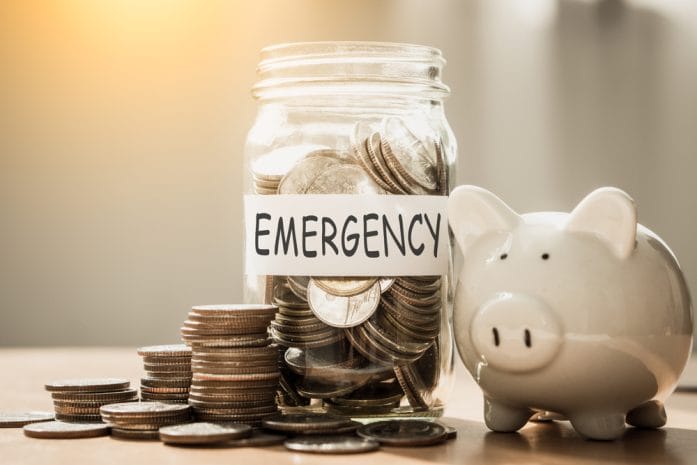
Why Are Emergency Funds Harder to Rebuild Than People Expect

January 11, 2026 by Brandon Marcus Leave a Comment

Why Are Emergency Funds Harder to Rebuild Than People Expect
Image Source: Shutterstock.com

Life has a sneaky habit of tossing unexpected bills, medical emergencies, and car repairs at the worst possible moments. One week you’re cruising through your budget with confidence, the next you’re staring at a drained bank account wondering, “How did this happen so fast?” Rebuilding an emergency fund often feels like trying to fill a leaky bucket—no matter how hard you try, the water just disappears. And yet, many people underestimate just how long it takes to recover after a financial setback.

It’s not about laziness, it’s about psychology, lifestyle pressures, and the subtle tricks our money habits play on us. Let’s dig into why replenishing your emergency fund can feel way harder than anyone expects.

The Psychology Of Loss And Why It Hurts More Than Expected

Humans are wired to feel losses more acutely than gains, a phenomenon economists call loss aversion. When money disappears from your emergency fund, the emotional impact is immediate and often exaggerated. Even a small setback can feel catastrophic, making the goal of rebuilding seem daunting. Our brains don’t treat money linearly; losing $500 feels like more than the happiness of earning $500. This mental weight can make it difficult to stay motivated, even if the numbers on paper aren’t dire.

On top of that, stress triggers a survival mode where long-term planning feels secondary to immediate needs. Understanding the psychology behind loss can help you cut yourself some slack while designing a realistic strategy to refill your safety net.

Lifestyle Inflation Sneaks In When You Least Expect It

As your income grows, it’s tempting to upgrade your lifestyle immediately—new gadgets, fancier dinners, or more travel. Lifestyle inflation is like a silent budget leak that drains money that could be rebuilding your emergency fund. Even small, consistent increases in monthly spending can derail your financial recovery plan without you noticing. People often assume that once the crisis is over, money will flow back in naturally—but reality doesn’t work that way. Every extra latte, subscription, or impulse purchase chips away at your ability to save. Being mindful of lifestyle inflation isn’t about restriction; it’s about protecting your long-term security while still enjoying life.

The Unseen Costs That Keep Piling Up

Unexpected expenses rarely come alone. A medical visit might lead to prescription costs, follow-up appointments, and transportation expenses. A car repair might reveal other maintenance needs. These hidden costs can make it feel like your emergency fund is a game of whack-a-mole. Each time you patch one hole, another seems to appear, making rebuilding a slow, sometimes discouraging process.

People often forget to account for these ripple effects when estimating how long it will take to recover. Anticipating potential hidden expenses and creating a buffer beyond your target fund can make a big difference in how achievable rebuilding feels.

Why Are Emergency Funds Harder to Rebuild Than People Expect
Image Source: Shutterstock.com

The Trap Of Overestimating Income Flexibility

After a financial shock, it’s natural to assume that “extra” money can be redirected to the emergency fund immediately. But life is rarely that simple. Paychecks are often already spoken for—rent, utilities, groceries, and debts don’t pause just because your fund is low. Overestimating your ability to save can lead to frustration and, in some cases, abandoning the effort altogether. People sometimes think that a small monthly contribution is inconsequential, but even modest, consistent deposits can rebuild a fund over time. The key is realistic expectations: understanding what can truly be allocated each month without causing stress or sacrificing essential needs.

The Long-Term Habit Shift That’s Often Required

Rebuilding an emergency fund isn’t just about numbers; it’s about forming lasting habits. If your spending patterns contributed to the initial drain, those habits need to change for recovery to stick. This often involves creating stricter budgets, tracking spending meticulously, or even reassessing priorities. Habit change takes time—sometimes months—to feel natural, and during this period, patience is crucial.

It’s common to see progress, experience setbacks, and feel like the effort isn’t paying off. Recognizing that habit formation is part of the process can transform frustration into steady progress. Consistency beats speed every time when it comes to financial security.

Unexpected Emotional Triggers Can Set You Back

Rebuilding your fund isn’t just about math; emotions play a huge role. Stress, peer pressure, and social comparison can trigger impulsive spending or feelings of hopelessness. A night out with friends, seeing a colleague’s new purchase, or even seasonal advertising can tempt you to dip into the fund you’re trying to rebuild. Emotional spending is a natural human response, but it can make recovery feel painfully slow. By identifying emotional triggers and planning for them—like allocating a small fun budget—you can protect your fund while still enjoying life. Financial resilience isn’t about perfection; it’s about managing these challenges strategically.

Join The Conversation About Rebuilding Financial Safety

Rebuilding an emergency fund is rarely as quick or easy as people hope, but understanding the hurdles makes the process less intimidating. From loss aversion to lifestyle inflation, hidden costs, and emotional triggers, many factors contribute to the challenge. By creating realistic goals, practicing patience, and cultivating consistent saving habits, you can rebuild your financial safety net without sacrificing your sanity.

Have you ever had to rebuild your emergency fund, or are you in the process now? Tell us your experiences and lessons below—your insights might just help someone else navigate the tricky path to financial security.

You May Also Like…

Savings Game: 5 Ways to Boost Your Emergency Fund Before December Ends

Build an Ironclad Emergency Fund That Can Withstand Any Crisis

10 Financial Dangers of Skipping Emergency Funds

Why Your $1,000 Emergency Fund Is Not Nearly Enough for 2026

5 Ways The New Year Gets In The Way Of Saving Money


Brandon Marcus
Brandon Marcus

Brandon Marcus is a writer who has been sharing the written word since a very young age. His interests include sports, history, pop culture, and so much more. When he isn’t writing, he spends his time jogging, drinking coffee, or attempting to read a long book he may never complete.

Filed Under: Lifestyle Tagged With: Cost of living, costs, emergency fund, emergency funds, Income, income flexibility, Life, Lifestyle, Lifestyle Inflation, loss, rising costs, Saving, saving account, saving money, savings

8 Financial Decisions That Feel Small but Add Up Quickly

January 11, 2026 by Brandon Marcus Leave a Comment

Here Are 8 Financial Decisions That Feel Small but Add Up Quickly
Image Source: Shutterstock.com

Money is a wild ride. Sometimes it feels like your dollars evaporate before you even notice, slipping through cracks you didn’t even know existed. What if I told you that tiny, seemingly harmless choices can snowball into serious financial impact faster than you think? From your daily coffee habit to subscription services you forgot you had, these small decisions can shape your wallet more than a sudden windfall or a big bonus ever could.

Time to talk about eight everyday financial moves that are way more powerful than they appear—and how being mindful can transform your cash life without feeling like a grind.

1. Skipping The Coffee Shop Run

Grabbing a latte might seem like a negligible part of your day, but let’s do the math. A $5 coffee every weekday adds up to $25 a week. That’s $100 a month, $1,200 a year, and enough to fund a mini vacation or a hefty chunk of your emergency fund. Brewing your own cup at home doesn’t just save money; it also gives you full control over what goes in your mug—goodbye mystery calories and questionable milk choices!

Beyond the financial boost, skipping that daily café run encourages a sense of mindfulness in other spending areas. Soon, you’ll notice small wins piling up, and your bank account will thank you. Your coffee habit can transform from an invisible drain into a tangible tool for building wealth.

2. Cutting Back On Subscriptions

Streaming services, fitness apps, magazine subscriptions—how many do you actually use? If you’re like most people, there are at least two you barely touch. At $10 to $15 each, the cost may feel minor, but when multiplied across multiple services, the numbers get serious. Evaluating subscriptions forces you to prioritize what you really value and stop paying for digital clutter.

Canceling unnecessary services isn’t just about saving money; it’s about reclaiming mental space too. And with auto-renewal traps everywhere, a little vigilance now prevents a lot of regret later. Your future self will appreciate a leaner, smarter subscription strategy that keeps more money in your pocket.

3. Opting For Generic Brands

Choosing store brands over name brands can seem trivial, but it quickly becomes a financial powerhouse. Grocery aisles are filled with premium-priced options, often indistinguishable from their generic counterparts. Making the switch for everyday items—from cereal to cleaning supplies—can save hundreds annually without sacrificing quality. This habit cultivates a mindset of smart spending instead of mindless brand loyalty.

Over time, it can extend to other areas, like electronics or personal care, turning you into a budget-savvy shopper. What feels like a tiny, inconsequential swap can become a significant contributor to long-term savings.

4. Bringing Lunch To Work

Dining out during the workweek might feel convenient, but the numbers tell a different story. Spending $12 to $15 per meal, five days a week, racks up to over $600 a year. Preparing lunch at home not only saves money but also allows for healthier, customized meals. Meal prepping on Sundays can turn a daunting weekday into a smooth, stress-free routine. Plus, it encourages creativity in the kitchen, making cooking feel less like a chore and more like a hobby. The cumulative savings from this single decision can fund investments, hobbies, or even a weekend getaway without breaking a sweat.

Here Are 8 Financial Decisions That Feel Small but Add Up Quickly
Image Source: Shutterstock.com

5. Avoiding Impulse Online Purchases

Online shopping is seductive; a few clicks and you’ve got a new gadget or trendy clothing piece in your cart. The problem? Those tiny impulses often slip under your radar until your bank statement arrives. Practicing pause-and-reflect habits, like waiting 24 hours before buying, drastically reduces unnecessary spending. Small discipline here compounds quickly over months, giving you significant discretionary funds. This strategy also makes you more intentional with your money, teaching you to prioritize value over fleeting satisfaction. Over time, this habit fosters a mindset of financial control and clarity that’s priceless.

6. Refinancing High-Interest Debt

Paying only the minimum on credit cards or loans might feel like you’re managing okay, but interest can quietly spiral out of control. Refinancing debt—even small amounts—into lower interest options can save thousands over time. This move doesn’t just reduce financial stress; it accelerates your path to debt freedom. It may require a bit of paperwork and research, but the payoff is monumental. Small, proactive choices like this compound silently but powerfully, showing that strategic action beats waiting for luck. Watching your debt shrink faster than expected is a major confidence boost, and it opens doors to more ambitious financial goals.

7. Automating Savings

Setting up automatic transfers to savings might feel inconsequential, especially if it’s a modest sum. Yet even $50 a week grows into a substantial emergency cushion or investment fund. Automation removes friction and the temptation to spend what you could save, turning good intentions into real results.

Watching your savings steadily rise without thinking too much about it is oddly satisfying and motivating. This approach reinforces positive financial habits while keeping stress levels low. In essence, small automated contributions quietly build financial resilience and long-term security.

8. Using Cashback And Rewards Programs

Signing up for cashback, points, or loyalty programs might feel like minor perks, but they stack quickly. Even a modest 1-2% cashback on everyday purchases can translate into hundreds of dollars a year. These programs work best when paired with intentional spending—buy what you need anyway and earn rewards while doing it. Over time, savvy use of rewards programs creates extra funds for splurges, savings, or charitable giving. Small habits like scanning receipts or using cashback apps don’t just reward money spent—they teach you to spend smarter. Suddenly, your everyday purchases are subtly working in your favor.

Small Decisions, Big Impact

Every little choice you make around money—whether it’s skipping a coffee run, canceling subscriptions, or automating savings—adds up in ways you might not notice at first. These decisions build momentum, shaping your financial future silently but powerfully.

Which of these habits have you tried, or which ones do you think could change your financial game the most? Give us your thoughts, experiences, or discoveries in the comments section below, and let’s keep the conversation going.

You May Also Like…

10 Financial Decisions That Strip Heirs of Legal Protection

Risk Proaction: 5 Steps to Stress-Test Your Finances for Worst-Case Scenarios

Holiday Debt: 9 Warning Signs Your Spending Is Already Off Track

ADHD and Credit Cards: Why Impulse Spending Feels Inevitable

How a Solid Estate Plan Can Protect Your Finances


Brandon Marcus
Brandon Marcus

Brandon Marcus is a writer who has been sharing the written word since a very young age. His interests include sports, history, pop culture, and so much more. When he isn’t writing, he spends his time jogging, drinking coffee, or attempting to read a long book he may never complete.

Filed Under: Finance Tagged With: automating savings, buying food, coffee run, Debt, emotional purchases, finance, finances, financial choices, financial decisions, general finance, high-interest debt, impulse shopping, impulse spending, lunch, overspending, Smart Spending, spending, subscriptions

Which Sneaky Bills Have The Biggest Chance To Rise In 2026?

January 11, 2026 by Brandon Marcus Leave a Comment

Which Sneaky Bills Have The Biggest Chance To Rise In 2026?
Image Source: Shutterstock.com

If you think 2026 is just another year on the calendar, think again. Your wallet might disagree. From energy costs to subscription services you barely remember signing up for, some bills are poised to climb faster than a roller coaster in a hurricane. Economists, analysts, and even everyday consumers are bracing for shifts that could make budgeting feel like playing a game with invisible rules.

But not all bills are created equal. Some have obvious reasons for rising, while others are lurking quietly in the background, ready to surprise even the savviest spenders. Let’s break down which bills could hit your finances hardest and why you should pay attention before it’s too late.

1. Energy Bills And Utility Costs

Electricity, natural gas, and heating oil are likely to see significant increases in 2026. Global energy markets are still recovering from past disruptions, and inflationary pressures in production and transportation are lingering. Utility companies may pass these rising costs straight to consumers, meaning higher monthly bills for homes and apartments alike. Renewable energy incentives might help offset some costs, but they’re often limited and region-specific.

Weather patterns also play a big role—longer, hotter summers or colder winters could push energy demand—and prices—even higher. For households with older infrastructure, energy efficiency upgrades could become more of a necessity than a choice.

2. Rent And Housing Expenses

Housing costs have been on an upward trajectory for years, and 2026 is expected to continue that trend. Rental demand remains high in urban areas while the supply of affordable units lags behind. Mortgage rates, which fluctuate based on economic conditions, can also indirectly affect rental markets by keeping more people renting rather than buying. Landlords may raise rents to keep pace with property taxes, maintenance costs, and inflation.

This isn’t just a city problem—suburban and rural markets are seeing modest increases as well. Budget-conscious renters may need to plan for incremental increases that, over the course of a year, add up to a significant chunk of their income.

3. Healthcare Premiums And Out-Of-Pocket Costs

Medical expenses are a financial headache most of us can’t avoid, and 2026 could see them climb again. Health insurance premiums have historically risen faster than general inflation, and experts anticipate this trend will continue. Prescription drugs, specialist visits, and medical procedures all contribute to growing out-of-pocket costs. Even small copay increases can add up, especially for families or those managing chronic conditions.

Public health policy changes, the ongoing evolution of telehealth, and shifts in employer coverage can also play a role. Keeping track of plan details and exploring cost-saving alternatives will be critical for anyone looking to avoid sticker shock.

4. Internet And Streaming Service Fees

If you thought your monthly subscription bundle was safe, think again. Internet service providers have been adjusting plans frequently, and new infrastructure costs may be passed on to consumers. Streaming platforms, too, continue experimenting with pricing models, premium tiers, and ad-supported plans. The average household is juggling multiple subscriptions, from video to music to gaming, meaning even modest increases add up quickly. Bundles that once seemed like savings could end up costing more in 2026. Staying informed and periodically auditing subscriptions could help prevent surprises at the end of the month. For tech-savvy households, comparison shopping and promotional deals could become essential strategies.

5. Grocery And Food Prices

Groceries may feel unavoidable, but in 2026, your shopping list might cost more than expected. Agricultural challenges, global supply chain issues, and fuel price fluctuations all influence grocery costs. Organic and specialty items often see steeper price hikes than staples, but even common products like bread, dairy, and meat are susceptible. Food inflation doesn’t just hit the shelves—it trickles into restaurants and takeout options, making dining out pricier too.

Seasonal variations and extreme weather events can spike produce costs unexpectedly. Savvy shoppers who monitor sales, stock up strategically, and explore alternatives could protect their wallets, but many households may still notice the pinch.

Which Sneaky Bills Have The Biggest Chance To Rise In 2026?
Image Source: Shutterstock.com

6. Transportation And Fuel Expenses

Getting from point A to point B isn’t going to get cheaper in 2026. Gasoline, diesel, and public transportation fares are all sensitive to international markets and domestic policy shifts. Electric vehicle adoption is increasing, but charging infrastructure and electricity costs may partially offset savings from fuel. Car insurance premiums, maintenance, and even ride-sharing fares are influenced by inflation and demand. Urban commuters, rural drivers, and anyone relying on public transit may need to rethink their travel budgets. Planning ahead, using cost-saving apps, and considering hybrid or electric options could help, but a jump in transportation expenses is likely unavoidable for most people.

How Will You Navigate Rising Bills?

2026 promises to be a year of financial juggling, with multiple bills likely rising in ways that feel unpredictable. Being aware of the potential culprits—from utilities to housing, healthcare, subscriptions, groceries, and transportation—gives you a head start on planning and strategizing.

How are you preparing for these changes? Have you noticed trends in your own bills that suggest an increase is on the horizon? Let us know your experiences, insights, or tips in the comments below, because there’s no better place for practical advice and shared wisdom than a community that’s navigating the same challenges.

You May Also Like…

Tax Surge: 4 Income Types That Trigger Hidden Tax Bills

Expense Overflow: 4 Retirement Bills That Catch People Off Guard

6 Surprising Costs That Hit Families After Natural Disasters

Your Medical Bills Might Be Shared Online Without Your Knowledge

How Paying Some Bills In Advance Can Help In A Financial Emergency


Brandon Marcus
Brandon Marcus

Brandon Marcus is a writer who has been sharing the written word since a very young age. His interests include sports, history, pop culture, and so much more. When he isn’t writing, he spends his time jogging, drinking coffee, or attempting to read a long book he may never complete.

Filed Under: Lifestyle Tagged With: bills, energy bills, family spending, food prices, fuel expenses, grocery costs, healthcare costs, healthcare premiums, housing expenses, Life, Lifestyle, overspending, Smart Spending, spending, transportation, utility bills, utility costs

Why Do So Many People Feel One Bill Away From Trouble

January 11, 2026 by Brandon Marcus Leave a Comment

Why Do So Many People Feel One Bill Away From Trouble
Image Source: Shutterstock.com

Life can feel like walking a tightrope over a pit of uncertainty, and for millions, one wrong step—or one unexpected bill—can send everything tumbling. You might think financial stability is about earning more or spending less, but the reality is far more complicated. People live paycheck to paycheck, sometimes not by choice, but because the system seems rigged against them. Even those with decent jobs often feel like they’re balancing on a knife’s edge, one car repair or medical bill away from chaos.

So, why does it feel like so many people are perpetually one bill away from disaster? The answer lies in a mix of modern lifestyle pressures, systemic challenges, and human psychology that creates a perfect storm of financial vulnerability.

The Rising Cost Of Everyday Life

Inflation isn’t just a buzzword economists throw around—it’s a daily reality for everyone reaching for a grocery cart or paying a rent check. Essentials like housing, healthcare, and food have been rising faster than wages for decades. Many people find themselves constantly adjusting, cutting corners, or delaying bills just to make it through the month. This creates a fragile financial ecosystem where a single unexpected expense—a broken fridge, a flat tire, or a sudden medical need—can tip the balance.

Even small setbacks feel monumental because there’s little cushion to absorb the shock. The rising cost of living isn’t just numbers on a page; it’s a pressure cooker that makes everyday life feel like walking on a financial tightrope.

Credit Cards And Debt Are A Double-Edged Sword

For decades, credit cards have promised convenience and freedom—but they often deliver stress instead. People lean on plastic to pay for essentials, emergencies, or the occasional treat, thinking they’ll pay it off later. Yet, high-interest rates and compounding debt mean those temporary solutions often become permanent burdens. The result? A cycle where bills get paid with borrowed money, interest piles up, and financial security feels like an impossible dream.

Debt can feel invisible until it isn’t, and suddenly, you’re one bill behind, scrambling to keep the lights on and the rent paid. While credit can be a useful tool, it often serves as a reminder that many are living on borrowed time—and borrowed money.

Job Instability And The Gig Economy

The old model of a steady nine-to-five job with benefits is vanishing, replaced by contract work, gig roles, and temporary positions. This shift offers flexibility, sure—but it also brings uncertainty. Paychecks fluctuate, hours disappear, and benefits are often nonexistent. Without predictable income, people can feel like they’re running on a treadmill with no finish line. One missed payment, one unexpected expense, and suddenly, the financial house of cards starts to wobble. Job instability isn’t just stressful—it creates a constant sense of being “one bill away” from trouble, no matter how careful someone is with their money. The modern economy may be dynamic, but it’s also unforgiving for anyone without a robust safety net.

Unexpected Emergencies Strike Hard

Life doesn’t send warnings before it hits you with the unexpected. A medical crisis, a car accident, or even a plumbing disaster can instantly drain savings that took years to build. Most people underestimate the likelihood and cost of emergencies, and even those with an emergency fund may find it insufficient when catastrophe strikes.

The shock of sudden expenses compounds anxiety, leaving people scrambling to find solutions and juggling bills in creative—and sometimes risky—ways. Emergencies are inevitable, but financial systems and personal circumstances often leave people vulnerable, perpetuating that nerve-racking feeling of being just one bill away from serious trouble.

Why Do So Many People Feel One Bill Away From Trouble
Image Source: Shutterstock.com

Human Psychology And Financial Stress

Our brains are wired to react strongly to scarcity and uncertainty, and money is a major trigger. Living paycheck to paycheck triggers stress responses similar to running from a predator: constant vigilance, anxiety, and a focus on immediate survival over long-term planning. This psychological load makes every decision feel higher stakes, every bill feel monumental, and every unexpected expense a potential disaster. Financial stress doesn’t just hurt bank accounts—it erodes mental health, relationships, and decision-making. The combination of external pressures and internal reactions explains why many people feel trapped, even when their numbers might seem manageable on paper.

Societal Pressures And Lifestyle Inflation

From social media to neighborhood norms, societal expectations push people to spend more than they earn. Vacations, electronics, cars, and even dining habits are often influenced by comparisons, creating subtle pressure to maintain a lifestyle that exceeds one’s means. Lifestyle inflation—where income rises but spending rises faster—traps many in a loop of appearing comfortable while actually living on the edge. The desire to keep up can outweigh financial prudence, leaving people one unexpected expense away from a financial emergency. Society constantly nudges us toward consumption, making the balancing act even trickier for anyone without a substantial buffer.

Building Resilience And Breaking The Cycle

Feeling like you’re one bill away from trouble isn’t inevitable. Awareness, planning, and small but consistent financial habits can provide a sense of control and security. Emergency funds, budgeting, and debt management are crucial tools, but so is shifting the mindset around money—thinking long-term, prioritizing essentials, and questioning societal pressures.

Policy solutions like affordable healthcare, fair wages, and accessible credit also play a huge role, highlighting that personal responsibility and systemic change must work hand in hand. Understanding why people feel perpetually vulnerable is the first step toward empowerment and, eventually, peace of mind.

Your Turn To Reflect

Money worries are universal, but every person’s story is unique. Whether it’s a car repair that nearly derailed the month, a medical bill that hit out of nowhere, or juggling debt that never seems to shrink, these experiences shape how we approach financial security.

How do you navigate being one step away from a financial emergency? What strategies, lessons, or surprises have you discovered along the way? Drop your thoughts and experiences in the comments below, and let’s explore together what it really means to feel secure in a world where one bill can change everything.

You May Also Like…

7 Monthly Bills That Keep Rising Even When You Use Less

When Your Parents Take Your Paycheck: 6 Signs You’re Being Emotionally Manipulated

Why You Should Never, Ever Skip Paying Your Bills

Tax Surge: 4 Income Types That Trigger Hidden Tax Bills

7 Silent Money Traps in Monthly Bills


Brandon Marcus
Brandon Marcus

Brandon Marcus is a writer who has been sharing the written word since a very young age. His interests include sports, history, pop culture, and so much more. When he isn’t writing, he spends his time jogging, drinking coffee, or attempting to read a long book he may never complete.

Filed Under: Lifestyle Tagged With: bills, Cost of living, everyday spending, family issues, family money, gig economy, job, job instability, Life, Lifestyle, living paycheck to paycheck, money issues, paycheck to paycheck, paying bills, rising costs, saving money, Smart Spending, spending

9 Budget Categories That Blow Up After One Emergency

January 11, 2026 by Brandon Marcus Leave a Comment

Here Are 9 Budget Categories That Blow Up After One Emergency
Image Source: Shutterstock.com

Emergencies have a scary habit of crashing into our lives like an uninvited guest who eats all your snacks and then rearranges your furniture. One moment, your budget is humming along nicely, and the next, it’s a wildfire that refuses to be contained. A sudden car breakdown, a medical surprise, or a home repair disaster can throw everything into chaos, leaving you staring at your bank account like it betrayed you.

But before you panic, it helps to know which budget categories are most likely to explode after an emergency. Once you spot them, you can strategize, plan, and maybe even laugh at the absurdity of it all.

1. Medical And Health Expenses

Medical costs are notorious for creeping up when you least expect it. A single emergency room visit, prescription, or specialist appointment can blow through your savings faster than you can say “co-pay.” Even if you have insurance, deductibles, out-of-pocket costs, and unexpected follow-up treatments can pile on like bricks. Sometimes, what seems minor—like a sprained ankle—can turn into a cascade of physical therapy, imaging, and specialist visits. Mental health services are another hidden expense that can spike in emergencies, especially if the situation triggers stress or anxiety that needs professional care. Keeping a buffer for health-related surprises isn’t just smart—it’s practically a financial survival tool.

2. Auto Repairs And Transportation

Car trouble seems to love emergencies almost as much as emergencies love car trouble. A blown tire, a transmission failure, or a minor accident can instantly turn your monthly transport budget into a black hole. Suddenly, you’re juggling towing fees, rental cars, and replacement parts, while also trying not to miss work or important appointments. Even public transportation or ride-sharing can add up if your primary vehicle is out of commission.

For those who rely on their vehicle daily, the cost isn’t just financial—it’s logistical. Keeping some funds in a separate account for transportation emergencies can prevent a minor car hiccup from derailing your entire month.

3. Housing And Utilities

Your rent or mortgage might seem stable until an emergency decides to make it a moving target. Water leaks, electrical issues, or sudden furnace breakdowns can turn utility bills and repair costs into a shocking spike. Sometimes, the emergency is bigger, like flood damage or a roof collapse, which sends insurance claims and repair estimates into a frenzy. Even small fixes, like broken appliances, can quietly gnaw away at your budget if you’re not prepared. Utilities themselves might jump too—extra heating or cooling to compensate for a broken system is a sneaky culprit. Housing-related emergencies demand both quick cash and patience, making them a top contender on this list.

4. Food And Groceries

A surprising category that often bloats after emergencies is food. Whether you’re forced to eat out while your kitchen is unusable or stock up on special dietary items due to illness, groceries can suddenly spike. Ordering delivery for convenience or feeding a household while juggling chaos is expensive, fast. Stress-eating or buying comfort foods is another subtle way emergencies inflate this category.

Even replacing spoiled food after power outages or water issues can quietly drain your funds. Keeping a small emergency food stash or a grocery buffer can help soften the blow without sacrificing meals.

5. Childcare And Dependent Costs

Parents know that emergencies don’t pause for little humans. When a child or dependent is involved, sudden childcare needs can blow a budget wide open. A daycare closure, nanny shortage, or unexpected school fee can create a financial ripple effect. Extra activities, tutoring, or medical appointments may also crop up unexpectedly. If your child is sick, costs can multiply quickly between doctor visits, medications, and special care at home. Even pets count in this category, as veterinary emergencies often mirror those of children in both urgency and expense. Anticipating these costs can transform a panic-inducing situation into a manageable one.

Here Are 9 Budget Categories That Blow Up After One Emergency
Image Source: Shutterstock.com

6. Transportation For Work Or School

Emergencies often force changes to your routine, especially when work or school is involved. A car breakdown might require taxis, ride shares, or last-minute public transit passes. If your schedule depends on commuting, these costs can climb steadily, sometimes unnoticed until you review your monthly statements. Fuel prices, parking, tolls, and extra trips compound the problem. Even the simplest detours to appointments or errands during a crisis can inflate your transportation budget. It’s not just about convenience; it’s about staying on top of responsibilities while juggling a chaotic financial aftermath.

7. Insurance Premiums And Deductibles

Emergencies often reveal the hidden costs of your insurance coverage. Deductibles for health, auto, home, or renters insurance can be a hefty surprise. If claims are filed, premiums may spike in the following months. The process itself may involve paying upfront for repairs or replacements before reimbursement. Unexpected incidents can also uncover coverage gaps, pushing you to add additional policies or riders. Even minor emergencies highlight the importance of understanding what your insurance actually covers. Being proactive can turn what seems like a financial trap into a strategic safety net.

8. Home Maintenance And Repairs

Home emergencies are a top-tier budget buster. A leaking roof, broken HVAC system, or burst pipe can instantly require thousands of dollars in repairs. Labor costs, materials, and emergency service fees multiply quickly, leaving you wondering how a single incident could wreak such havoc. Preventive maintenance is essential, but even the most diligent homeowners can’t always avoid emergencies. Temporary fixes, such as patching a wall or hiring a handyman, may be necessary and costly. For many, having a home repair fund is the difference between stress and a true financial crisis.

9. Entertainment And Lifestyle Spending

When life throws an emergency, entertainment and lifestyle budgets often get hit indirectly. Dining out, streaming subscriptions, or weekend trips may get cut or replaced with more expensive alternatives due to constraints or sudden needs. Stress-driven indulgences—like a night out after a rough week—can make things worse. Fitness classes, hobbies, or personal indulgences might also see sudden spending if routines are disrupted. Emergencies turn otherwise manageable discretionary spending into a tricky balancing act. Keeping a mental note of lifestyle flexibility can help prevent guilt when funds are redirected to essential needs.

Reflecting On Your Budget Battles

Emergencies are financial wake-up calls, and recognizing the categories that balloon in response can save both your sanity and your savings. From health care to home repairs, understanding these pressure points allows you to plan smarter and cushion your finances. Maybe you’ve experienced a sudden spike in one of these areas—or perhaps multiple at once. Either way, these stories and strategies are invaluable for learning and preparation.

Let us know your experiences or insights in the comments below—how have emergencies tested your budget, and how did you bounce back?

You May Also Like…

9 Everyday Expenses People Forget to Include in Their Budget

10 Common Budgeting Mistakes That Create Constant Money Stress

5 Budgeting Tools That Trick You Into Higher Spending

Are Budgeting Apps Designed to Push You Into Debt?

10 Realistic Budgeting Tips for People With Irregular Income


Brandon Marcus
Brandon Marcus

Brandon Marcus is a writer who has been sharing the written word since a very young age. His interests include sports, history, pop culture, and so much more. When he isn’t writing, he spends his time jogging, drinking coffee, or attempting to read a long book he may never complete.

Filed Under: Budgeting Tagged With: auto repairs, Budget, budgeting, budgeting categories, Budgeting Tips, childcare, food prices, grocery prices, grocery store, healthcare, healthcare costs, Housing Costs, overspending, Smart Spending, spending, transportation costs, utilities, utility bills

Why Does Interest Rate Talk Suddenly Affect Everyday Spending

January 10, 2026 by Brandon Marcus Leave a Comment

Why Does Interest Rate Talk Suddenly Affect Everyday Spending
Image Source: Shutterstock.com

Money moves quietly until someone whispers the magic—or terrifying—words: “interest rates.” Suddenly, everyday spending decisions start feeling monumental. That morning latte feels like a major budget choice. The idea of buying a car seems like launching a rocket.

But why does talk about interest rates have this weird power over our daily lives? Let’s talk about the thrilling, surprising, and sometimes eyebrow-raising connection between central bank chatter and the way you spend, save, and think about money every single day.

How Interest Rates Shape Your Wallet Without You Noticing

Interest rates are essentially the price of borrowing money. When rates go up, loans cost more. Mortgages, car loans, and credit cards suddenly carry heftier price tags. Even a small rate hike can nudge people to pause before splurging. But the effect goes beyond obvious borrowing; it seeps into your subconscious spending habits. When rates rise, banks pay more to savers, which makes holding onto money slightly more attractive than spending it.

Conversely, lower rates make borrowing cheaper and encourage shopping sprees, bigger renovations, or even impulsive online purchases. It’s like a quiet tug-of-war between spending now and saving for later, and interest rates are the referee.

The Psychological Push Behind Interest Rate Announcements

Human brains love patterns, predictability, and stories. Interest rate announcements tell a story about the economy. If rates are climbing, people assume inflation is on the march, and prices may rise faster than usual. Even if you don’t have a mortgage or a loan, your brain starts factoring in future costs. On the flip side, a rate cut signals easier money and sometimes sparks confidence that spending won’t hurt as much. It’s remarkable how numbers on a chart or a short speech from a central bank can trigger a chain reaction in millions of wallets, grocery carts, and online checkouts. Psychology and economics collide, turning abstract percentages into very real decisions at the supermarket or car dealership.

Everyday Spending That Feels The Interest Rate Effect

You might not think buying a coffee, movie ticket, or new phone is linked to interest rates—but it often is. High rates can make you rethink that big vacation, postpone home renovations, or hesitate on dining out at pricier restaurants. On the other hand, lower rates may encourage a spontaneous upgrade to the latest gadget, an extra night out, or even taking out a small personal loan to consolidate debt. It’s a ripple effect that moves through households in ways economists and behavioral scientists study carefully. Even subtle habits—like choosing to refill a water bottle instead of buying bottled water—can be influenced by the invisible pressure of rising rates. Every little purchase is suddenly weighed against the backdrop of a larger economic climate you might not even consciously notice.

The Media Amplification Factor

News outlets love interest rate stories. Headlines scream, analysts speculate, and social media debates explode. This constant coverage amplifies the impact on everyday spending. People see graphs, charts, and bullet points, and suddenly, the numbers matter more than the items they were planning to buy. It’s one thing to hear “rates rose by a quarter percent,” and another to see it framed as “borrowing just got more expensive!”

The media doesn’t just report; it magnifies perceptions, shaping moods and mindsets. Suddenly, even casual conversations at the water cooler are colored by economic forecasts, making every purchase feel slightly weightier. The buzz surrounding rates often spreads faster than the actual change in the numbers themselves, feeding a cycle of caution—or optimism—depending on the news spin.

Why Does Interest Rate Talk Suddenly Affect Everyday Spending
Image Source: Shutterstock.com

The Domino Effect On Major Purchases

Interest rates aren’t just about small, everyday buys—they can derail or accelerate big-ticket decisions. Mortgages, car loans, and student loans all respond directly to rate changes. When rates rise, monthly payments grow, and people might delay moving, buying a new car, or refinancing debt. Companies notice this too, slowing expansions or holding off on new hires.

Conversely, low rates can create spending booms, housing surges, and even unexpected splurges on home improvements. The connection between rates and large purchases is straightforward, but it bleeds into smaller decisions. Even those latte runs or weekend splurges are subtly influenced by the backdrop of big financial moves, creating a ripple effect through the economy.

How Consumers Can Stay Calm Amid Rate Chatter

The secret to thriving in a world where interest rates dominate headlines is perspective. Educating yourself about what rates really mean—and how they actually affect your personal finances—can turn fear into strategy. For instance, understanding that a small rate hike might barely change your mortgage payment can prevent unnecessary panic. Budgeting with flexibility, keeping an emergency fund, and prioritizing goals over hype keeps spending decisions grounded in reality. Remember, the market reacts instantly, but your personal finances don’t need to. A little awareness transforms abstract financial news into practical, everyday wisdom. You regain control instead of letting the numbers dictate moods or purchases.

Your Take On The Rate Rollercoaster

Interest rate chatter might sound boring at first, but its impact is anything but. From tiny coffee decisions to massive purchases like cars or homes, rates influence how we think, feel, and act in ways we rarely notice. The next time you hesitate at the checkout, consider what role the financial headlines are playing in your choice. Have you noticed that your spending habits change when rates rise or fall? Your stories, insights, or even surprising observations could add a fascinating layer to this ongoing economic conversation.

Drop your experiences in the comments section below and see how other readers react to the rate rollercoaster.

You May Also Like…

Could Rising Interest Rates Force You To Delay Retirement Longer Than Planned?

Could Ignoring Rising Interest Rates Destroy Your Budget

8 Expenses That Quietly Rise Every Time Interest Rates Drop

Why Do Poorer Families Pay Higher Interest Rates Than Wealthy Ones

Tax Ahead: 4 Strategic Moves If You Think Congress Will Rewrite Tax Rules


Brandon Marcus
Brandon Marcus

Brandon Marcus is a writer who has been sharing the written word since a very young age. His interests include sports, history, pop culture, and so much more. When he isn’t writing, he spends his time jogging, drinking coffee, or attempting to read a long book he may never complete.

Filed Under: Lifestyle Tagged With: consumer spending, daily spending, digital spending, everyday items, impulse spending, interest rates, Life, Lifestyle, media, overspending, Smart Spending, spending

7 Ways Credit Card Debt Builds Faster Than Expected

January 10, 2026 by Brandon Marcus Leave a Comment

There Are 7 Ways Credit Card Debt Builds Faster Than Expected
Image Source: Shutterstock.com

Credit card debt can climb higher than a kite on a windy day, and it often does it before you even realize what’s happening. One swipe at the store or a quick “treat yourself” purchase online can feel harmless, but those numbers on your statement have a mind of their own. Suddenly, the balance grows, interest adds up, and you’re left wondering how you went from “I’ve got this” to “Wait, what just happened?”

Understanding how debt accelerates is like learning the secret rules of a game you didn’t even know you were playing.

High Interest Rates Can Multiply Your Balance

Interest rates on credit cards are notoriously high, often creeping over 20% annually. When you carry a balance, that interest isn’t just a tiny add-on; it compounds, meaning you’re paying interest on interest. The more you wait to pay off your balance, the more it balloons. Even small everyday purchases, if left unpaid, can become surprisingly hefty after a few billing cycles.

Credit cards often calculate interest daily, so a $50 coffee habit could snowball in ways you never imagined. This is why understanding your card’s APR (annual percentage rate) is more than just reading fine print—it’s your financial survival tool. Ignoring interest might feel harmless at first, but over time, it becomes one of the biggest drivers of debt growth.

Minimum Payments Give A False Sense Of Progress

Making the minimum payment seems responsible, right? Unfortunately, it’s often just a tiny dent in a huge mountain of debt. Minimum payments are calculated to keep you in the cycle longer, not to help you get out of it quickly. Paying only the minimum can stretch years of payments into decades, while most of your money goes straight to interest rather than reducing the principal. This slow-motion trap creates the illusion that you’re staying on top of your finances while the debt quietly swells. Many people are shocked when they finally add up all the minimum payments made over time—sometimes totaling far more than the original charges. Understanding the true impact of minimum payments is essential for anyone wanting to take control before the debt grows uncontrollably.

Hidden Fees Can Add Up Stealthily

Late fees, over-limit fees, and balance transfer charges all add to the already heavy load of your credit card. Missing just one payment can trigger a $25 to $40 fee, and some cards even hike up your interest rate after a single late payment. If you’re not actively checking your statements, these fees can quietly multiply, making your debt climb faster than expected. Foreign transaction fees or annual fees also add layers of cost that aren’t obvious day-to-day. Even small “invisible” fees, when combined with interest, can dramatically accelerate your debt. Staying aware of your card’s fee structure and payment schedule is crucial to avoiding these hidden accelerants.

Rewards And Perks Can Encourage Overspending

Credit cards often tempt us with points, cashback, and special perks, which can feel like free money—but they can also lead to overspending. If you buy things you don’t need just to earn rewards, your balance can rise quickly without you realizing it. The psychology of rewards encourages more spending, often on unnecessary items, because the “benefit” seems to justify the cost.

Over time, chasing points can turn a manageable balance into a substantial financial burden. Many people start with good intentions—earning miles for a vacation, or cashback for groceries—but before long, the debt grows faster than the rewards themselves. Being strategic about rewards, rather than letting them dictate spending, is key to staying in control.

There Are 7 Ways Credit Card Debt Builds Faster Than Expected
Image Source: Shutterstock.com

ol.


Balance Transfers Can Be Misleadingly Risky

Balance transfers sound like a clever solution to high-interest debt, but they can be a double-edged sword. Introductory rates may seem attractive, but once the promotional period ends, the standard interest rate can hit hard. If you continue to spend on the new card without paying down the transferred balance, debt grows unexpectedly fast. Many people underestimate how quickly the clock runs out on low-interest offers. It’s easy to fall into the trap of thinking you’re making progress, while in reality, the underlying debt isn’t shrinking much. Careful planning and discipline are necessary to truly benefit from a balance transfer instead of letting it accelerate your financial problem.

Emotional Spending Adds Hidden Momentum

Impulse buying isn’t just a minor indulgence—it can actively contribute to debt growth. Retail therapy, last-minute online splurges, or buying “just because” can add up, and it often happens when you’re not paying close attention. Emotional spending is unpredictable and tends to cluster during stressful periods, vacations, or holidays. The impact of these seemingly small decisions compounds when combined with high-interest rates and minimum payments. Understanding the emotional triggers that lead to overspending is an important part of controlling your financial trajectory. Without awareness, emotional spending can stealthily turn manageable debt into a pressing crisis.

Multiple Cards Can Multiply Complexity

Having more than one credit card may seem convenient, but juggling multiple balances can make it harder to track spending and payments. Each card has its own interest rate, due date, and fee schedule, creating a tangle of financial obligations. Missing one payment while keeping up with another can trigger fees and higher interest, amplifying overall debt. Multiple cards can also encourage larger total spending because the perceived limit feels higher. For many, the complexity of managing several cards leads to mistakes or procrastination, both of which allow debt to expand unchecked. Consolidating balances or keeping a clear plan for each card is often the simplest way to avoid an unexpected climb in debt.

Your Turn To Weigh In

Credit card debt isn’t inherently evil, but its growth can surprise even the most careful spender. From high interest rates to emotional impulses, there are many forces quietly fueling the rise of your balance. Awareness, strategic planning, and disciplined payment habits are your best defenses against runaway debt.

Have you noticed any surprising ways your own debt has grown—or learned clever strategies to fight back? Jump into the comments and tell us what’s worked for you, what hasn’t, or anything that caught you off guard.

You May Also Like…

6 Warning Signs That Your Credit Card Is A Problem

8 Times “0% Interest” Credit Cards Turn Into Financial Traps

The 6 Most Common Mistakes Young People Make About Credit

Holiday Debt: 9 Warning Signs Your Spending Is Already Off Track

Debt Overhang: 8 Ways Carrying Debt Into Retirement Can Undermine Your Progress


Brandon Marcus
Brandon Marcus

Brandon Marcus is a writer who has been sharing the written word since a very young age. His interests include sports, history, pop culture, and so much more. When he isn’t writing, he spends his time jogging, drinking coffee, or attempting to read a long book he may never complete.

Filed Under: credit cards Tagged With: bad credit, credit card, Credit card debt, credit card rewards, credit cards, credit repair, credit report, credit score, Debt, eliminating debt, fees, Hidden Fees, interest rates, minimum payments, payoff debt

Why Do Utility Bills Keep Rising Even When Usage Stays the Same

January 10, 2026 by Brandon Marcus Leave a Comment

Why Do Utility Bills Keep Rising Even When Usage Stays the Same
Image Source: Shutterstock.com

Electricity, gas, water—whatever your household leans on, one thing is undeniable: those utility bills keep creeping higher, even when you swear you haven’t turned on a single extra light. It feels like a financial magic trick, and not the good kind. You’ve been careful, maybe even obsessively so, monitoring thermostats, shutting off unused appliances, and double-checking faucets. Yet when the bill arrives, it’s bigger. Way bigger.

Why? The answer is a mix of economics, infrastructure quirks, and a few hidden factors that most people don’t consider until they’re staring at a number that makes their wallet flinch. Let’s unravel the mystery behind these relentless increases.

Rising Energy Costs Are Out Of Your Control

One of the primary reasons utility bills climb is simple: the cost of producing energy itself is going up. Power plants need fuel—whether that’s natural gas, coal, or oil—and the prices for these commodities fluctuate constantly. When global markets spike due to supply chain issues, geopolitical tensions, or seasonal demand, energy providers often pass those costs straight to consumers. Even renewable sources like solar and wind aren’t immune; while they reduce fuel costs, they require expensive maintenance and technology updates. Essentially, your usage may stay the same, but the price of the electricity you consume can jump dramatically. Utilities are businesses too, and part of staying in business involves adjusting rates to reflect these ongoing expenses.

Infrastructure Upgrades And Maintenance Drive Costs

Another invisible culprit behind rising bills is the infrastructure that delivers energy, water, and gas. Transmission lines, pipelines, and treatment facilities don’t repair themselves, and when upgrades are required, consumers often foot part of the bill. Aging systems are especially costly to maintain; think of decades-old water pipes or decades-old power grids that can’t handle modern demand without major investment. When a utility company announces a rate hike, it’s often linked to these behind-the-scenes improvements. While frustrating for households, these upgrades prevent larger, more catastrophic failures that could leave entire communities without power or water for days.

Seasonal And Environmental Factors Can Affect Rates

Even if your usage remains steady, the environment around your home can impact costs. Extreme weather events—cold snaps, heatwaves, floods, or droughts—can strain utility systems. For example, a sudden cold winter increases overall demand for electricity and natural gas, which can drive up rates temporarily or permanently. Water bills may rise during droughts when supply is limited. Climate change is increasingly playing a role in this, as unpredictable weather patterns force utilities to adjust pricing structures to stay financially stable. Essentially, even if you’re energy-efficient, nature can create conditions that raise costs across the board.

Regulatory Changes And Policy Shifts Matter

Utility rates don’t exist in a vacuum—they’re heavily influenced by local, state, and federal regulations. Policies around renewable energy mandates, carbon taxes, and emissions limits can all impact what you pay each month. Governments often require utilities to invest in cleaner technologies or subsidize alternative energy sources, and these costs get distributed to customers. Additionally, some regions have deregulated energy markets where prices fluctuate more freely based on supply and demand. That means your bill could rise even without a change in your consumption simply because the market shifted. Keeping an eye on legislative changes is surprisingly important if you want to understand why your bill isn’t staying flat.

Hidden Fees And Rate Structures Can Confuse Consumers

Many households assume their bill is a direct reflection of usage, but in reality, utilities often include hidden fees or tiered rate structures. Some companies charge extra for peak-hour usage, maintenance fees, infrastructure costs, or environmental programs. These line items might be small individually, but they can add up quickly, making it seem like your consumption went up when it actually didn’t. Understanding your bill’s breakdown is crucial. Knowing which charges are fixed, variable, or seasonal can help demystify the number staring back at you every month and make you feel a little more in control, even when costs rise.

Why Do Utility Bills Keep Rising Even When Usage Stays the Same
Image Source: Shutterstock.com

Economic Inflation Impacts Everything, Including Utilities

Inflation doesn’t just affect groceries or rent—it hits utilities too. Rising labor costs, equipment prices, and operational expenses mean that companies need to adjust rates to keep up with the economy. Even if energy production costs remain stable, inflation can inflate bills because the money it takes to run the utility grows over time. This is especially noticeable when multiple factors—like rising fuel costs, infrastructure maintenance, and inflation—converge. It’s a perfect storm that leaves the average household wondering why their carefully controlled habits aren’t keeping their bills in check.

How Consumers Can Stay Ahead Without Drastic Lifestyle Changes

While you can’t control fuel prices or government regulations, there are ways to mitigate the impact of rising bills. Smart thermostats, energy-efficient appliances, and careful water use still help reduce your monthly cost. Some utilities offer programs to level out seasonal fluctuations through budget billing, which averages yearly costs into manageable monthly payments. Additionally, checking for errors, understanding your rate structure, and comparing providers where possible can prevent unnecessary overpayments. Knowledge is power, and in the world of utilities, being proactive can be just as important as turning off lights.

Your Thoughts On Rising Bills

Utility bills rising even when usage stays the same can feel frustrating and mysterious, but understanding the multiple factors at play—from energy costs and infrastructure to environmental and economic pressures—gives you insight and control. Everyone’s experience is different, and the mix of causes varies by region and provider. If you’ve noticed surprising increases or found clever ways to manage your bills, drop your thoughts or stories in the comments below.

Let’s discuss how to navigate this ongoing challenge together, because knowing why your bills rise is the first step toward keeping them in check.

You May Also Like…

Could Your Retirement Be at Risk From Rising Utility Costs

Why You Should Never, Ever Skip Paying Your Bills

7 Costs That Sneak Up on Fixed-Income Households

Why Do People Underestimate the True Cost of Living Longer

7 Little-Known Costs of Living Longer Than Expected


Brandon Marcus
Brandon Marcus

Brandon Marcus is a writer who has been sharing the written word since a very young age. His interests include sports, history, pop culture, and so much more. When he isn’t writing, he spends his time jogging, drinking coffee, or attempting to read a long book he may never complete.

Filed Under: Lifestyle Tagged With: economy, energy bill, energy costs, fees, Hidden Fees, Inflation, Infrastructure, Life, Lifestyle, maintenance, utility bill, utility bills

10 Financial Tradeoffs Families Are Making Quietly

January 10, 2026 by Brandon Marcus Leave a Comment

Here Are 10 Financial Tradeoffs Families Are Making Quietly
Image Source: Shutterstock.com

Money makes the world spin, but in family life, it often spins quietly beneath the surface. Every decision, from the latte in the morning to the weekend getaway, comes with a cost. And while parents might not announce it to the world, families are constantly juggling tradeoffs—some small, some monumental—trying to keep life moving without collapsing under financial pressure. Some choices are obvious, others are so subtle you wouldn’t notice unless you lived them.

The truth? Families everywhere are making clever, sometimes surprising compromises that shape everything from daily routines to long-term dreams. Here’s a peek behind the curtain at the financial balancing act happening in households today.

1. Trading Dining Out For Homemade Adventures

Restaurants are tempting, with sizzling dishes and zero cleanup, but families are increasingly turning off the takeout apps and rediscovering the kitchen. This choice doesn’t just save money—it sparks creativity, teamwork, and even the occasional culinary victory dance. Instead of grabbing burgers on the way home, parents are experimenting with homemade versions, sometimes adding secret healthy twists the kids don’t even notice. Dinner becomes an event, not just a task, and savings pile up almost invisibly.

Of course, it’s not always easy. There are nights when the pasta boils over or the sauce burns, but the tradeoff teaches patience, resourcefulness, and that a little chaos in the kitchen can still taste delicious.

2. Choosing Experiences Over Expensive Gadgets

For many families, the shiny electronics aisle is tempting, but there’s a quiet shift toward experiences over things. A new tablet or gaming console may light up a child’s eyes for a moment, but a family camping trip, museum visit, or simple backyard movie night creates memories that last decades. Experiences also offer unique social, educational, and emotional payoffs, teaching kids more than any gadget ever could. Parents are trading temporary thrills for long-term joy, proving that happiness can often come from a sunset, not a sale. It’s not just about money—this tradeoff encourages connection, laughter, and sometimes, spontaneous storytelling that no device can replicate.

3. Skipping Brand-Name Items To Stretch Budgets

Brand loyalty runs deep, but families quietly swap premium brands for store alternatives when budgets tighten. From cereal boxes to detergent, the cost difference can be dramatic without a noticeable drop in quality. It’s a subtle choice that often flies under the radar, yet the savings accumulate fast and can fund larger priorities like vacation or education funds. Families make these decisions not out of stinginess but practicality, showing that frugality doesn’t mean deprivation—it means making room for what truly matters. Over time, kids learn the value of money without feeling the pinch, and parents get a little breathing space in the monthly budget.

4. Forgoing Luxurious Vacations For Local Adventures

Plane tickets, hotel stays, and travel insurance add up faster than you can say “family getaway.” Many families now choose staycations or local adventures, trading exotic landscapes for neighborhood parks, hiking trails, and city exploration. These choices often turn into hidden treasures: local spots reveal secrets parents and kids never knew existed. Time off is still thrilling, but costs are cut dramatically. The tradeoff teaches families to enjoy what’s nearby, fostering creativity in planning activities and a deeper appreciation for their own backyard. Sometimes, the adventure is more about the journey than the destination, and families are learning to love both.

5. Cutting Cable But Boosting Streaming

Cable bills are notorious, often climbing unnoticed until the check arrives. Families are canceling traditional subscriptions, opting for streaming services or free content instead. This shift allows more customization, letting each family member pick their favorites without paying for a hundred channels they never watch. It’s also a subtle lifestyle change, encouraging time together in shared shows or movie nights. The tradeoff isn’t just financial—it’s behavioral. Screen time becomes intentional, and families discover that control over what they watch can be more valuable than endless options on demand.

Here Are 10 Financial Tradeoffs Families Are Making Quietly
Image Source: Shutterstock.com

6. Investing In Education Over Entertainment

Families are quietly prioritizing learning opportunities over flashy toys or amusement parks. Tutoring, online courses, and educational programs often take precedence because parents see the long-term payoff. Kids may miss out on one trendy item, but they gain skills, confidence, and knowledge that carry into adulthood. The investment doesn’t just stop at school—it often includes trips to museums, historical sites, or interactive workshops. Education-focused tradeoffs are forward-thinking, aiming to create opportunities rather than just instant gratification. It’s about shaping futures while managing today’s budget carefully.

7. Reducing Car Expenses By Consolidating Trips

Gas prices, insurance, and maintenance bills add up quickly, so families are consolidating errands, carpooling, or using public transportation to stretch budgets. This requires planning and flexibility, but the savings can be substantial. Beyond money, it teaches kids time management, resourcefulness, and an understanding of how small adjustments accumulate over months. Families also find opportunities for bonding during shared rides or walks, turning a financial necessity into a small, everyday adventure. The tradeoff emphasizes efficiency while subtly reinforcing the value of thoughtful planning.

8. Prioritizing Health Over Impulse Spending

Skipping the weekly fast food or sugary snacks isn’t just about money—it’s about long-term well-being. Families are quietly investing in groceries, fitness classes, or wellness programs instead of indulgences that fade quickly. Meal prepping, home workouts, or local fitness activities replace instant gratification with sustained benefits. Kids see parents making conscious choices, learning that value often comes from health and energy rather than immediate pleasure. Financial and physical tradeoffs merge here, creating a culture where wellness and money sense go hand in hand. It’s less flashy, but more rewarding in the long run.

9. Limiting Expensive Hobbies To Focus On Shared Interests

Individual hobbies can be costly, from music lessons to sports equipment. Some families are trading these for activities everyone can enjoy together—cycling, hiking, or game nights—reducing costs while boosting quality time. The change isn’t about depriving children but finding balance, teaching collaboration, and stretching creativity.

Group activities also create shared memories, making each experience richer than solo pursuits alone. Families discover that shared joy often outweighs personal splurges, and that sometimes the most valuable currency is attention, not cash.

10. Postponing Big Purchases To Build Security

Whether it’s a new car, home renovation, or luxury appliance, families are delaying large purchases to bolster savings and create a financial safety net. This patience may feel uncomfortable at first, but it teaches resilience and careful planning. Emergencies, opportunities, and unexpected costs are easier to manage when resources exist, reducing stress in everyday life. Children learn that waiting for the right moment can be a strategic move rather than a disappointment. These quiet tradeoffs create stability, showing that some sacrifices now lead to a calmer, more flexible future.

Your Thoughts On Financial Tradeoffs

Families are constantly making decisions that balance joy, stability, and long-term goals. These tradeoffs reflect creativity, adaptability, and love—each choice shaping a household in ways both visible and invisible.

Which of these strategies resonates with your family? Are there choices you’ve made quietly that have reshaped your daily life or financial habits? We’d love to hear your perspective in the comments section below.

You May Also Like…

Legacy Insider: 4 Estate Secrets Wealthy Families Use

7 Things That Must Be in Your Will to Prevent Vicious Family Fights

Legacy Harmony: 5 Financial Conversations Families Should Have Before Holidays

Blended Families Over 50: Challenges & Success Strategies

Why Do Families Pay More for Private Schools Than Retirement


Brandon Marcus
Brandon Marcus

Brandon Marcus is a writer who has been sharing the written word since a very young age. His interests include sports, history, pop culture, and so much more. When he isn’t writing, he spends his time jogging, drinking coffee, or attempting to read a long book he may never complete.

Filed Under: Finance Tagged With: dining out, Eating Out, families, family disputes, family dynamics, family money, family vacation, finance, finances, general finance, Home, homemade meals, household responsibilities, Money, money issues, vacation, vacation budget

  • « Previous Page
  • 1
  • …
  • 136
  • 137
  • 138
  • 139
  • 140
  • …
  • 157
  • Next Page »

Follow Us

Search this site:

Recent Posts

  • Can My Savings Account Affect My Financial Aid? by Tamila McDonald
  • 12 Ways Gen X’s Views Clash with Millennials… by Tamila McDonald
  • What Advantages and Disadvantages Are There To… by Jacob Sensiba
  • Call 911: Go To the Emergency Room Immediately If… by Stephen Kanaval
  • 7 Weird Things You Can Sell Online by Tamila McDonald
  • 10 Scary Facts About DriveTime by Tamila McDonald
  • How to Avoid NJ Exit Tax by Jacob Sensiba

Copyright © 2026 · News Pro Theme on Genesis Framework