• Home
  • About Us
  • Toolkit
  • Getting Finances Done
    • Hiring Advisors
    • Debt Management
    • Spending Plan
  • Insurance
    • Life Insurance
    • Health Insurance
    • Disability Insurance
    • Homeowners/Renters Insurance
  • Contact Us
  • Privacy Policy
  • Risk Tolerance Quiz

The Free Financial Advisor

You are here: Home / Archives for minimum payments

Why Paying Only the Minimum Creates $4,200 in Interest on a $5,000 Balance

February 6, 2026 by Brandon Marcus Leave a Comment

Why Paying Only the Minimum Creates $4,200 in Interest on a $5,000 Balance

Image source: shutterstock.com

There’s a moment many people experience: you open your credit card statement, see the minimum payment, and think it’s not so bad. It feels like a tiny financial victory—like the bank is giving you a break.

But behind that deceptively small number is a trap that quietly drains your wallet month after month. Paying only the minimum on a $5,000 balance can lead to over $4,200 in interest, turning a manageable debt into a long‑term financial burden.

Most people don’t realize how this happens until they’ve already paid far more than they borrowed. Let’s break down why minimum payments are so sneaky, how interest piles up, and what you can do to escape the cycle.

Minimum Payments Are Designed to Keep You in Debt Longer

Credit card minimum payments are usually calculated as a small percentage of your total balance—often around 1% to 3% plus interest. That means the payment barely dents the principal. When you pay only the minimum, most of your money goes toward interest, not the actual debt. This is why balances shrink painfully slowly.

Credit card companies aren’t being generous by offering low minimums; they’re ensuring the debt sticks around long enough to generate significant interest. This structure turns a $5,000 balance into a long‑term commitment, even if you never make another purchase. The math works quietly in the background, and unless you’re watching closely, it’s easy to underestimate how much interest is accumulating.

How Interest Snowballs Even When You’re Paying Every Month

Credit card interest is typically calculated using a daily rate based on the card’s annual percentage rate (APR). If your APR is, for example, 20%, that interest compounds every single day. When you only pay the minimum, the principal barely moves, so the next month’s interest is calculated on almost the same balance. This creates a snowball effect where interest keeps building on top of interest.

Even though you’re making payments, the balance doesn’t fall quickly enough to reduce the interest meaningfully. This is how a $5,000 balance can generate more than $4,200 in interest over time. It’s not because you’re doing anything wrong—it’s because the system is designed to stretch out repayment as long as possible.

Why a $5,000 Balance Can Take Years to Pay Off

If you stick to minimum payments, it can take many years to pay off a $5,000 balance. The exact timeline depends on your APR and the minimum payment formula, but it’s common for repayment to stretch well beyond a decade. During that time, interest keeps accumulating, and the total amount you pay ends up being far higher than the original balance.

This is why credit card statements now include a “minimum payment warning” showing how long repayment will take if you only pay the minimum. It’s meant to help consumers understand the long‑term cost of carrying a balance. The numbers can be shocking, but they’re accurate—and they highlight how expensive minimum payments can be.

Why Paying Only the Minimum Creates $4,200 in Interest on a $5,000 Balance

Image source: shutterstock.com

The $4,200 Interest Example: What’s Actually Happening

When a $5,000 balance generates more than $4,200 in interest, it’s because the minimum payment barely reduces the principal each month. For example, if your minimum payment is around $100, a large portion of that goes toward interest. Only a small amount—sometimes just a few dollars—reduces the actual balance.

As a result, the principal decreases slowly, and interest continues to accumulate on a high balance for a long time. Over the full repayment period, the total interest paid can exceed 80% of the original balance. This isn’t a rare scenario; it’s a common outcome for anyone who relies on minimum payments as their primary repayment strategy.

Why Minimum Payments Feel Manageable—But Cost More in the Long Run

Minimum payments are intentionally low to make debt feel manageable. They’re designed to fit easily into a monthly budget, which is why so many people rely on them. But the trade‑off is that low payments extend the life of the debt and increase the total interest paid. It’s a psychological trap: the payment feels small, so the debt feels small, even though the long‑term cost is huge.

This is why financial educators emphasize paying more than the minimum whenever possible. Even small increases—like an extra $20 or $30 a month—can significantly reduce interest and shorten repayment time.

Simple Strategies to Reduce Interest Without Overhauling Your Budget

You don’t need a massive financial overhaul to avoid paying thousands in interest. Small, consistent changes can make a big difference. One strategy is to round up your payment—if the minimum is $100, pay $150 or $200 instead. Another option is to set up automatic payments that exceed the minimum, ensuring you stay on track.

You can also target one card at a time using a focused repayment method, such as paying extra toward the highest‑interest balance. These strategies reduce the principal faster, which lowers the amount of interest charged each month. Over time, the savings add up significantly.

The Power of Paying a Little More Each Month

Paying more than the minimum doesn’t just reduce interest—it gives you control over your financial future. When you chip away at the principal, you shorten the repayment timeline and reduce the total cost of the debt. Even modest increases can save hundreds or thousands of dollars in interest.

It’s not about paying off the entire balance at once; it’s about making steady progress. The key is consistency. Once you get into the habit of paying more than the minimum, the balance starts to fall faster, and the interest becomes less overwhelming. It’s a small shift that leads to big results.

Breaking Free From the Minimum Payment Cycle

Minimum payments may seem convenient, but they come with a hidden price tag. By understanding how interest accumulates and why minimum payments keep you in debt longer, you can make smarter choices that save money over time.

What’s the biggest challenge you’ve faced when trying to pay down credit card debt? Share your experience and story in the comments.

You May Also Like…

Retail Store Credit Cards Now Charging 30% APR on Average

5 Invisible Service Charges Eating Into Your Bank Balance

The Hidden Costs of Balance Transfers You Should Know

Why “Work-Life Balance” Is a Lie for Most People

The Single Late Payment That Raises APR to 29.99% Permanently at Discover

Brandon Marcus
Brandon Marcus

Brandon Marcus is a writer who has been sharing the written word since a very young age. His interests include sports, history, pop culture, and so much more. When he isn’t writing, he spends his time jogging, drinking coffee, or attempting to read a long book he may never complete.

Filed Under: credit cards Tagged With: budgeting, consumer finance, credit card tips, credit cards, debt payoff, financial literacy, interest charges, minimum payments, money mistakes, Personal Finance, saving money

7 Ways Credit Card Debt Builds Faster Than Expected

January 10, 2026 by Brandon Marcus Leave a Comment

There Are 7 Ways Credit Card Debt Builds Faster Than Expected

Image Source: Shutterstock.com

Credit card debt can climb higher than a kite on a windy day, and it often does it before you even realize what’s happening. One swipe at the store or a quick “treat yourself” purchase online can feel harmless, but those numbers on your statement have a mind of their own. Suddenly, the balance grows, interest adds up, and you’re left wondering how you went from “I’ve got this” to “Wait, what just happened?”

Understanding how debt accelerates is like learning the secret rules of a game you didn’t even know you were playing.

High Interest Rates Can Multiply Your Balance

Interest rates on credit cards are notoriously high, often creeping over 20% annually. When you carry a balance, that interest isn’t just a tiny add-on; it compounds, meaning you’re paying interest on interest. The more you wait to pay off your balance, the more it balloons. Even small everyday purchases, if left unpaid, can become surprisingly hefty after a few billing cycles.

Credit cards often calculate interest daily, so a $50 coffee habit could snowball in ways you never imagined. This is why understanding your card’s APR (annual percentage rate) is more than just reading fine print—it’s your financial survival tool. Ignoring interest might feel harmless at first, but over time, it becomes one of the biggest drivers of debt growth.

Minimum Payments Give A False Sense Of Progress

Making the minimum payment seems responsible, right? Unfortunately, it’s often just a tiny dent in a huge mountain of debt. Minimum payments are calculated to keep you in the cycle longer, not to help you get out of it quickly. Paying only the minimum can stretch years of payments into decades, while most of your money goes straight to interest rather than reducing the principal. This slow-motion trap creates the illusion that you’re staying on top of your finances while the debt quietly swells. Many people are shocked when they finally add up all the minimum payments made over time—sometimes totaling far more than the original charges. Understanding the true impact of minimum payments is essential for anyone wanting to take control before the debt grows uncontrollably.

Hidden Fees Can Add Up Stealthily

Late fees, over-limit fees, and balance transfer charges all add to the already heavy load of your credit card. Missing just one payment can trigger a $25 to $40 fee, and some cards even hike up your interest rate after a single late payment. If you’re not actively checking your statements, these fees can quietly multiply, making your debt climb faster than expected. Foreign transaction fees or annual fees also add layers of cost that aren’t obvious day-to-day. Even small “invisible” fees, when combined with interest, can dramatically accelerate your debt. Staying aware of your card’s fee structure and payment schedule is crucial to avoiding these hidden accelerants.

Rewards And Perks Can Encourage Overspending

Credit cards often tempt us with points, cashback, and special perks, which can feel like free money—but they can also lead to overspending. If you buy things you don’t need just to earn rewards, your balance can rise quickly without you realizing it. The psychology of rewards encourages more spending, often on unnecessary items, because the “benefit” seems to justify the cost.

Over time, chasing points can turn a manageable balance into a substantial financial burden. Many people start with good intentions—earning miles for a vacation, or cashback for groceries—but before long, the debt grows faster than the rewards themselves. Being strategic about rewards, rather than letting them dictate spending, is key to staying in control.

There Are 7 Ways Credit Card Debt Builds Faster Than Expected

Image Source: Shutterstock.com

ol.


Balance Transfers Can Be Misleadingly Risky

Balance transfers sound like a clever solution to high-interest debt, but they can be a double-edged sword. Introductory rates may seem attractive, but once the promotional period ends, the standard interest rate can hit hard. If you continue to spend on the new card without paying down the transferred balance, debt grows unexpectedly fast. Many people underestimate how quickly the clock runs out on low-interest offers. It’s easy to fall into the trap of thinking you’re making progress, while in reality, the underlying debt isn’t shrinking much. Careful planning and discipline are necessary to truly benefit from a balance transfer instead of letting it accelerate your financial problem.

Emotional Spending Adds Hidden Momentum

Impulse buying isn’t just a minor indulgence—it can actively contribute to debt growth. Retail therapy, last-minute online splurges, or buying “just because” can add up, and it often happens when you’re not paying close attention. Emotional spending is unpredictable and tends to cluster during stressful periods, vacations, or holidays. The impact of these seemingly small decisions compounds when combined with high-interest rates and minimum payments. Understanding the emotional triggers that lead to overspending is an important part of controlling your financial trajectory. Without awareness, emotional spending can stealthily turn manageable debt into a pressing crisis.

Multiple Cards Can Multiply Complexity

Having more than one credit card may seem convenient, but juggling multiple balances can make it harder to track spending and payments. Each card has its own interest rate, due date, and fee schedule, creating a tangle of financial obligations. Missing one payment while keeping up with another can trigger fees and higher interest, amplifying overall debt. Multiple cards can also encourage larger total spending because the perceived limit feels higher. For many, the complexity of managing several cards leads to mistakes or procrastination, both of which allow debt to expand unchecked. Consolidating balances or keeping a clear plan for each card is often the simplest way to avoid an unexpected climb in debt.

Your Turn To Weigh In

Credit card debt isn’t inherently evil, but its growth can surprise even the most careful spender. From high interest rates to emotional impulses, there are many forces quietly fueling the rise of your balance. Awareness, strategic planning, and disciplined payment habits are your best defenses against runaway debt.

Have you noticed any surprising ways your own debt has grown—or learned clever strategies to fight back? Jump into the comments and tell us what’s worked for you, what hasn’t, or anything that caught you off guard.

You May Also Like…

6 Warning Signs That Your Credit Card Is A Problem

8 Times “0% Interest” Credit Cards Turn Into Financial Traps

The 6 Most Common Mistakes Young People Make About Credit

Holiday Debt: 9 Warning Signs Your Spending Is Already Off Track

Debt Overhang: 8 Ways Carrying Debt Into Retirement Can Undermine Your Progress


Brandon Marcus
Brandon Marcus

Brandon Marcus is a writer who has been sharing the written word since a very young age. His interests include sports, history, pop culture, and so much more. When he isn’t writing, he spends his time jogging, drinking coffee, or attempting to read a long book he may never complete.

Filed Under: credit cards Tagged With: bad credit, credit card, Credit card debt, credit card rewards, credit cards, credit repair, credit report, credit score, Debt, eliminating debt, fees, Hidden Fees, interest rates, minimum payments, payoff debt

7 Signs Your Credit Card Debt Is Dangerously Out of Control

October 13, 2025 by Travis Campbell Leave a Comment

credit card

Image source: pexels.com

Credit card debt can sneak up on anyone. A few extra purchases here, a missed payment there, and suddenly it feels overwhelming. If you’re not careful, credit card debt can spiral out of control and threaten your financial well-being. It’s easy to ignore the red flags, but the consequences—like high interest, damaged credit, and constant stress—are real. Recognizing the signs early is the first step to regaining control. Let’s look at the most common warning signs that your credit card debt might be dangerously out of control.

1. You’re Only Making Minimum Payments

If you find yourself making just the minimum payment on your credit card each month, it’s a clear warning sign. While it might keep your account current, it barely makes a dent in your balance. Most of your payment goes toward interest, not the principal. Over time, your credit card debt grows instead of shrinking. This habit can lock you into years of payments and thousands of dollars in extra interest. If this sounds familiar, it’s time to re-examine your budget and look for ways to pay more than the minimum.

2. Your Cards Are Maxed Out or Near Their Limits

Maxing out your credit cards or getting close to your credit limits is a major indicator of out-of-control debt. Not only does this increase your credit utilization ratio, which can hurt your credit score, but it also leaves you with little room for emergencies. Credit card debt at or near the limit often means you’re spending more than you earn. If you’re regularly bumping up against your credit limits, your financial stability is at risk.

3. You’re Using One Card to Pay Another

Are you moving balances from one card to another just to keep up with payments? This is a sign that your credit card debt is no longer manageable. Balance transfers and cash advances may offer temporary relief, but they don’t solve the underlying problem. These moves often come with high fees and increased interest rates. If you’re shuffling money between cards, it’s time to hit pause and seek help before things get worse.

4. You’re Hiding Purchases or Statements

If you feel the need to hide your credit card statements or purchases from your spouse, partner, or family, that’s a red flag. Secrecy around finances often means guilt or fear about your spending habits. It’s a sign you’re not comfortable with your current level of credit card debt. Open communication and honest budgeting are essential to regain control. If you’re hiding the truth, it’s a sign to face your debt head-on.

5. You’re Getting Calls from Collectors

When you start missing payments, your creditors may turn your debt over to collection agencies. Getting frequent calls or letters from collectors is a clear sign that your credit card debt has become unmanageable. Not only does this add stress to your daily life, but it can also seriously damage your credit score. Ignoring these calls won’t make them go away. Instead, it’s important to address the issue directly and seek solutions, such as negotiating a payment plan or working with a reputable credit counseling service.

6. Your Credit Score Is Dropping

A falling credit score is often one of the first signs that your credit card debt is out of control. Missed payments, high balances, and frequent credit applications can all drag your score down. A lower credit score makes it harder to qualify for loans, rent an apartment, or even get a job in some cases. If you notice your credit score slipping, check your credit report for high balances and missed payments. Many free resources, like AnnualCreditReport.com, allow you to monitor your credit and spot problems early.

7. You’re Feeling Constant Stress Over Your Finances

Financial stress can affect every part of your life. If you’re losing sleep, arguing with loved ones, or feeling anxious about opening your mail, your credit card debt may be the cause. Persistent worry about how you’ll pay your bills or whether you can cover emergencies is a sign that things have gotten out of hand. Ignoring these feelings won’t make them go away. It’s important to acknowledge the stress and take steps to reduce your credit card debt before it impacts your health and relationships.

How to Take Back Control of Your Credit Card Debt

If you recognize any of these warning signs in your own life, don’t panic—but don’t ignore them either. The sooner you address your credit card debt, the easier it will be to fix. Start by tracking your expenses, creating a realistic budget, and looking for ways to cut unnecessary spending. Consider reaching out to a nonprofit credit counseling agency or exploring debt relief options if you need extra help. Remember, you’re not alone—many people have faced and overcome credit card debt.

What warning signs have you noticed in your own financial life? Share your experiences or tips in the comments below!

What to Read Next…

  • 7 Credit Card Features Disappearing Without Any Notice
  • 5 Things That Instantly Decrease Your Credit Score By 50 Points
  • The Benefits Of Taking Personal Loans And Their Impact On Credit Scores
  • Are Budgeting Apps Designed To Push You Into Debt
  • 7 Hidden Fees That Aren’t Labeled As Fees At All
Travis Campbell
Travis Campbell

Travis Campbell is a digital marketer/developer with over 10 years of experience and a writer for over 6 years. He holds a degree in E-commerce and likes to share life advice he’s learned over the years. Travis loves spending time on the golf course or at the gym when he’s not working.

Filed Under: credit cards Tagged With: budgeting, Credit card debt, credit score, Debt Management, financial stress, minimum payments, Personal Finance

Why Paying Only the Minimum on Your Credit Cards Is a Financial Death Trap

October 11, 2025 by Travis Campbell Leave a Comment

credit card

Image source: shutterstock.com

Credit cards can be helpful tools, but only if you use them wisely. The temptation to pay just the minimum on your credit cards each month is strong, especially when money feels tight. But this approach can quietly sabotage your finances, trapping you in a cycle of debt that’s difficult to escape. Understanding why paying only the minimum is such a financial death trap can help you make smarter choices and protect your financial future. Let’s break down the main reasons why this strategy can be so dangerous and what you can do instead.

1. Interest Charges Snowball Quickly

The primary reason paying only the minimum on your credit cards is a financial death trap is the way interest accumulates. Credit card companies often charge high annual percentage rates (APRs), sometimes upwards of 20%. When you pay only the minimum, most of your payment goes toward interest, not your actual balance. This means your debt barely shrinks month to month, and you end up paying much more than you originally borrowed.

Over time, this snowball effect can turn a manageable balance into a long-term burden. Your debt continues to grow, making it harder to pay off and even tougher to get ahead financially. The longer you carry a balance, the more you pay—not just in interest, but in lost opportunities to use your money for more productive goals.

2. Minimum Payments Stretch Out Your Debt for Years

Credit card statements often show how long it will take to pay off your balance if you stick to the minimum payment. It’s usually shocking—sometimes 10, 15, or even 20 years to pay off a relatively small balance. That’s because your minimum payment is typically a small percentage of your balance, often just 2–3%.

This slow progress is a cornerstone of the financial death trap. What feels like an affordable monthly payment is actually a way to keep you in debt for as long as possible. You’ll pay far more in interest over time, and your financial flexibility will suffer as a result.

3. Your Credit Score Can Suffer

Carrying a high balance relative to your credit limit can hurt your credit score. This metric, known as your credit utilization ratio, accounts for a significant portion of your score. If you’re only making minimum payments, your balance stays high, keeping your ratio elevated. Lenders see this as risky behavior and may offer you less favorable terms in the future.

Lower credit scores can impact your ability to get approved for loans, mortgages, or even rental housing. They can also lead to higher insurance premiums. By falling into the financial death trap of paying only the minimum, you may be limiting your options down the road.

4. It Limits Your Financial Freedom

When you’re stuck making minimum payments, a chunk of your income is spoken for every month. That’s money you can’t use for savings, investing, or other important financial goals. If an emergency arises, you might not have the resources to handle it, which could lead to even more debt.

This cycle can feel never-ending. Instead of building wealth or enjoying life, you’re constantly worried about how to keep up with your credit card payments. This lack of freedom is a key reason why paying only the minimum on your credit cards is a financial death trap.

5. It Encourages Bad Financial Habits

Paying just the minimum can create a false sense of security. You might think you’re managing your debt responsibly, but in reality, you’re just treading water. This mindset can make it easier to justify new purchases, leading to even higher balances and more interest over time.

Breaking this habit is essential if you want to take control of your finances. There are many strategies for getting out of the financial death trap, such as using the debt avalanche or debt snowball methods, or seeking help from a certified credit counselor. The key is to recognize the danger and take action before the problem grows.

6. Missed Opportunities for Financial Growth

Every dollar spent on credit card interest is a dollar you can’t invest in your future. Whether it’s saving for retirement, building an emergency fund, or investing in your education, high-interest debt holds you back. By paying only the minimum, you’re sacrificing your ability to build wealth and achieve your long-term goals.

Instead, focus on paying more than the minimum whenever you can. Even small extra payments make a big difference over time. You’ll pay less interest, get out of debt faster, and open up more opportunities for financial growth.

How to Escape the Financial Death Trap

Understanding why paying only the minimum on your credit cards is a financial death trap is the first step toward a healthier relationship with credit. Start by reviewing your statements and making a plan to pay down your balances faster. Even a small increase in your monthly payment can save you thousands in interest over time.

Consider setting up automatic payments, creating a strict budget, or consolidating your debt if it makes sense for your situation. The goal is to break free from the cycle and regain control of your money. Have you ever been caught in the minimum payment trap? What steps have you taken to get out? Share your experience in the comments below!

What to Read Next…

  • 5 Things That Instantly Decrease Your Credit Score By 50 Points
  • 7 Credit Card Features Disappearing Without Any Notice
  • The Benefits Of Taking Personal Loans And Their Impact On Credit Scores
  • Why Are More Seniors Ditching Their Credit Cards Completely
  • Why Credit Limits Are Being Lowered Without Consent
Travis Campbell
Travis Campbell

Travis Campbell is a digital marketer/developer with over 10 years of experience and a writer for over 6 years. He holds a degree in E-commerce and likes to share life advice he’s learned over the years. Travis loves spending time on the golf course or at the gym when he’s not working.

Filed Under: credit cards Tagged With: Credit card debt, credit score, debt payoff, interest rates, minimum payments, Personal Finance

Why Do People Believe Paying Minimums Builds Credit

September 27, 2025 by Travis Campbell Leave a Comment

credit card

Image source: pexels.com

Many people believe that paying only the minimum on their credit cards is sufficient to establish credit. This belief is common, particularly among new cardholders and those just beginning to manage their debt. But why does this idea persist? Credit scores affect everything from loan approvals to interest rates, so understanding how payments influence your credit is essential. If you’re aiming to improve your financial health, it’s critical to know what actions really help your credit score. Let’s explore why so many believe that paying minimums builds credit and what’s actually true.

1. Confusion About Credit Card Statements

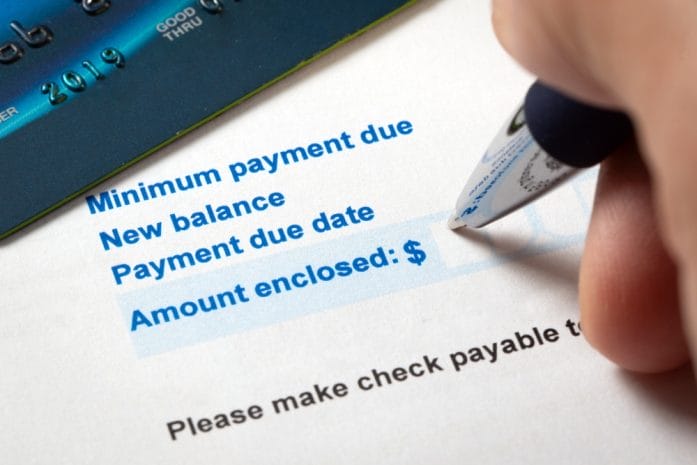
When your monthly credit card bill arrives, the statement highlights the minimum payment due. This can give the impression that paying this amount is both necessary and sufficient for maintaining good standing. Many card issuers even bold or box in the minimum due, making it stand out more than the total balance or payment options.

This focus on the minimum payment can make it seem like that’s all you need to worry about for your credit score. Since paying at least the minimum does keep your account from falling overdue, people often believe it’s the key to building credit. But while avoiding late payments is crucial, paying only the minimum does not maximize your credit-building potential.

2. Misunderstanding Credit Score Factors

Credit scores are calculated using several factors, but not everyone knows how these elements work together. Payment history is the most significant factor, accounting for approximately 35% of most scoring models. This is where the belief that paying minimums builds credit comes from—on-time payments are reported positively, even if they’re just the minimum.

However, another major factor is credit utilization, or the ratio of your balances to your credit limits. Paying only the minimum means your balance remains high, which can negatively impact your utilization rate. This can drag down your credit score, even if you never miss a payment. So while paying the minimum helps, it’s far from the whole story when it comes to building credit.

3. Focus on Avoiding Penalties

No one likes late fees or penalty interest rates. Credit card companies stress the importance of making at least the minimum payment to avoid these charges. As a result, many people think that as long as they’re avoiding penalties, they’re also building credit.

This mindset leads to the belief that paying minimums builds credit, since it keeps accounts in good standing and avoids negative marks. But credit-building is more than just avoiding bad outcomes. To truly strengthen your credit, you need to closely monitor your total balance and work to pay it down over time.

4. Advice Passed Down or Shared Online

Financial advice often comes from family, friends, or online sources. Sometimes, well-meaning people simplify advice to “just pay your minimums and you’ll be fine.” This can lead to confusion about what helps your credit score grow.

While paying on time is necessary, it’s not the only factor. Relying on this partial advice can keep people stuck with high balances and slow credit improvement.

5. Lack of Education on Credit Utilization

Many people have never been taught about credit utilization, despite its significant impact on credit scores. Credit utilization refers to how much of your available credit you’re using at any given time. Maintaining this ratio at a low level—ideally under 30%—is crucial for establishing a strong credit history.

If you only pay the minimum, your balance can remain high, which in turn raises your utilization rate. This is why the idea that paying minimums builds credit is misleading. Without understanding utilization, it’s easy to assume that on-time payments are the only factor that matters.

6. Marketing by Credit Card Companies

Credit card issuers often highlight the ease and convenience of making minimum payments. Their marketing materials may imply that this is an acceptable way to manage your card. While they do mention paying in full, the emphasis on the minimum can reinforce the belief that paying minimums builds credit.

This benefits the companies, since carrying a balance means more interest for them. For consumers, though, it can lead to long-term debt and slower credit score growth.

How to Actually Build Credit

Building credit is about more than just making the minimum payment. While paying on time is essential, you should also aim to pay down your balances to lower your credit utilization. This combination—on-time payments and low balances—is what really moves your credit score in the right direction. If you’re only paying the minimum, you may be missing out on faster credit growth and paying more in interest over time.

Remember, the idea that paying minimums builds credit is only half true. It keeps your account in good standing, but it doesn’t maximize your score. By paying more than the minimum and keeping your credit utilization low, you’ll build a stronger credit profile and save money in the long run.

Have you ever believed that paying only the minimum would boost your credit? What made you change your mind—or has it worked differently for you? Share your thoughts in the comments below!

What to Read Next…

  • The Benefits Of Taking Personal Loans And Their Impact On Credit Scores
  • 5 Things That Instantly Decrease Your Credit Score By 50 Points
  • Why Are More Seniors Ditching Their Credit Cards Completely?
  • 7 Credit Card Features Disappearing Without Any Notice
  • Why Credit Limits Are Being Lowered Without Consent
Travis Campbell
Travis Campbell

Travis Campbell is a digital marketer/developer with over 10 years of experience and a writer for over 6 years. He holds a degree in E-commerce and likes to share life advice he’s learned over the years. Travis loves spending time on the golf course or at the gym when he’s not working.

Filed Under: credit score Tagged With: credit cards, credit scores, credit utilization, Debt Management, minimum payments, Personal Finance

FOLLOW US

Search this site:

Recent Posts

  • Can My Savings Account Affect My Financial Aid? by Tamila McDonald
  • 12 Ways Gen X’s Views Clash with Millennials… by Tamila McDonald
  • What Advantages and Disadvantages Are There To… by Jacob Sensiba
  • Call 911: Go To the Emergency Room Immediately If… by Stephen Kanaval
  • 10 Tactics for Building an Emergency Fund from Scratch by Vanessa Bermudez
  • 7 Weird Things You Can Sell Online by Tamila McDonald
  • 10 Scary Facts About DriveTime by Tamila McDonald

Copyright © 2026 · News Pro Theme on Genesis Framework