• Home
  • About Us
  • Toolkit
  • Getting Finances Done
    • Hiring Advisors
    • Debt Management
    • Spending Plan
  • Insurance
    • Life Insurance
    • Health Insurance
    • Disability Insurance
    • Homeowners/Renters Insurance
  • Contact Us
  • Privacy Policy
  • Risk Tolerance Quiz

The Free Financial Advisor

You are here: Home / Archives for Infrastructure

7 Alternative Investments That Outperformed the S&P 500 in 2025

March 5, 2026 by Brandon Marcus Leave a Comment

Here Are 7 Alternative Investments That Outperformed the S&P 500 in 2025

Image Source: Shutterstock.com

The stock market does not own every victory lap. While the S&P 500 delivered solid gains in 2025, a handful of alternative investments quietly ran faster, climbed higher, and reminded everyone that opportunity rarely sits in just one corner of the market. Investors who widened their lens beyond mega-cap U.S. equities discovered something powerful: diversification does more than reduce risk. It unlocks upside that traditional portfolios sometimes miss.

Here are seven alternative investments that outperformed the S&P 500 in 2025, along with the reasons behind their surge and what smart investors should take from each one.

1. Gold Reclaimed Its Crown

When inflation anxiety lingers and geopolitical tension rises, gold stops whispering and starts roaring. In 2025, gold prices climbed sharply, pushing past previous highs as central banks continued heavy buying and investors sought protection from currency volatility. Physical gold and gold-focused ETFs both delivered returns that exceeded the S&P 500’s performance.

Unlike growth stocks, gold does not rely on earnings reports or optimistic projections. It thrives on uncertainty. That dynamic fueled its run this year as interest rate cuts arrived slower than many expected and global debt levels continued to expand. Investors looking for ballast in a portfolio found that gold did more than stabilize—it generated meaningful gains. Anyone considering gold should think strategically. Physical bullion, ETFs, and mining stocks each carry different risks and rewards. A small allocation can provide balance without overwhelming growth potential.

2. Private Credit Stepped Into the Spotlight

Banks pulled back on certain types of lending over the past two years, and private credit funds stepped forward. In 2025, many private credit strategies delivered double-digit returns, fueled by higher interest rates and strong demand from mid-sized companies seeking flexible financing.

Unlike public bonds, private credit investments often feature floating rates and negotiated terms that protect lenders when rates remain elevated. That structure allowed private credit funds to generate attractive income while equity markets navigated periodic turbulence. Access remains limited to accredited investors in many cases, but interval funds and publicly traded vehicles have expanded opportunities. Anyone exploring this space should examine fee structures, default rates, and manager track records before committing capital.

3. Energy Infrastructure Quietly Generated Big Gains

Pipelines, storage facilities, and energy transport networks rarely make headlines, yet they generate reliable cash flow. In 2025, energy infrastructure investments benefited from stable demand, disciplined capital spending, and attractive dividend yields. Many master limited partnerships and infrastructure-focused funds outperformed the broader equity market.

Unlike exploration and production companies, infrastructure operators earn revenue based on volume and long-term contracts rather than commodity price swings alone. That stability supported both income and capital appreciation. Investors who want exposure should evaluate tax implications, especially with MLPs, and compare them with infrastructure ETFs that simplify reporting. The appeal lies in steady income paired with growth potential when energy demand remains resilient.

Here Are 7 Alternative Investments That Outperformed the S&P 500 in 2025

Image Source: Unsplash.com

4. Commodities Rode the Supply Tightrope

Industrial metals and agricultural commodities gained momentum in 2025 as supply constraints collided with steady global demand. Copper, often viewed as a barometer for economic activity, rallied on expectations of infrastructure investment and electrification trends. Broader commodity indexes delivered returns that surpassed the S&P 500.

Commodities respond quickly to real-world pressures. Weather disruptions, mining bottlenecks, and geopolitical developments can push prices sharply higher. That volatility cuts both ways, but disciplined exposure through diversified commodity ETFs helped investors capture gains while limiting single-asset risk. Investors should approach commodities as tactical tools rather than permanent core holdings. Allocations often work best when tied to macroeconomic views or inflation hedging strategies.

5. Emerging Market Equities Regained Momentum

After several years of underperformance relative to U.S. stocks, emerging market equities staged a comeback in 2025. Countries with improving fiscal discipline and favorable demographic trends attracted fresh capital. Currency stabilization in key regions also supported returns when translated back into U.S. dollars.

While the S&P 500 concentrates heavily in a handful of mega-cap technology companies, emerging markets offer broader exposure to manufacturing, natural resources, and consumer growth stories. That diversification paid off as valuations started from lower levels and earnings growth surprised to the upside. Investors should remain selective. Political risk and currency fluctuations can shift outcomes quickly. Broad ETFs reduce single-country exposure, while targeted funds allow more precise positioning for those who follow regional trends closely.

6. Real Estate Investment Trusts Found Their Footing

Rising interest rates pressured real estate in prior years, but 2025 brought stabilization and selective strength. Certain Real Estate Investment Trusts, particularly those focused on data centers, industrial logistics, and healthcare facilities, generated returns that beat the S&P 500. Lower rate volatility improved financing conditions and boosted investor confidence in income-producing properties. Meanwhile, demand for data storage and e-commerce infrastructure continued to expand, lifting occupancy rates and rental income.

Investors should focus on sector-specific REITs rather than broad exposure alone. Balance sheets matter. Debt maturity schedules and tenant quality can determine whether a REIT thrives or struggles when economic conditions shift.

7. Art and Collectibles Attracted Serious Capital

High-net-worth investors continued pouring money into fine art, rare watches, and collectible assets in 2025. Auction results for blue-chip artists and limited-edition pieces reached impressive levels, and fractional ownership platforms widened access to this once-exclusive market.

Unlike stocks, collectibles operate on scarcity and cultural relevance. When global wealth expands, demand for tangible status assets often rises alongside it. That dynamic pushed select segments of the art and collectibles market to outperform traditional equities. Liquidity remains limited, and pricing transparency varies. Investors interested in this space should treat it as a long-term allocation and verify authenticity, storage conditions, and insurance coverage before committing funds.

Infrastructure Funds Built Long-Term Wealth

Beyond energy pipelines, broader infrastructure investments gained traction in 2025. Funds focused on transportation networks, renewable energy projects, and utility assets delivered strong, stable returns. Governments and private investors continued financing large-scale projects tied to modernization and energy transition goals.

Infrastructure investments combine income generation with inflation-linked revenue streams in many cases. Toll roads, airports, and renewable facilities often operate under long-term agreements that adjust pricing over time. That structure provided resilience while equities faced valuation concerns.

Publicly traded infrastructure ETFs offer liquidity, while private funds provide access to specific projects. Investors should align choices with time horizons and income needs.

The Bigger Lesson Hiding in Plain Sight

The S&P 500 still commands attention, and it deserves respect as a long-term wealth engine. Yet 2025 delivered a clear message: opportunity expands when portfolios stretch beyond familiar territory. Gold thrived on uncertainty. Private credit monetized higher rates. Infrastructure and commodities responded to real-world demand.

No single asset class dominates every year. Markets rotate. Leadership shifts. Investors who stay flexible, diversify thoughtfully, and evaluate risk with clear eyes position themselves to capture those rotations rather than chase them late.

Which of these alternatives deserves a closer look in your next portfolio adjustment? Let’s talk investing in the comments below.

You May Also Like…

Can You Trust AI With Your Taxes and Investments? 8 Risks No One Explains

9 Investing Assumptions That Fail When Markets Stay Flat for Years

7 Questions Investors Wish They’d Asked Before Hiring an Advisor

5 Reasons Why You Should Invest in a New Garage Door

8 Bold Strategies for Investing During Periods of High Inflation

Brandon Marcus
Brandon Marcus

Brandon Marcus is a writer who has been sharing the written word since a very young age. His interests include sports, history, pop culture, and so much more. When he isn’t writing, he spends his time jogging, drinking coffee, or attempting to read a long book he may never complete.


Filed Under: Investing Tagged With: 2025 investing trends, alternative investments, bitcoin, commodities, Emerging markets, gold, Infrastructure, Planning, portfolio diversification, private credit, REITs, S&P 500

Why Do Utility Bills Keep Rising Even When Usage Stays the Same

January 10, 2026 by Brandon Marcus Leave a Comment

Why Do Utility Bills Keep Rising Even When Usage Stays the Same

Image Source: Shutterstock.com

Electricity, gas, water—whatever your household leans on, one thing is undeniable: those utility bills keep creeping higher, even when you swear you haven’t turned on a single extra light. It feels like a financial magic trick, and not the good kind. You’ve been careful, maybe even obsessively so, monitoring thermostats, shutting off unused appliances, and double-checking faucets. Yet when the bill arrives, it’s bigger. Way bigger.

Why? The answer is a mix of economics, infrastructure quirks, and a few hidden factors that most people don’t consider until they’re staring at a number that makes their wallet flinch. Let’s unravel the mystery behind these relentless increases.

Rising Energy Costs Are Out Of Your Control

One of the primary reasons utility bills climb is simple: the cost of producing energy itself is going up. Power plants need fuel—whether that’s natural gas, coal, or oil—and the prices for these commodities fluctuate constantly. When global markets spike due to supply chain issues, geopolitical tensions, or seasonal demand, energy providers often pass those costs straight to consumers. Even renewable sources like solar and wind aren’t immune; while they reduce fuel costs, they require expensive maintenance and technology updates. Essentially, your usage may stay the same, but the price of the electricity you consume can jump dramatically. Utilities are businesses too, and part of staying in business involves adjusting rates to reflect these ongoing expenses.

Infrastructure Upgrades And Maintenance Drive Costs

Another invisible culprit behind rising bills is the infrastructure that delivers energy, water, and gas. Transmission lines, pipelines, and treatment facilities don’t repair themselves, and when upgrades are required, consumers often foot part of the bill. Aging systems are especially costly to maintain; think of decades-old water pipes or decades-old power grids that can’t handle modern demand without major investment. When a utility company announces a rate hike, it’s often linked to these behind-the-scenes improvements. While frustrating for households, these upgrades prevent larger, more catastrophic failures that could leave entire communities without power or water for days.

Seasonal And Environmental Factors Can Affect Rates

Even if your usage remains steady, the environment around your home can impact costs. Extreme weather events—cold snaps, heatwaves, floods, or droughts—can strain utility systems. For example, a sudden cold winter increases overall demand for electricity and natural gas, which can drive up rates temporarily or permanently. Water bills may rise during droughts when supply is limited. Climate change is increasingly playing a role in this, as unpredictable weather patterns force utilities to adjust pricing structures to stay financially stable. Essentially, even if you’re energy-efficient, nature can create conditions that raise costs across the board.

Regulatory Changes And Policy Shifts Matter

Utility rates don’t exist in a vacuum—they’re heavily influenced by local, state, and federal regulations. Policies around renewable energy mandates, carbon taxes, and emissions limits can all impact what you pay each month. Governments often require utilities to invest in cleaner technologies or subsidize alternative energy sources, and these costs get distributed to customers. Additionally, some regions have deregulated energy markets where prices fluctuate more freely based on supply and demand. That means your bill could rise even without a change in your consumption simply because the market shifted. Keeping an eye on legislative changes is surprisingly important if you want to understand why your bill isn’t staying flat.

Hidden Fees And Rate Structures Can Confuse Consumers

Many households assume their bill is a direct reflection of usage, but in reality, utilities often include hidden fees or tiered rate structures. Some companies charge extra for peak-hour usage, maintenance fees, infrastructure costs, or environmental programs. These line items might be small individually, but they can add up quickly, making it seem like your consumption went up when it actually didn’t. Understanding your bill’s breakdown is crucial. Knowing which charges are fixed, variable, or seasonal can help demystify the number staring back at you every month and make you feel a little more in control, even when costs rise.

Why Do Utility Bills Keep Rising Even When Usage Stays the Same

Image Source: Shutterstock.com

Economic Inflation Impacts Everything, Including Utilities

Inflation doesn’t just affect groceries or rent—it hits utilities too. Rising labor costs, equipment prices, and operational expenses mean that companies need to adjust rates to keep up with the economy. Even if energy production costs remain stable, inflation can inflate bills because the money it takes to run the utility grows over time. This is especially noticeable when multiple factors—like rising fuel costs, infrastructure maintenance, and inflation—converge. It’s a perfect storm that leaves the average household wondering why their carefully controlled habits aren’t keeping their bills in check.

How Consumers Can Stay Ahead Without Drastic Lifestyle Changes

While you can’t control fuel prices or government regulations, there are ways to mitigate the impact of rising bills. Smart thermostats, energy-efficient appliances, and careful water use still help reduce your monthly cost. Some utilities offer programs to level out seasonal fluctuations through budget billing, which averages yearly costs into manageable monthly payments. Additionally, checking for errors, understanding your rate structure, and comparing providers where possible can prevent unnecessary overpayments. Knowledge is power, and in the world of utilities, being proactive can be just as important as turning off lights.

Your Thoughts On Rising Bills

Utility bills rising even when usage stays the same can feel frustrating and mysterious, but understanding the multiple factors at play—from energy costs and infrastructure to environmental and economic pressures—gives you insight and control. Everyone’s experience is different, and the mix of causes varies by region and provider. If you’ve noticed surprising increases or found clever ways to manage your bills, drop your thoughts or stories in the comments below.

Let’s discuss how to navigate this ongoing challenge together, because knowing why your bills rise is the first step toward keeping them in check.

You May Also Like…

Could Your Retirement Be at Risk From Rising Utility Costs

Why You Should Never, Ever Skip Paying Your Bills

7 Costs That Sneak Up on Fixed-Income Households

Why Do People Underestimate the True Cost of Living Longer

7 Little-Known Costs of Living Longer Than Expected


Brandon Marcus
Brandon Marcus

Brandon Marcus is a writer who has been sharing the written word since a very young age. His interests include sports, history, pop culture, and so much more. When he isn’t writing, he spends his time jogging, drinking coffee, or attempting to read a long book he may never complete.

Filed Under: Lifestyle Tagged With: economy, energy bill, energy costs, fees, Hidden Fees, Inflation, Infrastructure, Life, Lifestyle, maintenance, utility bill, utility bills

Can Arkansas Handle the Influx? What New Residents Need to Know

April 3, 2025 by Latrice Perez Leave a Comment

Fluttering silk flag of Arkansas state, United States of America. Arkansas flag in the wind, colorful background. 3d illustration

Image Source: 123rf.com

Arkansas has become an increasingly popular destination for new residents, drawn by its affordable living, natural beauty, and growing economic opportunities. The influx of people into the state has sparked questions about how well local communities can manage rapid population growth. This article explores the implications of this migration surge and provides essential insights for prospective newcomers. Understanding these factors can help you make an informed decision about moving to Arkansas.

Population Growth Trends

Recent data shows that Arkansas’s population has grown by approximately 4% over the past decade, with significant increases in regions like Northwest Arkansas. This steady growth is driven by the state’s appealing cost of living and abundant job opportunities. Key areas such as Benton and Washington Counties have experienced particularly robust expansion. As more people move in, local governments are working to balance growth with quality of life.

Economic Implications

The influx of new residents is boosting Arkansas’s economy, leading to increased job creation and business development. Economists project continued growth, with annual increases of 10,000 to 13,000 residents adding to the state’s vibrancy. However, this growth also poses challenges, such as higher housing demand and potential strains on infrastructure. Prospective residents should consider how these economic shifts might affect their daily lives.

Housing Market Dynamics

Rapid population growth has led to increased demand in the housing market, resulting in rising home prices and reduced inventory in certain areas. In regions like Bentonville, the competitive market means prospective buyers may face bidding wars and tighter budgets. It’s important for new residents to research local housing trends to find the best deals. Understanding these dynamics can help you prepare financially for a move to Arkansas.

Infrastructure and Community Resources

City Buses

Image Source: 123rf.com

As the population grows, so does the need for improved infrastructure and community services. Local governments are investing in transportation, healthcare, and educational facilities to accommodate new residents. This ongoing development aims to ensure that the state maintains its high quality of life despite rapid growth. Newcomers should be aware of these changes and consider how they will impact everyday living.

Increasing Popularity As A Relocation Hot Spot

Arkansas’s increasing popularity as a relocation destination brings both exciting opportunities and significant challenges. While the state benefits from economic growth and a high quality of life, new residents must be prepared for the implications of rapid population expansion. Staying informed about local developments and infrastructure improvements is essential for a smooth transition.

Would you consider Arkansas for your relocation destination? Let us know in the comments below.

Read More:

The Fastest-Growing NC Cities You’ve Probably Never Heard Of

9 U.S. Cities Falling Apart Faster Than You Think

Latrice Perez

Latrice is a dedicated professional with a rich background in social work, complemented by an Associate Degree in the field. Her journey has been uniquely shaped by the rewarding experience of being a stay-at-home mom to her two children, aged 13 and 5. This role has not only been a testament to her commitment to family but has also provided her with invaluable life lessons and insights.

As a mother, Latrice has embraced the opportunity to educate her children on essential life skills, with a special focus on financial literacy, the nuances of life, and the importance of inner peace.

Filed Under: Relocation Tagged With: Arkansas migration, economic growth, Housing Market, Infrastructure, new residents

9 U.S. Cities Falling Apart Faster Than You Think

February 24, 2025 by Latrice Perez Leave a Comment

US Cities

Image Source: 123rf.com

Infrastructure is the backbone of any thriving city, supporting transportation, utilities, and public services. However, several U.S. cities are grappling with aging and failing infrastructure, leading to significant challenges for residents and local governments. Let’s explore nine cities where infrastructure decay has become a pressing concern.

1. Los Angeles, California

Los Angeles has faced severe infrastructure issues, notably highlighted by devastating wildfires. Critics point to reduced infrastructure spending and mismanagement as contributing factors to the city’s vulnerability. The lack of comprehensive planning and maintenance has left critical systems, such as water supply and emergency services, strained during crises. Recent fires have exposed the dire need for updated infrastructure to protect residents and property. Efforts are underway to address these challenges, but progress has been slow.

2. New Orleans, Louisiana

New Orleans continues to struggle with infrastructure problems exacerbated by natural disasters. Aging levees, outdated drainage systems, and crumbling roads have hindered economic growth and public safety. The city’s population decline between 2020 and 2023 has further strained resources, making it difficult to fund necessary repairs and upgrades. Hosting major events like the Super Bowl is part of the city’s strategy to revitalize its economy and infrastructure. However, long-term solutions require substantial investment and comprehensive planning.

3. Gary, Indiana

Once a booming steel town, Gary now faces significant infrastructure decay. The decline of the steel industry led to economic downturns, resulting in neglected public services and facilities. Residents contend with deteriorating roads, abandoned buildings, and underfunded utilities. Recent proposals aim to revitalize the city through infrastructural projects and environmental sustainability initiatives. However, overcoming decades of neglect presents a formidable challenge.

4. Richmond, Virginia

In January 2025, Richmond experienced a major water crisis due to aging infrastructure. A blizzard led to failures in the city’s water distribution system, leaving residents without reliable water service for days. Investigations revealed that outdated equipment and insufficient maintenance were significant contributors to the crisis. The event underscored the urgent need for investment in modernizing the city’s water infrastructure to prevent future incidents.

5. Phoenix, Arizona

Phoenix faces challenges with its water infrastructure amid increasing threats from wildfires. The city’s water systems are often inadequate to handle the demands during such emergencies, leading to costly and lengthy repairs. As wildfires become more frequent and severe due to climate change, there’s a pressing need to improve water systems to protect the city. Implementing measures like remote shutoff valves and emergency water sources can enhance resilience but require significant investment.

6. Houston, Texas

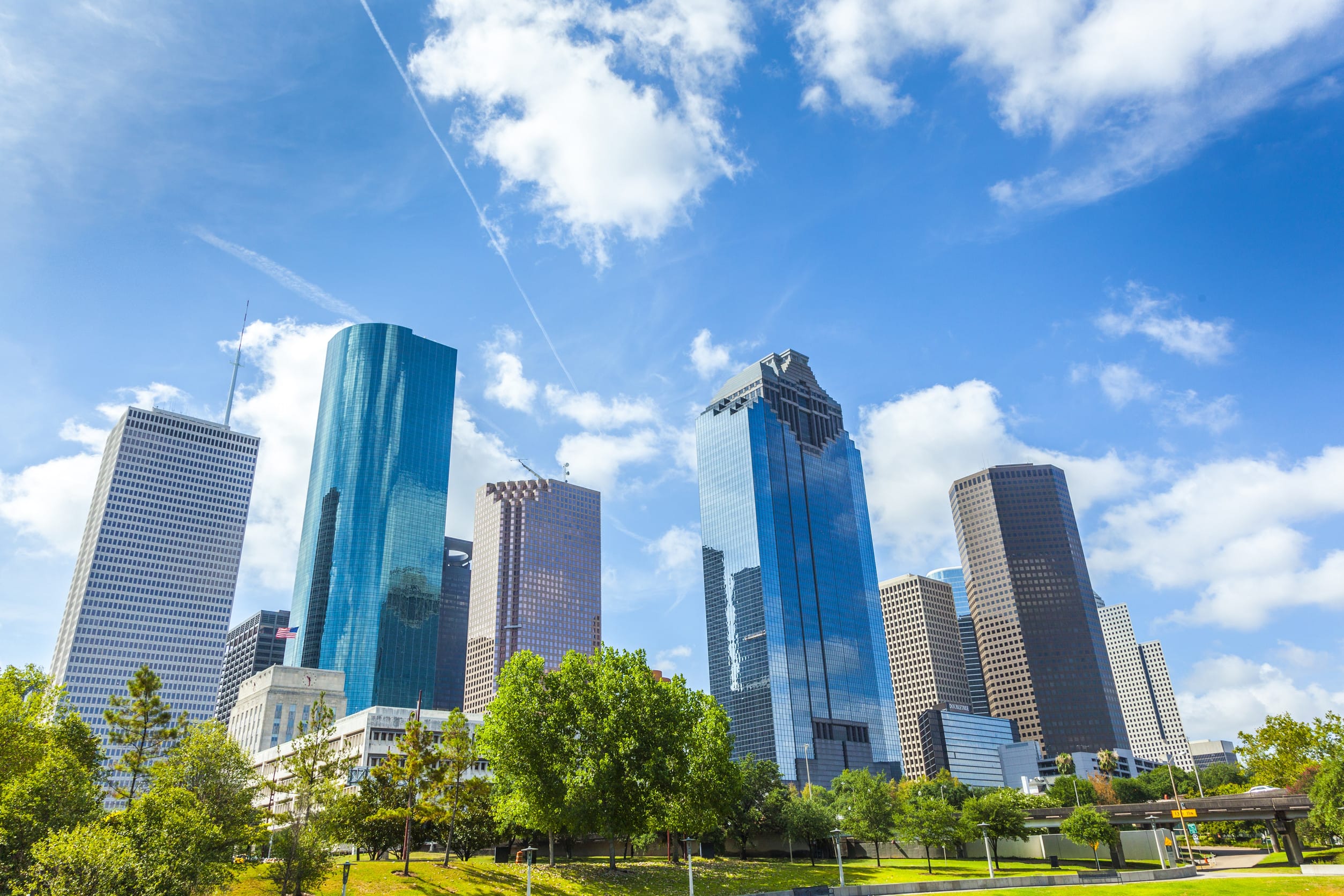
Houston Tx

Image Source: 123rf.com

Houston’s rapid growth has outpaced its infrastructure development, leading to significant concerns. Suburban areas like Fulshear are calling for increased funding for infrastructure, public safety, and historical preservation. The city’s drainage systems and roads are often overwhelmed, especially during heavy rains, leading to frequent flooding. Efforts to address these issues are ongoing, but the scale of the problem requires substantial investment and planning.

7. San Francisco, California

San Francisco’s infrastructure struggles include aging public transportation systems and deteriorating roads. The city’s hilly terrain and dense population exacerbate wear and tear on its infrastructure. Efforts to modernize the transit system and repair roads are underway, but challenges persist due to high costs and logistical complexities. Residents often face delays and disruptions, highlighting the need for accelerated infrastructure improvements.

8. New York City, New York

New York City contends with aging subway systems, bridges, and water mains. Frequent breakdowns and maintenance issues disrupt daily life and commerce. The city’s vast and old infrastructure requires continuous investment to maintain safety and efficiency. Recent initiatives aim to address these challenges, but the sheer scale of the infrastructure presents ongoing difficulties.

9. Washington, D.C.

The nation’s capital faces infrastructure issues, including deteriorating roads and public transportation challenges. Aging metro systems and traffic congestion are persistent problems. Efforts to revamp the city’s infrastructure are in progress, but political and budgetary constraints often slow down significant improvements. Residents and visitors alike experience the impacts of these infrastructure deficiencies daily.

Addressing the Infrastructure Crisis

The deteriorating infrastructure in these cities highlights a nationwide issue that demands immediate attention. Investing in modernizing and maintaining essential services is crucial for public safety, economic growth, and overall quality of life. If this article resonated with you, please share it to raise awareness about the importance of infrastructure investment in our communities.

Do you live in one of these cities? What is your experience with the infrastructure? Let us know in the comments below.

Read More:

9 Cities Where Millennials Are Moving And Why

Buddhism in California: 10 Interesting Facts About The City of Ten Thousand Buddhas

Latrice Perez

Latrice is a dedicated professional with a rich background in social work, complemented by an Associate Degree in the field. Her journey has been uniquely shaped by the rewarding experience of being a stay-at-home mom to her two children, aged 13 and 5. This role has not only been a testament to her commitment to family but has also provided her with invaluable life lessons and insights.

As a mother, Latrice has embraced the opportunity to educate her children on essential life skills, with a special focus on financial literacy, the nuances of life, and the importance of inner peace.

Filed Under: Lifestyle Tagged With: City Planning, Economic Development, Infrastructure, Public Safety, Urban Decay

FOLLOW US

Search this site:

Recent Posts

  • Can My Savings Account Affect My Financial Aid? by Tamila McDonald
  • 12 Ways Gen X’s Views Clash with Millennials… by Tamila McDonald
  • What Advantages and Disadvantages Are There To… by Jacob Sensiba
  • Call 911: Go To the Emergency Room Immediately If… by Stephen Kanaval
  • 10 Tactics for Building an Emergency Fund from Scratch by Vanessa Bermudez
  • 7 Weird Things You Can Sell Online by Tamila McDonald
  • 10 Scary Facts About DriveTime by Tamila McDonald

Copyright © 2026 · News Pro Theme on Genesis Framework