• Home
  • About Us
  • Toolkit
  • Getting Finances Done
    • Hiring Advisors
    • Debt Management
    • Spending Plan
  • Insurance
    • Life Insurance
    • Health Insurance
    • Disability Insurance
    • Homeowners/Renters Insurance
  • Contact Us
  • Privacy Policy
  • Risk Tolerance Quiz

The Free Financial Advisor

You are here: Home / Archives for high-interest debt

Think Twice Before Maxing Out a 401(k) If You Carry High-Interest Debt

March 14, 2026 by Brandon Marcus Leave a Comment

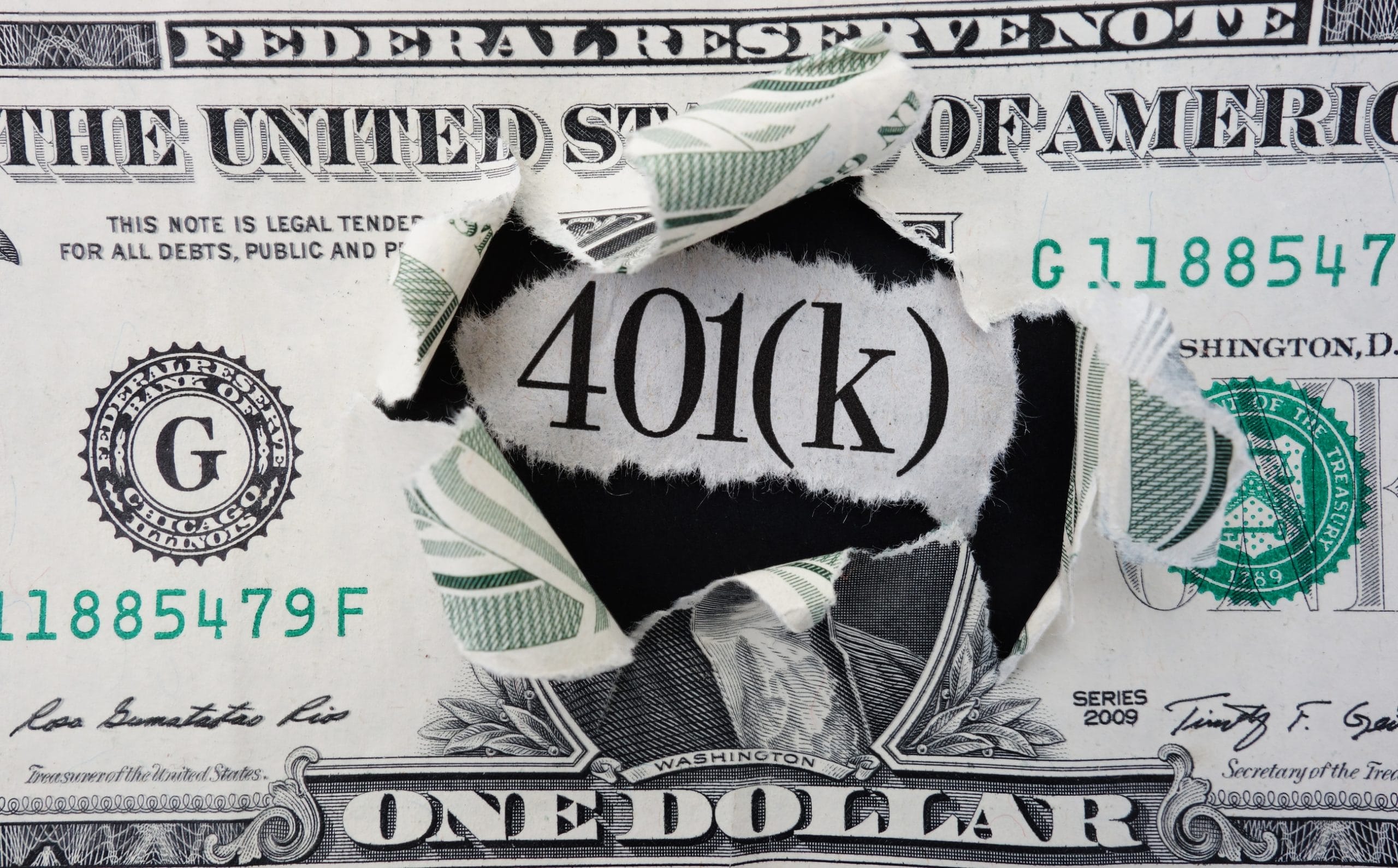
Think Twice Before Maxing Out a 401(k) If You Carry High-Interest Debt

Image source: 123rf.com

A maxed-out retirement account sounds like financial victory. Slick headlines celebrate it. Financial advice columns praise it. Friends nod approvingly when the topic comes up at dinner. Yet one stubborn financial villain can quietly wreck that victory before it even starts: high-interest debt. Credit card balances that charge 18%, 22%, or even 29% interest do not politely sit in the background while retirement savings grow. Those balances gobble up money like a vacuum cleaner on turbo mode.

Anyone juggling retirement contributions and high-interest debt needs to pause and run the numbers carefully. In many situations, paying down expensive debt first creates far more financial momentum than racing to max out a retirement account.

The Interest Rate Showdown Nobody Talks About

High-interest debt fights like a heavyweight champion in the world of personal finance. Credit cards and certain personal loans often carry interest rates that soar well into the double digits. Retirement investments rarely deliver returns that high on a consistent basis, even during strong market years. Stock market investments historically average around 7% to 10% annually over long periods after inflation, although returns vary year to year. Credit card interest, on the other hand, locks in relentlessly at far higher rates. That math creates a brutal mismatch that many people overlook while chasing retirement contribution goals.

Picture a credit card charging 22% interest while retirement investments aim for an optimistic 8% annual return. Every dollar poured into investments fights an uphill battle against that 22% interest machine. Eliminating the debt first effectively produces a guaranteed return equal to the interest rate. Paying off a balance with a 20% interest rate delivers a financial win that few investments can match without taking enormous risk. Financial planners often point out this simple comparison because the numbers speak loudly. Anyone carrying high-interest balances should treat those debts as financial emergencies rather than minor inconveniences.

Employer Match: The One Exception Worth Grabbing

Retirement plans often include one powerful perk that deserves immediate attention. Many employers offer matching contributions on 401(k) plans. That match functions like free money placed directly into retirement savings. Ignoring that benefit leaves guaranteed returns sitting on the table. Most financial experts strongly encourage workers to contribute enough to capture the full employer match before focusing aggressively on debt payoff.

Consider a common scenario where an employer matches 50% of contributions up to 6% of salary. That structure means every dollar contributed up to that level receives an immediate 50% boost. No credit card interest rate can erase the value of that instant gain. Workers should typically contribute enough to secure the full match, then direct additional money toward high-interest debt until balances shrink dramatically. This approach balances smart retirement planning with practical debt reduction. Free money deserves priority because it accelerates long-term savings without increasing risk.

The Psychological Trap of “Doing Everything at Once”

Personal finance advice often encourages people to build emergency savings, invest aggressively, and eliminate debt simultaneously. That plan sounds heroic on paper, yet reality rarely cooperates with such ambitious juggling. Splitting money across too many goals often slows progress on all of them. Credit card balances shrink painfully slowly while retirement contributions inch upward without dramatic impact. Financial momentum fades quickly when progress feels invisible.

Focusing intensely on high-interest debt can create powerful psychological momentum. Watching balances shrink each month builds confidence and motivation. That energy fuels better financial habits across the board. Once the debt disappears, the same payment amounts can shift directly into retirement contributions. Suddenly, those contributions grow much larger than before because debt payments no longer compete for the same dollars. This focused approach transforms a frustrating financial juggling act into a clear path forward.

Interest Compounds… But So Does Debt

Investment marketing loves to celebrate compound interest. Retirement accounts benefit tremendously from decades of growth. Markets reinvest gains, earnings build on previous returns, and time multiplies the effect. Yet debt compounds as well, and high-interest balances compound far more aggressively. Credit card companies charge interest on existing balances, then pile additional interest onto that growing total month after month.

A $10,000 credit card balance with a 22% interest rate can generate more than $2,000 in interest charges in a single year if payments barely cover the minimum. That money disappears into the financial void instead of building wealth. Eliminating that balance frees up cash flow immediately. Every dollar that once fueled interest payments can begin building savings or investments instead. Debt reduction often creates the fastest path toward financial breathing room because it removes the drag that slows everything else.

Cash Flow Freedom Changes the Entire Game

Debt payments quietly drain financial flexibility every month. Credit card bills, personal loan payments, and interest charges claim a slice of income before any other goals receive attention. That constant drain limits opportunities to invest, save, or pursue financial goals with enthusiasm. Removing high-interest debt dramatically reshapes monthly cash flow.

Imagine eliminating a $500 monthly credit card payment. That same $500 suddenly becomes available for retirement contributions, emergency savings, or other investments. With no interest charges attached, that money begins working for the future instead of servicing past spending. Financial freedom often begins with improving cash flow rather than maximizing investment accounts. Debt elimination delivers that improvement faster than most strategies. Once cash flow improves, retirement savings can accelerate rapidly without the heavy burden of interest payments.

Think Twice Before Maxing Out a 401(k) If You Carry High-Interest Debt

Image Source: unsplash.com

Smart Strategy Beats Financial Bragging Rights

Financial culture loves simple milestones. Maxing out a retirement account sounds impressive and often earns praise in personal finance circles. Yet smart financial planning rarely revolves around bragging rights. Strategy matters far more than flashy numbers. A person who eliminates high-interest debt before maximizing retirement contributions often ends up in a stronger financial position over time.

Financial health grows from thoughtful sequencing of priorities. Capture employer matching contributions first because that benefit offers unbeatable value. After that, attack high-interest debt with determination until balances vanish. Once those debts disappear, retirement contributions can ramp up dramatically with far less resistance. This strategy builds a stronger foundation for long-term wealth. Debt-free cash flow creates flexibility that aggressive investing alone cannot match.

Build Wealth Without Carrying Financial Anchors

Retirement savings should feel exciting, not like a frantic race against credit card statements. A clear financial path combines strategic investing with disciplined debt management. High-interest balances act like anchors that drag down financial progress no matter how hard someone paddles toward retirement goals. Cutting those anchors loose often delivers the fastest route toward genuine wealth.

Anyone juggling retirement contributions and high-interest debt should pause and evaluate the numbers carefully. Capture employer matches, attack expensive debt with intensity, and then unleash full power on retirement savings once balances disappear. That sequence builds both financial strength and peace of mind. A retirement account grows far more effectively when interest charges stop siphoning money away every month.

What strategy works best in your financial world right now: focusing on debt elimination first or racing to boost retirement contributions? Share your thoughts, strategies, or experiences in the comments section.

You May Also Like…

7 Alternative Investments That Outperformed the S&P 500 in 2025

Here’s What Your Financial Advisor Isn’t Telling You About Investing in 2026

Starting Retirement Savings at 30 With $0 — Is Catching Up Still Possible?

Is Mississippi the Cheapest Place to Retire?

7 Sun Belt Retirement Towns Seeing Significant Price Corrections

Brandon Marcus
Brandon Marcus

Brandon Marcus is a writer who has been sharing the written word since a very young age. His interests include sports, history, pop culture, and so much more. When he isn’t writing, he spends his time jogging, drinking coffee, or attempting to read a long book he may never complete.


Filed Under: Retirement Tagged With: 401(k), budgeting, credit cards, debt payoff, financial strategy, Financial Wellness, high-interest debt, investing basics, money management, Personal Finance, retirement planning, saving money

8 Financial Decisions That Feel Small but Add Up Quickly

January 11, 2026 by Brandon Marcus Leave a Comment

Here Are 8 Financial Decisions That Feel Small but Add Up Quickly

Image Source: Shutterstock.com

Money is a wild ride. Sometimes it feels like your dollars evaporate before you even notice, slipping through cracks you didn’t even know existed. What if I told you that tiny, seemingly harmless choices can snowball into serious financial impact faster than you think? From your daily coffee habit to subscription services you forgot you had, these small decisions can shape your wallet more than a sudden windfall or a big bonus ever could.

Time to talk about eight everyday financial moves that are way more powerful than they appear—and how being mindful can transform your cash life without feeling like a grind.

1. Skipping The Coffee Shop Run

Grabbing a latte might seem like a negligible part of your day, but let’s do the math. A $5 coffee every weekday adds up to $25 a week. That’s $100 a month, $1,200 a year, and enough to fund a mini vacation or a hefty chunk of your emergency fund. Brewing your own cup at home doesn’t just save money; it also gives you full control over what goes in your mug—goodbye mystery calories and questionable milk choices!

Beyond the financial boost, skipping that daily café run encourages a sense of mindfulness in other spending areas. Soon, you’ll notice small wins piling up, and your bank account will thank you. Your coffee habit can transform from an invisible drain into a tangible tool for building wealth.

2. Cutting Back On Subscriptions

Streaming services, fitness apps, magazine subscriptions—how many do you actually use? If you’re like most people, there are at least two you barely touch. At $10 to $15 each, the cost may feel minor, but when multiplied across multiple services, the numbers get serious. Evaluating subscriptions forces you to prioritize what you really value and stop paying for digital clutter.

Canceling unnecessary services isn’t just about saving money; it’s about reclaiming mental space too. And with auto-renewal traps everywhere, a little vigilance now prevents a lot of regret later. Your future self will appreciate a leaner, smarter subscription strategy that keeps more money in your pocket.

3. Opting For Generic Brands

Choosing store brands over name brands can seem trivial, but it quickly becomes a financial powerhouse. Grocery aisles are filled with premium-priced options, often indistinguishable from their generic counterparts. Making the switch for everyday items—from cereal to cleaning supplies—can save hundreds annually without sacrificing quality. This habit cultivates a mindset of smart spending instead of mindless brand loyalty.

Over time, it can extend to other areas, like electronics or personal care, turning you into a budget-savvy shopper. What feels like a tiny, inconsequential swap can become a significant contributor to long-term savings.

4. Bringing Lunch To Work

Dining out during the workweek might feel convenient, but the numbers tell a different story. Spending $12 to $15 per meal, five days a week, racks up to over $600 a year. Preparing lunch at home not only saves money but also allows for healthier, customized meals. Meal prepping on Sundays can turn a daunting weekday into a smooth, stress-free routine. Plus, it encourages creativity in the kitchen, making cooking feel less like a chore and more like a hobby. The cumulative savings from this single decision can fund investments, hobbies, or even a weekend getaway without breaking a sweat.

Here Are 8 Financial Decisions That Feel Small but Add Up Quickly

Image Source: Shutterstock.com

5. Avoiding Impulse Online Purchases

Online shopping is seductive; a few clicks and you’ve got a new gadget or trendy clothing piece in your cart. The problem? Those tiny impulses often slip under your radar until your bank statement arrives. Practicing pause-and-reflect habits, like waiting 24 hours before buying, drastically reduces unnecessary spending. Small discipline here compounds quickly over months, giving you significant discretionary funds. This strategy also makes you more intentional with your money, teaching you to prioritize value over fleeting satisfaction. Over time, this habit fosters a mindset of financial control and clarity that’s priceless.

6. Refinancing High-Interest Debt

Paying only the minimum on credit cards or loans might feel like you’re managing okay, but interest can quietly spiral out of control. Refinancing debt—even small amounts—into lower interest options can save thousands over time. This move doesn’t just reduce financial stress; it accelerates your path to debt freedom. It may require a bit of paperwork and research, but the payoff is monumental. Small, proactive choices like this compound silently but powerfully, showing that strategic action beats waiting for luck. Watching your debt shrink faster than expected is a major confidence boost, and it opens doors to more ambitious financial goals.

7. Automating Savings

Setting up automatic transfers to savings might feel inconsequential, especially if it’s a modest sum. Yet even $50 a week grows into a substantial emergency cushion or investment fund. Automation removes friction and the temptation to spend what you could save, turning good intentions into real results.

Watching your savings steadily rise without thinking too much about it is oddly satisfying and motivating. This approach reinforces positive financial habits while keeping stress levels low. In essence, small automated contributions quietly build financial resilience and long-term security.

8. Using Cashback And Rewards Programs

Signing up for cashback, points, or loyalty programs might feel like minor perks, but they stack quickly. Even a modest 1-2% cashback on everyday purchases can translate into hundreds of dollars a year. These programs work best when paired with intentional spending—buy what you need anyway and earn rewards while doing it. Over time, savvy use of rewards programs creates extra funds for splurges, savings, or charitable giving. Small habits like scanning receipts or using cashback apps don’t just reward money spent—they teach you to spend smarter. Suddenly, your everyday purchases are subtly working in your favor.

Small Decisions, Big Impact

Every little choice you make around money—whether it’s skipping a coffee run, canceling subscriptions, or automating savings—adds up in ways you might not notice at first. These decisions build momentum, shaping your financial future silently but powerfully.

Which of these habits have you tried, or which ones do you think could change your financial game the most? Give us your thoughts, experiences, or discoveries in the comments section below, and let’s keep the conversation going.

You May Also Like…

10 Financial Decisions That Strip Heirs of Legal Protection

Risk Proaction: 5 Steps to Stress-Test Your Finances for Worst-Case Scenarios

Holiday Debt: 9 Warning Signs Your Spending Is Already Off Track

ADHD and Credit Cards: Why Impulse Spending Feels Inevitable

How a Solid Estate Plan Can Protect Your Finances


Brandon Marcus
Brandon Marcus

Brandon Marcus is a writer who has been sharing the written word since a very young age. His interests include sports, history, pop culture, and so much more. When he isn’t writing, he spends his time jogging, drinking coffee, or attempting to read a long book he may never complete.

Filed Under: Finance Tagged With: automating savings, buying food, coffee run, Debt, emotional purchases, finance, finances, financial choices, financial decisions, general finance, high-interest debt, impulse shopping, impulse spending, lunch, overspending, Smart Spending, spending, subscriptions

Year-End Push: 10 Checklist Items That Could Save Thousands If You Act Fast

December 13, 2025 by Brandon Marcus Leave a Comment

Here Are The Items That Could Save Thousands If You Act Fast

Image Source: Shutterstock.com

The end of the year is a wild sprint. Between holiday shopping, tax planning, and trying to wrap up lingering projects, it’s easy to forget that a few smart financial moves could save you thousands before the calendar flips. The clock is ticking, but the right actions now can make a huge difference in your bank account—and your stress levels.

Think of it as a strategic game: every box you check on this list is a power-up that keeps more money in your pocket. Let’s dive into ten urgent, high-impact items that can pay off big if you move quickly.

1. Maximize Your Retirement Contributions

Retirement accounts like 401(k)s and IRAs often have annual contribution limits, and year-end is the perfect time to make sure you’ve maxed them out. Contributing the full amount can reduce your taxable income while boosting your long-term savings—a double win. If you haven’t been diligent all year, even a last-minute deposit can have a meaningful impact on your tax bill. Many employers allow catch-up contributions or last-minute deposits in December, so it’s worth checking. Taking action now sets you up for financial freedom decades down the line.

Here Are The Items That Could Save Thousands If You Act Fast

Image Source: Shutterstock.com

2. Harvest Investment Losses

If your portfolio includes underperforming stocks or funds, you may be able to offset gains by selling them—a strategy called tax-loss harvesting. This can reduce your taxable income, potentially saving you thousands on your tax bill. Don’t worry; you can reinvest in similar assets without losing your market position, as long as you avoid wash sale rules. Reviewing your investments before year-end ensures you’re not leaving money on the table. Even small losses strategically harvested can compound into significant savings over time.

3. Review Flexible Spending Accounts

If you have a flexible spending account (FSA), now is the time to use any remaining balance. FSAs often have a “use it or lose it” policy, meaning money not spent by the end of the year disappears. Stock up on medical supplies, schedule appointments, or pay for eligible services before the deadline. These accounts are pre-tax dollars, so spending them is essentially getting a discount on healthcare costs. Checking your FSA now ensures you’re not accidentally forfeiting free money.

4. Make Charitable Donations

Charitable giving is not just good for the soul—it can also be good for your taxes. Donations made before December 31 can be deducted from your taxable income, potentially lowering your year-end tax liability. Keep records and receipts, and consider donating appreciated assets like stocks, which can also help you avoid capital gains taxes. Donating strategically allows you to support causes you care about while maximizing financial benefits. Planning your contributions now ensures your giving counts for the current tax year.

5. Reevaluate Your Withholding

Many people overpay taxes throughout the year without realizing it, leaving their money sitting with the IRS instead of in their pockets. Reviewing your withholding now allows you to adjust your paycheck before year-end, giving you more cash flow immediately. It’s a small change with immediate impact, especially if your income has shifted or you’ve had life changes like marriage or a new child. Accurate withholding ensures you’re not giving an interest-free loan to the government. Even minor tweaks can save hundreds or thousands, depending on your income level.

6. Pay Down High-Interest Debt

High-interest debt is a silent killer of personal finances, and December is a great time to knock it down before interest compounds further. Every dollar you pay off now reduces future interest charges, freeing up money in the coming year. Consider targeting credit cards or personal loans with the highest rates first for maximum impact. Reducing debt also improves your financial flexibility and credit score. Acting now gives your future self a lighter financial load and more breathing room in your budget.

7. Reassess Your Insurance Coverage

Year-end is a natural checkpoint for reviewing your insurance policies, from health to auto to homeowners. Are your coverage limits still appropriate? Have you accumulated assets that need protection or removed items that don’t? Adjusting your policies can reduce premiums and ensure you’re not overpaying—or underprotected. A quick review now could prevent costly surprises later. Staying proactive on insurance protects both your finances and peace of mind.

8. Take Advantage Of Employer Benefits

Many employer benefits reset at year-end, including wellness programs, tuition reimbursement, or dependent care accounts. If you have unused funds or eligible benefits, it’s smart to take action before they vanish. Scheduling a last-minute dental procedure, enrolling in a course, or submitting claims can make a meaningful difference. These benefits are essentially free money that supports health, education, or family needs. Checking in now ensures you’re fully leveraging everything your employer provides.

9. Plan For Next Year’s Major Expenses

Even though the new year is days away, planning for major expenses like vacations, home repairs, or big purchases can save money in the long run. Knowing what’s coming lets you adjust spending, open dedicated savings accounts, and take advantage of seasonal deals. Pre-planning also reduces financial stress and prevents last-minute debt. Setting aside funds now puts you ahead of the game instead of scrambling in January. It’s a simple strategy that builds momentum and keeps your finances on track.

10. Evaluate Tax Credits And Deductions

Tax credits and deductions are among the most overlooked opportunities for year-end savings. Childcare credits, energy-efficient home improvements, and education credits can all impact your bottom line. Reviewing eligibility before December 31 ensures you don’t miss out on valuable reductions. Even smaller credits, when combined, can add up to substantial savings. A quick consultation with a tax professional or thorough self-review can make the difference between paying extra and keeping more of your hard-earned money.

Take Action Now And Reap The Rewards

The last month of the year is hectic, but it’s also a golden opportunity to make smart financial moves that pay off big. From contributions and deductions to debt reduction and benefit maximization, these ten checklist items are your fast-track to saving thousands. The key is urgency—waiting until January can mean missed deadlines, lost opportunities, and unnecessary stress.

Which of these tips will you tackle first? Share your thoughts, strategies, or year-end wins in the comments section below; your story could inspire someone else to act fast and save big.

You May Also Like…

Is It Too Late to Start Saving Aggressively for a Comfortable Retirement?

Did You Know Turning Off Your Wi-Fi Router at Night Can Save You Money?

Are There Tax-Saving Strategies My Current Advisor Completely Missed?

Could Ignoring Inflation Erase Decades of Savings

7 Stock Market Myths That Cost Beginner Investors Their Life Savings


Brandon Marcus
Brandon Marcus

Brandon Marcus is a writer who has been sharing the written word since a very young age. His interests include sports, history, pop culture, and so much more. When he isn’t writing, he spends his time jogging, drinking coffee, or attempting to read a long book he may never complete.

Filed Under: Finance Tagged With: 401(k), automate savings, bad investing advice, Charitable Donations, charity, Debt, everyday items, flexible spending accounts, high-interest debt, investing, Investment, investment losses, retire, Retirement, retirement contributions, Roth IRA, Saving, saving money, savings, spending accounts

FOLLOW US

Search this site:

Recent Posts

  • Can My Savings Account Affect My Financial Aid? by Tamila McDonald
  • 12 Ways Gen X’s Views Clash with Millennials… by Tamila McDonald
  • What Advantages and Disadvantages Are There To… by Jacob Sensiba
  • 10 Tactics for Building an Emergency Fund from Scratch by Vanessa Bermudez
  • Call 911: Go To the Emergency Room Immediately If… by Stephen Kanaval
  • 7 Weird Things You Can Sell Online by Tamila McDonald
  • 10 Scary Facts About DriveTime by Tamila McDonald

Copyright © 2026 · News Pro Theme on Genesis Framework