• Home
  • About Us
  • Toolkit
  • Getting Finances Done
    • Hiring Advisors
    • Debt Management
    • Spending Plan
  • Insurance
    • Life Insurance
    • Health Insurance
    • Disability Insurance
    • Homeowners/Renters Insurance
  • Contact Us
  • Privacy Policy
  • Risk Tolerance Quiz

The Free Financial Advisor

You are here: Home / Archives for energy bill

Why Do Utility Bills Keep Rising Even When Usage Stays the Same

January 10, 2026 by Brandon Marcus Leave a Comment

Why Do Utility Bills Keep Rising Even When Usage Stays the Same

Image Source: Shutterstock.com

Electricity, gas, water—whatever your household leans on, one thing is undeniable: those utility bills keep creeping higher, even when you swear you haven’t turned on a single extra light. It feels like a financial magic trick, and not the good kind. You’ve been careful, maybe even obsessively so, monitoring thermostats, shutting off unused appliances, and double-checking faucets. Yet when the bill arrives, it’s bigger. Way bigger.

Why? The answer is a mix of economics, infrastructure quirks, and a few hidden factors that most people don’t consider until they’re staring at a number that makes their wallet flinch. Let’s unravel the mystery behind these relentless increases.

Rising Energy Costs Are Out Of Your Control

One of the primary reasons utility bills climb is simple: the cost of producing energy itself is going up. Power plants need fuel—whether that’s natural gas, coal, or oil—and the prices for these commodities fluctuate constantly. When global markets spike due to supply chain issues, geopolitical tensions, or seasonal demand, energy providers often pass those costs straight to consumers. Even renewable sources like solar and wind aren’t immune; while they reduce fuel costs, they require expensive maintenance and technology updates. Essentially, your usage may stay the same, but the price of the electricity you consume can jump dramatically. Utilities are businesses too, and part of staying in business involves adjusting rates to reflect these ongoing expenses.

Infrastructure Upgrades And Maintenance Drive Costs

Another invisible culprit behind rising bills is the infrastructure that delivers energy, water, and gas. Transmission lines, pipelines, and treatment facilities don’t repair themselves, and when upgrades are required, consumers often foot part of the bill. Aging systems are especially costly to maintain; think of decades-old water pipes or decades-old power grids that can’t handle modern demand without major investment. When a utility company announces a rate hike, it’s often linked to these behind-the-scenes improvements. While frustrating for households, these upgrades prevent larger, more catastrophic failures that could leave entire communities without power or water for days.

Seasonal And Environmental Factors Can Affect Rates

Even if your usage remains steady, the environment around your home can impact costs. Extreme weather events—cold snaps, heatwaves, floods, or droughts—can strain utility systems. For example, a sudden cold winter increases overall demand for electricity and natural gas, which can drive up rates temporarily or permanently. Water bills may rise during droughts when supply is limited. Climate change is increasingly playing a role in this, as unpredictable weather patterns force utilities to adjust pricing structures to stay financially stable. Essentially, even if you’re energy-efficient, nature can create conditions that raise costs across the board.

Regulatory Changes And Policy Shifts Matter

Utility rates don’t exist in a vacuum—they’re heavily influenced by local, state, and federal regulations. Policies around renewable energy mandates, carbon taxes, and emissions limits can all impact what you pay each month. Governments often require utilities to invest in cleaner technologies or subsidize alternative energy sources, and these costs get distributed to customers. Additionally, some regions have deregulated energy markets where prices fluctuate more freely based on supply and demand. That means your bill could rise even without a change in your consumption simply because the market shifted. Keeping an eye on legislative changes is surprisingly important if you want to understand why your bill isn’t staying flat.

Hidden Fees And Rate Structures Can Confuse Consumers

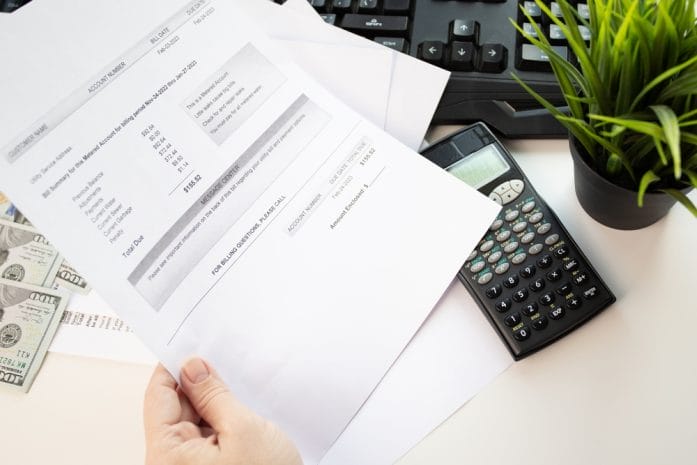
Many households assume their bill is a direct reflection of usage, but in reality, utilities often include hidden fees or tiered rate structures. Some companies charge extra for peak-hour usage, maintenance fees, infrastructure costs, or environmental programs. These line items might be small individually, but they can add up quickly, making it seem like your consumption went up when it actually didn’t. Understanding your bill’s breakdown is crucial. Knowing which charges are fixed, variable, or seasonal can help demystify the number staring back at you every month and make you feel a little more in control, even when costs rise.
Why Do Utility Bills Keep Rising Even When Usage Stays the Same

Image Source: Shutterstock.com

Economic Inflation Impacts Everything, Including Utilities

Inflation doesn’t just affect groceries or rent—it hits utilities too. Rising labor costs, equipment prices, and operational expenses mean that companies need to adjust rates to keep up with the economy. Even if energy production costs remain stable, inflation can inflate bills because the money it takes to run the utility grows over time. This is especially noticeable when multiple factors—like rising fuel costs, infrastructure maintenance, and inflation—converge. It’s a perfect storm that leaves the average household wondering why their carefully controlled habits aren’t keeping their bills in check.

How Consumers Can Stay Ahead Without Drastic Lifestyle Changes

While you can’t control fuel prices or government regulations, there are ways to mitigate the impact of rising bills. Smart thermostats, energy-efficient appliances, and careful water use still help reduce your monthly cost. Some utilities offer programs to level out seasonal fluctuations through budget billing, which averages yearly costs into manageable monthly payments. Additionally, checking for errors, understanding your rate structure, and comparing providers where possible can prevent unnecessary overpayments. Knowledge is power, and in the world of utilities, being proactive can be just as important as turning off lights.

Your Thoughts On Rising Bills

Utility bills rising even when usage stays the same can feel frustrating and mysterious, but understanding the multiple factors at play—from energy costs and infrastructure to environmental and economic pressures—gives you insight and control. Everyone’s experience is different, and the mix of causes varies by region and provider. If you’ve noticed surprising increases or found clever ways to manage your bills, drop your thoughts or stories in the comments below.

Let’s discuss how to navigate this ongoing challenge together, because knowing why your bills rise is the first step toward keeping them in check.

You May Also Like…

Could Your Retirement Be at Risk From Rising Utility Costs

Why You Should Never, Ever Skip Paying Your Bills

7 Costs That Sneak Up on Fixed-Income Households

Why Do People Underestimate the True Cost of Living Longer

7 Little-Known Costs of Living Longer Than Expected


Brandon Marcus
Brandon Marcus

Brandon Marcus is a writer who has been sharing the written word since a very young age. His interests include sports, history, pop culture, and so much more. When he isn’t writing, he spends his time jogging, drinking coffee, or attempting to read a long book he may never complete.
Filed Under: Lifestyle Tagged With: economy, energy bill, energy costs, fees, Hidden Fees, Inflation, Infrastructure, Life, Lifestyle, maintenance, utility bill, utility bills

Why Your Energy Bill Spikes During Certain Hours

July 14, 2025 by Travis Campbell Leave a Comment

electric bill

Image Source: pexels.com

You open your energy bill and see a number that makes you pause. It’s higher than last month, even though you don’t think you used more power. This happens to a lot of people. The reason? Your energy bill can spike during certain hours, even if your habits stay the same. Understanding why this happens can help you take control of your costs. If you want to stop feeling surprised by your bill, it helps to know what’s really going on behind the scenes.

1. Peak Hours Mean Higher Rates

Most energy companies use something called “time-of-use” pricing. This means the price you pay for electricity changes depending on the time of day. During peak hours—usually in the late afternoon and early evening—more people use electricity at the same time. Think about it: people get home from work, turn on the lights, start cooking, and maybe run the dishwasher or laundry. Because demand is high, the cost per kilowatt-hour goes up. If you use a lot of power during these hours, your energy bill will spike. You can check your utility’s website to see their peak hours and rates. Shifting some activities to off-peak times can help lower your bill.

2. Appliances That Draw Power All at Once

Some appliances use a lot of energy in a short burst. Air conditioners, electric ovens, and clothes dryers are big culprits. If you run several of these at the same time during peak hours, your energy bill can jump. Even if you only use them for a short period, the timing matters. Try to stagger their use. For example, run the dryer in the morning or late evening instead of right after work. Small changes in how you use these appliances can make a big difference in your energy bill.

3. Smart Meters Track Every Minute

Many homes now have smart meters. These devices record your energy use in real time, sometimes down to the minute. This means your utility knows exactly when you use the most power. If you use a lot of electricity during peak hours, your bill will reflect that. Smart meters make it easier for companies to charge you more during high-demand times. But they also give you a chance to track your own usage. Many utilities offer online dashboards where you can see your hourly or daily energy use. Use this information to spot patterns and adjust your habits.

4. Heating and Cooling Demand

Heating and cooling systems are some of the biggest energy users in any home. When the weather is extreme—hot summers or cold winters—everyone turns on their air conditioning or heat at the same time. This drives up demand during certain hours, especially in the late afternoon and early evening. If your system runs hardest during these times, your energy bill will spike. Try setting your thermostat a few degrees higher in summer or lower in winter during peak hours. Using fans or wearing an extra layer can help you stay comfortable without using as much energy.

5. Standby Power Adds Up

Many devices draw power even when you’re not using them. This is called standby power or “phantom load.” TVs, computers, chargers, and kitchen gadgets can all use electricity just by being plugged in. If you leave a lot of devices plugged in during peak hours, you’re paying more for energy you’re not even using. Unplug devices when you’re not using them, or use a smart power strip to cut off power automatically. It’s a small step, but over time it can help lower your energy bill.

6. Seasonal Changes in Demand

Your energy bill can also spike during certain times of the year. In summer, air conditioners run more often. In winter, heaters work overtime. Utilities often raise rates during these seasons because demand is higher. If you notice your bill going up in July or January, this could be why. Try to use less energy during these high-demand months, especially during peak hours. Simple steps like closing curtains to block the sun or sealing drafts around windows can help.

7. Utility Company Surcharges

Some utilities add extra charges during peak demand periods. These surcharges can show up as “demand charges” or “critical peak pricing” on your bill. They’re meant to encourage people to use less energy when the grid is under stress. If you see these charges, it’s a sign you’re using a lot of power during the most expensive times. Check your bill for these line items and ask your utility how to avoid them.

8. Neighborhood Demand Can Affect You

Sometimes, your energy bill spikes because of what’s happening in your neighborhood. If everyone on your block uses a lot of power at the same time, the local grid can get overloaded. Utilities may raise rates in response. You can’t control your neighbors, but you can control your own usage. Try to avoid running big appliances during the busiest hours. If enough people do this, it can help keep rates lower for everyone.

Take Control of Your Energy Bill

You don’t have to feel powerless when your energy bill spikes during certain hours. By understanding how time-of-use pricing, appliance use, and seasonal demand work, you can make smarter choices. Track your usage, shift activities to off-peak times, and look for ways to cut back during high-demand periods. Small changes can add up to real savings over time.

Have you noticed your energy bill spiking during certain hours? What changes have helped you save money? Share your experience in the comments.

Read More

Ripped From The Headlines: Bad Holiday Economic Mood

Federal Reserve Report: Hang On For Rough Ride…

Travis Campbell
Travis Campbell

Travis Campbell is a digital marketer/developer with over 10 years of experience and a writer for over 6 years. He holds a degree in E-commerce and likes to share life advice he’s learned over the years. Travis loves spending time on the golf course or at the gym when he’s not working.

Filed Under: Smart Spending Tagged With: demand charges, electricity, energy bill, home energy, peak hours, saving money, smart meters, time-of-use, utilities

FOLLOW US

Search this site:

Recent Posts

  • Can My Savings Account Affect My Financial Aid? by Tamila McDonald
  • 12 Ways Gen X’s Views Clash with Millennials… by Tamila McDonald
  • What Advantages and Disadvantages Are There To… by Jacob Sensiba
  • Call 911: Go To the Emergency Room Immediately If… by Stephen Kanaval
  • 10 Tactics for Building an Emergency Fund from Scratch by Vanessa Bermudez
  • 7 Weird Things You Can Sell Online by Tamila McDonald
  • 10 Scary Facts About DriveTime by Tamila McDonald

Copyright © 2026 · News Pro Theme on Genesis Framework