• Home
  • About Us
  • Toolkit
  • Getting Finances Done
    • Hiring Advisors
    • Debt Management
    • Spending Plan
  • Insurance
    • Life Insurance
    • Health Insurance
    • Disability Insurance
    • Homeowners/Renters Insurance
  • Contact Us
  • Risk Tolerance Quiz
  • Our Editorial Commitment

The Free Financial Advisor

You are here: Home / Archives for vacation

Why Does Spending Turn A Dream Vacation Into A Nightmare?

January 20, 2026 by Brandon Marcus Leave a Comment

Why Does Spending Turn A Dream Vacation Into A Nightmare?
Image source: shutterstock.com

The moment you step off the plane into a new city, with the sun kissing your skin and the scent of adventure in the air, everything should feel perfect. That sense of freedom, excitement, and endless possibility is why we travel in the first place. But there’s a sneaky villain lurking in the shadows: spending.

One careless swipe of a credit card, one splurge on a luxury dinner, or a spontaneous tour can quietly transform your dream getaway into a wallet-draining nightmare. Suddenly, what should have been a memory-making escape becomes a source of stress, anxiety, and regret. Let’s dive into why spending can sabotage your perfect vacation and how to avoid falling into the trap.

How Impulse Purchases Steal Vacation Joy

Impulse buying is the silent dream killer. When you’re in a new city, everything feels exotic and exciting—street food, souvenirs, guided tours, quirky little shops. It’s easy to convince yourself that “this one thing” is essential, only to discover your purchases pile up faster than your memories. Impulse spending doesn’t just eat into your budget; it creates a mental weight that lingers after the trip ends. You might feel proud at first, holding a quirky hand-carved sculpture or that designer bag you couldn’t resist. But the thrill fades when you check your bank statement and realize you’ve spent more than you intended. Suddenly, your excitement is replaced with stress, guilt, and a nagging sense that you traded financial peace for momentary gratification.

The Illusion Of Luxury And Status

We often equate vacation success with luxury: five-star hotels, gourmet meals, private tours. Social media only amplifies this, showcasing glamorous snapshots that make your own experiences feel inadequate. Spending excessively to chase that illusion can turn your escape into a competitive performance, rather than a relaxing getaway. You might convince yourself that the opulent spa or $200-a-night room is a “once-in-a-lifetime” necessity. In reality, luxury purchases can inflate expectations and pressure you to maintain an unsustainable standard. Instead of enjoying the local culture, you’re constantly calculating, “Is this worth it?” The irony is that the more you chase perceived status, the further you drift from genuine relaxation and connection with your surroundings.

Hidden Costs That Multiply Quickly

Even if you plan carefully, vacations are full of hidden costs that sneak past your budget. Transportation fees, resort taxes, tipping, parking, and small daily purchases can pile up into a serious financial burden. One afternoon of casually grabbing drinks or souvenirs can turn into a night of anxious number-crunching. Hidden costs aren’t just about money—they also add stress. Worrying about overspending can affect your mood, making even scenic walks or casual sightseeing feel tense. Before you know it, the lighthearted trip you envisioned is overshadowed by mental math and financial worry. Recognizing hidden costs beforehand is crucial to keeping your vacation lighthearted and genuinely enjoyable.

Why Does Spending Turn A Dream Vacation Into A Nightmare?
Image source: shutterstock.com

How FOMO Fuels Overspending

Fear of missing out is a powerful motivator, especially when traveling. It drives tourists to overbook experiences, dine at every “must-try” restaurant, and buy every trinket that looks Instagram-worthy. While FOMO can make a vacation feel thrilling in the moment, it often leads to buyer’s remorse later. You may end up rushing from activity to activity, spending money you hadn’t planned on, and forgetting to pause and truly soak in your surroundings. FOMO also creates a mindset where relaxation takes a back seat to “maximizing experiences,” leaving you exhausted and financially strained. Balancing curiosity with mindfulness is the key to enjoying adventures without letting your wallet—or your stress levels—suffer.

Psychological Toll Of Overspending

Overspending isn’t just a financial issue—it has emotional consequences, too. Anxiety about bills waiting at home can shadow your entire vacation. Moments that should be joyful can be tainted by guilt and self-recrimination, turning your sunny beach day into a mental tug-of-war. This stress isn’t limited to the duration of your trip; it can linger long after you’ve returned, making post-vacation life feel heavier. Psychologists note that the mental load of overspending reduces your ability to enjoy experiences fully, no matter how beautiful or rare they are. The paradox is striking: you spend more to make memories, but the weight of financial stress undermines the very joy you were seeking.

Strategies To Enjoy Without Overspending

The antidote to vacation overspending is awareness and planning. Start by setting a clear budget, breaking it down by category: lodging, food, experiences, and souvenirs. Give yourself small allowances for spontaneous purchases, so you don’t feel deprived. Research local options ahead of time; sometimes hidden gems cost far less than flashy attractions. Another strategy is to prioritize experiences over objects—photographs, hikes, and street performances often leave deeper, longer-lasting memories than any purchased item. Keeping a journal or tracking expenses on the go can also prevent that creeping anxiety that comes from losing control of your finances. With these strategies, you can enjoy your dream vacation without it turning into a financial nightmare.

Keep Your Memories Rich, Not Your Stress

Vacations are meant to recharge us, expose us to new perspectives, and create stories we’ll tell for years. Overspending can hijack that experience, replacing joy with anxiety, curiosity with calculation, and relaxation with stress. By understanding the psychological traps, hidden costs, and impulsive urges that come with travel, you can make conscious choices that prioritize enjoyment over expenditure.

Now, we want to hear from you—what are your experiences with vacation spending? Have you ever found yourself regretting a splurge or discovering a money-saving hack that saved your trip?

You May Also Like…

7 Clever Ways Grandparents Save on Family Vacations

9 Lesser-Known Risks of Buying Vacation Homes

6 Ways Travel Is Quietly Transforming for Millennials and Gen Z

7 Travel Safety Tips You’ve Never Heard Before

6 Weird Costs of Owning Vacation Rentals

Brandon Marcus
Brandon Marcus

Brandon Marcus is a writer who has been sharing the written word since a very young age. His interests include sports, history, pop culture, and so much more. When he isn’t writing, he spends his time jogging, drinking coffee, or attempting to read a long book he may never complete.


Filed Under: Travel Tagged With: dream vacation, family spending, FOMO, hidden costs, Holiday, Holidays, impulse purchases, Life, Lifestyle, overspending, Smart Spending, spending, travel, traveling, traveling across country, vacation, world travel

10 Financial Tradeoffs Families Are Making Quietly

January 10, 2026 by Brandon Marcus Leave a Comment

Here Are 10 Financial Tradeoffs Families Are Making Quietly
Image Source: Shutterstock.com

Money makes the world spin, but in family life, it often spins quietly beneath the surface. Every decision, from the latte in the morning to the weekend getaway, comes with a cost. And while parents might not announce it to the world, families are constantly juggling tradeoffs—some small, some monumental—trying to keep life moving without collapsing under financial pressure. Some choices are obvious, others are so subtle you wouldn’t notice unless you lived them.

The truth? Families everywhere are making clever, sometimes surprising compromises that shape everything from daily routines to long-term dreams. Here’s a peek behind the curtain at the financial balancing act happening in households today.

1. Trading Dining Out For Homemade Adventures

Restaurants are tempting, with sizzling dishes and zero cleanup, but families are increasingly turning off the takeout apps and rediscovering the kitchen. This choice doesn’t just save money—it sparks creativity, teamwork, and even the occasional culinary victory dance. Instead of grabbing burgers on the way home, parents are experimenting with homemade versions, sometimes adding secret healthy twists the kids don’t even notice. Dinner becomes an event, not just a task, and savings pile up almost invisibly.

Of course, it’s not always easy. There are nights when the pasta boils over or the sauce burns, but the tradeoff teaches patience, resourcefulness, and that a little chaos in the kitchen can still taste delicious.

2. Choosing Experiences Over Expensive Gadgets

For many families, the shiny electronics aisle is tempting, but there’s a quiet shift toward experiences over things. A new tablet or gaming console may light up a child’s eyes for a moment, but a family camping trip, museum visit, or simple backyard movie night creates memories that last decades. Experiences also offer unique social, educational, and emotional payoffs, teaching kids more than any gadget ever could. Parents are trading temporary thrills for long-term joy, proving that happiness can often come from a sunset, not a sale. It’s not just about money—this tradeoff encourages connection, laughter, and sometimes, spontaneous storytelling that no device can replicate.

3. Skipping Brand-Name Items To Stretch Budgets

Brand loyalty runs deep, but families quietly swap premium brands for store alternatives when budgets tighten. From cereal boxes to detergent, the cost difference can be dramatic without a noticeable drop in quality. It’s a subtle choice that often flies under the radar, yet the savings accumulate fast and can fund larger priorities like vacation or education funds. Families make these decisions not out of stinginess but practicality, showing that frugality doesn’t mean deprivation—it means making room for what truly matters. Over time, kids learn the value of money without feeling the pinch, and parents get a little breathing space in the monthly budget.

4. Forgoing Luxurious Vacations For Local Adventures

Plane tickets, hotel stays, and travel insurance add up faster than you can say “family getaway.” Many families now choose staycations or local adventures, trading exotic landscapes for neighborhood parks, hiking trails, and city exploration. These choices often turn into hidden treasures: local spots reveal secrets parents and kids never knew existed. Time off is still thrilling, but costs are cut dramatically. The tradeoff teaches families to enjoy what’s nearby, fostering creativity in planning activities and a deeper appreciation for their own backyard. Sometimes, the adventure is more about the journey than the destination, and families are learning to love both.

5. Cutting Cable But Boosting Streaming

Cable bills are notorious, often climbing unnoticed until the check arrives. Families are canceling traditional subscriptions, opting for streaming services or free content instead. This shift allows more customization, letting each family member pick their favorites without paying for a hundred channels they never watch. It’s also a subtle lifestyle change, encouraging time together in shared shows or movie nights. The tradeoff isn’t just financial—it’s behavioral. Screen time becomes intentional, and families discover that control over what they watch can be more valuable than endless options on demand.

Here Are 10 Financial Tradeoffs Families Are Making Quietly
Image Source: Shutterstock.com

6. Investing In Education Over Entertainment

Families are quietly prioritizing learning opportunities over flashy toys or amusement parks. Tutoring, online courses, and educational programs often take precedence because parents see the long-term payoff. Kids may miss out on one trendy item, but they gain skills, confidence, and knowledge that carry into adulthood. The investment doesn’t just stop at school—it often includes trips to museums, historical sites, or interactive workshops. Education-focused tradeoffs are forward-thinking, aiming to create opportunities rather than just instant gratification. It’s about shaping futures while managing today’s budget carefully.

7. Reducing Car Expenses By Consolidating Trips

Gas prices, insurance, and maintenance bills add up quickly, so families are consolidating errands, carpooling, or using public transportation to stretch budgets. This requires planning and flexibility, but the savings can be substantial. Beyond money, it teaches kids time management, resourcefulness, and an understanding of how small adjustments accumulate over months. Families also find opportunities for bonding during shared rides or walks, turning a financial necessity into a small, everyday adventure. The tradeoff emphasizes efficiency while subtly reinforcing the value of thoughtful planning.

8. Prioritizing Health Over Impulse Spending

Skipping the weekly fast food or sugary snacks isn’t just about money—it’s about long-term well-being. Families are quietly investing in groceries, fitness classes, or wellness programs instead of indulgences that fade quickly. Meal prepping, home workouts, or local fitness activities replace instant gratification with sustained benefits. Kids see parents making conscious choices, learning that value often comes from health and energy rather than immediate pleasure. Financial and physical tradeoffs merge here, creating a culture where wellness and money sense go hand in hand. It’s less flashy, but more rewarding in the long run.

9. Limiting Expensive Hobbies To Focus On Shared Interests

Individual hobbies can be costly, from music lessons to sports equipment. Some families are trading these for activities everyone can enjoy together—cycling, hiking, or game nights—reducing costs while boosting quality time. The change isn’t about depriving children but finding balance, teaching collaboration, and stretching creativity.

Group activities also create shared memories, making each experience richer than solo pursuits alone. Families discover that shared joy often outweighs personal splurges, and that sometimes the most valuable currency is attention, not cash.

10. Postponing Big Purchases To Build Security

Whether it’s a new car, home renovation, or luxury appliance, families are delaying large purchases to bolster savings and create a financial safety net. This patience may feel uncomfortable at first, but it teaches resilience and careful planning. Emergencies, opportunities, and unexpected costs are easier to manage when resources exist, reducing stress in everyday life. Children learn that waiting for the right moment can be a strategic move rather than a disappointment. These quiet tradeoffs create stability, showing that some sacrifices now lead to a calmer, more flexible future.

Your Thoughts On Financial Tradeoffs

Families are constantly making decisions that balance joy, stability, and long-term goals. These tradeoffs reflect creativity, adaptability, and love—each choice shaping a household in ways both visible and invisible.

Which of these strategies resonates with your family? Are there choices you’ve made quietly that have reshaped your daily life or financial habits? We’d love to hear your perspective in the comments section below.

You May Also Like…

Legacy Insider: 4 Estate Secrets Wealthy Families Use

7 Things That Must Be in Your Will to Prevent Vicious Family Fights

Legacy Harmony: 5 Financial Conversations Families Should Have Before Holidays

Blended Families Over 50: Challenges & Success Strategies

Why Do Families Pay More for Private Schools Than Retirement


Brandon Marcus
Brandon Marcus

Brandon Marcus is a writer who has been sharing the written word since a very young age. His interests include sports, history, pop culture, and so much more. When he isn’t writing, he spends his time jogging, drinking coffee, or attempting to read a long book he may never complete.

Filed Under: Finance Tagged With: dining out, Eating Out, families, family disputes, family dynamics, family money, family vacation, finance, finances, general finance, Home, homemade meals, household responsibilities, Money, money issues, vacation, vacation budget

Here’s What Happens When You Post Vacation Photos Before You Get Home

July 15, 2025 by Travis Campbell Leave a Comment

vacation
Image Source: pexels.com

Vacations are a time to relax, explore, and make memories. It’s natural to want to share those moments with friends and family. Social media makes it easy to post vacation photos in real time. But posting those photos before you get home can create problems you might not expect. This isn’t just about privacy. It’s about your safety, your finances, and even your relationships. Here’s why you should think twice before sharing your trip while you’re still away.

1. You Advertise an Empty Home

Posting vacation photos before you get home tells everyone you’re not there. It’s like putting a sign on your front door that says, “No one’s home.” Even if your social media accounts are private, it’s hard to know exactly who sees your posts. Friends of friends, old acquaintances, or even strangers can find out you’re away. This makes your home a target for break-ins. Burglars often look for clues online. If they see you’re out of town, they know they have time to act. The risk is real. In fact, police departments have warned about this issue for years. Waiting to post until you’re back is a simple way to protect your home.

2. Your Insurance Claim Could Be Denied

If your home is burglarized while you’re away, your insurance company will investigate. If they find out you posted vacation photos in real time, they might say you were careless. Some policies have clauses about “reasonable care.” Posting your location publicly could be seen as failing to protect your property. This can lead to denied claims or reduced payouts. It’s not just about the loss. It’s about the hassle and stress of fighting with your insurer. Protect your coverage by keeping your travel plans private until you return.

3. You Risk Identity Theft

Sharing vacation photos often means sharing details about your location, your habits, and your family. Thieves can use this information to guess passwords, security questions, or even your address. Posting a photo with a geotag or a recognizable landmark gives away your exact location. Identity thieves look for these clues. They can use them to build a profile and steal your identity. This can lead to financial loss, damaged credit, and a long road to recovery. Keep your personal information safe by waiting to share.

4. You Invite Unwanted Attention

Not everyone who sees your vacation photos has good intentions. Posting in real time can attract scammers, stalkers, or people who want to take advantage of your absence. You might get messages from strangers or even fake accounts. Some people use social media to track when people are away from home. This can lead to harassment or worse. Protect yourself and your family by keeping your travel updates private until you’re safely home.

5. You Could Jeopardize Your Job

Some employers monitor employees’ social media accounts. If you post vacation photos during a time you claimed to be sick or unavailable, you could get in trouble. Even if you’re on approved leave, your boss might not appreciate seeing you relaxing on a beach while work piles up. This can affect your reputation at work. It can also create tension with coworkers who have to cover for you. Think about your professional image before you post.

6. You Might Upset Friends and Family

Not everyone can afford to travel. Posting vacation photos in real time can make some people feel left out or jealous. It can also create tension if you didn’t invite certain friends or family members. Some people might feel hurt if they see you having fun without them. Waiting to share your photos gives you time to think about who you want to share them with and how.

7. You Miss Out on Being Present

When you focus on posting photos, you’re not fully enjoying your vacation. You’re thinking about likes, comments, and how your photos look online. This takes you out of the moment. You might miss special experiences because you’re glued to your phone. Waiting to post lets you enjoy your trip and make real memories. You can always share your photos later, when you have time to reflect.

8. You Create a Digital Trail

Every photo you post adds to your digital footprint. This information can be used by companies, hackers, or even future employers. Once something is online, it’s hard to take it back. Even if you delete a post, it might still be saved or shared by others. Think about the long-term impact before you post. Protect your privacy by being careful about what you share and when.

9. You Could Violate Local Laws or Customs

Some countries have strict rules about photography or sharing images online. Posting certain photos could get you in trouble with local authorities. In some places, sharing images of certain landmarks or people is illegal. You could face fines or even arrest. Always check local laws before posting vacation photos. This protects you and shows respect for the places you visit.

Think Before You Share: Protect Your Home, Privacy, and Peace of Mind

Posting vacation photos before you get home might seem harmless, but it can create real problems. You risk your home, your finances, your job, and your relationships. The best way to stay safe is to wait until you’re back. Enjoy your trip, make memories, and share your photos when you’re home. Your future self will thank you.

Have you ever posted vacation photos before getting home? Did anything unexpected happen? Share your story in the comments.

Read More

Why Vacationing At Least 3 Times A Year Can Save You Money and Your Sanity

How That Free Trial You Forgot About Is Costing You a Vacation

Travis Campbell
Travis Campbell

Travis Campbell is a digital marketer/developer with over 10 years of experience and a writer for over 6 years. He holds a degree in E-commerce and likes to share life advice he’s learned over the years. Travis loves spending time on the golf course or at the gym when he’s not working.

Filed Under: safety Tagged With: home security, identity theft, Insurance, privacy, Social media, travel safety, vacation

Why Vacationing At Least 3 Times A Year Can Save You Money and Your Sanity

May 24, 2025 by Travis Campbell Leave a Comment

couple on vacation
Image Source: pexels.com

Vacations are often seen as a luxury, something to be squeezed in when time and money allow. But what if taking regular vacations—at least three times a year—could actually save you money and protect your mental health? In today’s fast-paced world, burnout is more common than ever, and the cost of stress can quietly drain your wallet in ways you might not expect. By making vacationing a non-negotiable part of your year, you’re not just treating yourself-you ’re making a smart financial and emotional investment. Let’s explore why prioritizing regular getaways is one of the best decisions you can make for your bank account and well-being.

1. Preventing Burnout Saves on Healthcare Costs

Burnout isn’t just a buzzword—it’s a real, measurable threat to your health and finances. Chronic stress can lead to a host of medical issues, from high blood pressure to anxiety and depression, all of which can result in expensive doctor visits, prescriptions, and even hospital stays. According to the American Institute of Stress, workplace stress costs U.S. businesses up to $300 billion annually in healthcare and lost productivity. By vacationing at least three times a year, you give your mind and body a chance to reset, reducing the risk of stress-related illnesses and the associated medical bills. Think of each trip as a preventative measure—like an annual checkup, but a lot more fun.

2. Boosting Productivity Means More Earning Potential

It might sound counterintuitive, but stepping away from work can actually make you more productive. Studies have shown that employees who take regular vacations are more focused, creative, and efficient when they return. This boost in productivity can translate into better job performance, more opportunities for raises or promotions, and even side hustle success. When you’re well-rested and inspired, you’re more likely to spot new opportunities and tackle challenges with fresh energy. In the long run, those three vacations a year could be the secret weapon that helps you climb the career ladder or grow your business.

3. Early Planning Leads to Major Savings

One of the best-kept secrets of frequent travelers is that planning multiple vacations in advance can save you a significant amount of money. When you know you’ll be taking three trips a year, you can take advantage of early-bird deals, off-season rates, and travel rewards programs. Booking flights and accommodations months ahead often means lower prices and more options. Plus, spreading out your travel expenses over the year makes budgeting easier and less stressful. Instead of scrambling for last-minute deals (and paying a premium), you’re in control, making smart financial decisions that add up to big savings.

4. Strengthening Relationships Reduces Costly Conflicts

Vacations aren’t just about seeing new places—they’re about connecting with the people who matter most. Whether you’re traveling with family, friends, or a partner, shared experiences create lasting memories and strengthen bonds. Strong relationships are linked to better mental health and lower stress levels, which, as we’ve seen, can save you money on healthcare. But there’s another benefit: regular quality time together can help prevent misunderstandings and conflicts that might lead to costly therapy or legal fees. Investing in your relationships through travel is a proactive way to keep your home life happy and harmonious.

5. Gaining Perspective Helps You Make Smarter Financial Choices

When you’re stuck in the daily grind, it’s easy to lose sight of the bigger picture. Vacationing at least three times a year gives you the space to reflect on your goals, values, and spending habits. Time away from your usual environment can spark new ideas about managing your money, investing, or even changing careers. Many return from trips with renewed purpose and a clearer vision for their financial future. This perspective shift can help you avoid impulsive purchases, set better priorities, and make decisions that align with your long-term goals.

6. Enjoying Life Now Prevents Costly Regrets Later

Putting off vacations until “someday” is tempting, but waiting too long can lead to emotional and financial regrets. Experiences, not things, are what people remember and cherish most. By vacationing regularly, you’re investing in memories and personal growth, which can’t be measured in dollars but pay dividends for a lifetime. Plus, taking time to enjoy life now can prevent the “midlife crisis” spending sprees that often come from feeling unfulfilled. Instead of splurging on expensive items to fill a void, you’re consistently nurturing your happiness and well-being.

Make Vacationing a Non-Negotiable Part of Your Financial Plan

The idea that vacationing at least three times a year can save you money and your sanity isn’t just wishful thinking—it’s a strategy backed by research and real-life results. By prioritizing regular getaways, you’re investing in your health, relationships, and financial future. You’re also setting a powerful example for those around you, showing that self-care and smart money management go hand in hand. So, the next time you’re tempted to skip a vacation to save a few bucks, remember: the true cost of not taking time off might be much higher than you think.

How do you prioritize vacations in your life, and have you noticed any financial or mental health benefits? Share your thoughts in the comments below!

Read More

5 Surprising Tips to Supersize Your Family Vacation

This is How to Plan a Budget-Friendly Summer Vacation

Travis Campbell
Travis Campbell

Travis Campbell is a digital marketer/developer with over 10 years of experience and a writer for over 6 years. He holds a degree in E-commerce and likes to share life advice he’s learned over the years. Travis loves spending time on the golf course or at the gym when he’s not working.

Filed Under: Travel Tagged With: Financial Wellness, mental health, Productivity, stress management, travel tips, vacation, Work–life balance

10 Vacation Spots That Are No Longer Worth The Time or Money

March 22, 2025 by Latrice Perez Leave a Comment

vacation spots
Image Source: 123rf.com

When planning a vacation, expectations are often high, but some once-popular destinations no longer live up to the hype. Crowds, rising costs, overtourism, or declining appeal have made certain hotspots less enjoyable than before. Knowing which destinations to avoid can save you disappointment, valuable vacation time, and money. Here are ten vacation spots that have lost their charm, with insights into why they’re no longer worth your attention or budget. It may be time to update your travel list and explore more rewarding alternatives.

1. Venice, Italy

Venice’s charm has diminished significantly due to overwhelming tourist crowds and increasing environmental issues. Mass tourism has turned picturesque canals into crowded pathways, stripping away the romantic feel. Prices for lodging, food, and transportation have skyrocketed, making the city expensive without delivering authentic experiences. Environmental damage from cruise ships has also impacted Venice’s beauty and ecological balance. Additionally, the city’s continuous flooding problems are a constant inconvenience for travelers. Today, Venice’s charm is largely overshadowed by the hassle of navigating an overcrowded and overpriced destination.

2. Cancun, Mexico

Cancun, once a serene paradise, is now overrun with loud nightlife, congested beaches, and expensive tourist traps. Resorts have multiplied, resulting in over-commercialization and an overwhelming atmosphere that sacrifices tranquility for profit. Tourist scams, overpriced restaurants, and aggressive street vendors have increased significantly in recent years. Safety concerns stemming from occasional crime reports also deter cautious travelers. Environmental degradation of nearby reefs further diminishes Cancun’s original allure. Travelers seeking genuine relaxation and cultural authenticity should now look elsewhere.

3. Phuket, Thailand

Phuket’s pristine beaches have increasingly become overcrowded and polluted, taking away from its original appeal. The island’s natural beauty has been compromised by unchecked development and excessive tourism. Prices for accommodations and activities have soared without matching quality or comfort. Tourist scams and inflated prices targeting foreigners have become common, souring the overall experience. Noise pollution from nightlife and overcrowded beaches makes genuine relaxation nearly impossible. For authentic experiences in Thailand, quieter islands and rural regions offer far better value.

4. Niagara Falls, Canada/USA

Niagara Falls, though iconic, has turned into a heavily commercialized tourist attraction lacking in authenticity. Crowds can be excessive, especially during peak seasons, diminishing the natural wonder’s appeal. Overpriced attractions and hotels focused more on profits than visitor experience have diluted the genuine charm. Constant upselling and tacky souvenir shops surrounding the area further decrease its attractiveness. Limited viewing space forces tourists to compete for prime photo opportunities. Travelers seeking awe-inspiring waterfalls may prefer quieter alternatives elsewhere.

5. Bali, Indonesia

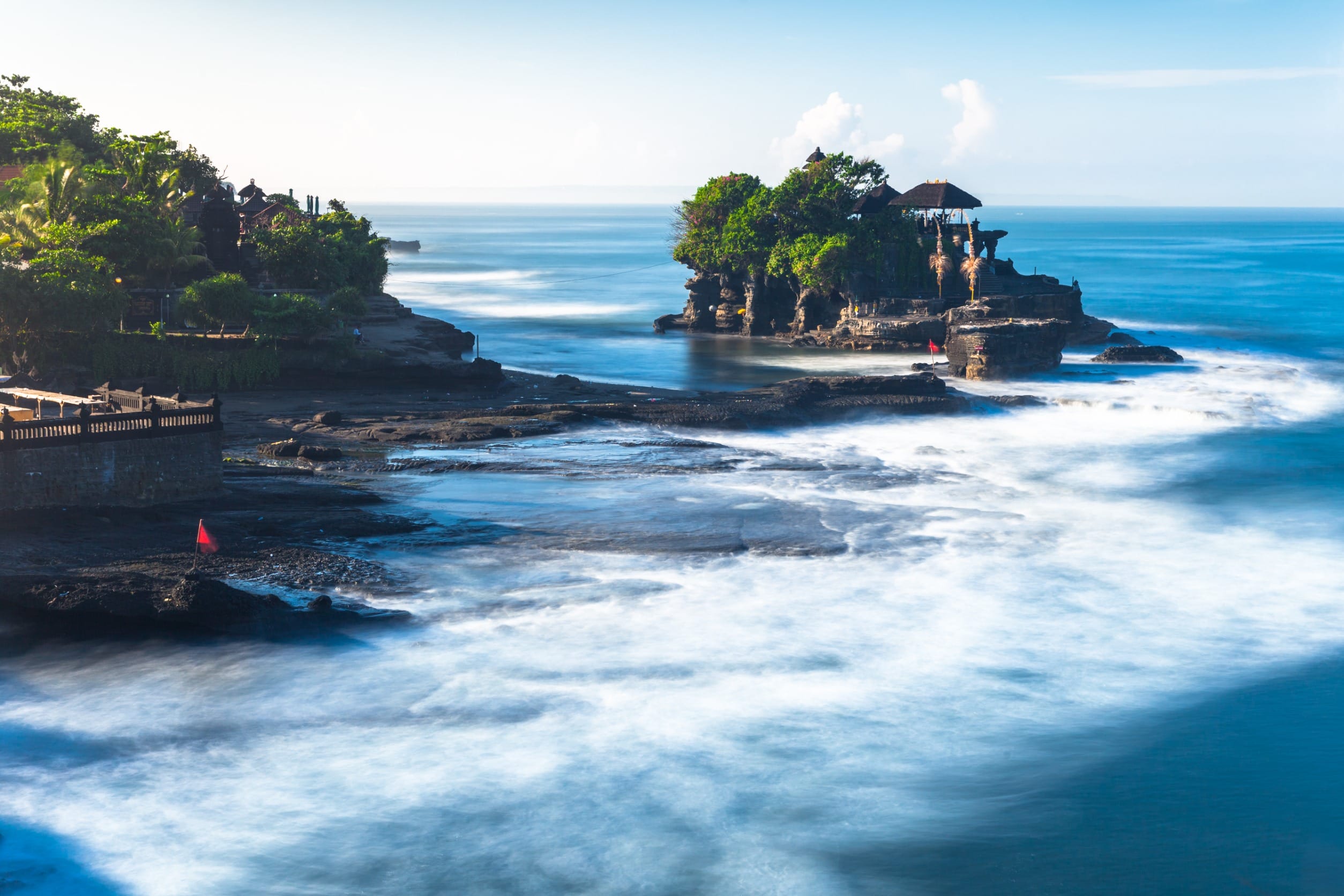
Bali, once a tranquil island paradise, has become overcrowded with tourists and suffers from pollution and traffic congestion. Overdevelopment has significantly degraded Bali’s natural beauty, with once-idyllic beaches littered with plastic waste. The rise in mass tourism has driven prices upwards, leaving travelers spending more for subpar experiences. Authentic cultural interactions are harder to find as many locations cater exclusively to tourists. Traffic jams are common, detracting from the relaxing vibe the island once offered. For peace and authenticity, travelers should explore less commercialized Indonesian islands.

6. Hollywood, Los Angeles

Hollywood’s glamorous reputation no longer matches reality, as tourists now encounter crowded sidewalks, tacky souvenir shops, and overpriced tours. The famed “Walk of Fame” is often dirty, overcrowded, and disappointing compared to its cinematic portrayal. High costs of accommodation and entertainment don’t align with the area’s limited genuine attractions. Persistent street vendors and aggressive solicitors further diminish the overall experience. Traffic congestion and high parking fees make visiting stressful rather than exciting. Travelers seeking authentic movie experiences might better enjoy studio tours outside Hollywood proper.

7. Times Square, New York City

Times Square has become an exhausting tourist trap rather than the vibrant cultural hub it once represented. It’s persistently overcrowded, noisy, and filled with chain stores and expensive restaurants catering solely to tourists. The iconic area is often chaotic, with aggressive street performers and solicitations distracting from its allure. Food and accommodation prices near Times Square are significantly inflated without offering commensurate quality. Authentic New York City experiences can be found far more affordably and enjoyably in other neighborhoods. For meaningful exploration, visitors should explore beyond this tourist-heavy epicenter.

8. Santorini, Greece

Santorini, famous for its blue-domed churches and breathtaking sunsets, is now severely affected by overtourism. The influx of cruise ship passengers leads to crowded streets, diminishing the relaxed, romantic atmosphere once associated with the island. Accommodation and dining costs have dramatically increased, with prices often far exceeding quality. Popular photo spots are overcrowded, leading to long waits and less enjoyable experiences. Local infrastructure struggles under tourist numbers, affecting overall enjoyment. Travelers seeking romantic and peaceful Greek experiences should consider less popular but equally charming islands.

9. Barcelona, Spain

Barcelona has fallen victim to its own popularity, facing issues such as overcrowded streets, overtourism, and rising costs. Iconic landmarks like La Sagrada Familia and Park Güell often require advance reservations, and their appeal is marred by overwhelming crowds. Tourists frequently encounter inflated prices for meals, lodging, and attractions, which don’t reflect genuine value. Pickpocketing and tourist-targeted scams have also increased significantly, further dampening the experience. Authentic interactions with locals have become challenging, as many neighborhoods cater exclusively to tourists. For genuine Spanish experiences, quieter cities or rural regions provide better value.

10. Dubai, UAE

Dubai, renowned for luxury and modernity, now feels artificial and excessively commercialized to many travelers. Attractions and shopping centers focus heavily on materialism rather than authentic cultural experiences. High costs and limited opportunities to engage genuinely with local culture make visits feel superficial. Overcrowding, especially during peak seasons, diminishes enjoyment of popular attractions like the Burj Khalifa and malls. Extreme temperatures and lack of natural greenery reduce outdoor activities and sightseeing. Travelers looking for culturally immersive and genuine Middle Eastern experiences will find better options elsewhere.

Seek Authenticity Over Popularity

Travel is most rewarding when destinations offer authentic experiences, genuine cultural immersion, and meaningful interactions. These 10 spots, despite their historic popularity, no longer provide travelers with the quality or satisfaction they expect. Avoiding overcrowded and over-commercialized locations will save you both time and money, allowing you to explore hidden gems and lesser-known destinations. Prioritizing authenticity and meaningful encounters over fame and trends will ensure more enriching vacations. Ultimately, thoughtful planning and awareness of current realities can guide you toward experiences worth remembering.

Read More

Why Your GPS Could Be the Reason You Get Robbed While Traveling

Road Trip Safety: No One Should Travel Without These 12 Essentials In Their Car

Latrice Perez

Latrice is a dedicated professional with a rich background in social work, complemented by an Associate Degree in the field. Her journey has been uniquely shaped by the rewarding experience of being a stay-at-home mom to her two children, aged 13 and 5. This role has not only been a testament to her commitment to family but has also provided her with invaluable life lessons and insights.

As a mother, Latrice has embraced the opportunity to educate her children on essential life skills, with a special focus on financial literacy, the nuances of life, and the importance of inner peace.

Filed Under: Travel Tagged With: travel, vacation, vacation spots

12 Overrated Vacation Destinations That Aren’t Worth Your Hard-Earned Cash

February 5, 2024 by Tamila McDonald Leave a Comment

Traveling is an enriching experience, offering the chance to explore new cultures, cuisines, and landscapes. However, not all destinations live up to their hype, and some are notoriously overvalued, promising more than they can deliver. Here’s a look at 12 overrated vacation destinations that aren’t worth your hard-earned cash.

1. Times Square, New York City

Often romanticized in films and television shows, Times Square in New York City is a hub of bright lights, big screens, and bustling crowds. However, this iconic location can be overwhelmingly crowded, excessively commercialized, and surprisingly expensive. With high-priced dining and shopping options tailored more towards tourists than locals, you might find yourself spending a fortune on mediocre experiences. Instead of lingering in this chaotic square, explore the city’s diverse neighborhoods, historic landmarks, and world-class museums to get a true taste of the Big Apple.

2. The Leaning Tower of Pisa, Italy

The Leaning Tower of Pisa is a marvel of medieval engineering, famous worldwide for its unintended tilt. However, the site is often swarmed by tourists attempting the clichéd ‘holding up the tower’ pose, leading to long wait times and a cluttered experience. The surrounding area is filled with vendors selling overpriced souvenirs, detracting from the historical significance of the site. Italy is rich with underappreciated gems, from the rolling hills of Tuscany to the serene canals of Venice, offering more rewarding and less congested experiences.

3. Hollywood Walk of Fame, Los Angeles

Los Angeles is a city of dreams, and the Hollywood Walk of Fame is a testament to the stars who have made it big. Yet, this famous sidewalk can be underwhelming, with its busy streets and commercial atmosphere overshadowing the glamor it’s supposed to represent. The area is also known for aggressive vendors and impersonators vying for tourists’ attention and money. For a more authentic LA experience, consider hiking up to Griffith Observatory for panoramic city views or exploring the vibrant arts scene in neighborhoods like Silver Lake and Echo Park.

4. Las Vegas Strip, Nevada

Las Vegas is synonymous with dazzling entertainment and opulent casinos. However, the Las Vegas Strip, with its extravagant hotels and casinos, can feel like an amusement park for adults, with high prices and sensory overload. Beyond the glitzy facades, the city lacks the cultural depth found in other destinations. For those seeking more than just bright lights and slot machines, the surrounding desert offers stunning natural landscapes like Red Rock Canyon, which provides a peaceful and scenic escape from the city’s hustle and bustle.

5. The Pyramids of Giza, Egypt

The Pyramids of Giza are a testament to ancient engineering and are rightfully one of the Seven Wonders of the Ancient World. However, the experience of visiting can be marred by the aggressive hawkers, crowded viewing spots, and the jarring sight of the urban sprawl encroaching on the ancient site. While the pyramids themselves are magnificent, the overall experience can be disappointing. For those fascinated by ancient Egyptian culture, the country offers numerous other sites like the temples of Luxor and Karnak, where one can explore in a more serene setting.

6. Stonehenge, United Kingdom

Stonehenge is an iconic prehistoric monument shrouded in mystery and historical significance. Yet, visitors might be surprised to find themselves kept at a distance from the stones, with the site often feeling more like a viewing platform than an immersive experience. The remote location and entry fees also contribute to an underwhelming visit. The UK is rich in history, and alternatives like the Roman Baths in Bath or the Edinburgh Castle in Scotland provide more engaging and accessible experiences.

7. The Little Mermaid Statue, Copenhagen

Copenhagen’s Little Mermaid statue, inspired by Hans Christian Andersen’s fairy tale, is a small and unassuming monument. Many tourists leave feeling underwhelmed by its size and the lack of fanfare surrounding the attraction. Copenhagen, however, is a vibrant city with much to offer, from the colorful Nyhavn harbor to the innovative culinary scene. A canal tour or a visit to the Tivoli Gardens might prove to be a more memorable use of time in this charming Danish capital.

8. Loch Ness, Scotland

The allure of Loch Ness is undeniably tied to the legend of its mythical inhabitant, Nessie. However, aside from the beautiful Scottish Highlands scenery, there’s not much to do at Loch Ness itself, and the chances of spotting the elusive monster are slim to none. The Highlands are full of stunning landscapes, historic castles, and whiskey distilleries that offer a more authentic taste of Scottish culture and natural beauty.

9. Mount Rushmore, South Dakota

Mount Rushmore, with the carved faces of four American presidents, is a symbol of national pride. However, the monument is smaller than expected and can be fully appreciated in a short visit, leaving some visitors questioning the long journey to this remote location. The surrounding Black Hills region, however, offers breathtaking natural beauty, with opportunities for hiking, cave exploration, and encountering wildlife, making it a worthwhile destination for nature enthusiasts.

10. The Mona Lisa, Louvre Museum, Paris

The Mona Lisa is perhaps the most famous painting in the world, housed in the Louvre, one of the most renowned museums. Yet, visitors are often surprised by the painting’s small size and the crowded conditions of its viewing area, making it difficult to appreciate the artwork. The Louvre itself is a treasure trove of art and history, with thousands of other works that can be enjoyed in a less congested setting. Exploring these lesser-known masterpieces might prove to be a more fulfilling experience.

11. Bali, Indonesia

Bali is celebrated for its stunning beaches, lush landscapes, and vibrant culture. However, some of its most popular areas have become overcrowded and overly commercialized, detracting from the island’s natural beauty and tranquility. For those seeking the serene paradise often depicted in photographs, exploring the less touristy parts of the island or neighboring islands like Lombok and the Gili Islands might offer a more authentic and peaceful experience.

12. The Dead Sea, Middle East

The Dead Sea is known for its hyper-saline water, allowing visitors to float effortlessly, and its mineral-rich mud, touted for its health benefits. However, the shrinking size of the sea, the commercialization of the beaches, and the sometimes overcrowded facilities can detract from the experience. For a more serene and natural setting, consider visiting the nearby nature reserves or taking a dip in the hot springs that dot the region, offering a tranquil retreat from the tourist crowds.

Ultimately

Ultimately, while these destinations are famous for a reason, the reality of visiting can sometimes fall short of expectations, primarily due to overcrowding, commercialization, or simply the buildup of hype. Travel is deeply personal, and what disappoints one person might delight another. The key is to research and look beyond the tourist hotspots, seeking out experiences that resonate with your interests and desires. Often, it’s the less heralded places that leave the most lasting impressions, offering genuine interactions and unspoiled beauty.

Do you know of any other overrated vacation destinations that aren’t worth the money? Do you think that some of the destinations above are actually worthwhile? Share your thoughts in the comments below.

Read More:

  • This Is How to Plan a Budget-Friendly Summer Vacation
  • How Much Does It Cost to Drive Across Country?
Tamila McDonald
Tamila McDonald

Tamila McDonald is a U.S. Army veteran with 20 years of service, including five years as a military financial advisor. After retiring from the Army, she spent eight years as an AFCPE-certified personal financial advisor for wounded warriors and their families. Now she writes about personal finance and benefits programs for numerous financial websites.

Filed Under: Personal Finance Tagged With: 12 Overrated Vacation Destinations That Aren't Worth Your Hard-Earned Cash, adventure, Getaway, Holiday, Sightseeing, Tourism, vacation

FOLLOW US

Search this site:

Recent Posts

  • Can My Savings Account Affect My Financial Aid? by Tamila McDonald
  • 12 Ways Gen X’s Views Clash with Millennials… by Tamila McDonald
  • What Advantages and Disadvantages Are There To… by Jacob Sensiba
  • 10 Tactics for Building an Emergency Fund from Scratch by Vanessa Bermudez
  • Call 911: Go To the Emergency Room Immediately If… by Stephen Kanaval
  • 7 Weird Things You Can Sell Online by Tamila McDonald
  • 10 Scary Facts About DriveTime by Tamila McDonald

Copyright © 2026 · News Pro Theme on Genesis Framework