• Home
  • About Us
  • Toolkit
  • Getting Finances Done
    • Hiring Advisors
    • Debt Management
    • Spending Plan
  • Insurance
    • Life Insurance
    • Health Insurance
    • Disability Insurance
    • Homeowners/Renters Insurance
  • Contact Us
  • Risk Tolerance Quiz
  • Our Editorial Commitment

The Free Financial Advisor

You are here: Home / Archives for bad credit

7 Ways Credit Card Debt Builds Faster Than Expected

January 10, 2026 by Brandon Marcus Leave a Comment

There Are 7 Ways Credit Card Debt Builds Faster Than Expected
Image Source: Shutterstock.com

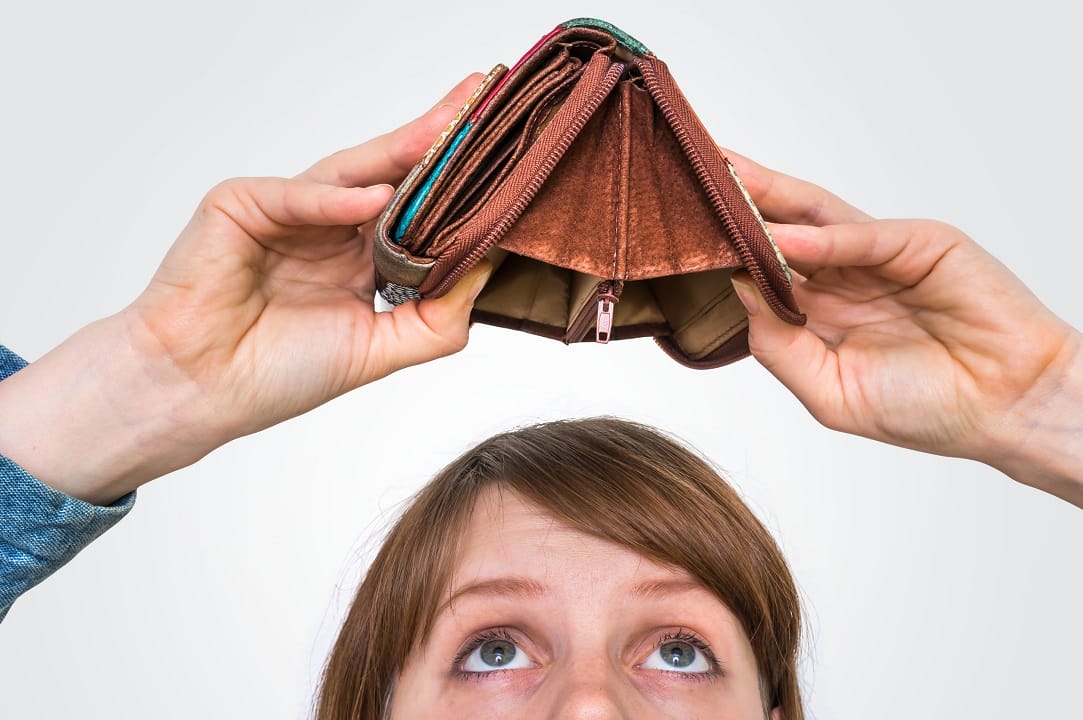
Credit card debt can climb higher than a kite on a windy day, and it often does it before you even realize what’s happening. One swipe at the store or a quick “treat yourself” purchase online can feel harmless, but those numbers on your statement have a mind of their own. Suddenly, the balance grows, interest adds up, and you’re left wondering how you went from “I’ve got this” to “Wait, what just happened?”

Understanding how debt accelerates is like learning the secret rules of a game you didn’t even know you were playing.

High Interest Rates Can Multiply Your Balance

Interest rates on credit cards are notoriously high, often creeping over 20% annually. When you carry a balance, that interest isn’t just a tiny add-on; it compounds, meaning you’re paying interest on interest. The more you wait to pay off your balance, the more it balloons. Even small everyday purchases, if left unpaid, can become surprisingly hefty after a few billing cycles.

Credit cards often calculate interest daily, so a $50 coffee habit could snowball in ways you never imagined. This is why understanding your card’s APR (annual percentage rate) is more than just reading fine print—it’s your financial survival tool. Ignoring interest might feel harmless at first, but over time, it becomes one of the biggest drivers of debt growth.

Minimum Payments Give A False Sense Of Progress

Making the minimum payment seems responsible, right? Unfortunately, it’s often just a tiny dent in a huge mountain of debt. Minimum payments are calculated to keep you in the cycle longer, not to help you get out of it quickly. Paying only the minimum can stretch years of payments into decades, while most of your money goes straight to interest rather than reducing the principal. This slow-motion trap creates the illusion that you’re staying on top of your finances while the debt quietly swells. Many people are shocked when they finally add up all the minimum payments made over time—sometimes totaling far more than the original charges. Understanding the true impact of minimum payments is essential for anyone wanting to take control before the debt grows uncontrollably.

Hidden Fees Can Add Up Stealthily

Late fees, over-limit fees, and balance transfer charges all add to the already heavy load of your credit card. Missing just one payment can trigger a $25 to $40 fee, and some cards even hike up your interest rate after a single late payment. If you’re not actively checking your statements, these fees can quietly multiply, making your debt climb faster than expected. Foreign transaction fees or annual fees also add layers of cost that aren’t obvious day-to-day. Even small “invisible” fees, when combined with interest, can dramatically accelerate your debt. Staying aware of your card’s fee structure and payment schedule is crucial to avoiding these hidden accelerants.

Rewards And Perks Can Encourage Overspending

Credit cards often tempt us with points, cashback, and special perks, which can feel like free money—but they can also lead to overspending. If you buy things you don’t need just to earn rewards, your balance can rise quickly without you realizing it. The psychology of rewards encourages more spending, often on unnecessary items, because the “benefit” seems to justify the cost.

Over time, chasing points can turn a manageable balance into a substantial financial burden. Many people start with good intentions—earning miles for a vacation, or cashback for groceries—but before long, the debt grows faster than the rewards themselves. Being strategic about rewards, rather than letting them dictate spending, is key to staying in control.

There Are 7 Ways Credit Card Debt Builds Faster Than Expected
Image Source: Shutterstock.com

ol.


Balance Transfers Can Be Misleadingly Risky

Balance transfers sound like a clever solution to high-interest debt, but they can be a double-edged sword. Introductory rates may seem attractive, but once the promotional period ends, the standard interest rate can hit hard. If you continue to spend on the new card without paying down the transferred balance, debt grows unexpectedly fast. Many people underestimate how quickly the clock runs out on low-interest offers. It’s easy to fall into the trap of thinking you’re making progress, while in reality, the underlying debt isn’t shrinking much. Careful planning and discipline are necessary to truly benefit from a balance transfer instead of letting it accelerate your financial problem.

Emotional Spending Adds Hidden Momentum

Impulse buying isn’t just a minor indulgence—it can actively contribute to debt growth. Retail therapy, last-minute online splurges, or buying “just because” can add up, and it often happens when you’re not paying close attention. Emotional spending is unpredictable and tends to cluster during stressful periods, vacations, or holidays. The impact of these seemingly small decisions compounds when combined with high-interest rates and minimum payments. Understanding the emotional triggers that lead to overspending is an important part of controlling your financial trajectory. Without awareness, emotional spending can stealthily turn manageable debt into a pressing crisis.

Multiple Cards Can Multiply Complexity

Having more than one credit card may seem convenient, but juggling multiple balances can make it harder to track spending and payments. Each card has its own interest rate, due date, and fee schedule, creating a tangle of financial obligations. Missing one payment while keeping up with another can trigger fees and higher interest, amplifying overall debt. Multiple cards can also encourage larger total spending because the perceived limit feels higher. For many, the complexity of managing several cards leads to mistakes or procrastination, both of which allow debt to expand unchecked. Consolidating balances or keeping a clear plan for each card is often the simplest way to avoid an unexpected climb in debt.

Your Turn To Weigh In

Credit card debt isn’t inherently evil, but its growth can surprise even the most careful spender. From high interest rates to emotional impulses, there are many forces quietly fueling the rise of your balance. Awareness, strategic planning, and disciplined payment habits are your best defenses against runaway debt.

Have you noticed any surprising ways your own debt has grown—or learned clever strategies to fight back? Jump into the comments and tell us what’s worked for you, what hasn’t, or anything that caught you off guard.

You May Also Like…

6 Warning Signs That Your Credit Card Is A Problem

8 Times “0% Interest” Credit Cards Turn Into Financial Traps

The 6 Most Common Mistakes Young People Make About Credit

Holiday Debt: 9 Warning Signs Your Spending Is Already Off Track

Debt Overhang: 8 Ways Carrying Debt Into Retirement Can Undermine Your Progress


Brandon Marcus
Brandon Marcus

Brandon Marcus is a writer who has been sharing the written word since a very young age. His interests include sports, history, pop culture, and so much more. When he isn’t writing, he spends his time jogging, drinking coffee, or attempting to read a long book he may never complete.

Filed Under: credit cards Tagged With: bad credit, credit card, Credit card debt, credit card rewards, credit cards, credit repair, credit report, credit score, Debt, eliminating debt, fees, Hidden Fees, interest rates, minimum payments, payoff debt

Why Do Families Rely on Payday Loans in Emergencies

September 24, 2025 by Travis Campbell Leave a Comment

payday loan
Image source: pexels.com

When a sudden crisis hits, many families find themselves scrambling to cover unexpected expenses. Medical bills, urgent car repairs, or even a missed paycheck can quickly become overwhelming. In these moments, families often turn to payday loans as a quick fix. While payday loans are controversial, their use in emergencies is a reality for many households. Understanding why families rely on payday loans in emergencies can help shed light on the financial pressures people face and the limited options available to them.

1. Immediate Access to Cash

The main reason families rely on payday loans in emergencies is the speed with which they can access money. Traditional loans from banks or credit unions often involve lengthy applications, credit checks, and waiting periods. When time is of the essence—like when the car breaks down or a utility bill is due—families need money fast. Payday lenders offer same-day cash, sometimes within minutes of approval. This instant access can make all the difference during an emergency, especially when other sources are unavailable.

2. Few Alternatives for Bad Credit

Many families who use payday loans in emergencies have poor or limited credit histories. Banks and credit card companies may deny them loans or lines of credit, leaving few alternatives. Payday lenders typically do not require a strong credit score, making their services more accessible to those with financial struggles. For families with bad credit or no credit, payday loans can seem like the only realistic option when they need emergency funds.

3. Unpredictable Expenses and Inconsistent Income

Emergencies rarely happen at convenient times. For families living paycheck to paycheck or with variable income, even a small surprise expense can cause major stress. Gig workers, seasonal employees, and those with unpredictable schedules may not always have money set aside for emergencies. When a crisis arises, payday loans can provide a quick financial cushion. Even though the costs are high, the alternative—missing rent, losing a job due to lack of transportation, or facing a utility shutoff—can feel even worse.

4. Lack of Savings or Emergency Funds

Building an emergency fund is a challenge for many families. Rising costs of living, stagnant wages, and regular bills can make it difficult to save. Without a financial safety net, families are more vulnerable when something goes wrong. Payday loans step in to fill this gap, providing a short-term solution to immediate problems. Even though most financial advisors recommend against them, the lack of savings often leaves families feeling like they have no choice.

5. Ease and Simplicity of the Payday Loan Process

Another reason families rely on payday loans in emergencies is the straightforward application process. Most payday lenders require only basic identification, proof of income, and a bank account. There’s minimal paperwork, and no lengthy interviews or complicated forms. For someone dealing with stress or urgency, this simplicity can be very appealing. It’s often easier than asking family or friends for help or navigating government assistance programs.

6. Limited Awareness of Other Options

Many families are not aware of alternatives to payday loans, especially during stressful emergencies. Nonprofit organizations, local charities, and community banks may offer small-dollar loans or emergency grants, but these options are not always well-publicized. Financial education is not universal, and people may not know where to turn. Payday lenders often advertise aggressively, making their services top-of-mind when cash is needed fast. This lack of awareness can keep families stuck in a cycle of high-cost borrowing.

7. Perceived Control and Privacy

For some, payday loans offer a sense of control and privacy. Borrowing from friends or family can feel embarrassing or come with strings attached. Applying for government assistance may involve long waits and complicated paperwork. Payday lenders, on the other hand, allow families to handle emergencies on their own terms. The transaction is often discreet, with little judgment or questioning. While this independence comes at a high financial cost, it can be a powerful motivator for people in distress.

Facing the Realities of Payday Loan Use in Emergencies

Payday loans in emergencies are a symptom of deeper financial challenges that many families face. Limited access to affordable credit, lack of savings, and unpredictable expenses create a landscape where payday loans become the “least bad” option. While they provide immediate relief, the high fees and interest can trap families in a cycle of debt. Exploring safer alternatives, like local credit unions or nonprofit lenders, is important, but these options may not always be available or accessible when time is short.

Building an emergency fund, even a small one, can also help reduce the need for high cost borrowing in the future. Financial education and community support are key to helping families break free from reliance on payday loans in emergencies.

Have you or someone you know used payday loans in emergencies? What alternatives do you think could help families avoid them? Share your thoughts in the comments below.

What to Read Next…

  • The Benefits of Taking Personal Loans and Their Impact on Credit Scores
  • 5 Emergency Repairs That Could Force You into Debt Overnight
  • Why Some People Feel Rich but Can’t Afford a $400 Emergency
  • Are Budgeting Apps Designed to Push You into Debt?
  • 7 Financial Assumptions That Collapse After One Health Emergency
Travis Campbell
Travis Campbell

Travis Campbell is a digital marketer/developer with over 10 years of experience and a writer for over 6 years. He holds a degree in E-commerce and likes to share life advice he’s learned over the years. Travis loves spending time on the golf course or at the gym when he’s not working.

Filed Under: Debt Management Tagged With: alternatives to payday loans, bad credit, emergency expenses, family finances, financial stress, payday loans

Credit Score Killers: 7 Mistakes You’re Probably Guilty Of

February 14, 2025 by Latrice Perez Leave a Comment

Hand holding credit card
Image Source: 123rf.com

Your credit score plays a crucial role in your financial health, but small missteps can cause major damage. Many people unknowingly make credit mistakes that lower their scores and make it harder to get loans, mortgages, or even a good interest rate. The good news? Once you recognize these common pitfalls, you can take steps to correct them and boost your score. Here are seven credit mistakes you might be making—and how to fix them before they hurt your financial future.

Missing Payments

Even one missed payment can significantly impact your credit score. Payment history makes up about 35% of your score, making it the most important factor. Late payments stay on your credit report for up to seven years, making lenders view you as a risky borrower. Setting up automatic payments or reminders can help you avoid this common mistake. The key is to always pay at least the minimum amount due on time to protect your score.

Maxing Out Your Credit Cards

Woman paying with contactless credit card in cafe
Image Source: 123rf.com

Using too much of your available credit can make you look financially overextended. Your credit utilization ratio—how much of your credit limit you use—should ideally stay below 30%. Maxing out your credit cards not only lowers your score but also increases the risk of accumulating high-interest debt. Paying down balances regularly and keeping your spending in check will help maintain a healthy credit score. If possible, spread your purchases across multiple cards to keep utilization low.

Closing Old Credit Accounts

It might seem like a good idea to close old credit cards you no longer use, but doing so can actually hurt your score. Length of credit history accounts for about 15% of your credit score, so older accounts add to your financial stability. When you close an account, it reduces your total available credit, increasing your utilization ratio. Instead of closing old accounts, consider keeping them open and using them occasionally to keep them active. Maintaining a long credit history shows lenders you’re a responsible borrower.

Applying for Too Many Loans at Once

Every time you apply for a new credit card or loan, the lender performs a hard inquiry on your credit report. Too many hard inquiries in a short period can signal financial distress and lower your score. While one or two inquiries won’t hurt much, multiple applications in a short time can be a red flag to creditors. To minimize the impact, only apply for new credit when necessary and research your options before submitting applications. Responsible credit use means spacing out inquiries and choosing the right financial products.

Ignoring Your Credit Report

Many people don’t check their credit reports regularly, leaving mistakes and fraud undetected. Errors such as incorrect account balances or unauthorized accounts can drag down your score. Federal law allows you to check your credit report for free once a year from each major credit bureau. Reviewing your report helps you spot inaccuracies and dispute them before they cause lasting damage. Staying proactive about your credit history can prevent unnecessary drops in your score.

Only Paying the Minimum Balance

Paying only the minimum amount due may keep your account in good standing, but it can still hurt your credit. High-interest charges accumulate, making it harder to pay off your balance in full. A high balance increases your credit utilization ratio, which can lower your score over time. Aim to pay more than the minimum whenever possible, focusing on reducing high-interest debt first. Keeping balances low and making larger payments will improve your financial standing.

Co-Signing Without Understanding the Risks

Co-signing a loan means you’re equally responsible for the debt, even if you’re not the one using the funds. If the primary borrower misses payments or defaults, your credit score takes a hit. Many people co-sign without fully considering the financial risks, leading to unexpected credit damage. Before agreeing to co-sign, make sure you trust the borrower and understand the long-term consequences. If possible, have a repayment plan in place to avoid credit issues.

Take Control of Your Credit Today!

Avoiding these common credit mistakes can protect your financial future and keep your score in good shape. Review your credit habits, make adjustments where needed, and stay proactive about maintaining good credit. The stronger your credit score, the easier it will be to achieve financial goals like buying a home or securing low-interest loans.

Which of these mistakes have you been guilty of? Share this article to help others improve their credit too!

Read More:

Think You’re Safe? 8 Risks of Being Added as an Authorized User on a Credit Card Without Your Knowledge

What Should I Do If I Receive a Summons for Credit Card Debt?


Latrice Perez

Latrice is a dedicated professional with a rich background in social work, complemented by an Associate Degree in the field. Her journey has been uniquely shaped by the rewarding experience of being a stay-at-home mom to her two children, aged 13 and 5. This role has not only been a testament to her commitment to family but has also provided her with invaluable life lessons and insights.

As a mother, Latrice has embraced the opportunity to educate her children on essential life skills, with a special focus on financial literacy, the nuances of life, and the importance of inner peace.

Filed Under: credit cards Tagged With: bad credit, credit card tips, credit mistakes, credit repair, credit report, credit score, Debt Management, Financial Health, money management, Personal Finance

Can I Get A HELOC With Bad Credit: 12 Reasons Why You Shouldn’t

May 29, 2024 by Toi Williams Leave a Comment

HELOC wIth bad credit
via 123RF

Home Equity Lines of Credit (HELOCs) can be a tempting option for homeowners looking to tap into their home’s equity. However, if you have bad credit, obtaining a HELOC may not be the wisest financial decision. While it’s possible to get approved, there are significant risks and drawbacks to consider. Here are 12 reasons why you shouldn’t get a HELOC with bad credit.

1. Higher Interest Rates

via 123RF

With bad credit, lenders view you as a higher-risk borrower. This means you’ll likely face much higher interest rates compared to someone with good credit. Higher interest rates can significantly increase the cost of borrowing, making the HELOC more expensive in the long run. The additional cost in interest can outweigh the benefits of accessing your home’s equity, especially if you’re already struggling financially. It’s essential to calculate the total cost of borrowing and consider whether it’s worth the financial burden.

2. Increased Monthly Payments

via 123RF

Higher interest rates also lead to higher monthly payments. If you’re already dealing with financial difficulties, adding a large monthly payment to your budget can exacerbate your financial stress. Missing payments on your HELOC can lead to serious consequences, including damage to your credit score and potential foreclosure. It’s crucial to ensure you can comfortably afford the payments before taking on additional debt.

3. Risk of Foreclosure

via 123RF

A HELOC is secured by your home, meaning if you fail to make payments, the lender can foreclose on your property. With bad credit, your financial situation is already precarious, and taking on a HELOC increases the risk of losing your home if you can’t keep up with payments. Foreclosure not only results in the loss of your home but also severely damages your credit score, making it even harder to secure credit in the future. The risk of foreclosure should be a significant deterrent when considering a HELOC with bad credit.

4. Variable Interest Rates

via 123RF

Most HELOCs have variable interest rates, which means the interest rate can fluctuate over time. With bad credit, you may already be dealing with high interest rates, and an increase can make your payments even more unaffordable. Variable rates add a layer of unpredictability to your financial planning. If rates rise significantly, you might find yourself unable to meet the payment obligations, leading to financial distress.

5. Additional Fees and Costs

via 123RF

Obtaining a HELOC comes with various fees and costs, such as application fees, appraisal fees, and closing costs. With bad credit, lenders may charge higher fees to offset the risk, adding to the overall expense of the loan. These upfront costs can be a financial strain, especially if you’re already in a precarious financial situation. It’s important to consider whether you can afford these additional expenses before pursuing a HELOC.

6. Impact on Credit Score

via 123RF

Applying for a HELOC with bad credit can further impact your credit score. The application process involves a hard inquiry, which can lower your score. Additionally, taking on more debt can increase your debt-to-income ratio, negatively affecting your credit profile. If you struggle to make payments, missed or late payments will further damage your credit score, making it even more challenging to secure favorable credit in the future.

7. Limited Borrowing Power

via 123RF

With bad credit, you may not be able to borrow as much as you need. Lenders are likely to offer a smaller credit line to minimize their risk, which might not meet your financial needs. A smaller HELOC might not be worth the costs and risks, especially if it doesn’t provide sufficient funds for your intended purpose. Exploring other borrowing options that might offer more favorable terms could be a better strategy.

8. Negative Equity Risk

via 123RF

If the value of your home decreases, you could end up owing more than your home is worth, leading to negative equity. This is particularly risky if you have bad credit, as it limits your ability to refinance or sell your home. Negative equity can trap you in an unfavorable financial situation, making it difficult to move or improve your financial standing. Avoiding additional debt that could exacerbate this risk is a prudent decision.

9. Strain on Finances

via 123RF

Taking on a HELOC with bad credit can put a significant strain on your finances. The added debt and higher payments can stretch your budget thin, leaving little room for savings or emergency expenses. This financial strain can lead to increased stress and impact your overall quality of life. It’s important to consider whether the benefits of the HELOC outweigh the potential negative impact on your financial well-being.

10. Potential for Over-Borrowing

via 123RF

Access to a HELOC can tempt you to borrow more than you need, especially if you’re using it for discretionary spending. Over-borrowing can lead to a cycle of debt that’s difficult to escape, particularly if you’re already struggling with bad credit. It’s essential to borrow only what you need and have a clear plan for repayment. Discipline and careful planning are crucial to avoid falling into a debt trap.

11. Alternatives May Be Better

via 123RF

There are often better alternatives to a HELOC for those with bad credit. Personal loans, debt consolidation loans, or working with a credit counselor to manage your debts might provide more favorable terms and reduce the risks associated with a HELOC. Exploring these alternatives can help you find a solution that improves your financial situation without putting your home at risk.

12. Long-Term Financial Impact

via 123RF

The long-term financial impact of a HELOC with bad credit can be severe. Higher interest rates, increased debt load, and potential foreclosure can create lasting financial difficulties. It’s crucial to consider the long-term consequences and whether a HELOC is the best solution for your financial needs. Taking a comprehensive view of your financial health and considering all options can help you make a more informed decision that supports your long-term financial stability.

Consider Your Options Carefully

via 123RF

While a HELOC can be a valuable financial tool, it’s not always the best choice for those with bad credit. The risks and potential negative impacts often outweigh the benefits, making it crucial to explore other options. By considering alternatives and focusing on improving your credit score, you can find more favorable borrowing solutions that support your financial health. Remember, making informed decisions today can lead to a more secure and prosperous future.

Toi Williams
Toi Williams

Toi Williams began her writing career in 2003 as a copywriter and editor and has authored hundreds of articles on numerous topics for a wide variety of companies. During her professional experience in the fields of Finance, Real Estate, and Law, she has obtained a broad understanding of these industries and brings this knowledge to her work as a writer.

Filed Under: Real Estate Tagged With: bad credit, credit, homeownership, Real estate

What Is A Hard Inquiry & How Does It Affect Your Credit Score?

March 20, 2023 by Susan Paige Leave a Comment

Applying for credit is a common aspect of managing one’s personal finances. However, not many people are aware of the impact that credit inquiries can have on their credit scores.

In this blog post, we’ll discuss the concept of a hard inquiry, its effect on your credit score, and how to minimize its impact.

What Is A Hard Inquiry?

A hard inquiry, also known as a hard credit check or hard pull, occurs when a lender checks your credit report as part of their decision-making process when you apply for credit. In fact, hard inquiries take anywhere from 3 to 7 points off your credit score.

Common examples of situations that trigger a hard inquiry include applying for a credit card, mortgage, auto loan, or personal loan. Lenders use the information on your credit report to assess your creditworthiness and determine whether to approve your credit application. Hard inquiries typically remain on your credit report for two years.

How Hard Inquiries Affect Your Credit Score

Hard inquiries can have a negative impact on your credit score, albeit a relatively small one. According to FICO, hard inquiries account for about 10% of your total credit score. A single hard inquiry can cause your credit score to drop by a few points, but the effect is usually temporary and tends to lessen over time.

Multiple hard inquiries within a short period can be more damaging, as they may signal to lenders that you are experiencing financial difficulties or are seeking new credit irresponsibly.

Rate Shopping And Its Impact On Hard Inquiries

Rate shopping refers to the process of applying for credit with multiple lenders to find the best interest rate or loan terms. While it’s a smart financial move, rate shopping can potentially result in multiple hard inquiries on your credit report.

Fortunately, credit scoring models, like FICO and VantageScore, recognize that rate shopping is a common practice and have built-in provisions to protect consumers.

These models use a process called “deduplication“, which groups together multiple hard inquiries for the same type of credit within a specific time frame (usually 14 to 45 days) and treats them as a single inquiry.

This means that when you’re rate shopping, you should try to complete all applications within a short period to minimize the impact on your credit score.

The Difference Between Hard And Soft Inquiries

It’s essential to differentiate between hard and soft inquiries, as they have different effects on your credit score.

While hard inquiries result from applying for credit and can negatively impact your score, soft inquiries do not affect your credit score.

Soft inquiries occur when you or a third party, such as an employer or a company offering a pre-approved credit card, checks your credit report for reasons unrelated to a credit application.

How To Minimize The Impact Of Hard Inquiries

To protect your credit score from the negative effects of hard inquiries, consider the following tips:

  • Apply for credit only when necessary: Limit the number of hard inquiries by applying for credit only when you genuinely need it.
  • Rate shop within a short period: Complete all loan or credit applications within a 14 to 45-day window to take advantage of deduplication.
  • Maintain good credit habits: Focus on other aspects of your credit score, such as timely payments, low credit utilization, and maintaining a diverse mix of credit accounts.

Conclusion

Hard inquiries are an inevitable part of the credit application process, but understanding their impact on your credit score can help you make better financial decisions. While hard inquiries can temporarily lower your credit score, practicing good credit habits and minimizing the number of inquiries can mitigate their effects.

What Is The Minimum Credit Score Needed For Care Credit

Yes, These Are The Best Credit Cards for 18 Year Olds

How To Answer A Civil Summons For Credit Card Debt

Filed Under: credit score Tagged With: bad credit, credit

How People with Bad Credit Can Survive the Storm

January 12, 2016 by Joe Saul-Sehy Leave a Comment

Credit ScoreThe upcoming storm of rising interest rates and increasing lender cautiousness makes life difficult for people with already bad credit ratings. In the coming year, you will have to tighten up and you will have to make a new start to get your credit rating back on track. Forget about the mistakes of the past and read our tips for how people with bad credit can survive the storm.

Don’t Cancel Your Credit Cards 

Do you have a spending bug you can’t seem to beat? The worst thing you can do is to cancel your credit cards. Unbelievably, this is a sign of panic and lenders will kick your credit score in the pants for doing it. The alternative is to leave these lines of credit open, but cut up the card. That way you’ve effectively closed your account without hurting your credit score.

Can You Kick a Debt Quick?

The reason why so many people have bad credit is spiraling debt. They get into a situation where they have so many bills coming in they can’t pay them all off and they barely remember who they owe and how much they have to pay.

Start the next year by hitting a debt right between the eyes. Get together a lump sum and pay off some debts in their entirety. This is a form of debt consolidation that will make it easier to rebuild your credit rating later on.

Talk to Your Lenders

It’s amazing how many borrowers won’t speak to the people who have leant them money. Nevertheless, this is a powerful tool in your resource. If you’re having problems paying your debts or rebuilding your credit rating, talk to these people. Tell them your difficulties.

They’ll often work out a different agreement to help you make your repayments. They don’t care about anything except getting their money back, so any chance to make a formal arrangement will be grasped with both hands.

Too Many Loans?

This is the first step. We’re not saying that you need to stop taking out all loans. You need some lines of credit if you’re going to rebuild your score. However, what people need to understand is that in the future lenders are going to be more stringent than ever before. Every rejected application leaves a stain on your credit record; therefore, you should only apply for loans you’re practically guaranteed to receive. A good choice might be a company like the scottishtrustdeed.co.uk where their focus is to help people find personal loans with bad credit.  Interest rates will be higher but again your best bet is to not apply for loans.

Get a “Bad Credit” Credit Card

Someone with bad credit has the problem of not being able to easily get any new lines of credit. They need a higher rating. This is where “bad credit” credit cards come in. These are types of cards designed specifically for people with bad credit.

Here are some characteristics of these cards:

  • Higher interest rates.
  • Lower limits.
  • Lack of choice.

As you can see, the upcoming debt storm isn’t a reason to panic. Keep a cool head and you should have no problems getting out of that pit of bad credit.

Photo of Joe Saul-Sehy
Joe Saul-Sehy

Joe is a former financial advisor and media representative for American Express and Ameriprise. He was the “Money Man” at Detroit television WXYZ-TV, appearing twice weekly. He’s also appeared in Bride, Best Life, and Child magazines, the Los Angeles Times, Chicago Sun-Times, Detroit News and Baltimore Sun newspapers and numerous other media outlets.  Joe holds B.A Degrees from The Citadel and Michigan State University.

joesaulsehy.com/

Filed Under: Debt Management, Featured, Planning Tagged With: bad credit, credit score, Debt

FOLLOW US

Search this site:

Recent Posts

  • Can My Savings Account Affect My Financial Aid? by Tamila McDonald
  • 12 Ways Gen X’s Views Clash with Millennials… by Tamila McDonald
  • What Advantages and Disadvantages Are There To… by Jacob Sensiba
  • 10 Tactics for Building an Emergency Fund from Scratch by Vanessa Bermudez
  • Call 911: Go To the Emergency Room Immediately If… by Stephen Kanaval
  • 7 Weird Things You Can Sell Online by Tamila McDonald
  • 10 Scary Facts About DriveTime by Tamila McDonald

Copyright © 2026 · News Pro Theme on Genesis Framework