
• Home
  • About Us
  • Toolkit
  • Getting Finances Done
    • Hiring Advisors
    • Debt Management
    • Spending Plan
  • Insurance
    • Life Insurance
    • Health Insurance
    • Disability Insurance
    • Homeowners/Renters Insurance
  • Contact Us
  • Privacy Policy
  • Risk Tolerance Quiz

The Free Financial Advisor

You are here: Home / Archives for spending

Why Do Grocery Prices Feel Higher No Matter Where You Shop Now

January 7, 2026 by Brandon Marcus Leave a Comment

Why Do Grocery Prices Feel Higher No Matter Where You Shop Now

Image Source: Shutterstock.com

Your grocery cart is rolling, your list is modest, and your expectations are reasonable—yet somehow the total on the screen feels like it just did a backflip. That jolt at the checkout isn’t your imagination or a bad week for coupons. Grocery shopping today feels like an extreme sport where prices leap, land, and laugh while you clutch a receipt that looks longer than your arm. From discount chains to upscale markets, the shock feels universal, relentless, and oddly personal. So what’s actually going on behind those stubborn price tags that refuse to calm down?

Inflation Is Still Lingering In Everyday Aisles

Inflation may not dominate headlines the way it once did, but it hasn’t packed up and left the grocery store. Food prices are especially sensitive to inflation because they rely on energy, labor, transportation, and raw materials, all of which became more expensive over the last few years. Even when inflation slows, prices rarely roll back in a meaningful way. Instead, they settle at a higher baseline that quietly becomes the new normal. That lingering effect makes every trip feel pricier, even if increases are smaller than before.

Another sneaky factor is “price memory,” where shoppers compare today’s costs to what they remember paying years ago. A gallon of milk or a loaf of bread sticks in the mind, so when the number jumps, it feels outrageous even if the increase happened gradually. Inflation reshaped expectations as much as it reshaped price tags. That mental gap between what feels fair and what rings up is a big reason grocery bills still sting.

Supply Chains Are Shorter, Pricier, And More Fragile

The global supply chain didn’t fully snap back to its old rhythm, and grocery prices are paying the price. Many companies shifted to shorter, more regional supply chains to avoid disruptions, which sounds smart but often costs more. Local sourcing can reduce risk, yet it frequently comes with higher production and labor expenses. Those costs travel straight from farms and factories to your cart.

Transportation remains another major pressure point. Fuel prices fluctuate, trucking shortages persist, and shipping logistics are more complex than they used to be. Even small delays or inefficiencies ripple outward, raising costs across entire product categories. When every step of the journey costs a bit more, groceries end up feeling universally expensive no matter where you shop.

Brands And Stores Are Quietly Changing What You Get

Prices don’t always rise loudly; sometimes they whisper through smaller packages and subtle swaps. Shrinkflation has become a familiar frustration, with boxes getting slimmer and bags feeling lighter while prices stay the same or climb. That creates the illusion of stability while your money buys less food. Shoppers notice eventually, and the sense of being shortchanged adds to the sticker shock.

Store brands aren’t immune either. Private labels once felt like a reliable escape hatch, but many retailers raised those prices too as ingredient and manufacturing costs increased. Some stores adjusted recipes, sourcing, or packaging to control expenses, which can change quality or value perception. When even the “cheap” options feel expensive, the entire store seems hostile to your budget.

Why Do Grocery Prices Feel Higher No Matter Where You Shop Now

Image Source: Shutterstock.com

Consumer Behavior Is Changing The Price Landscape

Shopping habits themselves are reshaping grocery pricing in unexpected ways. More people now buy online, use delivery services, or opt for curbside pickup, all of which add operational costs for retailers. Those conveniences don’t come free, even if the fees aren’t obvious at first glance. Over time, the cost of speed and flexibility gets baked into shelf prices.

At the same time, shoppers are chasing deals more aggressively, jumping between stores and hunting promotions. That behavior pressures retailers to rely on dynamic pricing, targeted discounts, and loyalty programs that favor some shoppers over others. If you’re not playing the game just right, prices can feel punishing. The result is a shopping experience that feels uneven, confusing, and consistently expensive.

Wages, Labor Shortages, And The Human Cost Of Food

Behind every stocked shelf is a workforce that has grown more expensive to maintain. Grocery stores, farms, processing plants, and warehouses all faced labor shortages that pushed wages higher. Paying workers more is essential, but it also raises the cost of doing business. Those increases don’t vanish; they flow through to the final price you see.

Labor challenges also affect efficiency. Fewer workers can mean slower restocking, reduced hours, or less competition between suppliers. That environment gives prices more room to climb and less reason to fall. When the human side of food production strains, the financial strain shows up right on the receipt.

The Checkout Reality We’re All Navigating

Grocery prices feel higher everywhere because multiple forces are pulling in the same direction at once. Inflation, supply chains, labor costs, shifting shopping habits, and quiet changes in packaging all stack together into one loud total at checkout. It’s not just one store or one brand; it’s an entire system adjusting to a new economic rhythm. Understanding the reasons doesn’t make the bill smaller, but it can make the experience feel less baffling.

If you’ve noticed strange price jumps, clever shrinkage, or surprising totals lately, jump into the comments below and let others know what you’re seeing in your own grocery runs.

You May Also Like…

9 Everyday Items You’re Wildly Overpaying For at the Grocery Store

Can Your Grocery Store Loyalty Card Be Used to Track You?

Expense Trap: 7 Inflation Surprises That Sneak Up on Middle-Aged Investors

How Your Grocery Store Loyalty Card Could Trigger Higher Prices

The Real Reasons Fast-Food Chains Are Charging You More for Less Food

Brandon Marcus
Brandon Marcus

Brandon Marcus is a writer who has been sharing the written word since a very young age. His interests include sports, history, pop culture, and so much more. When he isn’t writing, he spends his time jogging, drinking coffee, or attempting to read a long book he may never complete.


Filed Under: Spending Habits Tagged With: brands, consumer, customers, food, food and drink, grocery budget, Grocery savings, grocery shopping, grocery store, Inflation, labor shortage, name brands, overspending, Shopping, Smart Spending, spending, Spending Habits, supply chain, wages

7 Monthly Bills That Keep Rising Even When You Use Less

January 7, 2026 by Brandon Marcus Leave a Comment

7 Monthly Bills That Keep Rising Even When You Use Less

Image Source: Shutterstock.com

Ever feel like you’re playing a game where the rules keep changing, and no matter how careful you are, your bills just keep climbing? You’re not imagining it. Some monthly expenses have a mysterious talent for growing even when you turn off lights, skip streaming shows, or cut back on usage. It’s like they have their own secret life—quietly inching up, keeping your wallet on edge.

Understanding why these bills rise, even when we think we’re conserving, is a little like unlocking a puzzle. Here’s the inside scoop on the seven bills that love to defy logic.

1. Electricity Bills That Don’t Obey Your Switches

You could practically live by candlelight, yet that electricity bill might still spike. Why? Utilities often raise rates due to infrastructure upgrades, regional demand, or seasonal pricing changes. Even small fees, like connection charges or environmental surcharges, can add up over a year. Plus, smart meters track usage differently than old meters, sometimes creating surprises on your bill. Energy efficiency helps, but it can’t always fight the creeping power of rising rates.

2. Water Bills With Their Own Agenda

Cutting your showers from 10 minutes to 5 might feel heroic, but water bills have their own agenda. Many municipalities charge more per gallon as consumption tiers increase—or even just to cover maintenance and repair costs. Water treatment and pipeline upgrades aren’t cheap, and those costs often appear on your bill regardless of your usage. Seasonal droughts or local policy changes can also send rates upward unexpectedly. It’s a tricky balance: conserving water is vital, but it doesn’t guarantee a smaller bill.

3. Internet Bills That Grow Like Wild Vines

You might have slashed streaming hours or turned off devices, but internet bills often march upward independently. ISPs regularly increase base rates due to infrastructure investment, competition, or inflation. Add in equipment rental fees for modems or routers, and the total climbs even if your data consumption drops. Promotions expire, bundles change, and suddenly your “cheaper” plan isn’t so cheap anymore. Internet is the lifeline of modern life, but apparently, it’s also a stealthy wallet drainer.

4. Streaming And Cable Subscriptions That Inflate Silently

Think cutting the movie nights will trim this bill? Not always. Platforms raise prices, add premium channels, or introduce new features that automatically inflate monthly costs. Even if you pause or cancel one subscription, another might replace it with an intro rate that soon escalates. Advertisers and content deals can also drive increases, especially for popular bundles. Streaming is irresistible, but your wallet may need a subscription strategy just to keep up.

5. Phone Bills That Climb Without Extra Calls

Text less, talk less, use Wi-Fi for everything—yet your phone bill might still creep up. Carriers frequently adjust plans, add hidden fees, or roll out new taxes that appear mysteriously. Upgrades to networks like 5G, plus government-imposed fees for emergency services, can inflate the cost even when your usage is minimal. International or even regional charges can sneak in without warning. Mobile service is essential, but it’s also a fine-tuned machine designed to nibble at your budget.

7 Monthly Bills That Keep Rising Even When You Use Less

Image Source: Shutterstock.com

6. Health Insurance Premiums With Their Own Logic

Cutting out appointments or skipping extra services doesn’t necessarily lower your monthly health insurance premium. Insurers raise rates based on the overall cost of care, inflation in medical services, and policy updates mandated by law. Even when individuals use fewer services, administrative costs, hospital expenses, and prescription drug price hikes affect everyone. Some plans automatically increase with age or health risk assessments. Health coverage is vital, but it doesn’t always reward frugal behavior immediately.

7. Property Taxes That Keep Climbing

You might live in a modest home and keep it immaculate, yet property taxes often rise regardless. Local governments reassess property values, infrastructure costs, and public service needs, which can push taxes upward. Even if your personal property or home improvements stay the same, neighborhood growth and municipal budgets play a huge role. Tax rates can also change independently of usage or ownership. Owning property is rewarding, but taxes are the ultimate “unchallenged” monthly bill.

When Bills Don’t Follow Logic

Watching bills climb despite careful usage can feel frustrating, but understanding why they rise gives you power over your finances. These seven expenses—from utilities to insurance—each have unique reasons for growth that don’t always align with personal habits.

Have you noticed your own bills creeping up despite doing everything right? Tell us your experiences and observations in the comments. Your story might just help someone else decode their own mysterious monthly expenses.

You May Also Like…

Expense Overflow: 4 Retirement Bills That Catch People Off Guard

Tax Surge: 4 Income Types That Trigger Hidden Tax Bills

Here’s When It’s Okay To Let Kids Move Back Home To Pay Off Bills

Why You Should Never, Ever Skip Paying Your Bills

8 Shocking Costs of Ignoring Small Medical Bills


Brandon Marcus
Brandon Marcus

Brandon Marcus is a writer who has been sharing the written word since a very young age. His interests include sports, history, pop culture, and so much more. When he isn’t writing, he spends his time jogging, drinking coffee, or attempting to read a long book he may never complete.

Filed Under: Lifestyle Tagged With: bills, health insurance, household responsibilities, Insurance, internet bills, Life, Lifestyle, monthly bills, phone bills, Smart Spending, spending, streaming apps, streaming services, streaming subscriptions, utility bills

The 6 Best Ways To Save At The Grocery Store In 2026

January 6, 2026 by Brandon Marcus Leave a Comment

Here Are The 6 Best Ways To Save At The Grocery Store In 2026

Image Source: Shutterstock.com

Your grocery cart is rolling down the aisle, the shelves are glowing with promises, and your budget is quietly begging for mercy. In 2026, grocery shopping feels like a high-speed game where prices shift, apps ping, and choices matter more than ever. Food inflation has cooled compared to earlier years, but smart shoppers know that “cooler” doesn’t mean cheap.

The thrill now comes from outsmarting the system instead of dreading the receipt. Strap in, because saving money at the grocery store has become a sport—and you’re about to learn how to win.

1. Master Store Apps And Digital Wallet Deals

In 2026, grocery store apps are no longer optional side quests; they are the main mission. Most major chains now offer app-only pricing, instant cash-back offers, and personalized discounts based on what you actually buy. Digital wallets sync coupons automatically at checkout, which means no more awkward fumbling with paper slips.

Some apps even unlock surprise “flash deals” while you’re physically inside the store. The shoppers who tap before they shop routinely save 10 to 25 percent per trip without changing a single item.

2. Buy Private Labels With Confidence

Store-brand products in 2026 are not the bland knockoffs they once were. Retailers now invest heavily in quality testing, clean ingredients, and transparent sourcing to compete directly with national brands. In blind taste tests, many private-label items consistently match or beat name brands for flavor and freshness. The price difference, however, remains dramatic, often saving you a lot per item. Choosing private labels across your weekly staples can quietly add up to hundreds of dollars saved each year.

3. Time Your Shopping Around Dynamic Pricing

Grocery pricing has gone dynamic, and timing matters more than ever in 2026. Many stores now adjust prices based on demand, inventory levels, and even the time of day. Early mornings and late evenings often feature markdowns on fresh items like produce, meat, and bakery goods. Midweek shopping can also unlock lower prices compared to weekend rush hours. Paying attention to when you shop, not just what you buy, turns patience into instant savings.

4. Use Subscription And Replenishment Discounts Wisely

Subscription grocery discounts have expanded beyond pet food and paper towels. In 2026, many stores let you subscribe to essentials like coffee, rice, snacks, and cleaning supplies at reduced prices. These programs reward consistency, offering discounts that grow the longer you stay enrolled. The key is subscribing only to items you already buy regularly not aspirational groceries you forget about. Used strategically, subscriptions reduce impulse spending and lock in predictable savings.

5. Lean Into AI-Powered Meal Planning

AI meal planning tools have matured into powerful money-saving allies. These tools analyze store sales, seasonal ingredients, and your dietary preferences to build affordable weekly menus. Many apps now connect directly to grocery carts, automatically selecting the cheapest options available. By planning meals that overlap ingredients, food waste drops dramatically. Less waste means fewer emergency store runs, which are often the most expensive trips of all.

6. Track Prices And Play The Long Game

Price tracking has become shockingly simple in 2026 thanks to browser extensions and grocery comparison apps. These tools show historical prices, alert you to drops, and reveal which stores consistently offer the best value.

Over time, patterns emerge that help you plan big purchases with confidence. Instead of reacting emotionally to sales signs, you start buying strategically. The result is calmer shopping, smarter decisions, and a grocery bill that finally feels under control.

Here Are The 6 Best Ways To Save At The Grocery Store In 2026

Image Source: Shutterstock.com

Turn Grocery Shopping Into A Win

Saving at the grocery store in 2026 isn’t about deprivation or cutting corners; it’s about playing smarter with better tools. Every app tap, timing tweak, and thoughtful swap puts more power back in your hands. When you approach shopping like a strategy instead of a chore, the experience becomes oddly satisfying. Small wins stack up quickly, and the checkout total starts to feel like a victory instead of a warning.

Okay, it’s your turn! Drop your thoughts, tips, or personal grocery-saving stories in the comments below and bolster the conversation.

You May Also Like…

9 Everyday Items You’re Wildly Overpaying For at the Grocery Store

7 Tactics Grocery Stores Use to Keep You From Thinking About Price

Can Your Grocery Store Loyalty Card Be Used to Track You?

7 Simple Techniques to Conquer Impulsive Shopping Forevermore

Online Recipes That Waste Your Grocery Budget


Brandon Marcus
Brandon Marcus

Brandon Marcus is a writer who has been sharing the written word since a very young age. His interests include sports, history, pop culture, and so much more. When he isn’t writing, he spends his time jogging, drinking coffee, or attempting to read a long book he may never complete.

Filed Under: Spending Habits Tagged With: 2026, budgeting, grocery bill, grocery budget, Grocery savings, grocery shopping, grocery store, grocery store tactics, overspending, pricing, saving money, savings, Shopping, Smart Spending, spending

5 Reasons To Talk To Your Kids About Taxes

January 5, 2026 by Brandon Marcus Leave a Comment

Here Are 5 Reasons To Talk To Your Kids About Taxes

Image Source: Shutterstock.com

Taxes might sound like a snooze-fest, but they’re actually a secret superhero origin story for your kids’ financial future. This topic is packed with real-world drama, everyday relevance, and just enough mystery to spark curiosity at the dinner table. Kids already notice money leaving their wallets through games, apps, and allowances, so taxes are the next logical plot twist.

When you pull back the curtain early, you turn confusion into confidence and anxiety into “oh, I get it now.” Talking about taxes can be surprisingly fun, wildly empowering, and way more exciting than it gets credit for.

1. Taxes Teach Kids How The Real World Works

Taxes are woven into almost every grown-up money decision, so learning about them helps kids understand how society functions. Roads, schools, libraries, and parks suddenly make sense when kids see how dollars turn into shared benefits. This knowledge builds awareness that money isn’t just personal, but communal too. Kids begin connecting their daily experiences to larger systems around them. That connection helps them feel informed rather than confused as they grow.

2. Early Tax Talks Build Financial Confidence

When kids hear about taxes early, money stops feeling mysterious and intimidating. They learn that deductions, income, and paychecks are just concepts, not monsters. Confidence grows when kids realize adults are also learning and adapting, not magically born knowing everything. These conversations create a safe space for questions without embarrassment. Over time, kids trust their ability to handle real financial choices.

3. Taxes Encourage Smart Earning And Spending Habits

Understanding taxes helps kids see the difference between gross money and take-home money. That realization makes budgeting feel practical instead of restrictive. Kids start thinking ahead about saving, spending, and planning instead of impulse-buying everything in sight. They also learn that earning more doesn’t always mean keeping all of it. This perspective encourages thoughtful decisions long before adulthood hits.

Here Are 5 Reasons To Talk To Your Kids About Taxes

Image Source: Shutterstock.com

4. Tax Knowledge Sparks Curiosity About Careers And Goals

Talking about taxes opens the door to conversations about jobs, entrepreneurship, and side hustles. Kids discover that different careers are paid in different ways, each with unique tax responsibilities. This insight can spark curiosity about what they want to do and how they want to earn. It also introduces the idea that planning matters as much as passion. Suddenly, future goals feel tangible and exciting.

5. Taxes Teach Responsibility And Civic Awareness

Taxes show kids that being part of a community comes with responsibilities as well as benefits. They learn that contributing helps support things everyone relies on. This lesson encourages empathy, accountability, and awareness beyond personal gain. Kids begin to see themselves as active participants in society. That mindset sticks with them long after the conversation ends.

Turning Tax Talk Into A Family Superpower

Talking to your kids about taxes isn’t about drilling rules or memorizing forms, but about opening doors to understanding. These conversations can be light, playful, and surprisingly empowering when framed the right way. They help kids grow into adults who feel capable, informed, and ready for real-world challenges.

If you’ve had a funny moment, a tough question, or a big win while explaining taxes to your kids, we’d love to hear it. Drop your thoughts or stories in the comments below and keep the conversation rolling.

You May Also Like…

Income Threshold: 4 Hidden Taxes That Hit Once You Cross Certain Limits

9 Georgia Counties Where Property Taxes Are Set to Rise the Fastest

6 Advanced Techniques to Lower Your Capital Gains Taxes Legally

Legacy Debt: 5 Family Conversations That Help Prevent Wealth From Becoming a Burden

6 Bad Money Habits Families Show During The Holidays


Brandon Marcus
Brandon Marcus

Brandon Marcus is a writer who has been sharing the written word since a very young age. His interests include sports, history, pop culture, and so much more. When he isn’t writing, he spends his time jogging, drinking coffee, or attempting to read a long book he may never complete.

Filed Under: tax tips Tagged With: children., families, Family, family issues, family money, financial choices, financial confidence, financial discussions, income taxes, kids, overspending, Smart Spending, spending, Spending Habits, tax planning, taxes

Expense Alert: 9 Holiday Habits That Inflate Budgets Quietly

January 4, 2026 by Brandon Marcus Leave a Comment

Expense Alert: 9 Holiday Habits That Inflate Budgets Quietly

Image Source: Shutterstock.com

The holidays arrive with twinkling lights, cheerful playlists, and a sneaky talent for draining bank accounts while everyone’s too busy laughing to notice. One moment you’re sipping cocoa and feeling festive, the next you’re wondering how your credit card learned to scream. The danger isn’t usually one massive purchase—it’s the tiny, cheerful decisions that quietly stack up while you’re distracted by tinsel and tradition. These habits feel harmless, even joyful, which is exactly why they get away with it.

Let’s pull back the wrapping paper and expose the sneaky spending behaviors that quietly turn holiday magic into January regret.

1. Treating “Limited-Time” Deals Like Emergencies

Holiday sales create urgency that makes even rational shoppers feel like they’re defusing a bomb. Flash sales and countdown clocks push people to buy first and think later. Many of these deals repeat every year or reappear online days later. The illusion of scarcity tricks the brain into equating speed with savings. Before clicking “buy now,” ask whether the item would still matter in February.

2. Over-Gifting Out Of Social Pressure

Holiday generosity often becomes competitive without anyone admitting it. People spend more to avoid seeming cheap, even when budgets quietly protest. This pressure intensifies with extended family, coworkers, or gift exchanges that grow out of control. Thoughtful doesn’t have to mean expensive, but social anxiety often rewrites that rule. When gifting becomes performance art, wallets pay the price.

3. Upgrading Traditions Just Because

Every year seems to demand a “better” version of last year’s celebration. Fancier decorations, upgraded meals, and more elaborate outings creep in under the guise of tradition. What once felt special can morph into an expectation that costs more annually. The emotional attachment makes downsizing feel like failure. In reality, nostalgia doesn’t require new receipts.

4. Holiday Travel Creep

Travel costs rarely stop at tickets or gas. There are baggage fees, meals on the road, impulse souvenirs, and “might as well” upgrades. Holiday timing often means peak pricing, even for basic accommodations. Because travel feels non-negotiable, people accept inflated costs without questioning alternatives. Convenience becomes the most expensive souvenir of all.

Expense Alert: 9 Holiday Habits That Inflate Budgets Quietly

Image Source: Shutterstock.com

5. Overdoing Seasonal Food And Drink

Holiday food spending rarely shows up as one big splurge—it sneaks in through constant indulgence. Specialty ingredients, party snacks, festive drinks, and spontaneous desserts quietly stack receipts. Hosting or attending multiple gatherings multiplies the effect. Because food feels temporary, the spending rarely triggers alarms. The fridge gets fuller while the budget gets emptier.

6. Decorating Like It’s A Competition

Seasonal décor has evolved from a few lights to full-blown visual productions. New themes, trends, and color palettes tempt shoppers to replace perfectly good decorations. Social media fuels the urge to outdo last year’s look. Small décor purchases add up faster than expected. The house may sparkle, but the credit card statement glows brighter.

7. Convenience Spending During Busy Weeks

The holidays shrink time while expanding to-do lists. Delivery fees, ride shares, express shipping, and pre-made meals feel like lifesavers. Each convenience charge seems minor, but together they form a quiet financial ambush. Stress makes spending feel justified and necessary. Convenience doesn’t just save time—it quietly sells comfort at a premium.

8. Emotional Spending To Chase The Holiday Feeling

Holidays carry emotional weight, and spending often becomes a shortcut to joy. Buying things can feel like buying happiness, comfort, or nostalgia. When emotions run high, logic takes a back seat. Retail therapy disguises itself as self-care during the season. Unfortunately, the emotional high usually fades faster than the bill.

9. Forgetting The Post-Holiday Reality

Holiday spending often ignores future consequences. January bills, credit card interest, and budget resets feel far away in December. The disconnect between present joy and future stress fuels overspending. Many people underestimate how long it takes to recover financially. The holidays may end quickly, but the financial echo can linger for months.

The Real Cost Of Holiday Cheer

The holidays aren’t the villain—unexamined habits are. Small choices repeated often can quietly reshape your financial landscape without you noticing until the confetti settles. Awareness doesn’t mean eliminating joy; it means choosing it intentionally. When you recognize these patterns, you gain control instead of guilt.

Drop your thoughts, experiences, or lessons learned in the comments below and let the conversation continue.

You May Also Like…

Debt Alert: 6 Ways Holiday Spending Could Trigger a January Credit Score Crisis

6 Sneaky Financial Risks Hiding in Holiday Spending

Holiday Budget: 6 Moves That Protect Your Financial New Year

5 Budgeting Tools That Trick You Into Higher Spending

Holiday Debt: 9 Warning Signs Your Spending Is Already Off Track


Brandon Marcus
Brandon Marcus

Brandon Marcus is a writer who has been sharing the written word since a very young age. His interests include sports, history, pop culture, and so much more. When he isn’t writing, he spends his time jogging, drinking coffee, or attempting to read a long book he may never complete.

Filed Under: Budgeting Tagged With: Budget, budgeting, budgeting advice, budgeting challenge, budgeting challenges, Budgeting Tips, buying gifts, gift-giving, holiday spending, holiday travel, Holidays, over-gifting, overspending, Shopping, Smart Spending, spending, vacation budgeting

Expense Block: 8 Budget Leaks High Earners Often Miss

January 2, 2026 by Brandon Marcus Leave a Comment

Expense Block: 8 Budget Leaks High Earners Often Miss

Image Source: Shutterstock.com

High income feels like financial invincibility until your bank account starts playing hide-and-seek with your money. One moment you’re confident, comfortable, and convinced you’re “doing fine,” and the next you’re wondering how a great salary still feels oddly fragile. This is the silent paradox of earning more: the leaks get sneakier, not louder.

High earners don’t usually blow money in dramatic ways; they lose it through polished habits that look harmless on the surface. That’s why plugging these leaks doesn’t feel like budgeting—it feels like reclaiming power. Let’s expose the eight most common expense traps quietly draining even the best-paid professionals.

1. Lifestyle Creep In Disguise

Lifestyle creep rarely announces itself with a trumpet blast; it slips in wearing comfort and convenience. One upgrade becomes the new normal, and suddenly yesterday’s luxury feels like today’s baseline. High earners often justify this as “earned it” spending, which feels emotionally true but financially dangerous. Over time, raises get consumed before they’re even felt. The result is a bigger paycheck with the same underlying stress.

2. Subscriptions That Multiply Overnight

Subscriptions are the modern version of loose change under the couch cushions, except they never stop billing. Streaming, productivity tools, premium apps, fitness platforms, and memberships quietly stack themselves month after month. High earners often ignore small charges because none of them hurt individually. Together, they can rival a car payment without providing real value. Reviewing subscriptions quarterly can unlock surprising savings.

3. Convenience Spending Masquerading As Efficiency

High income often buys time, but convenience spending can quietly cross into laziness spending. Food delivery, expedited shipping, and premium services promise freedom but often drain budgets daily. These costs feel justified because they reduce friction in busy lives. However, they also remove awareness from spending decisions. Convenience should be intentional, not automatic.

Expense Block: 8 Budget Leaks High Earners Often Miss

Image Source: Shutterstock.com

4. Lifestyle Insurance Overload

Insurance is essential, but too much of it can quietly erode cash flow. High earners are often sold extra coverage “just in case,” stacking policies without reviewing overlap. Disability, life, umbrella, and niche protections can pile up fast. Many policies remain untouched or poorly optimized for years. Regular audits can reveal redundancy without increasing risk.

5. Emotional Spending As Stress Relief

Money becomes a coping mechanism when pressure is constant and expectations are high. Retail therapy, spontaneous trips, or luxury upgrades often feel like rewards for hard work. The problem isn’t the spending itself, but the emotional pattern behind it. When spending becomes stress relief, it turns reactive instead of intentional. Awareness is the first step to regaining control.

6. Ignoring Small Leaks Because Income Feels “Safe”

High earners often believe small leaks don’t matter because the inflow is strong. This creates a blind spot where inefficiencies are tolerated indefinitely. Ten small leaks can quietly outperform one major mistake. Over time, this erodes saving potential and investment power. Wealth grows faster when attention stays sharp, not complacent.

7. Outsourcing Everything Without Oversight

Delegation is powerful, but blind outsourcing can become expensive. From financial advisors to meal kits to home services, paying others to handle life adds up quickly. High earners often assume paid help equals optimization. Without regular review, these services drift from value to habit. Intentional outsourcing should always earn its keep.

8. Not Tracking Because “I Make Enough”

Tracking money can feel unnecessary or even beneath someone with a high income. That mindset creates the biggest leak of all: ignorance. Without clear visibility, patterns remain hidden and opportunities get missed. Tracking isn’t about restriction; it’s about awareness and leverage. The most financially confident people know exactly where their money goes.

Plug The Leaks, Don’t Shrink Your Life

High income should create freedom, not confusion. The goal isn’t to cut joy or live small; it’s to stop money from quietly slipping through cracks you never meant to create. When you spot and fix these leaks, your income finally starts working as hard as you do. Awareness builds control, and control builds options.

If any of these expense leaks felt familiar, jump into the comments and tell us which one surprised you most or what lesson your finances have taught you lately.

You May Also Like…

Holiday Budget: 6 Moves That Protect Your Financial New Year

Risk Proaction: 5 Steps to Stress-Test Your Finances for Worst-Case Scenarios

Holiday Trap: 6 Gift-Spending Mistakes That Could Wreck Your Budget

Why Do So Many People Believe Budgeting Apps Solve Everything

What Your First Budget Of The Year Should Include


Brandon Marcus
Brandon Marcus

Brandon Marcus is a writer who has been sharing the written word since a very young age. His interests include sports, history, pop culture, and so much more. When he isn’t writing, he spends his time jogging, drinking coffee, or attempting to read a long book he may never complete.

Filed Under: Budgeting Tagged With: Budget, budgeting, budgeting ideas, budgeting leaks, Budgeting Tips, Emotional Spending, Life, Lifestyle, Lifestyle creep, Money, money issues, money matters, overspending, Smart Spending, spending, subscriptions

Could Your Financial Plan Withstand A Surprise Recession Beginning In December?

December 29, 2025 by Brandon Marcus Leave a Comment

Could Your Financial Plan Withstand A Surprise Recession Beginning In December?

Image Source: Shutterstock.com

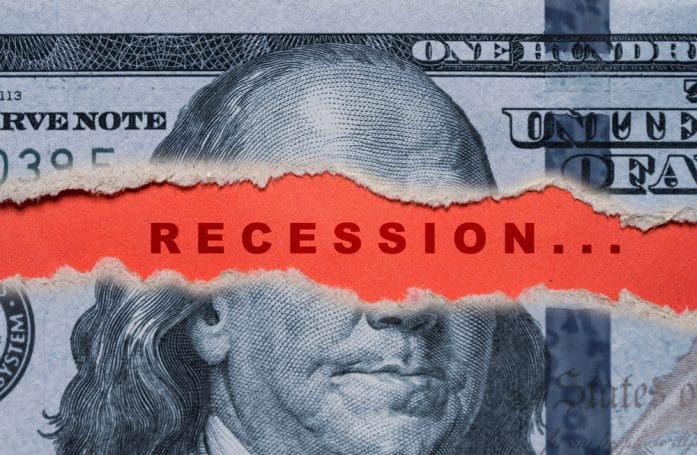
The calendar flips to December, holiday lights glow, inboxes fill with end-of-year recaps—and suddenly the economic mood shifts. Markets wobble, headlines sharpen, and that quiet question creeps in: Are we actually ready for this? Recessions rarely send formal invitations, and when they arrive, they don’t care how confident last quarter felt.

The real thrill—and danger—is discovering whether your financial plan is built like a brick house or a house of cards when the wind picks up. This is where smart preparation meets financial reality.

The Warning Signs Most People Miss Until It’s Too Late

Economic downturns don’t usually explode out of nowhere; they whisper before they roar. Subtle signals like slowing job growth, tightening credit, and declining consumer confidence often appear months in advance. Many people ignore these cues because markets can still look “fine” on the surface. A solid financial plan accounts for these warning signs rather than reacting after the damage is done. Recognizing early indicators gives you time to adjust instead of panic.

Why December Recessions Hit Harder Than Expected

A recession beginning in December carries a unique psychological punch. Spending is already elevated from the holidays, credit card balances are peaking, and optimism tends to override caution. When income uncertainty suddenly enters the picture, the emotional whiplash can be intense. This timing often leaves households with less cash flexibility and more financial commitments. A resilient plan anticipates seasonal pressure instead of being blindsided by it.

Emergency Funds Are Not Optional Anymore

An emergency fund is not a “nice-to-have”; it’s the foundation of financial survival. Ideally, it should cover three to six months of essential expenses, parked somewhere safe and accessible. During a recession, layoffs and reduced hours can happen fast, and cash flow disruptions snowball quickly. Without a cushion, people are forced to rely on debt or liquidate investments at the worst possible time. A well-built emergency fund buys you calm when the world feels chaotic.

Your Investment Mix Matters More Than Your Timing

Trying to time the market during a recession is like trying to catch a falling knife while blindfolded. What actually protects you is diversification across asset classes, risk levels, and time horizons. A portfolio built solely for growth can suffer deep emotional and financial stress during downturns. On the flip side, an overly conservative strategy may fail to recover when markets rebound. Balance—not prediction—is what allows portfolios to bend without breaking.

Debt Becomes Louder When the Economy Gets Quiet

Debt behaves very differently when income feels uncertain. High-interest balances suddenly feel heavier, and minimum payments become more stressful. A recession exposes which debts are manageable and which ones quietly drain financial oxygen. Strategic debt reduction before a downturn can dramatically improve resilience. The goal isn’t perfection—it’s flexibility and control.

Could Your Financial Plan Withstand A Surprise Recession Beginning In December?

Image Source: Shutterstock.com

Job Security Is Not A Guarantee, Even In “Stable” Fields

No industry is completely recession-proof, even those that feel essential. Layoffs often start at the edges and move inward, catching confident professionals off guard. Having multiple income streams or marketable skills can make a major difference. Networking, skill development, and side income aren’t just ambition plays—they’re insurance policies. Financial plans that assume uninterrupted employment are often the most fragile.

Emotional Decision-Making Can Be The Biggest Risk

Fear causes people to abandon good plans at the worst possible moments. Selling investments at the bottom, freezing savings, or making reactionary career moves can do long-term damage. Emotional discipline is just as important as numerical strategy during downturns. A strong plan includes rules for decision-making when stress levels spike. When emotions rise, structure keeps you grounded.

Liquidity Is Power When Opportunities Appear

Recessions don’t just destroy value—they also create it. Those with liquidity can invest, acquire, or reposition while others are forced to retreat. Having accessible cash or low-risk assets gives you optionality when markets reset. This is how some people emerge from recessions stronger than before. Flexibility turns uncertainty into opportunity.

Professional Guidance Becomes More Valuable Under Pressure

Financial advice matters most when things get uncomfortable. A trusted advisor can help filter noise, stress-test your plan, and prevent costly emotional decisions. They also bring perspective that’s hard to maintain when headlines feel relentless. Even a single strategic adjustment can meaningfully change outcomes. The right guidance helps turn chaos into clarity.

A Recession Tests More Than Money

Financial stress often spills into relationships, health, and overall well-being. Money anxiety can quietly shape decisions in ways people don’t immediately recognize. Planning ahead reduces not just financial strain, but emotional fatigue. A resilient plan supports your lifestyle, your goals, and your peace of mind. True preparedness isn’t about fear—it’s about confidence.

Is Your Plan Ready For The Test?

A recession starting in December wouldn’t just test markets—it would test habits, assumptions, and preparedness. The good news is that readiness isn’t about predicting the future; it’s about building flexibility into your present. Whether the economy stumbles or surprises us, a thoughtful plan gives you options instead of panic. Take a moment to reflect on your own strategy and where it could be stronger.

Feel free to leave your thoughts, insights, or personal experiences in the comments below because your perspective might help someone else prepare.

You May Also Like…

Funding Gap: 8 Ways Rising College Costs Are Changing Mid-Life Financial Planning

Tax Horizon: 4 Year-End Moves That Could Shape Your Finances for a Decade

8 Tips for Talking With Your Partner About Health, Finances & Legacy

Tax Blindspot: 4 Deductions Many Americans Miss During December

Holiday Budget: 6 Moves That Protect Your Financial New Year


Brandon Marcus
Brandon Marcus

Brandon Marcus is a writer who has been sharing the written word since a very young age. His interests include sports, history, pop culture, and so much more. When he isn’t writing, he spends his time jogging, drinking coffee, or attempting to read a long book he may never complete.

Filed Under: Lifestyle Tagged With: Best Independent Contractor Jobs for 2023, Debt, debt payoff, December, eliminating debt, emergency fund, emergency funds, Financial plan, invest, investing, Investment, investments, job security, Life, Lifestyle, Planning, recession, Saving, savings, savings account, Smart Spending, spending

Behavior Habit: 5 Daily Money Moves That Build Long-Term Wealth

December 27, 2025 by Brandon Marcus Leave a Comment

Behavior Habit: 5 Daily Money Moves That Build Long-Term Wealth

Image Source: Shutterstock.com

Money habits don’t usually explode into your life with fireworks and drumrolls. They sneak in quietly, shape your choices, and then—years later—reveal whether they were working for you or against you the whole time. The good news is that wealth isn’t reserved for geniuses, lottery winners, or people who wake up at 4 a.m. to journal in linen pants. It’s built by ordinary people making small, repeatable decisions that quietly compound into something powerful.

The most successful money builders aren’t obsessing over secret formulas; they’re mastering daily behavior. And once you see how simple these habits really are, it becomes much harder to unsee them.

1. Automate Saving Before You Touch Your Money

The most powerful wealth move happens before your brain even has time to interfere. Automating savings removes emotion, procrastination, and decision fatigue from the equation entirely. When money flows automatically into savings or investments, you stop relying on willpower and start relying on systems. This habit flips the script from “save what’s left” to “spend what’s left,” which is a psychological game-changer. Over time, these quiet transfers grow into a financial safety net that feels almost magical because you barely had to think about it.

2. Track Spending Without Obsessing Over It

Knowing where your money goes is like turning the lights on in a messy room—you may not love what you see, but clarity is power. Tracking spending doesn’t mean punishing yourself or eliminating joy; it means understanding patterns so you can make smarter choices. When you review your spending regularly, you begin to spot leaks that quietly drain your progress. This awareness creates natural behavior shifts without guilt or restriction. Over time, mindful spending becomes second nature, not a chore.

3. Invest Consistently Even When It Feels Boring

Wealth isn’t built by dramatic, perfectly timed moves—it’s built by showing up consistently. Investing regularly, even in small amounts, allows compound growth to do the heavy lifting over time. The market rewards patience far more than brilliance, and boring consistency often beats flashy strategy. This habit trains you to think long-term instead of reacting emotionally to short-term noise. Eventually, the boring routine becomes exciting when you see momentum working in your favor.

4. Increase Your Value, Not Just Your Income

Chasing raises without upgrading your skills is like trying to pour more water into a cracked bucket. Long-term wealth grows faster when you invest in yourself through learning, skill-building, and strategic growth. Whether it’s improving communication, mastering a technical skill, or expanding leadership ability, your earning power rises with your value. This habit compounds across decades because higher-value people attract better opportunities. Money follows usefulness, and usefulness can be learned.

5. Make Daily Money Decisions With Future You In Mind

Every financial choice is a quiet conversation between present you and future you. When you pause and ask, “Will tomorrow-me thank me for this?” behavior begins to shift naturally. This mindset doesn’t eliminate fun; it simply balances it with intention. Over time, future-focused decisions stack up into stability, confidence, and options. Wealth, at its core, is the ability to give your future self more freedom.

Behavior Habit: 5 Daily Money Moves That Build Long-Term Wealth

Image Source: Shutterstock.com

Small Habits & Big Financial Futures

Wealth rarely arrives in dramatic bursts—it sneaks in through daily behaviors repeated with intention. The five habits above aren’t flashy, but they’re powerful precisely because they’re sustainable. When practiced consistently, they reshape how you think about money, risk, and opportunity. Over time, these small actions turn into momentum that feels almost unfair in the best way.

If you’ve discovered habits that changed your financial life or learned lessons the hard way, drop your thoughts or experiences in the comments below and keep the conversation going.

You May Also Like…

10 Money Moves That Look Smart but Lead to Regret

8 Times Your Brain Lied to You About Smart Money Moves

Legacy Shift: 5 Ways to Pass on Wealth Without Passing on Conflict

Regulation Echo: 10 Under-the-Radar Rules Affecting Future Wealth

Market Calm: 4 Quiet Moves Wealthy Clients Are Making Before the Holidays

Brandon Marcus
Brandon Marcus

Brandon Marcus is a writer who has been sharing the written word since a very young age. His interests include sports, history, pop culture, and so much more. When he isn’t writing, he spends his time jogging, drinking coffee, or attempting to read a long book he may never complete.

Filed Under: Wealth Building Tagged With: investing, Investment, investments, Money, money issues, money moves, saving money, savings account, Smart Spending, spending, track spending, tracking your spending, Wealth, Wealth Building, wealth choices, wealthy people

Holiday Debt: 9 Warning Signs Your Spending Is Already Off Track

December 25, 2025 by Brandon Marcus Leave a Comment

Holiday Debt: 9 Warning Signs Your Spending Is Already Off Track

Image Source: Shutterstock.com

The holidays are supposed to be a time of joy, laughter, and maybe a little indulgence—but for many of us, they quickly turn into a financial thrill ride that we didn’t sign up for. Between twinkling lights, festive parties, and the endless stream of “perfect gift” ads, it’s all too easy to lose track of how much you’re spending. That’s when holiday debt sneaks up like an unexpected guest who refuses to leave.

Some signs are subtle, whispering “just one more purchase,” while others are glaring neon warnings. If you want to survive the season without staring down a mountain of credit card bills come January, it’s time to recognize the red flags before they become full-blown emergencies.

1. Your Credit Cards Are Constantly Maxed Out

If your wallet feels like it’s perpetually on fire with one card after another approaching the limit, alarm bells should be ringing. Maxed-out credit cards not only hurt your credit score but also pile on high-interest charges that grow faster than holiday fruitcake mold. This is a clear indicator that spending is outpacing your budget—and that little “I’ll pay it off later” mentality might haunt you. The thrill of swiping can feel exhilarating, but the aftermath is a debt hangover that nobody wants. Monitoring balances and making early payments can prevent this financial snowball from turning into a full avalanche.

2. You’re Living for Black Friday Deals

While snagging a discount can feel victorious, buying things just because they’re on sale is a dangerous game. If you find yourself stalking deal emails, comparing coupons obsessively, or rushing to stores for items you didn’t plan to buy, your spending has already slipped. Sales can trick you into thinking you’re saving money, when in reality, you’re spending on unnecessary items. This behavior often leads to regret when the credit card statement arrives in January. Staying mindful of what you actually need versus what’s “too good to pass up” is crucial this season.

3. You Avoid Looking At Your Bank Account

Turning a blind eye to your finances may feel comforting in the moment, but it’s a classic sign you’re in trouble. Ignoring balances, statements, or upcoming bills doesn’t make the debt disappear—it just delays the inevitable confrontation. When you start feeling anxiety or dread around checking your accounts, it’s a financial warning sign screaming for attention. Awareness is the first step to control, and knowledge of your spending patterns can prevent bigger headaches later. Face the numbers now, and you’ll save yourself a panic attack down the line.

Holiday Debt: 9 Warning Signs Your Spending Is Already Off Track

Image Source: Shutterstock.com

4. Gift-Giving Feels Like a Competition

If shopping has turned into a race to impress, you’re likely spending beyond your means. Trying to outdo relatives, coworkers, or friends can rapidly inflate your budget into dangerous territory. Extravagant purchases that you can’t comfortably afford often lead to stress, buyer’s remorse, and mounting credit card debt. Remember, the holiday spirit is about thoughtfulness, not price tags. Keep gifts meaningful instead of monumental to stay financially sane.

5. You’re Using Multiple Payment Methods

Juggling credit cards, store cards, Buy Now Pay Later options, and other payment methods can be tempting, but it’s a red flag. When you start spreading your purchases across various accounts, it often indicates you don’t have enough cash flow to cover everything. This approach complicates tracking and increases the risk of missing payments or incurring fees. The more fragmented your spending, the harder it is to keep control of your financial situation. Consolidating your payments and sticking to a primary method is a lifesaver for your sanity—and your bank account.

6. Essentials Are Being Sacrificed

Skipping bills, deferring rent, or postponing necessary expenses to fund holiday splurges is a massive warning sign. When the joy of gifts comes at the cost of fundamental financial responsibilities, debt will inevitably pile up. Ignoring essentials now just delays stress until later when the bills catch up. If your spending is jeopardizing necessities, it’s time to step back and reassess your priorities. Maintaining a balance between celebration and responsibility is the key to a worry-free holiday season.

7. Emotional Spending Is Your Default

Holiday shopping can easily morph into therapy for loneliness, stress, or even boredom. If the impulse to buy is driven by emotions rather than a need, you may already be in dangerous territory. Emotional spending is usually impulsive, unplanned, and difficult to track, often resulting in regretful purchases. Recognizing these triggers is crucial to prevent your debt from escalating. Finding healthier ways to cope, like exercise, time with loved ones, or simple relaxation, can keep both your wallet and mind intact.

8. You’re Constantly Borrowing From Friends Or Family

Relying on loved ones to cover holiday expenses is more than a minor issue—it’s a financial warning siren. While borrowing occasionally is understandable, habitual dependency signals that your spending is unsustainable. It can strain relationships and add guilt to your holiday stress. Instead of repeating the cycle, consider drawing firm boundaries and communicating openly about what you can realistically afford. Developing a self-reliant strategy is empowering and saves friendships from turning tense over money.

9. Your Holiday Budget Exists Only in Theory

A budget isn’t just a suggestion—it’s a roadmap that prevents overspending from spiraling into debt. If your plan exists only in your head or you’ve abandoned it halfway through December, that’s a warning that spending is already off track. Without concrete tracking, it’s almost impossible to gauge where your money is going. A real, actionable budget includes gift spending, meals, decorations, and miscellaneous expenses. Staying disciplined with a written or digital budget can save both your finances and your peace of mind this season.

Take Control Before Debt Takes Over

The holidays should be about joy, connection, and celebration—not stress, regret, and financial panic. Recognizing these nine warning signs early allows you to adjust your habits before debt snowballs out of control. By staying aware, planning thoughtfully, and spending intentionally, you can enjoy the festivities without dreading January statements.

Your financial health deserves as much attention as your holiday cheer. We want to hear from you—tell us your experiences or strategies in the comments section below.

You May Also Like…

Holiday Budget: 6 Moves That Protect Your Financial New Year

Holiday Frugal: 5 Gift Hacks That Save Money Without Looking Cheap

5 Inexpensive Holiday Gifts That Are Always In Style

Debt Alert: 6 Ways Holiday Spending Could Trigger a January Credit Score Crisis

5 Sneaky Signs That Debt Is Adding Up


Brandon Marcus
Brandon Marcus

Brandon Marcus is a writer who has been sharing the written word since a very young age. His interests include sports, history, pop culture, and so much more. When he isn’t writing, he spends his time jogging, drinking coffee, or attempting to read a long book he may never complete.

Filed Under: Spending Habits Tagged With: Black Friday, Christmas, credit cards, Debt, Debt Management, debt payoff, gift-giving, gifts, Holiday, holiday debt, holiday gifts, holiday spending, Holidays, maxing out credit cards, overspending, sales, Smart Spending, spending

Legacy Shift: 5 Ways to Pass on Wealth Without Passing on Conflict

December 23, 2025 by Brandon Marcus Leave a Comment

Legacy Shift: 5 Ways to Pass on Wealth Without Passing on Conflict

Image Source: Shutterstock.com

Wealth. It’s a word that can spark dreams, tension, and sometimes outright battles at family dinners. The real trick isn’t just building it—it’s passing it on without turning birthdays into courtroom dramas. Families are complicated, emotions run high, and even the most well-intentioned inheritance plans can backfire spectacularly.

But what if passing on your wealth could be more like orchestrating a symphony than defusing a bomb? It’s possible, and it starts with planning, creativity, and a dash of psychological savvy.

1. Embrace Transparent Communication Early

Communication isn’t just a nice-to-have; it’s your secret weapon. Start conversations about wealth before you’re forced to, and do it with honesty and clarity. Explain your goals, your values, and why you’re making certain decisions—it’s about more than money; it’s about your legacy. Transparent communication reduces misunderstandings and prevents assumptions from spiraling into conflict. The earlier you set expectations, the smoother the path becomes for everyone involved.

Legacy Shift: 5 Ways to Pass on Wealth Without Passing on Conflict

Image Source: Shutterstock.com

2. Use Trusts To Create Control Without Control Freakery

Trusts aren’t just legal jargon—they’re a superhero in disguise for preserving wealth and peace. A well-structured trust allows you to dictate terms, protect assets, and avoid the pitfalls of a will that might invite debate. You can stagger distributions, include conditions, and even provide incentives for certain behaviors like education or entrepreneurship. This keeps heirs engaged and motivated while avoiding the “who gets what” chaos at family gatherings. When done right, trusts give you control while keeping relationships intact, which is the ultimate win-win.

3. Incentivize Responsibility, Not Just Inheritance

Money handed over without guidance can be a double-edged sword. Instead of simply splitting assets evenly, consider creating structures that reward achievement, responsibility, and alignment with family values. For example, match funds for educational accomplishments or business ventures, or tie certain distributions to life milestones. This approach transforms inheritance from a windfall into a legacy of empowerment and engagement. The message is clear: wealth is a tool, not a free-for-all, and responsibility makes it thrive.

4. Hire Neutral Professionals To Mediate And Advise

Even the closest families can hit roadblocks when it comes to money. Enter neutral professionals: financial advisors, estate planners, and family mediators who can guide decisions objectively. Their role isn’t to take sides but to ensure that the rules of the game are clear and fair. Having an external voice helps prevent emotional arguments from snowballing into lasting rifts. Plus, professionals bring insights you might never consider, from tax strategies to investment opportunities, keeping your legacy intact while keeping tempers cool.

5. Document Intentions And Values Alongside Finances

A will is more than numbers—it’s a story about what matters to you. Leave notes, letters, or even video messages that explain your reasoning, hopes, and family philosophy. This adds emotional context that pure legal documents lack and helps heirs understand the “why” behind your decisions. When people grasp the intention behind the inheritance, they’re far less likely to misinterpret motives or fight over details. Combining financial planning with personal storytelling ensures your wealth carries wisdom, not just assets.

Make Your Legacy About Harmony, Not Havoc

Passing on wealth doesn’t have to be a minefield of jealousy, resentment, or endless arguments. With transparency, smart planning, thoughtful incentives, professional guidance, and clear documentation, you can shift your legacy from potential conflict to lasting cohesion. Every family dynamic is unique, but these strategies provide a framework that encourages understanding, growth, and shared pride.

How has your family approached passing on wealth, or what creative strategies have you seen succeed? Leave your thoughts and experiences in the comments section below—we’d love to read them!

You May Also Like…

Legacy Debt: 5 Family Conversations That Help Prevent Wealth From Becoming a Burden

Market Calm: 4 Quiet Moves Wealthy Clients Are Making Before the Holidays

Legacy Trap: How Your Kids Might Inherit More Tax Than Wealth Without Realizing It

Deadline Countdown: 11 Smart Moves Every Wealth-Seeker Should Do in December

7 Daily Habits That Quietly Build Wealth Without Effort


Brandon Marcus
Brandon Marcus

Brandon Marcus is a writer who has been sharing the written word since a very young age. His interests include sports, history, pop culture, and so much more. When he isn’t writing, he spends his time jogging, drinking coffee, or attempting to read a long book he may never complete.
Filed Under: Wealth Building Tagged With: generational wealth, Money, money issues, money matters, passing on wealth, Saving, saving money, spending, Wealth, Wealth Building

  • « Previous Page
  • 1
  • …
  • 3
  • 4
  • 5
  • 6
  • 7
  • 8
  • Next Page »

FOLLOW US

Search this site:

Recent Posts

  • Can My Savings Account Affect My Financial Aid? by Tamila McDonald
  • 12 Ways Gen X’s Views Clash with Millennials… by Tamila McDonald
  • What Advantages and Disadvantages Are There To… by Jacob Sensiba
  • 10 Tactics for Building an Emergency Fund from Scratch by Vanessa Bermudez
  • Call 911: Go To the Emergency Room Immediately If… by Stephen Kanaval
  • 7 Weird Things You Can Sell Online by Tamila McDonald
  • 10 Scary Facts About DriveTime by Tamila McDonald

Copyright © 2026 · News Pro Theme on Genesis Framework