• Home
  • About Us
  • Toolkit
  • Getting Finances Done
    • Hiring Advisors
    • Debt Management
    • Spending Plan
  • Insurance
    • Life Insurance
    • Health Insurance
    • Disability Insurance
    • Homeowners/Renters Insurance
  • Contact Us
  • Privacy Policy
  • Risk Tolerance Quiz

The Free Financial Advisor

You are here: Home / Archives for income taxes

6 Ways to Lower Your Tax Bill Under 2026 OBBBA Updates

March 14, 2026 by Brandon Marcus Leave a Comment

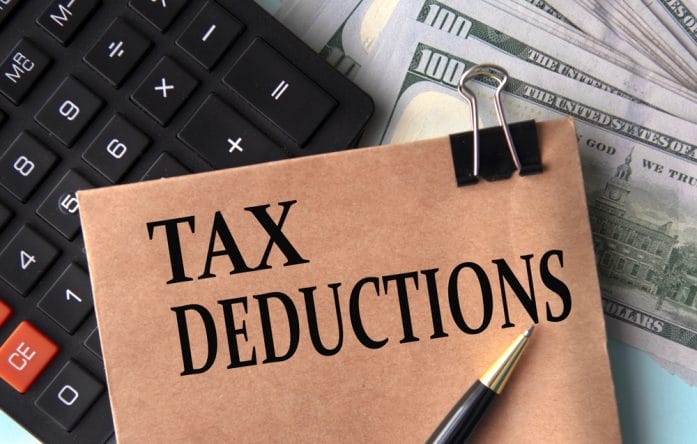
6 Ways to Lower Your Tax Bill Under 2026 OBBBA Updates

Image Source: Shutterstock.com

Tax season does not need to feel like a heavyweight boxing match between a paycheck and the government. Smart strategy changes the entire game. The 2026 updates connected with the One Big Beautiful Bill Act discussions have sparked fresh attention around deductions, credits, and tax-advantaged accounts that already sit inside the tax code. People who understand how to use these tools keep far more money in their own pockets.

Every year, thousands of taxpayers overlook simple opportunities because tax planning sounds boring, complicated, or painfully technical. That assumption leaves real money sitting on the table. A little knowledge, a few smart moves, and some thoughtful planning can shrink a tax bill in surprising ways. Six practical strategies stand out as some of the most effective ways to do exactly that.

1. Turn Retirement Accounts Into a Tax-Cut Machine

Retirement accounts deliver one of the most powerful tax advantages available. Contributions to many traditional retirement plans reduce taxable income immediately, which means earnings receive protection from taxes while they grow. That combination creates a double benefit that rewards both present planning and future security. Many workers focus only on employer matching contributions, yet tax advantages often extend far beyond that basic benefit. A larger contribution reduces taxable income for the year and creates breathing room in the budget during tax season.

Strategic timing adds even more power to retirement contributions. Increasing contributions during higher-income years can drop someone into a lower tax bracket, which reduces the total tax burden in a meaningful way. Many people also forget that certain retirement plans allow catch-up contributions for individuals closer to retirement age. That feature opens the door for even larger tax-reducing deposits. Self-employed professionals can unlock even greater potential through retirement options designed for independent earners. A little planning turns a retirement account into something far more exciting than a distant savings bucket. That account becomes a powerful tax-cutting tool.

2. Health Savings Accounts: The Triple-Threat Tax Break

Health Savings Accounts often fly under the radar, yet they deliver one of the strongest tax advantages in the entire system. Contributions reduce taxable income right away, investment growth inside the account avoids taxes, and qualified medical withdrawals stay tax-free as well. That rare triple benefit makes this account incredibly valuable for anyone with a qualifying health plan. People who treat an HSA like a long-term financial tool rather than a short-term medical wallet unlock far greater potential.

Smart savers often allow HSA balances to grow over time instead of draining them immediately for small medical bills. That strategy allows investments inside the account to grow without tax pressure. Medical expenses rarely disappear during a lifetime, so those funds almost always find a useful purpose later. Some individuals even track medical receipts while allowing the account balance to grow, then reimburse themselves years later when the investment value climbs higher. That approach transforms a simple healthcare account into a stealth retirement asset. Few financial tools offer that kind of flexibility along with serious tax savings.

3. Credits Beat Deductions Every Time

Deductions reduce taxable income, but tax credits slash the final tax bill directly. That distinction matters a lot. A tax credit lowers the total amount owed dollar for dollar, which makes credits extremely valuable. Several credits receive renewed attention whenever tax policy discussions move forward, including credits related to education, childcare, and energy improvements. People who qualify for these credits can see dramatic reductions in their tax liability.

Energy efficiency improvements often provide one of the most exciting opportunities. Certain home upgrades tied to efficiency or clean energy can unlock federal tax credits when they meet program requirements. Homeowners who plan renovations carefully can combine long-term utility savings with a direct reduction in taxes owed. Education credits also continue to help families offset some costs associated with higher learning. Childcare credits help working families recover a portion of the expenses tied to dependent care. Each credit offers a different opportunity to keep money circulating inside the household budget rather than heading out the door at tax time.

6 Ways to Lower Your Tax Bill Under 2026 OBBBA Updates

Image Source: Unsplash.com

4. Business Expenses Can Become Powerful Write-Offs

Side hustles and small businesses create valuable tax opportunities when handled correctly. The tax code allows legitimate business expenses to reduce taxable income, which lowers the overall tax burden. Many people earn freelance income, sell products online, consult on projects, or operate small service businesses from home. Those activities often generate expenses that qualify for deductions when organized properly.

Home office space, equipment purchases, software subscriptions, and professional tools often count as legitimate business costs. Careful recordkeeping plays a critical role in this strategy. Organized documentation ensures that each deduction holds up during tax preparation and avoids unnecessary stress later. Many entrepreneurs also track mileage when work requires travel, since transportation costs often qualify as business expenses. Every dollar deducted from business income lowers the amount subject to taxes. Small details add up quickly when someone runs even a modest side operation.

5. Charitable Giving With a Strategy Behind It

Charitable donations support meaningful causes while offering potential tax advantages. The key lies in strategy rather than random generosity. Organized giving throughout the year helps individuals track contributions and determine whether itemizing deductions provides greater value than the standard deduction. Donations can include cash, goods, or even appreciated assets depending on the situation.

Donating appreciated investments often creates a particularly powerful tax move. When someone donates shares that increased in value, the donor avoids capital gains taxes on that appreciation while still claiming the charitable deduction for the asset’s market value. That approach benefits both the donor and the organization receiving support. Bunching charitable donations into specific tax years can also help maximize deductions in certain situations. Careful planning ensures that generosity also works as a smart financial move.

6. Income Timing Can Change the Whole Tax Picture

Income timing may sound like an advanced strategy, yet many taxpayers can use it with careful planning. Adjusting when income arrives or when deductions occur can shift taxable income between years. That shift can make a meaningful difference when tax brackets change or when income fluctuates. Individuals who expect a higher income year might accelerate deductions or delay certain income streams when possible.

Freelancers, contractors, and business owners often hold the most flexibility with this tactic because they control invoicing schedules and payment timing. However, employees can sometimes influence income timing through bonus deferrals or retirement contributions. Strategic timing allows someone to manage taxable income rather than simply accepting whatever number appears at the end of the year. Tax planning often rewards people who think ahead rather than reacting at the last minute. Small timing decisions can influence the final tax bill far more than expected.

Plan Before Tax Season Arrives

Tax savings rarely appear by accident. Smart planning throughout the year creates the biggest opportunities. Retirement contributions, HSA deposits, charitable strategies, and tax credits all require awareness long before the filing deadline approaches. People who wait until tax season often miss chances that could have lowered their tax bill significantly.

The One Big Beautiful Bill Act is here to stay, so a smart approach begins with awareness and continues with simple habits. Track deductions early, review eligibility for tax credits, and look closely at retirement or health savings opportunities. These moves do not require complicated spreadsheets or advanced accounting knowledge. They simply require attention and intention. The tax code includes many pathways that reward preparation and thoughtful decisions.

Which of these strategies stands out as the one worth trying first in the era of OBBBA, and what other tax-saving ideas deserve more attention? Let’s dissect and discuss in the comments below.

You May Also Like…

6 Ways the “One Big Beautiful Bill” Could Backfire on Retirees

Stop Celebrating Your Tax Refund: You Just Gave the Government a Interest-Free Loan

5 Reasons To Talk To Your Kids About Taxes

6 Advanced Techniques to Lower Your Capital Gains Taxes Legally

9 Financial Dangers of Ignoring Property Taxes

Brandon Marcus
Brandon Marcus

Brandon Marcus is a writer who has been sharing the written word since a very young age. His interests include sports, history, pop culture, and so much more. When he isn’t writing, he spends his time jogging, drinking coffee, or attempting to read a long book he may never complete.

Filed Under: tax tips Tagged With: 2026 taxes, income taxes, money management, OBBBA updates, Personal Finance, Planning, retirement planning, tax credits, Tax Deductions, tax planning, tax savings, tax strategy, taxes

Tax Foresight: 6 Planning Moves That Could Save You Money Soon

January 5, 2026 by Brandon Marcus Leave a Comment

Tax Foresight: 6 Planning Moves That Could Save You Money Soon

Image Source: Shutterstock.com

Fireworks don’t usually go off when someone mentions taxes, but this is where the story flips. Smart tax planning can feel like unlocking a secret level where the rewards are real cash, less stress, and way more control. Instead of scrambling at filing time, a little foresight lets you play offense, not defense, with your money.

These moves aren’t about loopholes or gimmicks; they’re about using existing rules wisely and confidently. Listen closely, because the right planning today can make future-you very glad you paid attention.

1. Maximize Retirement Contributions Early

Putting more into retirement accounts can reduce taxable income while building long-term wealth at the same time. Contributions to traditional 401(k)s and IRAs are often tax-deductible, which can lower what you owe this year. Starting early in the year spreads the impact across paychecks and feels less painful than a late rush. Many employers also match contributions, which is essentially free money with tax advantages. Over time, tax-deferred growth can turn consistent planning into serious savings.

2. Harvest Investment Losses Strategically

Tax-loss harvesting allows investors to sell underperforming assets to offset taxable gains elsewhere. This move can help reduce capital gains taxes without changing long-term investment strategy. Losses beyond gains may even offset a portion of ordinary income, within IRS limits. Timing matters, especially around year-end and wash sale rules. Done carefully, this strategy turns market dips into a planning advantage instead of a frustration.

3. Use Health Accounts As Stealth Tax Shields

Health Savings Accounts are one of the most tax-efficient tools available when paired with eligible health plans. Contributions are typically pre-tax, growth is tax-free, and qualified withdrawals avoid taxes entirely. Few accounts offer this triple benefit, which makes HSAs powerful long-term planning vehicles. Funds can roll over year after year, unlike flexible spending accounts. Treating an HSA as an investment account can quietly protect thousands from future taxes.

4. Time Income And Deductions With Intention

When income or expenses can be shifted, timing becomes a powerful planning lever. Deferring income to a later year may reduce exposure to higher tax brackets. Accelerating deductions, like charitable gifts or business expenses, can increase immediate tax benefits. This approach works especially well for freelancers, business owners, and retirees with flexible income streams. Thoughtful timing can smooth out tax bills and prevent unpleasant surprises.

Tax Foresight: 6 Planning Moves That Could Save You Money Soon

Image Source: Shutterstock.com

5. Take Credits Seriously, Not Casually

Tax credits directly reduce taxes owed, making them more valuable than deductions in many cases. Credits for education, childcare, energy efficiency, and dependent care can add up quickly. Eligibility rules matter, so awareness is key to claiming what’s allowed. Some credits are refundable, meaning they can boost refunds even if taxes owed are low. Missing credits often means leaving real money on the table.

6. Review Withholding And Estimated Payments Regularly

Withholding that’s too high gives the government an interest-free loan, while too low can trigger penalties. Regular reviews help align payments with actual tax obligations as life changes. Job shifts, side income, bonuses, and investments can all throw off estimates. Adjusting throughout the year keeps cash flow predictable and stress levels lower. This simple habit can prevent last-minute panic and unexpected bills.

Plan Ahead And Stay Curious

Tax planning doesn’t require obsession, but it does reward attention and curiosity. Each move builds on the idea that informed choices today can unlock savings sooner than expected. Everyone’s situation is different, which makes learning from others especially valuable.

If you’ve tried any of these strategies or learned something the hard way, the comments section below is waiting. Your experiences might spark someone else’s next smart move.

You May Also Like…

Income Threshold: 4 Hidden Taxes That Hit Once You Cross Certain Limits

9 Georgia Counties Where Property Taxes Are Set to Rise the Fastest

9 Financial Dangers of Ignoring Property Taxes

Tax Surge: 4 Income Types That Trigger Hidden Tax Bills

Income Stability: 6 Retirement Income Moves That Aren’t as Safe as They Seem

Brandon Marcus
Brandon Marcus

Brandon Marcus is a writer who has been sharing the written word since a very young age. His interests include sports, history, pop culture, and so much more. When he isn’t writing, he spends his time jogging, drinking coffee, or attempting to read a long book he may never complete.

Filed Under: Tax Planning Tagged With: 401(k), deductions, filing taxes, health accounts, Income, income taxes, retirement accounts, retirement contributions, retirement savings, tax planning, tax plans, tax tips, taxes

5 Reasons To Talk To Your Kids About Taxes

January 5, 2026 by Brandon Marcus Leave a Comment

Here Are 5 Reasons To Talk To Your Kids About Taxes

Image Source: Shutterstock.com

Taxes might sound like a snooze-fest, but they’re actually a secret superhero origin story for your kids’ financial future. This topic is packed with real-world drama, everyday relevance, and just enough mystery to spark curiosity at the dinner table. Kids already notice money leaving their wallets through games, apps, and allowances, so taxes are the next logical plot twist.

When you pull back the curtain early, you turn confusion into confidence and anxiety into “oh, I get it now.” Talking about taxes can be surprisingly fun, wildly empowering, and way more exciting than it gets credit for.

1. Taxes Teach Kids How The Real World Works

Taxes are woven into almost every grown-up money decision, so learning about them helps kids understand how society functions. Roads, schools, libraries, and parks suddenly make sense when kids see how dollars turn into shared benefits. This knowledge builds awareness that money isn’t just personal, but communal too. Kids begin connecting their daily experiences to larger systems around them. That connection helps them feel informed rather than confused as they grow.

2. Early Tax Talks Build Financial Confidence

When kids hear about taxes early, money stops feeling mysterious and intimidating. They learn that deductions, income, and paychecks are just concepts, not monsters. Confidence grows when kids realize adults are also learning and adapting, not magically born knowing everything. These conversations create a safe space for questions without embarrassment. Over time, kids trust their ability to handle real financial choices.

3. Taxes Encourage Smart Earning And Spending Habits

Understanding taxes helps kids see the difference between gross money and take-home money. That realization makes budgeting feel practical instead of restrictive. Kids start thinking ahead about saving, spending, and planning instead of impulse-buying everything in sight. They also learn that earning more doesn’t always mean keeping all of it. This perspective encourages thoughtful decisions long before adulthood hits.

Here Are 5 Reasons To Talk To Your Kids About Taxes

Image Source: Shutterstock.com

4. Tax Knowledge Sparks Curiosity About Careers And Goals

Talking about taxes opens the door to conversations about jobs, entrepreneurship, and side hustles. Kids discover that different careers are paid in different ways, each with unique tax responsibilities. This insight can spark curiosity about what they want to do and how they want to earn. It also introduces the idea that planning matters as much as passion. Suddenly, future goals feel tangible and exciting.

5. Taxes Teach Responsibility And Civic Awareness

Taxes show kids that being part of a community comes with responsibilities as well as benefits. They learn that contributing helps support things everyone relies on. This lesson encourages empathy, accountability, and awareness beyond personal gain. Kids begin to see themselves as active participants in society. That mindset sticks with them long after the conversation ends.

Turning Tax Talk Into A Family Superpower

Talking to your kids about taxes isn’t about drilling rules or memorizing forms, but about opening doors to understanding. These conversations can be light, playful, and surprisingly empowering when framed the right way. They help kids grow into adults who feel capable, informed, and ready for real-world challenges.

If you’ve had a funny moment, a tough question, or a big win while explaining taxes to your kids, we’d love to hear it. Drop your thoughts or stories in the comments below and keep the conversation rolling.

You May Also Like…

Income Threshold: 4 Hidden Taxes That Hit Once You Cross Certain Limits

9 Georgia Counties Where Property Taxes Are Set to Rise the Fastest

6 Advanced Techniques to Lower Your Capital Gains Taxes Legally

Legacy Debt: 5 Family Conversations That Help Prevent Wealth From Becoming a Burden

6 Bad Money Habits Families Show During The Holidays


Brandon Marcus
Brandon Marcus

Brandon Marcus is a writer who has been sharing the written word since a very young age. His interests include sports, history, pop culture, and so much more. When he isn’t writing, he spends his time jogging, drinking coffee, or attempting to read a long book he may never complete.

Filed Under: tax tips Tagged With: children., families, Family, family issues, family money, financial choices, financial confidence, financial discussions, income taxes, kids, overspending, Smart Spending, spending, Spending Habits, tax planning, taxes

Tax Reset: 8 Moves to Consider If You’ve Had a Windfall in 2025

December 19, 2025 by Brandon Marcus Leave a Comment

Here Are 8 Moves to Consider If You’ve Had a Tax Windfall in 2025

Image Source: Shutterstock.com

A sudden windfall in 2025 can feel like someone handed you a golden ticket—maybe from a business sale, a legal settlement, a crypto boom, or even an unexpected inheritance. The thrill is real, the excitement palpable, and the possibilities endless. But along with that exhilaration comes a giant, unavoidable reality check: taxes.

How do you protect your newfound fortune while making it work for you? The good news is, with a little strategy and some savvy moves, your windfall can become a launchpad for serious wealth growth rather than a tax nightmare.

Understand Your Tax Landscape Immediately

Before you do anything else, get a clear picture of what the IRS—or your local tax authority—thinks you owe. Different types of windfalls are taxed differently, from ordinary income rates to capital gains or even estate taxes. Consulting a tax professional early can prevent costly mistakes. Remember, ignorance isn’t bliss here; it’s expensive. Even a brief delay in understanding your obligations could mean paying more than necessary.

Maximize Retirement Contributions

If you qualify, consider pumping up your retirement accounts with your windfall. 2025 allows for higher contribution limits across 401(k)s, IRAs, and other tax-advantaged accounts, giving you a legal way to shield money from taxes now. This move also compounds your wealth while reducing taxable income for the year. Even a modest adjustment can save tens of thousands in taxes. Don’t just stash the cash—make it work for your future self.

Explore Gifting Strategies

Generosity can be a smart financial maneuver. The IRS allows you to gift a significant amount each year without triggering taxes, and this can be a way to protect your wealth from estate taxes down the road. Gifting can also support loved ones or charitable causes that matter to you. Just make sure you track these gifts carefully to avoid complications. Strategic gifting turns a windfall into a tool for long-term planning, not just short-term spending.

Here Are 8 Moves to Consider If You’ve Had a Tax Windfall in 2025

Image Source: Shutterstock.com

Consider Investment Diversification

Jumping straight into risky investments might feel tempting, but diversification is the key to long-term security. Spread your windfall across stocks, bonds, real estate, or alternative assets. 2025 has seen some market volatility, so don’t put all your eggs in one basket. A balanced portfolio can help mitigate risk while keeping your money productive. Think of it as giving your windfall multiple lanes to grow rather than a single rollercoaster ride.

Evaluate Debt Repayment Opportunities

If you have lingering high-interest debt, your windfall could be your golden ticket to financial freedom. Paying off credit cards, personal loans, or other liabilities can give you a guaranteed return equal to the interest rate you were paying. It also improves your credit profile, opening doors for better rates in the future. This isn’t just about eliminating stress; it’s about leveraging your windfall for maximum efficiency. Clean balance sheets create freedom and flexibility.

Explore Tax-Advantaged Accounts Beyond Retirement

Your windfall might open doors to accounts beyond standard retirement options. Health Savings Accounts (HSAs), 529 college savings plans, and even certain business investment accounts can provide tax benefits. These accounts can offer immediate deductions, long-term growth, and sometimes tax-free withdrawals. Strategically using these tools turns your windfall into a multi-purpose financial weapon. It’s about making taxes work for you, not against you.

Engage With Financial and Legal Professionals

Even if you consider yourself financially savvy, professional guidance is crucial. Tax advisors, financial planners, and estate attorneys each bring a piece of the puzzle. Windfalls can trigger complex tax scenarios or legal obligations that aren’t obvious at first glance. Investing in expert advice now can save exponentially more than trying to go it alone. Think of professionals as your safety net for both opportunity and risk.

Plan For Legacy And Long-Term Goals

Finally, a windfall is a chance to think bigger than today. Estate planning, philanthropic efforts, or future investment goals all deserve consideration. A thoughtful approach ensures that your windfall supports not only your lifestyle but also your values and ambitions. Mapping out these priorities helps prevent impulsive decisions that could erode wealth quickly. 2025 isn’t just a year for celebrating—you’re building a roadmap for decades of financial stability.

Your Windfall, Your Move

Receiving a windfall is thrilling, but without a solid plan, excitement can quickly turn into regret. Implementing these eight moves helps you protect your newfound fortune, reduce tax exposure, and position yourself for long-term growth.

We’d love to hear your experiences or lessons learned with sudden financial gains—drop your thoughts and stories in the comments section below.

You May Also Like…

Tax Freeze: 6 Immediate Actions to Lock In Lower Rates Before Reforms Hit

9 Georgia Counties Where Property Taxes Are Set to Rise the Fastest

9 Financial Dangers of Ignoring Property Taxes

What Happens When Small Business Owners Skip Taxes

6 Advanced Techniques to Lower Your Capital Gains Taxes Legally


Brandon Marcus
Brandon Marcus

Brandon Marcus is a writer who has been sharing the written word since a very young age. His interests include sports, history, pop culture, and so much more. When he isn’t writing, he spends his time jogging, drinking coffee, or attempting to read a long book he may never complete.

Filed Under: tax tips Tagged With: 401(k), Debt, debt payoff, debt repayment, estate taxes, file taxes, income taxes, invest, investing, Investment, local taxes, Retirement, retirement contributions, tax landscape, tax reset, tax windfall, taxes

FOLLOW US

Search this site:

Recent Posts

  • Can My Savings Account Affect My Financial Aid? by Tamila McDonald
  • 12 Ways Gen X’s Views Clash with Millennials… by Tamila McDonald
  • What Advantages and Disadvantages Are There To… by Jacob Sensiba
  • 10 Tactics for Building an Emergency Fund from Scratch by Vanessa Bermudez
  • Call 911: Go To the Emergency Room Immediately If… by Stephen Kanaval
  • 7 Weird Things You Can Sell Online by Tamila McDonald
  • 10 Scary Facts About DriveTime by Tamila McDonald

Copyright © 2026 · News Pro Theme on Genesis Framework