• Home
  • About Us
  • Toolkit
  • Getting Finances Done
    • Hiring Advisors
    • Debt Management
    • Spending Plan
  • Insurance
    • Life Insurance
    • Health Insurance
    • Disability Insurance
    • Homeowners/Renters Insurance
  • Contact Us
  • Privacy Policy
  • Risk Tolerance Quiz

The Free Financial Advisor

You are here: Home / Archives for spending

Are These 8 Money-Saving Tricks Actually Keeping You Broke?

July 28, 2025 by Travis Campbell Leave a Comment

broke

Image Source: pexels.com

Saving money is a good thing. But not every money-saving trick works the way you think. Some habits that look smart on the surface can actually keep you stuck in a cycle of being broke. You might feel like you’re doing everything right, but your bank account tells a different story. Why does this happen? It’s because some money-saving tricks are more about feeling good in the moment than building real financial security. If you want to stop spinning your wheels, it’s time to look at which habits might be holding you back. Here are eight money-saving tricks that could be keeping you broke—and what to do instead.

1. Chasing Every Sale

Sales can be tempting. You see a big discount and think you’re saving money. But if you buy things, you don’t need just because they’re on sale, you’re not saving—you’re spending. This habit can drain your wallet fast. Instead, make a list before you shop and stick to it. Ask yourself if you’d buy the item at full price. If not, skip it. Remember, a deal isn’t a deal if you didn’t need it in the first place.

2. Buying Cheap Instead of Buying Quality

It’s easy to grab the cheapest option to save a few bucks. But cheap items often break or wear out quickly. You end up replacing them more frequently, which ultimately costs more. For items you use frequently—such as shoes, kitchen tools, or electronics—paying a bit more for quality can save you money over time. Think about cost per use, not just the price tag.

3. Skipping Preventive Care

Some people skip doctor or dentist visits to save money. But ignoring health can lead to bigger, more expensive problems later. The same goes for car maintenance or home repairs. Small issues grow into big bills if you don’t handle them early. Regular checkups and maintenance might cost a little now, but they help you avoid huge expenses down the road.

4. Extreme Couponing

Clipping coupons can help, but it’s easy to go overboard. If you spend hours hunting for deals on things you don’t need, you’re wasting time and money. Some people even buy extra stuff just to use a coupon. Focus on coupons for things you already buy. Don’t let the hunt for savings take over your life. Your time is valuable, too.

5. Avoiding All Fun

Cutting out every treat or fun activity might seem like a good way to save. But it can backfire. If you never allow yourself small pleasures, you might end up splurging later out of frustration. Balance is key. Set aside a little money for things you enjoy. This helps you stick to your budget without feeling deprived.

6. DIY Everything

Doing things yourself can save money, but not always. If you don’t have the skills or tools, you might make mistakes that cost more to fix. Sometimes, hiring a pro is cheaper in the long run. For example, a botched plumbing job can lead to expensive water damage. Know your limits. Save DIY for tasks you can handle safely and well.

7. Only Focusing on Small Expenses

Cutting out lattes and snacks can help, but it won’t fix bigger money problems. If you ignore big expenses—like rent, insurance, or car payments—you’re missing the real savings. Look at your largest bills first. Can you refinance, negotiate, or downsize? Big changes make a bigger impact.

8. Hoarding Instead of Using

Some people stock up on supplies to save money, but then never use them. Food goes bad, products expire, and money is wasted. If you buy in bulk, make sure you actually use what you buy. Track what you have and plan meals or projects around it. Don’t let your pantry or closet turn into a money graveyard.

Rethink Your Money-Saving Tricks for Real Results

Money-saving tricks are everywhere, but not all of them help you get ahead. Some habits feel smart but actually keep you broke. The key is to be honest about what works and what doesn’t. Focus on quality over quantity, balance fun with savings, and pay attention to the big picture. Real financial progress comes from making thoughtful choices, not just following every tip you see online. If you want to stop feeling broke, start by questioning the money-saving tricks you use every day.

Have you tried any of these money-saving tricks? Did they help or hurt your finances? Share your story in the comments.

Read More

8 Unexpected Joys of Downsizing Your Home (Besides Saving Cash)

12 Money-Saving Hacks for Pet Owners

Travis Campbell
Travis Campbell

Travis Campbell is a digital marketer/developer with over 10 years of experience and a writer for over 6 years. He holds a degree in E-commerce and likes to share life advice he’s learned over the years. Travis loves spending time on the golf course or at the gym when he’s not working.

Filed Under: Budgeting Tagged With: broke, budgeting, financial advice, financial habits, frugality, money-saving, Personal Finance, saving money, spending

The “50/30/20 Rule”: Is It the Holy Grail of Budgeting?

June 30, 2025 by Travis Campbell Leave a Comment

budget

Image Source: pexels.com

Budgeting can feel overwhelming, especially when you’re juggling bills, savings goals, and the occasional splurge. If you’ve ever searched for a simple way to manage your money, you’ve probably come across the 50/30/20 rule. This popular budgeting method promises to make financial planning straightforward, but is it really the holy grail of budgeting? Understanding how the 50/30/20 rule works—and whether it fits your lifestyle—can help you take control of your finances without feeling restricted. Let’s break down what this rule is, why it’s so popular, and whether it’s the right fit for you.

1. What Is the 50/30/20 Rule?

The 50/30/20 rule is a budgeting framework that divides your after-tax income into three main categories: 50% for needs, 30% for wants, and 20% for savings or debt repayment. The idea is to simplify budgeting by giving you clear, easy-to-follow guidelines. Needs include essentials like rent, groceries, utilities, and insurance. Wants to cover things like dining out, entertainment, and vacations. The final 20% goes toward building savings, investing, or paying off debt. This method is popular because it’s easy to remember and doesn’t require tracking every single expense. For many, it’s a breath of fresh air compared to more complicated budgeting systems.

2. Why Has the 50/30/20 Rule Become So Popular?

The 50/30/20 rule has gained traction because it’s accessible and flexible. Unlike strict budgets that require you to account for every dollar, this rule gives you room to breathe. It’s especially appealing for beginners or anyone who feels overwhelmed by traditional budgeting. The simplicity of the 50/30/20 rule means you can quickly assess your spending and make adjustments without getting bogged down in details. Additionally, it’s adaptable to various income levels and life stages, making it a go-to choice for many individuals seeking to get their finances in order.

3. How to Apply the 50/30/20 Rule to Your Finances

Applying the 50/30/20 rule starts with calculating your after-tax income. Once you know your monthly take-home pay, multiply it by 0.5 to determine your needs budget, by 0.3 for wants, and by 0.2 for savings or debt repayment. For example, if you bring home $4,000 a month, you’d allocate $2,000 to needs,$1,200 to wants, and $800 to savings or debt. Review your current spending to see where your money is going. If you’re spending more than 50% on needs, look for ways to cut back or increase your income. If your wants are eating into your savings, consider what you can trim. The 50/30/20 rule isn’t about perfection—it’s about creating a sustainable plan that helps you reach your goals.

4. The Pros: Why the 50/30/20 Rule Works for Many

One of the most significant advantages of the 50/30/20 rule is its simplicity. You don’t need fancy spreadsheets or budgeting apps to get started. The clear categories make it easy to identify problem areas and make adjustments quickly. This rule also encourages a healthy balance between enjoying life and planning for the future. By setting aside 20% for savings or debt, you’re building a financial safety net without feeling deprived. The 50/30/20 rule can also help couples or families get on the same page about their finances, as the guidelines are straightforward to discuss and understand. For many, this method is a practical way to build better money habits.

5. The Cons: Where the 50/30/20 Rule Falls Short

While the 50/30/20 rule is a great starting point, it’s not perfect for everyone. If you live in a high-cost area, your needs may consume more than 50% of your income, making the rule difficult to follow. Individuals with substantial debt or ambitious savings goals may find that 20% isn’t sufficient. The rule also doesn’t account for irregular expenses, like car repairs or medical bills, which can throw off your budget. Some critics argue that the 50/30/20 rule oversimplifies personal finance and doesn’t encourage detailed tracking, which can be important for those with complex financial situations.

6. Customizing the 50/30/20 Rule for Your Life

The beauty of the 50/30/20 rule is that it’s a guideline, not a strict law. If your needs are higher, you might adjust to a 60/20/20 split, or if you want to save aggressively, you could try 50/20/30. The key is to use the 50/30/20 rule as a starting point and tweak it to fit your unique situation. Track your spending for a month or two to see where your money actually goes, then adjust your percentages as needed. Remember, the goal is to create a budget that works for you, not to fit your life into a rigid formula. Flexibility is essential for long-term success.

Rethinking the “Holy Grail” of Budgeting

The 50/30/20 rule is a powerful tool, but it’s not a one-size-fits-all solution. It offers a simple, flexible framework that can help you get started with budgeting and build better financial habits. However, your financial journey is personal, and the best budget is the one you can stick to. Use the 50/30/20 rule as a foundation, but don’t be afraid to adapt it as your needs and goals change. Ultimately, the real “holy grail” of budgeting is finding a system that helps you live well today while preparing for tomorrow.

What’s your experience with the 50/30/20 rule? Do you follow it, or have you found another budgeting method that works better for you? Share your thoughts in the comments!

Read More

Vacation Without Breaking the Bank

Stop Reading About Last Year’s Top Ten Mutual Funds

Travis Campbell
Travis Campbell

Travis Campbell is a digital marketer/developer with over 10 years of experience and a writer for over 6 years. He holds a degree in E-commerce and likes to share life advice he’s learned over the years. Travis loves spending time on the golf course or at the gym when he’s not working.

Filed Under: Budgeting Tagged With: 50/30/20 rule, budgeting, financial goals, money management, Personal Finance, Planning, Saving, spending

12 Clues That You’re Truly House Poor Even Though You’re Still Spending

May 14, 2025 by Travis Campbell Leave a Comment

home and coins

Image Source: 123rf.com

Buying a home is a milestone many dream of, but what happens when your dream home starts to feel more like a financial trap? The term “house poor” describes homeowners who spend so much on their mortgage and related costs that there’s little left for anything else. It’s a surprisingly common situation, especially as housing prices soar and people stretch their budgets to get the home they want. Even if you’re still spending on daily luxuries or the occasional treat, you might be house poor without realizing it. Recognizing the signs early can help you regain control of your finances and enjoy your home without the stress. Here are 12 clues that you’re truly house poor, even if your lifestyle hasn’t changed as much as you think.

1. Your Mortgage Eats Up Most of Your Income

If more than 30% of your gross monthly income goes toward your mortgage, you’re likely house poor. Financial experts, including Bankrate, recommend keeping housing costs below this threshold. When your mortgage, property taxes, and insurance take up such a large chunk, it leaves little room for savings or other expenses.

2. You’re Dipping Into Savings for Everyday Bills

Are you regularly pulling from your emergency fund or savings just to cover groceries, utilities, or gas? This is a classic sign of being house poor. Your home should be a source of stability, not a reason to drain your safety net.

3. Credit Card Balances Keep Growing

If you’re relying on credit cards to bridge the gap between paychecks, it’s a red flag. High-interest debt can quickly spiral out of control, especially when you’re already stretched thin by housing costs. This is a common pitfall for house-poor homeowners.

4. You Can’t Afford Home Maintenance

Owning a home means dealing with repairs and upkeep. If you’re putting off fixing that leaky roof or broken appliance because you simply can’t afford it, your budget is too tight. Skipping maintenance can lead to bigger, costlier problems down the road.

5. Vacations and Getaways Are Off the Table

Remember when you could plan a weekend trip or a family vacation without stress? If travel is now a distant memory because your mortgage takes priority, it’s a sign your home is costing you more than you can comfortably afford.

6. You’re Saying “No” to Social Events

When invitations to dinners, birthdays, or outings make you anxious about spending, it’s time to take a closer look at your finances. Being house poor often means cutting back on social activities, even if you’re still spending in other areas.

7. Retirement Contributions Have Stalled

If you’ve reduced or stopped contributing to your retirement accounts to keep up with your mortgage, you’re sacrificing your future for your present. This is a dangerous trade-off that can have long-term consequences.

8. You’re Constantly Stressed About Money

Financial stress is a major indicator of being house poor. If you’re losing sleep, arguing with your partner, or feeling anxious every time a bill arrives, your home may be at the root of your worries.

9. You’re Skipping Health or Car Insurance

Cutting back on essential insurance to make ends meet is a risky move. If you’re tempted to drop coverage or raise deductibles just to free up cash, your housing costs are too high for your income.

10. You’re Not Building an Emergency Fund

A healthy emergency fund is crucial for financial security. If you can’t set aside money each month because your mortgage eats up your cash flow, you’re house poor—even if you’re still spending on non-essentials.

11. You’re Living Paycheck to Paycheck

If there’s nothing left at the end of the month after paying your bills, you’re in a precarious position. Living paycheck to paycheck, especially with a hefty mortgage, leaves you vulnerable to unexpected expenses or income loss.

12. You Regret Your Home Purchase

Finally, if you find yourself wishing you’d bought a smaller home or chosen a different neighborhood just to have more financial freedom, that’s a clear sign. Regret is a powerful indicator that your home is more of a burden than a blessing.

Reclaiming Your Financial Freedom Starts at Home

Being house poor doesn’t mean you have to sell your home tomorrow, but it does mean it’s time for a financial reset. Start by tracking your spending, creating a realistic budget, and looking for ways to cut costs—whether that’s refinancing, renting out a room, or simply saying no to unnecessary expenses. Remember, your home should support your life, not limit it. By recognizing the signs of being house poor and taking proactive steps, you can regain control and start building the financial future you deserve.

Have you ever felt house poor, or do you have tips for others in the same boat? Share your experiences in the comments below!

Read More

What to Do When You Are One Month Behind on Your Mortgage

Why Are Fixed Expenses Difficult to Reduce?

Travis Campbell
Travis Campbell

Travis Campbell is a digital marketer/developer with over 10 years of experience and a writer for over 6 years. He holds a degree in E-commerce and likes to share life advice he’s learned over the years. Travis loves spending time on the golf course or at the gym when he’s not working.

Filed Under: Personal Finance Tagged With: budgeting, Debt, emergency fund, financial stress, homeownership, house poor, Lifestyle, mortgage, Personal Finance, Planning, spending

How AI Is Being Used to Predict—and Control—Your Spending

May 12, 2025 by Travis Campbell Leave a Comment

Closeup, woman and laptop with credit card, ecommerce and fintech with transaction, payment and digital app in a lounge. Person, home or girl on a sofa, pc or finance with online shopping and savings

Image Source: 123rf.com

Have you ever wondered why your favorite shopping app seems to know exactly when you’re ready to splurge? Or how your bank’s budgeting tool seems to anticipate your next big purchase before you do? The answer lies in artificial intelligence (AI), which is rapidly transforming how we manage, predict, and control our spending habits. As AI becomes more sophisticated, it’s not just helping big companies—it’s also reshaping the daily financial decisions of everyday people. Understanding how AI influences your spending can empower you to make smarter choices and avoid common financial pitfalls. Let’s dive into the fascinating world of AI-driven personal finance and see how these technologies shape your wallet.

1. Personalized Budgeting Tools

AI-powered budgeting apps are no longer just about tracking your expenses—they’re about predicting your future spending and helping you stay ahead of the curve. These tools analyze your transaction history, categorize your purchases, and use machine learning to forecast upcoming expenses. For example, apps like Mint and YNAB use AI to spot patterns in your spending, alert you to potential overspending, and even suggest ways to save more effectively. By leveraging these insights, you can set realistic budgets that adapt to your lifestyle, making it easier to avoid those end-of-month surprises. According to a recent report by McKinsey, AI-driven financial tools are helping millions of users make more informed decisions about their money.

2. Smart Notifications and Spending Alerts

Ever received a notification warning you about a potential overdraft or an unusually high purchase? That’s AI at work. Banks and fintech companies use AI algorithms to monitor your account activity in real time, flagging transactions that deviate from your normal patterns. These intelligent alerts can help you catch fraudulent activity, avoid unnecessary fees, and stay on top of your financial goals. For instance, if you’re about to exceed your dining-out budget, your app might send a gentle nudge to rein in your spending. This proactive approach keeps you informed and encourages better financial habits by making you more aware of your daily choices.

3. Predictive Analytics for Future Spending

One of the most powerful ways AI is being used to predict—and control—your spending is through predictive analytics. By analyzing your historical data, AI can forecast upcoming bills, seasonal expenses, and even life events that might impact your finances. For example, if you spend more during the holidays or on vacations, AI can help you plan by setting aside extra funds or adjusting your budget accordingly. Some platforms even use external data, like inflation rates or local events, to refine their predictions. This level of foresight can be a game-changer, helping you avoid debt and build a more resilient financial plan. According to Forbes, predictive analytics is quickly becoming a must-have feature in modern financial apps.

4. Automated Savings and Investment Recommendations

AI isn’t just about tracking your spending—it’s also about helping you grow your wealth. Many financial apps now use AI to analyze your cash flow and automatically transfer small amounts into savings or investment accounts. These “set it and forget it” features make it easier to build an emergency fund or invest for the future without thinking about it. Some platforms go a step further by offering personalized investment advice based on your risk tolerance, goals, and spending patterns. By automating these decisions, AI helps you stay disciplined and consistent, even when life gets busy. This hands-off approach can be beneficial for those who struggle with manual budgeting or find it hard to save regularly.

5. AI-Driven Shopping Assistants

Have you noticed how online retailers often seem to know exactly what you want before you do? AI-driven shopping assistants analyze your browsing and purchase history to recommend products, highlight deals, and predict when you’ll likely buy. While this can be convenient, you’re constantly being nudged to spend more. Some apps use dynamic pricing, adjusting costs based on your behavior or perceived willingness to pay. To stay in control, it’s important to recognize and use these tactics to your advantage, such as setting price alerts for items you need or using comparison tools to find the best deals. Being aware of how AI influences your shopping habits can help you make more intentional purchases and avoid impulse buys.

6. Credit Score Monitoring and Improvement

Your credit score plays a crucial role in your financial life, and AI is making it easier than ever to monitor and improve it. Many credit monitoring services now use AI to analyze your credit report, identify factors that are dragging down your score, and suggest actionable steps to boost it. For example, AI might recommend paying down certain debts, disputing errors, or optimizing your credit utilization. Some platforms even simulate how different actions, like opening a new credit card or paying off a loan, will impact your score over time. By providing personalized guidance, AI empowers you to take control of your credit health and make smarter borrowing decisions.

7. Behavioral Nudges and Gamification

AI doesn’t just predict your spending—it can also influence it through behavioral nudges and gamification. Many financial apps use AI to send timely reminders, set challenges, or reward you for hitting savings goals. These features tap into your natural motivations, making managing your money more fun and engaging. For example, you might earn badges for sticking to your budget or receive encouragement when you resist a tempting purchase. By turning financial management into a game, AI helps you build positive habits that stick, making it easier to achieve your long-term goals.

Taking Charge in the Age of AI

As AI becomes more deeply embedded in our financial lives, it’s important to remember that these tools are designed to empower—not control—you. By understanding how AI is used to predict and control your spending, you can harness its benefits while remaining mindful of its influence. Use AI-driven insights to make smarter choices, automate good habits, and stay one step ahead of your financial goals. The key is to remain proactive, question recommendations, and always keep your unique needs and values at the center of your financial decisions.

How has AI changed the way you manage your money? Share your experiences or tips in the comments below!

Read More

How to Create a Fair and Protective Company Car Policy

How to Take Control of Your Finances and Get Out of Debt

Travis Campbell
Travis Campbell

Travis Campbell is a digital marketer/developer with over 10 years of experience and a writer for over 6 years. He holds a degree in E-commerce and likes to share life advice he’s learned over the years. Travis loves spending time on the golf course or at the gym when he’s not working.

Filed Under: Technology Tagged With: AI, budgeting, credit score, fintech, Personal Finance, Planning, predictive analytics, savings, Shopping, spending

What Retirees Are Really Spending Their Money On in 2025

April 6, 2025 by Amanda Blankenship Leave a Comment

retirees spending money

Image Source: 123rf.com

Retirement looks different in 2025 than it did even a decade ago. While many retirees live on fixed incomes, they still face a variety of expenses—some expected, some surprising. With inflation lingering and health costs rising, understanding where money actually goes in retirement is more important than ever. Social Security, pensions, and savings only stretch so far when everyday essentials keep climbing in price. From health care to hobbies, retirees are adjusting their priorities to match both their needs and lifestyles. Here’s what older Americans are really spending their money on this year.

1. Housing Remains the Largest Expense

For many retirees, housing continues to eat up the biggest portion of their monthly budget. Whether they still carry a mortgage or are paying rent, shelter costs rarely go away in retirement. Even those who own their homes outright still face property taxes, maintenance, and insurance. Downsizing and moving to more affordable states are common strategies, but not everyone is willing to leave their communities. Retirement communities and assisted living options also come with hefty price tags. In 2025, retirees are prioritizing comfort and accessibility—even if it comes at a cost.

2. Health Care and Insurance Costs Keep Rising

Medical expenses are a significant—and often unpredictable—part of retirement spending. Even with Medicare, many retirees still pay out-of-pocket for prescriptions, dental work, and supplemental insurance. Monthly premiums for Medicare Advantage or Medigap plans continue to climb. Unexpected hospital visits or chronic health conditions can throw off a well-planned budget. Many retirees also invest in preventive health services or wellness programs to stay healthier longer. In 2025, health care remains both a financial priority and a concern.

3. Groceries and Dining Are a Daily Balancing Act

Food costs have increased noticeably in the past few years, and retirees are feeling the pinch. Many older adults are cooking more at home to stretch their grocery budgets. However, dining out remains a cherished social activity for retirees, especially those in active communities. Weekly lunches, coffee outings, and birthday dinners still add up quickly. Some retirees are also turning to food delivery services or prepared meal subscriptions for convenience. Managing food spending without giving up quality or enjoyment is a daily challenge in retirement.

4. Travel Is Still on the Wishlist

Despite rising costs, many retirees continue to prioritize travel in their golden years. Bucket-list vacations, family visits, and RV road trips remain popular ways to enjoy freedom after decades of working. However, travel looks different in 2025—shorter domestic trips and off-season discounts are more common. Cruises are still favored by many retirees, especially those seeking all-inclusive options. Loyalty programs, senior discounts, and travel insurance are essential tools for budget-conscious travelers. Even as expenses climb, travel remains a valued way for retirees to make memories.

5. Family Support and Grandkids Come First

Many retirees aren’t just spending on themselves—they’re also financially supporting children and grandchildren. This can include helping with college tuition, babysitting costs, or even monthly bills. Holiday gifts and birthdays also create regular expenses, especially for large families. Some retirees assist adult children with home down payments or debt relief. While giving is a joy for many, it can quietly drain retirement savings if boundaries aren’t set. In 2025, family support is still a heartfelt but costly part of life.

6. Hobbies, Subscriptions, and Streaming Add Up

Retirees are embracing digital life more than ever, and that includes entertainment subscriptions. Monthly costs for Netflix, Hulu, newspapers, fitness apps, and even online games continue to rise. Gardening, golfing, crafting, and classes also come with their own expenses. Staying mentally and physically active is vital, and many retirees are happy to invest in their hobbies. However, these small recurring charges can easily go unnoticed and eat into fixed incomes. Budgeting for fun is important—but so is monitoring where every dollar goes.

What Retirement Spending Looks Like in 2025

Retirement today isn’t just about living on less—it’s about spending wisely on what matters most. Health care, housing, family, and fun all compete for a piece of the budget. Retirees are learning how to stretch dollars without sacrificing comfort, connection, or joy. The key is to balance fixed expenses with flexible ones and regularly reassess spending habits. Tools like budgeting apps, retirement planning worksheets, and financial advisors can help retirees stay on track. If you’re approaching retirement, understanding these trends can help you plan smarter for the years ahead.

Read More

8 Challenges Couples Face When One Partner Retires Before the Other

The FIRE Movement’s Unspoken Challenges: Is Early Retirement for Everyone?

Amanda Blankenship

Amanda Blankenship is the Chief Editor for District Media.  With a BA in journalism from Wingate University, she frequently writes for a handful of websites and loves to share her own personal finance story with others. When she isn’t typing away at her desk, she enjoys spending time with her daughter, son, husband, and dog. During her free time, you’re likely to find her with her nose in a book, hiking, or playing RPG video games.

Filed Under: Retirement Tagged With: retirees, retirees spending money, Retirement, spending

10 Things You Should Never Ignore in Your Personal Finances

May 21, 2024 by Vanessa Bermudez Leave a Comment

a couple checking their finances

123rf

Managing personal finances can sometimes feel like navigating a ship through stormy seas. With fluctuating economies, changing job markets, and endless financial advice streaming through our devices, it’s easy to feel overwhelmed. However, certain financial elements deserve unwavering attention, no matter the climate. Here’s a list of ten critical aspects you should never ignore in your personal finances, whether you’re a seasoned investor or just starting to budget.

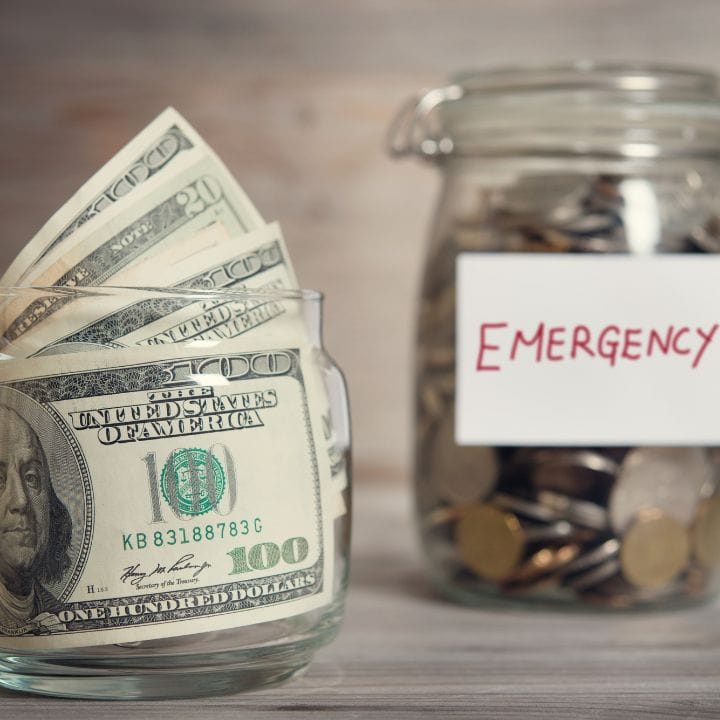
1. Emergency Fund

emergency funds

123rf

An emergency fund isn’t just a nice cushion; it’s a necessity. This fund helps cover unexpected expenses like medical bills, car repairs, or sudden job loss. Ideally, aim to save three to six months’ worth of living expenses. Starting small is fine, what’s important is that you start. An emergency fund can mean the difference between a minor financial hiccup and a full-blown crisis.

2. Retirement Savings

retirement savings

123rf

It’s never too early or too late to think about retirement. Ignoring retirement savings can lead to significant stress later in life. Take advantage of employer-sponsored retirement plans like a 401(k), especially if they match contributions. If you’re self-employed or don’t have access to a 401(k), consider setting up an IRA. Consistently contributing, even small amounts, can greatly benefit you due to compound interest over time.

3. Credit Score

credit score

123rf

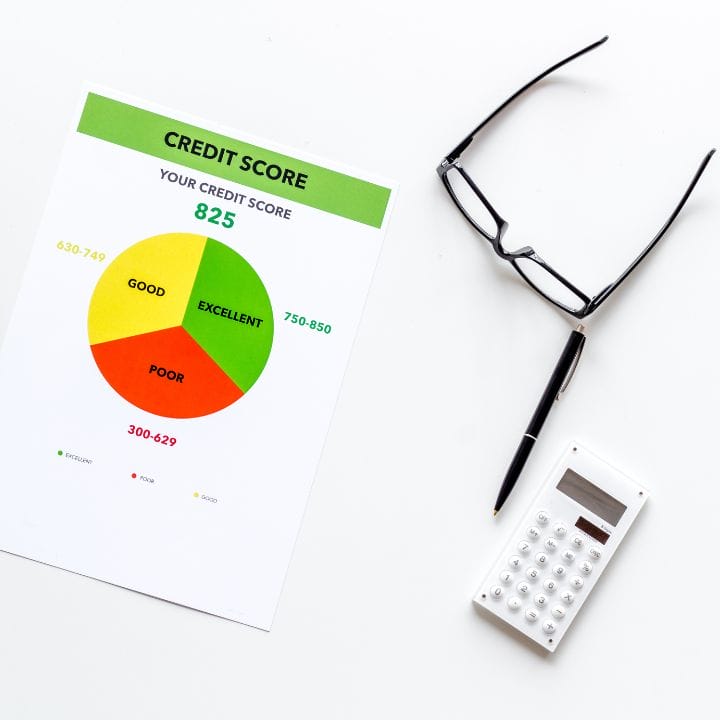
Your credit score is the gateway to your financial health. It affects your ability to secure loans, the interest rates you pay, and even your job prospects. Regularly check your credit report for errors that might be dragging your score down. Paying bills on time, reducing your credit utilization, and avoiding unnecessary debt are crucial steps in maintaining a healthy credit score.

4. Debt Management

debt management

123rf

Debt isn’t inherently bad, but mismanaging it is. High-interest debt, such as credit card debt, can cripple your financial progress. Prioritize paying off high-interest debts first while maintaining minimum payments on others. Consider strategies like debt consolidation or balance transfers if you’re juggling multiple debts, but always read the fine print.

5. Budgeting

budgeting

123rf

A budget is your financial blueprint. Without it, you’re navigating blind. Budgeting helps you understand where your money goes, highlighting areas where you can save. It also prevents overspending and helps you reach your financial goals faster. There are plenty of budgeting tools and apps that can simplify this process, so pick one that fits your lifestyle.

6. Insurance Coverage

insurance coverage

123rf

Insurance is essential protection against financial disaster. Regularly review your health, auto, and home insurance to ensure they meet your current needs. Life and disability insurance are also crucial, especially if others depend on your income. As your life circumstances change, adjust your coverage to ensure you’re not underinsured or overpaying for unnecessary coverage.

7. Investments

investment

123rf

Investing is a powerful tool for building wealth, but it requires attention and adjustment. Diversify your investments to mitigate risk and aim for a mix that reflects your age, financial goals, and risk tolerance. Regularly review and rebalance your portfolio to align with your financial objectives, especially as market conditions change.

8. Tax Planning

taxes

123rf

No one loves taxes, but understanding them can save you a lot of money. Make use of tax-advantaged savings accounts and deductions. If you’re unsure, consulting a tax professional can be a worthwhile investment, especially if you have multiple income streams or a complex financial situation. Keeping abreast of new tax laws can also help you optimize your tax outcomes.

9. Financial Goals

financial goal

123rf

Setting financial goals gives you something to strive towards and helps measure your progress. Whether it’s buying a home, saving for a dream vacation, or preparing for retirement, having clear, measurable goals can motivate you to make financially sound decisions and track your achievements.

10. Regular Financial Check-Ups

a couple reviewing their finances

123rf

Just like you need regular health check-ups, your finances need periodic reviews. A yearly financial review can help you adjust your spending, update goals, and catch potential problems before they explode. Life’s changes, like marriage, kids, and new jobs, necessitate a look at and possibly a revision of your financial plan.

Start Your Financial Planning Today!

insurance coverage

123rf

Ignoring these ten aspects of your personal finances can lead to problems down the road. However, by giving them the attention they deserve, you can build a more secure financial future that’s robust enough to handle whatever life throws your way. It’s all about taking those first steps, staying consistent, and not being afraid to seek advice when needed.

Read More

Ways to Help Make Your Business Finances More Secure

How to Ensure Your Savings Thrive in a Low-Interest World

Vanessa Bermudez
Vanessa Bermudez
Vanessa Bermudez is a content writer with over eight years of experience crafting compelling content across a diverse range of niches. Throughout her career, she has tackled an array of subjects, from technology and finance to entertainment and lifestyle. In her spare time, she enjoys spending time with her husband and two kids. She’s also a proud fur mom to four gentle giant dogs.

Filed Under: Personal Finance Tagged With: budgeting, finances, Money, personal finances, savings, spending

Employment, Stimulus, and Rising Prices

May 26, 2021 by Jacob Sensiba Leave a Comment

The dynamic of employment changed dramatically because of the pandemic and the stimulus provided to consumers as a result.ww

People were let go from their jobs, especially jobs that didn’t have a way to “work from home”. Factory jobs and jobs in the service industry, for example.

Government Intervention

To combat a declining economy and unemployed workers struggling to make ends meet, the government decided to inject liquidity into the market. They did this through increased unemployment benefits and stimulus payments to those that qualified.

This aid sent to consumers helped out a lot of people, but it didn’t entirely go according to plan. One of the intentions of the stimulus payment was to incentivize people to spend – that’s why a large number of the second payment came via a Visa gift card.

When people spend, the economy does better.

Unfortunately, people saved their stimulus payments, but thankfully the market and the economy didn’t suffer as a result.

Rising Prices

That leads to the predicament we could soon find ourselves in. The economy is doing better. The majority of the United States population has been vaccinated (just a reminder that a majority is anything over 50%). Daily life is starting to return to normal; it’s happening slowly, but we are trending in the right direction.

As people grow more confident in their ability to go out into the world, and they get more confident in the economy and the market, they’re likely to spend some of that savings.

Low rates, decreasing unemployment, and more spending are three legs to likely inflation pressures.

Inflation

Now, I know I wrote about inflation pretty recently (here), but I feel it’s necessary to beat that drum again.

The FED already said that they will be more liberal when it comes to monetary policy. That means they will be more likely to let inflation run hot (relative to their 2% inflation target) for an extended period of time.

What they are doing with that stance, is they don’t want to kill a recovery when it’s just getting started. That’s what happened in 2018 when they raised rates throughout the year, but that increase in interest killed the economic growth and popped a bubble.

Okay, so the recipe for inflation is set, but what does that mean for me?

Honestly, that’s hard to say. We already said that inflation is likely, and in some cases, it’s already here. The question is, how much inflation is too much? This question will be answered by the FED.

And the answer will show itself when they relax their easy monetary policy. Interest rates could go up and the FED’s balance sheet could reduce in size.

At that point, I believe it’s only a matter of time (my hunch is not a lot of time) until the bubble we’ve created pops.

If you’re invested for the long haul, hunker down and hold steadfast. Avoid panic selling. If your time horizon is shorter, soon may be a good time to take some profits and de-risk your portfolio.

Disclaimer

**Securities offered through Securities America, Inc., Member FINRA/SIPC. Advisory services offered through Securities America Advisors, Inc. Securities America and its representatives do not provide tax or legal advice; therefore, it is important to coordinate with your tax or legal advisor regarding your specific situation. Please see the website for full disclosures: www.crgfinancialservices.com

Jacob Sensiba
Jacob Sensiba

Jacob Sensible is a financial advisor with decades of experience in the financial planning industry.  His journey into finance began out of necessity, stepping up to support his grandfather during a health crisis. This period not only grounded him in the essentials of stock analysis, investment strategies, and the critical roles of insurance and trusts in asset preservation but also instilled a comprehensive understanding of financial markets and wealth management.  Jacob can be reached at: jake.sensiba@mygfpartner.com.

mygfpartner.com/jacob-sensiba-wisconsin-financial-advisor/

Filed Under: Investing, money management, Personal Finance, risk management Tagged With: economy, Inflation, labor, markets, spending, stimulus

Your Wealth: What You Shouldn’t Do

August 7, 2019 by Jacob Sensiba

Establish an emergency fund, pay down debt, save for retirement, and grow your wealth! Much of your financial life is focused on the things you should do.

However, what I think to be more important are the things you shouldn’t do!

Educational Debt

There’s been a lot of literature/news over the last few years about how much of a problem student loan debt is. As of 2018, total student loan debt was $1.47 trillion. With a T! (Source)

That said, here are some things you should avoid.

  • Taking on too much – Some degrees/professions require a lot of schooling, which can lead to large amounts of student loan debt. And I don’t mean to speak ill of any degrees/professions, but if your desired career requires a “basic” 4-year degree, it’s probably best to find an in-state university to cut costs. Better yet, start at a local 2-year university or tech school until your Gen. Eds. are complete, then transfer.
  • Not having a plan for after – I think this is a common fear for Millennials and Gen Z, but you have so much time to figure things out. Don’t just go to college to get a degree. If you need time, take time. Once you figure out what you want, determine what you need to do to get there.
  • Not researching options – There are SO many student loan options. Depending on what type of loan you choose (private or public), you could have a wide range of payback methodologies. I wrote about student loan options and payback options in two previous posts. Check them out!

Credit cards

There are two BIG problems with credit cards. People who use them irresponsibly and people who don’t use them at all.

  • Using irresponsibly – This one pretty much speaks for itself. This pertains to people who spend way more than they ought to. A good rule of thumb is to only buy something using a credit card if you have the funds readily available to pay the balance off. Don’t have the money, don’t put it on the card. Doing so will cost you in interest and can really set you back.
  • Not using at all – Better than the first point, but still not great. Using a credit card can help your financial situation if you use it correctly. Most of them have rewards of some sort. It’s another credit account on your report. Charging and paying off right away establishes a good payment history. All good things for your credit score.

No emergency fund

Establishing an emergency fund is Step 1. If you don’t have money set aside for unexpected expenses, you’ll have to charge it. This leads to the point above about irresponsible use.

Save $1,000 for emergencies, turn your attention to high-interest debt (credit cards), and then shift your focus back to your emergency fund once that debt is paid off.

Spending

  • Paying bills late – Not paying your bills on time, especially ones shown on your credit report is a big mistake. The #1 factor in calculating your credit score is payment history. Paying ONE bill late will knock your score down. Just one. Don’t do it.
  • Spending too much – (See irresponsible credit card use) This is especially harmful if you frivolously spend BEFORE taking care of important “budget items”. Things like saving, debt payments, and bills.
  • Being too frugal – Though frugality is helpful in building wealth, it can also hurt you. There comes a point when you are too frugal. A vital life skill is doing things in moderation. If you pinch pennies and forego rewarding yourself, you run the risk of breaking the bank on a “bender”.

Investing

  • Waiting – I cannot stress enough the importance of investing early. What helps you make the most of your retirement savings is compound interest. The more time you have to invest, the more compound interest works in your favor.
  • Panic selling – This is a timely point since the market dropped almost 5 percent in the last week. Selling out of fear is always bad. More often than not, when you “panic sell,” you’ve already experienced the majority of the drawdown. Now, this depends on your particular situation, but it behooves you to stay invested during that period.
  • Using generalities when setting up an investment plan – Your investment plan needs to reflect your goals, risk tolerance, time horizon, and behavior. Using generalities is good for someone who writes about this stuff, but it’s not good for YOU. Your plan has to be tailored to YOU.

Life and Wealth

  • Sticking with a job you hate – Sometimes money and comfort makes us do things we don’t want to do. Being unhappy at your job is not worth it. It’s important, however, to thoroughly think through this decision. Quitting is tough, but if your family counts on you for income, you need to have a plan in place before you jump ship.
  • Comparing yourself to others – I’m going to encourage you to develop a new mindset because society taught us that wealth looks like fancy cars and big houses. I want you to think about stealth wealth. It’s probably my most favorite phrase/term. Someone with stealth wealth lives within their means. They live in a modest home, drive a car for transportation only, but saves more than the average person. They don’t “look” wealthy, but their retirement account says otherwise.

Further reading:

What it takes to be a successful investor

How to pay off credit card debt

Creating a financial plan you can stick to

Jacob Sensiba
Jacob Sensiba

Jacob Sensible is a financial advisor with decades of experience in the financial planning industry.  His journey into finance began out of necessity, stepping up to support his grandfather during a health crisis. This period not only grounded him in the essentials of stock analysis, investment strategies, and the critical roles of insurance and trusts in asset preservation but also instilled a comprehensive understanding of financial markets and wealth management.  Jacob can be reached at: jake.sensiba@mygfpartner.com.

mygfpartner.com/jacob-sensiba-wisconsin-financial-advisor/

Filed Under: credit cards, Debt Management, Investing, money management, Personal Finance, Retirement Tagged With: investing, spending, Wealth

  • « Previous Page
  • 1
  • …
  • 6
  • 7
  • 8

FOLLOW US

Search this site:

Recent Posts

  • Can My Savings Account Affect My Financial Aid? by Tamila McDonald
  • 12 Ways Gen X’s Views Clash with Millennials… by Tamila McDonald
  • What Advantages and Disadvantages Are There To… by Jacob Sensiba
  • 10 Tactics for Building an Emergency Fund from Scratch by Vanessa Bermudez
  • Call 911: Go To the Emergency Room Immediately If… by Stephen Kanaval
  • 7 Weird Things You Can Sell Online by Tamila McDonald
  • 10 Scary Facts About DriveTime by Tamila McDonald

Copyright © 2026 · News Pro Theme on Genesis Framework