• Home
  • About Us
  • Toolkit
  • Getting Finances Done
    • Hiring Advisors
    • Debt Management
    • Spending Plan
  • Insurance
    • Life Insurance
    • Health Insurance
    • Disability Insurance
    • Homeowners/Renters Insurance
  • Contact Us
  • Privacy Policy
  • Risk Tolerance Quiz

The Free Financial Advisor

You are here: Home / Archives for grocery budget

Why Does Grocery Shopping Create So Much Sticker Shock

January 21, 2026 by Brandon Marcus Leave a Comment

Why Does Grocery Shopping Create So Much Sticker Shock

Image source: shutterstock.com

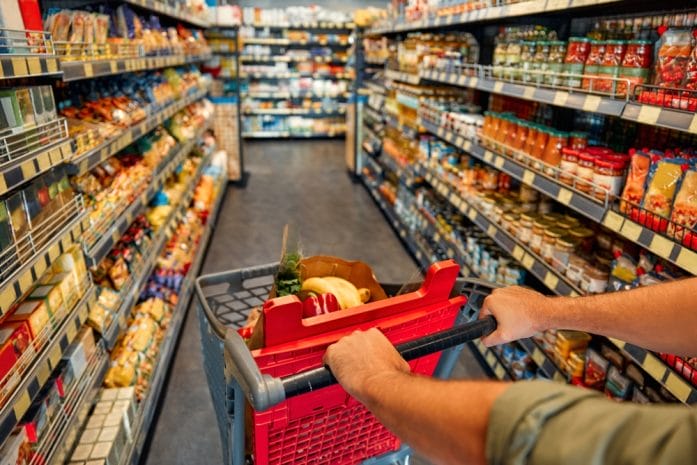
That moment at the checkout hits like a jump scare. You didn’t buy lobster or fancy olive oil, yet the total looks like you accidentally financed a small appliance. Grocery shopping has turned into a weekly ritual of raised eyebrows, frantic receipt scanning, and quiet math in the parking lot.

It’s not just you, and it’s not just imagination. A mix of economics, logistics, packaging tricks, and human psychology all collide under those fluorescent lights, turning routine errands into budget stress tests.

Inflation Is Not Just A Buzzword

Inflation is the headline act behind grocery sticker shock, and it works in layers rather than a single dramatic leap. Food prices rise when the costs of fuel, labor, fertilizer, and packaging rise, and those increases stack on top of one another. Even a small increase at each step of the supply chain can noticeably raise the final shelf price. Inflation also tends to linger in groceries longer than in some other categories because food production relies on physical inputs that cannot be easily replaced or automated away.

Seasonal factors add another twist, as weather disruptions or poor harvests can tighten supply and raise prices quickly. When inflation cools elsewhere, grocery prices often stay elevated, which makes them feel especially stubborn.

The Long And Expensive Journey From Farm To Cart

Food does not teleport from farms to shelves, even if it sometimes feels like it should. A single item may be harvested, processed, packaged, stored, transported, and stocked by several different companies before you see it. Each handoff involves fuel, wages, equipment, and insurance, all of which have become more expensive in recent years.

Transportation costs matter more than many shoppers realize, especially for refrigerated and frozen items that require constant energy use. Global disruptions, such as shipping delays or geopolitical tensions, can also ripple into local grocery prices. By the time your groceries reach the store, they are carrying the financial weight of a very long trip.

Subtle Package Changes That Fool The Eye

Sticker shock often comes from comparing today’s prices with yesterday’s memories, and packaging plays a quiet role in that confusion. Many products now contain less than they used to, even though the box or bag looks nearly identical. This practice allows companies to raise the effective price without changing the shelf tag as dramatically. Your brain expects the old quantity, so the new price feels unfair even when the math technically checks out. Over time, repeated small reductions add up, leaving shoppers feeling like money disappears faster than groceries. It is not deception in the legal sense, but it absolutely affects how expensive shopping feels.

Why Your Brain Thinks Groceries Cost More Than They Do

Grocery shopping triggers a unique kind of price awareness because purchases are frequent and unavoidable. You might not remember what you paid for a couch five years ago, but you remember last week’s milk price. This constant comparison makes even modest increases feel dramatic. The layout of stores also emphasizes spending, with totals climbing steadily as items pile into the cart. Digital receipts and loyalty apps reinforce this awareness by tracking every penny. Because groceries are necessities, there is little emotional payoff to soften the sting, unlike dining out or travel.

Why Does Grocery Shopping Create So Much Sticker Shock

Image source: shutterstock.com

The Same Cart Feeling Heavier Every Year

Even when prices rise gradually, the emotional impact compounds over time. Wages often lag behind food costs, creating the sense that grocery bills are racing ahead. Shoppers respond by switching brands, skipping treats, or buying in bulk, yet the total still feels high. This creates frustration, because effort does not always equal relief. Over time, grocery shopping becomes less about choice and more about compromise. That emotional weight is a big reason sticker shock feels personal rather than abstract.

Why This Shock Feels So Personal

Grocery sticker shock is the result of many small forces working together, not a single villain hiding in aisle five. Inflation, supply chains, packaging changes, and human psychology all play their parts. Understanding these factors does not lower the total, but it can make the experience feel less mystifying.

Everyone has their own grocery moment that made them stop and stare at the receipt. Tell us your thoughts or favorite stories in the comments section below.

You May Also Like…

How To Regularly Save Money At The Grocery Store

The 6 Best Ways To Save At The Grocery Store In 2026

9 Everyday Items You’re Wildly Overpaying For at the Grocery Store

7 Tactics Grocery Stores Use to Keep You From Thinking About Price

How Your Grocery Store Loyalty Card Could Trigger Higher Prices

Brandon Marcus
Brandon Marcus

Brandon Marcus is a writer who has been sharing the written word since a very young age. His interests include sports, history, pop culture, and so much more. When he isn’t writing, he spends his time jogging, drinking coffee, or attempting to read a long book he may never complete.


Filed Under: Smart Shopping Tagged With: groceries, grocery bill, grocery budget, grocery costs, grocery shopping, grocery store, grocery store prices, grocery stores, Inflation, Shopping, sticker shock

8 Budget Line Items That Keep Growing Without Notice

January 13, 2026 by Brandon Marcus Leave a Comment

Here Are 8 Budget Line Items That Keep Growing Without Notice

Image Source: Shutterstock.com

Money has a sneaky way of slipping through your fingers. One month, your budget looks manageable, and the next, you’re staring at numbers that make your jaw drop. Some expenses aren’t obvious—they don’t scream “I’m draining your bank account!” but quietly expand in ways that would make a magician jealous.

If you’ve ever wondered why your paycheck disappears faster than coffee on a Monday morning, you might be surprised at which line items are silently multiplying.

1. Subscription Services That Multiply Like Rabbits

Subscriptions start innocently—a streaming service here, a monthly app there—and suddenly, your bank account reads like a subscription buffet. Each one might seem harmless alone, but add them up, and they can devour hundreds of dollars a month. Many people forget about old trials that auto-renew or secondary services they barely use. What’s worse, some subscriptions increase prices yearly, quietly inflating without any alert.

Reviewing them regularly isn’t just smart; it’s practically a survival tactic for your finances. Take a close look at your statements and cancel the ones you genuinely don’t need—you might be shocked at how much you reclaim.

2. Utilities That Inch Up Silently

Electricity, water, gas—these bills rarely feel dramatic until they aren’t what you expect. Seasonal changes, rate hikes, and inefficient appliances can quietly push costs higher. Leaving lights on, overusing heating or cooling, or even letting phantom electronics draw power overnight can add to the stealthy climb. Tracking your usage and switching to energy-efficient solutions may feel tedious, but it saves more than just money; it saves stress.

Watching your utility bills like a hawk reveals patterns you can control instead of letting them control you. Small tweaks now prevent a shocking total later.

3. Grocery Costs That Spiral Out Of Control

Groceries are the classic example of creeping inflation that slips under the radar. Price increases, new food trends, and impulse buys can turn a reasonable shopping trip into a wallet workout. Shopping without a list, buying on convenience, or ignoring bulk opportunities leads to more than you planned. Even small daily snacks or specialty coffees can accumulate into a shocking sum over a month. Meal planning, comparing prices, and sticking to essentials can curb the rise. Once you see the numbers in black and white, it’s amazing how much control you regain.

4. Dining Out That Feels Small But Isn’t

Dinner out with friends or takeout after a long day often feels like a treat, not a threat. Yet these expenses stack faster than most realize. Ordering consistently, adding drinks, or tipping generously can turn “just once in a while” into a recurring drain. The allure of convenience masks the cumulative effect on your budget. Tracking dining expenses for a month often reveals jaw-dropping totals. Cooking at home even a few times per week can dramatically reduce your monthly outflow without cramping your lifestyle. And hey, experimenting in your own kitchen can be a delicious adventure.

Here Are 8 Budget Line Items That Keep Growing Without Notice

Image Source: Shutterstock.com

5. Transportation Costs That Balloon

Car payments, fuel, insurance, maintenance, and parking—transportation isn’t just a one-line expense. Fuel prices fluctuate, insurance premiums rise, and unexpected repairs sneak up at the worst times. Even public transportation costs add up, especially when factoring in occasional rideshare trips or taxis. Neglecting to maintain vehicles can lead to expensive emergencies, silently adding hundreds to your monthly tab. Comparing insurance, planning routes, and maintaining your vehicle are underrated strategies for stopping this creeping growth. Awareness is the first step toward taming these travel-related giants.

6. Impulse Purchases That Add Up Slowly

It’s not always the big buys that hurt—it’s the tiny impulse purchases that slowly nibble away at your finances. A gadget here, a trendy accessory there, a spontaneous online purchase at midnight—these “small” purchases can snowball. When added over weeks, they often total more than planned. People often underestimate the emotional triggers behind these splurges, which makes them harder to control. Setting limits, pausing before purchases, or even tracking all spending can curb this invisible inflation. Watching these micro-expenses gives you a sense of power over your wallet that’s surprisingly satisfying.

7. Healthcare Expenses That Aren’t Obvious

Insurance premiums, co-pays, prescriptions, and unexpected medical visits can quietly inflate your budget. Preventative care, routine check-ups, and regular prescriptions often feel minor, but the cumulative cost can be substantial. Lifestyle factors, aging, or changing coverage plans contribute to rising expenses. People rarely anticipate the “hidden” costs like over-the-counter medications or specialty treatments. Planning ahead with a health savings account or budgeting for medical needs reduces anxiety and keeps surprises in check. Staying proactive turns these creeping costs from budget-breaking to manageable.

8. Home Maintenance That Sneaks Up

Owning a home is a joy, but it comes with ongoing, often unexpected maintenance costs. Roof repairs, plumbing issues, painting, seasonal upkeep—all can surprise you when least expected. Ignoring minor problems often escalates them into expensive emergencies. Even simple upgrades like new appliances or energy-efficient renovations can temporarily spike expenses. Regular maintenance schedules and setting aside a home emergency fund keeps your home running smoothly without shocking your budget. Consider it the investment that protects both your house and your sanity.

Keep An Eye On Your Budget Growth

Budgets are living things—they change, evolve, and sometimes quietly expand without warning. By paying attention to subscriptions, utilities, groceries, dining, transportation, impulse purchases, healthcare, and home maintenance, you regain control over where your money goes. Catching these creeping expenses early transforms your financial life from reactive to proactive.

Which of these line items has caught you by surprise lately? Let us know your stories or strategies in the comments section below—we’d love to hear how you keep your budget in check.

You May Also Like…

10 Costs That Make Retirement Budgets Feel Unstable

9 Budget Categories That Blow Up After One Emergency

Why Do So Many People Believe Budgeting Apps Solve Everything

9 Everyday Expenses People Forget to Include in Their Budget

Are Budgeting Apps Designed to Push You Into Debt?

Brandon Marcus
Brandon Marcus

Brandon Marcus is a writer who has been sharing the written word since a very young age. His interests include sports, history, pop culture, and so much more. When he isn’t writing, he spends his time jogging, drinking coffee, or attempting to read a long book he may never complete.

Filed Under: Budgeting Tagged With: Budget, budget items, budget tips, budgeting, Budgeting Tips, Emotional Spending, grocery budget, grocery costs, grocery prices, grocery store, impulsing spending, subscriptions, transportation costs, utilities, utility bills

8 Grocery Shopping Habits That Make You Spend More Without Realizing It

January 9, 2026 by Brandon Marcus Leave a Comment

Here Are 8 Grocery Shopping Habits That Make You Spend More Without Realizing It

Image Source: Shutterstock.com

Stepping into a grocery store can feel like entering a jungle. Bright lights, tantalizing smells, and endless aisles of colorful products are all competing for your attention. You might think you’re just popping in for a loaf of bread, but somehow, by the time you hit the checkout, your cart is overflowing and your wallet is lighter than expected. It’s not magic—it’s psychology, store strategy, and habits you probably don’t even notice.

Understanding these subtle traps can help you shop smarter and save money without feeling deprived. Ready to discover the habits that quietly inflate your grocery bills?

1. Always Shopping When You’re Hungry

Walking into a grocery store on an empty stomach is like stepping onto a battlefield armed with nothing but good intentions. When hunger strikes, your brain starts prioritizing immediate gratification over rational decision-making. Suddenly, the chips, cookies, and ice cream call your name like a siren. You might grab snacks you didn’t plan to buy, thinking you’re treating yourself—but really, your appetite is steering your wallet. Studies show that people shopping hungry spend significantly more than those who eat first.

Even fresh produce can become a last-minute impulse buy when your stomach rumbles. To avoid this trap, eat a small meal or snack before heading out; your future self (and bank account) will thank you.

2. Ignoring A Shopping List

A shopping list is more than a tool; it’s a shield against impulsive spending. Without a list, wandering the aisles becomes a free-for-all, with colorful packaging and clever signage influencing your choices. Even seasoned shoppers underestimate the impact of walking in “without a plan.” You might pick up three types of pasta, six sauces, and a candy bar “because it looked good,” all of which you didn’t actually need. Creating a list forces you to focus on essentials and stick to a budget. Apps or old-fashioned pen-and-paper lists work equally well. The key is not just making the list but committing to it once you’re inside the store.

3. Falling For Bulk Discounts

Bulk buying feels like a victory—buy one, get one free, or three-for-the-price-of-two deals tempt you to stock up. The math seems logical, but buying in bulk only saves money if you actually use everything. Otherwise, you end up wasting food and money simultaneously. Large packages of perishable goods often go bad before you can finish them, which negates any “savings.”

Even non-perishables can clutter your kitchen and create stress over whether you’ll ever get through them. Take a moment to calculate whether the deal truly fits your household needs. Sometimes, smaller quantities are smarter and cheaper in the long run.

4. Sticking To Familiar Brands

Brand loyalty might feel comforting, but it can cost more than you realize. Recognizable brands are often priced higher due to their reputation rather than actual quality differences. Generic or store brands frequently offer the same ingredients and taste for a fraction of the price. While there’s nothing wrong with a splurge here and there, automatically reaching for the same branded products can silently inflate your grocery bills.

Experimenting with alternatives can be both a money-saver and an opportunity to discover new favorites. Over time, those small savings add up to a substantial difference in your monthly spending.

Here Are 8 Grocery Shopping Habits That Make You Spend More Without Realizing It

Image Source: Shutterstock.com

5. Shopping With Kids In Tow

Grocery trips with children are a test of patience, strategy, and mental fortitude. Kids see bright packaging, toys, and snacks and immediately attach emotional significance to them. One “can I have this?” can turn into a cascade of unplanned purchases. Even well-behaved kids can influence spending unconsciously because parents want to avoid a meltdown or tantrum. Bringing children along doesn’t have to be a budget-buster, but setting clear rules, engaging them in the list, or shopping solo when possible can reduce unplanned expenditures. Consider small incentives for staying on track—your wallet will benefit.

6. Ignoring Store Layout Tricks

Grocery stores are designed with psychological strategies that maximize spending. Staples like milk and bread are placed at the back so you pass by aisles of tempting extras. Eye-level shelves showcase high-margin items, and end-cap displays are curated to catch your attention. Even lighting and music can influence your mood and buying habits. Shoppers often pick up items they didn’t plan on simply because the store’s layout nudged them toward it. Being aware of these tricks can help you stick to your shopping list and avoid impulsive purchases. Walk purposefully, stay aware, and don’t let your eyes wander too much.

7. Paying With Credit Instead Of Cash

Swiping a card feels abstract, almost like you’re not spending real money. This can lead to overspending because you don’t experience the immediate “pain of paying” that comes with handing over physical cash. Studies have shown that people using credit or debit cards spend more per shopping trip compared to cash users. Even contactless payments can increase spending, as the act is quick and psychologically detached from money leaving your pocket. If budgeting is your goal, consider carrying a set amount in cash or using budgeting apps that simulate the same restraint. Physical limits can curb those invisible dollars slipping away.

8. Shopping Without Comparing Prices

Rushing through a store without checking unit prices or promotions can quietly increase your bill. Two packages of cereal may look identical, but one could cost 20% more per ounce. Similarly, “on-sale” items aren’t always a better deal than regular-priced alternatives. Spending a few extra seconds comparing prices can prevent you from paying a premium unnecessarily. Over time, consistent price-checking builds a habit that keeps your grocery spending lean. Don’t assume bigger labels or flashy colors mean better deals; diligence pays off.

Take Control Of Your Cart

Grocery shopping doesn’t have to be a financial minefield. By recognizing these habits and making conscious choices, you can save money, reduce waste, and even enjoy the process more. What are your experiences navigating the tricky world of grocery aisles?

Have you discovered strategies or surprises while shopping? Drop your thoughts and stories in the comments for others to learn.

You May Also Like…

The 6 Best Ways To Save At The Grocery Store In 2026

9 Everyday Items You’re Wildly Overpaying For at the Grocery Store

Can Your Grocery Store Loyalty Card Be Used to Track You?

How Your Grocery Store Loyalty Card Could Trigger Higher Prices

How to Slash Your Grocery Bill by $200 This Month


Brandon Marcus
Brandon Marcus

Brandon Marcus is a writer who has been sharing the written word since a very young age. His interests include sports, history, pop culture, and so much more. When he isn’t writing, he spends his time jogging, drinking coffee, or attempting to read a long book he may never complete.

Filed Under: Spending Habits Tagged With: brand name, brands, discounts, grocery bill, grocery budget, grocery shopping, grocery store, grocery store data, grocery store prices, grocery store tactics, overspending, Shopping, shopping in bulk, shopping list, smart shopping, Smart Spending, spending

Why Do Grocery Prices Feel Higher No Matter Where You Shop Now

January 7, 2026 by Brandon Marcus Leave a Comment

Why Do Grocery Prices Feel Higher No Matter Where You Shop Now

Image Source: Shutterstock.com

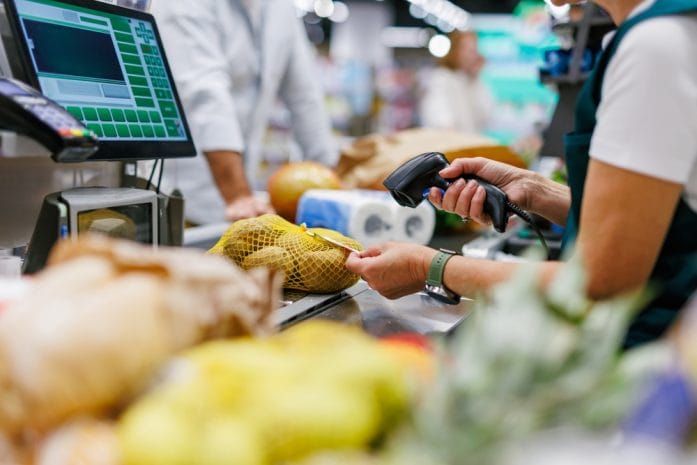
Your grocery cart is rolling, your list is modest, and your expectations are reasonable—yet somehow the total on the screen feels like it just did a backflip. That jolt at the checkout isn’t your imagination or a bad week for coupons. Grocery shopping today feels like an extreme sport where prices leap, land, and laugh while you clutch a receipt that looks longer than your arm. From discount chains to upscale markets, the shock feels universal, relentless, and oddly personal. So what’s actually going on behind those stubborn price tags that refuse to calm down?

Inflation Is Still Lingering In Everyday Aisles

Inflation may not dominate headlines the way it once did, but it hasn’t packed up and left the grocery store. Food prices are especially sensitive to inflation because they rely on energy, labor, transportation, and raw materials, all of which became more expensive over the last few years. Even when inflation slows, prices rarely roll back in a meaningful way. Instead, they settle at a higher baseline that quietly becomes the new normal. That lingering effect makes every trip feel pricier, even if increases are smaller than before.

Another sneaky factor is “price memory,” where shoppers compare today’s costs to what they remember paying years ago. A gallon of milk or a loaf of bread sticks in the mind, so when the number jumps, it feels outrageous even if the increase happened gradually. Inflation reshaped expectations as much as it reshaped price tags. That mental gap between what feels fair and what rings up is a big reason grocery bills still sting.

Supply Chains Are Shorter, Pricier, And More Fragile

The global supply chain didn’t fully snap back to its old rhythm, and grocery prices are paying the price. Many companies shifted to shorter, more regional supply chains to avoid disruptions, which sounds smart but often costs more. Local sourcing can reduce risk, yet it frequently comes with higher production and labor expenses. Those costs travel straight from farms and factories to your cart.

Transportation remains another major pressure point. Fuel prices fluctuate, trucking shortages persist, and shipping logistics are more complex than they used to be. Even small delays or inefficiencies ripple outward, raising costs across entire product categories. When every step of the journey costs a bit more, groceries end up feeling universally expensive no matter where you shop.

Brands And Stores Are Quietly Changing What You Get

Prices don’t always rise loudly; sometimes they whisper through smaller packages and subtle swaps. Shrinkflation has become a familiar frustration, with boxes getting slimmer and bags feeling lighter while prices stay the same or climb. That creates the illusion of stability while your money buys less food. Shoppers notice eventually, and the sense of being shortchanged adds to the sticker shock.

Store brands aren’t immune either. Private labels once felt like a reliable escape hatch, but many retailers raised those prices too as ingredient and manufacturing costs increased. Some stores adjusted recipes, sourcing, or packaging to control expenses, which can change quality or value perception. When even the “cheap” options feel expensive, the entire store seems hostile to your budget.

Why Do Grocery Prices Feel Higher No Matter Where You Shop Now

Image Source: Shutterstock.com

Consumer Behavior Is Changing The Price Landscape

Shopping habits themselves are reshaping grocery pricing in unexpected ways. More people now buy online, use delivery services, or opt for curbside pickup, all of which add operational costs for retailers. Those conveniences don’t come free, even if the fees aren’t obvious at first glance. Over time, the cost of speed and flexibility gets baked into shelf prices.

At the same time, shoppers are chasing deals more aggressively, jumping between stores and hunting promotions. That behavior pressures retailers to rely on dynamic pricing, targeted discounts, and loyalty programs that favor some shoppers over others. If you’re not playing the game just right, prices can feel punishing. The result is a shopping experience that feels uneven, confusing, and consistently expensive.

Wages, Labor Shortages, And The Human Cost Of Food

Behind every stocked shelf is a workforce that has grown more expensive to maintain. Grocery stores, farms, processing plants, and warehouses all faced labor shortages that pushed wages higher. Paying workers more is essential, but it also raises the cost of doing business. Those increases don’t vanish; they flow through to the final price you see.

Labor challenges also affect efficiency. Fewer workers can mean slower restocking, reduced hours, or less competition between suppliers. That environment gives prices more room to climb and less reason to fall. When the human side of food production strains, the financial strain shows up right on the receipt.

The Checkout Reality We’re All Navigating

Grocery prices feel higher everywhere because multiple forces are pulling in the same direction at once. Inflation, supply chains, labor costs, shifting shopping habits, and quiet changes in packaging all stack together into one loud total at checkout. It’s not just one store or one brand; it’s an entire system adjusting to a new economic rhythm. Understanding the reasons doesn’t make the bill smaller, but it can make the experience feel less baffling.

If you’ve noticed strange price jumps, clever shrinkage, or surprising totals lately, jump into the comments below and let others know what you’re seeing in your own grocery runs.

You May Also Like…

9 Everyday Items You’re Wildly Overpaying For at the Grocery Store

Can Your Grocery Store Loyalty Card Be Used to Track You?

Expense Trap: 7 Inflation Surprises That Sneak Up on Middle-Aged Investors

How Your Grocery Store Loyalty Card Could Trigger Higher Prices

The Real Reasons Fast-Food Chains Are Charging You More for Less Food

Brandon Marcus
Brandon Marcus

Brandon Marcus is a writer who has been sharing the written word since a very young age. His interests include sports, history, pop culture, and so much more. When he isn’t writing, he spends his time jogging, drinking coffee, or attempting to read a long book he may never complete.
Filed Under: Spending Habits Tagged With: brands, consumer, customers, food, food and drink, grocery budget, Grocery savings, grocery shopping, grocery store, Inflation, labor shortage, name brands, overspending, Shopping, Smart Spending, spending, Spending Habits, supply chain, wages

The 6 Best Ways To Save At The Grocery Store In 2026

January 6, 2026 by Brandon Marcus Leave a Comment

Here Are The 6 Best Ways To Save At The Grocery Store In 2026

Image Source: Shutterstock.com

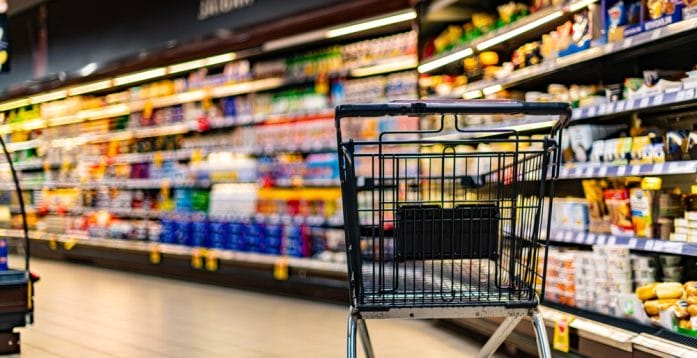
Your grocery cart is rolling down the aisle, the shelves are glowing with promises, and your budget is quietly begging for mercy. In 2026, grocery shopping feels like a high-speed game where prices shift, apps ping, and choices matter more than ever. Food inflation has cooled compared to earlier years, but smart shoppers know that “cooler” doesn’t mean cheap.

The thrill now comes from outsmarting the system instead of dreading the receipt. Strap in, because saving money at the grocery store has become a sport—and you’re about to learn how to win.

1. Master Store Apps And Digital Wallet Deals

In 2026, grocery store apps are no longer optional side quests; they are the main mission. Most major chains now offer app-only pricing, instant cash-back offers, and personalized discounts based on what you actually buy. Digital wallets sync coupons automatically at checkout, which means no more awkward fumbling with paper slips.

Some apps even unlock surprise “flash deals” while you’re physically inside the store. The shoppers who tap before they shop routinely save 10 to 25 percent per trip without changing a single item.

2. Buy Private Labels With Confidence

Store-brand products in 2026 are not the bland knockoffs they once were. Retailers now invest heavily in quality testing, clean ingredients, and transparent sourcing to compete directly with national brands. In blind taste tests, many private-label items consistently match or beat name brands for flavor and freshness. The price difference, however, remains dramatic, often saving you a lot per item. Choosing private labels across your weekly staples can quietly add up to hundreds of dollars saved each year.

3. Time Your Shopping Around Dynamic Pricing

Grocery pricing has gone dynamic, and timing matters more than ever in 2026. Many stores now adjust prices based on demand, inventory levels, and even the time of day. Early mornings and late evenings often feature markdowns on fresh items like produce, meat, and bakery goods. Midweek shopping can also unlock lower prices compared to weekend rush hours. Paying attention to when you shop, not just what you buy, turns patience into instant savings.

4. Use Subscription And Replenishment Discounts Wisely

Subscription grocery discounts have expanded beyond pet food and paper towels. In 2026, many stores let you subscribe to essentials like coffee, rice, snacks, and cleaning supplies at reduced prices. These programs reward consistency, offering discounts that grow the longer you stay enrolled. The key is subscribing only to items you already buy regularly not aspirational groceries you forget about. Used strategically, subscriptions reduce impulse spending and lock in predictable savings.

5. Lean Into AI-Powered Meal Planning

AI meal planning tools have matured into powerful money-saving allies. These tools analyze store sales, seasonal ingredients, and your dietary preferences to build affordable weekly menus. Many apps now connect directly to grocery carts, automatically selecting the cheapest options available. By planning meals that overlap ingredients, food waste drops dramatically. Less waste means fewer emergency store runs, which are often the most expensive trips of all.

6. Track Prices And Play The Long Game

Price tracking has become shockingly simple in 2026 thanks to browser extensions and grocery comparison apps. These tools show historical prices, alert you to drops, and reveal which stores consistently offer the best value.

Over time, patterns emerge that help you plan big purchases with confidence. Instead of reacting emotionally to sales signs, you start buying strategically. The result is calmer shopping, smarter decisions, and a grocery bill that finally feels under control.

Here Are The 6 Best Ways To Save At The Grocery Store In 2026

Image Source: Shutterstock.com

Turn Grocery Shopping Into A Win

Saving at the grocery store in 2026 isn’t about deprivation or cutting corners; it’s about playing smarter with better tools. Every app tap, timing tweak, and thoughtful swap puts more power back in your hands. When you approach shopping like a strategy instead of a chore, the experience becomes oddly satisfying. Small wins stack up quickly, and the checkout total starts to feel like a victory instead of a warning.

Okay, it’s your turn! Drop your thoughts, tips, or personal grocery-saving stories in the comments below and bolster the conversation.

You May Also Like…

9 Everyday Items You’re Wildly Overpaying For at the Grocery Store

7 Tactics Grocery Stores Use to Keep You From Thinking About Price

Can Your Grocery Store Loyalty Card Be Used to Track You?

7 Simple Techniques to Conquer Impulsive Shopping Forevermore

Online Recipes That Waste Your Grocery Budget


Brandon Marcus
Brandon Marcus

Brandon Marcus is a writer who has been sharing the written word since a very young age. His interests include sports, history, pop culture, and so much more. When he isn’t writing, he spends his time jogging, drinking coffee, or attempting to read a long book he may never complete.
Filed Under: Spending Habits Tagged With: 2026, budgeting, grocery bill, grocery budget, Grocery savings, grocery shopping, grocery store, grocery store tactics, overspending, pricing, saving money, savings, Shopping, Smart Spending, spending

Why Do Families Spend More on Pets Than Groceries

September 27, 2025 by Catherine Reed Leave a Comment

Why Do Families Spend More on Pets Than Groceries

Image source: 123rf.com

Pets have gone from being companions to full-fledged family members in today’s households. Many families willingly open their wallets for their furry friends, sometimes realizing they actually spend more on pets than on groceries. Between food, grooming, toys, and healthcare, the costs of keeping animals healthy and happy can surpass basic household expenses. This financial shift highlights both emotional priorities and the realities of modern consumer habits. Let’s look at why so many households choose to spend more on pets than on groceries.

1. Pet Food Rivals Gourmet Options

One of the biggest reasons families spend more on pets than groceries is the booming market for premium food. High-quality kibble, organic treats, and specialty diets can cost more per pound than many human staples. Owners are drawn to promises of better nutrition, longevity, and fewer health problems. While grocery bills fluctuate, dedicated pet parents rarely compromise on food quality. This commitment easily pushes monthly pet costs beyond household grocery spending.

2. Veterinary Care Is Expensive

Healthcare for pets is one of the largest ongoing expenses for owners. Unlike human medicine, veterinary bills aren’t cushioned by comprehensive insurance in most cases. A routine exam, shots, or medication can quickly add up, and emergency visits may cost thousands. Families often budget more for vet bills than they do for weekly groceries. The fear of a pet suffering motivates many to prioritize these expenses above all else.

3. Grooming and Maintenance Add Up

From nail trims to professional grooming, many pets require regular upkeep. Families often spend more on pets than groceries when considering these services, especially for breeds with high-maintenance coats. Grooming not only improves appearance but also prevents health issues, making it hard to cut corners. Add in flea treatments, dental care, and hygiene products, and costs can escalate quickly. Over time, grooming becomes a significant portion of household budgets.

4. Toys and Accessories Pile On

Keeping pets entertained often means a steady stream of toys, beds, and accessories. Families eager to spoil their animals spend more on pets than groceries without even realizing it. A squeaky toy here, a new scratching post there, and suddenly the total surpasses weekly food bills. These purchases aren’t always necessary but feed into the emotional bond owners feel toward their animals. For many, the joy pets provide justifies the added expense.

5. Pet Insurance Is a Growing Expense

As veterinary costs climb, more families are opting for pet insurance. Monthly premiums, while helpful in emergencies, add another layer of ongoing cost. When added to food, grooming, and routine care, insurance makes it even easier to spend more on pets than on groceries. Unlike grocery shopping, where families can cut back, insurance premiums are fixed. This ensures pets remain a consistent financial priority.

6. Emotional Spending Plays a Role

Unlike groceries, which fulfill a basic need, spending on pets taps into emotional attachment. Families often justify higher costs by thinking of pets as children. This mindset leads to decisions that prioritize pet comfort over cutting back, even in tough financial times. The love and companionship pets provide encourage spending habits that may seem irrational compared to groceries. In this way, emotions drive financial behavior more than logic.

7. Lifestyle Marketing Targets Pet Owners

The pet industry has mastered the art of marketing, pushing premium products and services as must-haves. Families may spend more on pets than groceries because they’re constantly exposed to messages about what “good” pet ownership looks like. From subscription boxes to gourmet treats, the market encourages upgrades at every turn. This creates a cycle of continuous spending. Unlike grocery shopping, which can be routine, pet-related purchases often feel indulgent and exciting.

8. Pets Reduce Other Costs

In some ways, the higher spending balances out. Families who spend more on pets than groceries sometimes save on entertainment or social outings. Pets provide comfort, companionship, and activities that replace costlier habits like dining out or expensive vacations. While the financial shift is noticeable, it reflects a change in how families allocate their resources. Pets become an investment in happiness rather than a simple expense.

9. Families See Pets as Priceless

Ultimately, families spend more on pets than on groceries because they see them as priceless. The companionship, loyalty, and emotional support pets provide outweigh the financial strain. Owners often describe their animals as part of the family, making spending decisions less about money and more about love. When compared to the joy pets bring, the grocery bill feels less significant. This perspective explains why households are willing to prioritize their pets financially.

Love Over Logic Defines Spending Priorities

At the end of the day, families may spend more on pets than groceries because love outweighs logic. Groceries keep you alive, but pets make life richer, more fulfilling, and less lonely. The emotional connection transforms spending into an act of care rather than obligation. While the numbers may surprise some, the priority makes sense to those who have pets. It’s a reminder that financial choices often reveal where hearts truly lie.

Do you find yourself spending more on pets than groceries? Share your thoughts and experiences in the comments below!

What to Read Next…

  • 6 Financial Risks Nobody Tells You About Pet Ownership
  • Could Pet Ownership Now Be More Expensive Than Raising Kids
  • 5 Overlooked Costs of Caring for Aging Pets
  • Could the Cost of Raising Pets Outpace Inflation Itself
  • Pets Over People: 6 Financial Reasons People Are Choosing Dogs Over Children
Catherine Reed
Catherine Reed

Catherine is a tech-savvy writer who has focused on the personal finance space for more than eight years. She has a Bachelor’s in Information Technology and enjoys showcasing how tech can simplify everyday personal finance tasks like budgeting, spending tracking, and planning for the future. Additionally, she’s explored the ins and outs of the world of side hustles and loves to share what she’s learned along the way. When she’s not working, you can find her relaxing at home in the Pacific Northwest with her two cats or enjoying a cup of coffee at her neighborhood cafe.

Filed Under: Pets Tagged With: family spending, grocery budget, household priorities, Personal Finance, pet care costs, pet expenses, spend more on pets

Online Recipes That Waste Your Grocery Budget

July 14, 2025 by Travis Campbell Leave a Comment

grocery

Image Source: pexels.com

Everyone wants to save money on groceries. But online recipes can make that harder than you think. You find a dish that looks great, but the ingredient list is long and expensive. Or you buy a special sauce for one meal and never use it again. These small choices add up and can wreck your grocery budget. If you want to eat well without overspending, it helps to know which recipes to skip. Here’s how online recipes can waste your grocery budget—and what you can do about it.

1. Recipes With Rare or Single-Use Ingredients

Some recipes call for ingredients you’ll only use once. Think saffron, truffle oil, or a special spice blend. You buy a whole jar for one teaspoon, and the rest sits in your pantry. These single-use items are a big reason your grocery budget gets stretched. Instead, look for recipes that use common ingredients you already have. If you want to try something new, see if you can substitute with what’s on hand. Or, plan several meals that use the same rare ingredient so nothing goes to waste.

2. Dishes That Require Expensive Proteins

Online recipes often feature steak, shrimp, or fancy cuts of meat. These proteins cost more than chicken, beans, or eggs. If you follow these recipes often, your grocery budget will take a hit. You don’t have to give up good food. Try swapping in more affordable proteins. For example, use chicken thighs instead of steak, or beans instead of shrimp. You’ll still get plenty of flavor, and your wallet will thank you.

3. Meals With Long Ingredient Lists

Some recipes look simple but have a list of 15 or more ingredients. Even if each item is cheap, the total cost adds up fast. Plus, you might only use a small amount of each, leaving leftovers that go bad. Stick to recipes with fewer ingredients. They’re easier to shop for and less likely to waste your grocery budget. If you see a long list, ask yourself if you really need every item or if you can simplify.

4. Trendy or Viral Recipes

Social media is full of trendy recipes. Maybe it’s a whipped coffee or a rainbow cake. These recipes often need special tools or ingredients you won’t use again. The cost of chasing trends can sneak up on you. Before you try a viral recipe, check if you already have what you need. If not, think twice. Your grocery budget will be safer if you stick to meals you know and love.

5. Recipes That Don’t Use Leftovers

Some online recipes are designed for one meal only. They don’t help you use up what’s already in your fridge. This leads to more food waste and more trips to the store. To protect your grocery budget, look for recipes that help you use leftovers. For example, roast a chicken one night and use the leftovers for soup or sandwiches the next day. This way, nothing goes to waste, and you spend less.

6. Dishes With Out-of-Season Produce

Fresh berries in winter or asparagus in the fall? Out-of-season produce costs more and often doesn’t taste as good. Many online recipes don’t consider what’s in season. If you follow them, your grocery budget will suffer. Shop for fruits and vegetables that are in season where you live. They’re cheaper, fresher, and better for your meals.

7. Meals That Require Special Equipment

Some recipes need a spiralizer, an air fryer, or a sous vide machine. If you don’t have the tool, you might buy it just for one dish. That’s a big expense for a single meal. Before you invest in new equipment, ask if you’ll use it often. If not, skip the recipe or find a way to make it with what you have. Your grocery budget isn’t just about food—it’s about all the extras, too.

8. Recipes That Don’t Scale Well

Some online recipes are for four or more people. If you’re cooking for one or two, you might end up with too much food. Leftovers are great, but only if you’ll eat them. Otherwise, you’re wasting both food and money. Look for recipes that are easy to scale down. Or freeze leftovers for another day. This helps you stick to your grocery budget and avoid waste.

9. Meals With Unclear Serving Sizes

A recipe might say it serves four, but what does that mean? If the portions are too small, you’ll need to make more food. If they’re too big, you might throw some away. Both options waste your grocery budget. Look for recipes with clear serving sizes and adjust as needed. If you’re not sure, read the comments or reviews. Other cooks often share helpful tips.

10. Dishes That Ignore Pantry Staples

Some recipes ask you to buy everything, even basics like salt, oil, or flour. If you follow the list exactly, you’ll spend more than you need to. Before you shop, check your pantry. You might already have half the ingredients. This simple step can save your grocery budget from unnecessary spending.

Smarter Cooking Means a Healthier Grocery Budget

Online recipes can inspire you, but they can also waste your grocery budget if you’re not careful. Focus on meals that use what you have, avoid single-use ingredients, and pay attention to serving sizes. Small changes in how you choose and shop for recipes can make a big difference. Your grocery budget will stretch further, and you’ll waste less food.

What online recipe has surprised you with its cost or waste? Share your story in the comments.

Read More

5 Biggest Refinance Concerns

Stop Reading About Last Year’s Top Ten Mutual Funds

Travis Campbell
Travis Campbell

Travis Campbell is a digital marketer/developer with over 10 years of experience and a writer for over 6 years. He holds a degree in E-commerce and likes to share life advice he’s learned over the years. Travis loves spending time on the golf course or at the gym when he’s not working.

Filed Under: Budgeting Tagged With: food waste, frugal living, grocery budget, Home Cooking, meal planning, online recipes, smart shopping

FOLLOW US

Search this site:

Recent Posts

  • Can My Savings Account Affect My Financial Aid? by Tamila McDonald
  • 12 Ways Gen X’s Views Clash with Millennials… by Tamila McDonald
  • What Advantages and Disadvantages Are There To… by Jacob Sensiba
  • 10 Tactics for Building an Emergency Fund from Scratch by Vanessa Bermudez
  • Call 911: Go To the Emergency Room Immediately If… by Stephen Kanaval
  • 7 Weird Things You Can Sell Online by Tamila McDonald
  • 10 Scary Facts About DriveTime by Tamila McDonald

Copyright © 2026 · News Pro Theme on Genesis Framework