
• Home
  • About Us
  • Toolkit
  • Getting Finances Done
    • Hiring Advisors
    • Debt Management
    • Spending Plan
  • Insurance
    • Life Insurance
    • Health Insurance
    • Disability Insurance
    • Homeowners/Renters Insurance
  • Contact Us
  • Privacy Policy
  • Risk Tolerance Quiz

The Free Financial Advisor

You are here: Home / Archives for grocery store tactics

8 Grocery Shopping Habits That Make You Spend More Without Realizing It

January 9, 2026 by Brandon Marcus Leave a Comment

Here Are 8 Grocery Shopping Habits That Make You Spend More Without Realizing It

Image Source: Shutterstock.com

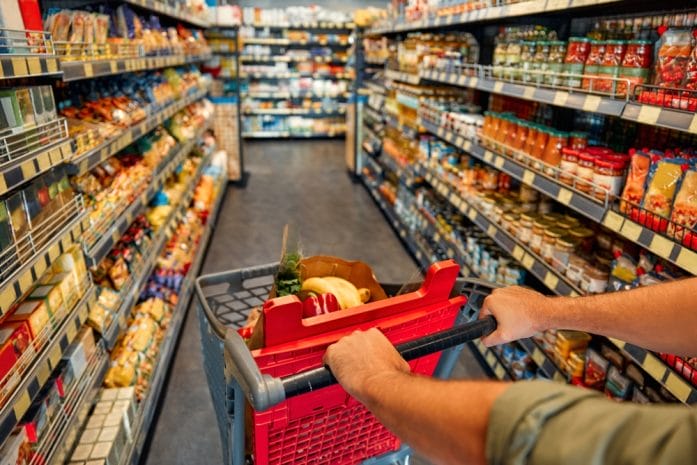
Stepping into a grocery store can feel like entering a jungle. Bright lights, tantalizing smells, and endless aisles of colorful products are all competing for your attention. You might think you’re just popping in for a loaf of bread, but somehow, by the time you hit the checkout, your cart is overflowing and your wallet is lighter than expected. It’s not magic—it’s psychology, store strategy, and habits you probably don’t even notice.

Understanding these subtle traps can help you shop smarter and save money without feeling deprived. Ready to discover the habits that quietly inflate your grocery bills?

1. Always Shopping When You’re Hungry

Walking into a grocery store on an empty stomach is like stepping onto a battlefield armed with nothing but good intentions. When hunger strikes, your brain starts prioritizing immediate gratification over rational decision-making. Suddenly, the chips, cookies, and ice cream call your name like a siren. You might grab snacks you didn’t plan to buy, thinking you’re treating yourself—but really, your appetite is steering your wallet. Studies show that people shopping hungry spend significantly more than those who eat first.

Even fresh produce can become a last-minute impulse buy when your stomach rumbles. To avoid this trap, eat a small meal or snack before heading out; your future self (and bank account) will thank you.

2. Ignoring A Shopping List

A shopping list is more than a tool; it’s a shield against impulsive spending. Without a list, wandering the aisles becomes a free-for-all, with colorful packaging and clever signage influencing your choices. Even seasoned shoppers underestimate the impact of walking in “without a plan.” You might pick up three types of pasta, six sauces, and a candy bar “because it looked good,” all of which you didn’t actually need. Creating a list forces you to focus on essentials and stick to a budget. Apps or old-fashioned pen-and-paper lists work equally well. The key is not just making the list but committing to it once you’re inside the store.

3. Falling For Bulk Discounts

Bulk buying feels like a victory—buy one, get one free, or three-for-the-price-of-two deals tempt you to stock up. The math seems logical, but buying in bulk only saves money if you actually use everything. Otherwise, you end up wasting food and money simultaneously. Large packages of perishable goods often go bad before you can finish them, which negates any “savings.”

Even non-perishables can clutter your kitchen and create stress over whether you’ll ever get through them. Take a moment to calculate whether the deal truly fits your household needs. Sometimes, smaller quantities are smarter and cheaper in the long run.

4. Sticking To Familiar Brands

Brand loyalty might feel comforting, but it can cost more than you realize. Recognizable brands are often priced higher due to their reputation rather than actual quality differences. Generic or store brands frequently offer the same ingredients and taste for a fraction of the price. While there’s nothing wrong with a splurge here and there, automatically reaching for the same branded products can silently inflate your grocery bills.

Experimenting with alternatives can be both a money-saver and an opportunity to discover new favorites. Over time, those small savings add up to a substantial difference in your monthly spending.

Here Are 8 Grocery Shopping Habits That Make You Spend More Without Realizing It

Image Source: Shutterstock.com

5. Shopping With Kids In Tow

Grocery trips with children are a test of patience, strategy, and mental fortitude. Kids see bright packaging, toys, and snacks and immediately attach emotional significance to them. One “can I have this?” can turn into a cascade of unplanned purchases. Even well-behaved kids can influence spending unconsciously because parents want to avoid a meltdown or tantrum. Bringing children along doesn’t have to be a budget-buster, but setting clear rules, engaging them in the list, or shopping solo when possible can reduce unplanned expenditures. Consider small incentives for staying on track—your wallet will benefit.

6. Ignoring Store Layout Tricks

Grocery stores are designed with psychological strategies that maximize spending. Staples like milk and bread are placed at the back so you pass by aisles of tempting extras. Eye-level shelves showcase high-margin items, and end-cap displays are curated to catch your attention. Even lighting and music can influence your mood and buying habits. Shoppers often pick up items they didn’t plan on simply because the store’s layout nudged them toward it. Being aware of these tricks can help you stick to your shopping list and avoid impulsive purchases. Walk purposefully, stay aware, and don’t let your eyes wander too much.

7. Paying With Credit Instead Of Cash

Swiping a card feels abstract, almost like you’re not spending real money. This can lead to overspending because you don’t experience the immediate “pain of paying” that comes with handing over physical cash. Studies have shown that people using credit or debit cards spend more per shopping trip compared to cash users. Even contactless payments can increase spending, as the act is quick and psychologically detached from money leaving your pocket. If budgeting is your goal, consider carrying a set amount in cash or using budgeting apps that simulate the same restraint. Physical limits can curb those invisible dollars slipping away.

8. Shopping Without Comparing Prices

Rushing through a store without checking unit prices or promotions can quietly increase your bill. Two packages of cereal may look identical, but one could cost 20% more per ounce. Similarly, “on-sale” items aren’t always a better deal than regular-priced alternatives. Spending a few extra seconds comparing prices can prevent you from paying a premium unnecessarily. Over time, consistent price-checking builds a habit that keeps your grocery spending lean. Don’t assume bigger labels or flashy colors mean better deals; diligence pays off.

Take Control Of Your Cart

Grocery shopping doesn’t have to be a financial minefield. By recognizing these habits and making conscious choices, you can save money, reduce waste, and even enjoy the process more. What are your experiences navigating the tricky world of grocery aisles?

Have you discovered strategies or surprises while shopping? Drop your thoughts and stories in the comments for others to learn.

You May Also Like…

The 6 Best Ways To Save At The Grocery Store In 2026

9 Everyday Items You’re Wildly Overpaying For at the Grocery Store

Can Your Grocery Store Loyalty Card Be Used to Track You?

How Your Grocery Store Loyalty Card Could Trigger Higher Prices

How to Slash Your Grocery Bill by $200 This Month


Brandon Marcus
Brandon Marcus

Brandon Marcus is a writer who has been sharing the written word since a very young age. His interests include sports, history, pop culture, and so much more. When he isn’t writing, he spends his time jogging, drinking coffee, or attempting to read a long book he may never complete.
Filed Under: Spending Habits Tagged With: brand name, brands, discounts, grocery bill, grocery budget, grocery shopping, grocery store, grocery store data, grocery store prices, grocery store tactics, overspending, Shopping, shopping in bulk, shopping list, smart shopping, Smart Spending, spending

The 6 Best Ways To Save At The Grocery Store In 2026

January 6, 2026 by Brandon Marcus Leave a Comment

Here Are The 6 Best Ways To Save At The Grocery Store In 2026

Image Source: Shutterstock.com

Your grocery cart is rolling down the aisle, the shelves are glowing with promises, and your budget is quietly begging for mercy. In 2026, grocery shopping feels like a high-speed game where prices shift, apps ping, and choices matter more than ever. Food inflation has cooled compared to earlier years, but smart shoppers know that “cooler” doesn’t mean cheap.

The thrill now comes from outsmarting the system instead of dreading the receipt. Strap in, because saving money at the grocery store has become a sport—and you’re about to learn how to win.

1. Master Store Apps And Digital Wallet Deals

In 2026, grocery store apps are no longer optional side quests; they are the main mission. Most major chains now offer app-only pricing, instant cash-back offers, and personalized discounts based on what you actually buy. Digital wallets sync coupons automatically at checkout, which means no more awkward fumbling with paper slips.

Some apps even unlock surprise “flash deals” while you’re physically inside the store. The shoppers who tap before they shop routinely save 10 to 25 percent per trip without changing a single item.

2. Buy Private Labels With Confidence

Store-brand products in 2026 are not the bland knockoffs they once were. Retailers now invest heavily in quality testing, clean ingredients, and transparent sourcing to compete directly with national brands. In blind taste tests, many private-label items consistently match or beat name brands for flavor and freshness. The price difference, however, remains dramatic, often saving you a lot per item. Choosing private labels across your weekly staples can quietly add up to hundreds of dollars saved each year.

3. Time Your Shopping Around Dynamic Pricing

Grocery pricing has gone dynamic, and timing matters more than ever in 2026. Many stores now adjust prices based on demand, inventory levels, and even the time of day. Early mornings and late evenings often feature markdowns on fresh items like produce, meat, and bakery goods. Midweek shopping can also unlock lower prices compared to weekend rush hours. Paying attention to when you shop, not just what you buy, turns patience into instant savings.

4. Use Subscription And Replenishment Discounts Wisely

Subscription grocery discounts have expanded beyond pet food and paper towels. In 2026, many stores let you subscribe to essentials like coffee, rice, snacks, and cleaning supplies at reduced prices. These programs reward consistency, offering discounts that grow the longer you stay enrolled. The key is subscribing only to items you already buy regularly not aspirational groceries you forget about. Used strategically, subscriptions reduce impulse spending and lock in predictable savings.

5. Lean Into AI-Powered Meal Planning

AI meal planning tools have matured into powerful money-saving allies. These tools analyze store sales, seasonal ingredients, and your dietary preferences to build affordable weekly menus. Many apps now connect directly to grocery carts, automatically selecting the cheapest options available. By planning meals that overlap ingredients, food waste drops dramatically. Less waste means fewer emergency store runs, which are often the most expensive trips of all.

6. Track Prices And Play The Long Game

Price tracking has become shockingly simple in 2026 thanks to browser extensions and grocery comparison apps. These tools show historical prices, alert you to drops, and reveal which stores consistently offer the best value.

Over time, patterns emerge that help you plan big purchases with confidence. Instead of reacting emotionally to sales signs, you start buying strategically. The result is calmer shopping, smarter decisions, and a grocery bill that finally feels under control.

Here Are The 6 Best Ways To Save At The Grocery Store In 2026

Image Source: Shutterstock.com

Turn Grocery Shopping Into A Win

Saving at the grocery store in 2026 isn’t about deprivation or cutting corners; it’s about playing smarter with better tools. Every app tap, timing tweak, and thoughtful swap puts more power back in your hands. When you approach shopping like a strategy instead of a chore, the experience becomes oddly satisfying. Small wins stack up quickly, and the checkout total starts to feel like a victory instead of a warning.

Okay, it’s your turn! Drop your thoughts, tips, or personal grocery-saving stories in the comments below and bolster the conversation.

You May Also Like…

9 Everyday Items You’re Wildly Overpaying For at the Grocery Store

7 Tactics Grocery Stores Use to Keep You From Thinking About Price

Can Your Grocery Store Loyalty Card Be Used to Track You?

7 Simple Techniques to Conquer Impulsive Shopping Forevermore

Online Recipes That Waste Your Grocery Budget


Brandon Marcus
Brandon Marcus

Brandon Marcus is a writer who has been sharing the written word since a very young age. His interests include sports, history, pop culture, and so much more. When he isn’t writing, he spends his time jogging, drinking coffee, or attempting to read a long book he may never complete.

Filed Under: Spending Habits Tagged With: 2026, budgeting, grocery bill, grocery budget, Grocery savings, grocery shopping, grocery store, grocery store tactics, overspending, pricing, saving money, savings, Shopping, Smart Spending, spending

7 Tactics Grocery Stores Use to Keep You From Thinking About Price

July 25, 2025 by Travis Campbell Leave a Comment

grocery store

Image Source: pexels.com

Grocery shopping is something most of us do every week, sometimes more. You walk in with a list, but somehow, you leave with a cart full of things you didn’t plan to buy. Ever wonder why? Grocery stores are experts at making you forget about price. They use subtle tricks to keep your focus off the cost and on the experience. This matters because every extra dollar you spend adds up over time. If you want to keep more money in your pocket, it helps to know what you’re up against. Here’s how grocery stores keep you from thinking about price—and what you can do about it.

1. Store Layouts That Lead You Astray

Grocery stores are designed to make you walk more. Essentials like milk, eggs, and bread are usually at the back. You have to pass by dozens of tempting products just to get what you need. This isn’t an accident. The longer you’re in the store, the more likely you are to pick up extra items. You might not notice the price of that snack you grabbed on the way to the dairy section. The layout is meant to distract you from your budget. If you want to avoid this, stick to your list and take the shortest route possible.

2. Eye-Level Product Placement

What you see first is what you’re most likely to buy. Grocery stores put the most profitable items at eye level. Cheaper or generic brands are often on the bottom or top shelves. This tactic works because most people don’t want to bend down or reach up. You grab what’s right in front of you. The price difference can be big, but you might not notice. Next time, take a second to scan the whole shelf. You might find a better deal just a little out of reach.

3. Sensory Overload: Smells, Sounds, and Sights

Fresh bread baking. Rotisserie chickens are turning. Soft music is playing. Bright, colorful displays. All of these are designed to make you feel good and keep you shopping. When your senses are engaged, you’re less likely to focus on price. You might even feel hungry and buy more food than you planned. Stores know that a pleasant environment makes you spend more. If you want to stay focused, shop after a meal and bring headphones if the music distracts you.

4. Loyalty Programs and “Exclusive” Discounts

Loyalty cards and digital coupons seem like a way to save money. But they’re also a way to keep you coming back and buying more. These programs often highlight “exclusive” deals that aren’t always the best price. Sometimes, the regular price is marked up just to make the discount look bigger. You might end up buying things you don’t need just to “save.” Before you use a loyalty card, check if the deal is really a bargain.

5. Strategic Product Bundling

Buy one, get one free. Two for $5. Meal kits with everything you need in one package. These offers sound like a good deal, but they’re designed to make you buy more than you planned. Sometimes, the price per item is higher than if you bought just one. Bundling makes you focus on the “deal” instead of the actual price. If you don’t need two, you’re not saving money. Always check the unit price and ask yourself if you really need the extra item.

6. Impulse Buys at the Checkout

You’re almost done shopping, but then you see candy, magazines, and drinks at the checkout. These are classic impulse buys. They’re small, but the prices are often high. Stores put them there because they know you’re tired and less likely to think about cost. You just want to get out, so you grab something extra. To avoid this, keep your eyes on your cart or phone while you wait in line. Remind yourself that these last-minute items add up over time.

7. Confusing Price Tags and Promotions

Have you ever seen a price tag that says, “10 for $10” and thought you had to buy all ten? Most of the time, you don’t. But the way prices are displayed can make you think you need to buy more to get the deal. Stores also use small print, odd pricing (like $2.99 instead of $3), and complicated promotions to make prices seem lower. This confusion keeps you from doing the math. If you’re not sure, ask an employee or use your phone’s calculator. Don’t let tricky pricing push you into spending more.

Stay Sharp: Your Best Defense Against Price Tricks

Grocery stores are full of clever tactics to keep you from thinking about price. But you don’t have to fall for them. The best way to protect your wallet is to stay aware. Make a list before you shop. Check prices, not just deals. Pay attention to where products are placed and how they’re promoted. Remember, every small choice adds up. You have more control than you think.

What tricks have you noticed at your local grocery store? Share your stories or tips in the comments below.

Read More

How Your Grocery Store Loyalty Card Could Trigger Higher Prices

How to Slash Your Grocery Bill by $200 This Month

Travis Campbell
Travis Campbell

Travis Campbell is a digital marketer/developer with over 10 years of experience and a writer for over 6 years. He holds a degree in E-commerce and likes to share life advice he’s learned over the years. Travis loves spending time on the golf course or at the gym when he’s not working.

Filed Under: Budgeting Tagged With: budgeting, consumer tips, grocery shopping, grocery store tactics, Personal Finance, price tricks, saving money

FOLLOW US

Search this site:

Recent Posts

  • Can My Savings Account Affect My Financial Aid? by Tamila McDonald
  • 12 Ways Gen X’s Views Clash with Millennials… by Tamila McDonald
  • What Advantages and Disadvantages Are There To… by Jacob Sensiba
  • 10 Tactics for Building an Emergency Fund from Scratch by Vanessa Bermudez
  • Call 911: Go To the Emergency Room Immediately If… by Stephen Kanaval
  • 7 Weird Things You Can Sell Online by Tamila McDonald
  • 10 Scary Facts About DriveTime by Tamila McDonald

Copyright © 2026 · News Pro Theme on Genesis Framework