
• Home
  • About Us
  • Toolkit
  • Getting Finances Done
    • Hiring Advisors
    • Debt Management
    • Spending Plan
  • Insurance
    • Life Insurance
    • Health Insurance
    • Disability Insurance
    • Homeowners/Renters Insurance
  • Contact Us
  • Privacy Policy
  • Risk Tolerance Quiz

The Free Financial Advisor

You are here: Home / Archives for brands

8 Grocery Shopping Habits That Make You Spend More Without Realizing It

January 9, 2026 by Brandon Marcus Leave a Comment

Here Are 8 Grocery Shopping Habits That Make You Spend More Without Realizing It

Image Source: Shutterstock.com

Stepping into a grocery store can feel like entering a jungle. Bright lights, tantalizing smells, and endless aisles of colorful products are all competing for your attention. You might think you’re just popping in for a loaf of bread, but somehow, by the time you hit the checkout, your cart is overflowing and your wallet is lighter than expected. It’s not magic—it’s psychology, store strategy, and habits you probably don’t even notice.

Understanding these subtle traps can help you shop smarter and save money without feeling deprived. Ready to discover the habits that quietly inflate your grocery bills?

1. Always Shopping When You’re Hungry

Walking into a grocery store on an empty stomach is like stepping onto a battlefield armed with nothing but good intentions. When hunger strikes, your brain starts prioritizing immediate gratification over rational decision-making. Suddenly, the chips, cookies, and ice cream call your name like a siren. You might grab snacks you didn’t plan to buy, thinking you’re treating yourself—but really, your appetite is steering your wallet. Studies show that people shopping hungry spend significantly more than those who eat first.

Even fresh produce can become a last-minute impulse buy when your stomach rumbles. To avoid this trap, eat a small meal or snack before heading out; your future self (and bank account) will thank you.

2. Ignoring A Shopping List

A shopping list is more than a tool; it’s a shield against impulsive spending. Without a list, wandering the aisles becomes a free-for-all, with colorful packaging and clever signage influencing your choices. Even seasoned shoppers underestimate the impact of walking in “without a plan.” You might pick up three types of pasta, six sauces, and a candy bar “because it looked good,” all of which you didn’t actually need. Creating a list forces you to focus on essentials and stick to a budget. Apps or old-fashioned pen-and-paper lists work equally well. The key is not just making the list but committing to it once you’re inside the store.

3. Falling For Bulk Discounts

Bulk buying feels like a victory—buy one, get one free, or three-for-the-price-of-two deals tempt you to stock up. The math seems logical, but buying in bulk only saves money if you actually use everything. Otherwise, you end up wasting food and money simultaneously. Large packages of perishable goods often go bad before you can finish them, which negates any “savings.”

Even non-perishables can clutter your kitchen and create stress over whether you’ll ever get through them. Take a moment to calculate whether the deal truly fits your household needs. Sometimes, smaller quantities are smarter and cheaper in the long run.

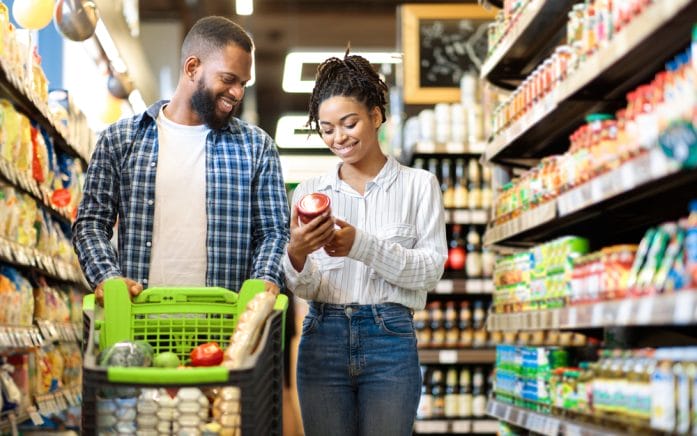
4. Sticking To Familiar Brands

Brand loyalty might feel comforting, but it can cost more than you realize. Recognizable brands are often priced higher due to their reputation rather than actual quality differences. Generic or store brands frequently offer the same ingredients and taste for a fraction of the price. While there’s nothing wrong with a splurge here and there, automatically reaching for the same branded products can silently inflate your grocery bills.

Experimenting with alternatives can be both a money-saver and an opportunity to discover new favorites. Over time, those small savings add up to a substantial difference in your monthly spending.
Here Are 8 Grocery Shopping Habits That Make You Spend More Without Realizing It

Image Source: Shutterstock.com

5. Shopping With Kids In Tow

Grocery trips with children are a test of patience, strategy, and mental fortitude. Kids see bright packaging, toys, and snacks and immediately attach emotional significance to them. One “can I have this?” can turn into a cascade of unplanned purchases. Even well-behaved kids can influence spending unconsciously because parents want to avoid a meltdown or tantrum. Bringing children along doesn’t have to be a budget-buster, but setting clear rules, engaging them in the list, or shopping solo when possible can reduce unplanned expenditures. Consider small incentives for staying on track—your wallet will benefit.

6. Ignoring Store Layout Tricks

Grocery stores are designed with psychological strategies that maximize spending. Staples like milk and bread are placed at the back so you pass by aisles of tempting extras. Eye-level shelves showcase high-margin items, and end-cap displays are curated to catch your attention. Even lighting and music can influence your mood and buying habits. Shoppers often pick up items they didn’t plan on simply because the store’s layout nudged them toward it. Being aware of these tricks can help you stick to your shopping list and avoid impulsive purchases. Walk purposefully, stay aware, and don’t let your eyes wander too much.

7. Paying With Credit Instead Of Cash

Swiping a card feels abstract, almost like you’re not spending real money. This can lead to overspending because you don’t experience the immediate “pain of paying” that comes with handing over physical cash. Studies have shown that people using credit or debit cards spend more per shopping trip compared to cash users. Even contactless payments can increase spending, as the act is quick and psychologically detached from money leaving your pocket. If budgeting is your goal, consider carrying a set amount in cash or using budgeting apps that simulate the same restraint. Physical limits can curb those invisible dollars slipping away.

8. Shopping Without Comparing Prices

Rushing through a store without checking unit prices or promotions can quietly increase your bill. Two packages of cereal may look identical, but one could cost 20% more per ounce. Similarly, “on-sale” items aren’t always a better deal than regular-priced alternatives. Spending a few extra seconds comparing prices can prevent you from paying a premium unnecessarily. Over time, consistent price-checking builds a habit that keeps your grocery spending lean. Don’t assume bigger labels or flashy colors mean better deals; diligence pays off.

Take Control Of Your Cart

Grocery shopping doesn’t have to be a financial minefield. By recognizing these habits and making conscious choices, you can save money, reduce waste, and even enjoy the process more. What are your experiences navigating the tricky world of grocery aisles?

Have you discovered strategies or surprises while shopping? Drop your thoughts and stories in the comments for others to learn.

You May Also Like…

The 6 Best Ways To Save At The Grocery Store In 2026

9 Everyday Items You’re Wildly Overpaying For at the Grocery Store

Can Your Grocery Store Loyalty Card Be Used to Track You?

How Your Grocery Store Loyalty Card Could Trigger Higher Prices

How to Slash Your Grocery Bill by $200 This Month


Brandon Marcus
Brandon Marcus

Brandon Marcus is a writer who has been sharing the written word since a very young age. His interests include sports, history, pop culture, and so much more. When he isn’t writing, he spends his time jogging, drinking coffee, or attempting to read a long book he may never complete.
Filed Under: Spending Habits Tagged With: brand name, brands, discounts, grocery bill, grocery budget, grocery shopping, grocery store, grocery store data, grocery store prices, grocery store tactics, overspending, Shopping, shopping in bulk, shopping list, smart shopping, Smart Spending, spending

Why Do Grocery Prices Feel Higher No Matter Where You Shop Now

January 7, 2026 by Brandon Marcus Leave a Comment

Why Do Grocery Prices Feel Higher No Matter Where You Shop Now

Image Source: Shutterstock.com

Your grocery cart is rolling, your list is modest, and your expectations are reasonable—yet somehow the total on the screen feels like it just did a backflip. That jolt at the checkout isn’t your imagination or a bad week for coupons. Grocery shopping today feels like an extreme sport where prices leap, land, and laugh while you clutch a receipt that looks longer than your arm. From discount chains to upscale markets, the shock feels universal, relentless, and oddly personal. So what’s actually going on behind those stubborn price tags that refuse to calm down?

Inflation Is Still Lingering In Everyday Aisles

Inflation may not dominate headlines the way it once did, but it hasn’t packed up and left the grocery store. Food prices are especially sensitive to inflation because they rely on energy, labor, transportation, and raw materials, all of which became more expensive over the last few years. Even when inflation slows, prices rarely roll back in a meaningful way. Instead, they settle at a higher baseline that quietly becomes the new normal. That lingering effect makes every trip feel pricier, even if increases are smaller than before.

Another sneaky factor is “price memory,” where shoppers compare today’s costs to what they remember paying years ago. A gallon of milk or a loaf of bread sticks in the mind, so when the number jumps, it feels outrageous even if the increase happened gradually. Inflation reshaped expectations as much as it reshaped price tags. That mental gap between what feels fair and what rings up is a big reason grocery bills still sting.

Supply Chains Are Shorter, Pricier, And More Fragile

The global supply chain didn’t fully snap back to its old rhythm, and grocery prices are paying the price. Many companies shifted to shorter, more regional supply chains to avoid disruptions, which sounds smart but often costs more. Local sourcing can reduce risk, yet it frequently comes with higher production and labor expenses. Those costs travel straight from farms and factories to your cart.

Transportation remains another major pressure point. Fuel prices fluctuate, trucking shortages persist, and shipping logistics are more complex than they used to be. Even small delays or inefficiencies ripple outward, raising costs across entire product categories. When every step of the journey costs a bit more, groceries end up feeling universally expensive no matter where you shop.

Brands And Stores Are Quietly Changing What You Get

Prices don’t always rise loudly; sometimes they whisper through smaller packages and subtle swaps. Shrinkflation has become a familiar frustration, with boxes getting slimmer and bags feeling lighter while prices stay the same or climb. That creates the illusion of stability while your money buys less food. Shoppers notice eventually, and the sense of being shortchanged adds to the sticker shock.

Store brands aren’t immune either. Private labels once felt like a reliable escape hatch, but many retailers raised those prices too as ingredient and manufacturing costs increased. Some stores adjusted recipes, sourcing, or packaging to control expenses, which can change quality or value perception. When even the “cheap” options feel expensive, the entire store seems hostile to your budget.

Why Do Grocery Prices Feel Higher No Matter Where You Shop Now

Image Source: Shutterstock.com

Consumer Behavior Is Changing The Price Landscape

Shopping habits themselves are reshaping grocery pricing in unexpected ways. More people now buy online, use delivery services, or opt for curbside pickup, all of which add operational costs for retailers. Those conveniences don’t come free, even if the fees aren’t obvious at first glance. Over time, the cost of speed and flexibility gets baked into shelf prices.

At the same time, shoppers are chasing deals more aggressively, jumping between stores and hunting promotions. That behavior pressures retailers to rely on dynamic pricing, targeted discounts, and loyalty programs that favor some shoppers over others. If you’re not playing the game just right, prices can feel punishing. The result is a shopping experience that feels uneven, confusing, and consistently expensive.

Wages, Labor Shortages, And The Human Cost Of Food

Behind every stocked shelf is a workforce that has grown more expensive to maintain. Grocery stores, farms, processing plants, and warehouses all faced labor shortages that pushed wages higher. Paying workers more is essential, but it also raises the cost of doing business. Those increases don’t vanish; they flow through to the final price you see.

Labor challenges also affect efficiency. Fewer workers can mean slower restocking, reduced hours, or less competition between suppliers. That environment gives prices more room to climb and less reason to fall. When the human side of food production strains, the financial strain shows up right on the receipt.

The Checkout Reality We’re All Navigating

Grocery prices feel higher everywhere because multiple forces are pulling in the same direction at once. Inflation, supply chains, labor costs, shifting shopping habits, and quiet changes in packaging all stack together into one loud total at checkout. It’s not just one store or one brand; it’s an entire system adjusting to a new economic rhythm. Understanding the reasons doesn’t make the bill smaller, but it can make the experience feel less baffling.

If you’ve noticed strange price jumps, clever shrinkage, or surprising totals lately, jump into the comments below and let others know what you’re seeing in your own grocery runs.

You May Also Like…

9 Everyday Items You’re Wildly Overpaying For at the Grocery Store

Can Your Grocery Store Loyalty Card Be Used to Track You?

Expense Trap: 7 Inflation Surprises That Sneak Up on Middle-Aged Investors

How Your Grocery Store Loyalty Card Could Trigger Higher Prices

The Real Reasons Fast-Food Chains Are Charging You More for Less Food

Brandon Marcus
Brandon Marcus

Brandon Marcus is a writer who has been sharing the written word since a very young age. His interests include sports, history, pop culture, and so much more. When he isn’t writing, he spends his time jogging, drinking coffee, or attempting to read a long book he may never complete.

Filed Under: Spending Habits Tagged With: brands, consumer, customers, food, food and drink, grocery budget, Grocery savings, grocery shopping, grocery store, Inflation, labor shortage, name brands, overspending, Shopping, Smart Spending, spending, Spending Habits, supply chain, wages

6 Brands Being Kept Alive by Nostalgia Alone

May 25, 2025 by Travis Campbell Leave a Comment

store with Nostalgia

Image Source: 123rf.com

Nostalgia is a powerful force, especially regarding the brands we grew up with. Whether it’s the cereal you ate as a kid or the sneakers you wore in high school, certain products have a way of sticking around—even when their heyday has long passed. But why do some nostalgia brands continue to survive, even when newer, flashier competitors dominate the market? The answer often lies in our emotional attachment and the comfort of familiarity. Understanding which brands are running on nostalgia alone can help consumers make smarter spending decisions and avoid falling for marketing tricks that play on their memories. Let’s look at six nostalgia brands that are still around, not because they’re the best, but because they remind us of a simpler time.

1. RadioShack

RadioShack was once the go-to destination for electronics enthusiasts and DIY tinkerers. Today, it’s a shadow of its former self, with only a handful of stores and a limited online presence. The brand’s survival is almost entirely due to nostalgia. Many people remember wandering the aisles as kids, marveling at the gadgets and parts. Despite multiple bankruptcies and a drastically reduced footprint, RadioShack’s name still evokes a sense of wonder for those who grew up in the 80s and 90s. If you’re tempted to shop there, remember that you can often find better deals and more reliable products elsewhere.

2. Blockbuster

Blockbuster is the poster child for nostalgia brands. Once a titan of home entertainment, Blockbuster failed to adapt to the streaming revolution and now exists as a single store in Bend, Oregon. The brand’s continued presence is less about business success and more about the warm, fuzzy memories of Friday night movie rentals. People flock to the last Blockbuster for the experience, not the selection. If you’re considering a visit, think of it as a fun trip down memory lane rather than a practical way to rent movies. The story of Blockbuster’s rise and fall is a cautionary tale for any business that ignores changing technology.

3. Sears

Sears was once America’s retail giant, famous for its massive catalogs and everything-under-one-roof stores. Today, Sears is a nostalgia brand clinging to life, with only a handful of locations left. Many shoppers remember going to Sears with their parents or grandparents, especially during the holidays. However, the company’s inability to innovate and compete with online retailers has left it struggling. If you’re still shopping at Sears, it’s likely out of habit or sentimentality rather than value.

4. Kodak

Kodak is synonymous with photography, but its glory days are long gone. The brand failed to keep up with the digital revolution, and now its main appeal is to those who remember the thrill of dropping off film rolls and waiting for prints. While Kodak has tried to reinvent itself with digital products and even cryptocurrency ventures, its core business is nostalgia. If you’re drawn to Kodak, consider whether you’re buying for quality or simply reliving the past. Sometimes, embracing new technology can save you money and hassle in the long run.

5. Oldsmobile

Oldsmobile, once a staple of American roads, was discontinued in 2004. Yet, the brand still has a devoted following, with car shows and online forums dedicated to keeping its memory alive. For many, Oldsmobile represents a golden era of American automotive design and reliability. While you can’t buy a new Oldsmobile, the brand’s legacy lives on through collectors and enthusiasts. If you’re thinking about investing in a classic car, make sure you’re doing it for the right reasons—nostalgia is great, but maintenance costs can add up quickly.

6. Hostess Twinkies

Hostess Twinkies are the ultimate nostalgia snack. When Hostess declared bankruptcy in 2012, fans rushed to buy up the last boxes, fearing the end of an era. The brand was eventually revived, but Twinkies’ appeal is rooted in childhood memories rather than nutritional value or taste. If you’re reaching for a Twinkie, ask yourself if it’s the best treat for your wallet and health. Sometimes, nostalgia brands are best enjoyed in moderation.

Why Nostalgia Brands Matter for Your Wallet

Nostalgia brands have a unique power to influence our spending habits. They tap into our emotions, making us feel safe, happy, and connected to our past. But as fun as it is to revisit old favorites, it’s important to recognize when you’re paying for memories rather than value. Before buying from a nostalgia brand, ask yourself if the product meets your needs or if you’re just chasing a feeling. Being aware of this can help you make smarter financial decisions and avoid unnecessary purchases. Remember, nostalgia brands aren’t inherently bad—but your money is best spent on things that add real value to your life.

What about you? Which nostalgia brands do you still support, and why? Share your stories in the comments below!

Read More

10 Smart Reasons Most Baby Boomers Are Aging in Place

13 Beautiful Retro Design Trends You Need to Revisit

Travis Campbell
Travis Campbell

Travis Campbell is a digital marketer/developer with over 10 years of experience and a writer for over 6 years. He holds a degree in E-commerce and likes to share life advice he’s learned over the years. Travis loves spending time on the golf course or at the gym when he’s not working.

Filed Under: Business Tagged With: brand loyalty, brands, consumer behavior, financial advice, marketing, nostalgia, Personal Finance, retro

FOLLOW US

Search this site:

Recent Posts

  • Can My Savings Account Affect My Financial Aid? by Tamila McDonald
  • 12 Ways Gen X’s Views Clash with Millennials… by Tamila McDonald
  • What Advantages and Disadvantages Are There To… by Jacob Sensiba
  • 10 Tactics for Building an Emergency Fund from Scratch by Vanessa Bermudez
  • Call 911: Go To the Emergency Room Immediately If… by Stephen Kanaval
  • 7 Weird Things You Can Sell Online by Tamila McDonald
  • 10 Scary Facts About DriveTime by Tamila McDonald

Copyright © 2026 · News Pro Theme on Genesis Framework