• Home
  • About Us
  • Toolkit
  • Getting Finances Done
    • Hiring Advisors
    • Debt Management
    • Spending Plan
  • Insurance
    • Life Insurance
    • Health Insurance
    • Disability Insurance
    • Homeowners/Renters Insurance
  • Contact Us
  • Privacy Policy
  • Risk Tolerance Quiz

The Free Financial Advisor

You are here: Home / Archives for Grocery savings

How To Regularly Save Money At The Grocery Store

January 13, 2026 by Brandon Marcus Leave a Comment

How To Regularly Save Money At The Grocery Store

Image Source: Shutterstock.com

Stepping into a grocery store can feel like entering a labyrinth designed to make your wallet sweat. Bright lights, perfectly arranged produce, and irresistible smells of fresh bread create a sensory experience that tempts even the most disciplined shopper. Yet, amid the chaos of aisles stacked high with endless options, there’s a treasure map for saving money—if you know where to look. The thrill of discovering smart strategies that keep your budget intact can be almost addictive.

It’s like becoming a savvy treasure hunter in your own neighborhood, hunting for deals, maximizing value, and walking out with a cart full of goodies without the post-shopping guilt. Let’s dive into practical, tried-and-true ways to make every grocery trip a victory for both your taste buds and your bank account.

Plan Your Meals With Purpose

The first secret to grocery savings is a game-changing tactic: meal planning. Knowing exactly what you’re going to cook for the week not only saves time but also prevents those impulse purchases that quietly drain your budget. Start by taking stock of what’s already in your pantry and fridge, then build meals around those ingredients. Make a list of recipes that share ingredients to reduce waste and stretch your dollars further. By sticking to a plan, you can strategically purchase only what you need, avoiding the temptation of “bonus” items that often end up in your cart and then forgotten in the back of the fridge.

Meal planning also gives you the power to buy in bulk for items that last, like grains, beans, or frozen veggies, which can save significant amounts over time. It transforms grocery shopping from a chaotic scavenger hunt into a calculated, money-saving mission.

Master The Art Of Coupons And Digital Deals

Coupons aren’t just for Sunday paper inserts—they’re a secret weapon for the modern shopper. From digital apps to store loyalty programs, there are countless ways to snag discounts on your favorite products. The key is to be strategic: stack coupons with in-store sales for maximum savings. Many apps allow you to scan barcodes or link your loyalty card to automatically apply discounts at checkout, which is like having a personal assistant dedicated to stretching your budget. Keep an eye out for manufacturer coupons for items you already buy regularly; these can add up surprisingly fast. Timing your shopping trips around major promotions or double-coupon days is another trick that can make a huge difference over a month. With a little planning, you’ll find that couponing can be as satisfying as finding hidden treasure in the aisles.

Stick To A Shopping List And Avoid Impulse Buys

A shopping list is your armor against the seductive pull of the snack aisle. Write it, check it, and commit to it. Research shows that shoppers who stray from their list spend significantly more money, often on items they don’t need or even want. Keep your list organized by sections of the store to avoid wandering aimlessly, which increases the risk of spontaneous purchases. If you see a tempting item not on your list, pause and ask yourself whether it’s a necessity or just a fleeting craving. Bringing a small notebook or using a phone app to track prices of items over time can also help you identify when a purchase is truly a good deal. Discipline here doesn’t mean joyless shopping—it means making deliberate choices that let you enjoy what you bring home without regret.

Buy Seasonal And Local Produce

Fresh fruits and vegetables often take a big bite out of your grocery budget, but buying seasonal and local produce can dramatically reduce costs. Items that are in season are abundant and often cheaper, and they usually taste better too. Farmers’ markets, local co-ops, or even small roadside stands can be fantastic sources of affordable, high-quality produce. When you know what’s in season, you can plan meals around it, saving money while eating fresher and more flavorful food.

Freezing or preserving seasonal items for later is another excellent strategy—think frozen berries, canned tomatoes, or pickled vegetables. Eating with the seasons isn’t just a healthful choice, it’s a savvy financial move that can keep your grocery bills in check year-round.

How To Regularly Save Money At The Grocery Store

Image Source: Shutterstock.com

Take Advantage Of Store Brands And Bulk Options

Store brands have come a long way from the days of bland, cheap substitutes. Many grocery chains now offer private-label products that match or even exceed the quality of name brands, often at a fraction of the price. Try comparing ingredients and taste to see which items you can swap without compromise. For staples like rice, pasta, and canned goods, buying in bulk can save you a substantial amount over time, especially if you have the storage space. Just make sure you’re buying items you will actually use—bulk purchases only save money if they don’t go bad.

Combining bulk buys with your meal plan can make weekly prep a breeze while keeping costs low. Store brands and bulk buying together create a dynamic duo that stretches every dollar further.

Shop Smart Around Sales And Promotions

Sales and promotions are like hidden bonuses if you approach them strategically. Instead of being drawn in by flashy signs, focus on items you regularly use and check if they are genuinely discounted. Learn to calculate unit prices to compare deals accurately, because bigger packages aren’t always better bargains. End-of-aisle displays often feature promotions, but only buy if it aligns with your planned meals or pantry needs.

Keep a notebook or app handy to track prices over time, which will help you recognize real deals versus marketing tricks. Being a savvy shopper means combining patience, observation, and planning, and it can turn the thrill of a sale into genuine savings that add up fast.

Join The Conversation And Inspire Others

Saving money at the grocery store isn’t about deprivation—it’s about empowerment, creativity, and making intentional choices that benefit both your wallet and your lifestyle. Whether it’s planning meals, using digital deals, sticking to a list, or taking advantage of seasonal produce, every small effort adds up.

Have you tried any of these strategies or discovered your own money-saving hacks? Tell us how you approach grocery shopping and what tips have worked best for you in the comments below.

You May Also Like…

8 Grocery Shopping Habits That Make You Spend More Without Realizing It

Why Do Grocery Prices Feel Higher No Matter Where You Shop Now

The 6 Best Ways To Save At The Grocery Store In 2026

Can Your Grocery Store Loyalty Card Be Used to Track You?

7 Tactics Grocery Stores Use to Keep You From Thinking About Price


Brandon Marcus
Brandon Marcus

Brandon Marcus is a writer who has been sharing the written word since a very young age. His interests include sports, history, pop culture, and so much more. When he isn’t writing, he spends his time jogging, drinking coffee, or attempting to read a long book he may never complete.
Filed Under: Smart Shopping Tagged With: coupons, digital deals, grocery bill, grocery costs, grocery prices, Grocery savings, grocery shopping, grocery store, grocery store prices, impulse spending, meal planning, overspending, Shopping, shopping list, Smart Spending, spending

Why Do Grocery Prices Feel Higher No Matter Where You Shop Now

January 7, 2026 by Brandon Marcus Leave a Comment

Why Do Grocery Prices Feel Higher No Matter Where You Shop Now

Image Source: Shutterstock.com

Your grocery cart is rolling, your list is modest, and your expectations are reasonable—yet somehow the total on the screen feels like it just did a backflip. That jolt at the checkout isn’t your imagination or a bad week for coupons. Grocery shopping today feels like an extreme sport where prices leap, land, and laugh while you clutch a receipt that looks longer than your arm. From discount chains to upscale markets, the shock feels universal, relentless, and oddly personal. So what’s actually going on behind those stubborn price tags that refuse to calm down?

Inflation Is Still Lingering In Everyday Aisles

Inflation may not dominate headlines the way it once did, but it hasn’t packed up and left the grocery store. Food prices are especially sensitive to inflation because they rely on energy, labor, transportation, and raw materials, all of which became more expensive over the last few years. Even when inflation slows, prices rarely roll back in a meaningful way. Instead, they settle at a higher baseline that quietly becomes the new normal. That lingering effect makes every trip feel pricier, even if increases are smaller than before.

Another sneaky factor is “price memory,” where shoppers compare today’s costs to what they remember paying years ago. A gallon of milk or a loaf of bread sticks in the mind, so when the number jumps, it feels outrageous even if the increase happened gradually. Inflation reshaped expectations as much as it reshaped price tags. That mental gap between what feels fair and what rings up is a big reason grocery bills still sting.

Supply Chains Are Shorter, Pricier, And More Fragile

The global supply chain didn’t fully snap back to its old rhythm, and grocery prices are paying the price. Many companies shifted to shorter, more regional supply chains to avoid disruptions, which sounds smart but often costs more. Local sourcing can reduce risk, yet it frequently comes with higher production and labor expenses. Those costs travel straight from farms and factories to your cart.

Transportation remains another major pressure point. Fuel prices fluctuate, trucking shortages persist, and shipping logistics are more complex than they used to be. Even small delays or inefficiencies ripple outward, raising costs across entire product categories. When every step of the journey costs a bit more, groceries end up feeling universally expensive no matter where you shop.

Brands And Stores Are Quietly Changing What You Get

Prices don’t always rise loudly; sometimes they whisper through smaller packages and subtle swaps. Shrinkflation has become a familiar frustration, with boxes getting slimmer and bags feeling lighter while prices stay the same or climb. That creates the illusion of stability while your money buys less food. Shoppers notice eventually, and the sense of being shortchanged adds to the sticker shock.

Store brands aren’t immune either. Private labels once felt like a reliable escape hatch, but many retailers raised those prices too as ingredient and manufacturing costs increased. Some stores adjusted recipes, sourcing, or packaging to control expenses, which can change quality or value perception. When even the “cheap” options feel expensive, the entire store seems hostile to your budget.

Why Do Grocery Prices Feel Higher No Matter Where You Shop Now

Image Source: Shutterstock.com

Consumer Behavior Is Changing The Price Landscape

Shopping habits themselves are reshaping grocery pricing in unexpected ways. More people now buy online, use delivery services, or opt for curbside pickup, all of which add operational costs for retailers. Those conveniences don’t come free, even if the fees aren’t obvious at first glance. Over time, the cost of speed and flexibility gets baked into shelf prices.

At the same time, shoppers are chasing deals more aggressively, jumping between stores and hunting promotions. That behavior pressures retailers to rely on dynamic pricing, targeted discounts, and loyalty programs that favor some shoppers over others. If you’re not playing the game just right, prices can feel punishing. The result is a shopping experience that feels uneven, confusing, and consistently expensive.

Wages, Labor Shortages, And The Human Cost Of Food

Behind every stocked shelf is a workforce that has grown more expensive to maintain. Grocery stores, farms, processing plants, and warehouses all faced labor shortages that pushed wages higher. Paying workers more is essential, but it also raises the cost of doing business. Those increases don’t vanish; they flow through to the final price you see.

Labor challenges also affect efficiency. Fewer workers can mean slower restocking, reduced hours, or less competition between suppliers. That environment gives prices more room to climb and less reason to fall. When the human side of food production strains, the financial strain shows up right on the receipt.

The Checkout Reality We’re All Navigating

Grocery prices feel higher everywhere because multiple forces are pulling in the same direction at once. Inflation, supply chains, labor costs, shifting shopping habits, and quiet changes in packaging all stack together into one loud total at checkout. It’s not just one store or one brand; it’s an entire system adjusting to a new economic rhythm. Understanding the reasons doesn’t make the bill smaller, but it can make the experience feel less baffling.

If you’ve noticed strange price jumps, clever shrinkage, or surprising totals lately, jump into the comments below and let others know what you’re seeing in your own grocery runs.

You May Also Like…

9 Everyday Items You’re Wildly Overpaying For at the Grocery Store

Can Your Grocery Store Loyalty Card Be Used to Track You?

Expense Trap: 7 Inflation Surprises That Sneak Up on Middle-Aged Investors

How Your Grocery Store Loyalty Card Could Trigger Higher Prices

The Real Reasons Fast-Food Chains Are Charging You More for Less Food

Brandon Marcus
Brandon Marcus

Brandon Marcus is a writer who has been sharing the written word since a very young age. His interests include sports, history, pop culture, and so much more. When he isn’t writing, he spends his time jogging, drinking coffee, or attempting to read a long book he may never complete.
Filed Under: Spending Habits Tagged With: brands, consumer, customers, food, food and drink, grocery budget, Grocery savings, grocery shopping, grocery store, Inflation, labor shortage, name brands, overspending, Shopping, Smart Spending, spending, Spending Habits, supply chain, wages

The 6 Best Ways To Save At The Grocery Store In 2026

January 6, 2026 by Brandon Marcus Leave a Comment

Here Are The 6 Best Ways To Save At The Grocery Store In 2026

Image Source: Shutterstock.com

Your grocery cart is rolling down the aisle, the shelves are glowing with promises, and your budget is quietly begging for mercy. In 2026, grocery shopping feels like a high-speed game where prices shift, apps ping, and choices matter more than ever. Food inflation has cooled compared to earlier years, but smart shoppers know that “cooler” doesn’t mean cheap.

The thrill now comes from outsmarting the system instead of dreading the receipt. Strap in, because saving money at the grocery store has become a sport—and you’re about to learn how to win.

1. Master Store Apps And Digital Wallet Deals

In 2026, grocery store apps are no longer optional side quests; they are the main mission. Most major chains now offer app-only pricing, instant cash-back offers, and personalized discounts based on what you actually buy. Digital wallets sync coupons automatically at checkout, which means no more awkward fumbling with paper slips.

Some apps even unlock surprise “flash deals” while you’re physically inside the store. The shoppers who tap before they shop routinely save 10 to 25 percent per trip without changing a single item.

2. Buy Private Labels With Confidence

Store-brand products in 2026 are not the bland knockoffs they once were. Retailers now invest heavily in quality testing, clean ingredients, and transparent sourcing to compete directly with national brands. In blind taste tests, many private-label items consistently match or beat name brands for flavor and freshness. The price difference, however, remains dramatic, often saving you a lot per item. Choosing private labels across your weekly staples can quietly add up to hundreds of dollars saved each year.

3. Time Your Shopping Around Dynamic Pricing

Grocery pricing has gone dynamic, and timing matters more than ever in 2026. Many stores now adjust prices based on demand, inventory levels, and even the time of day. Early mornings and late evenings often feature markdowns on fresh items like produce, meat, and bakery goods. Midweek shopping can also unlock lower prices compared to weekend rush hours. Paying attention to when you shop, not just what you buy, turns patience into instant savings.

4. Use Subscription And Replenishment Discounts Wisely

Subscription grocery discounts have expanded beyond pet food and paper towels. In 2026, many stores let you subscribe to essentials like coffee, rice, snacks, and cleaning supplies at reduced prices. These programs reward consistency, offering discounts that grow the longer you stay enrolled. The key is subscribing only to items you already buy regularly not aspirational groceries you forget about. Used strategically, subscriptions reduce impulse spending and lock in predictable savings.

5. Lean Into AI-Powered Meal Planning

AI meal planning tools have matured into powerful money-saving allies. These tools analyze store sales, seasonal ingredients, and your dietary preferences to build affordable weekly menus. Many apps now connect directly to grocery carts, automatically selecting the cheapest options available. By planning meals that overlap ingredients, food waste drops dramatically. Less waste means fewer emergency store runs, which are often the most expensive trips of all.

6. Track Prices And Play The Long Game

Price tracking has become shockingly simple in 2026 thanks to browser extensions and grocery comparison apps. These tools show historical prices, alert you to drops, and reveal which stores consistently offer the best value.

Over time, patterns emerge that help you plan big purchases with confidence. Instead of reacting emotionally to sales signs, you start buying strategically. The result is calmer shopping, smarter decisions, and a grocery bill that finally feels under control.

Here Are The 6 Best Ways To Save At The Grocery Store In 2026

Image Source: Shutterstock.com

Turn Grocery Shopping Into A Win

Saving at the grocery store in 2026 isn’t about deprivation or cutting corners; it’s about playing smarter with better tools. Every app tap, timing tweak, and thoughtful swap puts more power back in your hands. When you approach shopping like a strategy instead of a chore, the experience becomes oddly satisfying. Small wins stack up quickly, and the checkout total starts to feel like a victory instead of a warning.

Okay, it’s your turn! Drop your thoughts, tips, or personal grocery-saving stories in the comments below and bolster the conversation.

You May Also Like…

9 Everyday Items You’re Wildly Overpaying For at the Grocery Store

7 Tactics Grocery Stores Use to Keep You From Thinking About Price

Can Your Grocery Store Loyalty Card Be Used to Track You?

7 Simple Techniques to Conquer Impulsive Shopping Forevermore

Online Recipes That Waste Your Grocery Budget


Brandon Marcus
Brandon Marcus

Brandon Marcus is a writer who has been sharing the written word since a very young age. His interests include sports, history, pop culture, and so much more. When he isn’t writing, he spends his time jogging, drinking coffee, or attempting to read a long book he may never complete.

Filed Under: Spending Habits Tagged With: 2026, budgeting, grocery bill, grocery budget, Grocery savings, grocery shopping, grocery store, grocery store tactics, overspending, pricing, saving money, savings, Shopping, Smart Spending, spending

9 Everyday Items You’re Wildly Overpaying For at the Grocery Store

October 12, 2025 by Travis Campbell Leave a Comment

grocery

Image source: pexels.com

Grocery shopping is a regular part of life, but it’s easy to overlook how much you’re spending on certain items. Many everyday products are marked up far more than you realize. Sometimes, it’s for the sake of convenience; other times, it’s just clever marketing. If you’re trying to stretch your budget, knowing where you’re overspending can make a real difference. Today, we’re breaking down the everyday items you’re wildly overpaying for at the grocery store. Pay attention to these products on your next trip, and you could save a surprising amount of money.

1. Pre-Cut Fruits and Vegetables

Pre-cut fruits and vegetables are incredibly convenient, but you pay a steep price for that ease. Grocery stores often charge double or even triple the cost of whole produce when it’s sliced, diced, or packaged in a plastic container. While it’s tempting to grab these items for their ready-to-eat appeal, buying whole fruits and veggies and prepping them yourself can lead to big savings over time. Plus, you’ll reduce waste from unnecessary packaging.

2. Bottled Water

Bottled water is one of the most marked-up grocery items. In many cases, tap water at home is just as safe—and costs a fraction of the price. Even if you prefer filtered water, investing in a reusable filter pitcher or a water bottle with a built-in filter can save you money month after month. If you’re still buying bottled water regularly, it’s one of the classic ways people overpay at the grocery store without realizing it.

3. Brand-Name Spices

Spices are essential for cooking, but brand-name jars often come with hefty markups. In some stores, you’re paying three to five times more for a recognizable label. The quality difference is minimal, especially for basics like cinnamon, oregano, or garlic powder. Instead, buy generic or look for spices in the international or bulk foods aisle. You’ll get more for your money and still enjoy flavorful meals.

4. Single-Serve Snack Packs

Single-serve snack packs—nuts, crackers, chips—are a go-to for lunches and busy days. But convenience comes at a cost. These snacks are often much more expensive per ounce than their full-size counterparts. To keep grocery store spending in check, buy larger packages and portion them out yourself. Small reusable containers make DIY snack packs easy and cost-effective.

5. Pre-Shredded Cheese

Pre-shredded cheese saves a step in meal prep, but you pay extra for that shortcut. Not only is it pricier per pound compared to block cheese, but it’s also coated with anti-caking agents that can affect texture and melt quality. Shredding your own cheese takes just a minute and can help you avoid one of the most common ways people overpay at the grocery store.

6. Salad Kits

Salad kits promise a quick, healthy meal, but the markup is significant. You’re essentially paying for someone to chop lettuce and toss in a handful of toppings. When you buy greens, veggies, and dressing separately, you get more servings for less money. Plus, you have control over the freshness and quality of each ingredient. If you want both convenience and value, consider prepping your own salad ingredients for the week.

7. Packaged Deli Meats

Packaged deli meats are a staple in many lunchboxes, but they’re one of the most overpriced items at the grocery store. Sliced meats in branded packaging can cost significantly more than freshly sliced options from the deli counter. You also tend to get less meat per package. For better value and fresher taste, ask for your deli meats to be sliced to order. You can even request thicker or thinner slices to suit your needs.

8. Frozen Convenience Meals

Frozen meals are a quick fix for busy nights, but you’re paying a premium for that convenience. These ready-to-eat items are often much pricier than making a similar dish from scratch. In addition to the cost, many frozen meals have added sodium and preservatives. If you’re short on time, consider batch cooking your own meals and freezing portions for later. It’s a smarter way to cut down on the amount you overpay at the grocery store.

9. Organic Pre-Packaged Snacks

Organic snacks are appealing for health-conscious shoppers, but when they’re individually packaged, the price skyrockets. Whether it’s organic granola bars, fruit snacks, or chips, you’re often paying more for the packaging than the product itself. Instead, buy organic ingredients in bulk and make your own snacks. Not only will you save money, but you’ll also have more control over what goes into your food.

How to Avoid Overpaying at the Grocery Store

It’s easy to fall into the trap of overpaying for everyday items at the grocery store, especially when convenience seems worth the extra cost. But small changes—like prepping your own produce, choosing generic brands, and buying in bulk—can add up to significant savings. Being mindful of what you toss in your cart helps you keep your grocery store costs in check without sacrificing quality or nutrition.

If you’re looking to overhaul your grocery shopping habits, start by tracking which items you’re spending the most on. Compare prices, try out new brands, and experiment with prepping food at home. You might be surprised how much you can save.

What other grocery store items do you think people are overpaying for? Share your thoughts in the comments!

What to Read Next…

  • 7 Tactics Grocery Stores Use to Keep You from Thinking About Price
  • Can Your Grocery Store Loyalty Card Be Used to Track You?
  • Are These 7 Little Expenses Quietly Costing You Thousands a Year?
  • 8 Everyday Services That Are Slowly Becoming Subscription Only
  • 10 Smart Purchases That Are Slowly Making You Broke
Travis Campbell
Travis Campbell

Travis Campbell is a digital marketer/developer with over 10 years of experience and a writer for over 6 years. He holds a degree in E-commerce and likes to share life advice he’s learned over the years. Travis loves spending time on the golf course or at the gym when he’s not working.

Filed Under: Frugal Living Tagged With: budgeting, frugal living, Grocery savings, grocery store, Personal Finance, shopping tips, spending

If Your Grocery Bill Is Over $600 For A Family of Four-The One Rule Could Change It

June 12, 2025 by Travis Campbell Leave a Comment

grocery

Image Source: pexels.com

If you’re a parent or caregiver, you know the shock of seeing your grocery bill climb higher every month. For a family of four, spending over $600 a month on groceries is more common than you might think, but that doesn’t make it any less stressful. With food prices rising and household budgets stretched, finding ways to cut costs without sacrificing nutrition or taste is more important than ever. The good news? There’s one simple rule that can help you take control of your grocery spending and keep your family well-fed. If your grocery bill is over $600 for a family of four, this article will show you how to make a real difference, starting today.

1. The “One Rule”: Plan Every Meal Before You Shop

The single most effective way to lower your grocery bill is to plan every meal before you set foot in the store. Meal planning isn’t just for ultra-organized people or food bloggers—it’s a practical tool that anyone can use. When you know exactly what you’ll eat for breakfast, lunch, dinner, and snacks, you only buy what you need. This eliminates impulse purchases and food waste, both of which drive up your grocery bill. If your grocery bill is over $600 for a family of four, start by writing down a week’s worth of meals and building your shopping list from there. You’ll be amazed at how much you save just by sticking to the plan.

2. Shop Your Pantry and Freezer First

Before you even think about heading to the store, take inventory of what you already have. Most families have forgotten cans, boxes, or frozen items that can be turned into meals. By using what’s on hand, you reduce the number of items you need to buy and avoid duplicating ingredients. This step is crucial if your grocery bill is over $600 for a family of four, as it helps you stretch your budget and reduce waste. Make it a habit to “shop” your own kitchen before making your grocery list.

3. Embrace Store Brands and Bulk Buying

Brand loyalty can be expensive. Store brands often offer the same quality as name brands at a fraction of the price. When you switch to store brands for staples like rice, pasta, canned goods, and dairy, the savings add up quickly. Additionally, buying in bulk—especially for items your family uses regularly—can lower your per-unit cost. If your grocery bill is over $600 for a family of four, compare prices and consider joining a wholesale club or using bulk bins at your local store.

4. Limit Processed and Convenience Foods

Pre-packaged snacks, frozen dinners, and convenience foods are easy, but they come at a premium. These items are often more expensive than their homemade counterparts and can quickly inflate your grocery bill. If your grocery bill is over $600 for a family of four, try preparing simple snacks and meals at home. For example, slicing your own fruit, making trail mix, or prepping sandwiches can save you money and give you more control over ingredients. Not only will you spend less, but you’ll also likely eat healthier.

5. Stick to a Shopping List—And Don’t Shop Hungry

Impulse buys are a grocery budget’s worst enemy. You avoid unnecessary purchases when you shop with a list and commit to buying only what’s on it. Shopping while hungry can also lead to buying more than you need, especially snacks and treats. If your grocery bill is over $600 for a family of four, make it a rule to eat before you shop and bring a detailed list. This small change can have a big impact on your monthly spending.

6. Take Advantage of Sales, Coupons, and Loyalty Programs

Smart shoppers know that timing is everything. Watch for sales on items you use frequently and stock up when prices are low. Use digital or paper coupons for extra savings, and sign up for your store’s loyalty program to access exclusive discounts. If your grocery bill is over $600 for a family of four, these strategies can help you save without sacrificing quality.

7. Cook Once, Eat Twice

Batch cooking and leftovers are your friends. By preparing larger portions and repurposing leftovers into new meals, you save both time and money. For example, roast a whole chicken for dinner, then use the leftovers for sandwiches, salads, or soup. If your grocery bill is over $600 for a family of four, this approach helps you get the most out of every ingredient and reduces the temptation to order takeout.

The Real Power of the “One Rule”

When you consistently plan every meal before you shop, you take control of your grocery budget and your family’s nutrition. This one rule isn’t about deprivation—it’s about making intentional choices that align with your financial goals. If your grocery bill is over $600 for a family of four, adopting this habit can transform your shopping experience and free up money for other priorities. The key is consistency: the more you practice meal planning, the easier and more rewarding it becomes.

What strategies have helped you lower your grocery bill? Share your tips and experiences in the comments below!

Read More

Vacation Without Breaking the Bank

2011 Money Lessons

Travis Campbell
Travis Campbell

Travis Campbell is a digital marketer/developer with over 10 years of experience and a writer for over 6 years. He holds a degree in E-commerce and likes to share life advice he’s learned over the years. Travis loves spending time on the golf course or at the gym when he’s not working.

Filed Under: Personal Finance Tagged With: family budgeting, family finance, food budget, frugal living, grocery bill, Grocery savings, meal planning

7 Groceries You Should Always Buy Generic—And 3 You Shouldn’t

May 5, 2025 by Travis Campbell Leave a Comment

generic meds

Image Source: pexels.com

Smart grocery shopping isn’t just about clipping coupons—it’s about knowing when to save and when to splurge. Generic brands can slash your grocery bill by 20-30%, but not all store brands deliver the same quality as their name-brand counterparts. This guide will help you confidently navigate the supermarket aisles, identifying which generic products offer identical quality at lower prices and which premium brands truly justify their higher cost. Making these strategic choices could save the average household hundreds of dollars annually without sacrificing quality or taste.

1. Always Buy Generic: Pantry Staples

Basic pantry items like flour, sugar, salt, and baking soda are chemically identical whether you buy the store brand or the premium version. These commodities follow standardized production processes and contain the same ingredients regardless of packaging. A 5-pound bag of generic all-purpose flour typically costs 30-40% less than name brands while performing identically in recipes. The next time you’re baking, save those dollars—the chemistry doesn’t change with the label.

2. Always Buy Generic: Medications and Supplements

The FDA requires over-the-counter medications like ibuprofen, acetaminophen, and allergy pills to contain identical active ingredients as their name-brand equivalents. Generic medications must demonstrate “bioequivalence,” meaning they deliver the same amount of active ingredient to your bloodstream at the same rate. According to Good RX, consumers can save up to 85% by choosing store-brand medications. The same applies to basic vitamins and supplements—the generic vitamin C works exactly like the premium version at a fraction of the cost.

3. Always Buy Generic: Cleaning Products

Most generic cleaning products contain the same active ingredients as their name-brand counterparts. Store-brand disinfectants, glass cleaners, and all-purpose cleaners typically perform just as effectively while costing significantly less. The Environmental Working Group’s Guide to Healthy Cleaning often gives similar ratings to generic and name-brand products with comparable ingredients. The primary difference? Marketing budgets and fancy packaging ultimately increase consumer costs without improving cleaning power.

4. Always Buy Generic: Frozen Fruits and Vegetables

Frozen produce is typically flash-frozen at peak ripeness, locking in nutrients regardless of brand. Many store-brand frozen fruits and vegetables are processed in the same facilities as premium brands but cost 20-30% less. A study in the Journal of Food Composition and Analysis found that frozen produce often contains more nutrients than “fresh” produce that’s spent days in transit and on store shelves. For smoothies, stir-fries, and side dishes, generic frozen produce delivers identical nutritional value and taste.

5. Always Buy Generic: Basic Dairy Products

Milk, butter, and eggs are highly regulated products with minimal quality differences between generic and name brands. Store-brand milk comes from the same local dairies as premium brands and undergoes identical pasteurization and safety testing. The USDA grades eggs using the same standards regardless of brand, making those premium cartons an unnecessary expense. With dairy prices rising, switching to store brands can save a family of four over $200 annually without any noticeable difference.

6. Always Buy Generic: Baking Mixes

Pancake mixes, cake mixes, and other baking preparations from store brands typically contain the same core ingredients as name brands. Blind taste tests consistently show consumers can’t distinguish between generic and premium baking mixes once prepared. The primary difference lies in marketing and packaging costs that get passed to consumers. Save 30-40% by choosing the store brand and use those savings for higher-quality toppings or mix-ins that actually impact flavor.

7. Always Buy Generic: Bottled Water

Perhaps the most dramatic markup in grocery stores occurs with bottled water. Generic bottled water meets the same FDA regulations as premium brands at a fraction of the cost. Many store brands are simply filtered municipal water, exactly like many premium brands. A gallon of generic bottled water can cost 50-70% less than name brands with zero difference in quality or taste. Invest in a quality water filter and reusable bottle for even greater savings.

1. Never Buy Generic: Coffee

Coffee quality varies dramatically between brands, with significant differences in bean sourcing, roasting techniques, and freshness. Generic coffee brands typically use lower-quality beans and less precise roasting methods, resulting in bitter flavors and less complex profiles. While premium coffee costs more upfront, the difference in taste experience justifies the expense for many coffee drinkers. Consider buying whole beans from quality brands during sales rather than settling for generic options that might leave you disappointed cup after cup.

2. Never Buy Generic: Cheese

Authentic cheese production involves specialized aging processes and quality ingredients that generic brands often compromise on. Name-brand cheeses, particularly specialty varieties, typically use higher-quality milk and traditional production methods that develop more complex flavors. Store-brand processed cheese products often contain more fillers and preservatives than their premium counterparts. For everyday cooking, generic cheese can suffice, but the premium version delivers noticeably better flavor and texture for cheese boards or recipes where cheese is the star.

3. Never Buy Generic: Toilet Paper

Few generic products generate as many consumer complaints as store-brand toilet paper. Premium brands typically offer better strength, softness, and absorbency due to higher-quality paper pulp and manufacturing processes. While generic toilet paper might save money initially, you’ll likely use more of it per visit, negating potential savings. Additionally, rough generic options can cause discomfort and irritation. This is one product where the extra cost translates to a genuinely improved daily experience.

Smart Shopping: Finding Your Personal Balance

The key to maximizing grocery savings isn’t blindly choosing all generic or all name-brand products—it’s making strategic decisions based on what matters most to your household. Track which generic substitutions work for your family and which premium products truly enhance your quality of life. Many shoppers find that saving on basics allows them to splurge on a few specialty items that bring genuine enjoyment. Remember that store brands vary by retailer—a generic product that disappoints at one store might impress at another.

Have you found any surprising generic products that outperform name brands? Or are there premium products you’ll never compromise on? Share your grocery shopping wisdom in the comments below!

Read More

10 Common Financial Habits That Annoy the Experts

How Much Should You Spend on Grocery Each Month?

Travis Campbell
Travis Campbell

Travis Campbell is a digital marketer/developer with over 10 years of experience and a writer for over 6 years. He holds a degree in E-commerce and likes to share life advice he’s learned over the years. Travis loves spending time on the golf course or at the gym when he’s not working.

Filed Under: Smart Shopping Tagged With: budget shopping, food budget, generic brands, grocery hacks, Grocery savings, smart shopping, store brands

How to Slash Your Grocery Bill by $200 This Month

May 3, 2025 by Travis Campbell Leave a Comment

grocery store

Image Source: pexels.com

In today’s economy, grocery shopping has become a significant financial burden for many households. With food prices continuing to rise, finding ways to reduce grocery expenses without sacrificing nutrition is more important than ever. The good news? You don’t need extreme couponing or hours of meal prep to see substantial savings. This guide will show you practical, immediately applicable strategies to cut your grocery bill by $200 this month—money that can go toward other financial goals or necessities.

1. Create a Strategic Meal Plan

Before setting foot in a grocery store, develop a comprehensive meal plan. Studies show that shoppers who plan meals save up to 23% on their grocery bills compared to those who shop without a plan. Start by checking what you already have in your pantry and refrigerator. Build your weekly menu around these items, focusing on recipes that share common ingredients to minimize waste. Plan for leftovers to serve as lunches or components of future meals. A well-executed meal plan reduces impulse purchases and decreases food waste, which costs the average American family over $1,500 annually, according to the Natural Resources Defense Council.

2. Master the Art of Price Comparison

Grocery prices can vary dramatically between stores, even for identical products. Dedicate 30 minutes weekly to comparing prices across local supermarkets using their digital flyers or apps. Focus particularly on your household staples and most expensive items. Many shoppers save 15-20% simply by purchasing different categories at different stores—produce at farmers’ markets, meat at warehouse clubs, and pantry staples at discount grocers. Additionally, consider store-brand alternatives, which typically cost 20-30% less than name brands while often being manufactured in the same facilities.

3. Embrace Seasonal and Plant-Based Eating

Structuring your diet around seasonal produce can dramatically reduce your grocery bill while improving nutritional quality. Seasonal fruits and vegetables are typically 30-50% cheaper than out-of-season options. Similarly, incorporating more plant-based proteins like beans, lentils, and tofu can save substantial money—these protein sources cost approximately $1-2 per pound compared to $3-7 for most meats. Research from the Journal of Hunger & Environmental Nutrition found that vegetarian diets can save consumers nearly $750 annually while providing excellent nutrition.

4. Leverage Technology and Loyalty Programs

Modern grocery shopping offers numerous technological advantages for budget-conscious consumers. Store loyalty programs provide exclusive discounts, while cashback apps like Ibotta, Fetch, and Checkout 51 offer rebates on specific products. Many stores also offer digital coupons that can be loaded directly to your loyalty card. Additionally, consider using price-tracking tools for online grocery orders to identify the optimal time to purchase non-perishable items. Combined, these technological approaches can save 10-15% of your monthly grocery spending without requiring a significant time investment.

5. Adopt Strategic Shopping Habits

How you shop matters as much as what you buy. Research shows that shoppers who use a list save an average of 23% compared to those who shop without one. Shop alone when possible—studies indicate that shopping with others, especially children, increases impulse purchases by up to 40%. Consider shopping later in the day when many stores discount perishable items that won’t sell overnight. Most importantly, never shop hungry—research published in JAMA Internal Medicine confirms that hungry shoppers purchase significantly more high-calorie foods and spend approximately 17% more overall.

6. Master Food Storage and Preservation

According to the USDA, Americans waste approximately 30-40% of their food supply. Learning proper food storage techniques can extend the life of your groceries by days or even weeks. Invest in quality food storage containers and learn which items should be refrigerated, frozen, or kept at room temperature. Consider batch cooking and freezing portions for future meals. Explore preservation methods like freezing, pickling, or dehydrating for produce nearing expiration. Proper food management can save the average household $50-100 monthly by reducing waste alone.

7. Your Wallet’s New Best Friend: Cash-Only Grocery Shopping

Implementing a cash-only policy for grocery shopping creates a physical budget boundary that’s difficult to cross. Research shows that consumers spend 12-18% less when using cash instead of cards. Withdraw your monthly grocery budget in cash, divide it into weekly envelopes, and commit to spending only what’s allocated. This tangible approach to budgeting forces mindful purchasing decisions and eliminates the psychological disconnect that often occurs with card transactions. Many budget-conscious shoppers report that this single strategy reduced their grocery spending by 15-20% in the first month alone.

Money Saved is Money Earned

Implementing these strategies consistently can transform your grocery budget and financial health. The $200 monthly savings represent $2,400 annually—enough for an emergency fund contribution, debt reduction, or a well-deserved vacation. Remember that sustainable changes yield better results than extreme measures. Start by implementing three strategies this week, then gradually incorporate others. Track your spending to celebrate your progress and identify additional opportunities for savings. With intentional shopping habits, your grocery bill can become a source of financial relief rather than stress.

What’s your biggest challenge when trying to save money on groceries, and which strategies do you think might help you overcome it?

Read More

12 Things You Should Always Do to Save Money

Top 12 Reasons Why Thrifty Shoppers Love Trader Joe’s

Travis Campbell
Travis Campbell

Travis Campbell is a digital marketer/developer with over 10 years of experience and a writer for over 6 years. He holds a degree in E-commerce and likes to share life advice he’s learned over the years. Travis loves spending time on the golf course or at the gym when he’s not working.

Filed Under: Budgeting Tagged With: budget meals, budget shopping, food budget, frugal living, Grocery savings, meal planning, save money on food

Top 12 Reasons Why Thrifty Shoppers Love Trader Joe’s

May 30, 2024 by Vanessa Bermudez Leave a Comment

trader joe's store

Trader Joe’s/YouTube

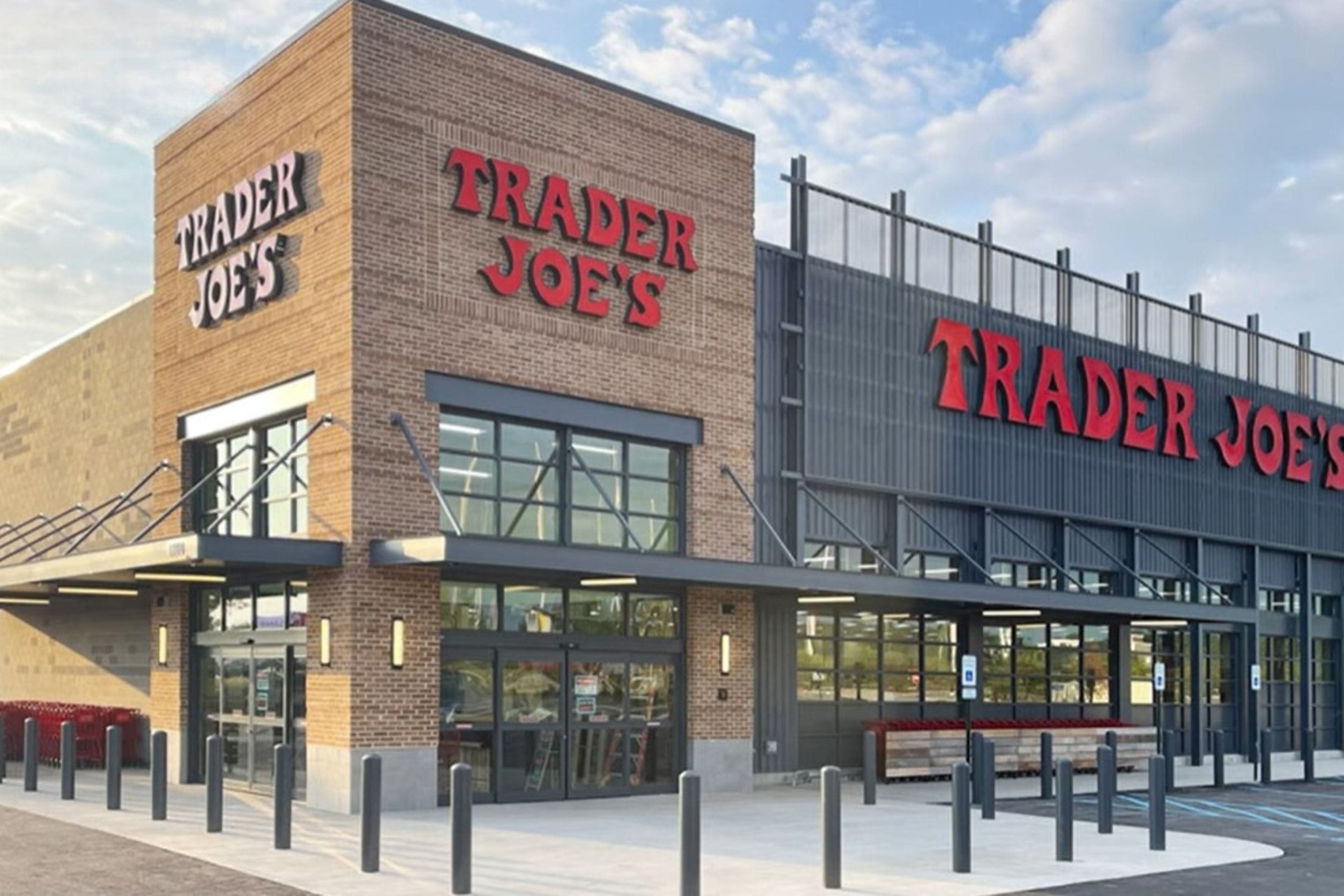
Have you ever wondered why your savvy neighbor brags about their Trader Joe’s haul? It’s not just the charm of the nautical-themed decor that draws in crowds; it’s the magnetic appeal of true value. From unbeatable deals on exotic foods to their famous wine selection, there’s always a reason to pop into your local Trader Joe’s. Let’s dive into the top 12 reasons why budget-conscious consumers swear by Trader Joe’s and why you might just become the next Trader Joe’s aficionado.

1. Unique and Affordable Products

Unique and Affordable Products

Trader Joe’s/YouTube

Trader Joe’s is known for its eclectic selection of products that you won’t find anywhere else. From Everything But the Bagel seasoning to Mandarin Orange Chicken, these unique items come at prices that won’t break the bank. Shoppers love discovering new and exciting products with each visit, making grocery shopping an adventure. Plus, many of these items are private labels, meaning Trader Joe’s can offer them at lower prices compared to name brands.

2. High-Quality Store Brands

High-Quality Store Brands

Trader Joe’s/YouTube

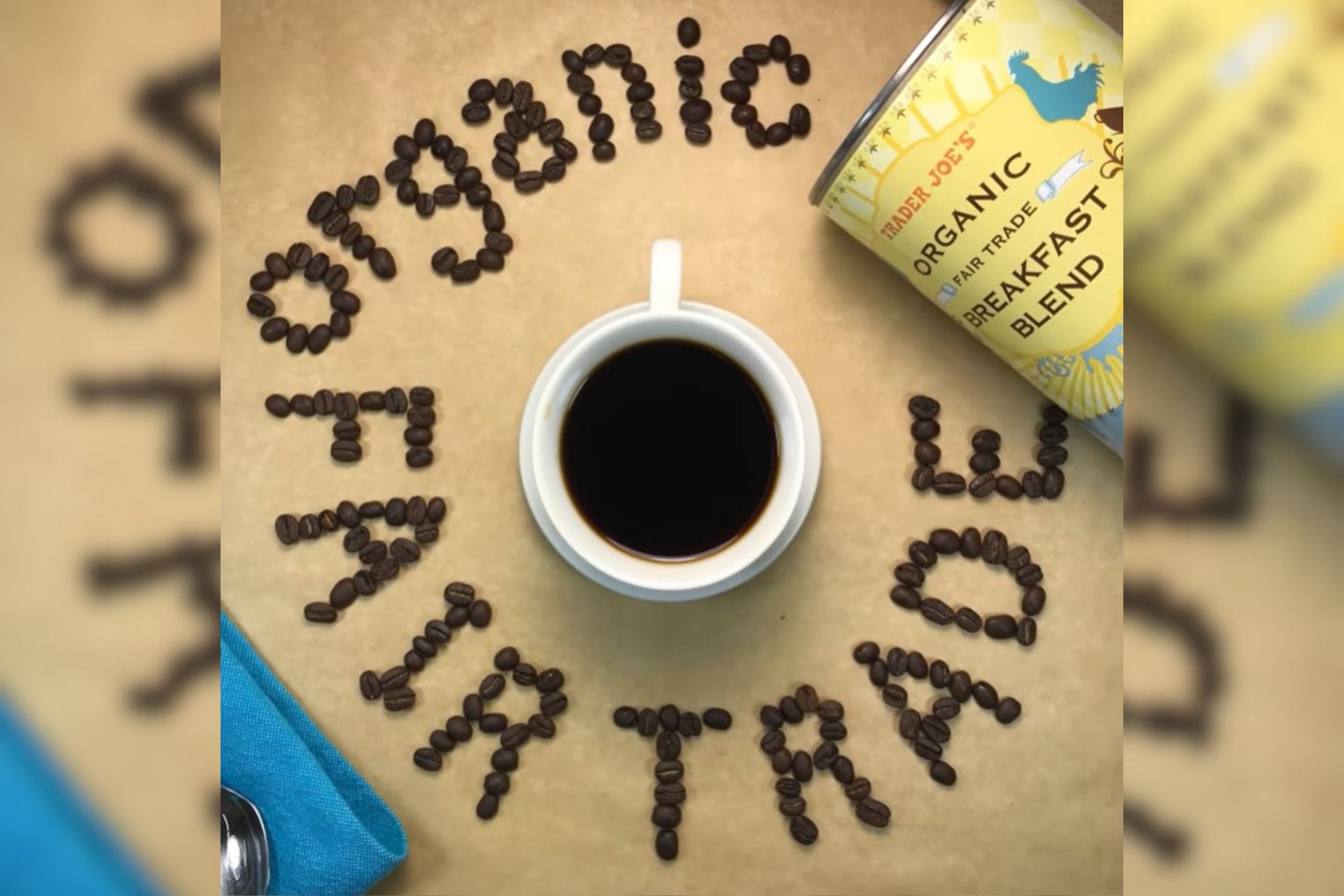
When it comes to quality, Trader Joe’s store brands rival some of the best in the business. Whether it’s their organic produce, hormone-free meats, or fair trade coffee, Trader Joe’s ensures high standards. Thrifty shoppers appreciate getting premium quality without paying a premium price. The store’s commitment to non-GMO and sustainably sourced ingredients only sweetens the deal.

3. Fun and Friendly Atmosphere

Fun and Friendly Atmosphere

Trader Joe’s/YouTube

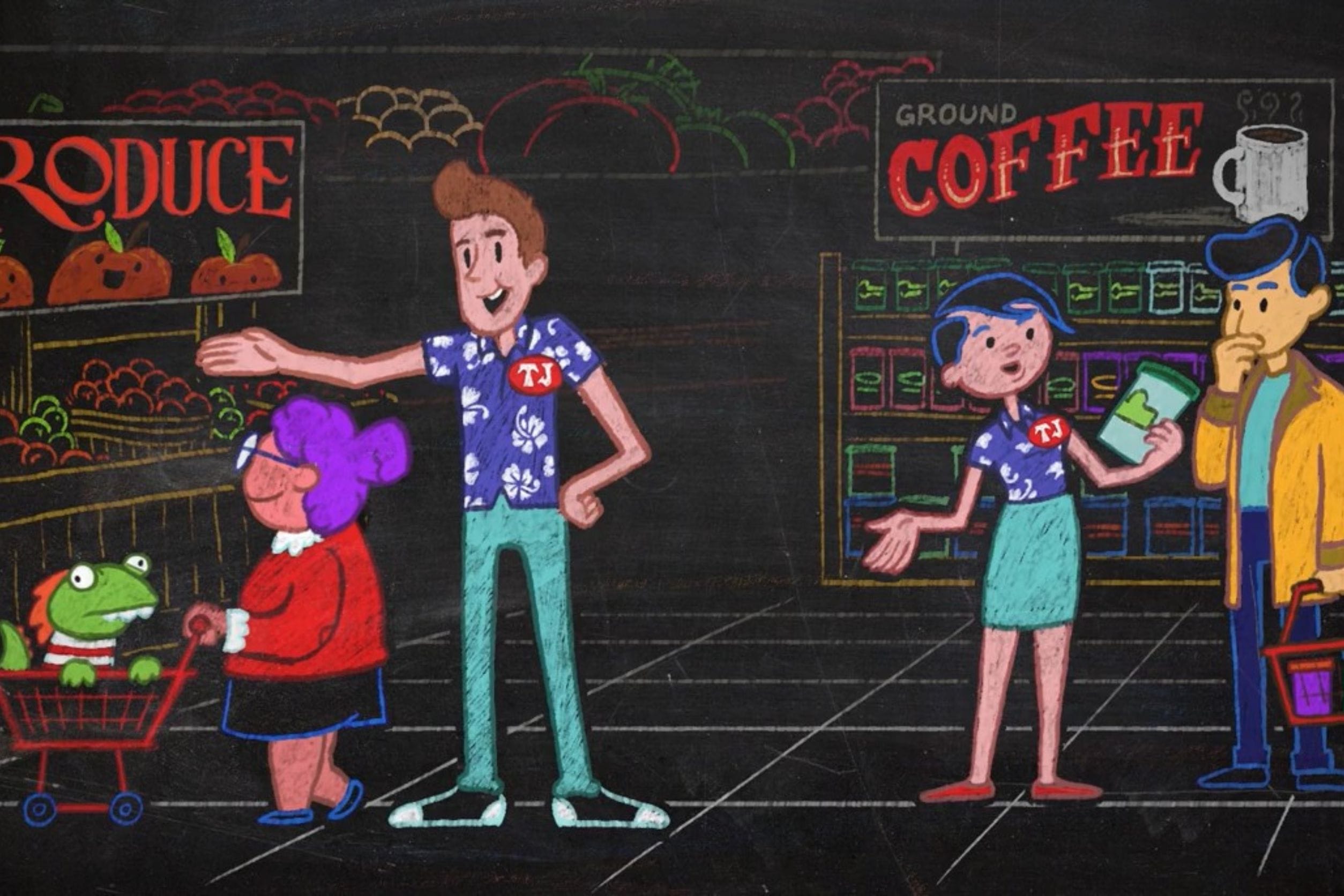
Walking into a Trader Joe’s feels different from your typical grocery store. The vibrant murals, Hawaiian shirts worn by employees, and cheerful vibes create a welcoming atmosphere. Shoppers often feel like they’re part of a community, not just a customer in a supermarket. The friendly staff are always ready to help, making your shopping experience even more enjoyable.

4. Sample Stations and Tasting Events

Sample Stations and Tasting Events

Canva

Who doesn’t love free samples? Trader Joe’s regularly offers sample stations where you can try new products before buying them. These tasting events are a thrifty shopper’s dream, allowing you to explore new items without committing to a purchase. It’s a fun way to discover your next favorite snack or meal idea.

5. Seasonal and Limited-Time Offerings

Seasonal and Limited-Time Offerings

Trader Joe’s/YouTube

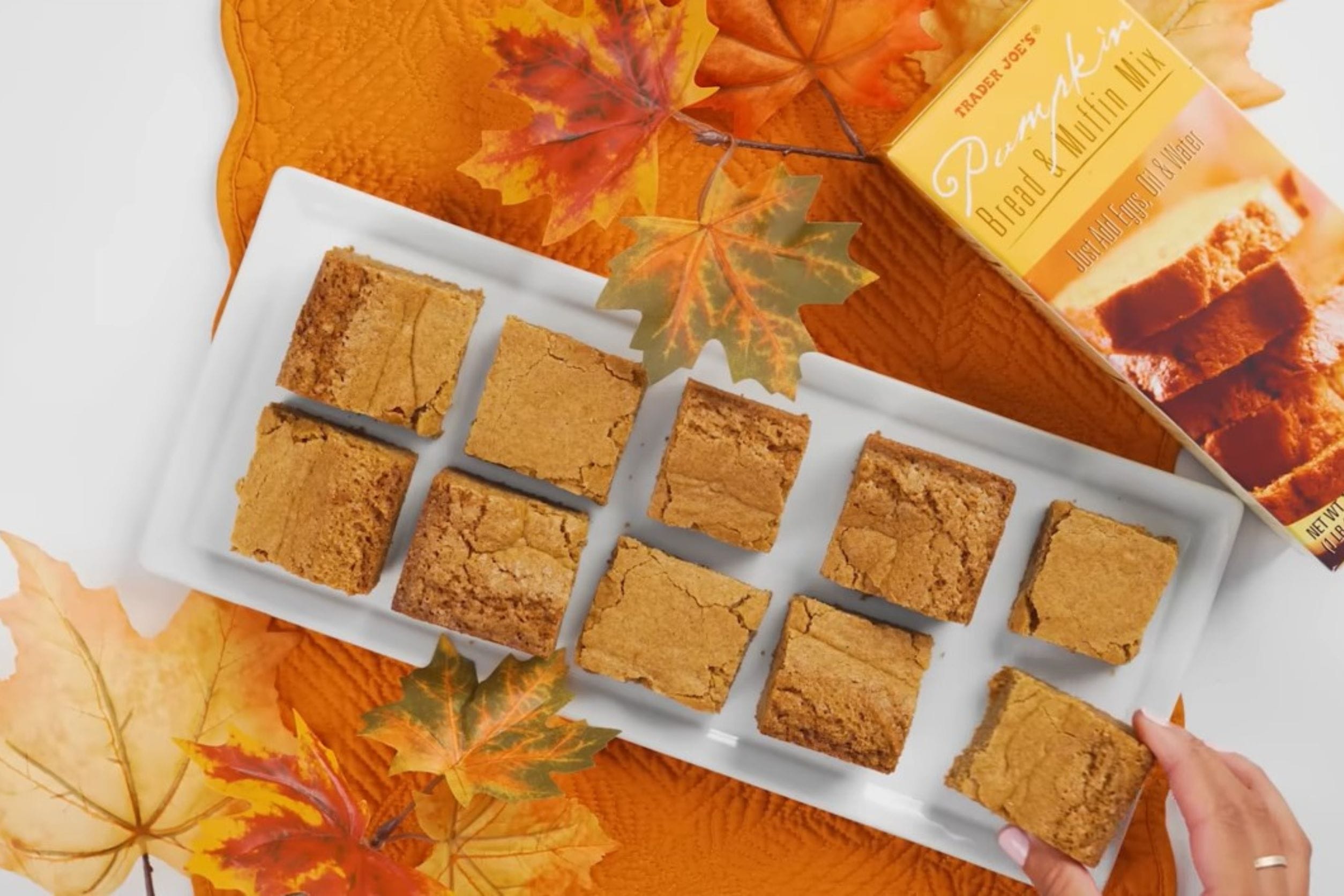
Trader Joe’s keeps things exciting with its ever-changing lineup of seasonal products. From pumpkin-flavored treats in the fall to peppermint goodies during the holidays, there’s always something new to look forward to. These limited-time offerings are often highly anticipated, creating a sense of urgency that thrifty shoppers love. It’s like a treasure hunt every season!

6. Healthy Options at Great Prices

Healthy Options at Great Prices

Trader Joe’s/YouTube

Health-conscious shoppers are in for a treat at Trader Joe’s. The store offers a wide range of organic, gluten-free, and vegan products, often at lower prices than competitors. Trader Joe’s commitment to healthy eating makes it easy for thrifty shoppers to stick to their dietary preferences without overspending. Plus, their selection of nutritious snacks is perfect for those on the go.

7. Environmental and Social Responsibility

Environmental and Social Responsibility

Canva

Trader Joe’s takes sustainability seriously. The store’s efforts to reduce plastic use, support fair trade, and offer eco-friendly products resonate with conscious consumers. Shoppers can feel good knowing their purchases support ethical practices. This commitment to the environment and social responsibility adds extra value to the already great deals found at Trader Joe’s.

8. Exceptional Customer Service

Exceptional Customer Service

Trader Joe’s/YouTube

Trader Joe’s employees are known for their friendliness and helpfulness. Need a product recommendation or have a question about ingredients? The staff are always eager to assist. This exceptional customer service makes the shopping experience more pleasant and stress-free. For thrifty shoppers, good service adds immense value to their overall experience.

9. Efficient Store Layout

Affordable Organic and Specialty Items

Canva

Navigating Trader Joe’s is a breeze thanks to its compact and efficient store layout. Unlike sprawling supermarkets, Trader Joe’s smaller size means you can get in and out quickly. This convenience is a big plus for busy shoppers who want to save time as well as money. The intuitive organization of products ensures you can find what you need without hassle.

10. Affordable Organic and Specialty Items

Affordable Organic and Specialty Items

Trader Joe’s/YouTube

Trader Joe’s offers a vast selection of organic and specialty items at prices that are hard to beat. Whether you’re looking for organic fruits and veggies or specialty cheeses, you won’t have to pay a premium. Thrifty shoppers appreciate being able to buy high-quality, health-conscious products without blowing their budget. It’s a win-win for your wallet and well-being.

11. Innovative and Delicious Frozen Foods

Innovative and Delicious Frozen Foods

Trader Joe’s/YouTube

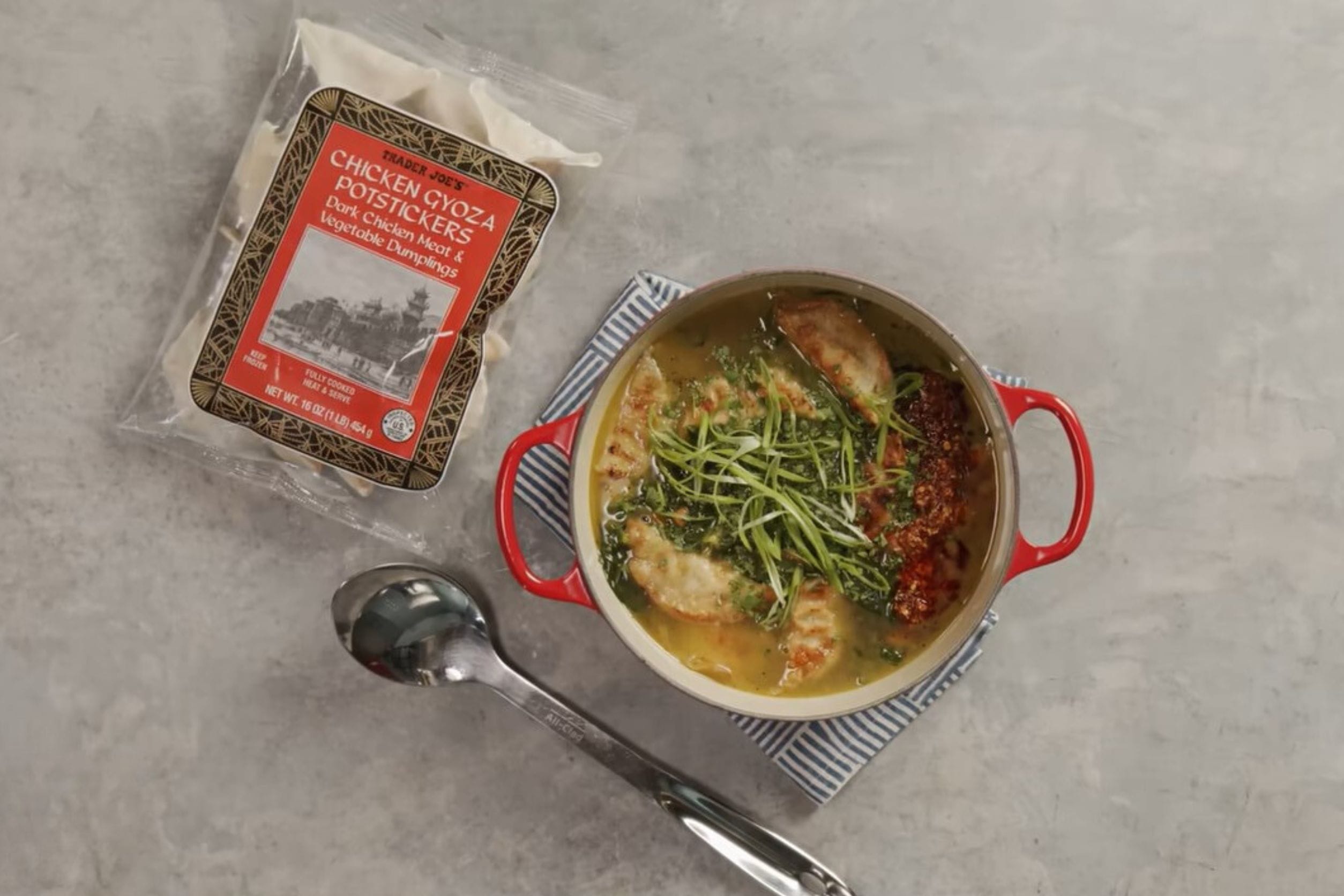
Trader Joe’s frozen food aisle is legendary among thrifty shoppers. From cauliflower gnocchi to delicious stir-fry kits, their innovative frozen meals are perfect for quick, tasty dinners. The quality and variety offered at such affordable prices make it easy to stock up your freezer without spending a fortune. It’s convenience meets affordability in the best way possible.

12. Rotating New Products

Rotating New Products

Canva

One of the most exciting aspects of shopping at Trader Joe’s is the constant rotation of new products. There’s always something new and intriguing on the shelves, keeping the shopping experience fresh and fun. Thrifty shoppers love the variety and the opportunity to try out new items regularly. This dynamic approach ensures that there’s always a reason to come back and explore more.

Trader Joe’s Is a Thrifty Shopper’s Paradise

Trader Joe's/YouTube

Trader Joe’s/YouTube

For those who love great deals, unique finds, and a fun shopping experience, Trader Joe’s is a haven. With its combination of affordable prices, high-quality products, and a delightful atmosphere, it’s no wonder thrifty shoppers are so loyal. Each trip to Trader Joe’s is not just a grocery run, but an adventure filled with surprises and savings.

Vanessa Bermudez
Vanessa Bermudez
Vanessa Bermudez is a content writer with over eight years of experience crafting compelling content across a diverse range of niches. Throughout her career, she has tackled an array of subjects, from technology and finance to entertainment and lifestyle. In her spare time, she enjoys spending time with her husband and two kids. She’s also a proud fur mom to four gentle giant dogs.

Filed Under: budget tips Tagged With: Budget-friendly shopping, Grocery savings, Thrifty shopping, Trader Joe's, Unique products

FOLLOW US

Search this site:

Recent Posts

  • Can My Savings Account Affect My Financial Aid? by Tamila McDonald
  • 12 Ways Gen X’s Views Clash with Millennials… by Tamila McDonald
  • What Advantages and Disadvantages Are There To… by Jacob Sensiba
  • 10 Tactics for Building an Emergency Fund from Scratch by Vanessa Bermudez
  • Call 911: Go To the Emergency Room Immediately If… by Stephen Kanaval
  • 7 Weird Things You Can Sell Online by Tamila McDonald
  • 10 Scary Facts About DriveTime by Tamila McDonald

Copyright © 2026 · News Pro Theme on Genesis Framework