• Home
  • About Us
  • Toolkit
  • Getting Finances Done
    • Hiring Advisors
    • Debt Management
    • Spending Plan
  • Insurance
    • Life Insurance
    • Health Insurance
    • Disability Insurance
    • Homeowners/Renters Insurance
  • Contact Us
  • Privacy Policy
  • Risk Tolerance Quiz

The Free Financial Advisor

You are here: Home / Archives for food and drink

7 Budget Foods Americans Rely On That Doctors Say Create Bigger Problems Later

January 30, 2026 by Brandon Marcus Leave a Comment

These Are 7 Budget Foods Americans Rely On That Doctors Say Create Bigger Problems Later

Image source: shutterstock.com

We all love a good deal. Those $1 frozen meals, bargain-brand chips, and instant noodles lining the shelves of supermarkets seem like lifesavers for anyone on a budget.

But here’s the painful truth: while these foods might fill your stomach without emptying your wallet, doctors say they can quietly wreak havoc on your health over time. Think of it as a financial investment gone rogue—you save money today but pay a much bigger price later.

1. Frozen Dinners: Convenience Comes at a Hidden Cost

Frozen dinners are the ultimate “I don’t have time” meal solution. They’re cheap, quick, and often marketed as complete meals. But doctors warn that most are loaded with sodium, preservatives, and added sugars, which can raise blood pressure, increase the risk of heart disease, and even contribute to insulin resistance.

A single frozen entrée can contain more than half your daily sodium limit. While the microwave might seem like a lifesaver, relying on these meals regularly is like hitting the fast-forward button on chronic health problems. For a smarter option, consider meal-prepping with frozen vegetables and lean proteins. It’s still convenient but keeps your sodium intake in check.

2. Packaged Snack Cakes: Sweet, Cheap, and Dangerous

Who doesn’t love a chocolate-filled snack cake for a dollar or less? They’re perfectly portioned, travel-friendly, and scream comfort. The catch? Most of these treats are made with refined flour, trans fats, and a sugar content that can spike blood sugar faster than your morning coffee.

Beyond short-term sugar crashes, frequent consumption can contribute to obesity, type 2 diabetes, and even liver issues. Dietitians suggest swapping these packaged delights for a homemade energy bite or a piece of fruit with nut butter—still indulgent, but with fewer health consequences. Sweet satisfaction doesn’t have to mean long-term damage.

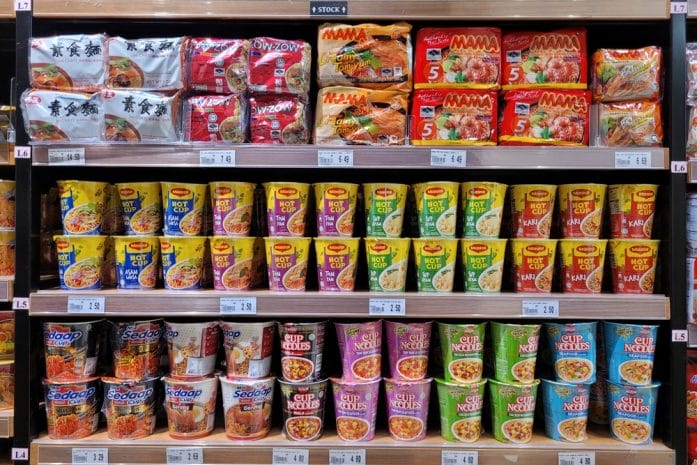
3. Instant Noodles: The Affordable Dinner Trap

Instant noodles have saved countless college students and busy adults from culinary despair. They’re cheap, easy, and oddly comforting. But the truth is harsh: these noodles often come with seasoning packets containing massive amounts of sodium, MSG, and artificial flavors. Regularly eating instant noodles is associated with higher risks of metabolic syndrome, which includes high blood pressure, excess belly fat, and abnormal cholesterol levels.

If ramen is your go-to, doctors recommend “greening up” your noodles by adding fresh veggies, lean proteins, and using only half the seasoning packet. That way, your wallet and your waistline both stay happier.
These Are 7 Budget Foods Americans Rely On That Doctors Say Create Bigger Problems Later

Image source: shutterstock.com

4. Sugary Cereals: Breakfast That Betrays You

Sugar-laden cereals are a nostalgic favorite, and they often cost less than healthier options. Kids love them, adults sometimes sneak them, and grocery stores stock them with pride. But studies show that high-sugar breakfasts can lead to blood sugar spikes, energy crashes, and cravings for more sweets throughout the day. Some cereals contain more sugar per serving than a candy bar!

Instead of going cold turkey, consider pairing a smaller portion of cereal with Greek yogurt or fresh fruit. This combo adds protein and fiber, slowing sugar absorption while keeping the breakfast ritual alive.

5. Canned Soups: Affordable, But Often Overloaded

Canned soups are pantry heroes, especially in chilly months when comfort is king. However, many canned varieties are packed with sodium. High sodium intake can increase blood pressure and strain your cardiovascular system, particularly if eaten frequently.

If you love canned soup, check for “low-sodium” options or make your own batch using broth, vegetables, and beans. It takes a little more effort but drastically reduces hidden health risks. A little prep goes a long way when it comes to heart health.

6. Processed Lunch Meats: Cheap Protein, High Risk

Deli meats, hot dogs, and pre-packaged cold cuts are popular for their convenience and low price. But doctors caution that they’re often loaded with nitrates, sodium, and saturated fats, all of which can increase the risk of heart disease and certain cancers. Studies suggest that even moderate consumption of processed meats can have long-term health consequences.

Consider rotating with grilled chicken, turkey breast, or even plant-based proteins for a budget-friendly alternative that doesn’t compromise your well-being. A small swap can yield big benefits over time.

7. Cheap Potato Chips: The Snack That Sneaks Damage

Potato chips are cheap, addictive, and seemingly harmless in small doses—but doctors warn they’re a triple threat. They’re loaded with unhealthy fats, salt, and sometimes artificial flavorings, all contributing to cardiovascular stress, weight gain, and inflammation. Even a single bag can pack hundreds of empty calories, leaving you full but nutritionally bankrupt.

Swapping chips for air-popped popcorn, roasted chickpeas, or veggie sticks with hummus can satisfy cravings while actually nourishing your body. Crunch responsibly, your future self will thank you.

Your Wallet and Health Can Coexist—If You Play It Smart

Budget-friendly foods don’t have to mean long-term health disasters. The key is awareness and strategic swaps. Frozen dinners, snack cakes, instant noodles, sugary cereals, canned soups, processed meats, and potato chips can all fit into life occasionally—but making them staples? That’s where trouble starts.

What’s your take—would you swap your go-to budget food for a healthier alternative, or do you think the convenience is worth the risk? Share your thoughts in the comments!

You May Also Like…

7 “Healthy” Foods That Are a Total Rip-Off

How Fast-Food Chains Are Cutting Costs by Changing Ingredients

9 Fast-Food Items That Nutritionists Secretly Say Are Worse Than Cigarettes

7 Bizarre Facts About the Human Body That Doctors Can’t Explain

6 Healthy Budget Tips To Keep Your Financially Healthy Until Payday

Brandon Marcus
Brandon Marcus

Brandon Marcus is a writer who has been sharing the written word since a very young age. His interests include sports, history, pop culture, and so much more. When he isn’t writing, he spends his time jogging, drinking coffee, or attempting to read a long book he may never complete.
Filed Under: Frugal Living Tagged With: budget foods, canned soup, diet advice, food, food and drink, frozen dinners, frugal living, healthy eating, healthy swaps, heart health, instant noodles, nutrition tips, potato chips, processed meats, snack cakes, sugary cereals

Why Do Grocery Prices Feel Higher No Matter Where You Shop Now

January 7, 2026 by Brandon Marcus Leave a Comment

Why Do Grocery Prices Feel Higher No Matter Where You Shop Now

Image Source: Shutterstock.com

Your grocery cart is rolling, your list is modest, and your expectations are reasonable—yet somehow the total on the screen feels like it just did a backflip. That jolt at the checkout isn’t your imagination or a bad week for coupons. Grocery shopping today feels like an extreme sport where prices leap, land, and laugh while you clutch a receipt that looks longer than your arm. From discount chains to upscale markets, the shock feels universal, relentless, and oddly personal. So what’s actually going on behind those stubborn price tags that refuse to calm down?

Inflation Is Still Lingering In Everyday Aisles

Inflation may not dominate headlines the way it once did, but it hasn’t packed up and left the grocery store. Food prices are especially sensitive to inflation because they rely on energy, labor, transportation, and raw materials, all of which became more expensive over the last few years. Even when inflation slows, prices rarely roll back in a meaningful way. Instead, they settle at a higher baseline that quietly becomes the new normal. That lingering effect makes every trip feel pricier, even if increases are smaller than before.

Another sneaky factor is “price memory,” where shoppers compare today’s costs to what they remember paying years ago. A gallon of milk or a loaf of bread sticks in the mind, so when the number jumps, it feels outrageous even if the increase happened gradually. Inflation reshaped expectations as much as it reshaped price tags. That mental gap between what feels fair and what rings up is a big reason grocery bills still sting.

Supply Chains Are Shorter, Pricier, And More Fragile

The global supply chain didn’t fully snap back to its old rhythm, and grocery prices are paying the price. Many companies shifted to shorter, more regional supply chains to avoid disruptions, which sounds smart but often costs more. Local sourcing can reduce risk, yet it frequently comes with higher production and labor expenses. Those costs travel straight from farms and factories to your cart.

Transportation remains another major pressure point. Fuel prices fluctuate, trucking shortages persist, and shipping logistics are more complex than they used to be. Even small delays or inefficiencies ripple outward, raising costs across entire product categories. When every step of the journey costs a bit more, groceries end up feeling universally expensive no matter where you shop.

Brands And Stores Are Quietly Changing What You Get

Prices don’t always rise loudly; sometimes they whisper through smaller packages and subtle swaps. Shrinkflation has become a familiar frustration, with boxes getting slimmer and bags feeling lighter while prices stay the same or climb. That creates the illusion of stability while your money buys less food. Shoppers notice eventually, and the sense of being shortchanged adds to the sticker shock.

Store brands aren’t immune either. Private labels once felt like a reliable escape hatch, but many retailers raised those prices too as ingredient and manufacturing costs increased. Some stores adjusted recipes, sourcing, or packaging to control expenses, which can change quality or value perception. When even the “cheap” options feel expensive, the entire store seems hostile to your budget.

Why Do Grocery Prices Feel Higher No Matter Where You Shop Now

Image Source: Shutterstock.com

Consumer Behavior Is Changing The Price Landscape

Shopping habits themselves are reshaping grocery pricing in unexpected ways. More people now buy online, use delivery services, or opt for curbside pickup, all of which add operational costs for retailers. Those conveniences don’t come free, even if the fees aren’t obvious at first glance. Over time, the cost of speed and flexibility gets baked into shelf prices.

At the same time, shoppers are chasing deals more aggressively, jumping between stores and hunting promotions. That behavior pressures retailers to rely on dynamic pricing, targeted discounts, and loyalty programs that favor some shoppers over others. If you’re not playing the game just right, prices can feel punishing. The result is a shopping experience that feels uneven, confusing, and consistently expensive.

Wages, Labor Shortages, And The Human Cost Of Food

Behind every stocked shelf is a workforce that has grown more expensive to maintain. Grocery stores, farms, processing plants, and warehouses all faced labor shortages that pushed wages higher. Paying workers more is essential, but it also raises the cost of doing business. Those increases don’t vanish; they flow through to the final price you see.

Labor challenges also affect efficiency. Fewer workers can mean slower restocking, reduced hours, or less competition between suppliers. That environment gives prices more room to climb and less reason to fall. When the human side of food production strains, the financial strain shows up right on the receipt.

The Checkout Reality We’re All Navigating

Grocery prices feel higher everywhere because multiple forces are pulling in the same direction at once. Inflation, supply chains, labor costs, shifting shopping habits, and quiet changes in packaging all stack together into one loud total at checkout. It’s not just one store or one brand; it’s an entire system adjusting to a new economic rhythm. Understanding the reasons doesn’t make the bill smaller, but it can make the experience feel less baffling.

If you’ve noticed strange price jumps, clever shrinkage, or surprising totals lately, jump into the comments below and let others know what you’re seeing in your own grocery runs.

You May Also Like…

9 Everyday Items You’re Wildly Overpaying For at the Grocery Store

Can Your Grocery Store Loyalty Card Be Used to Track You?

Expense Trap: 7 Inflation Surprises That Sneak Up on Middle-Aged Investors

How Your Grocery Store Loyalty Card Could Trigger Higher Prices

The Real Reasons Fast-Food Chains Are Charging You More for Less Food

Brandon Marcus
Brandon Marcus

Brandon Marcus is a writer who has been sharing the written word since a very young age. His interests include sports, history, pop culture, and so much more. When he isn’t writing, he spends his time jogging, drinking coffee, or attempting to read a long book he may never complete.

Filed Under: Spending Habits Tagged With: brands, consumer, customers, food, food and drink, grocery budget, Grocery savings, grocery shopping, grocery store, Inflation, labor shortage, name brands, overspending, Shopping, Smart Spending, spending, Spending Habits, supply chain, wages

FOLLOW US

Search this site:

Recent Posts

  • Can My Savings Account Affect My Financial Aid? by Tamila McDonald
  • 12 Ways Gen X’s Views Clash with Millennials… by Tamila McDonald
  • What Advantages and Disadvantages Are There To… by Jacob Sensiba
  • 10 Tactics for Building an Emergency Fund from Scratch by Vanessa Bermudez
  • Call 911: Go To the Emergency Room Immediately If… by Stephen Kanaval
  • 7 Weird Things You Can Sell Online by Tamila McDonald
  • 10 Scary Facts About DriveTime by Tamila McDonald

Copyright © 2026 · News Pro Theme on Genesis Framework