• Home
  • About Us
  • Toolkit
  • Getting Finances Done
    • Hiring Advisors
    • Debt Management
    • Spending Plan
  • Insurance
    • Life Insurance
    • Health Insurance
    • Disability Insurance
    • Homeowners/Renters Insurance
  • Contact Us
  • Privacy Policy
  • Risk Tolerance Quiz

The Free Financial Advisor

You are here: Home / Archives for labor shortage

Why Do Grocery Prices Feel Higher No Matter Where You Shop Now

January 7, 2026 by Brandon Marcus Leave a Comment

Why Do Grocery Prices Feel Higher No Matter Where You Shop Now

Image Source: Shutterstock.com

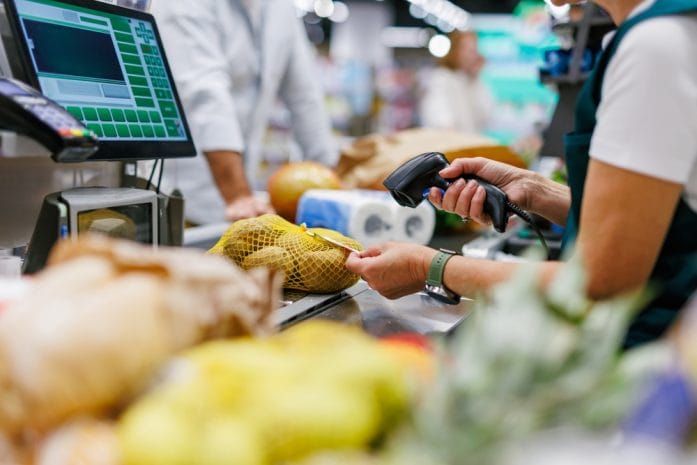
Your grocery cart is rolling, your list is modest, and your expectations are reasonable—yet somehow the total on the screen feels like it just did a backflip. That jolt at the checkout isn’t your imagination or a bad week for coupons. Grocery shopping today feels like an extreme sport where prices leap, land, and laugh while you clutch a receipt that looks longer than your arm. From discount chains to upscale markets, the shock feels universal, relentless, and oddly personal. So what’s actually going on behind those stubborn price tags that refuse to calm down?

Inflation Is Still Lingering In Everyday Aisles

Inflation may not dominate headlines the way it once did, but it hasn’t packed up and left the grocery store. Food prices are especially sensitive to inflation because they rely on energy, labor, transportation, and raw materials, all of which became more expensive over the last few years. Even when inflation slows, prices rarely roll back in a meaningful way. Instead, they settle at a higher baseline that quietly becomes the new normal. That lingering effect makes every trip feel pricier, even if increases are smaller than before.

Another sneaky factor is “price memory,” where shoppers compare today’s costs to what they remember paying years ago. A gallon of milk or a loaf of bread sticks in the mind, so when the number jumps, it feels outrageous even if the increase happened gradually. Inflation reshaped expectations as much as it reshaped price tags. That mental gap between what feels fair and what rings up is a big reason grocery bills still sting.

Supply Chains Are Shorter, Pricier, And More Fragile

The global supply chain didn’t fully snap back to its old rhythm, and grocery prices are paying the price. Many companies shifted to shorter, more regional supply chains to avoid disruptions, which sounds smart but often costs more. Local sourcing can reduce risk, yet it frequently comes with higher production and labor expenses. Those costs travel straight from farms and factories to your cart.

Transportation remains another major pressure point. Fuel prices fluctuate, trucking shortages persist, and shipping logistics are more complex than they used to be. Even small delays or inefficiencies ripple outward, raising costs across entire product categories. When every step of the journey costs a bit more, groceries end up feeling universally expensive no matter where you shop.

Brands And Stores Are Quietly Changing What You Get

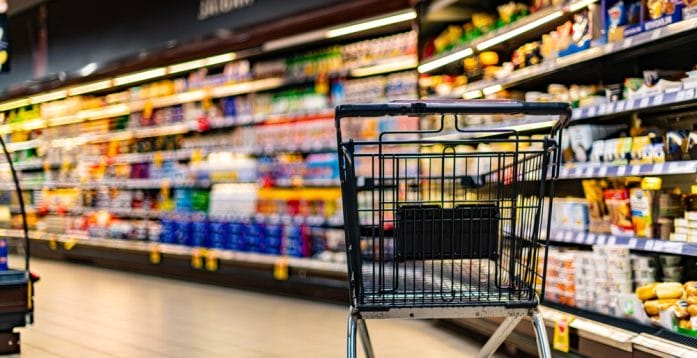
Prices don’t always rise loudly; sometimes they whisper through smaller packages and subtle swaps. Shrinkflation has become a familiar frustration, with boxes getting slimmer and bags feeling lighter while prices stay the same or climb. That creates the illusion of stability while your money buys less food. Shoppers notice eventually, and the sense of being shortchanged adds to the sticker shock.

Store brands aren’t immune either. Private labels once felt like a reliable escape hatch, but many retailers raised those prices too as ingredient and manufacturing costs increased. Some stores adjusted recipes, sourcing, or packaging to control expenses, which can change quality or value perception. When even the “cheap” options feel expensive, the entire store seems hostile to your budget.
Why Do Grocery Prices Feel Higher No Matter Where You Shop Now

Image Source: Shutterstock.com

Consumer Behavior Is Changing The Price Landscape

Shopping habits themselves are reshaping grocery pricing in unexpected ways. More people now buy online, use delivery services, or opt for curbside pickup, all of which add operational costs for retailers. Those conveniences don’t come free, even if the fees aren’t obvious at first glance. Over time, the cost of speed and flexibility gets baked into shelf prices.

At the same time, shoppers are chasing deals more aggressively, jumping between stores and hunting promotions. That behavior pressures retailers to rely on dynamic pricing, targeted discounts, and loyalty programs that favor some shoppers over others. If you’re not playing the game just right, prices can feel punishing. The result is a shopping experience that feels uneven, confusing, and consistently expensive.

Wages, Labor Shortages, And The Human Cost Of Food

Behind every stocked shelf is a workforce that has grown more expensive to maintain. Grocery stores, farms, processing plants, and warehouses all faced labor shortages that pushed wages higher. Paying workers more is essential, but it also raises the cost of doing business. Those increases don’t vanish; they flow through to the final price you see.

Labor challenges also affect efficiency. Fewer workers can mean slower restocking, reduced hours, or less competition between suppliers. That environment gives prices more room to climb and less reason to fall. When the human side of food production strains, the financial strain shows up right on the receipt.

The Checkout Reality We’re All Navigating

Grocery prices feel higher everywhere because multiple forces are pulling in the same direction at once. Inflation, supply chains, labor costs, shifting shopping habits, and quiet changes in packaging all stack together into one loud total at checkout. It’s not just one store or one brand; it’s an entire system adjusting to a new economic rhythm. Understanding the reasons doesn’t make the bill smaller, but it can make the experience feel less baffling.

If you’ve noticed strange price jumps, clever shrinkage, or surprising totals lately, jump into the comments below and let others know what you’re seeing in your own grocery runs.

You May Also Like…

9 Everyday Items You’re Wildly Overpaying For at the Grocery Store

Can Your Grocery Store Loyalty Card Be Used to Track You?

Expense Trap: 7 Inflation Surprises That Sneak Up on Middle-Aged Investors

How Your Grocery Store Loyalty Card Could Trigger Higher Prices

The Real Reasons Fast-Food Chains Are Charging You More for Less Food

Brandon Marcus
Brandon Marcus

Brandon Marcus is a writer who has been sharing the written word since a very young age. His interests include sports, history, pop culture, and so much more. When he isn’t writing, he spends his time jogging, drinking coffee, or attempting to read a long book he may never complete.

Filed Under: Spending Habits Tagged With: brands, consumer, customers, food, food and drink, grocery budget, Grocery savings, grocery shopping, grocery store, Inflation, labor shortage, name brands, overspending, Shopping, Smart Spending, spending, Spending Habits, supply chain, wages

Sweet Treats No More: 5 Key Reasons Dairy Queen Is Closing Locations Nationwide

February 17, 2025 by Latrice Perez Leave a Comment

Ice Cream Cone

Image Source: 123rf.com

Dairy Queen has been a beloved staple in the fast-food industry, known for its ice cream, Blizzard treats, and nostalgic charm. However, recent news about Dairy Queen closing several locations nationwide has left fans wondering why a once-thriving brand is facing such a decline. While it may seem like the end of an era for some, there are several factors contributing to these closures, many of which are tied to broader trends in the restaurant and retail industries. Here are five key reasons why Dairy Queen is shutting down locations and what this means for the future of the iconic chain.

1. Franchisee Struggles and Financial Challenges

Dairy Queen, like many other fast-food chains, operates on a franchise model. While this structure allows for rapid expansion, it also places the financial burden on individual franchisees. Many Dairy Queen operators have been facing significant financial pressure due to rising operational costs, including increasing rent prices, higher wages, and the rising cost of ingredients. These rising expenses, coupled with the economic uncertainty caused by the pandemic, have made it harder for some franchisees to keep their businesses profitable.

2. Changing Consumer Preferences and Competition

As consumers shift toward healthier food options, many traditional fast-food chains, including Dairy Queen, have struggled to keep up. The fast-food market is becoming increasingly competitive, with newer chains offering more diverse menus and healthier alternatives. Dairy Queen, which is known for its indulgent ice cream and fried foods, has had difficulty appealing to the modern consumer who is more conscious of their dietary choices.

3. Impact of the COVID-19 Pandemic

Like many businesses, Dairy Queen faced significant disruptions due to the COVID-19 pandemic. During lockdowns, dine-in services were halted, and the restaurant had to rely more heavily on drive-thru and delivery services. While Dairy Queen adapted to these changes, the long-term effects of the pandemic on consumer behavior and the economy are still being felt. Some locations struggled to reopen with the same level of demand, and the ongoing health concerns have further compounded the challenges faced by individual stores.

4. Labor Shortages and Staffing Issues

Labor Shortages

Image Source: 123rf.com

The labor shortage has been another major challenge for many businesses in recent years, and Dairy Queen is no exception. Many fast-food chains, including Dairy Queen, have struggled to hire and retain staff, particularly in entry-level positions. With many workers opting for jobs with better benefits or working conditions, Dairy Queen locations have faced increased staffing challenges. When locations can’t find the staff they need, they are forced to reduce hours or even close their doors entirely.

5. Real Estate Costs and Location Viability

A significant number of Dairy Queen locations are situated in prime real estate areas, and as property values rise, rent becomes increasingly unaffordable for some franchisees. In urban and suburban areas, real estate prices have skyrocketed, and many Dairy Queen franchises are finding it difficult to keep up with the rising costs. For some franchisees, it may simply be more cost-effective to close a location rather than continue paying high rent for a site that no longer generates enough revenue.

Fast Changing Food Industry

Although the closing of Dairy Queen locations may seem like the end of an era, it’s a reminder of how much the fast-food industry is changing. From financial struggles and changing consumer preferences to the impacts of the pandemic and real estate pressures, Dairy Queen’s decline highlights the challenges many businesses face in the modern world.

While some fans may be disappointed by the closures, the chain’s continued efforts to adapt and evolve show that it’s not giving up just yet. Whether or not Dairy Queen can recover from these closures remains to be seen, but for now, it’s clear that the landscape of fast food is shifting—and Dairy Queen is trying to keep pace.

Is your local Dairy Queen closing? What are your feelings about so many chain restaurants closing their doors? Tell us more in the comments below.

Read More:

8 Company Perks That Sound Great But Are Total Traps

14 Financial Red Flags In Your Small Business You Shouldn’t Ignore

Latrice Perez

Latrice is a dedicated professional with a rich background in social work, complemented by an Associate Degree in the field. Her journey has been uniquely shaped by the rewarding experience of being a stay-at-home mom to her two children, aged 13 and 5. This role has not only been a testament to her commitment to family but has also provided her with invaluable life lessons and insights.

As a mother, Latrice has embraced the opportunity to educate her children on essential life skills, with a special focus on financial literacy, the nuances of life, and the importance of inner peace.

Filed Under: news Tagged With: consumer trends, COVID-19 impact, Dairy Queen, fast food, food industry, franchise struggles, labor shortage, real estate costs, restaurant closures

FOLLOW US

Search this site:

Recent Posts

  • Can My Savings Account Affect My Financial Aid? by Tamila McDonald
  • 12 Ways Gen X’s Views Clash with Millennials… by Tamila McDonald
  • What Advantages and Disadvantages Are There To… by Jacob Sensiba
  • 10 Tactics for Building an Emergency Fund from Scratch by Vanessa Bermudez
  • Call 911: Go To the Emergency Room Immediately If… by Stephen Kanaval
  • 7 Weird Things You Can Sell Online by Tamila McDonald
  • 10 Scary Facts About DriveTime by Tamila McDonald

Copyright © 2026 · News Pro Theme on Genesis Framework