• Home
  • About Us
  • Toolkit
  • Getting Finances Done
    • Hiring Advisors
    • Debt Management
    • Spending Plan
  • Insurance
    • Life Insurance
    • Health Insurance
    • Disability Insurance
    • Homeowners/Renters Insurance
  • Contact Us
  • Privacy Policy
  • Risk Tolerance Quiz

The Free Financial Advisor

You are here: Home / Archives for impulse purchases

8 Monthly Expenses That Are Harder to Control Than You Think

January 20, 2026 by Brandon Marcus Leave a Comment

These Are 8 Monthly Expenses That Are Harder to Control Than You Think

Image source: shutterstock.com

Ever feel like your paycheck disappears into a black hole before you’ve even finished your first cup of coffee? You’re not imagining it. Some monthly expenses have a sneaky way of stacking up, turning “just one bill” into a financial juggling act.

From bills you barely notice to habits you didn’t realize were costing you, understanding these expenses is the first step toward taking charge. Let’s dive into the eight expenses that are harder to control than most people think—and why they keep catching you off guard.

1. Groceries And Impulse Purchases

Groceries are supposed to be predictable, right? You make a list, check it twice, and head to the store thinking you’re in control. But the moment you walk past the candy aisle or the fancy cheese display, that carefully planned budget can evaporate. Many people underestimate just how much “little” impulse buys add up over a month. Beyond that, rising food prices can make a weekly shop feel like a rollercoaster you didn’t sign up for.

Online grocery delivery adds another layer of temptation with one-click extras, and convenience often comes at a steep price. Meal planning can help, but even the most disciplined shopper can get blindsided by cravings or last-minute additions.

2. Streaming Services And Subscription Overload

It starts innocently enough: one streaming service for your favorite show, another for a family member’s obsession, maybe a gaming or fitness subscription thrown in for good measure. Before you know it, you’ve got a dozen subscriptions, some of which you barely use. These recurring charges can feel invisible because they don’t hit your bank account like a traditional bill. Yet collectively, they can rival your rent or utilities. And the more subscriptions you have, the harder it becomes to track which ones are actually worth keeping. Even a quick cleanup often reveals you’ve been paying for services you forgot existed.

3. Utility Bills That Fluctuate

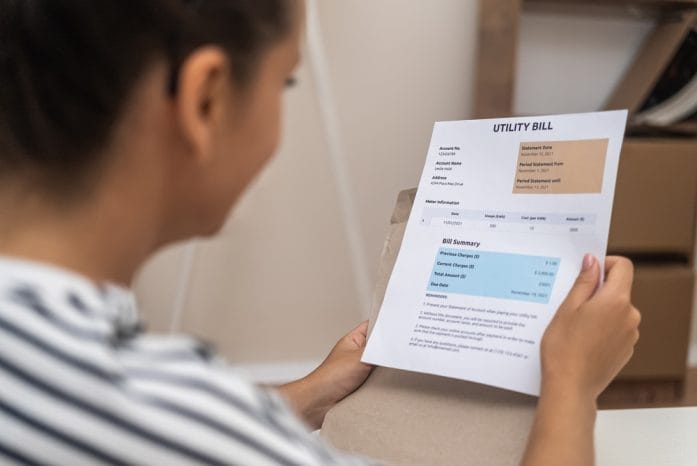
Water, electricity, gas, heating—these are basic needs, but they rarely stay steady. Seasonal changes can turn a predictable bill into a shocking surprise. Air conditioning in the summer, extra heating in the winter, or even the timing of when your bills are read can all cause fluctuations. Energy rates themselves sometimes rise without much warning, and small leaks or inefficient appliances can quietly drain your wallet. Trying to stick to a fixed budget becomes tricky when these essential costs are out of your hands. Smart meters and energy-saving habits help, but they’re not foolproof shields.

4. Transportation Costs

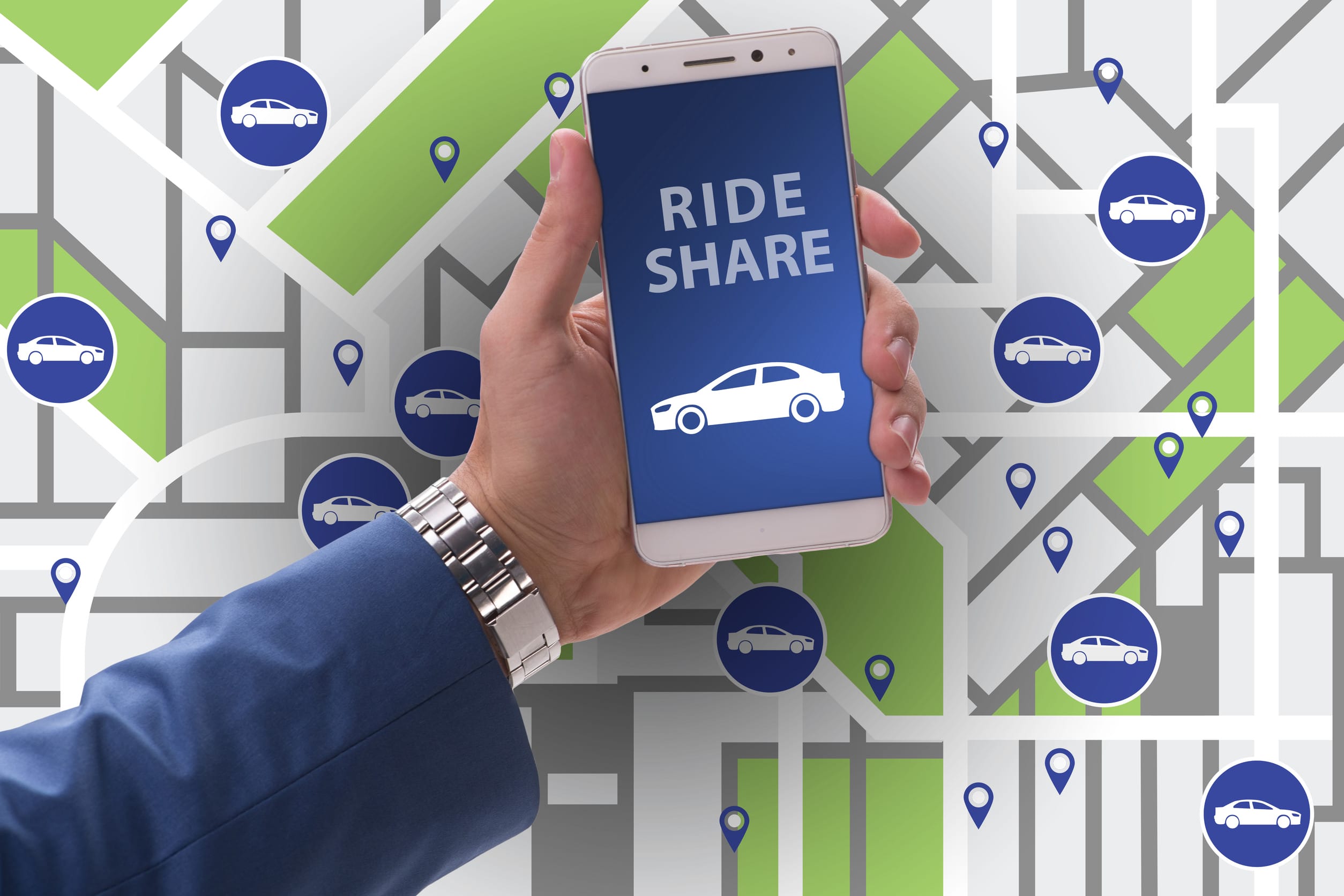
Gas, maintenance, tolls, rideshares, public transit—it all adds up faster than you’d expect. Even if you drive the same route daily, fluctuating gas prices can turn your commute into a moving budget crisis. Car maintenance costs often hit in unpredictable bursts, like when tires need replacing or your brakes suddenly scream for attention. Parking fees and traffic tickets can also surprise you mid-month. Even those who rely on public transit face fare increases or emergency ride services that slip under the radar. Transportation is essential, but it’s a monthly expense that’s surprisingly difficult to pin down.

These Are 8 Monthly Expenses That Are Harder to Control Than You Think

Image source: shutterstock.com

5. Health And Medical Expenses

Insurance premiums might be predictable, but the actual costs of healthcare are anything but. Prescription copays, over-the-counter treatments, dentist visits, or specialist appointments can pile up without warning. Health emergencies or unexpected diagnoses can throw a wrench into even the tightest budget. Flexible spending accounts help, but not everyone maximizes them, and many expenses aren’t fully covered. Preventive care can save money in the long run, yet it still requires planning and discipline. When you add up co-pays, medications, and wellness necessities, healthcare often becomes a bigger bite out of your paycheck than anticipated.

6. Credit Card Payments And Interest

Debt isn’t always obvious in your monthly spending. Minimum payments on credit cards might feel manageable, but interest compounds quickly, silently increasing your monthly obligations. Late fees, penalty rates, and variable APRs can sneak in if you’re not vigilant. It’s easy to underestimate how much small purchases today can cost you tomorrow. Paying only the minimum can trap you in a cycle that eats away at both your budget and peace of mind. Keeping track of balances, interest rates, and due dates requires attention that most people don’t realize is necessary.

7. Dining Out And Takeout

Even if you plan to cook most meals at home, dining out can become a recurring trap. Lunches at work, quick dinners after long shifts, or celebratory meals can quickly add up. Delivery apps make it effortless to spend without thinking, but that convenience comes with a premium. Hidden fees, tips, and service charges amplify the cost. Social habits often drive these expenses, because declining a group outing isn’t always easy. Even occasional indulgences can make a noticeable dent in your monthly spending if they become regular.

8. Pet Expenses

Pets are adorable, but they’re also surprisingly expensive. Food, grooming, vet visits, preventive care, and emergency treatments all contribute to an unpredictable monthly total. Even routine wellness visits can catch owners off guard if medications or vaccinations are required. Specialty food or accessories, while not strictly necessary, often find their way into the cart. Insurance for pets can help, but it’s another recurring cost that adds up over time. Many pet owners underestimate the financial commitment until it’s staring them in the face mid-month.

Is It Time To Get Your Monthly Spending Together?

Managing monthly expenses is a bit like trying to herd cats—just when you think you’ve got everything under control, one cost jumps out and demands attention. These eight categories are particularly tricky because they combine unpredictability, temptation, and invisible charges. By recognizing where your money tends to slip through the cracks, you can make smarter choices and regain some control.

Tell us about your experiences or strategies for handling these sneaky expenses in the comments below—we’d love to hear your perspective.

You May Also Like…

The Texas Mortgage Shock: Why Your Monthly Payment Just Jumped $400 Without Warning

9 Expenses That Used to Be Optional but Aren’t Anymore

Savings Fallout: 4 Hidden Expenses That Quietly Drain Retirement Budgets

Why Do Unexpected Expenses Always Seem to Hit at the Worst Time

Generate Extra Monthly Cash Flow Starting With These Side Hustle Ideas

Brandon Marcus
Brandon Marcus

Brandon Marcus is a writer who has been sharing the written word since a very young age. His interests include sports, history, pop culture, and so much more. When he isn’t writing, he spends his time jogging, drinking coffee, or attempting to read a long book he may never complete.


Filed Under: Spending Habits Tagged With: credit card payments, credit cards, expenses, groceries, healthcare, impulse purchases, impulse spending, medical bills, medical expenses, Money, money issues, monthly bills, monthly expenses, Smart Spending, spending, Spending Habits, streaming apps, streaming services, subscriptions, transportation costs

Why Does Spending Turn A Dream Vacation Into A Nightmare?

January 20, 2026 by Brandon Marcus Leave a Comment

Why Does Spending Turn A Dream Vacation Into A Nightmare?

Image source: shutterstock.com

The moment you step off the plane into a new city, with the sun kissing your skin and the scent of adventure in the air, everything should feel perfect. That sense of freedom, excitement, and endless possibility is why we travel in the first place. But there’s a sneaky villain lurking in the shadows: spending.

One careless swipe of a credit card, one splurge on a luxury dinner, or a spontaneous tour can quietly transform your dream getaway into a wallet-draining nightmare. Suddenly, what should have been a memory-making escape becomes a source of stress, anxiety, and regret. Let’s dive into why spending can sabotage your perfect vacation and how to avoid falling into the trap.

How Impulse Purchases Steal Vacation Joy

Impulse buying is the silent dream killer. When you’re in a new city, everything feels exotic and exciting—street food, souvenirs, guided tours, quirky little shops. It’s easy to convince yourself that “this one thing” is essential, only to discover your purchases pile up faster than your memories. Impulse spending doesn’t just eat into your budget; it creates a mental weight that lingers after the trip ends. You might feel proud at first, holding a quirky hand-carved sculpture or that designer bag you couldn’t resist. But the thrill fades when you check your bank statement and realize you’ve spent more than you intended. Suddenly, your excitement is replaced with stress, guilt, and a nagging sense that you traded financial peace for momentary gratification.

The Illusion Of Luxury And Status

We often equate vacation success with luxury: five-star hotels, gourmet meals, private tours. Social media only amplifies this, showcasing glamorous snapshots that make your own experiences feel inadequate. Spending excessively to chase that illusion can turn your escape into a competitive performance, rather than a relaxing getaway. You might convince yourself that the opulent spa or $200-a-night room is a “once-in-a-lifetime” necessity. In reality, luxury purchases can inflate expectations and pressure you to maintain an unsustainable standard. Instead of enjoying the local culture, you’re constantly calculating, “Is this worth it?” The irony is that the more you chase perceived status, the further you drift from genuine relaxation and connection with your surroundings.

Hidden Costs That Multiply Quickly

Even if you plan carefully, vacations are full of hidden costs that sneak past your budget. Transportation fees, resort taxes, tipping, parking, and small daily purchases can pile up into a serious financial burden. One afternoon of casually grabbing drinks or souvenirs can turn into a night of anxious number-crunching. Hidden costs aren’t just about money—they also add stress. Worrying about overspending can affect your mood, making even scenic walks or casual sightseeing feel tense. Before you know it, the lighthearted trip you envisioned is overshadowed by mental math and financial worry. Recognizing hidden costs beforehand is crucial to keeping your vacation lighthearted and genuinely enjoyable.

Why Does Spending Turn A Dream Vacation Into A Nightmare?

Image source: shutterstock.com

How FOMO Fuels Overspending

Fear of missing out is a powerful motivator, especially when traveling. It drives tourists to overbook experiences, dine at every “must-try” restaurant, and buy every trinket that looks Instagram-worthy. While FOMO can make a vacation feel thrilling in the moment, it often leads to buyer’s remorse later. You may end up rushing from activity to activity, spending money you hadn’t planned on, and forgetting to pause and truly soak in your surroundings. FOMO also creates a mindset where relaxation takes a back seat to “maximizing experiences,” leaving you exhausted and financially strained. Balancing curiosity with mindfulness is the key to enjoying adventures without letting your wallet—or your stress levels—suffer.

Psychological Toll Of Overspending

Overspending isn’t just a financial issue—it has emotional consequences, too. Anxiety about bills waiting at home can shadow your entire vacation. Moments that should be joyful can be tainted by guilt and self-recrimination, turning your sunny beach day into a mental tug-of-war. This stress isn’t limited to the duration of your trip; it can linger long after you’ve returned, making post-vacation life feel heavier. Psychologists note that the mental load of overspending reduces your ability to enjoy experiences fully, no matter how beautiful or rare they are. The paradox is striking: you spend more to make memories, but the weight of financial stress undermines the very joy you were seeking.

Strategies To Enjoy Without Overspending

The antidote to vacation overspending is awareness and planning. Start by setting a clear budget, breaking it down by category: lodging, food, experiences, and souvenirs. Give yourself small allowances for spontaneous purchases, so you don’t feel deprived. Research local options ahead of time; sometimes hidden gems cost far less than flashy attractions. Another strategy is to prioritize experiences over objects—photographs, hikes, and street performances often leave deeper, longer-lasting memories than any purchased item. Keeping a journal or tracking expenses on the go can also prevent that creeping anxiety that comes from losing control of your finances. With these strategies, you can enjoy your dream vacation without it turning into a financial nightmare.

Keep Your Memories Rich, Not Your Stress

Vacations are meant to recharge us, expose us to new perspectives, and create stories we’ll tell for years. Overspending can hijack that experience, replacing joy with anxiety, curiosity with calculation, and relaxation with stress. By understanding the psychological traps, hidden costs, and impulsive urges that come with travel, you can make conscious choices that prioritize enjoyment over expenditure.

Now, we want to hear from you—what are your experiences with vacation spending? Have you ever found yourself regretting a splurge or discovering a money-saving hack that saved your trip?

You May Also Like…

7 Clever Ways Grandparents Save on Family Vacations

9 Lesser-Known Risks of Buying Vacation Homes

6 Ways Travel Is Quietly Transforming for Millennials and Gen Z

7 Travel Safety Tips You’ve Never Heard Before

6 Weird Costs of Owning Vacation Rentals

Brandon Marcus
Brandon Marcus

Brandon Marcus is a writer who has been sharing the written word since a very young age. His interests include sports, history, pop culture, and so much more. When he isn’t writing, he spends his time jogging, drinking coffee, or attempting to read a long book he may never complete.

Filed Under: Travel Tagged With: dream vacation, family spending, FOMO, hidden costs, Holiday, Holidays, impulse purchases, Life, Lifestyle, overspending, Smart Spending, spending, travel, traveling, traveling across country, vacation, world travel

The “Just One More” Syndrome: Small Expenses That Are Keeping You Broke

March 3, 2025 by Latrice Perez Leave a Comment

Expenses Coffeee

Image Source: 123rf.com

We’ve all done it—grabbing a coffee on the way to work, adding an extra streaming service “just for one show,” or impulsively ordering takeout because cooking feels like too much effort. These small, seemingly harmless expenses don’t feel like much in the moment, but over time, they add up in ways that can quietly sabotage your financial health. If you’ve ever wondered why your bank balance isn’t growing, “Just One More” Syndrome might be to blame.

Your Daily Coffee Fix Might Be a Silent Budget Killer

A $5 coffee here, a $3 pastry there—it doesn’t feel like much, right? But if you’re making this a habit, the cost quickly balloons. Spending $5 a day on coffee adds up to $150 a month, or $1,800 a year. That’s enough to cover a vacation, knock out a chunk of debt, or boost your emergency fund. While the occasional treat is fine, if you’re hitting the coffee shop every morning without thinking, it may be time to reconsider how much that caffeine habit is truly costing you.

Subscription Creep: The Streaming Services Draining Your Wallet

Netflix, Hulu, Disney+, HBO Max, Spotify—individually, they all seem affordable. But when you add up multiple subscriptions, you could easily be spending over $100 a month on services you barely use. Subscription creep happens when you sign up for “just one more” service, thinking it’s only a few extra dollars, without realizing you’re paying for content you don’t even watch. If you haven’t done a streaming audit recently, now is the time to cut the excess and reclaim that money.

Eating Out and Takeout: The Hidden Drain on Your Budget

Ordering takeout or grabbing fast food feels like a convenient option when life gets busy. But let’s be real—those $15-$20 meals add up quickly. If you’re eating out multiple times a week, you could easily be spending hundreds of dollars a month without realizing it. Cooking at home not only saves money but also allows you to eat healthier. Even cutting back takeout by half could free up money for more important financial goals.

Retail Therapy That Comes Back to Haunt You

Impulse purchases can be sneaky. Whether it’s a “just-because” Amazon order, a sale you couldn’t resist, or a spontaneous shopping spree, these little indulgences can wreck your budget. The thrill of buying something new fades fast, but the dent in your bank account sticks around. If you constantly find yourself saying, “It was only $20,” take a step back and look at how much all those small purchases add up over the month. You might be surprised.

Rideshare Addiction: How Uber and Lyft Are Silently Stealing Your Cash

Ride Share

Image Source: 123rf.com

Hopping into an Uber or Lyft is convenient, but relying on rideshares too often is a financial black hole. At an average of $10-$25 per ride, frequent ridesharing can cost hundreds per month—money that could go toward savings or debt repayment. If you’re using rideshares for trips you could walk, bike, or take public transit for, it’s time to rethink whether convenience is worth the long-term cost.

Grocery Store “Extras” That Destroy Your Budget

You go to the grocery store for milk and bread, but somehow, you leave with $40 worth of snacks, drinks, and random “just-in-case” items. These little extras inflate your grocery bill without you even noticing. The solution? Make a list, stick to it, and avoid grocery shopping when you’re hungry. Your wallet will thank you.

Sneaky Bank Fees That Keep Chipping Away at Your Money

Overdraft fees, ATM charges, and monthly account fees may seem minor, but they’re costing you money unnecessarily. Some banks charge $35 for overdrafts, while ATM fees can add up to $5 per transaction. If you’re paying these sneaky fees regularly, consider switching to a no-fee bank or setting up low-balance alerts to avoid unnecessary charges.

In-App Purchases That Seem Harmless (But Aren’t)

Whether it’s a $2 upgrade on a mobile game, a new filter pack for Instagram, or premium access to an app you barely use, small digital purchases add up fast. These microtransactions don’t seem like much at first, but they can lead to big spending over time. If you’re making frequent in-app purchases, check your digital spending history—you might be shocked by how much you’ve spent.

How to Break Free from “Just One More” Syndrome

Recognizing these small spending habits is the first step toward change. Start by tracking your spending to see where your money is really going—small expenses add up quickly, and seeing them in black and white can be eye-opening. If you’re tempted to buy something unnecessary, use the 24-hour rule: wait a day before making the purchase, and if you still want it, then it’s likely a meaningful expense rather than an impulse buy.

Do you suffer from “Just One More” syndrome? What steps can you take to make the changes you need to stop unnecessary spending? Let us know in the comments below.

Read More:

The ‘Silent Killer’ of Your Budget: 10 Pointless Expenses That Are Keeping You Poor

7 Signs Your Budget Is Running Your Life—and How to Take Back Control

Latrice Perez

Latrice is a dedicated professional with a rich background in social work, complemented by an Associate Degree in the field. Her journey has been uniquely shaped by the rewarding experience of being a stay-at-home mom to her two children, aged 13 and 5. This role has not only been a testament to her commitment to family but has also provided her with invaluable life lessons and insights.

As a mother, Latrice has embraced the opportunity to educate her children on essential life skills, with a special focus on financial literacy, the nuances of life, and the importance of inner peace.

Filed Under: Budgeting Tagged With: Budgeting Tips, financial habits, Financial Wellness, impulse purchases, saving money, small expenses, unnecessary spending

FOLLOW US

Search this site:

Recent Posts

  • Can My Savings Account Affect My Financial Aid? by Tamila McDonald
  • 12 Ways Gen X’s Views Clash with Millennials… by Tamila McDonald
  • What Advantages and Disadvantages Are There To… by Jacob Sensiba
  • Call 911: Go To the Emergency Room Immediately If… by Stephen Kanaval
  • 10 Tactics for Building an Emergency Fund from Scratch by Vanessa Bermudez
  • 7 Weird Things You Can Sell Online by Tamila McDonald
  • 10 Scary Facts About DriveTime by Tamila McDonald

Copyright © 2026 · News Pro Theme on Genesis Framework