• Home
  • About Us
  • Toolkit
  • Getting Finances Done
    • Hiring Advisors
    • Debt Management
    • Spending Plan
  • Insurance
    • Life Insurance
    • Health Insurance
    • Disability Insurance
    • Homeowners/Renters Insurance
  • Contact Us
  • Privacy Policy
  • Risk Tolerance Quiz

The Free Financial Advisor

You are here: Home / Archives for emotions and investing

What Does Financial Stress Do To Your Body?

January 21, 2026 by Brandon Marcus Leave a Comment

What Does Financial Stress Do To Your Body?

Image source: shutterstock.com

Your phone buzzes. Great, another bill reminder. Your jaw tightens, shoulders creep upward, and suddenly your heart is thumping like it’s auditioning for a drum solo. Financial stress doesn’t politely wait its turn; it crashes the party and grabs the mic. While money problems start on paper or a screen, their impact is deeply physical.

From tense muscles to foggy thinking, your body reacts as if it’s facing a real, immediate threat. That reaction can be useful in short bursts, but when money worries linger, your body pays a steep price. Let’s break down what’s really going on under the hood.

Your Brain Goes Into Survival Mode

When financial stress hits, your brain treats it like danger. The amygdala, which handles fear and threat detection, lights up and signals the release of stress hormones like cortisol and adrenaline. These chemicals sharpen focus in the short term, which might help you scramble to cover a bill or make a plan. Over time, though, they can make it harder to concentrate, remember details, or make calm decisions.

Chronic stress can even shrink parts of the brain involved in memory and emotional regulation, such as the hippocampus. That’s why money stress often feels mentally exhausting and strangely paralyzing at the same time. You’re thinking constantly, yet clarity feels just out of reach.

Your Heart And Blood Pressure Feel The Pressure

Your cardiovascular system responds quickly to stress, and financial worries are no exception. Stress hormones cause your heart rate to increase and your blood vessels to constrict, which raises blood pressure. When this happens occasionally, your body recovers. When it happens day after day, the strain adds up. Long-term financial stress is associated with higher risks of hypertension, heart disease, and stroke. Even younger adults aren’t immune, especially if stress is paired with poor sleep or unhealthy coping habits. Your heart isn’t reacting to numbers on a page; it’s responding to the emotional weight those numbers carry.

Your Muscles Stay Tense And Achy

Ever notice how money stress seems to live in your neck, shoulders, or lower back? That’s not your imagination. Stress triggers muscle tension as part of the body’s readiness response, preparing you to act. When stress becomes chronic, those muscles don’t fully relax. The result can be persistent aches, tension headaches, and jaw pain from clenching or grinding teeth. Over time, this tension can limit mobility and increase sensitivity to pain. Your body is essentially stuck in a low-grade “brace yourself” posture, waiting for a threat that never quite resolves.

Your Digestive System Gets Thrown Off Balance

The gut and the brain are in constant conversation, and stress changes the tone of that dialogue. Financial stress can slow digestion for some people and speed it up for others. Symptoms like stomachaches, bloating, heartburn, diarrhea, or constipation are common during stressful periods. Stress can also alter the balance of bacteria in your gut, which affects digestion and immunity. Appetite changes often follow, with some people eating less and others reaching for comfort foods high in sugar or fat. None of this means you’re weak; it means your digestive system is reacting to prolonged tension.

What Does Financial Stress Do To Your Body?

Image source: shutterstock.com

Your Immune System Loses Its Edge

Stress hormones are powerful, and one of their side effects is immune suppression. When financial stress drags on, your body becomes less efficient at fighting off viruses and bacteria. You may notice you get sick more often or take longer to recover. Inflammation can also increase, which plays a role in many chronic conditions. This is part of why stressful times often coincide with colds, flare-ups, or general feelings of being run-down. Your body is busy managing stress and has fewer resources left for defense.

Your Sleep And Energy Take A Hit

Money worries have a special talent for showing up right when your head hits the pillow. Financial stress can make it harder to fall asleep, stay asleep, or reach the deeper stages of rest your body needs. Poor sleep then amplifies stress, creating a frustrating cycle. Fatigue affects mood, reaction time, and even pain tolerance. Over time, chronic sleep disruption can raise the risk of metabolic issues and mental health challenges. When you’re tired, everything feels heavier, including those financial concerns.

Your Hormones And Metabolism Shift

Chronic stress influences hormones beyond cortisol and adrenaline. It can interfere with insulin regulation, contributing to blood sugar imbalances. Stress can also affect hunger hormones, making you feel hungrier or less satisfied after meals. For some people, this contributes to weight changes, particularly increased abdominal fat, which is more sensitive to stress hormones. These shifts don’t happen overnight, but they build quietly over time. Your body is constantly adjusting to what it believes is a long-term threat.

Your Mood And Behavior Change In Noticeable Ways

Financial stress doesn’t just affect how you feel physically; it shapes behavior. Irritability, anxiety, and low mood are common, and they can strain relationships. Some people withdraw socially, while others become more reactive or restless. Coping behaviors like overeating, skipping exercise, or increased alcohol use often appear during prolonged stress. These aren’t character flaws; they’re attempts to regulate overwhelming feelings. Understanding this connection can make it easier to respond with self-compassion rather than self-criticism.

Listening To What Your Body Is Saying

Financial stress is more than a mental burden—it’s a full-body experience with real consequences. Your body responds to money worries as if they’re physical threats, and over time, that reaction can wear you down. Paying attention to these signals is a powerful first step toward change, whether that means adjusting habits, seeking support, or simply acknowledging how hard it’s been.

Everyone’s experience with financial stress looks a little different. If this topic resonates, the comments section below is open for thoughts, reflections, and personal experiences.

You May Also Like…

9 Financial Habits That Look Responsible but Feel Stressful

10 Common Budgeting Mistakes That Create Constant Money Stress

Risk Proaction: 5 Steps to Stress-Test Your Finances for Worst-Case Scenarios

Why Does Financial Anxiety Show Up Even When Bills Are Paid

Money Anxiety Is the New Pandemic—Here’s How to Cope

Brandon Marcus
Brandon Marcus

Brandon Marcus is a writer who has been sharing the written word since a very young age. His interests include sports, history, pop culture, and so much more. When he isn’t writing, he spends his time jogging, drinking coffee, or attempting to read a long book he may never complete.
Filed Under: Lifestyle Tagged With: brain, brain science, emotional baggage, emotions and investing, emotions and money, energy, financial anxiety, financial stress, health, health and wellbeing, Life, Lifestyle, mental health, money emotions, physical health, sleep, stress

6 Effective Steps to Stop Worrying About Market Volatility

October 11, 2025 by Travis Campbell Leave a Comment

investing

Image source: pexels.com

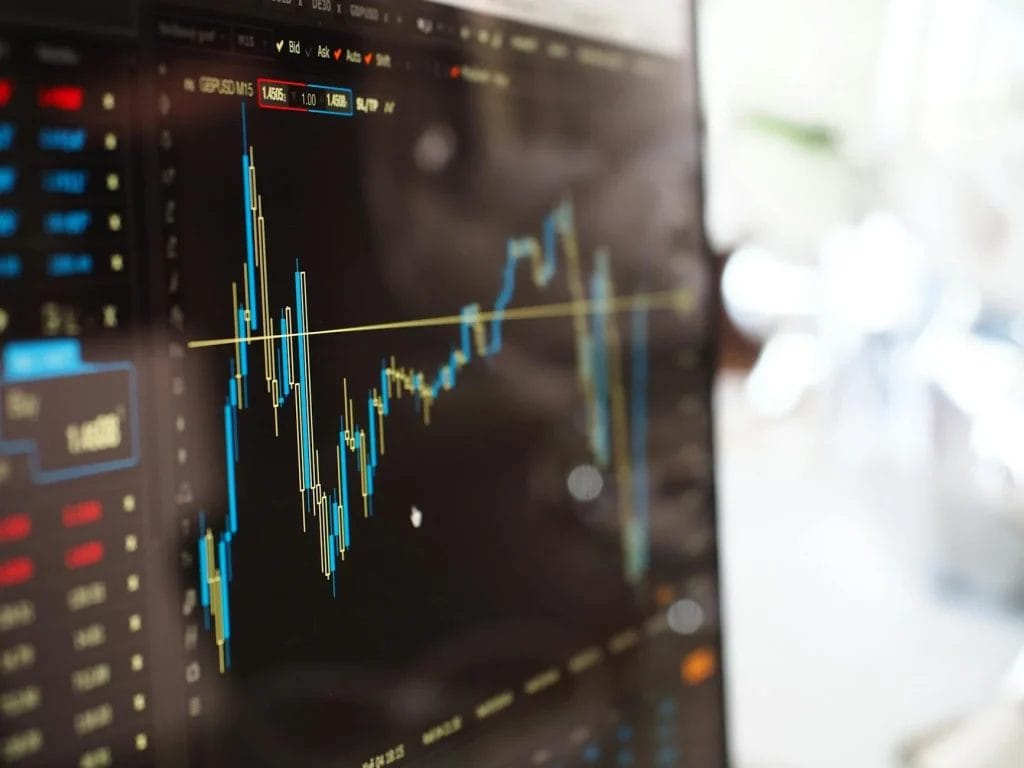
Market volatility can feel like a rollercoaster for even the most seasoned investors. Watching your portfolio fluctuate can trigger anxiety, second-guessing, or hasty decisions. But market ups and downs are a natural part of investing. Learning how to stop worrying about market volatility is crucial for building long-term wealth and maintaining your peace of mind. With the right strategies, you can navigate uncertainty more confidently and stay focused on your goals. Here are six effective steps to help you manage your emotions and make smarter decisions during turbulent times.

1. Understand What Drives Market Volatility

Market volatility is simply the degree of variation in stock prices over time. News headlines, economic data, company earnings, and even investor sentiment can all cause markets to swing. Sometimes these moves are rational, but often they’re driven by emotions or short-term reactions. By understanding that volatility is a normal part of market behavior, you can start to put daily price swings in perspective. Remember, long-term trends matter more than short-term noise when it comes to reaching your financial goals.

2. Focus on Your Long-Term Plan

One of the best ways to stop worrying about market volatility is to revisit your long-term investment plan. Why did you invest in the first place? Whether you’re saving for retirement, a home, or your child’s education, your plan should be based on your timeline and risk tolerance—not on today’s headlines. By focusing on your big-picture objectives, you’re less likely to make impulsive decisions when the market gets rocky. If your goals haven’t changed, your investment approach probably shouldn’t either.

3. Keep Your Emotions in Check

It’s human nature to feel uneasy when markets drop. But reacting emotionally to market volatility can lead to costly mistakes, like selling at the bottom or chasing returns after a rally. Instead, take a step back and recognize your feelings for what they are—natural, but not necessarily helpful. Consider writing down your investment rules or talking to a trusted advisor when you’re tempted to act on fear or greed. Staying calm during market swings can pay off in the long run.

4. Diversify Your Investments

Diversification is a classic way to reduce risk and stop worrying about market volatility. By spreading your money across different asset classes—like stocks, bonds, and real estate—you can minimize the impact of a downturn in any single area. Even within stocks, you can diversify by owning companies of different sizes, industries, and regions. This approach smooths out your returns and provides a buffer against sudden market shocks. If you’re not sure how diversified your portfolio is, now is a good time to check.

5. Limit Your Exposure to the News

Constant news updates can make market volatility seem worse than it is. Headlines are often designed to grab your attention and stir up emotion, not to help you make sound financial choices. If you find yourself feeling anxious after reading the news, try limiting your exposure. Set specific times to check your portfolio or financial news—maybe once a week instead of every day. Less noise can mean less stress.

6. Rebalance and Review Regularly

Regularly reviewing and rebalancing your portfolio helps you stay aligned with your goals, especially during periods of market volatility. If certain investments have grown or shrunk more than others, your portfolio’s risk profile may have shifted. Rebalancing—selling some winners and buying underperformers—brings your mix back in line with your original plan. This disciplined approach removes emotion from the process and helps you buy low and sell high over time. Consider setting a schedule to review your investments, such as once or twice a year.

Building Confidence in Uncertain Times

Learning how to stop worrying about market volatility is a journey, not a one-time fix. By understanding what causes volatility, focusing on your long-term goals, and using practical strategies like diversification and rebalancing, you can build resilience as an investor. Remember, every market cycle brings opportunities as well as challenges. Staying patient and disciplined through the ups and downs will serve you well over time.

What steps have helped you worry less about market volatility? Share your thoughts or questions in the comments below!

What to Read Next…

  • 8 Silent Indicators That a Recession Is Already Underway
  • 7 Areas of Your Portfolio Exposed to Sudden Market Shocks
  • How Financial Planners Are Recommending Riskier Portfolios in 2025
  • What Happens to Retirement Payouts When the Market Drops Mid Inheritance
  • Identifying Underpriced Stocks Using the Graham Formula
Travis Campbell
Travis Campbell

Travis Campbell is a digital marketer/developer with over 10 years of experience and a writer for over 6 years. He holds a degree in E-commerce and likes to share life advice he’s learned over the years. Travis loves spending time on the golf course or at the gym when he’s not working.

Filed Under: Investing Tagged With: emotions and investing, investing, market volatility, Planning, portfolio management

FOLLOW US

Search this site:

Recent Posts

  • Can My Savings Account Affect My Financial Aid? by Tamila McDonald
  • 12 Ways Gen X’s Views Clash with Millennials… by Tamila McDonald
  • What Advantages and Disadvantages Are There To… by Jacob Sensiba
  • 10 Tactics for Building an Emergency Fund from Scratch by Vanessa Bermudez
  • Call 911: Go To the Emergency Room Immediately If… by Stephen Kanaval
  • 7 Weird Things You Can Sell Online by Tamila McDonald
  • 10 Scary Facts About DriveTime by Tamila McDonald

Copyright © 2026 · News Pro Theme on Genesis Framework