• Home
  • About Us
  • Toolkit
  • Getting Finances Done
    • Hiring Advisors
    • Debt Management
    • Spending Plan
  • Insurance
    • Life Insurance
    • Health Insurance
    • Disability Insurance
    • Homeowners/Renters Insurance
  • Contact Us
  • Privacy Policy
  • Risk Tolerance Quiz

The Free Financial Advisor

You are here: Home / Archives for Travel

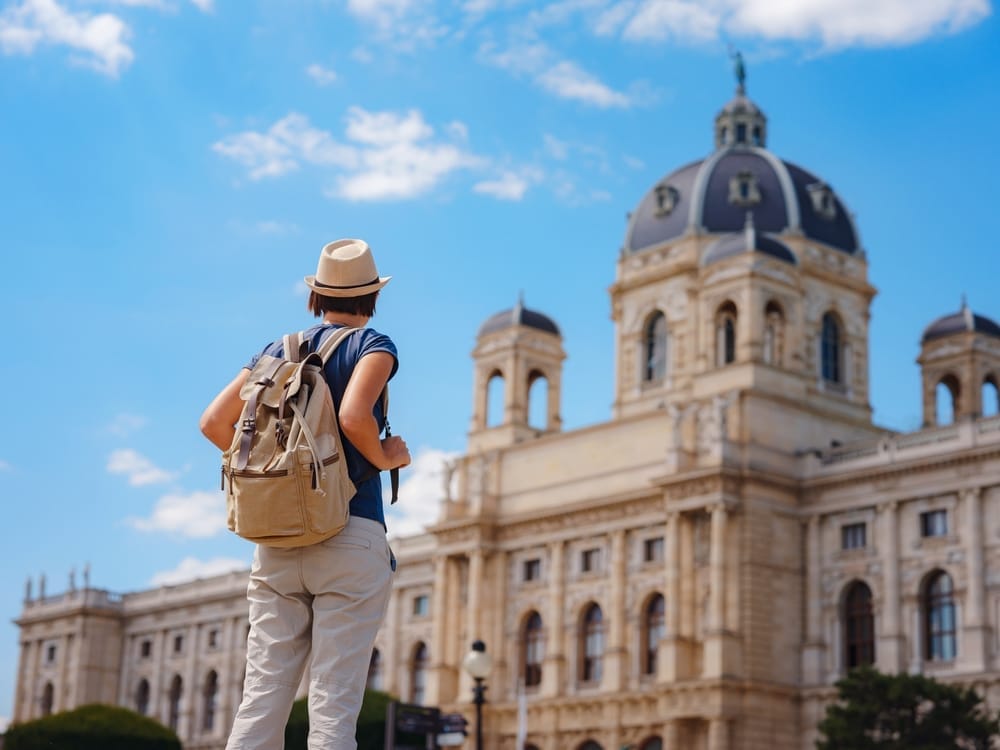
Why Does Spending Turn A Dream Vacation Into A Nightmare?

January 20, 2026 by Brandon Marcus Leave a Comment

Why Does Spending Turn A Dream Vacation Into A Nightmare?

Image source: shutterstock.com

The moment you step off the plane into a new city, with the sun kissing your skin and the scent of adventure in the air, everything should feel perfect. That sense of freedom, excitement, and endless possibility is why we travel in the first place. But there’s a sneaky villain lurking in the shadows: spending.

One careless swipe of a credit card, one splurge on a luxury dinner, or a spontaneous tour can quietly transform your dream getaway into a wallet-draining nightmare. Suddenly, what should have been a memory-making escape becomes a source of stress, anxiety, and regret. Let’s dive into why spending can sabotage your perfect vacation and how to avoid falling into the trap.

How Impulse Purchases Steal Vacation Joy

Impulse buying is the silent dream killer. When you’re in a new city, everything feels exotic and exciting—street food, souvenirs, guided tours, quirky little shops. It’s easy to convince yourself that “this one thing” is essential, only to discover your purchases pile up faster than your memories. Impulse spending doesn’t just eat into your budget; it creates a mental weight that lingers after the trip ends. You might feel proud at first, holding a quirky hand-carved sculpture or that designer bag you couldn’t resist. But the thrill fades when you check your bank statement and realize you’ve spent more than you intended. Suddenly, your excitement is replaced with stress, guilt, and a nagging sense that you traded financial peace for momentary gratification.

The Illusion Of Luxury And Status

We often equate vacation success with luxury: five-star hotels, gourmet meals, private tours. Social media only amplifies this, showcasing glamorous snapshots that make your own experiences feel inadequate. Spending excessively to chase that illusion can turn your escape into a competitive performance, rather than a relaxing getaway. You might convince yourself that the opulent spa or $200-a-night room is a “once-in-a-lifetime” necessity. In reality, luxury purchases can inflate expectations and pressure you to maintain an unsustainable standard. Instead of enjoying the local culture, you’re constantly calculating, “Is this worth it?” The irony is that the more you chase perceived status, the further you drift from genuine relaxation and connection with your surroundings.

Hidden Costs That Multiply Quickly

Even if you plan carefully, vacations are full of hidden costs that sneak past your budget. Transportation fees, resort taxes, tipping, parking, and small daily purchases can pile up into a serious financial burden. One afternoon of casually grabbing drinks or souvenirs can turn into a night of anxious number-crunching. Hidden costs aren’t just about money—they also add stress. Worrying about overspending can affect your mood, making even scenic walks or casual sightseeing feel tense. Before you know it, the lighthearted trip you envisioned is overshadowed by mental math and financial worry. Recognizing hidden costs beforehand is crucial to keeping your vacation lighthearted and genuinely enjoyable.

Why Does Spending Turn A Dream Vacation Into A Nightmare?

Image source: shutterstock.com

How FOMO Fuels Overspending

Fear of missing out is a powerful motivator, especially when traveling. It drives tourists to overbook experiences, dine at every “must-try” restaurant, and buy every trinket that looks Instagram-worthy. While FOMO can make a vacation feel thrilling in the moment, it often leads to buyer’s remorse later. You may end up rushing from activity to activity, spending money you hadn’t planned on, and forgetting to pause and truly soak in your surroundings. FOMO also creates a mindset where relaxation takes a back seat to “maximizing experiences,” leaving you exhausted and financially strained. Balancing curiosity with mindfulness is the key to enjoying adventures without letting your wallet—or your stress levels—suffer.

Psychological Toll Of Overspending

Overspending isn’t just a financial issue—it has emotional consequences, too. Anxiety about bills waiting at home can shadow your entire vacation. Moments that should be joyful can be tainted by guilt and self-recrimination, turning your sunny beach day into a mental tug-of-war. This stress isn’t limited to the duration of your trip; it can linger long after you’ve returned, making post-vacation life feel heavier. Psychologists note that the mental load of overspending reduces your ability to enjoy experiences fully, no matter how beautiful or rare they are. The paradox is striking: you spend more to make memories, but the weight of financial stress undermines the very joy you were seeking.

Strategies To Enjoy Without Overspending

The antidote to vacation overspending is awareness and planning. Start by setting a clear budget, breaking it down by category: lodging, food, experiences, and souvenirs. Give yourself small allowances for spontaneous purchases, so you don’t feel deprived. Research local options ahead of time; sometimes hidden gems cost far less than flashy attractions. Another strategy is to prioritize experiences over objects—photographs, hikes, and street performances often leave deeper, longer-lasting memories than any purchased item. Keeping a journal or tracking expenses on the go can also prevent that creeping anxiety that comes from losing control of your finances. With these strategies, you can enjoy your dream vacation without it turning into a financial nightmare.

Keep Your Memories Rich, Not Your Stress

Vacations are meant to recharge us, expose us to new perspectives, and create stories we’ll tell for years. Overspending can hijack that experience, replacing joy with anxiety, curiosity with calculation, and relaxation with stress. By understanding the psychological traps, hidden costs, and impulsive urges that come with travel, you can make conscious choices that prioritize enjoyment over expenditure.

Now, we want to hear from you—what are your experiences with vacation spending? Have you ever found yourself regretting a splurge or discovering a money-saving hack that saved your trip?

You May Also Like…

7 Clever Ways Grandparents Save on Family Vacations

9 Lesser-Known Risks of Buying Vacation Homes

6 Ways Travel Is Quietly Transforming for Millennials and Gen Z

7 Travel Safety Tips You’ve Never Heard Before

6 Weird Costs of Owning Vacation Rentals

Brandon Marcus
Brandon Marcus

Brandon Marcus is a writer who has been sharing the written word since a very young age. His interests include sports, history, pop culture, and so much more. When he isn’t writing, he spends his time jogging, drinking coffee, or attempting to read a long book he may never complete.
Filed Under: Travel Tagged With: dream vacation, family spending, FOMO, hidden costs, Holiday, Holidays, impulse purchases, Life, Lifestyle, overspending, Smart Spending, spending, travel, traveling, traveling across country, vacation, world travel

8 Cities Millennials Are Flocking To — And Why

November 24, 2025 by Travis Campbell Leave a Comment

cityscape

Image source: shutterstock.com

The nation undergoes a slow transformation, leading to new visual elements appearing throughout its urban spaces. Young adults leave their established cities to move to new locations because they seek affordable housing, cultural experiences, and career development possibilities. Young adults choose to move for economic reasons and based on their individual values, which guide their migration decisions. The list of cities that draw millennials evolves, but the underlying reasons for this trend demonstrate a distinct pattern. People choose to move because they have enough money for housing, flexible work schedules, and close relationships with their community. Changes in population distribution, housing availability, and economic performance become visible across different areas.

1. Austin, Texas

Austin stays near the top of the cities millennials are flocking to. The appeal rests on a mix of tech jobs, outdoor space, and a culture that feels accessible rather than polished. People come for work but stay because daily life feels manageable. Even with rising home prices, the city still offers more breathing room than coastal markets.

The social fabric matters too. Austin’s neighborhoods give young residents options that don’t feel imposed. Small music venues, late-night food trucks, and local meetups make the city feel bigger than its population count suggests. The pace is fast, but not ruthless.

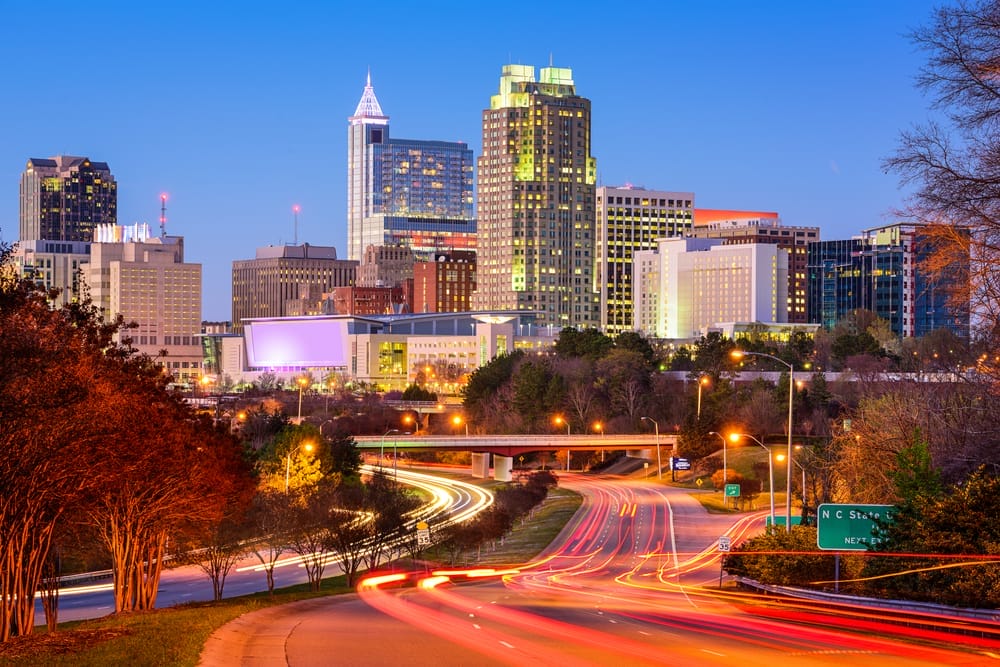
2. Raleigh, North Carolina

Raleigh attracts millennials seeking stability without sacrificing momentum. Its research centers and healthcare hubs create steady employment pipelines. The cost of living stays reasonable, and that alone changes the calculus for anyone priced out elsewhere.

There’s also a grounded energy to Raleigh. People here build routines—bike trails, quiet coffee shops, low-pressure nightlife. It’s not flashy. That’s part of the pull. The city understands that growth can feel measured rather than explosive.

3. Denver, Colorado

Denver feels like a city built for people who want a full life outside work. Mountains dominate the horizon, but the job market holds its own. Tech, aerospace, and renewable energy roles keep drawing new residents. Those industries bring younger workers who want both careers and weekend adventures.

But the tradeoff is clear: housing costs run high. Still, millennials continue arriving because the lifestyle offsets the price. The city offers a sense of balance that’s hard to find in larger metros.

4. Columbus, Ohio

Columbus has grown into one of the most practical choices on this list. Its job market moves quietly but steadily, supported by education, finance, and retail headquarters. The city is large enough to create opportunity but compact enough to remain manageable.

Housing affordability stands out. While other regions push millennials to the financial edge, Columbus gives them room to plan. Families can take root. Singles can save. The environment feels stable, and stability is rare.

5. Nashville, Tennessee

Nashville’s rise looks rapid from the outside, but it’s the result of years of incremental momentum. Music fuels its identity, but healthcare and logistics sustain its economy. That combination draws millennials who want culture without sacrificing income.

The city offers a specific kind of energy—creative, relentless, but welcoming. Bars and venues fill nightly. New transplants mingle with longtime residents. The sense of movement makes it easy to join in.

6. Minneapolis, Minnesota

Minneapolis offers something many of the cities millennials are flocking to overlook: strong public infrastructure. Transit works. Parks stretch across the region. Bike lanes connect neighborhoods. These aren’t luxuries for the people who live here. They shape daily life.

The city’s job market remains diverse, which gives young residents breathing room when industries shift. Yes, winters hit hard. People still come because the fundamentals outweigh the weather.

7. Salt Lake City, Utah

Salt Lake City sits at the crossroads of outdoor access and rising tech influence. The surrounding landscape attracts climbers, skiers, hikers—anyone who wants nature within reach of a regular workweek. Tech startups and established firms follow that same draw, creating steady job growth.

Millennials like the predictability: stable employment, clean streets, and a cost of living that remains accessible. The city keeps expanding, but it hasn’t lost its sense of calm.

8. Tampa, Florida

Tampa is among the fastest-growing cities millennials are flocking to. Warm weather plays a role, but the economic opportunity seals the deal. Finance, healthcare, and defense industries offer room to advance without the pressure of larger markets.

The waterfront lifestyle appeals to younger adults who want active days and lively nights. And even with rising rents, Tampa still feels within reach for many new arrivals.

Shifts That Shape the Map

Young adults in the millennial generation choose to live in cities that offer economic growth, diverse cultural experiences, and affordable housing. People in this generation pursue a sense of equilibrium rather than social status because they want to create their own existence without financial limitations. The population continues to move toward urban areas at an unstoppable rate.

The nationwide impact of this trend will create two outcomes for cities: some will transform their infrastructure, while others will face challenges maintaining their current state. The migration pattern reveals that young people select their residential areas based on particular neighborhood characteristics they desire.

Which cities do you predict will become the following preferred destinations for residents?

What to Read Next…

  • 6 Trends That Suggest The Middle Class Is Dying In Suburbia
  • 9 Cities Where Car Theft Is Becoming A Daily Occurrence
  • 10 Places Where Middle Class Americans Are Quietly Disappearing
  • 5 Best Places To Retire In America With 500k In Savings
  • Whats Causing Retirees To Flee Certain States In 2025
Travis Campbell
Travis Campbell

Travis Campbell is a digital marketer/developer with over 10 years of experience and a writer for over 6 years. He holds a degree in E-commerce and likes to share life advice he’s learned over the years. Travis loves spending time on the golf course or at the gym when he’s not working.

Filed Under: Travel Tagged With: cities, housing, migration, Millennials, Personal Finance

6 Ways Travel Is Quietly Transforming for Millennials and Gen Z

November 19, 2025 by Travis Campbell Leave a Comment

travel

Image source: pexels.com

Younger adults use their travel preferences to explore the world, though these changes go unnoticed by the public. The industry needs to make immediate changes because customer preferences change rapidly. Younger travelers now seek affordable experiences that deliver both comfort and authentic value, bringing unexpected changes to the modern travel industry. The current travel behavior of this generation differs from that of previous generations. Research on these changes reveals how people allocate their money and which life aspects they value most.

1. Flexible Work Bleeds Into Every Trip

Remote and hybrid setups blur work and leisure in a way previous generations rarely encountered. The laptop follows the traveler, not the other way around. Millennial travel trends push people to choose destinations with solid Wi-Fi, stable infrastructure, and low digital friction. That shift alters flight schedules, lodging availability, and pricing structures. And it changes how long people stay.

Some travelers stretch a weekend into a week because work can slip into the gaps. Others use travel to test new cities before committing to a move. The line between vacation and daily life thins, and the industry adjusts its logic around it.

2. Purpose Takes Priority Over Postcards

Trips built solely around sightseeing carry less weight now. Many travelers chase personal meaning, not quick snapshots. Millennial travel trends lean toward experiences that offer some sense of intention—quiet reflection, physical challenge, or direct connection with the local environment. The experience becomes the anchor, and everything else falls in line behind it.

Some travelers seek out volunteer efforts or skill-based retreats. Others want time away from noise, routine, and digital saturation. The motivation shifts from external validation to internal reset.

3. Minimalism Replaces the Maxed-Out Itinerary

The frantic checklist approach fades. Younger travelers often choose fewer activities but invest more deeply in each one. Slow mornings, long walks, and unplanned afternoons replace the hour-by-hour planning that previous generations treated as mandatory. The appeal sits in breathing room, not speed.

This change reshapes how destinations present themselves. Instead of packaging dozens of attractions, many places highlight smaller, quieter experiences. And it pushes travelers to rethink why they go somewhere in the first place.

4. Safety and Stability Carry New Weight

The global disruptions of the past decade left a mark. Millennials and Gen Z weigh risk differently than earlier generations. Weather volatility, health concerns, and shifting political climates are now part of the decision-making process. Millennial travel trends reflect a sharper awareness of these factors, even when the trip seems simple.

That awareness leads to longer research periods and more contingency planning. Some travelers buy flexible tickets and refundable lodging. Others track local conditions before booking at all. The goal is simple: fewer surprises and less chaos.

5. Spending Gets Strategic, Not Spontaneous

Inflation, student debt, and uneven wages force many younger travelers to scrutinize costs. The spontaneous splurge becomes rare. Budgeting starts earlier, and money goes where it matters most. Millennial travel trends show a stronger interest in practical value—longer stays, better locations, or reliable transportation—over flashy add-ons.

Travelers often trade luxury for longevity. They favor clean, functional stays over ornate ones. They cook instead of eating out for every meal. And they pick destinations where their money stretches without feeling strained.

6. Digital Footprints Shape Real-World Movement

Social platforms still influence where people go, but the dynamics have shifted. Instead of chasing the most popular spot, many younger travelers seek places that feel real. Millennial travel trends move away from overcrowded locations and overexposed landmarks. The internet still sparks the idea, but the execution looks different.

People hunt smaller cities, lesser-known trails, and neighborhoods that show everyday life. They avoid crowds when possible. And they use digital tools for navigation, translation, and planning, but they try to keep the experience grounded.

The Next Stage of the Travel Shift

Current travel patterns will undergo permanent changes, affecting future travel behavior. Research on millennial travel behavior shows their spending habits between affordable options and memorable experiences, as well as their need for financial security. The industry shows signs of change, but the general trajectory of the travel industry points toward practical, purposeful, and well-considered vacation decisions.

What changes have you noticed in your individual travel patterns?

What to Read Next…

  • The Danger of Using Debit Cards While Traveling Abroad
  • 8 Everyday Services That Are Slowly Becoming Subscription Only
  • 9 Common Products That May Be Illegal to Resell Online
  • What Happens to Your Credit Score If Your Cell Provider Changes Ownership
  • How Your Wi-Fi Router Placement Might Be Sharing Personal Info
Travis Campbell
Travis Campbell

Travis Campbell is a digital marketer/developer with over 10 years of experience and a writer for over 6 years. He holds a degree in E-commerce and likes to share life advice he’s learned over the years. Travis loves spending time on the golf course or at the gym when he’s not working.

Filed Under: Travel Tagged With: budgeting, gen z, Lifestyle, Millennials, travel

7 Clever Ways Grandparents Save on Family Vacations

November 18, 2025 by Travis Campbell Leave a Comment

vacation

Image source: shutterstock.com

Grandparents create special family vacation experiences through their unobtrusive planning work, which makes these trips more memorable. Their experience enables them to allocate a larger budget for developing various affordable and enjoyable experiences. The ability to plan affordable trips has become increasingly essential as different family members now travel together, while prices continue to rise. Family vacations hold value because they provide infrequent opportunities for family bonding, yet their expensive nature creates financial difficulties for families. Grandparents maintain affordable family vacations through their careful habits, which enable all members to spend quality time together.

1. Planning Trips During Shoulder Seasons

Timing matters more than most travelers realize. Grandparents often schedule family vacations during shoulder seasons, when crowds thin and prices drop. Flights, rentals, and even museums often quietly reduce rates once school breaks end and peak holiday seasons pass. The weather isn’t always perfect, but the trade-off can be worth it.

Traveling this way also gives grandchildren more space to explore without the crush of peak-season tourism. Many national parks and coastal towns feel calmer during these weeks. Some grandparents use tools like flexible date travel searches to find the cheapest periods, though they rarely announce that they’re comparison shopping—they simply present a good option and let the family decide.

2. Choosing Rentals Instead of Hotels

Sharing one large rental can significantly reduce lodging costs. Grandparents often gravitate toward homes instead of hotels because they reduce meal expenses, provide more privacy, and keep everyone under one roof. A kitchen alone can trim hundreds from the budget, especially on longer family vacations.

A rental can also create a more relaxed pace. Slow breakfasts, board games at night, and separate rooms for small kids help the days feel less scripted. Many families end up remembering these unplanned moments more vividly than any outing.

3. Using Memberships and Age-Based Discounts

Memberships that grandparents already have—such as museum passes, nature groups, and warehouse stores—can unlock lower rates or free entry for the whole crew. Some grandparents also quietly apply senior discounts on transportation, lodging, or entertainment. These savings stack up quickly on family vacations, even when each one seems minor.

The trick is knowing which memberships translate across cities or states. Some museum networks honor reciprocal entry, and certain zoo memberships do the same. A quick lookup can turn an expensive day into a nearly free outing.

4. Building Trips Around Free or Low-Cost Activities

Grandparents understand that kids remember experiences, not price tags. They often design trips around low-cost activities, such as walking trails, free public festivals, lake days, junior ranger programs, and local beaches. Many cities publish free event calendars, and these small discoveries can anchor entire family vacations.

These activities also take pressure off parents. No one has to rush from one pricey attraction to another. Slower days make it easier for grandparents to enjoy time with grandkids without feeling like they’re monitoring a schedule.

5. Packing Smart to Avoid Last-Minute Purchases

Grandparents tend to pack with quiet precision. Extra sunscreen, a spare jacket, snacks that keep well in a backpack—small items that prevent impulse buys during the trip. Each avoided convenience-store stop keeps family vacations closer to budget.

Many bring a small kit for emergencies: bandages, travel detergent, and a few basic medicines. These items cost more when purchased on the road. Kids may never notice why the day runs smoothly, but the grandparents know.

6. Splitting Costs in a Way That Feels Fair

Money can get tense on multigenerational trips. Experienced grandparents handle this with gentle tact. Instead of offering to “cover everything,” they choose specific pieces they genuinely want to pay for—maybe a dinner out or an activity they enjoy with the kids. This avoids awkward back-and-forth while still giving the trip a sense of generosity.

Families sometimes use shared spreadsheets or simple notes to track who is paying for what. No pressure, no heroics, just clarity. Clear boundaries help family vacations stay warm and calm instead of financially confusing.

7. Using Credit Card Rewards Thoughtfully

Some grandparents use travel rewards or cash-back points to cut costs without letting on. Flights booked with points, rental cars paid with rewards, or discounted gift cards for groceries can significantly reduce the cost of a trip. It’s a quiet strategy that keeps family vacations affordable for everyone involved.

Still, the goal is never to chase points or spend more than they planned. They use rewards as a tool, not a reason to overspend. A few well-timed redemptions can make a big difference.

The Small Habits That Keep Trips Affordable

Family vacations derive their worth from regular activities rather than requiring grand displays of effort. The success of family vacations depends on making three essential decisions about when to travel, what activities to choose, what items to bring, and how to handle financial discussions. Grandparents gain their travel understanding through their life experiences.

Established habits enable families to stretch their budget while decreasing their stress levels. The family builds lasting memories through shared laughter and storytelling after traveling, as these habits create a suitable setting.

Which budget-friendly strategies do your family’s grandparents implement during your family vacations?

What to Read Next…

  • 10 Places Where Middle Class Americans Are Quietly Disappearing
  • 7 Times Generosity Has Legal Consequences For Seniors
  • Are These Senior Discounts Actually Traps In Disguise
  • 10 Services Adult Children Regret Paying For Their Parents
  • 8 Everyday Services That Are Slowly Becoming Subscription Only
Travis Campbell
Travis Campbell

Travis Campbell is a digital marketer/developer with over 10 years of experience and a writer for over 6 years. He holds a degree in E-commerce and likes to share life advice he’s learned over the years. Travis loves spending time on the golf course or at the gym when he’s not working.

Filed Under: Travel Tagged With: budgeting, family travel, grandparents, multigenerational trips, travel tips

7 Tricks for Traveling the World Without Paying for Hotels

November 14, 2025 by Travis Campbell Leave a Comment

travel

Image source: shutterstock.com

Many budget-conscious travelers find it possible to explore the world without incurring significant expenses on hotel accommodations. Travelers should be aware that accommodation expenses typically account for the majority of their travel funds, but they can find ways to avoid these costs altogether. Free lodging options allow you to extend your travel budget, enabling you to explore destinations for longer periods. A combination of minimal planning with flexibility allows you to achieve restful sleep while preventing daily credit card expenses. Here are seven proven tricks that make traveling the world without paying for hotels a real option.

1. House Sitting for Homeowners Abroad

House sitting is one of the most reliable methods for traveling the world without incurring hotel costs. Homeowners often need someone to care for their property, pets, or plants while they’re away. In exchange, you get a free place to stay—sometimes for weeks or even months. It’s a win-win: they get peace of mind, and you get a comfortable home base.

Websites like TrustedHousesitters connect travelers with homeowners worldwide. The key is to build a strong profile and collect references. Once you’ve completed a few sessions, more opportunities open up. You might find yourself watering flowers in Paris or walking dogs in Sydney without spending a dime on lodging.

2. Couchsurfing With Locals

Couchsurfing is the original community for travelers seeking free stays with locals. It’s not about luxury, but it’s about connection. Hosts offer a couch, spare bed, or floor space in exchange for conversation and cultural exchange. For travelers who value meeting people as much as saving money, it’s a perfect fit.

Safety and respect matter. Always read reviews, communicate clearly, and trust your instincts. Many travelers form lifelong friendships through this experience. When you’re traveling the world without paying for hotels, this option adds warmth and authenticity that no resort can match.

3. Volunteering for Room and Board

Work exchange programs let you trade a few hours of work each day for accommodation and sometimes meals. Farms, hostels, and eco-lodges around the world use volunteers to help with daily tasks. You might be teaching English, picking fruit, or helping with social media. In return, you get a bed and a sense of purpose.

Sites like Workaway make it easy to find opportunities that fit your skills. This approach not only saves you money but also deepens your travel experience. You become part of a community instead of just passing through, which makes traveling the world without paying for hotels feel more rewarding than just cheap.

4. Overnight Transportation Hacks

Transportation doubles as accommodation when you plan carefully. Long-distance buses, trains, and ferries often run overnight. Booking an evening ticket lets you save the cost of a hotel while covering ground. It’s not always the most comfortable sleep, but it’s efficient and budget friendly.

Bring a neck pillow, earplugs, and an eye mask to make the journey smoother. Some travelers even schedule their routes around these overnight rides, turning travel days into free “hotel” nights. It’s one of the simplest ways to extend your trip without draining your wallet.

5. Staying With Friends or Family

It might sound obvious but staying with people you know is still one of the most cost-effective ways to travel. If you have friends or relatives abroad, consider reaching out early and planning a visit. Most people enjoy hosting travelers, especially when you bring a small gift or cook a meal in return.

This option adds comfort and familiarity to your journey. You’ll get local insights, home-cooked food, and maybe even a laundry day. For those traveling the world without paying for hotels, these personal connections can turn into priceless memories.

6. Camping and Wild Camping

If you enjoy the outdoors, camping can replace hotels entirely. Many countries have designated free or low-cost campsites. In some regions, wild camping—setting up your tent outside official sites—is legal or tolerated if done respectfully. It’s an adventurous and minimalist way to experience nature.

Always research local laws and leave no trace. Carry lightweight gear and stay safe by informing someone of your location. Waking up beside a lake or under a canopy of stars beats most hotel views, and it costs nothing but effort. It’s freedom in its purest form.

7. House Swapping with Other Travelers

House swapping lets you trade homes with someone in another city or country. Each party stays in the other’s home during the same period, saving both sides money. It requires trust and planning, but many families and professionals use it to enjoy new destinations comfortably.

Platforms dedicated to home exchange verify users and offer insurance options. The more flexible you are with timing and location, the better your chances. For long-term travelers, this can be a sustainable way to keep traveling the world without paying for hotels while maintaining a sense of home.

Making Free Stays Work for You

Traveling worldwide without hotel expenses requires travelers to develop innovative solutions and flexible approaches. Each of these methods, including house-sitting, volunteering, and sleeping on trains, requires different sacrifices. You save money, but you need to plan ahead and stay flexible. Travel freedom serves as the primary benefit, as it allows people to discover various locations without worrying about financial constraints.

Budget travel doesn’t have to mean constant sacrifice. The elimination of accommodation expenses enables you to discover new experiences and meet people you would not have otherwise met. How do you prefer to discover cost-free accommodation options during your travels?

What to Read Next…

  • The Danger Of Using Debit Cards While Traveling Abroad
  • 9 Times Its Smarter To Rent Than Buy Even Long Term
  • 6 Monthly Bills You Should Cancel Immediately Even If You Can Afford Them
  • 7 Tactics Grocery Stores Use To Keep You From Thinking About Price
  • 8 Everyday Services That Are Slowly Becoming Subscription Only
Travis Campbell
Travis Campbell

Travis Campbell is a digital marketer/developer with over 10 years of experience and a writer for over 6 years. He holds a degree in E-commerce and likes to share life advice he’s learned over the years. Travis loves spending time on the golf course or at the gym when he’s not working.

Filed Under: Travel Tagged With: budget travel, couchsurfing, free accommodation, House sitting, travel tips

13 Secrets Every Solo Traveler Learns the Hard Way

November 6, 2025 by Travis Campbell Leave a Comment

solo traveller

Image source: shutterstock.com

The experience of traveling by yourself brings both thrilling moments and frightening situations. The first mistakes of solo travelers lead to various challenges, which help them learn important lessons. Your knowledge from previous trips will enable you to avoid mistakes while you achieve the most from your travels. The ability to adapt, be flexible, and be resourceful develops through actual practice when traveling alone. This guide covers the truths every solo traveler learns so that you can hit the road with more confidence and less stress. The following guide discusses the genuine educational experiences that solo travelers encounter during their journeys.

1. Planning Pays Off (But Flexibility Matters More)

Researching your destination is important, but solo travel rarely goes exactly as planned. Trains get delayed. Museums close unexpectedly. The best experiences often come from saying yes to something new or changing your route on the fly. Create a loose itinerary, leaving space for spontaneous adventures and downtime. The freedom to pivot is one of the biggest perks of traveling alone.

2. Safety Precautions Aren’t Optional

Every solo traveler learns to trust their instincts. That means listening to your instincts if a situation feels off, keeping valuables hidden, and always having emergency contacts readily available. Share your itinerary with someone back home and check in regularly. Little steps—like carrying a doorstop for your hotel room or using a taxi app—can make a big difference in your peace of mind.

3. Budgeting Is a Constant Balancing Act

When you travel solo, every expense is on you. There’s no one to split that cab fare or hotel bill. Budgeting becomes second nature, from hunting for deals to choosing street food over restaurant splurges. Track your spending and set aside a “just in case” fund for emergencies.

4. Eating Alone Gets Easier—With Practice

The first solo dinner can feel awkward, but you’ll soon appreciate the freedom to eat what and when you want. Bring a book or journal, or sit at the bar to strike up a conversation. Over time, you’ll find joy in savoring meals at your own pace, and you might even meet fellow travelers along the way.

5. Packing Light Is Non-Negotiable

Solo travel means you’re responsible for all your luggage. Overpacking is a rookie mistake. Stick to essentials, choose versatile clothing, and remember that you can usually buy what you forget. A lighter bag makes every step of your journey easier, from navigating crowded trains to climbing hostel stairs.

6. Loneliness Is Real—But So Is Connection

Every solo traveler feels lonely sometimes. The good news is, traveling alone often leads to more conversations and unexpected friendships. Stay in hostels, join group tours, or use apps to connect with locals. Reaching out can turn a lonely night into a memorable adventure.

7. Navigation Skills Are a Must

Getting lost is almost a rite of passage for solo travelers. Download offline maps, learn a few key phrases, and don’t be afraid to ask for directions. Confidence in finding your way will grow with each trip. Remember, a little preparation goes a long way toward avoiding stress.

8. You Learn to Trust Yourself

One of the biggest rewards of solo travel is the self-reliance you develop. You’ll make decisions, solve problems, and handle setbacks on your own. Each challenge you overcome boosts your confidence and independence—skills that serve you long after the trip ends.

9. Not Everything Goes on Social Media

It’s tempting to share every moment online, but solo travelers quickly realize the value of keeping some experiences private. Savor the moment for yourself. Plus, posting in real time can compromise your safety by revealing your location. Share your adventures later, once you’re safely on the move.

10. Local Etiquette Matters

Every solo traveler learns the importance of respecting local customs. What’s normal at home might be rude or inappropriate elsewhere. Research basic etiquette—like dress codes, tipping, or greetings—before you go. Small gestures of respect go a long way in making connections and avoiding misunderstandings.

11. Scams Happen—Stay Alert

Tourist scams exist everywhere, and solo travelers are often prime targets. Learn common scams for your destination and stay vigilant, especially around busy attractions or transportation hubs. Trust your instincts, and don’t be afraid to walk away from a situation that feels off.

12. Self-Care Is Essential

Traveling solo can be both physically and mentally exhausting. Prioritize sleep, eat well, and permit yourself to take breaks. Don’t feel guilty for spending a quiet night in or skipping a museum in favor of a nap. Listening to your body keeps you healthy and ready for new adventures.

13. Every Trip Makes You a Better Solo Traveler

With each solo journey, you’ll pick up new skills and confidence. Mistakes become stories; challenges become lessons. The more you travel alone, the better you get at handling the ups and downs. Embrace the process, knowing every experience shapes you into a savvy solo traveler.

Embracing the Solo Travel Journey

Traveling alone brings both difficult times and meaningful life experiences to every person who embarks on a solo journey. Learning each new lesson, from budgeting to self-care, enables you to develop as a traveler while becoming a better version of yourself. These travel tips will help both first-time solo explorers and experienced travelers achieve a better and more pleasant experience during their trips. Every solo traveler encounters obstacles during their journey, but the way you respond to them and what you discover becomes more important than the obstacles themselves.

What has proven to be your most challenging experience since embarking on your solo travel journey? Share your stories in the comments below!

What to Read Next…

  • The Danger Of Using Debit Cards While Traveling Abroad
  • How Your Wi-Fi Router Placement Might Be Sharing Personal Info
  • What Happens To Your Credit Score If Your Cell Provider Changes Ownership
  • What Your Google Search History Could Say In A Probate Case
  • Why ChatGPT May Be Generating Fake Financial Advice And Getting Away With It
Travis Campbell
Travis Campbell

Travis Campbell is a digital marketer/developer with over 10 years of experience and a writer for over 6 years. He holds a degree in E-commerce and likes to share life advice he’s learned over the years. Travis loves spending time on the golf course or at the gym when he’s not working.

Filed Under: Travel Tagged With: budget travel, packing, self-care, solo adventures, solo travel, travel safety, travel tips

Flight Attendants Are Revealing The Sneaky Ways Airlines Get You to Spend More Money

October 27, 2025 by Travis Campbell Leave a Comment

flight attended

Image source: shutterstock.com

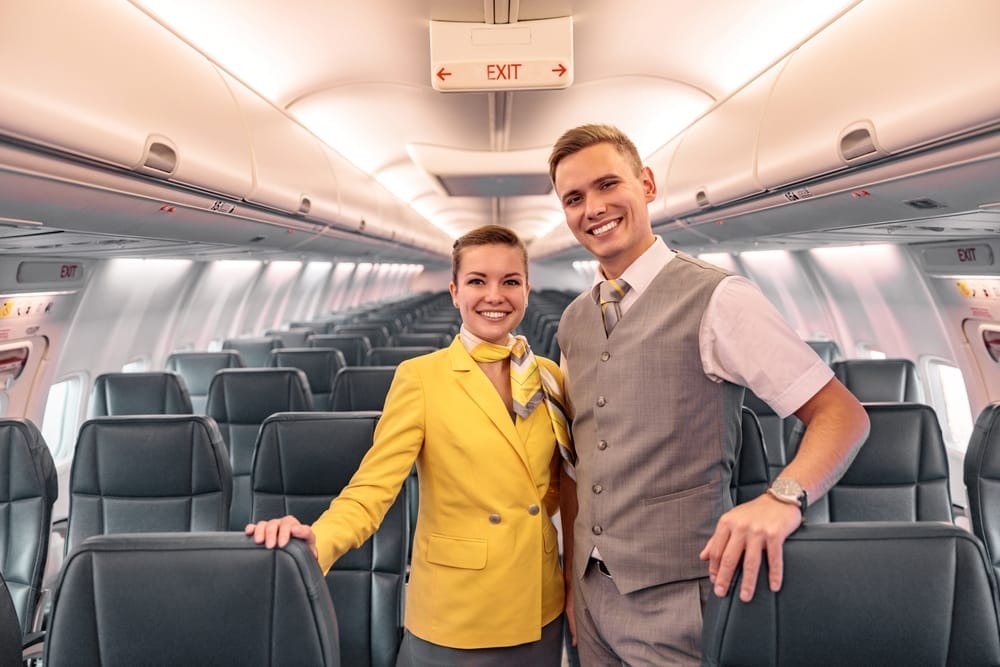
Air travel appears to be a simple process which involves ticket purchase followed by seat selection before boarding the flight. But behind the scenes, airlines have a host of strategies to get you to spend more than you planned. Flight attendants serve as the first point of contact for these initiatives because they have started to reveal the hidden methods airlines use to increase their profits. Travelers who fly often and those who watch their expenses need to understand airline strategies for additional revenue to save their money. With ticket prices often appearing low at first glance, the real cost of flying often comes from these less obvious upsells. The following article explains how airlines use deceptive methods to increase your spending during flights so you can prevent unwanted expenses when traveling.

1. The Art of the In-Flight Sales Pitch

Flight attendants are trained to sell, and airlines equip them with scripts designed to tempt passengers. Mid-flight announcements about snacks, drinks, or duty-free items are carefully timed. The goal? To catch you when you’re bored, hungry, or just looking for a distraction. These offers may sound appealing, but in reality, the prices are often much higher than what you’d pay on the ground. The next time you hear a chipper voice promoting a “limited-time offer,” remember it’s all part of the plan to get you to spend more money while you’re a captive audience.

2. Strategic Placement of Food and Drink Menus

Ever notice how menus are tucked into seat pockets or handed out just as you start to feel hungry? That’s no accident. Airlines know that hunger and thirst are powerful motivators. Flight attendants reveal that displaying menus at eye level and announcing special combos are tactics to encourage purchases. The prices for these snacks and drinks are marked up significantly. By understanding this upselling strategy, you can pack your own snacks and avoid paying extra for convenience.

3. Limited-Time Offers and Scarcity Tactics

Airlines love to create a sense of urgency. Flight attendants may announce that there are “only a few” of a particular snack or drink left, even if the supply is adequate. This scarcity tactic pushes passengers to buy now rather than risk missing out. Airlines get you to spend more money by making you feel like you’ll lose out if you don’t act quickly. Staying aware of these psychological tricks can help you resist the pressure to splurge.

4. Upgrades and Seat Selection Fees

Gone are the days when you could pick your seat for free. Airlines now charge for everything from extra legroom to window seats. Flight attendants sometimes walk the aisle offering last-minute upgrades, making them sound like a great deal. In reality, these fees can add up fast. This is another way airlines get you to spend more money—by presenting optional extras as must-haves for comfort. If you’re not picky about where you sit, skipping these offers is a smart way to save.

5. Promoting Airline Credit Cards Mid-Flight

It’s not uncommon for flight attendants to make announcements about airline-branded credit cards. These pitches often include promises of free miles, priority boarding, or even a free checked bag. While some benefits can be worthwhile, the main aim is to get you to sign up and spend more money with the airline in the long run. Before biting on these offers, check if the perks truly outweigh the costs and if you’ll use the card enough to justify the annual fee.

6. Bundling Services for “Savings”

Bundling is a classic upselling technique. Airlines package things like checked bags, priority boarding, and in-flight meals, claiming you’ll save money by buying them together. While it might sound like a bargain, you could end up paying for extras you don’t need. Flight attendants sometimes reinforce these bundles during boarding or in announcements. To avoid falling for this tactic, consider what you actually need for your flight and purchase only those services individually.

7. Emotional Triggers and Personalization

Flight attendants are skilled at reading passengers and tailoring their pitches. If they notice you’re traveling with kids, they might suggest snack boxes or toys. Couples might be offered champagne or chocolates. Airlines get you to spend more money by making their offers feel personal and relevant. These small touches can be tempting, but they’re designed to open your wallet. Setting a budget before your flight can help you stick to it, no matter how personalized the pitch.

8. Making Payments Frictionless

Many airlines now accept tap-to-pay and mobile payments, making it effortless to buy something mid-flight. This frictionless payment process removes the mental barrier of handing over cash, increasing the likelihood that you’ll make impulse purchases. Flight attendants often have handheld devices ready, so transactions happen quickly. If you want to avoid overspending, decide in advance if you’ll make any in-flight purchases and stick to your plan.

Smart Ways to Outsmart Airline Upselling

The knowledge you gained from flight attendants helps you identify the sneaky tactics that lead you to spend additional money. The marketing strategies used during flights include flight sales pitches, strategic food placement, and emotional marketing techniques that operate from start to finish of the flight experience. Travelers who understand these fees can pick suitable options to protect their money during their trips.

You should bring your own food for the flight, check which extra items you require, and set aside money for costs. The less you fall for upselling tricks, the more you’ll save for your actual destination.

What sneaky airline upselling tricks have you noticed on your travels? Share your experiences and tips in the comments!

What to Read Next…

  • 7 Hidden Fees That Aren’t Labeled As Fees At All
  • Are Automatic Renewals Draining More Than You Realize?
  • 5 Budgeting Tools That Trick You Into Higher Spending
  • 7 Tactics Grocery Stores Use To Keep You From Thinking About Price
  • Are Financial Apps Sharing Your Spending Data More Than You Realize?
Travis Campbell
Travis Campbell

Travis Campbell is a digital marketer/developer with over 10 years of experience and a writer for over 6 years. He holds a degree in E-commerce and likes to share life advice he’s learned over the years. Travis loves spending time on the golf course or at the gym when he’s not working.

Filed Under: Travel Tagged With: air travel, airline fees, budget travel, flight attendants, Personal Finance, travel tips, upselling

7 Outrageous Costs Hidden in Airline Tickets

September 27, 2025 by Catherine Reed Leave a Comment

7 Outrageous Costs Hidden in Airline Tickets

Image source: 123rf.com

Booking a flight often feels like a victory—until the final price tag appears. What looked like a deal at first quickly grows as hidden charges creep into your cart. These extra fees can transform affordable airline tickets into expensive headaches, leaving travelers frustrated and confused. Knowing what to watch for is the first step toward saving money and avoiding unnecessary costs. Let’s uncover seven of the most outrageous add-ons hiding in the fine print of airline tickets.

1. Baggage Fees That Balloon the Price

One of the most infamous hidden costs in airline tickets is baggage fees. Many airlines now charge for both checked bags and, surprisingly, carry-ons, depending on the fare type. These fees vary widely and can skyrocket if you wait until the gate to pay. For families or long-term travelers, the added baggage charges can sometimes cost more than the flight itself. Always check an airline’s baggage policy before booking to avoid sticker shock later.

2. Seat Selection Costs That Add Up

What used to be a complimentary choice has become another money-maker for airlines. Even selecting a standard seat on airline tickets can come with a fee, sometimes up to $50 or more for basic rows. If you want extra legroom or seats near the front, expect the price to climb even higher. Refusing to pay might leave you stuck in the least desirable seats or separated from your travel companions. To save, compare options, or wait until check-in when some seats may become available for free.

3. Sneaky Resort and Facility Charges

Certain flights tied to vacation packages or specific airports tack on “resort” or “facility” fees. While these are often disguised as taxes, they’re actually additional charges folded into the cost of airline tickets. Travelers may not even notice until they review the breakdown of charges after purchase. These costs don’t enhance your flight experience but pad the bill regardless. Before hitting confirm, review the line-item details of your ticket to make sure you’re not overpaying.

4. In-Flight Wi-Fi and Entertainment Costs

Airline tickets rarely include the luxury of connectivity anymore. In-flight Wi-Fi can cost as much as $40 per flight, and entertainment services may require additional payment. For frequent flyers, these small costs add up quickly, especially if multiple devices are used. While some airlines are moving toward free access, many still charge steep rates. Packing your own entertainment or downloading content in advance can help you sidestep these surprise costs.

5. Change and Cancellation Fees That Bite

Life happens, but airlines profit from it. One of the most frustrating hidden charges in airline tickets is the change and cancellation fee. Although some airlines have relaxed these rules post-pandemic, many still charge hefty amounts for alterations, especially on basic fares. Sometimes the cost of changing a ticket nearly matches buying a new one. Consider travel insurance or flexible fare options if your plans aren’t set in stone.

6. Food and Drink Markups That Shock

Airline tickets used to include complimentary meals, but now even water might carry a price tag on some flights. Snacks, sandwiches, and alcoholic beverages can run two to three times the cost you’d pay at a regular store. Families traveling with children especially feel the pinch when small items like chips or juice add up. Since outside food is often allowed, packing your own snacks is a budget-friendly alternative. Being prepared before you board ensures you won’t be caught off guard by high in-flight prices.

7. Credit Card Surcharges and Booking Fees

Many people overlook the extra fees airlines tack on at the time of purchase. Some carriers add credit card surcharges or booking fees that inflate the total price of airline tickets. These charges often appear at the final step of checkout, leaving little room to adjust. Using alternative payment methods or booking through certain travel sites can sometimes reduce or eliminate these fees. Keeping an eye out for this last-minute upcharge can prevent a deal from becoming a disappointment.

The Real Cost of Flying Isn’t Always in the Fare

When you’re comparing airline tickets, the base fare tells only part of the story. The real cost comes from all the extras that creep in after you’ve chosen your flight. By recognizing these outrageous hidden charges, you can make smarter decisions, pack strategically, and avoid falling into common traps. Travel should be about the destination, not the stress of overspending. With awareness and planning, you can keep your journey affordable and enjoyable.

Which hidden airline fee has caught you off guard the most? Share your experiences in the comments below!

What to Read Next…

  • Why Do Families Pretend They Can Afford the Holidays
  • 6 Dangerous Myths About Credit Card Rewards
  • Why Do Wealthy People Lease Cars Instead of Buying Them Outright
  • 7 Strange Truths About Middle-Class Spending Habits
  • The Retirement Rule That Sounds Smart—But Could Leave You Broke at 75
Catherine Reed
Catherine Reed

Catherine is a tech-savvy writer who has focused on the personal finance space for more than eight years. She has a Bachelor’s in Information Technology and enjoys showcasing how tech can simplify everyday personal finance tasks like budgeting, spending tracking, and planning for the future. Additionally, she’s explored the ins and outs of the world of side hustles and loves to share what she’s learned along the way. When she’s not working, you can find her relaxing at home in the Pacific Northwest with her two cats or enjoying a cup of coffee at her neighborhood cafe.

Filed Under: Travel Tagged With: airfare savings, airline fees, airline tickets, flying hacks, hidden costs, travel budgeting, travel tips

The 10 Best Dog-Friendly Hotel Chains in the U.S.

September 26, 2025 by Latrice Perez Leave a Comment

Pet Friendly Hotel

Image Source: 123rf.com

Planning a getaway with your dog is both a joy and a financial puzzle. As pet ownership and “pet parent” spending continue to rise, savvy travelers look for both comfort and value. In 2025, the pet travel services market is projected to be around $2.23 billion (with forecasts reaching nearly $3.95 billion by 2032), and the pet-friendly hotel market alone is estimated to hit $28,644.5 million this year, growing at ~8 % annually.

Below, you’ll find ten hotel chains that blend pet-friendliness with favorable costs or perks (or both). I also include bonus tips on budgeting, insurance, and how to think like a pet-travel financial planner.

1. Kimpton Hotels

Kimpton Hotels stand out for their exceptionally pet-friendly policies. They welcome pets of all sizes and breeds without charging additional fees. Each property provides pet amenities like beds, bowls, and treats to make your dog’s stay as comfortable as yours. Many locations even host pet-friendly events, ensuring your furry friend feels like a valued guest. This commitment to pets makes Kimpton a top choice for traveling dog owners.

2. La Quinta by Wyndham

La Quinta by Wyndham offers over 900 pet-friendly hotels across North America. They allow up to two pets per room, with many locations not charging extra fees. The rooms are designed to accommodate pets comfortably, ensuring a pleasant stay for all guests. Their widespread availability makes them a convenient option for travelers with dogs. Always check individual hotel policies, as they can vary by location.

3. Best Western Hotels & Resorts

Best Western boasts numerous pet-friendly locations, each offering comfortable accommodations for both you and your dog. They typically allow up to two dogs per room, with a combined weight limit and a nominal pet fee of $15 to $35 per stay. Many properties provide pet-friendly amenities and designated areas for walking your dog. Their commitment to accommodating pets ensures a hassle-free experience for traveling pet owners.

4. Red Roof Inn

Red Roof Inn is known for its welcoming pet policy, allowing one well-behaved pet per room at no additional cost. Their straightforward approach makes them a favorite among budget-conscious travelers with pets. The rooms are designed to be pet-friendly, ensuring a comfortable stay for your furry friend. With numerous locations nationwide, finding a Red Roof Inn along your travel route is convenient.

5. Motel 6

Motel 6 has a longstanding pet-friendly policy, allowing all pets to stay free of charge. They do not impose weight or breed restrictions, making them accessible to a wide range of dog owners. The minimalist design of their rooms ensures easy cleanup and a comfortable environment for pets. Their widespread presence across the U.S. makes them a reliable choice for travelers with dogs.

6. Aloft Hotels

Aloft Hotels, part of the Marriott family, welcome dogs up to 40 pounds without additional fees. They provide pet beds, bowls, and treats to ensure your dog’s comfort during the stay. Many locations feature pet-friendly areas and even offer doggy bags for convenience. Their modern design and pet-friendly amenities make them a popular choice among pet owners seeking a stylish stay.

7. Extended Stay America

Extended Stay America is ideal for travelers planning longer stays with their pets. They allow up to two pets per suite, with a reasonable cleaning fee charged per pet (often a flat fee of $75–$150 per stay). The suites offer ample space and kitchen facilities, providing a homely environment for you and your dog. Their pet-friendly policies and comfortable accommodations make Extended Stay America a great choice for extended travels.

8. Hyatt Place

Hyatt Place hotels welcome dogs, typically allowing up to two per room with a combined weight limit. They charge a pet fee that varies by location and length of stay. The spacious rooms and designated pet areas ensure a comfortable experience for both you and your furry companion. Their commitment to accommodating pets makes them a reliable option for travelers.

9. Fairmont Hotels & Resorts

Fairmont Hotels & Resorts offer luxurious accommodations that are also pet-friendly. They welcome dogs of various sizes, and policies vary by location. Pet fee is common; in top-tier hotels, it may be $75+ per stay. But the added service (concierge pet attention, etc.) may justify it for high-end travelers. Many properties provide pet amenities such as beds, bowls, and treats, ensuring your dog enjoys the stay as much as you do. Their upscale environment, combined with pet-friendly services, makes them a top choice for discerning travelers with pets.

10. Four Seasons Hotels and Resorts

Four Seasons Hotels and Resorts provide a luxurious stay for both you and your dog. They typically allow small pets, with specific policies varying by location. Many properties offer pet amenities like beds, bowls, and even pet-sitting services. Their commitment to high-quality service extends to their four-legged guests, ensuring a memorable stay for all.

Finding the Perfect Stay for You and Your Dog

Traveling with your dog is made easier by these hotel chains that prioritize pet-friendly accommodations. From budget-friendly options to luxurious stays, there’s a hotel chain that suits your needs and ensures your furry friend is welcomed. Always check the specific pet policies of each location before booking to ensure a smooth and enjoyable experience.

Have you stayed at any of the hotels mentioned? What did you like most about the hotel for your pet? Let us know in the comments below.

What to Read Next

  • 10 Cheap but High-Quality Dog Food Brands Your Pup Will Love
  • No Backyard? No Problem! 10 Ideal Pets for Tiny Homes and Apartments
  • Pets Over People: 6 Financial Reasons People Are Choosing Dogs Over Children
  • What Do Police Say About Those “Beware of Dog” Signs?
  • These 5 Dog Breeds Have Been Linked to the Most Unprovoked Bites
Latrice Perez

Latrice is a dedicated professional with a rich background in social work, complemented by an Associate Degree in the field. Her journey has been uniquely shaped by the rewarding experience of being a stay-at-home mom to her two children, aged 13 and 5. This role has not only been a testament to her commitment to family but has also provided her with invaluable life lessons and insights.

As a mother, Latrice has embraced the opportunity to educate her children on essential life skills, with a special focus on financial literacy, the nuances of life, and the importance of inner peace.

Filed Under: Travel Tagged With: dog owners, dog-friendly hotels, hotel chains, pet travel, pet-friendly accommodations, traveling with pets

6 Hidden Gem Hotels in Atlanta That Feel Fancy But Won’t Break the Bank

September 21, 2025 by Catherine Reed Leave a Comment

6 Hidden Gem Hotels in Atlanta That Feel Fancy But Won’t Break the Bank

Image source: 123rf.com

Visiting Atlanta doesn’t have to mean draining your savings account on a luxury stay. The city is full of boutique accommodations that offer upscale vibes, stylish décor, and top-notch service without the sky-high price tag. These hidden gem hotels in Atlanta combine affordability with the kind of charm and comfort travelers usually associate with expensive properties. Whether you want historic character, a quirky rooftop lounge, or simply a central location that makes exploring easy, you’ll find an option that fits your budget. Here are six standout choices that balance elegance with value.

1. The Darwin Hotel

For travelers who love trendy neighborhoods, The Darwin Hotel sits right in the heart of Atlanta’s Old Fourth Ward. The property features chic, modern décor with a boutique feel that feels far more expensive than it is. Guests rave about the comfortable rooms, vibrant common areas, and easy access to local favorites like Ponce City Market and the BeltLine. The hotel blends urban cool with budget-friendly rates, making it a perfect hidden gem for younger travelers and couples. Staying here offers both convenience and a stylish city experience without overspending.

2. The Georgian Terrace Hotel

The Georgian Terrace is one of those hidden gem hotels in Atlanta that blends historic charm with affordable luxury. Its grand architecture and elegant interiors reflect old Southern sophistication while keeping room rates surprisingly reasonable. Located across from the Fox Theatre, it puts guests within walking distance of Midtown’s entertainment and dining. Visitors appreciate the spacious rooms, friendly service, and the sense of stepping back into Atlanta’s golden era. It feels like a splurge without the price tag, making it a popular choice for families and history buffs.

3. Glenn Hotel, Autograph Collection

If you want a boutique stay with modern upgrades, the Glenn Hotel is a fantastic option. This historic building from the 1920s has been transformed into a stylish property with sleek décor and comfortable rooms. Its location in downtown Atlanta means you’re close to Centennial Olympic Park, the Georgia Aquarium, and plenty of restaurants. Guests enjoy the rooftop bar, which adds a touch of glamour to the experience without adding to the room cost. For those looking for hidden gem hotels in Atlanta with a mix of history and modern convenience, the Glenn delivers.

4. Ellis Hotel, A Tribute Portfolio Hotel

Another affordable boutique option downtown is the Ellis Hotel, which blends sophistication with accessibility. Known for its welcoming atmosphere and tasteful décor, it feels more upscale than the price suggests. Guests highlight the comfortable beds, attentive staff, and central location as major advantages. Being right on Peachtree Street makes it easy to explore downtown attractions without expensive rideshares. It’s one of those hidden gem hotels in Atlanta that feels luxurious while still respecting your budget.

5. Hotel Clermont

Hotel Clermont is a quirky, stylish boutique property that has earned a cult following among travelers. Located near Poncey-Highland, it combines vintage-inspired décor with modern amenities for a unique experience. The highlight for many is its rooftop bar, offering panoramic views of the city without the hefty “luxury” markup. Rooms are thoughtfully designed, and the overall atmosphere is fun and lively, perfect for those who enjoy hotels with personality. As one of the true hidden gem hotels in Atlanta, it delivers character and flair without breaking the bank.

6. Element Atlanta Buckhead

For travelers who prefer a quieter setting, Element Atlanta Buckhead is a top contender. This hotel offers clean, modern rooms at rates that are surprisingly modest for the upscale Buckhead area. Guests appreciate the focus on comfort and wellness, with perks like complimentary breakfast and spacious accommodations. While it’s not in the heart of downtown, its calmer environment appeals to families and business travelers alike. It’s proof that hidden gem hotels in Atlanta exist even in some of the city’s priciest neighborhoods.

Affordable Elegance Awaits in Atlanta

Finding hidden gem hotels in Atlanta that combine affordability and luxury is easier than many travelers realize. From historic icons like the Georgian Terrace to quirky standouts like Hotel Clermont, the city has plenty of budget-friendly options that don’t sacrifice style or comfort. Each of these hotels proves you don’t need to spend a fortune to feel pampered. With a little research and the right booking window, you can enjoy an elegant Atlanta getaway at a price that leaves room for exploring, dining, and creating memories.

Have you discovered any hidden gem hotels in Atlanta during your travels? Share your recommendations and experiences in the comments below.

What to Read Next…

  • 6 Lesser-Known Risks of Owning Vacation Property
  • Why Do Families Pretend They Can Afford the Holidays
  • 7 Strange Truths About Middle-Class Spending Habits
  • 9 Financial Mistakes People Make in Their 30s That Haunt Them in Their 60s
  • 6 Times Helping Family Financially Ends in Regret
Catherine Reed
Catherine Reed

Catherine is a tech-savvy writer who has focused on the personal finance space for more than eight years. She has a Bachelor’s in Information Technology and enjoys showcasing how tech can simplify everyday personal finance tasks like budgeting, spending tracking, and planning for the future. Additionally, she’s explored the ins and outs of the world of side hustles and loves to share what she’s learned along the way. When she’s not working, you can find her relaxing at home in the Pacific Northwest with her two cats or enjoying a cup of coffee at her neighborhood cafe.

Filed Under: Travel Tagged With: affordable travel, Atlanta accommodations, boutique hotels, budget-friendly travel, hidden gem hotels in Atlanta, luxury on a budget

  • 1
  • 2
  • 3
  • …
  • 5
  • Next Page »

FOLLOW US

Search this site:

Recent Posts

  • Can My Savings Account Affect My Financial Aid? by Tamila McDonald
  • 12 Ways Gen X’s Views Clash with Millennials… by Tamila McDonald
  • What Advantages and Disadvantages Are There To… by Jacob Sensiba
  • 10 Tactics for Building an Emergency Fund from Scratch by Vanessa Bermudez
  • Call 911: Go To the Emergency Room Immediately If… by Stephen Kanaval
  • 7 Weird Things You Can Sell Online by Tamila McDonald
  • 10 Scary Facts About DriveTime by Tamila McDonald

Copyright © 2026 · News Pro Theme on Genesis Framework