• Home
  • About Us
  • Toolkit
  • Getting Finances Done
    • Hiring Advisors
    • Debt Management
    • Spending Plan
  • Insurance
    • Life Insurance
    • Health Insurance
    • Disability Insurance
    • Homeowners/Renters Insurance
  • Contact Us
  • Risk Tolerance Quiz
  • Our Editorial Commitment

The Free Financial Advisor

You are here: Home / Archives for home appliances

The One Household Appliance That Will Spike Your Insurance Premiums if Discovered During Inspection

January 18, 2026 by Brandon Marcus Leave a Comment

This Is The One Household Appliance That Will Spike Your Insurance Premiums if Discovered During Inspection
Image source: shutterstock.com

Your home is your sanctuary, but what if one seemingly innocent appliance could turn your cozy haven into a red flag for insurance companies? Most people think about home insurance in terms of fire, flood, or burglary, but there’s one specific appliance that can send premiums soaring faster than a popcorn kernel in a hot pan.

It’s not a flashy new gadget, and it doesn’t beep or flash in neon lights—but insurers treat it like a ticking time bomb. Understanding why this appliance is so problematic can save you a lot of money and, more importantly, a lot of stress.

Why Insurance Companies Fear This Appliance

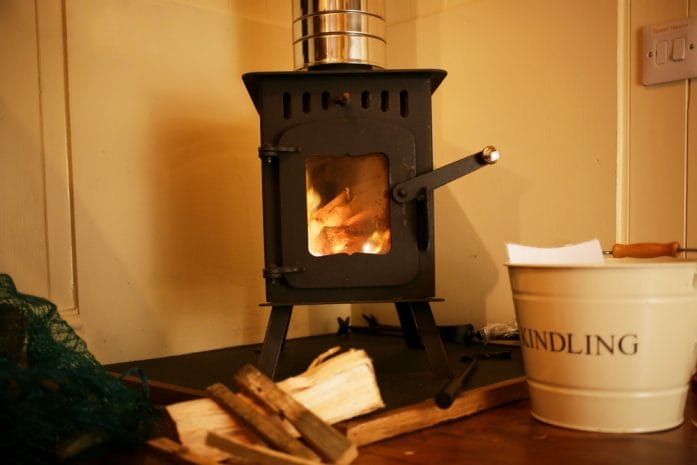
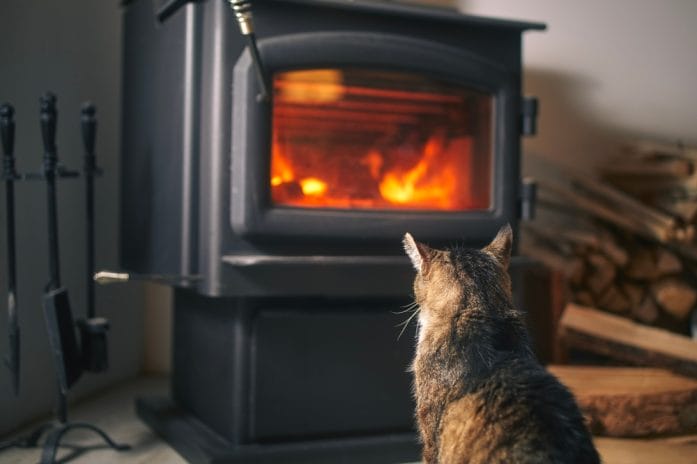
Insurance companies operate on risk assessment, plain and simple. They look at the likelihood that something in your home could cause a claim, and some appliances immediately raise red flags. The one appliance that consistently triggers higher premiums is the indoor wood-burning stove or fireplace insert. These devices, while cozy and charming, have a track record for fire hazards and smoke damage. Insurers worry because even a small ember that escapes or a buildup of creosote in a chimney can lead to catastrophic damage. In other words, a single moment of negligence or poor maintenance could turn a dream of a warm, crackling fire into a costly nightmare.

Beyond fire, these appliances can impact air quality, create unseen smoke damage in walls, and even void certain parts of a home insurance policy if installed incorrectly. Insurance adjusters are trained to spot these stoves, and if one is found during an inspection, they often consider it high-risk. That can translate to immediate premium hikes, expensive add-ons, or even outright refusal to cover your home until modifications are made.

Common Mistakes Homeowners Make With High-Risk Appliances

Many homeowners don’t realize just how many small errors can turn an indoor stove from a cozy feature into an insurance headache. One of the biggest mistakes is improper installation. Some homeowners try DIY projects, failing to comply with local building codes or manufacturer instructions. This alone can lead to denied claims if a fire occurs. Another common error is neglecting regular cleaning and chimney inspections. Creosote buildup is extremely flammable, and insurers see it as a ticking time bomb. Even using the wrong type of wood or overloading the stove can make your policy more expensive or even invalidate it.

Some people also install stoves in spaces that are too confined or lack proper ventilation. While it may look stylish, insurers know that confined stoves dramatically increase fire risk. Even accessories like hearth pads or protective barriers must meet code. Skipping these details is tempting for a homeowner who wants a seamless look, but insurers notice—and they react with higher premiums.

How To Legally Protect Your Premiums

If you absolutely love the ambiance of a wood-burning stove or fireplace, there are steps you can take to minimize insurance complications. First and foremost, hire a certified professional for installation. Insurers trust professionally installed units, and proper permits and inspections can make a huge difference. Regular maintenance is crucial, too. Have your chimney swept and inspected annually, and follow the manufacturer’s guidelines for wood and fuel usage. These steps don’t just protect your home—they protect your wallet.

It’s also smart to inform your insurer upfront if you plan to install one of these appliances. Transparency allows the company to properly adjust your coverage and may prevent future disputes if a claim arises. Some insurers offer discounts for certain safety measures, like carbon monoxide detectors, spark guards, or high-efficiency stoves that produce less creosote. By following code and implementing safety measures, you show your insurer that you’re mitigating the very risks that could otherwise spike your premium.

Alternative Options That Won’t Break Your Budget

If the potential premium increase feels too steep, there are creative alternatives that still give you warmth and ambiance without triggering insurance headaches. Electric or gas fireplace inserts mimic the visual appeal of a traditional stove but are far safer in the eyes of insurers. These options have a lower fire risk, don’t produce creosote, and often come with built-in safety features. Portable heaters and bioethanol fireplaces are other alternatives that provide warmth and style without major insurance implications.

Many homeowners overlook the fact that decorative stoves or fake fireplace setups can deliver the same cozy vibe for a fraction of the risk. While they won’t produce the same crackling fire experience, they provide atmosphere without jeopardizing your coverage. Insurance companies love it when risk is minimized, and these alternatives are often treated just like any other standard appliance.
This Is The One Household Appliance That Will Spike Your Insurance Premiums if Discovered During Inspection
Image source: shutterstock.com

The Bottom Line On Household Appliances And Insurance

The key takeaway is simple: not all appliances are created equal in the eyes of insurers. While a wood-burning stove can transform your living room into a scene from a rustic magazine, it can also transform your insurance bill into something much less cozy.

Being proactive, following code, and prioritizing maintenance can protect both your home and your wallet. For many homeowners, understanding the potential financial implications before installation is the smartest move. After all, a warm home isn’t worth much if it comes with a sky-high insurance premium or denied claims in the event of an accident.

Have you ever had to adjust your home insurance because of an appliance, or do you have tips for staying cozy without raising premiums? Tell us about your experiences and thoughts in the comments below. Learning from each other’s real-life stories is a great way to navigate the tricky intersection of home comfort and insurance.

You May Also Like…

These 6 Appliances Are Now Banned in Certain States—Do You Own One?

6 Dangerous Home Appliances That You’re Using Every Day

7 Costs That Sneak Up on Fixed-Income Households

7 Fine-Print Exclusions in Your Homeowner’s Policy That Could Cost You Everything

5 Reasons Boomers Are Staying Home Instead of Retiring Away

Brandon Marcus
Brandon Marcus

Brandon Marcus is a writer who has been sharing the written word since a very young age. His interests include sports, history, pop culture, and so much more. When he isn’t writing, he spends his time jogging, drinking coffee, or attempting to read a long book he may never complete.

Filed Under: Lifestyle Tagged With: appliances, Home, home and garden, home appliances, Home insurance, homeowners, homeownership, household essentials, household expenses, household finances, household items, Insurance, insurance companies, Life, Lifestyle, stove, wood-burning stove

These 6 Appliances Are Now Banned in Certain States—Do You Own One?

July 19, 2025 by Travis Campbell Leave a Comment

gas stove
Image Source: pexels.com

Some appliances you use every day might soon be illegal in your state. New rules are changing what you can buy, install, or even keep in your home. These bans are not just about saving energy—they’re about health, safety, and the environment. If you own one of these appliances, you could face fines or be forced to replace it. Knowing which appliances are banned can help you avoid trouble and plan for the future. Here’s what you need to know about these six banned appliances and what you can do if you own one.

1. Gas-Powered Stoves

Gas stoves have been a kitchen staple for decades. But some states and cities are now banning them in new homes and buildings. The main reason is indoor air quality. Gas stoves release nitrogen dioxide and other pollutants that can harm your lungs, especially in small or poorly ventilated spaces. Children and people with asthma are at higher risk. California and New York have already passed laws restricting the installation of gas stoves in new construction. If you’re planning a remodel or buying a new home, check your local rules. If you already have a gas stove, you don’t have to rip it out, but you might want to consider switching to electric or induction for better air quality.

2. Incandescent Light Bulbs

Incandescent bulbs are cheap and familiar, but they waste a lot of energy. That’s why several states have banned their sale. The federal government has also set new efficiency standards that make it almost impossible to find these bulbs in stores. States like California and Vermont have gone even further, banning most incandescent bulbs outright. If you still have some at home, you can use them until they burn out, but you’ll need to switch to LEDs or CFLs when you replace them. LEDs use less energy and last much longer, so you’ll save money in the long run. If you’re worried about the light quality, modern LEDs come in many shades and brightness levels.

3. High-Flow Showerheads

A hot, powerful shower feels great, but high-flow showerheads use a lot of water. Some states, especially those facing drought, have banned showerheads that use more than 2 gallons per minute. California, Colorado, and New York have strict rules about water use in homes. If you’re buying a new showerhead, look for the WaterSense label. These models use less water but still give you a good shower. If you have an old high-flow showerhead, you don’t have to replace it right away, but you might want to. You’ll save water and money on your utility bills. Plus, you’ll be ready if your state tightens the rules.

4. Freon-Based Air Conditioners

Older air conditioners often use a refrigerant called Freon (R-22). It’s being phased out because it damages the ozone layer. The EPA banned the production and import of Freon in 2020, and many states are enforcing this ban. If your AC unit was made before 2010, it probably uses Freon. You can still use your old unit, but if it breaks, you might not be able to get it fixed. Newer air conditioners use safer refrigerants that don’t harm the environment. If you’re thinking about replacing your AC, make sure the new one uses an approved refrigerant.

5. Non-Energy Star Washing Machines

Washing machines that don’t meet Energy Star standards are being banned in some states. These older models use more water and electricity. States like California and Washington have set strict efficiency rules for new appliances. If you’re shopping for a new washer, look for the Energy Star label. It means the machine uses less water and energy, which saves you money. If you have an older washer, you can keep using it, but you might pay more on your utility bills. Upgrading can also help the environment by reducing water and power use.

6. Wood-Burning Stoves (Non-EPA Certified)

Wood stoves can make a home feel cozy, but older models release a lot of smoke and pollution. Many states now ban wood stoves that aren’t certified by the EPA. These bans are common in areas with air quality problems, like parts of California, Oregon, and Washington. If you have an old wood stove, you might be required to remove it if you sell your home. Newer, EPA-certified stoves burn cleaner and are much more efficient. If you rely on wood heat, upgrading to a certified stove is a smart move. It’s better for your health and the air you breathe.

What This Means for Your Home and Wallet

Bans on these appliances are changing what you can buy, use, and keep in your home. If you own one of these banned appliances, you don’t have to panic. Most bans only apply to new sales or installations, not to what you already have. But it’s smart to plan ahead. Upgrading to newer, more efficient appliances can save you money and help the environment. It can also make your home safer and healthier. Check your state and local rules before making any big purchases or renovations. Staying informed helps you avoid fines and unexpected costs.

Have you had to replace any of these banned appliances? Share your story or tips in the comments below.

Read More

6 Dangerous Home Appliances That You’re Using Every Day

Tiny Home Features That Quietly Lower Your Resale Value

Travis Campbell
Travis Campbell

Travis Campbell is a digital marketer/developer with over 10 years of experience and a writer for over 6 years. He holds a degree in E-commerce and likes to share life advice he’s learned over the years. Travis loves spending time on the golf course or at the gym when he’s not working.

Filed Under: Law Tagged With: appliance bans, consumer tips, Energy Efficiency, environmental policy, home appliances, Home Improvement, state regulations

FOLLOW US

Search this site:

Recent Posts

  • Can My Savings Account Affect My Financial Aid? by Tamila McDonald
  • 12 Ways Gen X’s Views Clash with Millennials… by Tamila McDonald
  • What Advantages and Disadvantages Are There To… by Jacob Sensiba
  • 10 Tactics for Building an Emergency Fund from Scratch by Vanessa Bermudez
  • Call 911: Go To the Emergency Room Immediately If… by Stephen Kanaval
  • 7 Weird Things You Can Sell Online by Tamila McDonald
  • 10 Scary Facts About DriveTime by Tamila McDonald

Copyright © 2026 · News Pro Theme on Genesis Framework