• Home
  • About Us
  • Toolkit
  • Getting Finances Done
    • Hiring Advisors
    • Debt Management
    • Spending Plan
  • Insurance
    • Life Insurance
    • Health Insurance
    • Disability Insurance
    • Homeowners/Renters Insurance
  • Contact Us
  • Privacy Policy
  • Risk Tolerance Quiz

The Free Financial Advisor

You are here: Home / Archives for household essentials

The One Household Appliance That Will Spike Your Insurance Premiums if Discovered During Inspection

January 18, 2026 by Brandon Marcus Leave a Comment

This Is The One Household Appliance That Will Spike Your Insurance Premiums if Discovered During Inspection

Image source: shutterstock.com

Your home is your sanctuary, but what if one seemingly innocent appliance could turn your cozy haven into a red flag for insurance companies? Most people think about home insurance in terms of fire, flood, or burglary, but there’s one specific appliance that can send premiums soaring faster than a popcorn kernel in a hot pan.

It’s not a flashy new gadget, and it doesn’t beep or flash in neon lights—but insurers treat it like a ticking time bomb. Understanding why this appliance is so problematic can save you a lot of money and, more importantly, a lot of stress.

Why Insurance Companies Fear This Appliance

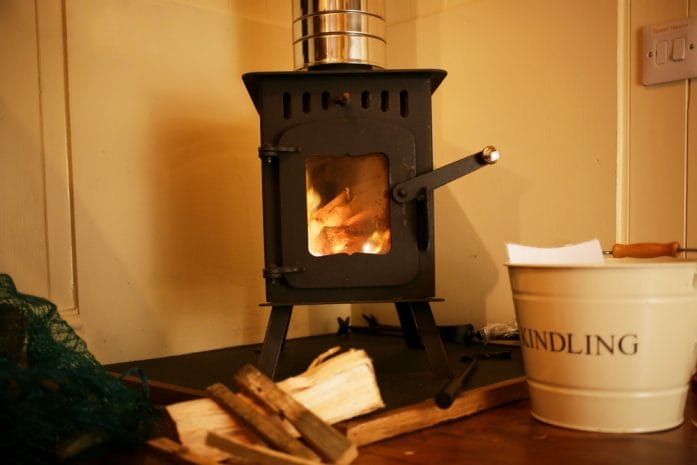
Insurance companies operate on risk assessment, plain and simple. They look at the likelihood that something in your home could cause a claim, and some appliances immediately raise red flags. The one appliance that consistently triggers higher premiums is the indoor wood-burning stove or fireplace insert. These devices, while cozy and charming, have a track record for fire hazards and smoke damage. Insurers worry because even a small ember that escapes or a buildup of creosote in a chimney can lead to catastrophic damage. In other words, a single moment of negligence or poor maintenance could turn a dream of a warm, crackling fire into a costly nightmare.

Beyond fire, these appliances can impact air quality, create unseen smoke damage in walls, and even void certain parts of a home insurance policy if installed incorrectly. Insurance adjusters are trained to spot these stoves, and if one is found during an inspection, they often consider it high-risk. That can translate to immediate premium hikes, expensive add-ons, or even outright refusal to cover your home until modifications are made.

Common Mistakes Homeowners Make With High-Risk Appliances

Many homeowners don’t realize just how many small errors can turn an indoor stove from a cozy feature into an insurance headache. One of the biggest mistakes is improper installation. Some homeowners try DIY projects, failing to comply with local building codes or manufacturer instructions. This alone can lead to denied claims if a fire occurs. Another common error is neglecting regular cleaning and chimney inspections. Creosote buildup is extremely flammable, and insurers see it as a ticking time bomb. Even using the wrong type of wood or overloading the stove can make your policy more expensive or even invalidate it.

Some people also install stoves in spaces that are too confined or lack proper ventilation. While it may look stylish, insurers know that confined stoves dramatically increase fire risk. Even accessories like hearth pads or protective barriers must meet code. Skipping these details is tempting for a homeowner who wants a seamless look, but insurers notice—and they react with higher premiums.

How To Legally Protect Your Premiums

If you absolutely love the ambiance of a wood-burning stove or fireplace, there are steps you can take to minimize insurance complications. First and foremost, hire a certified professional for installation. Insurers trust professionally installed units, and proper permits and inspections can make a huge difference. Regular maintenance is crucial, too. Have your chimney swept and inspected annually, and follow the manufacturer’s guidelines for wood and fuel usage. These steps don’t just protect your home—they protect your wallet.

It’s also smart to inform your insurer upfront if you plan to install one of these appliances. Transparency allows the company to properly adjust your coverage and may prevent future disputes if a claim arises. Some insurers offer discounts for certain safety measures, like carbon monoxide detectors, spark guards, or high-efficiency stoves that produce less creosote. By following code and implementing safety measures, you show your insurer that you’re mitigating the very risks that could otherwise spike your premium.

Alternative Options That Won’t Break Your Budget

If the potential premium increase feels too steep, there are creative alternatives that still give you warmth and ambiance without triggering insurance headaches. Electric or gas fireplace inserts mimic the visual appeal of a traditional stove but are far safer in the eyes of insurers. These options have a lower fire risk, don’t produce creosote, and often come with built-in safety features. Portable heaters and bioethanol fireplaces are other alternatives that provide warmth and style without major insurance implications.

Many homeowners overlook the fact that decorative stoves or fake fireplace setups can deliver the same cozy vibe for a fraction of the risk. While they won’t produce the same crackling fire experience, they provide atmosphere without jeopardizing your coverage. Insurance companies love it when risk is minimized, and these alternatives are often treated just like any other standard appliance.

This Is The One Household Appliance That Will Spike Your Insurance Premiums if Discovered During Inspection

Image source: shutterstock.com

The Bottom Line On Household Appliances And Insurance

The key takeaway is simple: not all appliances are created equal in the eyes of insurers. While a wood-burning stove can transform your living room into a scene from a rustic magazine, it can also transform your insurance bill into something much less cozy.

Being proactive, following code, and prioritizing maintenance can protect both your home and your wallet. For many homeowners, understanding the potential financial implications before installation is the smartest move. After all, a warm home isn’t worth much if it comes with a sky-high insurance premium or denied claims in the event of an accident.

Have you ever had to adjust your home insurance because of an appliance, or do you have tips for staying cozy without raising premiums? Tell us about your experiences and thoughts in the comments below. Learning from each other’s real-life stories is a great way to navigate the tricky intersection of home comfort and insurance.

You May Also Like…

These 6 Appliances Are Now Banned in Certain States—Do You Own One?

6 Dangerous Home Appliances That You’re Using Every Day

7 Costs That Sneak Up on Fixed-Income Households

7 Fine-Print Exclusions in Your Homeowner’s Policy That Could Cost You Everything

5 Reasons Boomers Are Staying Home Instead of Retiring Away

Brandon Marcus
Brandon Marcus

Brandon Marcus is a writer who has been sharing the written word since a very young age. His interests include sports, history, pop culture, and so much more. When he isn’t writing, he spends his time jogging, drinking coffee, or attempting to read a long book he may never complete.

Filed Under: Lifestyle Tagged With: appliances, Home, home and garden, home appliances, Home insurance, homeowners, homeownership, household essentials, household expenses, household finances, household items, Insurance, insurance companies, Life, Lifestyle, stove, wood-burning stove

9 Monthly Expenses That Will Cost More Starting in January

December 16, 2025 by Brandon Marcus Leave a Comment

Some Monthly Expenses Will Cost More Starting in January

Image Source: Shutterstock.com

January has a funny way of arriving with confetti in one hand and a bill in the other. While everyone else is talking about fresh starts and bold resolutions, your monthly budget is quietly bracing for impact. New calendars don’t just bring new goals; they often come with higher prices baked into everyday essentials.

Some increases are obvious, others sneak in quietly, but together they can turn a manageable budget into a monthly headache. Before your wallet gets blindsided, let’s break down the monthly expenses that are likely to demand more of your money starting in January.

1. Rent And Housing Costs

January is a popular time for landlords and property managers to roll out rent increases, especially for renewed leases. Higher property taxes, maintenance costs, and insurance premiums are often passed directly to tenants. Even homeowners aren’t immune, as HOA fees and condo association dues frequently rise at the start of the year. Housing markets may cool or heat up depending on location, but monthly housing costs have a habit of only moving in one direction. Whether you rent or own, shelter usually becomes a little more expensive once the calendar flips.

2. Health Insurance Premiums

Health insurance changes often kick in right after the New Year, making January an expensive wake-up call. Premiums commonly increase due to rising healthcare costs, new coverage requirements, or plan adjustments. Even if your premium stays the same, deductibles and out-of-pocket maximums often reset, which can feel like a price hike all on its own. Employer-sponsored plans and individual policies alike tend to update pricing annually. The result is that healthcare almost always demands more money at the beginning of the year.

3. Car Insurance Payments

Auto insurance providers love January for rolling out rate adjustments. Changes in accident data, repair costs, and inflation all influence how much drivers pay each month. Even a clean driving record doesn’t guarantee protection from a higher bill. New fees or revised coverage standards can quietly increase your premium without much warning. When the New Year starts, many drivers notice their car insurance costs creeping upward.

4. Utilities And Energy Bills

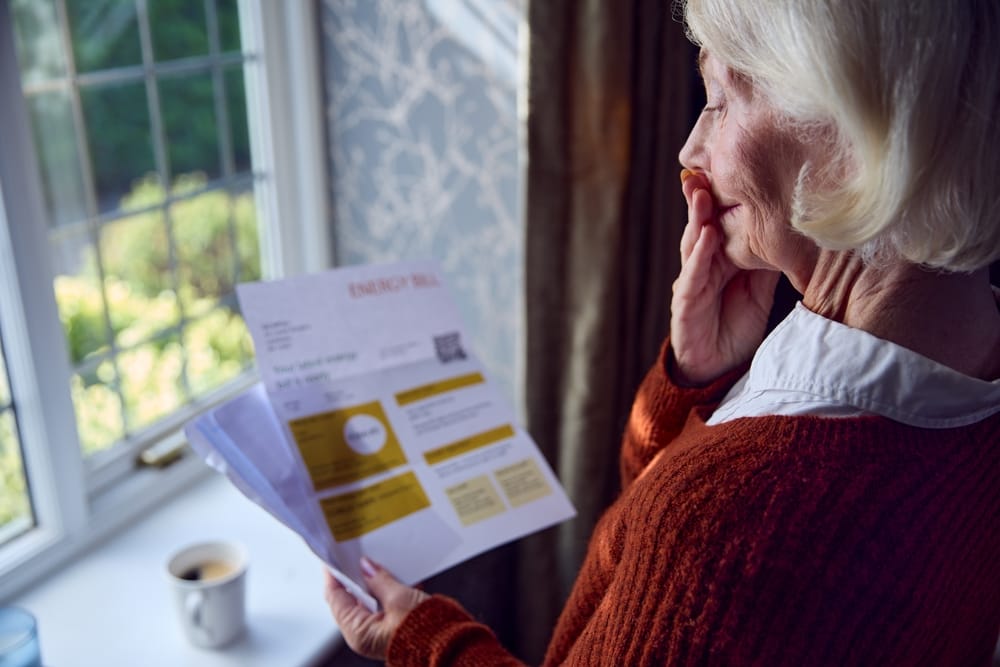
Winter weather alone can push utility bills higher, but January pricing adjustments add another layer. Energy providers often update rates annually to reflect infrastructure upgrades and fuel costs. Heating, electricity, and natural gas bills can spike even if usage stays relatively steady. Water and trash services may also introduce higher monthly fees at the start of the year. By mid-January, many households are already paying more just to keep the lights on and the house warm.

Some Monthly Expenses Will Cost More Starting in January

Image Source: Shutterstock.com

5. Streaming And Subscription Services

Streaming services have become masters of the quiet January price increase. New content investments and licensing fees often lead to higher monthly subscription costs. Some services raise prices directly, while others eliminate lower-priced tiers or add fees for features that used to be free. Fitness apps, music platforms, and digital tools frequently follow the same pattern. By the end of January, those small monthly subscriptions can add up to a noticeably bigger total.

6. Internet And Mobile Phone Plans

Telecom companies frequently adjust pricing at the start of the year. Promotional rates may expire, pushing customers onto higher standard pricing. Added fees, regulatory charges, or equipment rental costs can sneak into your monthly bill. Even modest increases feel painful when they hit essential services you rely on every day. January is often when your internet and phone bills quietly become more expensive.

7. Childcare And Education Costs

Many childcare providers and educational programs revise tuition and fees annually in January. Higher staffing costs, insurance, and supplies often drive these increases. Even after-school programs and tutoring services may raise monthly rates. Parents can feel these changes immediately, especially if multiple children are involved. The New Year frequently brings a higher price tag for learning and care.

8. Grocery And Household Essentials

Grocery prices don’t reset magically with a new calendar, but January often reflects updated supplier contracts and transportation costs. Staples like bread, dairy, and cleaning supplies may cost more than they did just weeks earlier.

On top of that, manufacturers sometimes introduce smaller packages at the same price, which effectively raises your monthly spending. Seasonal promotions disappear after the holidays, removing temporary discounts. Over a month, these subtle changes can stretch your grocery budget thin.

9. Memberships And Professional Fees

Gym memberships, professional organizations, and club dues commonly increase at the start of the year. January is peak season for fitness centers, making it an ideal time for price adjustments. Professional licensing fees and monthly service retainers may also update annually.

Even if the increase is small, it becomes a permanent part of your monthly expenses. By February, many people realize their memberships are costing more than they planned.

New Year, New Budget Reality

January may symbolize fresh starts, but it also brings financial realities that are hard to ignore. From housing and insurance to groceries and subscriptions, higher monthly expenses can pile up faster than expected. Knowing where these increases are likely to appear gives you a chance to prepare instead of panic. A proactive look at your budget can help you adjust, negotiate, or cut back where possible.

Let us know your thoughts or personal experiences with rising monthly costs in the comments section below.

You May Also Like…

Debt Alert: 6 Ways Holiday Spending Could Trigger a January Credit Score Crisis

Could Your Advisor Be Overlooking The Biggest Risk Hiding In Your Portfolio This Winter?

These 8 Wedding Expenses Look Harmless – Until You See the Final Bill

6 Expenses That Quietly Multiply After Buying a Home

10 Expenses That Quietly Rise When You Move Abroad


Brandon Marcus
Brandon Marcus

Brandon Marcus is a writer who has been sharing the written word since a very young age. His interests include sports, history, pop culture, and so much more. When he isn’t writing, he spends his time jogging, drinking coffee, or attempting to read a long book he may never complete.

Filed Under: Spending Habits Tagged With: car insurance, childcare, energy bills, groceries, health insurance, Holidays, household essentials, housing, Housing Costs, Insurance, Internet, January, monthly essentials, monthly expenses, Rent, spending, spending habit, Spending Habits, streaming apps, utilities, winter

Why You Should Buy This One Item in Bulk for the Rest of Your Life

May 13, 2025 by Travis Campbell Leave a Comment

toilet paper

Image Source: pexels.com

Have you ever found yourself running out of something essential at the worst possible moment? Maybe it’s the morning before a big meeting, and you realize you’re out of coffee. Or perhaps you’re halfway through making dinner and discover you’re missing a key ingredient. These little inconveniences add up, costing you time, money, and peace of mind. That’s why today, we’re diving into the surprisingly powerful strategy of buying one crucial item in bulk for the rest of your life. This isn’t just about saving a few bucks—it’s about simplifying your routine, reducing stress, and making your money work smarter. If you’re looking for a practical, actionable way to boost your financial well-being, this article is for you.

So, what’s the one item you should always buy in bulk? Drumroll, please: toilet paper. It might sound simple, but the benefits are anything but basic. Let’s break down why stocking up on toilet paper is a smart move for your wallet, your sanity, and even the planet.

1. Save Big on Everyday Essentials

Toilet paper is a non-negotiable household staple. Buying toilet paper in bulk can take advantage of significant cost savings. Retailers often offer lower prices per roll when you purchase larger packages, and warehouse clubs like Costco or Sam’s Club are famous for their bulk deals. Buying in bulk can save you up to 20% compared to buying smaller packages. Over the course of a year—or a lifetime—those savings really add up. Plus, you’ll avoid the dreaded “emergency run” to the store, which often leads to impulse purchases and extra spending.

2. Reduce Stress and Avoid Last-Minute Emergencies

Few things are more stressful than realizing you’re out of toilet paper when you need it most. By buying in bulk, you ensure you always have a steady supply on hand. This simple habit can eliminate unnecessary stress and help you feel more prepared for whatever life throws your way. It’s a small change, but it can make your home feel more organized and your daily routine more predictable. No more frantic dashes to the store or awkward moments asking a neighbor for a spare roll!

3. Cut Down on Packaging Waste

Buying toilet paper in bulk isn’t just good for your wallet and the environment. Larger packages use less packaging per roll, meaning less plastic and cardboard waste. According to the Environmental Protection Agency, packaging makes up significant household waste. By choosing bulk options, you’re making a small but meaningful contribution to reducing your environmental footprint. Some brands even offer eco-friendly bulk options made from recycled materials, so you can double down on your positive impact.

4. Take Advantage of Sales and Stock Up

When you buy toilet paper in bulk, you can time your purchases to coincide with sales, coupons, or special promotions. This allows you to maximize your savings and avoid paying full price. Many stores offer loyalty programs or digital coupons that can be stacked with bulk discounts for even greater value. By planning ahead and buying in bulk when prices are lowest, you’ll never have to pay a premium out of desperation. This strategy is a cornerstone of smart, proactive financial planning.

5. Free Up Time and Mental Energy

How often do you find yourself adding toilet paper to your shopping list? By buying in bulk, you can cross this chore off your list for months at a time. This frees up mental energy and reduces the number of errands you need to run. The less time you spend worrying about restocking essentials, the more time you have for things that truly matter—whether that’s spending time with family, pursuing hobbies, or simply relaxing. It’s a small life hack that can greatly impact your overall well-being.

6. Be Prepared for the Unexpected

If the past few years have taught us anything, it’s the importance of being prepared. From supply chain disruptions to natural disasters, unexpected events can make it difficult to find basic necessities. By keeping a healthy stockpile of toilet paper, you’ll be ready for whatever comes your way. This peace of mind is priceless, especially during uncertain times. Plus, you’ll be in a position to help friends or neighbors if they find themselves in a pinch.

7. Enjoy Consistent Quality and Comfort

When you buy toilet paper in bulk, you can stick with your preferred brand and quality. No more settling for whatever’s left on the shelf during a shortage. You’ll always have the comfort and reliability you’re used to, which can make a surprisingly big difference in your daily routine. Consistency is key when it comes to household essentials, and buying in bulk ensures you never have to compromise.

The Simple Secret to Smarter Spending

At the end of the day, buying toilet paper in bulk is about more than just convenience—it’s a smart, sustainable strategy that benefits your budget, your peace of mind, and the planet. By making this one simple change, you can streamline your shopping, reduce waste, and ensure you’re always prepared. It’s a small step with big rewards and one you’ll never regret.

What about you? Do you buy toilet paper in bulk, or do you have another must-have item you always stock up on? Share your thoughts and experiences in the comments below!

Read More

Forever Food: 12 Food Items That Never Expire

Incredibly Easy Ways to Save Money This Summer

Travis Campbell
Travis Campbell

Travis Campbell is a digital marketer/developer with over 10 years of experience and a writer for over 6 years. He holds a degree in E-commerce and likes to share life advice he’s learned over the years. Travis loves spending time on the golf course or at the gym when he’s not working.

Filed Under: Personal Finance Tagged With: bulk buying, eco-friendly, frugal living, household essentials, Money Saving tips, Personal Finance, shopping hacks, toilet paper

FOLLOW US

Search this site:

Recent Posts

  • Can My Savings Account Affect My Financial Aid? by Tamila McDonald
  • 12 Ways Gen X’s Views Clash with Millennials… by Tamila McDonald
  • What Advantages and Disadvantages Are There To… by Jacob Sensiba
  • 10 Tactics for Building an Emergency Fund from Scratch by Vanessa Bermudez
  • Call 911: Go To the Emergency Room Immediately If… by Stephen Kanaval
  • 7 Weird Things You Can Sell Online by Tamila McDonald
  • 10 Scary Facts About DriveTime by Tamila McDonald

Copyright © 2026 · News Pro Theme on Genesis Framework