• Home
  • About Us
  • Toolkit
  • Getting Finances Done
    • Hiring Advisors
    • Debt Management
    • Spending Plan
  • Insurance
    • Life Insurance
    • Health Insurance
    • Disability Insurance
    • Homeowners/Renters Insurance
  • Contact Us
  • Privacy Policy
  • Risk Tolerance Quiz

The Free Financial Advisor

You are here: Home / Archives for household items

The Tax Document Most Homeowners Fail to Update That Triggers Surprise Liens

January 28, 2026 by Brandon Marcus Leave a Comment

This Is The Tax Document Most Homeowners Fail to Update That Triggers Surprise Liens

Image source: shutterstock.com

Most homeowners worry about mortgage payments, insurance premiums, and interest rates, yet a far quieter risk often slips through the cracks. It does not arrive with flashing warnings or urgent phone calls, and that is precisely why it causes so much damage. Across the country, homeowners discover liens only after refinancing, selling, or checking their credit, long after the problem started.

The root cause usually traces back to one small administrative oversight tied to property taxes. Understanding this seemingly insignificant issue can protect your home, your credit, and your long-term financial plans with far less effort than you might expect.

The Overlooked Property Tax Mailing Address

Many homeowners assume property tax bills automatically follow them when they move, but that assumption causes costly problems. Local tax authorities rely on the mailing address listed in the property tax record, not forwarding instructions from the postal service. If that address remains outdated, tax bills can go unpaid without the homeowner ever realizing it.

Unpaid property taxes can legally result in a lien against the home, even if the homeowner never saw the bill. Updating this record is simple, yet it remains one of the most commonly missed steps after a move or refinancing.

How Missed Tax Bills Turn Into Liens

Property taxes operate on strict timelines set by local governments, and missed payments trigger automatic consequences. Once a bill goes unpaid, penalties and interest often begin accruing almost immediately. If the balance remains unresolved, the taxing authority can place a lien on the property to secure the debt.

A lien does not mean the home is seized, but it does attach a legal claim that must be resolved before selling or refinancing. These liens can also complicate credit and financial planning, making them far more disruptive than many homeowners expect.

Why Escrow Accounts Don’t Always Save You

Many homeowners rely on mortgage escrow accounts and assume property taxes are fully handled on their behalf. Escrow usually works smoothly, but it depends on accurate billing information reaching the lender on time.

If tax bills go to the wrong address, escrow shortages or missed payments can still occur. Lenders may not learn about the issue until penalties have already accumulated. Homeowners trying to improve their finances should analyze their escrow statements annually to confirm taxes are being paid correctly and on schedule.

Common Life Changes That Trigger The Problem

Major life events often disrupt financial paperwork, even for organized homeowners. Moving, refinancing, inheriting property, or placing a home into a trust can all affect tax records. In many cases, ownership updates occur without confirming the associated mailing address for tax notices.

Busy schedules make it easy to assume someone else handled the details. Building a habit of reviewing tax records after any major change supports stronger financial health and prevents avoidable stress.

This Is The Tax Document Most Homeowners Fail to Update That Triggers Surprise Liens

Image source: shutterstock.com

Simple Steps To Protect Your Home And Finances

Homeowners can usually update their property tax mailing address through the local tax assessor or treasurer’s office. The process often takes only minutes and can be completed online or by mail. Reviewing property tax records once a year adds another layer of protection and supports smarter money management.

Setting calendar reminders for all important tax deadlines also helps homeowners stay ahead of potential issues. Small administrative habits like these free up mental energy for bigger financial goals such as saving, investing, or paying down debt.

Why This One Update Matters More Than You Think

Property tax liens rarely stem from irresponsibility, but from silence and outdated information. The system assumes delivery equals awareness, even when that assumption fails. One unchecked record can quietly undo years of careful financial planning. Staying proactive keeps your home protected and your finances predictable. When homeowners control the details, surprises lose their power.

Have you ever uncovered a financial issue that started with a small paperwork oversight, and what did it teach you about managing your money? Let’s hear your story in the comments.

You May Also Like…

The $140,000 Oversight: The Missing Texas Tax Paperwork That Is Costing Homeowners Thousands This Week

7 Fine-Print Exclusions in Your Homeowner’s Policy That Could Cost You Everything

9 Georgia Counties Where Property Taxes Are Set to Rise the Fastest

9 Financial Dangers of Ignoring Property Taxes

Your Ring Doorbell Is Recording Evidence That Could Void Your Homeowner’s Claim

Brandon Marcus
Brandon Marcus

Brandon Marcus is a writer who has been sharing the written word since a very young age. His interests include sports, history, pop culture, and so much more. When he isn’t writing, he spends his time jogging, drinking coffee, or attempting to read a long book he may never complete.


Filed Under: tax tips Tagged With: client behavior, escrow, homeowners, homeownership, household items, household responsibilities, ignoring property taxes, liens, missed tax bills, property tax tips, property taxes, tax documents, tax tips, taxes

Why Monthly Bills Are Rising Even for Households That Haven’t Changed Spending

January 28, 2026 by Brandon Marcus Leave a Comment

Why Monthly Bills Are Rising Even for Households That Haven’t Changed Spending

Image source: shutterstock.com

You open your bank app, scan your transactions, and feel that familiar sting of confusion. Nothing looks reckless, nothing feels indulgent, and yet the total at the end of the month keeps climbing. This experience has become common for households that swear they have not changed their spending habits at all.

The frustration comes from the fact that many rising costs operate quietly in the background, outside daily decision-making. Understanding what is actually driving those increases puts power back in your hands and helps you respond strategically instead of emotionally.

Higher Prices On Everyday Essentials Add Up Fast

Even modest price increases on groceries, utilities, and household goods compound quickly over time. Inflation affects staples more visibly because people buy them consistently, not occasionally. When essentials rise by small amounts across multiple categories, the total monthly impact feels sudden and disproportionate.

Sadly, households often underestimate these changes because each individual increase seems manageable, at least at first. Tracking category-level spending can reveal where creeping costs quietly take root, and that is the first step to combating them.

Insurance Premiums Often Rise Automatically

Many insurance policies include built-in annual adjustments that raise premiums without requiring any action from the customer. Home, auto, and health insurance costs often increase due to broader risk assessments, repair costs, or medical pricing trends.

These hikes occur even if you file no claims and maintain a clean record. Because premiums usually renew quietly, they can escape notice for months. Reviewing policies annually and requesting competitive quotes can help slow this particular leak.

Utility Costs Shift Beyond Personal Usage

Energy, water, and internet bills fluctuate based on infrastructure costs, maintenance expenses, and supplier pricing. Even if usage stays flat, rate changes can push monthly totals higher. Seasonal adjustments and regional pricing structures amplify these shifts over time.

Many households assume higher bills reflect higher usage when pricing plays a larger role. A smart idea would be to monitor rate changes and negotiate service plans to reduce unnecessary overpayment.

Why Monthly Bills Are Rising Even for Households That Haven’t Changed Spending

Image source: shutterstock.com

Subscription Creep Drains Budgets Silently

Streaming services, apps, cloud storage, and memberships often increase prices incrementally. Because these services auto-renew, small increases blend into normal spending patterns. Over time, subscription costs can rival major fixed expenses. People rarely reevaluate subscriptions they signed up for years ago, but a smart audit of subscriptions every once in a while, can uncover savings without sacrificing quality of life.

Credit Interest Becomes More Expensive Over Time

Variable interest rates affect credit cards, personal loans, and some financing plans. Even without adding new debt, interest charges can grow as rates rise. This creates the illusion of higher spending when the real issue involves the cost of borrowing.

Interest-heavy balances absorb cash that could otherwise stabilize monthly budgets, so paying down high-interest balances delivers immediate and lasting relief for the whole household.

Fees And Service Charges Multiply In The Background

Banks, utilities, and service providers increasingly rely on fees for revenue. Convenience fees, service charges, and administrative costs often appear small in isolation. When stacked across multiple accounts, they create meaningful monthly pressure.

Many fees persist simply because customers overlook them. Therefore, reviewing statements line by line helps identify negotiable or avoidable charges.

Why Awareness Turns Frustration Into Control

Rising bills do not always signal poor money management or lifestyle inflation. Many increases stem from structural pricing changes rather than personal choices. Awareness allows households to focus energy where it actually makes a difference. Small proactive steps often outperform dramatic budget overhauls. Financial confidence grows when understanding replaces confusion.

Which monthly expense surprised you most when you finally looked closely at your statements? Share your thoughts with other readers in the comments below.

You May Also Like…

Why Does Paying Bills Feel More Mentally Exhausting

Why Does Financial Anxiety Show Up Even When Bills Are Paid

7 Costs That Sneak Up on Fixed-Income Households

Why Do So Many Middle-Class Households Miss Out on Tax Credits

8 Monthly Expenses That Are Harder to Control Than You Think

Brandon Marcus
Brandon Marcus

Brandon Marcus is a writer who has been sharing the written word since a very young age. His interests include sports, history, pop culture, and so much more. When he isn’t writing, he spends his time jogging, drinking coffee, or attempting to read a long book he may never complete.

Filed Under: Lifestyle Tagged With: Cost of living, energy costs, fees, Hidden Fees, Home, home bills, household items, household responsibilities, Inflation, Life, Lifestyle, monthly bills, rising costs, rising prices, surcharges

Why Are Everyday Essentials Taking Up More of the Budget

January 24, 2026 by Brandon Marcus Leave a Comment

Why Are Everyday Essentials Taking Up More of the Budget

Image source: shutterstock.com

Imagine walking into your local grocery store, planning to grab just a few items, and leaving with a cart full of goods that somehow cost way more than you expected. You’re not imagining it—this is the reality millions of people are facing today. From groceries to cleaning supplies, household staples that once felt affordable are now taking a larger bite out of our budgets. It’s not just about wanting more; it’s about paying more for the things we need to live comfortably.

Understanding why this is happening can feel like navigating a maze, but it’s actually a mix of global forces, production challenges, and everyday decisions that impact prices.

Rising Costs Are Driven By Supply Chain Challenges

Over the past few years, supply chain disruptions have become a household topic, and for good reason. When the production of raw materials slows down or shipping costs rise, those expenses inevitably pass on to consumers. This isn’t just about international shipping; it includes labor shortages, weather events affecting crops, and sudden spikes in demand. Even if a store seems fully stocked, the behind-the-scenes juggling act often means that each item carries a higher price tag than a few years ago.

The ripple effect extends beyond food. Household essentials like detergents, paper products, and toiletries are also subject to these supply chain dynamics. Companies try to absorb the shocks to keep loyal customers, but when disruptions are prolonged, cost-cutting measures often fall short, and shoppers notice the difference at the checkout counter.

Consumer Demand And Changing Preferences Impact Prices

We’re not just victims of global supply issues; we’re active participants in driving prices up. Consumer behavior has a bigger impact than many realize. Organic products, eco-friendly packaging, and specialty brands have grown in popularity, often carrying higher production costs. People are willing to pay more for items they perceive as healthier, safer, or better for the environment, which encourages companies to innovate—and charge more.

Additionally, lifestyle shifts during the pandemic have altered spending habits. Many households started cooking more at home, cleaning more frequently, and stocking up on staples to avoid frequent trips to the store. That surge in demand created temporary price spikes that, in some cases, became permanent.

Inflation And Economic Pressures Extend Beyond Essentials

While supply and demand play obvious roles, broader economic pressures cannot be ignored. Inflation affects wages, energy costs, transportation, and production materials simultaneously. This creates a scenario where everything from eggs to cleaning wipes rises in price together, rather than in isolated instances. What makes this particularly challenging is that wage increases often lag behind these cost hikes, leaving households feeling the squeeze even more.

Energy costs, especially, are a hidden driver of higher prices. Everything from heating warehouses to powering machinery and transporting goods relies on fuel and electricity. When those costs rise, the effect trickles down to the grocery aisle.

How Households Can Navigate Rising Prices

Understanding the factors behind rising prices is only half the battle; managing them is the next step. Budgeting strategically, comparing prices, and being mindful of substitutions can help households stretch their dollars further. Buying in bulk for non-perishable items, taking advantage of loyalty programs, and considering store-brand alternatives are practical ways to combat inflation without sacrificing quality.

Being intentional about purchases also matters. While it’s tempting to chase trendy products or eco-friendly versions of every item, balancing desire with necessity helps avoid unnecessary strain on the budget. Tracking spending over time can reveal patterns and opportunities to reduce costs while still maintaining comfort and convenience.

Why Are Everyday Essentials Taking Up More of the Budget

Image source: shutterstock.com

What Are Your Thoughts On Budget Challenges?

The rising cost of everyday essentials is a reality that affects nearly everyone, yet the reasons behind it are surprisingly complex. Supply chain disruptions, consumer demand, inflation, and economic pressures all play a role in shaping the prices we see at the checkout counter. While it can feel frustrating, understanding these dynamics provides perspective and opens the door to practical strategies for managing household expenses.

Do you have tips, observations, or personal experiences with rising prices? Leave your thoughts and stories in the comments section below, and let’s continue the conversation about how to tackle everyday essentials without breaking the bank.

You May Also Like…

Why Does Budgeting Feel More Emotional Than Logical

Why Does Interest Rate Talk Suddenly Affect Everyday Spending

6 Silent Money Leaks in the Average Household

Why Do So Many Middle-Class Households Miss Out on Tax Credits

9 Budget Categories That Blow Up After One Emergency

Brandon Marcus
Brandon Marcus

Brandon Marcus is a writer who has been sharing the written word since a very young age. His interests include sports, history, pop culture, and so much more. When he isn’t writing, he spends his time jogging, drinking coffee, or attempting to read a long book he may never complete.

Filed Under: Budgeting Tagged With: Budget, budget mistakes, budget tips, budgeting, everyday essentials, everyday expenses, everyday items, fixed expenses, household items, rising costs, Smart Spending, spending, supply chain

The One Household Appliance That Will Spike Your Insurance Premiums if Discovered During Inspection

January 18, 2026 by Brandon Marcus Leave a Comment

This Is The One Household Appliance That Will Spike Your Insurance Premiums if Discovered During Inspection

Image source: shutterstock.com

Your home is your sanctuary, but what if one seemingly innocent appliance could turn your cozy haven into a red flag for insurance companies? Most people think about home insurance in terms of fire, flood, or burglary, but there’s one specific appliance that can send premiums soaring faster than a popcorn kernel in a hot pan.

It’s not a flashy new gadget, and it doesn’t beep or flash in neon lights—but insurers treat it like a ticking time bomb. Understanding why this appliance is so problematic can save you a lot of money and, more importantly, a lot of stress.

Why Insurance Companies Fear This Appliance

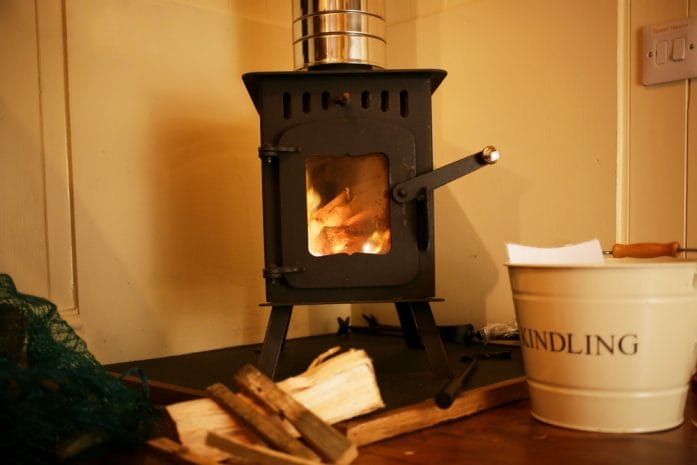
Insurance companies operate on risk assessment, plain and simple. They look at the likelihood that something in your home could cause a claim, and some appliances immediately raise red flags. The one appliance that consistently triggers higher premiums is the indoor wood-burning stove or fireplace insert. These devices, while cozy and charming, have a track record for fire hazards and smoke damage. Insurers worry because even a small ember that escapes or a buildup of creosote in a chimney can lead to catastrophic damage. In other words, a single moment of negligence or poor maintenance could turn a dream of a warm, crackling fire into a costly nightmare.

Beyond fire, these appliances can impact air quality, create unseen smoke damage in walls, and even void certain parts of a home insurance policy if installed incorrectly. Insurance adjusters are trained to spot these stoves, and if one is found during an inspection, they often consider it high-risk. That can translate to immediate premium hikes, expensive add-ons, or even outright refusal to cover your home until modifications are made.

Common Mistakes Homeowners Make With High-Risk Appliances

Many homeowners don’t realize just how many small errors can turn an indoor stove from a cozy feature into an insurance headache. One of the biggest mistakes is improper installation. Some homeowners try DIY projects, failing to comply with local building codes or manufacturer instructions. This alone can lead to denied claims if a fire occurs. Another common error is neglecting regular cleaning and chimney inspections. Creosote buildup is extremely flammable, and insurers see it as a ticking time bomb. Even using the wrong type of wood or overloading the stove can make your policy more expensive or even invalidate it.

Some people also install stoves in spaces that are too confined or lack proper ventilation. While it may look stylish, insurers know that confined stoves dramatically increase fire risk. Even accessories like hearth pads or protective barriers must meet code. Skipping these details is tempting for a homeowner who wants a seamless look, but insurers notice—and they react with higher premiums.

How To Legally Protect Your Premiums

If you absolutely love the ambiance of a wood-burning stove or fireplace, there are steps you can take to minimize insurance complications. First and foremost, hire a certified professional for installation. Insurers trust professionally installed units, and proper permits and inspections can make a huge difference. Regular maintenance is crucial, too. Have your chimney swept and inspected annually, and follow the manufacturer’s guidelines for wood and fuel usage. These steps don’t just protect your home—they protect your wallet.

It’s also smart to inform your insurer upfront if you plan to install one of these appliances. Transparency allows the company to properly adjust your coverage and may prevent future disputes if a claim arises. Some insurers offer discounts for certain safety measures, like carbon monoxide detectors, spark guards, or high-efficiency stoves that produce less creosote. By following code and implementing safety measures, you show your insurer that you’re mitigating the very risks that could otherwise spike your premium.

Alternative Options That Won’t Break Your Budget

If the potential premium increase feels too steep, there are creative alternatives that still give you warmth and ambiance without triggering insurance headaches. Electric or gas fireplace inserts mimic the visual appeal of a traditional stove but are far safer in the eyes of insurers. These options have a lower fire risk, don’t produce creosote, and often come with built-in safety features. Portable heaters and bioethanol fireplaces are other alternatives that provide warmth and style without major insurance implications.

Many homeowners overlook the fact that decorative stoves or fake fireplace setups can deliver the same cozy vibe for a fraction of the risk. While they won’t produce the same crackling fire experience, they provide atmosphere without jeopardizing your coverage. Insurance companies love it when risk is minimized, and these alternatives are often treated just like any other standard appliance.

This Is The One Household Appliance That Will Spike Your Insurance Premiums if Discovered During Inspection

Image source: shutterstock.com

The Bottom Line On Household Appliances And Insurance

The key takeaway is simple: not all appliances are created equal in the eyes of insurers. While a wood-burning stove can transform your living room into a scene from a rustic magazine, it can also transform your insurance bill into something much less cozy.

Being proactive, following code, and prioritizing maintenance can protect both your home and your wallet. For many homeowners, understanding the potential financial implications before installation is the smartest move. After all, a warm home isn’t worth much if it comes with a sky-high insurance premium or denied claims in the event of an accident.

Have you ever had to adjust your home insurance because of an appliance, or do you have tips for staying cozy without raising premiums? Tell us about your experiences and thoughts in the comments below. Learning from each other’s real-life stories is a great way to navigate the tricky intersection of home comfort and insurance.

You May Also Like…

These 6 Appliances Are Now Banned in Certain States—Do You Own One?

6 Dangerous Home Appliances That You’re Using Every Day

7 Costs That Sneak Up on Fixed-Income Households

7 Fine-Print Exclusions in Your Homeowner’s Policy That Could Cost You Everything

5 Reasons Boomers Are Staying Home Instead of Retiring Away

Brandon Marcus
Brandon Marcus

Brandon Marcus is a writer who has been sharing the written word since a very young age. His interests include sports, history, pop culture, and so much more. When he isn’t writing, he spends his time jogging, drinking coffee, or attempting to read a long book he may never complete.
Filed Under: Lifestyle Tagged With: appliances, Home, home and garden, home appliances, Home insurance, homeowners, homeownership, household essentials, household expenses, household finances, household items, Insurance, insurance companies, Life, Lifestyle, stove, wood-burning stove

7 Costs That Sneak Up on Fixed-Income Households

January 8, 2026 by Brandon Marcus Leave a Comment

Here Are 7 Costs That Sneak Up on Fixed-Income Households

Image Source: Shutterstock.com

A steady paycheck may stop, but life never takes a coffee break. For millions of households living on pensions, Social Security, annuities, or other fixed incomes, the budget can feel like a carefully stacked tower of blocks—stable, precise, and always one unexpected nudge away from wobbling. Expenses don’t announce themselves with confetti cannons. They arrive quietly, disguised as small increases, new fees, or “just this once” purchases that somehow keep happening.

Today, we are going to shine a bright light on seven costs that tend to creep into the picture, drain energy from monthly budgets, and leave people wondering where their money went. Knowing what to watch for can turn surprise into strategy and stress into confidence.

1. Rising Utility Bills And Seasonal Spikes

Utility costs are famous for refusing to sit still. Electricity, natural gas, water, and trash service often inch upward year after year, even when usage stays the same. Seasonal changes make things trickier, as heat waves and cold snaps push bills into uncomfortable territory. Many fixed-income households feel pressure to keep homes at safe temperatures, especially for health reasons, which limits flexibility.

Rate adjustments approved by local regulators can land without much warning. Even small monthly increases add up over time, quietly eating into grocery or medication budgets. Over a year, utilities alone can turn into one of the most underestimated expenses around.

2. Healthcare Costs Beyond Insurance

Insurance provides a safety net, but it rarely catches everything. Copays, deductibles, uncovered services, and prescription tiers can surprise even the most organized planner. Routine appointments can multiply when new health concerns pop up or chronic conditions need closer monitoring. Dental care, vision exams, hearing aids, and mobility equipment often live outside standard coverage. Transportation to medical appointments adds another layer, especially when specialized care isn’t nearby. For fixed-income households, these ongoing out-of-pocket expenses can feel relentless and hard to predict.

3. Home Maintenance And Repair Surprises

Homes age just like people, and they occasionally demand attention at inconvenient times. A leaky roof, failing water heater, or aging HVAC system can turn into a major expense overnight. Even smaller repairs, like plumbing fixes or appliance replacements, carry price tags that sting. Labor and materials costs have risen, making do-it-yourself less practical for many homeowners. Renters aren’t immune either, as landlords often pass along maintenance-related increases through higher rent. Home-related expenses tend to arrive without warning and rarely wait for the budget to catch up.

4. Food Prices And Subtle Shrinkflation

Grocery shopping used to be predictable, but those days are long gone. Prices rise, packages shrink, and favorite staples quietly cost more for less. Fixed-income households often notice that the same cart of groceries somehow totals more each month. Fresh produce, meat, and pantry basics fluctuate based on supply chains and seasonal factors. Eating healthier can feel especially expensive, even though it saves on healthcare later. Over time, food inflation becomes one of the most emotionally frustrating costs because it touches daily life so directly.

Here Are 7 Costs That Sneak Up on Fixed-Income Households

Image Source: Shutterstock.com

5. Transportation And Mobility Expenses

Transportation costs don’t stop just because commuting does. Gas prices swing wildly, and routine vehicle maintenance keeps marching on. Insurance premiums can rise even without accidents or claims. Public transportation fares increase, and ride services add fees that weren’t there before. For those with limited mobility, specialized transportation services may be necessary and costly. Staying independent often means paying more than expected just to get where life happens.

6. Technology And Communication Costs

Modern life runs on technology, and opting out isn’t always realistic. Internet access, mobile phones, and streaming services have become everyday necessities for staying connected and informed. Service providers frequently adjust pricing, introduce new fees, or phase out older plans. Devices eventually need replacing, whether it’s a phone battery that won’t hold a charge or a laptop that can’t handle updates. Even basic tech support can come with a cost. These expenses tend to feel small individually but add up quickly over a year.

7. Gifts, Events, And Social Obligations

Life doesn’t pause its celebrations for anyone’s budget. Birthdays, weddings, graduations, and holidays bring joy—and expenses. Fixed-income households often feel pressure to participate fully, even when funds are tight. Travel, lodging, attire, and gifts can pile up around certain seasons. Charitable giving, community events, and family support requests also play a role. These costs are deeply emotional, making them some of the hardest to manage or limit.

Staying Ahead Of The Quiet Drains

Fixed incomes demand creativity, awareness, and a little humor when the unexpected pops up. Recognizing these common costs makes it easier to plan, adjust, and breathe easier month to month. No two households experience them the same way, and strategies vary widely depending on lifestyle and priorities. Awareness turns surprise expenses into manageable challenges rather than budget-breaking shocks.

If you’ve encountered any of these costs—or found clever ways to handle them—add your thoughts or stories in the comments below. Your experience could help someone else feel a little more prepared.

You May Also Like…

Expense Spike: 8 Healthcare Costs That Hit Harder in Later Life

Debt Alert: 6 Ways Holiday Spending Could Trigger a January Credit Score Crisis

6 Silent Money Leaks in the Average Household

Why Do Some Households Keep Paying for Empty Storage Units

12 Ways to Beat Back the Guilt of Spending on Yourself Finally


Brandon Marcus
Brandon Marcus

Brandon Marcus is a writer who has been sharing the written word since a very young age. His interests include sports, history, pop culture, and so much more. When he isn’t writing, he spends his time jogging, drinking coffee, or attempting to read a long book he may never complete.

Filed Under: Lifestyle Tagged With: Budget, budgeting, costs, daily spending, expenses, health insurance, healthcare, household budget, household items, household responsibilities, household spending, Insurance, Life, Lifestyle, seasonal spending, spending, unexpected costs, utility bills

8 Everyday Items Made From Recycled Materials You’d Never Expect

November 26, 2025 by Travis Campbell Leave a Comment

Recyclable

Image source: shutterstock.com

People in the public domain remain unaware of the origins of the products they use daily. The production process converts recycled materials into new products that bear no resemblance to their original form. The transformation process serves three purposes: it minimizes waste output, reduces manufacturing expenses, and extends the service life of materials, which would otherwise become landfill waste. People who buy products do not understand this manufacturing process, which supports their daily shopping activities. The knowledge of everyday objects will transform after you understand their transformation process.

1. Shoes Made From Plastic Bottles

Footwear companies now spin recycled materials into lightweight threads for the uppers of shoes. Clear plastic bottles become fibers, then yarn, then breathable mesh that’s both strong and flexible. The idea sounds rough, but the result feels nothing like the source.

The process trims waste from two directions. Fewer bottles end up buried or burned, and fewer new materials need to be manufactured. That balance reshapes an industry once dependent on petroleum-heavy synthetics.

2. Kitchen Countertops Forged From Old Glass

Shattered bottles and broken windows find a second life as polished kitchen surfaces. Manufacturers crush the glass, bind it with resin, and form dense slabs. The flecks of color aren’t paint. They’re remnants of the recycled materials embedded throughout.

These countertops handle heat and impact without the maintenance demands of natural stone. They show how discarded fragments can turn into something built to last.

3. Notebooks Pressed From Recycled Cotton Scraps

Fashion production leaves behind mountains of cotton trimmings. Instead of dumping them, some mills grind the scraps into fibers and press them into thick, durable paper. The sheets hold ink well and resist tearing, despite being made from material once considered waste.

The shift brings the textile and stationery worlds closer. It also reduces pressure on forests by limiting the need for wood pulp.

4. Park Benches Molded From Used Milk Jugs

Public spaces are full of quiet examples of recycled materials in action. Park benches made from high-density polyethylene come from the same jugs that hold household milk. After cleaning and shredding, the plastic becomes molded lumber that resists rot and insects.

Unlike wood, these benches don’t splinter or warp. They survive heat, cold, and rain, providing sturdy seating born from something meant for a single use.

5. Carpet Tiles Built From Old Fishing Nets

Ghost nets drift through oceans for years, damaging wildlife and ecosystems. Collecting them costs time and effort, but the payoff is real. The nylon inside these nets can be recycled into fibers used for carpet tiles. Once cleaned and processed, the material looks nothing like its past form.

These tiles lock together and can be replaced one square at a time. The durable fibers cut down future waste and keep harmful debris out of waterways.

6. Asphalt Enhanced With Recycled Rubber

Road surfaces often include ground-up tires. Rubber crumbs help create asphalt that absorbs impact and reduces road noise. It’s one of the most widespread uses of recycled materials, yet people rarely notice it under their wheels.

Tires are difficult to dispose of safely. Reusing the rubber gives them a second job, one that keeps millions of pounds of waste from accumulating in open lots or illegal dumps.

7. Insulation Made From Recycled Denim

Old jeans, shredded and treated, make effective home insulation. The fibers retain heat, block sound, and help prevent the itch associated with traditional fiberglass. Builders can cut and install the material without special suits or masks.

This approach repurposes clothing that can’t be resold or donated. It also trims the environmental footprint of new construction by replacing more energy-intensive materials.

8. Office Chairs Containing Reprocessed Metal

Hidden inside many office chairs is a network of steel or aluminum components created from recycled materials. Reprocessed metal delivers the same strength as new metal but requires far less energy to produce. The structural core stays sturdy even after years of use.

This change often goes unnoticed because nothing about the chair broadcasts its origins. Yet recycled content plays a central role in reducing manufacturing costs and environmental impact.

The Patterns Hiding in Plain Sight

People fail to recognize that recycled materials are used in their daily activities more often than they realize. The recycling process transforms materials into new products, creating economic changes that, in turn, affect our everyday activities and the environment.

The system produces major results through its basic modification capabilities. The discovery of recycled materials in everyday objects shows that they are present in regular consumer products.

Which recycled material product in your daily life has impressed you the most?

What to Read Next…

  • 7 Tactics Grocery Stores Use to Keep You From Thinking About Price
  • 8 Everyday Services That Are Slowly Becoming Subscription Only
  • 7 Popular Cleaning Products That Can Destroy Your Plumbing
  • 9 Common Products That May Be Illegal to Resell Online
  • 8 Things You’re Doing That Make Criminals Think You’re an Easy Target
Travis Campbell
Travis Campbell

Travis Campbell is a digital marketer/developer with over 10 years of experience and a writer for over 6 years. He holds a degree in E-commerce and likes to share life advice he’s learned over the years. Travis loves spending time on the golf course or at the gym when he’s not working.

Filed Under: Frugal Living Tagged With: household items, Personal Finance, recycling, sustainability, waste reduction

10 Household Items That Seem Harmless But Can Be Used Against You Legally

July 30, 2025 by Travis Campbell Leave a Comment

prescription

Image Source: pexels.com

Every day life is full of routines. You use the same household items over and over, never thinking twice about them. But what if some of those items could be used against you in a legal dispute? It sounds strange, but it happens more often than you might think. From simple receipts to your social media devices, the things you keep at home can become evidence. Understanding which household items can be used against you legally is important. It helps you protect your privacy, your finances, and your peace of mind.

1. Receipts and Bank Statements

Receipts and bank statements seem harmless. You toss them in a drawer or leave them on the counter. But in a legal case, these household items can show where you’ve been, what you’ve bought, and even who you were with. For example, in divorce or custody cases, spending habits can be used to question your judgment or financial stability. If you’re ever involved in a lawsuit, these papers can be subpoenaed. Shred what you don’t need and store the rest securely.

2. Prescription Bottles

Prescription bottles are common in most homes. But they can reveal private health information. In legal battles, especially custody or employment cases, the type of medication you take can be used to question your fitness or reliability. Even empty bottles can be used as evidence. Keep your medications out of sight and dispose of old bottles carefully. Don’t leave them where visitors or others can see them.

3. Social Media Devices

Phones, tablets, and computers are everywhere. They hold photos, messages, and browsing history. In legal cases, these household items can be searched for evidence. A single text or photo can be taken out of context and used against you. Even deleted files can sometimes be recovered. Always use passwords and consider what you save or share. If you’re facing legal trouble, talk to a lawyer before handing over any device.

4. Home Security Cameras

Home security cameras are meant to keep you safe. But the footage they record can also be used in court. If something happens on your property, the video can be subpoenaed. Sometimes, it can help you. Other times, it can hurt your case. For example, footage of a guest slipping on your steps could be used in a lawsuit. Make sure you know where your cameras are pointed and how long footage is stored. Review your system’s privacy settings.

5. Smart Speakers and Voice Assistants

Smart speakers like Alexa or Google Home are popular. They listen for commands, but sometimes they record more than you realize. In some legal cases, voice recordings have been used as evidence. These household items can capture conversations you thought were private. Check your device’s privacy settings. Delete old recordings regularly. Be careful about what you say around these devices.

6. Personal Journals and Diaries

Journals and diaries are private, but they can be used in court. If you’re involved in a legal dispute, your written words can be subpoenaed. This includes digital notes on your phone or computer. What you write in a moment of anger or sadness can be taken out of context. If you keep a journal, store it in a safe place. Think twice before writing about sensitive topics.

7. Utility Bills

Utility bills seem boring. But they can show who lives in your home and when. In custody or landlord-tenant disputes, these household items can be used to prove or disprove someone’s residence. They can also show patterns, like when you’re usually home. Keep your bills organized and don’t leave them out in the open. If you move, update your address right away.

8. Mail and Packages

Unopened mail and packages can pile up. But they can reveal a lot about you. Legal cases sometimes use mail as evidence of your activities, purchases, or even your location at a certain time. For example, a package delivered to your home can show you were there on a specific date. Don’t let mail stack up. Shred what you don’t need and keep important documents in a safe place.

9. Photos and Family Albums

Photos capture memories, but they can also be used in court. Pictures can show who was present at an event, what you own, or even your state of mind. In legal disputes, photos from your home can be used as evidence. This includes digital photos stored on your devices. Be mindful of what you display and share. Store sensitive photos securely and consider using password protection.

10. Tools and Household Chemicals

Tools and chemicals are common in garages and sheds. But in some legal cases, these household items can be used to suggest intent or capability. For example, in a dispute with a neighbor, having certain tools could be used to imply that you could cause damage. Chemicals can raise questions about safety or compliance with local laws. Store these items safely and keep records of purchases if needed.

Protecting Yourself Starts at Home

Household items are part of daily life, but they can become evidence in ways you might not expect. Being aware of what you keep, how you store it, and who can access it is key. Take simple steps: shred sensitive papers, secure your devices, and review privacy settings on smart gadgets. If you’re ever unsure, talk to a legal professional. Staying informed helps you protect your privacy and your future.

Have you ever been surprised by how a household item was used in a legal situation? Share your story or thoughts in the comments.

Read More

Household Decor That Can Increase Fire Damage

How Many of These 8 Middle-Class Habits Are Keeping You Poor?

Travis Campbell
Travis Campbell

Travis Campbell is a digital marketer/developer with over 10 years of experience and a writer for over 6 years. He holds a degree in E-commerce and likes to share life advice he’s learned over the years. Travis loves spending time on the golf course or at the gym when he’s not working.

Filed Under: Law Tagged With: evidence, financial advisor, home security, household items, Law, legal advice, legal risks, personal safety, privacy

FOLLOW US

Search this site:

Recent Posts

  • Can My Savings Account Affect My Financial Aid? by Tamila McDonald
  • 12 Ways Gen X’s Views Clash with Millennials… by Tamila McDonald
  • What Advantages and Disadvantages Are There To… by Jacob Sensiba
  • Call 911: Go To the Emergency Room Immediately If… by Stephen Kanaval
  • 10 Tactics for Building an Emergency Fund from Scratch by Vanessa Bermudez
  • 7 Weird Things You Can Sell Online by Tamila McDonald
  • 10 Scary Facts About DriveTime by Tamila McDonald

Copyright © 2026 · News Pro Theme on Genesis Framework