• Home
  • About Us
  • Getting Finances Done
    • Hiring Advisors
    • Debt Management
    • Spending Plan
  • Insurance
    • Life Insurance
    • Health Insurance
    • Disability Insurance
    • Homeowners/Renters Insurance
  • Contact Us
  • Our Editorial Commitment

The Free Financial Advisor

You are here: Home / Archives for Brandon Marcus

Penalty Traps: Everyday Actions That Trigger IRS Fines

April 7, 2026 by Brandon Marcus Leave a Comment

Penalty Traps: Everyday Actions That Trigger IRS Fines
Image Source: Shutterstock.com

The word “penalty” hits like a brick when it shows up next to a dollar sign. Nothing ruins a perfectly normal day faster than discovering that a simple oversight turned into a fine that grows by the minute. Taxes don’t just demand attention once a year—they expect discipline, accuracy, and timing that feels almost athletic. One wrong move, and suddenly the system starts charging interest like a ticking clock that refuses to pause.

Plenty of people assume major penalties only hit those who intentionally dodge taxes or make huge financial blunders. That assumption couldn’t sit further from reality. Everyday actions—completely ordinary, even responsible ones—can trigger fines from the Internal Revenue Service. Missing a date, misreporting a number, or forgetting a form can quietly open the door to fees that stack up faster than expected.

Filing Late Feels Small Until the Fees Explode

Deadlines don’t negotiate, and the IRS doesn’t either. Filing a tax return even one day late can trigger a failure-to-file penalty that starts at 5% of the unpaid taxes per month. That percentage keeps climbing each month until it reaches a maximum of 25%, which means a delay that feels harmless can snowball into a serious financial hit. Add interest on top of that, and suddenly the original tax bill doesn’t even look like the main problem anymore.

People often assume that filing an extension solves everything, but that belief causes one of the most common mistakes. An extension only gives extra time to file paperwork—it does not extend the deadline to pay taxes owed. Anyone who files an extension but skips the payment still faces a failure-to-pay penalty, which racks up at 0.5% per month. That smaller percentage might look manageable at first glance, but it stacks with interest and doesn’t disappear until the balance clears.

Smart moves keep this trap from snapping shut. Filing on time—even without full payment—cuts the penalty dramatically compared to filing late. Estimating taxes owed and paying as much as possible before the deadline shows effort and reduces penalties. Setting calendar reminders weeks in advance helps avoid last-minute scrambling that leads to errors or missed submissions.

Consistency matters just as much as timing. Making quarterly estimated payments throughout the year spreads the burden and keeps everything manageable. Anyone with freelance income, side hustles, or investments benefits from this approach. Staying proactive doesn’t just avoid penalties—it turns tax season into a routine instead of a crisis.

Underpaying Taxes Isn’t a Free Pass

Paying something toward a tax bill feels responsible, but partial payments can still trigger penalties if they fall short of IRS expectations. The underpayment penalty applies when payments don’t meet required thresholds throughout the year. That means even people who pay consistently can face penalties if those payments don’t hit the right targets.

The IRS uses a “safe harbor” rule that offers a helpful guideline. Paying at least 90% of the current year’s taxes or 100% of the previous year’s taxes (110% for higher incomes) usually avoids penalties. Miss those marks, and the IRS starts calculating penalties based on how much and how late the payments fall behind. It’s not about intention—it’s about numbers.

Income that fluctuates creates one of the biggest risks here. Freelancers, contractors, and anyone with variable earnings often miscalculate quarterly payments because income doesn’t stay predictable. A strong month followed by a slow one can throw off estimates quickly. Without adjustments, those swings lead to underpayment penalties that feel unfair but follow strict rules.

Adjustments keep things under control. Reviewing income every quarter and updating estimated payments based on real numbers prevents gaps. Using withholding adjustments through an employer can also help offset side income. Keeping records organized and updated avoids guesswork that leads to costly miscalculations.

Planning beats reacting every time. Setting aside a percentage of income specifically for taxes ensures funds stay available when deadlines arrive. That approach removes stress and prevents last-minute scrambling to cover shortfalls. Staying ahead of payments keeps penalties from creeping in unnoticed.

Forgetting to Report Income Sets Off Alarms

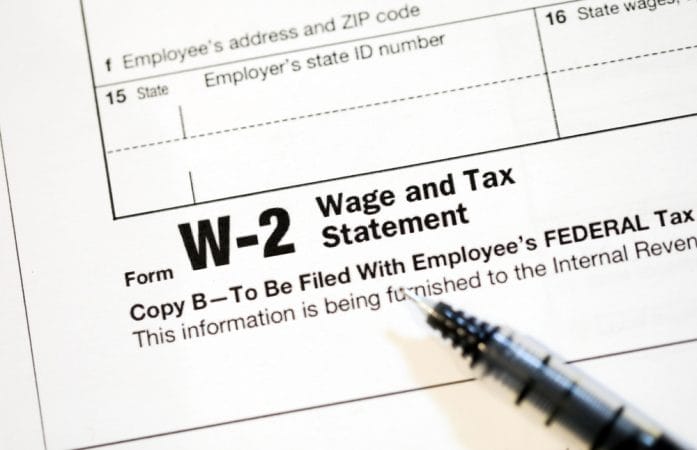
Every dollar earned matters in the eyes of the IRS, whether it comes from a full-time job, freelance gig, or side hustle. Failing to report income—even accidentally—can trigger penalties and sometimes audits. Employers and clients send forms like W-2s and 1099s directly to the IRS, so mismatches between reported income and official records raise immediate red flags.

Penalty Traps: Everyday Actions That Trigger IRS Fines
Image Source: Shutterstock.com

Small gigs often slip through the cracks. Selling items online, doing occasional freelance work, or earning interest from investments might not feel significant, but those amounts still count as taxable income. Ignoring them creates discrepancies that the IRS can easily spot through automated systems that compare reported data.

Digital payment platforms have made tracking easier—and stricter. Services that process payments may issue 1099-K forms once transactions hit certain thresholds. That means side hustles and casual sales now generate official records that demand accurate reporting. Overlooking those forms can lead to penalties that feel completely unexpected.

Staying organized solves most of these issues. Keeping a running record of all income sources, no matter how small, ensures nothing gets missed during tax preparation. Using accounting apps or simple spreadsheets helps track earnings throughout the year instead of scrambling at the last minute.

Double-checking forms before filing prevents mismatches. Comparing personal records with official documents ensures accuracy and reduces the chance of triggering IRS attention. Accuracy here doesn’t just avoid penalties—it builds confidence that everything lines up exactly as it should.

Ignoring Notices Only Makes Things Worse

An IRS notice rarely arrives without a reason, and ignoring it never makes the issue disappear. These letters often address discrepancies, missing payments, or requests for additional information. Letting them sit unopened or unanswered allows penalties and interest to grow while the problem quietly escalates.

Each notice includes a deadline, and that deadline matters just as much as a filing date. Missing it can lead to additional penalties or even enforcement actions. The IRS operates on timelines that move forward regardless of whether anyone responds. That means silence often translates into agreement from the IRS’s perspective.

Many notices involve simple fixes. A missing form, a math error, or a clarification request might only require a quick response. Addressing these issues promptly prevents escalation and keeps penalties from piling up. Waiting too long can turn a minor issue into a larger financial headache. Responding doesn’t require panic. Reading the notice carefully, gathering requested documents, and replying within the given timeframe resolves most situations efficiently. Seeking help from a tax professional can also provide clarity and ensure responses meet IRS expectations.

Staying proactive changes the entire experience. Keeping contact information updated ensures notices arrive promptly. Checking mail regularly during tax season prevents delays in response. Handling issues quickly keeps penalties small and manageable instead of letting them grow into something overwhelming.

Saving Your Wallet and a Headache

Tax penalties don’t wait for major mistakes—they show up when everyday habits slip just slightly off track. Filing late, underpaying taxes, missing income, or ignoring notices all create opportunities for fines to grow quietly in the background. Each of these traps shares one thing in common: they thrive on inattention, not intention.

Which of these penalty traps feels the easiest to fall into, and what strategies have worked to stay ahead of them? Share thoughts, ideas, or personal experiences in the comments—there’s always something new to learn from each other.

You May Also Like…

IRS Refund Delays Surge: Incorrect Bank Info Is Triggering Weeks-Long Payment Holds

Retirement Accounts Are Triggering Unexpected Taxes — What Some Investors Overlook

5 Reasons To Talk To Your Kids About Taxes

Income Threshold: 4 Hidden Taxes That Hit Once You Cross Certain Limits

9 Georgia Counties Where Property Taxes Are Set to Rise the Fastest

Brandon Marcus
Brandon Marcus

Brandon Marcus is a writer who has been sharing the written word since a very young age. His interests include sports, history, pop culture, and so much more. When he isn’t writing, he spends his time jogging, drinking coffee, or attempting to read a long book he may never complete.

Filed Under: tax tips Tagged With: audit triggers, financial mistakes, IRS fines, IRS penalties, late filing, money management, Personal Finance, tax advice, Tax Deductions, tax filing tips, tax mistakes, underpayment penalty

How Seniors Jeopardize Their Social Security Right After Retirement

April 7, 2026 by Brandon Marcus Leave a Comment

How Seniors Jeopardize Their Social Security Right After Retirement
Image Source: Shutterstock.com

Retirement should feel like stepping into a long-awaited victory lap, not a financial obstacle course filled with hidden traps. Yet far too many people cross that finish line only to stumble almost immediately, watching their Social Security benefits shrink, stall, or stretch thinner than expected. The system itself doesn’t hide the rules, but it doesn’t exactly shout them from the rooftops either, and that silence creates room for costly missteps that can follow someone for decades.

Timing, strategy, and a bit of planning separate a comfortable retirement from one filled with constant recalculations and stress. Social Security stands as a cornerstone of retirement income for millions, but it doesn’t operate like a simple monthly paycheck. It demands attention, awareness, and smart decision-making right from the start.

Claiming Too Early Feels Tempting—But It Cuts Deep

The moment someone becomes eligible for Social Security at age 62, the idea of claiming benefits can feel irresistible. After decades of working, that monthly check seems like a well-earned reward, and many jump in without hesitation. However, claiming early locks in a reduced benefit for life, and that reduction can reach as much as 30 percent compared to waiting until full retirement age. That percentage doesn’t bounce back later, no matter how long someone lives or how much they regret the decision. The system rewards patience in a big way, yet that reward often gets overlooked in the rush to start collecting.

Waiting until full retirement age—or even delaying until age 70—can significantly boost monthly payments. Each year of delay beyond full retirement age increases benefits through delayed retirement credits, creating a stronger financial cushion later in life. This matters even more as life expectancy continues to rise, making those higher payments incredibly valuable in the later years of retirement. People who claim early often underestimate how long they will live, which turns that early decision into a long-term financial squeeze.

A smarter approach involves stepping back and looking at the bigger picture. Consider health, savings, and other income sources before making a claim. If possible, bridge the gap with personal savings or part-time work instead of rushing into early benefits. That patience can translate into thousands of extra dollars every year down the road, and that kind of boost can completely change the retirement experience.

How Seniors Jeopardize Their Social Security Right After Retirement
Image Source: Shutterstock.com

Working While Collecting Can Backfire Fast

Many retirees don’t fully step away from work, and that choice can bring both financial and personal benefits. Staying active, earning extra income, and maintaining a routine all sound like wins. However, Social Security imposes strict earnings limits for those who claim benefits before reaching full retirement age. If income exceeds those limits, the government temporarily withholds part of the Social Security benefits, creating confusion and frustration for many.

The rules don’t mean that money disappears forever, but they do complicate cash flow in the short term. For every dollar earned above the annual limit, Social Security withholds a portion of benefits, which can feel like a penalty even though adjustments occur later. Many retirees don’t expect that reduction, and it can throw off carefully planned budgets. The misunderstanding often leads people to believe they made a mistake simply by continuing to work.

A better strategy involves planning income carefully before claiming benefits. If someone intends to keep working, waiting until full retirement age removes those earnings limits entirely. That timing allows retirees to earn freely without triggering benefit reductions. Mapping out income streams ahead of time keeps surprises to a minimum and ensures that work enhances retirement instead of complicating it.

Taxes Don’t Disappear in Retirement

Retirement doesn’t mean saying goodbye to taxes, and Social Security benefits don’t always arrive tax-free. Many retirees assume those monthly payments land untouched, but federal taxes can apply depending on total income. When combined income—which includes adjusted gross income, nontaxable interest, and half of Social Security benefits—crosses certain thresholds, up to 85 percent of benefits can become taxable. That reality catches many off guard.

The situation becomes even trickier when retirees withdraw money from retirement accounts like 401(k)s or IRAs. Those withdrawals count as income and can push Social Security benefits into taxable territory. Without careful planning, retirees can accidentally increase their tax burden just by accessing their own savings. That chain reaction often leads to smaller net income than expected, even when total withdrawals look reasonable on paper.

Managing taxes in retirement requires a proactive mindset. Spreading out withdrawals, considering Roth accounts, and working with a tax professional can help reduce the impact. Strategic planning allows retirees to keep more of their Social Security income instead of handing a larger portion over in taxes. A little foresight here can preserve thousands of dollars over the course of retirement.

Ignoring Spousal and Survivor Benefits Leaves Money on the Table

Social Security doesn’t operate as a one-size-fits-all system, especially for married couples. Spousal and survivor benefits offer powerful opportunities to maximize household income, yet many retirees overlook them completely. A spouse can claim benefits based on their partner’s work record, which can provide a higher payment than their own benefit. That option becomes especially valuable when one spouse earned significantly more during their career.

Survivor benefits add another layer of importance. When one spouse passes away, the surviving partner can receive the higher of the two benefits. That means the timing of when each spouse claims Social Security can directly affect long-term financial security for the survivor. Couples who fail to coordinate their claiming strategies often miss out on larger lifetime benefits.

Planning together creates a stronger outcome. Couples should evaluate different claiming scenarios, considering age differences, health, and income needs. Delaying the higher earner’s benefit can significantly boost survivor income later. Taking the time to align strategies ensures that both partners get the most out of the system, rather than leaving valuable benefits unused.

Forgetting About Inflation Slowly Erodes Buying Power

Social Security includes cost-of-living adjustments, but those increases don’t always keep pace with real-world expenses. Healthcare costs, housing, and everyday essentials can rise faster than those annual adjustments, gradually eating away at purchasing power. Retirees who rely heavily on Social Security may find that their monthly check covers less and less over time, even though the dollar amount increases slightly each year.

That slow erosion often goes unnoticed at first, but it builds over time. What feels manageable in the early years of retirement can become tight a decade later. Without additional income sources or savings, retirees may struggle to maintain their lifestyle. Inflation doesn’t announce itself loudly, but it steadily reshapes financial reality.

Building a buffer against inflation requires planning beyond Social Security. Investments, savings, and other income streams can help offset rising costs. Even small adjustments, like maintaining a diversified portfolio or delaying benefits for higher payments, can make a meaningful difference. Thinking ahead keeps retirement flexible and resilient, even as prices continue to climb.

Turning Awareness Into Action

Smart retirement decisions don’t demand perfection, but they do require attention and intention. Social Security offers incredible value, yet it rewards those who take the time to understand its rules and plan accordingly. Avoiding early claims, managing income, planning for taxes, and coordinating benefits can transform retirement from a guessing game into a confident, well-structured phase of life. Those choices shape not just monthly income, but long-term peace of mind.

What strategies have made the biggest difference in retirement planning, or what concerns still feel unclear? Let’s hear your thoughts, experiences, or questions in the comments.

You May Also Like…

Why Your Social Security Payment Was Delayed: Common Oversights and Fast Fixes

Why Every Newly Married Woman Should Update Her Social Security Record Right Away

5 Tax Mistakes Retirees Make & How To Fix Them Before It”s Too Late

10 Retirement States That No Longer Cater to Retirees

7 Hidden Costs That Are Eating Away at Retirement Income

Brandon Marcus
Brandon Marcus

Brandon Marcus is a writer who has been sharing the written word since a very young age. His interests include sports, history, pop culture, and so much more. When he isn’t writing, he spends his time jogging, drinking coffee, or attempting to read a long book he may never complete.

Filed Under: social security Tagged With: aging, benefits strategy, budgeting, Financial Tips, income planning, Medicare, retirement mistakes, retirement planning, savings strategy, senior finances, Social Security, taxes in retirement

Medicare Mishaps: Costly Enrollment Errors Most People Don’t See Coming

April 6, 2026 by Brandon Marcus Leave a Comment

Medicare Mishaps: Costly Enrollment Errors Most People Don't See Coming
Image Source: Shutterstock.com

The clock does not tick quietly when it comes to Medicare. It practically shouts, flashing deadlines and fine print that can cost thousands if ignored. One wrong move during enrollment can lock in penalties that stick around for years, quietly draining retirement savings without warning. That sounds dramatic, but it reflects the reality of a system packed with timelines, rules, and exceptions that rarely announce themselves clearly. This is not just paperwork; it is a financial decision that can ripple through decades.

Excitement might not be the first emotion tied to Medicare, but it should at least command attention. The choices made during enrollment shape access to doctors, prescription costs, and monthly budgets in ways that feel immediate and long-lasting. Too many people assume everything will fall into place automatically, only to discover later that Medicare expects careful timing and active decisions. A little awareness now can prevent major headaches later, and yes, it can even save serious money. .

The Enrollment Window That Waits for No One

Medicare runs on a strict timeline, and it refuses to bend for latecomers. The Initial Enrollment Period opens for seven months around a person’s 65th birthday, including the three months before, the birthday month, and the three months after. That window feels generous at first glance, but it closes quickly, especially for anyone juggling work, family, or other life transitions. Missing that window does not just mean a delay; it often triggers permanent penalties that quietly add up over time.

The Part B late enrollment penalty increases monthly premiums by 10 percent for every full 12-month period someone delays enrollment without qualifying coverage. That penalty does not fade away after a year or two; it sticks for as long as Part B coverage continues. The system assumes individuals will act on time, and it rarely offers second chances without financial consequences. Waiting for a reminder in the mail or assuming automatic enrollment can create a costly misstep. Staying ahead of that timeline with a calendar alert or a checklist can prevent a mistake that feels small at first but grows into a long-term burden.

“I’m Still Working, So I’m Covered”… Not Always

Employer coverage feels like a safety net, but it does not always align perfectly with Medicare rules. Many people assume they can delay Medicare because they still work or receive insurance through a spouse’s job, but the size of the employer matters. If the employer has fewer than 20 employees, Medicare often becomes the primary payer, and failing to enroll in Part B can lead to denied claims and unexpected bills. That kind of surprise can hit hard, especially after years of assuming everything stayed covered.

Even with larger employers, coordination rules can create confusion. Some plans require Medicare enrollment to maintain full coverage, while others allow delays without penalties. The details hide in plan documents that rarely get a full read, and that is where mistakes begin. Checking directly with the employer’s benefits administrator or a licensed Medicare advisor can clear up the confusion before it turns into a financial mess. Taking a proactive approach here beats dealing with denied coverage later, especially when medical bills do not wait for paperwork corrections.

The Prescription Drug Gap That Sneaks Up Fast

Prescription coverage under Medicare, known as Part D, comes with its own set of rules and timelines. Skipping enrollment because medications seem unnecessary at the moment might feel like a smart way to save money, but that decision can backfire quickly. Medicare expects continuous “creditable” drug coverage, meaning coverage at least as good as Part D. Without it, a late enrollment penalty applies, and that penalty increases for every month without coverage.

That penalty does not disappear once someone finally enrolls; it sticks around and increases premiums indefinitely. The system essentially rewards consistency and punishes gaps, even if those gaps made sense at the time. A person might feel healthy at 65, but health needs can change rapidly, and enrolling late can make prescriptions far more expensive than expected. Reviewing current coverage and confirming whether it meets Medicare’s standards can prevent this hidden cost. A simple phone call or plan comparison can make a huge difference.

Free Isn’t Always Free: The Part A Assumption Trap

Many people hear that Medicare Part A comes with no premium and assume that means automatic enrollment and no decisions required. That assumption causes trouble, especially for those who continue contributing to a Health Savings Account. Enrolling in Part A makes someone ineligible to keep contributing to an HSA, and contributions made after enrollment can trigger tax penalties. That detail rarely appears in bold print, yet it can create a complicated tax situation.

Delaying Part A might make sense for those still working and contributing to an HSA, but that decision requires careful timing. Medicare allows retroactive Part A coverage for up to six months when someone finally enrolls, which can complicate HSA contributions even further. Planning ahead and stopping HSA contributions in time can prevent a tax headache that no one wants to deal with later. It might sound like a technical detail, but it carries real financial consequences that deserve attention.

Medicare Mishaps: Costly Enrollment Errors Most People Don't See Coming
Image Source: Shutterstock.com

Choosing the Wrong Plan… and Getting Stuck With It

Medicare does not offer a one-size-fits-all experience, and that flexibility creates both opportunity and risk. Original Medicare, Medicare Advantage, and supplemental plans each come with different costs, provider networks, and coverage rules. Picking a plan based on a quick glance or a catchy advertisement can lead to frustration when coverage does not match actual healthcare needs. The wrong choice can limit doctor options or increase out-of-pocket costs in ways that only become clear after the fact.

Switching plans does not always offer an easy fix. While Medicare provides an Annual Enrollment Period, some changes come with restrictions, and certain supplemental plans may require medical underwriting outside specific windows. That means a rushed decision today can limit options tomorrow. Taking time to compare plans based on prescriptions, preferred doctors, and expected healthcare needs can make a huge difference. Using Medicare’s official plan finder tool or consulting a licensed advisor can turn a confusing process into a more confident decision.

The Paperwork Problem That Causes Big Delays

Paperwork might not feel like the most exciting part of Medicare, but it plays a critical role in avoiding delays and coverage gaps. Missing forms, incorrect dates, or incomplete employer verification can slow down enrollment and push coverage start dates further out than expected. That delay can leave someone temporarily uninsured or responsible for unexpected medical bills. It sounds simple, but even small errors can create frustrating setbacks.

Keeping organized records can prevent these issues from spiraling. Copies of employment history, proof of coverage, and enrollment confirmations can make the process smoother and faster. Submitting forms early and double-checking details before sending them can eliminate unnecessary stress. Medicare does not always move quickly when fixing errors, so accuracy on the first attempt matters more than most people expect. A little extra attention here can save weeks of waiting and a lot of unnecessary worry.

Playing Medicare Smart From the Start

Medicare does not reward guesswork, and it certainly does not forgive missed deadlines easily. Staying informed, asking questions, and planning ahead can transform a confusing process into a manageable one. Every decision, from enrollment timing to plan selection, carries weight, and treating those choices seriously can prevent long-term financial strain. The good news is that most of these costly mistakes remain completely avoidable with a bit of preparation and awareness.

What strategies have worked, or what surprises have popped up along the way? Share thoughts, experiences, or hard-earned lessons in the comments and keep the conversation going.

You May Also Like…

How to Enroll in Medicare Without Getting Hit With the IRMAA “Stealth Tax”

Social Security 2026 COLA: Why Your 2.8% Raise Disappeared After Medicare Deductions

The Hidden Medicare Rule Turning 3-Day Hospital Stays Into $10,000–$15,000 Surprise Bills

6 Income Thresholds That Can Trigger Higher Medicare Premiums

More Retirees Are Seeing Higher Medicare Costs—And It’s Tied to Income From Years Ago

Brandon Marcus
Brandon Marcus

Brandon Marcus is a writer who has been sharing the written word since a very young age. His interests include sports, history, pop culture, and so much more. When he isn’t writing, he spends his time jogging, drinking coffee, or attempting to read a long book he may never complete.

Filed Under: Lifestyle Tagged With: health insurance tips, healthcare costs, Medicare, Medicare enrollment, Medicare mistakes, Medicare Part A, Medicare Part B, Medicare penalties, Planning, retirement planning, seniors, Social Security

6 Hidden Triggers That Freeze Your Tax Refund – and How To Get it Released

April 6, 2026 by Brandon Marcus Leave a Comment

6 Hidden Triggers That Freeze Your Tax Refund - and How To Get it Released
Image Source: Shutterstock.com

Nothing tests patience quite like a tax refund that simply refuses to show up. One minute, everything looks filed and finished, and the next minute, the refund tracker stalls out like a car stuck in mud. That silence from the system starts to feel suspicious fast, especially when plans already formed around that incoming money. Rent, travel, savings goals, or even a small splurge suddenly hang in limbo, all because something triggered a stop behind the scenes.

That delay rarely happens without a reason, though, and it almost always ties back to specific flags that demand attention. The system doesn’t just “forget” refunds—it pauses them when something doesn’t line up, raises questions, or needs verification.

1. The Identity Check That Stops Everything Cold

Identity verification sits at the top of the list for a reason, and it can bring everything to a complete halt. When the system detects anything unusual—like a new address, different filing patterns, or suspicious activity—it locks the refund until identity confirmation happens. This step protects against fraud, but it also slows down legitimate filings that simply look different from previous years. A small change can trigger a big pause, especially if the system sees a mismatch in personal details.

That pause usually comes with a notice asking for verification through an online portal or by mail. Ignoring that notice guarantees a longer delay, while quick action can get things moving again. The fastest solution involves using the official identity verification tools and responding immediately when the request appears. Keeping documents like prior tax returns, Social Security details, and financial records within reach makes the process smoother. Double-checking personal information before filing reduces the chance of triggering this issue in the first place. Staying consistent with names, addresses, and filing status helps the system recognize the return as legitimate without hesitation.

The smartest move involves checking refund status regularly and watching for any verification requests. Acting quickly transforms a frustrating delay into a manageable step, while waiting too long stretches that timeline unnecessarily.

2. Math Errors That Raise Red Flags Instantly

Numbers matter more than ever when it comes to tax returns, and even small mistakes can trigger a freeze. A simple miscalculation—whether it involves income totals, credits, or deductions—forces the system to stop and review the return. Automated systems catch many of these issues quickly, but they still require correction before any refund gets released. That pause can feel especially frustrating when the error seems minor.

Tax software usually reduces this risk, but manual entries still create room for mistakes. Entering numbers incorrectly, skipping steps, or misunderstanding credit eligibility can all cause discrepancies. The system doesn’t just adjust the refund quietly—it often flags the return for further review. That review can add weeks or even months to the process, depending on the complexity of the issue.

A careful review before submission can prevent this problem entirely. Going line by line and confirming totals ensures accuracy from the start. Using reliable tax software or consulting a professional can also catch errors before they trigger a delay. If a mistake slips through, filing an amended return quickly can help resolve the issue faster. Accuracy upfront always beats corrections later, especially when time matters.

3. Missing or Mismatched Income Reports

Income reporting creates one of the most common causes of refund delays, and it often surprises people. Employers, banks, and other institutions send income forms directly to tax authorities, and those numbers must match exactly with what appears on the return. If even one form goes missing or includes incorrect figures, the system flags the return immediately.

This mismatch can happen for several reasons. A forgotten freelance job, a late-arriving form, or even a typo in reported income can throw everything off. The system doesn’t assume an innocent mistake—it assumes something needs verification. That triggers a review process that stops the refund until everything lines up perfectly.

The best strategy involves gathering every income document before filing, even the small ones that feel easy to overlook. Double-checking figures against official forms ensures consistency across the board. If a mismatch already caused a delay, correcting the return and providing documentation can speed things up. Staying organized during tax season reduces stress and keeps the refund process moving smoothly. Every number matters, and accuracy keeps the system satisfied.

4. Credits That Trigger Extra Scrutiny

Certain tax credits come with extra attention, especially those tied to larger refunds. Credits like the Earned Income Tax Credit or Child Tax Credit often require additional review because they involve specific eligibility rules. The system checks these claims carefully to prevent fraud, which means longer processing times for anyone claiming them.

That extra scrutiny doesn’t mean something went wrong—it simply means the system needs to confirm eligibility. Still, incomplete or incorrect information can stretch that review even further. Missing documentation, incorrect income levels, or inconsistencies in dependent information can all cause delays.

Filing accurately with complete details helps avoid unnecessary complications. Keeping records that support credit claims makes it easier to respond if verification becomes necessary. Submitting returns early can also help, since peak tax season often slows down processing times for these credits. Patience plays a role here, but preparation makes a huge difference. Claiming valuable credits should feel rewarding, not stressful, and the right approach keeps things on track.

5. Bank Account Issues That Block the Deposit

A refund can get approved and still fail to arrive if banking details don’t check out. Incorrect account numbers, closed accounts, or mismatched names can stop the deposit in its tracks. When that happens, the system reroutes the refund, often converting it into a paper check, which takes significantly longer to arrive.

This issue catches many people off guard because everything else on the return may look perfect. A single digit error in a routing number can derail the entire process. Even using an account that no longer exists can create delays that stretch for weeks.

Careful entry of banking information prevents this problem before it starts. Double-checking numbers and confirming account status ensures a smooth deposit process. Choosing direct deposit into a stable, active account speeds things up significantly. If an issue already occurred, monitoring mail delivery and updating information promptly can help recover the situation faster. Small details matter, especially when money moves electronically.

6. Filing Too Early—or Too Late—Creates Unexpected Trouble

Timing plays a bigger role than most people expect, and filing at the wrong moment can create delays. Submitting a return too early, before all documents arrive, increases the risk of missing or incorrect information. On the other hand, filing very late can place the return into a backlog, especially during peak processing periods.

Early filers often rush to beat the crowd, but incomplete data can trigger reviews that slow everything down. Late filers face a different challenge, as high volumes can overwhelm processing systems and extend timelines. Both scenarios lead to the same frustrating outcome: a frozen refund.

Finding the right timing requires a bit of patience and preparation. Waiting until all forms arrive ensures accuracy, while filing before the final rush can help avoid processing delays. Planning ahead makes a noticeable difference in how quickly refunds arrive. Smart timing keeps the process smooth and predictable instead of chaotic and uncertain.

6 Hidden Triggers That Freeze Your Tax Refund - and How To Get it Released
Image Source: Shutterstock.com

Unlock the Refund and Take Back Control

A frozen tax refund doesn’t happen by accident, and it doesn’t have to stay frozen forever. Each delay connects to a specific trigger, and every trigger comes with a clear solution once it gets identified. Whether it involves verifying identity, correcting errors, or confirming income details, action always beats waiting. The system responds to accuracy, consistency, and quick follow-up, and those factors put control back where it belongs.

So here’s the real question—what’s the one step that could make next tax season smoother and faster? Drop your thoughts, strategies, or even refund horror stories in the comments and get the conversation going.

You May Also Like…

Property Taxes Are Catching Homeowners Off Guard — Especially After Buying or Renovating

Direct Deposit Refunds Are Being Returned by Banks When Names Don’t Match the Account

IRS Refund Delays Surge: Incorrect Bank Info Is Triggering Weeks-Long Payment Holds

Refunds Are Being Delayed Over New IRS Identity Flags — Why More Returns Are Getting Pulled

Why Do Families Rely Too Much on Tax Refunds

Brandon Marcus
Brandon Marcus

Brandon Marcus is a writer who has been sharing the written word since a very young age. His interests include sports, history, pop culture, and so much more. When he isn’t writing, he spends his time jogging, drinking coffee, or attempting to read a long book he may never complete.
Filed Under: tax tips Tagged With: filing taxes, Financial Tips, IRS delays, IRS review, money advice, refund hold, refund status, tax errors, tax filing mistakes, tax refund, tax season, tax tips

Why Your Social Security Payment Was Delayed: Common Oversights and Fast Fixes

April 6, 2026 by Brandon Marcus Leave a Comment

Why Your Social Security Payment Was Delayed: Common Oversights and Fast Fixes
Image Source: Shutterstock.com

Getting paid on time should feel like the one thing that never goes wrong. Yet when a Social Security payment doesn’t show up, everything suddenly feels off balance, and frustration kicks in fast. Bills don’t pause, groceries don’t wait, and that missing deposit can spark a spiral of worry that no one wants to deal with. The truth sits somewhere between bureaucracy and small human error, and once that reality clicks into place, the situation becomes far less mysterious—and far more fixable.

Social Security delays don’t happen randomly, and they rarely come out of nowhere. Something triggers them, whether it’s a paperwork hiccup, a banking mismatch, or a system flag that demands attention. That might sound intimidating at first, but it actually works in your favor because every delay comes with a reason, and every reason comes with a solution.

The Paperwork Trap That Trips People Up

A surprising number of delayed payments trace back to something simple: paperwork that didn’t line up perfectly. Social Security runs on precise data, so even a small mismatch between names, addresses, or account details can cause the system to hit pause. That pause doesn’t come with much warning, which explains why it feels so sudden. Many people update their address, switch banks, or change marital status and assume everything syncs automatically, but that assumption often creates the problem. The system needs confirmation, and until it gets it, payments can stall.

Timing also plays a big role here, and it often goes overlooked. Submitting a change right before a scheduled payment date can interrupt processing because the system needs time to verify and update the new information. That doesn’t mean the payment disappears forever, but it does mean it might arrive later than expected. Staying ahead of updates makes a huge difference, especially when life changes happen quickly.

A quick fix starts with checking the details already on file. Logging into a Social Security account and reviewing personal information can reveal mismatches instantly. If anything looks outdated or incorrect, updating it right away puts things back in motion. Keeping documentation handy, like identification or proof of address, speeds up the process even more and reduces back-and-forth delays.

Banking Glitches That Slow Everything Down

Direct deposit usually feels like the most reliable option, but it can also become the source of a delay when something changes behind the scenes. Banks update systems, accounts close, and routing numbers shift, and those changes don’t always communicate smoothly with Social Security. When that happens, the payment doesn’t land where it should, and the system holds it instead of sending it into the void. That safety measure protects funds, but it also creates a delay that can catch people off guard.

Switching banks stands out as one of the most common triggers for this issue. Many people assume updating their bank account online completes the process instantly, but verification still needs to happen. During that window, payments may pause briefly while everything gets confirmed. That delay feels frustrating, especially when the change seemed straightforward at the time.

A smart move involves double-checking bank details before and after making any updates. Confirming the routing number, account number, and account type can prevent small mistakes from turning into bigger problems. Calling the bank directly can also help confirm that everything matches on their end. Taking those extra steps might feel tedious, but they often make the difference between a smooth deposit and a delayed one.

Identity Checks That Put Payments on Hold

Security measures exist for a reason, and Social Security takes identity verification seriously. When the system detects something unusual, like a change in login behavior or a flagged account detail, it may temporarily hold payments until everything checks out. That might feel inconvenient, but it protects benefits from fraud and unauthorized access. Still, it can create confusion when it happens without clear communication.

These checks often occur after updates to personal information or account access. Logging in from a new device, changing a password, or updating sensitive details can trigger a review. The system wants to make sure the right person made those changes, and until it confirms that, payments may stay on hold. That process doesn’t take forever, but it does require action to move forward.

The fastest way to resolve this issue involves completing any requested verification steps as soon as possible. That might include answering security questions, uploading identification, or confirming details through an official channel. Ignoring those prompts only extends the delay, so staying proactive keeps things moving. Keeping account information secure and consistent can also reduce the chances of triggering these checks in the future.

Benefit Status Changes That Cause Confusion

Not every delay comes from an error; sometimes it comes from a change in benefit status. Social Security reviews eligibility regularly, especially for disability benefits and Supplemental Security Income. Those reviews can temporarily interrupt payments while the system reassesses eligibility. That doesn’t mean benefits stop permanently, but it does mean there may be a gap while everything gets sorted out.

Life changes can also influence benefit status in ways that aren’t always obvious. Returning to work, earning additional income, or changes in living arrangements can all affect payments. Even small shifts can trigger a review, and that review can lead to a delay while the system processes the new information. Staying informed about how these changes impact benefits can prevent surprises.

Keeping records organized and up to date makes a big difference here. Reporting changes promptly and accurately helps avoid unnecessary delays. If a review does happen, responding quickly to any requests for information can speed up the process. Understanding how benefits work in different situations turns a confusing delay into something much easier to navigate.

Missed Notices That Lead to Bigger Problems

Social Security doesn’t operate in silence, even though it can feel that way sometimes. When something needs attention, the agency usually sends a notice by mail or through an online account. Missing those notices creates a ripple effect, because the system often waits for a response before moving forward. That waiting period can turn a small issue into a bigger delay.

Mail doesn’t always arrive when expected, and online notifications can get overlooked easily. That combination creates the perfect storm for missed communication. Once that happens, payments may pause until the required action gets completed. That pause can feel confusing, especially if the notice never got noticed in the first place.

Staying on top of communication helps avoid this entirely. Checking an online Social Security account regularly ensures nothing slips through the cracks. Updating contact information also ensures notices reach the right place. Taking a few minutes to review messages can prevent days or even weeks of unnecessary delay.

Why Your Social Security Payment Was Delayed: Common Oversights and Fast Fixes
Image Source: Shutterstock.com

Stay Ahead, Stay Ready

Delays feel stressful, but they rarely stay permanent when the right steps come into play. Most issues come down to information, timing, or verification, and each one has a clear path forward once identified. Taking a proactive approach, like reviewing account details regularly and responding quickly to requests, can keep payments running smoothly. Small habits create big stability when it comes to something this important.

What steps have helped keep payments on track, or what challenges have popped up along the way? Share thoughts, strategies, or experiences in the comments and keep the conversation going.

You May Also Like…

Why Every Newly Married Woman Should Update Her Social Security Record Right Away

Social Security Checks Are Getting Smaller for Some Retirees — And It’s Not a Benefit Cut

8 Mistakes That Can Trigger a Social Security Overpayment Notice

The Harsh Truth About Delaying Social Security: You Might Never See the Money

Why More Seniors Are Getting Surprise Social Security Overpayment Notices

Brandon Marcus
Brandon Marcus

Brandon Marcus is a writer who has been sharing the written word since a very young age. His interests include sports, history, pop culture, and so much more. When he isn’t writing, he spends his time jogging, drinking coffee, or attempting to read a long book he may never complete.

Filed Under: social security Tagged With: benefits issues, delayed payments, direct deposit problems, disability benefits, Financial Tips, government payments, identity verification, payment delays, retirement income, Social Security, SSA, SSI

5 Tax Mistakes Retirees Make – and How To Fix Them Before It’s Too Late

April 6, 2026 by Brandon Marcus Leave a Comment

5 Tax Mistakes Retirees Make - and How To Fix Them Before It's Too Late
Image Source: Shutterstock.com

Retirement should feel like freedom, not a puzzle filled with tax traps waiting to drain hard-earned savings. Yet many people step into this phase thinking the hardest financial work already sits behind them, only to discover that taxes never really retire. They just change shape, and sometimes they hit harder than expected. Every decision, from when to withdraw money to how investments get structured, carries consequences that ripple through monthly income and long-term security. Ignoring those details can quietly chip away at a lifetime of careful planning.

The good news brings a lot more energy than the bad. A handful of smart adjustments can flip the script completely, turning tax confusion into a powerful advantage. With the right moves, retirees can stretch their savings, protect income, and even create more breathing room for travel, hobbies, and everything that makes retirement worth celebrating. These five common mistakes show up again and again, but each one comes with a fix that puts control back where it belongs.

1. The “I’ll Just Take Money When I Need It” Trap

Plenty of retirees treat their accounts like a simple piggy bank, dipping in whenever expenses pop up without thinking about timing or tax impact. That approach feels easy, but it often leads straight to higher tax bills because withdrawals from traditional retirement accounts count as taxable income. Pull too much in one year, and that income can push someone into a higher tax bracket faster than expected. That jump doesn’t just affect the withdrawal itself, but also other income streams that suddenly face higher rates.

A smarter strategy involves planning withdrawals across multiple years instead of reacting in the moment. Spreading distributions out can help keep income within a lower tax bracket, which keeps more money in your pocket instead of sending it to the IRS. Some retirees also mix withdrawals from taxable accounts, Roth accounts, and traditional IRAs to balance the tax impact. This kind of coordination creates flexibility and reduces surprises when tax season rolls around.

It also pays to think ahead instead of waiting until money runs low. Mapping out a withdrawal plan for five or even ten years helps smooth out income and avoids those sudden spikes that trigger unnecessary taxes. Financial planners often call this “tax-efficient withdrawal sequencing,” but the concept stays simple: control when and how income shows up. That control can mean the difference between steady financial comfort and watching taxes eat into savings year after year.

2. Ignoring Required Minimum Distributions Until It’s Too Late

Required Minimum Distributions, or RMDs, don’t ask politely. They come with firm deadlines and steep penalties for mistakes, and skipping them or miscalculating the amount can cost a significant chunk of money. Once retirees reach the required age, the government expects a minimum withdrawal from certain retirement accounts every year. Missing that requirement used to trigger a massive penalty, and while rules have softened slightly, the consequences still sting enough to demand attention.

Some retirees delay thinking about RMDs because they don’t need the income yet, which creates a problem when the first withdrawal hits. A large RMD can push total income higher, increasing taxes not only on that distribution but also on other income streams. That ripple effect often surprises people who assumed their tax burden would shrink in retirement.

Planning ahead offers a much smoother path. Taking smaller withdrawals before RMD age can reduce the size of future required distributions and spread taxes over time. Another smart move involves converting some traditional IRA funds into a Roth IRA before RMDs begin, which shifts future withdrawals into a tax-free category. These strategies require a bit of foresight, but they prevent that unpleasant moment when a mandatory withdrawal disrupts an otherwise stable financial picture.

3. Forgetting That Social Security Isn’t Always Tax-Free

Social Security often feels like a safety net, but it doesn’t always come tax-free. Many retirees assume those benefits land untouched, only to discover that combined income determines whether a portion becomes taxable. Add in withdrawals from retirement accounts, investment income, or even part-time work, and suddenly up to 85 percent of Social Security benefits could face taxes.

This surprise usually hits when retirees start pulling money from multiple sources without coordinating how it affects total income. That lack of coordination creates a domino effect where one decision triggers another, pushing income above thresholds that increase tax liability. It can feel frustrating, especially after years of careful saving.

A better approach involves managing income levels strategically to stay below key thresholds whenever possible. That might mean delaying Social Security benefits while drawing from other accounts first, or adjusting withdrawals to keep combined income in check. Timing plays a huge role here, and even small adjustments can reduce how much of those benefits get taxed. The goal centers on balance, making sure income flows steadily without accidentally triggering unnecessary tax bills.

5 Tax Mistakes Retirees Make - and How To Fix Them Before It's Too Late
Image Source: Shutterstock.com

4. Overlooking the Power of Roth Conversions

Roth conversions often sit on the table as an option, but many retirees ignore them because they involve paying taxes upfront. That hesitation makes sense at first glance, but skipping conversions can lead to higher taxes later when withdrawals from traditional accounts become unavoidable. Paying some tax now at a lower rate can save a significant amount down the road, especially before RMDs kick in.

Retirees who stay in a relatively low tax bracket early in retirement have a golden opportunity. Converting portions of a traditional IRA into a Roth IRA during those years locks in today’s tax rate and creates a pool of tax-free income for the future. That flexibility becomes incredibly valuable when managing income later, especially when trying to avoid pushing into higher brackets.

Of course, timing and amount matter. Converting too much in a single year can backfire by increasing taxable income more than intended. A steady, measured approach works best, converting just enough each year to stay within a desired tax bracket. This strategy takes a bit of planning, but it offers long-term benefits that go far beyond the initial tax bill.

5. Thinking Investments Don’t Matter for Taxes Anymore

Some retirees believe tax planning ends once paychecks stop, but investments continue to play a major role in shaping tax outcomes. Selling assets, collecting dividends, or realizing capital gains all contribute to taxable income, and those elements can shift a tax situation quickly. Ignoring that reality can lead to unexpected bills that disrupt a carefully planned budget.

Different investments receive different tax treatment, and that opens the door for smarter decision-making. Holding tax-efficient investments in taxable accounts while keeping higher-turnover assets inside tax-advantaged accounts can reduce overall tax exposure. Even the timing of selling investments can make a difference, especially when it comes to capital gains.

Retirees who stay proactive with investment decisions often find more control over their tax situation. Harvesting losses to offset gains, choosing funds with lower turnover, and paying attention to distribution schedules all contribute to a more efficient plan. Every move adds up, and the cumulative effect can protect a significant portion of retirement income over time.

Keep More, Stress Less: The Retirement Tax Game Plan That Actually Works

Retirement doesn’t reward autopilot, especially when taxes sit quietly in the background shaping every financial decision. The difference between a smooth, comfortable retirement and one filled with financial stress often comes down to awareness and timing. Each of these mistakes stems from simple oversights, but each one also comes with a clear path to improvement that puts control back in your hands.

Which of these strategies feels like the easiest win right now, and what approach has worked best in managing taxes during retirement? Drop your thoughts or experiences in the comments and keep the conversation going.

You May Also Like…

Property Taxes Are Catching Homeowners Off Guard — Especially After Buying or Renovating

10 Retirement States That No Longer Cater to Retirees

Retirees Are Rethinking Second Homes — Why the “Snowbird Lifestyle” Is Getting Too Expensive

Waiting on Social Security? Why Thousands of Retirees Are Stuck in Payment Limbo Right Now

More Retirees Are Seeing Higher Medicare Costs—And It’s Tied to

Brandon Marcus
Brandon Marcus

Brandon Marcus is a writer who has been sharing the written word since a very young age. His interests include sports, history, pop culture, and so much more. When he isn’t writing, he spends his time jogging, drinking coffee, or attempting to read a long book he may never complete.

Filed Under: Retirement Tagged With: investing, IRA withdrawals, Personal Finance, Planning, retirees, retirement planning, retirement taxes, RMD rules, Social Security taxes, tax mistakes, tax strategies, taxes, Wealth management

Unclaimed Benefits: Are You Missing Out On Government Money

April 6, 2026 by Brandon Marcus Leave a Comment

Unclaimed Benefits: Are You Missing Out On Government Money
Image Source: Shutterstock.com

Somewhere out there, money sits with your name on it. Not metaphorically. Not as a feel-good slogan. Actual, real funds that governments set aside for everyday people who qualify but never step forward to claim them. Every year, billions of dollars go untouched, quietly waiting while paperwork confusion, outdated assumptions, or simple lack of awareness keep people from cashing in. That gap between eligibility and action creates one of the strangest financial realities around: people struggle financially while help literally waits for them.

That idea sparks curiosity for a reason. Government programs rarely feel exciting, and nobody wakes up thrilled about forms or eligibility requirements, yet those same programs often hold the exact relief people search for. Tax credits, healthcare subsidies, housing support, and direct payments can ease pressure in ways that budgeting alone cannot fix.

The Hidden Treasure Chest No One Talks About

Government agencies across the country manage a wide range of financial support programs, and many of them go underused every single year. The Earned Income Tax Credit, for example, consistently ranks as one of the most overlooked benefits despite offering thousands of dollars to qualifying households. Many people assume they earn too much, or they think filing taxes will not benefit them, which leads them to skip it entirely. That assumption costs real money, and it happens more often than expected. Eligibility rules change over time, and income thresholds shift, so a past rejection does not guarantee a current one.

Unclaimed property programs add another surprising layer to this hidden treasure chest. State governments hold billions in forgotten funds from things like old bank accounts, uncashed checks, insurance payouts, and utility deposits. These funds remain accessible, and anyone can search for their name through official state websites. The process takes minutes, yet millions of people never try it. That disconnect highlights a bigger issue: many assume “if it existed, someone would have told me,” which simply does not hold true when it comes to financial benefits.

Unclaimed Benefits: Are You Missing Out On Government Money
Image Source: Pexels.com

Healthcare subsidies also fall into this category, especially through marketplace plans tied to income levels. People often overestimate the cost of insurance and skip exploring options altogether, missing out on reduced premiums or even free coverage. Programs like Medicaid expand eligibility in many regions, yet outdated assumptions still prevent people from applying. A quick eligibility check can reveal options that dramatically reduce monthly expenses, and those savings stack up fast over a year.

Why So Many People Walk Away From Free Money

A strange mix of psychology and bureaucracy keeps people from claiming what they deserve. Confusion plays a huge role, especially when forms use technical language that feels intimidating. People see long applications and assume the process will take hours, when in reality many programs now offer streamlined online systems. That initial hesitation becomes a barrier that stops action before it even begins. Once someone decides something feels complicated, they rarely revisit it.

Misinformation also spreads quickly, especially through word of mouth. Someone hears that a neighbor got denied for a benefit and assumes the same outcome will apply to them. That leap ignores differences in income, household size, and eligibility updates. Government programs evolve frequently, and relying on outdated information leads to missed opportunities. A quick check with official sources often reveals a completely different reality than what people expect.

Pride and perception quietly influence decisions as well. Some view benefits as something meant only for extreme situations, even though many programs target working individuals and families. Tax credits reward employment, not the absence of it, yet stigma still lingers. That mindset keeps people from exploring options that exist specifically to support them. Breaking that mental barrier can unlock access to resources that improve financial stability without compromising independence.

The Most Overlooked Programs Worth Checking Today

Several programs consistently fly under the radar, even though they offer meaningful financial relief. The Earned Income Tax Credit leads the list, but the Child Tax Credit also delivers substantial benefits for families. These credits can reduce tax bills or even generate refunds, which makes them powerful tools for boosting income. Many families underestimate their eligibility or assume they need high-level tax knowledge to claim them, which simply does not reflect reality.

Supplemental Nutrition Assistance Program benefits often surprise people with their flexibility and reach. Income limits adjust based on household size and expenses, and many working households qualify without realizing it. Grocery costs continue to climb, so even modest assistance can ease monthly pressure. Applying online takes less time than most expect, and approval can open the door to consistent savings.

Housing assistance programs, including vouchers and rental support, also remain underutilized in many areas. Waiting lists can create the impression that nothing remains available, yet local programs and grants often operate alongside federal options. Checking with local housing authorities or community organizations can uncover opportunities that never appear in national headlines. Energy assistance programs deserve attention as well, especially during extreme weather seasons when utility bills spike. These programs help cover heating and cooling costs, offering relief exactly when expenses hit hardest.

How To Actually Claim What Belongs To You

Taking action requires a simple shift: replace assumptions with verification. Start with official government websites, which provide up-to-date eligibility guidelines and application portals. Many states offer centralized benefit checkers that allow users to input basic information and receive a list of programs they may qualify for. That single step can reveal opportunities that never crossed the radar before. Setting aside thirty minutes for this process can lead to hundreds or even thousands of dollars in support.

Tax preparation services also play a key role in uncovering benefits. Free assistance programs, often run by community organizations, help individuals file taxes while identifying credits they might miss on their own. These services target people with moderate or low incomes, and they often operate during tax season with certified volunteers. Taking advantage of these resources removes guesswork and ensures nothing gets left behind.

Staying organized makes a noticeable difference as well. Keeping documents like pay stubs, rent receipts, and utility bills ready speeds up applications and reduces frustration. Many programs require similar information, so gathering it once creates a smoother process across multiple applications. Setting reminders to recheck eligibility each year also helps, since life changes such as income shifts or family size adjustments can open new doors. Consistency turns a one-time effort into an ongoing advantage.

Stop Letting Money Slip Through Your Fingers

Money should not sit untouched while financial pressure builds elsewhere, yet that exact scenario plays out every day. Government programs exist to provide support, and many people qualify without realizing it. A quick search, a short application, or a simple eligibility check can unlock resources that make a real difference. Ignoring these opportunities leaves money on the table, and that choice rarely makes sense once the facts come into focus.

What programs have you checked recently, and what surprises have you found along the way? Drop your thoughts, strategies, or even frustrations in the comments and keep the conversation going.

You May Also Like…

April Food Alert: How to Use SNAP’s Medical Expense Deduction if Your Benefits Suddenly Dropped

6 Ways Criminals Are Using AI to Impersonate Banks and Government Agencies

6 Government Benefit Checks That Could Be Delayed Under New Fraud Reviews

What are ETFs and How do They Benefit the Average Investor?

Charity Strategy: 9 Giving Moves That Bring Tax Benefits Many People Ignore

Brandon Marcus
Brandon Marcus

Brandon Marcus is a writer who has been sharing the written word since a very young age. His interests include sports, history, pop culture, and so much more. When he isn’t writing, he spends his time jogging, drinking coffee, or attempting to read a long book he may never complete.
Filed Under: Lifestyle Tagged With: assistance programs, benefits eligibility, financial help, Financial Tips, government benefits, Personal Finance, public assistance, saving money, Social Security, stimulus programs, tax credits, unclaimed money

How the “Community Spouse” Can Protect Family Assets When Medicaid Enters the Picture

April 5, 2026 by Brandon Marcus Leave a Comment

How the “Community Spouse” Can Protect Family Assets When Medicaid Enters the Picture
Image Source: Shutterstock.com

Watching a lifetime of savings drain away because a spouse needs long‑term care is one of the most frightening financial moments a family can face. Medicaid can step in to cover nursing home costs, but it comes with strict rules that can feel unforgiving if you don’t know how they work. The good news is that the system includes protections designed to prevent the healthy spouse from being left penniless. That’s where the “community spouse” comes in—a legal safeguard that keeps one spouse financially stable while the other receives care.

This isn’t a loophole or a trick. It’s a built‑in protection meant to keep families from collapsing under the weight of long‑term care costs. The community spouse rules allow the at‑home spouse to keep certain assets and income so life can continue without financial devastation. For couples staring down the possibility of nursing home care, understanding these rules can turn panic into a plan. By the end of this guide, the system will feel far less mysterious—and far more manageable.

Meet the Hero: The Community Spouse

The community spouse is simply the partner who remains at home when the other enters a nursing home and applies for Medicaid. Medicaid has strict financial limits for the spouse receiving care, but it does not require the community spouse to spend down everything. Instead, federal law requires states to protect the at‑home spouse from impoverishment.

This protection covers both assets and income. The community spouse is allowed to keep a certain amount of the couple’s countable assets, known as the Community Spouse Resource Allowance (CSRA). The family home is generally exempt as long as the community spouse lives there, regardless of its value. One vehicle, household goods, and personal belongings are also exempt. Retirement accounts may or may not be counted depending on the state, which is why professional guidance matters.

Income protections also apply. The community spouse may receive a portion of the institutionalized spouse’s income through the Monthly Maintenance Needs Allowance (MMNA), ensuring they have enough to cover basic living expenses. These protections exist so the spouse at home can maintain stability instead of being pushed into financial crisis.

The Numbers Game: How Much Can Actually Be Protected?

This is where the rules get technical, but the payoff is worth it. Every year, the federal government sets a minimum and maximum CSRA, and states choose a number within that range. The CSRA applies to countable assets—things like bank accounts, investments, and non‑exempt property. The community spouse can keep assets up to the state’s limit, while the spouse applying for Medicaid must meet the program’s much lower asset threshold. The home remains exempt as long as the community spouse lives there, and Medicaid does not force its sale. Estate recovery may apply after both spouses have passed, but that is a separate process.

Understanding these numbers early allows couples to make smart decisions before applying. Medicaid also enforces a five‑year look‑back period on asset transfers, which prevents last‑minute gifting or shifting of assets. Planning ahead—sometimes years ahead—can preserve far more wealth than scrambling at the last minute.

Playing by the Rules

Medicaid planning is not guesswork. It’s a structured process with clear rules, and families who follow them can protect significant assets. One common strategy is spending down excess assets in Medicaid‑approved ways, such as paying off debt, making necessary home repairs, or purchasing exempt items. These moves reduce countable assets without triggering penalties.

Another tool is the Medicaid‑compliant annuity, which can convert excess assets into an income stream for the community spouse. This strategy must be executed carefully to meet federal and state requirements, but when done correctly, it can preserve substantial resources.

Irrevocable trusts also play a role, but only when created well before the five‑year look‑back period. These trusts can protect assets for future generations while still allowing Medicaid eligibility later. Because rules vary widely by state, working with an elder law attorney is essential. A single misstep—like transferring assets too late or misunderstanding what counts—can delay eligibility and create costly penalties.

How the “Community Spouse” Can Protect Family Assets When Medicaid Enters the Picture
Image Source: Shutterstock.com

Common Misconceptions and Mistakes

Many families assume Medicaid will take half of everything or that the community spouse can keep everything. Neither is true. The CSRA sets a clear limit, and it applies to countable assets only. Another common misconception is that the home must be sold. In reality, the home is exempt while the community spouse lives there, though estate recovery may apply later.

Some people try to transfer assets to children or relatives to “get them out of the way.” Medicaid’s five‑year look‑back makes this risky. Transfers made within that window can trigger penalties that delay eligibility for months or even years. Others overlook income rules, assuming only assets matter. In truth, income from Social Security, pensions, and other sources affects how much support the community spouse receives through the MMNA. The biggest mistake is waiting until a crisis hits. Medicaid planning works best when done early, before care is needed. Even so, crisis planning is still possible with the right guidance.

Smart Moves for the Future

The community spouse rules are more than a technicality—they’re a lifeline for couples facing the overwhelming cost of long‑term care. With thoughtful planning, families can protect their home, preserve savings, and ensure both spouses remain financially secure. Ignoring these protections can lead to unnecessary stress, forced decisions, and avoidable financial loss.

Preparation is not optional when long‑term care enters the picture. Understanding the rules, acting early, and working with professionals can save tens of thousands of dollars and safeguard a family’s future. Couples who plan wisely often find that Medicaid becomes a manageable system rather than a financial threat.

What strategies have helped your family navigate long‑term care or Medicaid planning? Share your experiences or insights—we’d love to hear what’s worked for you.

You May Also Like…

From Medicare to Medicaid: Why Billing Glitches Are Causing Unexpected Medical Bills Nationwide

9 Reasons You Can’t Qualify For Medicaid

The Hidden Clause That Could Let Your State Reclaim Medicaid Funds

Seniors Receiving ‘Utility Shutoff’ Calls With Exact Account Numbers — Here’s How Criminals Are Stealing Them

IRS Changes for Seniors: What’s Actually New on the 1040‑SR for 2026

Brandon Marcus
Brandon Marcus

Brandon Marcus is a writer who has been sharing the written word since a very young age. His interests include sports, history, pop culture, and so much more. When he isn’t writing, he spends his time jogging, drinking coffee, or attempting to read a long book he may never complete.

Filed Under: Health & Wellness Tagged With: asset protection, community spouse, elder law, healthcare planning, legal tips, Long-term care, Medicaid planning, nursing home, Planning, retirement planning, senior care

Adult Kids Beware: Some States Can Sue You for Your Parents’ Medical Bills

April 5, 2026 by Brandon Marcus Leave a Comment

Adult Kids Beware: Some States Can Sue You for Your Parents' Medical Bills
Image Source: Pexels.com

Do you think that growing up means leaving your parents’ problems behind? Think again. In several U.S. states, adult children can face the harsh reality of paying for a parent’s medical bills. This isn’t some distant hypothetical; it’s a real legal obligation that can hit your wallet hard if you aren’t careful. Imagine juggling your own mortgage, bills, and student loans, only to discover the state can demand payment for your parents’ hospital stay. It sounds like a nightmare scenario, but the truth is, it’s a possibility in about 30 states across the country.

This isn’t about morality—it’s about law. Filial responsibility laws, which have existed in the U.S. for centuries, allow states to go after adult children if parents cannot pay their medical expenses. These laws vary dramatically from state to state; some quietly exist without much enforcement, while others actively pursue collections.

Filial Responsibility Laws: A Blast from the Past That Still Hits Today

Filial responsibility laws date back to colonial America, a time when communities assumed families would care for their elders. Back then, government safety nets barely existed, and families were expected to shoulder financial burdens, including healthcare costs. Surprisingly, these laws haven’t vanished. In the modern U.S., about 30 states retain some version of these laws, giving hospitals, nursing homes, or even state governments the right to sue adult children for unpaid medical expenses.

These laws are especially active when Medicaid pays for a parent’s care. States can step in to recover costs from children if the estate isn’t enough. Some states, like California and New York, rarely enforce these laws, treating them more as a last-resort measure. Meanwhile, states like Connecticut, Rhode Island, and Pennsylvania have more aggressive enforcement, sometimes pursuing adult children directly. The variation is striking, and it makes a big difference whether you live in one of the strict states or one that’s more lenient. Understanding these laws can prevent a financial shock that might otherwise feel unavoidable.

Where the Danger Lurks: States That Take It Seriously

Connecticut and Rhode Island have made headlines for enforcing filial responsibility laws more aggressively than most states. In these states, adult children may face legal claims if parents default on long-term care or hospital bills. Pennsylvania has occasionally pursued these claims, particularly for Medicaid costs. These are not just stories in the news—they are real cases where adult children have ended up on the hook for tens of thousands of dollars.

The rules aren’t uniform. Some states only pursue payment if the child is capable of paying. Others look at the relationship, financial standing, and prior support provided to the parent. For example, if an adult child lives comfortably and their parent has unpaid nursing home bills, a hospital or state could potentially pursue legal action. While lawsuits remain rare, the possibility alone can influence decisions about inheritance, healthcare planning, and family conversations. In short, knowing your state’s stance could save you from an ugly legal and financial surprise.

How to Protect Yourself Without Feeling Guilty

The thought of a law demanding payment for a parent’s medical bills can feel daunting, but preparation and proactive planning can dramatically reduce risk. Start with understanding your parents’ financial situation and their health coverage. Check if they qualify for Medicaid, supplemental insurance, or any long-term care coverage. If your parents’ assets are limited, a conversation about estate planning can prevent a future claim. Setting up trusts or designating payments carefully can also shield adult children from liability.

Keeping detailed records and engaging professionals can make a huge difference. A financial planner or elder law attorney can map out strategies to minimize exposure. You don’t need to act alone. Hospitals often have social workers and patient advocates who can guide families through complex billing issues. Beyond legal structures, open family communication about finances and expectations helps prevent misunderstandings and resentment. Remember, preparation isn’t about shirking responsibility—it’s about making smart choices to protect everyone’s financial health.

Balancing Duty and Independence

It’s easy to think of these laws as punitive, but they exist in a framework where family responsibility matters. Many families handle medical bills voluntarily, offering support as a moral obligation rather than a legal one. The law steps in mostly when other options run out. Recognizing this helps put the potential threat in perspective. Adult children shouldn’t panic but should recognize that taking proactive measures is both wise and practical.

Balancing duty with personal financial security is key. Setting limits, having honest conversations, and documenting care and support received can shield adult children from unnecessary liability. Making a habit of reviewing your parents’ financial and healthcare situation yearly can prevent surprises. It’s also smart to keep an eye on legislative changes, since states occasionally update their approach to filial responsibility laws. Knowledge and preparation create peace of mind.

Adult Kids Beware: Some States Can Sue You for Your Parents' Medical Bills
Image Source: Shutterstock.com

Thinking Ahead: The Smart Move for Adult Children

At the end of the day, the law is one part of a larger conversation about family, care, and financial responsibility. Adult children benefit from being informed, prepared, and proactive. By understanding filial responsibility laws, reviewing parental finances, and taking steps to mitigate risk, adult children can navigate the potential minefield with confidence and composure. Planning doesn’t just protect money—it protects relationships, reduces stress, and ensures peace of mind.

Do you have strategies, experiences, or ideas for navigating these legal challenges that others could benefit from? Share your insights in the comments and help create a conversation.

You May Also Like…

Should You Lend Money to Family? The Agreement That Protects Everyone

Your Attorney Isn’t the Only One Who Needs Your Will Details: 5 Conversations That Prevent Family Disputes

Family Homes Done Right: Kid-Friendly Interior Design on a Budget

Legacy Debt: 5 Family Conversations That Help Prevent Wealth From Becoming a Burden

7 Things That Must Be in Your Will to Prevent Vicious Family Fights

Brandon Marcus
Brandon Marcus

Brandon Marcus is a writer who has been sharing the written word since a very young age. His interests include sports, history, pop culture, and so much more. When he isn’t writing, he spends his time jogging, drinking coffee, or attempting to read a long book he may never complete.

Filed Under: Health & Wellness Tagged With: adult children, aging parents, elder care, elder law, filial responsibility, healthcare debt, Inheritance, legal responsibility, Medicaid, medical bills, Personal Finance, Planning, state law

Direct Deposit Refunds Are Being Returned by Banks When Names Don’t Match the Account

April 5, 2026 by Brandon Marcus 1 Comment

Direct Deposit Refunds Are Being Returned by Banks When Names Don’t Match the Account
Image Source: Pexels.com

Ever sent a payment into what you thought was a secure financial space, only to have it spit right back at you? That’s exactly what’s happening with direct deposit refunds lately. Banks across the country have started returning refunds when the name on the payment doesn’t exactly match the name on the account. This isn’t some glitchy tech drama—it’s a strict banking protocol designed to prevent fraud and keep everyone’s money safe. But here’s the kicker: for anyone who isn’t paying close attention, it can mean delays, frustration, and a very awkward conversation with your bank.

This trend is shaking up more than just casual consumers. Tax refunds, government benefit payments, and even corporate reimbursements are bouncing back to senders because the name on file isn’t precise. A missing middle initial, a hyphen, or a maiden name that hasn’t been updated can all trigger a return. While it might seem like banks are just being picky, they are actually following federal regulations meant to protect both the sender and the recipient.

When Names Don’t Match, Banks Slam the Brakes

The banking world has rules, and one of the strictest is this: your account name must match the payment name to the letter. Banks verify the account holder before any direct deposit hits the account. If the name doesn’t match, the system flags it instantly. This verification is part of the Automated Clearing House (ACH) network, which processes billions of electronic payments every year. The system isn’t built for guesswork or flexibility—its job is to make sure that money doesn’t end up in the wrong hands.

For example, if a tax refund is issued to “Jane M. Doe” but the bank account reads “Jane Marie Doe,” the bank might return the payment. Even minor discrepancies like a missing hyphen in a last name or a nickname versus a legal first name can cause trouble. Banks aren’t trying to make life difficult—they are following compliance rules that protect both sides. However, this also means that consumers need to be meticulous when providing account details for refunds. Checking and double-checking the account name against the official bank records can save a lot of headaches.

Government Refunds Aren’t Immune

Direct deposit refunds don’t just involve personal transactions—they include payments from federal and state governments, including tax refunds, unemployment benefits, and stimulus payments. When these payments return due to mismatched names, it slows down the entire system. The IRS, for instance, reports that returned refunds need to be reissued, which can take weeks. For people relying on that money, delays can create real-world problems like missed bills or interrupted rent payments.

The situation is compounded during high-volume periods like tax season. Banks have millions of transactions to process, and any name mismatch gets caught immediately, meaning the payment bounces back to the government or organization. That’s why the IRS and other agencies now emphasize updating personal information before requesting direct deposits. Small actions, like logging into your online account and ensuring your legal name matches your bank account, can make a huge difference. This isn’t just about avoiding hassle—it’s about keeping your cash flow smooth and avoiding frustrating delays.

Why Accuracy Beats Speed Every Time

Many people assume banks will automatically correct minor errors in names during processing. Unfortunately, they don’t. The ACH system can’t interpret typos or variations—it either matches exactly or rejects the payment. That’s why accuracy in banking details is king. Financial institutions prioritize the security and integrity of transactions over convenience, meaning even a tiny mismatch triggers a full return.

Updating your bank account information, including all middle names, hyphens, and suffixes like Jr. or III, might feel tedious, but it prevents these headaches. Setting up alerts or double-checking account details before requesting direct deposits ensures smooth transactions. Even when switching banks or changing your legal name, taking the time to update everything in one place saves time and avoids the frustration of returned payments. Accuracy isn’t just a suggestion—it’s the lifeline that keeps direct deposit refunds flowing seamlessly.

What to Do If Your Refund Bounces

If a direct deposit refund comes back, the first step is contacting the sender. For government payments, agencies like the IRS or state offices usually reissue the refund after correcting the account details. For other transactions, communicating with the sender and your bank can help resolve the problem quickly. Banks typically provide guidance on updating account information and resubmitting payments.

Proactively, keep a checklist of your account information. Ensure all names, numbers, and even routing details are current. Using online banking portals makes it easier to verify details in real time. Avoid using nicknames or abbreviations for direct deposit accounts, and confirm that all legal documents match exactly. Taking these steps minimizes the risk of bounced refunds and keeps your financial life running smoothly. The key is being proactive rather than reactive—it saves both time and frustration.

Keep Your Money Moving: Make It a Habit

Financial institutions are strict, but the rules are clear and manageable. The name-match requirement exists for a reason: it keeps money secure, prevents fraud, and ensures that payments land where they are supposed to. While this may feel like an extra hoop to jump through, it ultimately protects consumers and organizations alike. Making a habit of double-checking your account details before requesting refunds or payments ensures your money doesn’t get stuck in transit.

Set reminders to review your banking information at least once a year or whenever you experience a legal name change. Encourage family members or colleagues to do the same, especially during high-volume periods like tax season or after government-issued stimulus payments. Simple steps like this prevent bounced deposits, unnecessary delays, and the stress that comes with waiting on money you already earned. Ultimately, the process may seem strict, but it keeps everyone’s financial world running more smoothly and reliably.

Direct Deposit Refunds Are Being Returned by Banks When Names Don’t Match the Account
Image Source: Pexels.com

Don’t Let a Name Stop Your Refund

A simple mismatch between your bank account and the name on your refund shouldn’t derail your finances, but it can if you ignore the details. Paying attention to the way your account is listed, updating personal details when needed, and double-checking before requesting a deposit makes all the difference. A returned payment doesn’t just cost time—it can cause stress and interrupt your budgeting plans. By staying vigilant, your refunds will flow directly into your account without bouncing back to haunt you.

Have you ever had a refund returned because of a name mismatch? What strategies do you use to keep your accounts updated and avoid these banking headaches? Share your experiences, ideas, or tips in the comments.

You May Also Like…

Biometric Banking and the Rise of Fraud Concerns in 2026

5 Budgeting Apps That Integrate With Biometric Banking

5 Outrageous Fees Hidden in Everyday Banking Services

10 Warning Signs Your Banking App Was Compromised

Banks Are Moving Toward All-Digital Payments — What That Means for Your Money

Brandon Marcus
Brandon Marcus

Brandon Marcus is a writer who has been sharing the written word since a very young age. His interests include sports, history, pop culture, and so much more. When he isn’t writing, he spends his time jogging, drinking coffee, or attempting to read a long book he may never complete.

Filed Under: Banking Tagged With: account verification, banking, banking errors, direct deposit, finance tips, financial advice, IRS, money management, money safety, payment processing, Personal Finance, refunds

  • « Previous Page
  • 1
  • …
  • 35
  • 36
  • 37
  • 38
  • 39
  • …
  • 99
  • Next Page »

Follow Us

Search this site:

Recent Posts

  • Can My Savings Account Affect My Financial Aid? by Tamila McDonald
  • 12 Ways Gen X’s Views Clash with Millennials… by Tamila McDonald
  • What Advantages and Disadvantages Are There To… by Jacob Sensiba
  • 10 Tactics for Building an Emergency Fund from Scratch by Vanessa Bermudez
  • Call 911: Go To the Emergency Room Immediately If… by Stephen Kanaval
  • 7 Weird Things You Can Sell Online by Tamila McDonald
  • 10 Scary Facts About DriveTime by Tamila McDonald

Copyright © 2026 · News Pro Theme on Genesis Framework