• Home
  • About Us
  • Getting Finances Done
    • Hiring Advisors
    • Debt Management
    • Spending Plan
  • Insurance
    • Life Insurance
    • Health Insurance
    • Disability Insurance
    • Homeowners/Renters Insurance
  • Contact Us
  • Our Editorial Commitment

The Free Financial Advisor

You are here: Home / Archives for Brandon Marcus

The Hidden Medicare Rule Turning 3-Day Hospital Stays Into $10,000–$15,000 Surprise Bills

April 1, 2026 by Brandon Marcus Leave a Comment

The Hidden Medicare Rule Turning 3-Day Hospital Stays Into $10,000–$15,000 Surprise Bills
Image Source: Unsplash.com

A hospital stay should bring relief, not financial shock. Yet one quiet rule buried inside Medicare policy can flip a routine three-day visit into a five-figure bill that lands like a thunderclap. That number—$10,000, even $15,000—doesn’t come from rare procedures or exotic treatments. It comes from paperwork, classification, and a system that draws a hard line between two words that sound almost identical but carry wildly different consequences.

This rule doesn’t care how sick someone feels, how long a doctor keeps them in a bed, or how many tests get ordered. It only cares about how the hospital labels the stay. That single distinction—whether someone gets “admitted” or placed under “observation”—can decide whether Medicare covers a follow-up nursing facility or leaves the entire cost sitting squarely on the patient’s shoulders. It sounds technical, even boring, but it can hit with brutal force when the bill finally arrives.

The Two Words That Decide Everything

Hospitals don’t always “admit” patients in the way most people assume. Instead, many stays fall under something called observation status, which counts as outpatient care even if the patient spends multiple nights in a hospital bed. That means Medicare Part B handles the bill instead of Medicare Part A, and that shift changes everything about what gets covered and what does not. Three nights in a hospital bed might feel like a full admission, but the system may still treat it as outpatient observation the entire time.

This matters most when someone needs care in a skilled nursing facility after leaving the hospital. Medicare requires a three-day inpatient admission before it will cover that follow-up care, and observation days do not count toward that requirement. A person can spend three, four, even five nights under observation and still fail to qualify. That gap leaves patients responsible for nursing facility costs that can easily climb into the tens of thousands of dollars. The rule doesn’t bend for confusion, and it doesn’t adjust for assumptions.

Hospitals use observation status for several reasons, including caution while diagnosing or pressure to avoid unnecessary admissions. Insurers and regulators watch admission rates closely, and hospitals respond by leaning more heavily on observation classifications. That shift has grown steadily over the past decade, which means more people now fall into this gray area than ever before. The result creates a growing group of patients who think they met the three-day requirement, only to discover they never did.

The difference also affects out-of-pocket costs during the hospital stay itself. Under Part B, patients often pay coinsurance for each service, test, and medication, which can add up quickly. Under Part A, a single deductible covers the stay, making costs more predictable. That contrast can leave observation patients paying more even before the nursing facility issue enters the picture. The system doesn’t explain these differences clearly in the moment, and that silence sets the stage for surprise later.

Why a “Three-Day Stay” Isn’t Always What It Seems

The phrase “three-day hospital stay” sounds simple, but Medicare defines it with strict precision. Only inpatient days count, and the clock doesn’t start ticking until a doctor formally admits the patient. Time spent in the emergency room or under observation doesn’t count, even if it stretches across multiple nights. That technicality can wipe out what feels like a qualifying stay in an instant. Hospitals must notify patients when they fall under observation status, often through a form called the Medicare Outpatient Observation Notice. However, that document can arrive during a stressful moment filled with tests, medications, and medical decisions. Many people sign it without realizing the financial implications tied to those words. The notice fulfills a requirement, but it doesn’t guarantee understanding.

Timing also plays a critical role. A patient might arrive late at night, spend the next two full days in a hospital bed, and leave on the third day, yet still fail to meet the three-day inpatient rule. Medicare counts midnights, not calendar days, and only after admission begins. That detail creates confusion even among those who pay close attention. A stay that feels long enough simply doesn’t qualify if it doesn’t hit those specific markers.

The Real-World Price Tag No One Sees Coming

Skilled nursing facility care costs serious money, and Medicare typically covers it only after that qualifying inpatient stay. Without it, patients shoulder the full cost, which can range from $300 to $500 per day depending on the facility and level of care. Multiply that by several weeks of recovery, and the total can soar past $10,000 without much effort. For longer stays, the number can climb even higher.

This situation often hits older adults recovering from surgeries, falls, or serious illnesses. They leave the hospital expecting Medicare to handle the next phase of care, only to learn that coverage doesn’t apply. Families scramble to figure out payment options while juggling medical decisions and recovery plans. The stress compounds quickly, and the financial impact lingers long after the medical issue resolves.

Appeals exist, but they don’t guarantee success. Patients can challenge their status or the denial of coverage, yet that process takes time and requires documentation. Meanwhile, bills continue to arrive. Some cases succeed, especially when hospitals made errors, but many do not. The system places the burden on patients to fight for coverage they assumed they already had.

Advocacy groups and policymakers have pushed for changes to this rule for years. Some proposals aim to count observation days toward the three-day requirement, while others seek clearer communication and protections. Despite ongoing debate, the rule remains in place, and patients must navigate it as it stands today. Awareness becomes the strongest defense in a system that doesn’t leave much room for mistakes.

Smart Moves That Can Save Thousands

Knowledge changes the outcome before the bill ever appears. Asking one simple question—whether the stay counts as inpatient admission—can clarify everything at the start. Patients and families should ask that question early and repeat it if the situation changes. Clarity beats assumptions every time in a system built on technical definitions.

Keeping track of admission status throughout the stay also helps. If a doctor considers switching from observation to inpatient, asking about timing can make a meaningful difference. That conversation might feel uncomfortable, but it directly affects eligibility for future care. Hospitals don’t always volunteer this information unless someone asks.

Planning ahead adds another layer of protection. Those with Medicare can explore supplemental insurance or Medicare Advantage plans that may offer broader coverage for post-hospital care. Each plan carries different rules, so reviewing them in advance prevents surprises later. Preparation doesn’t eliminate risk, but it narrows the gap significantly.

The Hidden Medicare Rule Turning 3-Day Hospital Stays Into $10,000–$15,000 Surprise Bills
Image Source: Unsplash.com

The Rule That Demands Attention Before It Strikes

This Medicare rule doesn’t hide in fine print because it wants to—it hides because most people don’t know to look for it. That lack of awareness fuels the shock when a bill arrives that no one expected and no one budgeted for. A hospital stay should focus on healing, yet this policy forces financial strategy into the middle of a medical crisis. That reality won’t change overnight, but understanding the rule shifts the balance of power back where it belongs.

If a hospital stay happened tomorrow, would the right questions come to mind at the right time? Drop thoughts, experiences, or strategies in the comments.

You May Also Like…

6 Income Thresholds That Can Trigger Higher Medicare Premiums

From Medicare to Medicaid: Why Billing Glitches Are Causing Unexpected Medical Bills Nationwide

Retirement Healthcare Costs Are Climbing Again — What the Average Couple Now Needs

Utah’s $7,522 Healthcare Annual Cost And What It Means for Residents

What Happens When Retirement Plans Ignore Healthcare Costs

Brandon Marcus
Brandon Marcus

Brandon Marcus is a writer who has been sharing the written word since a very young age. His interests include sports, history, pop culture, and so much more. When he isn’t writing, he spends his time jogging, drinking coffee, or attempting to read a long book he may never complete.


Filed Under: Health & Wellness Tagged With: healthcare costs, healthcare tips, hospital billing, insurance rules, medical bills, Medicare, Medicare Part A, Medicare Part B, observation status, patient advocacy, Planning, senior care

Texas Grocery Warning: New Anti-Fraud Rules Mean More ID Checks at Checkout Starting in April

April 1, 2026 by Brandon Marcus Leave a Comment

Texas Grocery Warning: New Anti-Fraud Rules Mean More ID Checks at Checkout Starting in April
Image Source: Unsplash.com

A routine grocery run just got a little more complicated. Starting in April, shoppers across Texas will notice a shift at checkout that feels small at first but carries big implications for everyday purchases. Cashiers will pause more often, ask more questions, and request identification in situations that once moved along without a second thought. That quick swipe-and-go rhythm many people rely on will slow down, and the reason behind it sits at the center of a growing problem that retailers refuse to ignore any longer.

Fraud has surged, and retailers have decided to respond with tighter controls that land directly at the checkout counter. These new anti-fraud rules aim to protect both businesses and customers, but they also bring a noticeable change in how transactions unfold. Grocery stores will now enforce stricter ID verification for certain purchases, especially when payment methods raise red flags or involve higher risk. That means shoppers need to stay alert, prepared, and patient as stores adjust to this new normal.

Checkout Just Got Serious: What’s Actually Changing?

Texas grocery stores have started tightening their checkout procedures in response to rising fraud cases tied to stolen cards, digital payment abuse, and identity theft. Retailers now require cashiers to verify identification more frequently, particularly when shoppers use credit cards, debit cards without PINs, or contactless payments that trigger system alerts. These checks do not apply randomly; stores use fraud detection software that flags transactions based on patterns like unusual spending amounts, mismatched purchase behavior, or suspicious card activity. When the system flags a purchase, the cashier must step in and confirm identity before completing the sale.

This shift means shoppers will encounter more pauses during checkout, even for everyday purchases like groceries, household items, or quick convenience runs. Stores want to reduce chargebacks and financial losses, which have climbed sharply in recent years due to increasingly sophisticated fraud tactics. Retailers have also faced pressure from payment processors and financial institutions to improve transaction security. As a result, these new rules reflect a broader industry push rather than a single-store policy.

The changes do not mean every transaction will involve an ID check, but shoppers should expect more frequent requests than before. Stores will focus especially on higher-value purchases, gift cards, and transactions that involve multiple payment attempts. That means grabbing a cart full of groceries could now include a brief identity verification step if something about the payment triggers concern. It adds a layer of friction, but it also aims to prevent unauthorized use of someone else’s financial information.

Why Stores Are Cracking Down Hard Right Now

Retailers have reached a tipping point with fraud, and they no longer treat it as a background issue. Organized retail crime has expanded, and fraudsters have become faster, smarter, and harder to detect. Stolen card data circulates quickly online, and criminals often test cards with small purchases before making larger ones. Grocery stores, with their steady flow of transactions, have become a prime testing ground for these schemes. That reality has forced companies to act quickly and decisively.

Payment technology has evolved, but fraud tactics have evolved right alongside it. Contactless payments, mobile wallets, and self-checkout lanes have added convenience, yet they have also introduced new vulnerabilities. Retailers now balance speed with security, and that balance has started to tilt toward tighter controls. These new ID requirements reflect that shift, as stores aim to stop fraudulent transactions before they go through instead of dealing with the fallout afterward.

Financial losses from fraud do not just hit corporations; they ripple outward and affect pricing, staffing, and store operations. When fraud increases, businesses often respond by raising prices or cutting costs elsewhere. That means these new checkout rules could help stabilize prices over time by reducing losses. While the immediate experience may feel inconvenient, the long-term goal focuses on protecting both the business and the shopper from larger financial harm.

What Shoppers Need to Do to Stay Ahead

Preparation now plays a bigger role in a smooth grocery trip. Carrying a valid photo ID has become just as important as bringing a wallet or phone. Shoppers who rely heavily on contactless payments or credit cards should keep identification easily accessible to avoid delays. This small habit can make a noticeable difference when a cashier asks for verification, especially during busy shopping hours when lines move quickly.

Using secure payment methods can also reduce the chances of triggering an ID check. Entering a PIN for debit transactions often signals a lower risk compared to signature-based payments. Sticking to familiar stores and consistent spending patterns can help as well, since fraud detection systems tend to flag unusual behavior. While shoppers cannot control every factor, they can reduce friction by keeping transactions predictable and straightforward.

It also helps to stay patient and aware of what cashiers deal with during these checks. Employees must follow store policies, and they often have little flexibility once a system flags a transaction. Getting frustrated will not speed things up, but being prepared can keep the process smooth. A quick ID check may only take a few seconds, and it could prevent a much bigger issue down the line, such as unauthorized charges or frozen accounts.

Texas Grocery Warning: New Anti-Fraud Rules Mean More ID Checks at Checkout Starting in April
Image Source: Shutterstock.com

The Checkout Experience Is Changing

The rhythm of grocery shopping will shift in subtle but noticeable ways. Shoppers who breeze through checkout today may find themselves pausing for verification tomorrow, especially during peak hours. That pause might feel awkward at first, but it will likely become part of the routine as more stores adopt similar measures. Over time, the extra step could feel as normal as inserting a chip card or entering a PIN.

Self-checkout lanes may also see adjustments, as some stores begin adding employee oversight or prompts for ID verification when needed. This could slow down what many people consider the fastest option in the store. However, retailers want consistency across all checkout types, which means even self-service options will not escape these new rules. That consistency ensures fraud prevention does not depend on which lane a shopper chooses.

Despite the added steps, the goal remains simple: protect transactions and reduce risk. Most shoppers will adapt quickly, especially once they understand the reason behind the changes. The inconvenience will likely fade into the background, replaced by a new expectation that verification may happen at any time. In a world where digital fraud continues to rise, that expectation may start to feel less like a burden and more like a necessary safeguard.

A Small Change With Big Implications

These new checkout rules may feel like a minor tweak, but they signal a larger shift in how everyday transactions work. Grocery stores have moved from passive observation to active verification, and that approach will likely spread beyond Texas as other regions watch the results. Shoppers now play a more visible role in fraud prevention, whether they realize it or not. That role comes with small responsibilities, like carrying ID and staying alert, but it also offers added protection in return.

Will these new rules feel like a hassle, or will they bring a sense of reassurance knowing someone watches out for fraud in real time? Share thoughts, experiences, or strategies for handling these new checkout moments in the comments—what works, what frustrates, and what should change next?

You May Also Like…

How To Regularly Save Money At The Grocery Store

The $140,000 Oversight: The Missing Texas Tax Paperwork That Is Costing Homeowners Thousands This Week

The Texas Mortgage Shock: Why Your Monthly Payment Just Jumped $400 Without Warning

Power to Choose: Exploring Wind Energy Options in Texas Electricity Market

Power to Choose: Exploring Wind Energy Options in Texas Electricity Market

Brandon Marcus
Brandon Marcus

Brandon Marcus is a writer who has been sharing the written word since a very young age. His interests include sports, history, pop culture, and so much more. When he isn’t writing, he spends his time jogging, drinking coffee, or attempting to read a long book he may never complete.
Filed Under: Lifestyle Tagged With: checkout rules, consumer tips, credit cards, debit cards, fraud prevention, grocery stores, ID checks, payment security, retail policy, retail trends, shopping changes, Texas news

If You Get a ‘Replacement’ Medicare Card in the Mail, Do NOT Call the Number Printed on It

April 1, 2026 by Brandon Marcus Leave a Comment

If You Get a ‘Replacement’ Medicare Card in the Mail, Do NOT Call the Number Printed on It
Image Source: Shutterstock.com

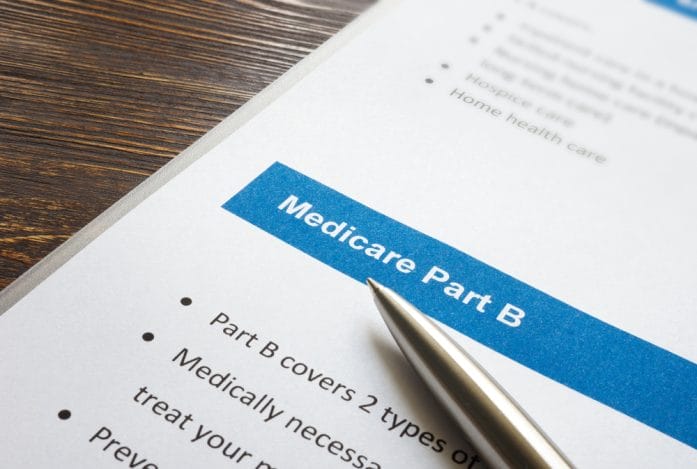
A random piece of mail can flip from harmless to dangerous in seconds. One glance at an official-looking envelope, a familiar logo, and a message that feels urgent can send anyone into action without a second thought. That reaction fuels one of the fastest-growing scams targeting older adults today, and it arrives dressed as something meant to help. It promises a replacement Medicare card, sometimes even hinting at improved benefits or updated security features, and it looks convincing enough to pass a quick inspection.

The real problem begins the moment that phone number gets dialed. That number does not connect to a government office or a helpful representative ready to assist with healthcare coverage. It leads straight to scammers who know exactly what they want and exactly how to get it. This scheme thrives on trust, confusion, and urgency, and it has already cost people sensitive information, money, and peace of mind.

The Fake Card That Looks Way Too Real

Scammers do not throw together sloppy designs and hope for the best anymore. They invest time and effort into creating mail that mirrors official government correspondence down to the smallest detail. The fake Medicare card often includes logos, formatting, and language that closely resemble legitimate documents, which makes it incredibly difficult to spot at first glance. Some even include barcodes, ID numbers, and instructions that feel procedural and routine, adding another layer of believability. That level of detail tricks people into trusting what lands in their mailbox without questioning its origin.

The messaging on these cards usually leans heavily on urgency. It might warn about expiring coverage, security breaches, or required updates that demand immediate attention. That urgency pushes people to act quickly instead of pausing to verify the information, which plays directly into the scammer’s strategy. Once someone calls the number, the scam shifts from paper to persuasion, and that is where the real damage begins. The caller often hears a confident voice that sounds professional, calm, and ready to help resolve the issue.

These scammers follow scripts designed to extract personal information step by step. They may ask for a Medicare number, Social Security number, banking details, or even payment for “processing fees.” Each request builds on the last, creating a sense of normalcy that keeps the conversation going. Before long, the caller has handed over enough information to open the door to identity theft or financial fraud. The fake card does not just mislead; it sets the stage for a carefully planned interaction that targets trust.

Why Calling That Number Is Exactly What They Want

The phone call sits at the center of this scam for a reason. It gives scammers direct access to a real person, which allows them to adapt their approach in real time. They can respond to hesitation, answer questions convincingly, and keep the conversation moving forward with just enough reassurance to maintain control. That human interaction makes the scam far more effective than a simple email or text message. It feels personal, and that feeling lowers defenses.

Once the call begins, scammers often create a sense of authority by using official-sounding titles and language. They might claim affiliation with Medicare or a related agency, and they may even provide fake identification numbers to back up their story. That performance builds credibility quickly, especially for anyone who already believes the card came from a legitimate source. The longer the call continues, the harder it becomes to step back and question what is happening.

Scammers also rely on subtle pressure tactics during the call. They may suggest that failing to act immediately could result in lost benefits or compromised coverage, which adds emotional weight to the situation. That pressure keeps people engaged and focused on solving the supposed problem rather than verifying the legitimacy of the request. By the time doubts start to surface, the conversation has already moved into dangerous territory. Hanging up at that point can feel uncomfortable, but it remains the smartest move.

The Real Rules Medicare Actually Follows

Medicare does not operate this way, and that fact alone can stop this scam in its tracks. Official Medicare communications do not include unsolicited requests for sensitive personal information over the phone. They also do not send replacement cards out of the blue without prior notice or a clear reason. When Medicare issues a new card, it typically follows a broad, well-publicized rollout rather than random, isolated mailings. That consistency makes unexpected cards a major red flag.

Legitimate Medicare contact information also stays consistent and easy to verify. The official phone number appears on the Medicare website and on authentic documents, and it does not change from one mailing to the next. Any card or letter that lists a different number should raise immediate suspicion. Taking a moment to compare that number with official sources can prevent a costly mistake. That simple step often makes the difference between staying safe and falling into a scam.

Another key detail involves payment. Medicare does not charge fees for sending replacement cards, and it does not require immediate payment to maintain coverage. Any request for money tied to a card replacement should set off alarm bells right away. Scammers often rely on small fees to make the request seem reasonable, but those payments can lead to larger financial losses later. Recognizing these patterns creates a strong defense against this type of fraud.

If You Get a ‘Replacement’ Medicare Card in the Mail, Do NOT Call the Number Printed on It
Image Source: Shutterstock.com

Smart Moves That Shut This Scam Down Fast

Stopping this scam does not require advanced technical skills or deep knowledge of fraud tactics. It starts with slowing down and questioning anything that feels urgent or unexpected. Taking a closer look at the mail, checking for inconsistencies, and refusing to act immediately can break the scammer’s momentum. That pause creates space to think clearly and make better decisions. It also removes the emotional pressure that scammers depend on.

Verifying information through official channels remains one of the most effective strategies. Instead of calling the number on the card, use the official Medicare website or a trusted contact method to confirm whether the mailing is legitimate. That extra step takes only a few minutes, but it can prevent serious consequences. It also reinforces a habit of double-checking information before taking action, which helps in many other situations beyond this specific scam.

Shredding suspicious mail and keeping personal information secure adds another layer of protection. Even if the card looks convincing, treating it as untrusted material reduces the risk of accidental exposure. Staying informed about common scams also plays a big role in prevention. Awareness turns what might have been a confusing situation into an obvious red flag, and that awareness spreads easily through conversations with family and friends. Sharing this knowledge helps protect others who might encounter the same scam.

The Bottom Line That Could Save You a Headache

A convincing piece of mail can spark a chain reaction that leads straight into a scam, but one small decision can stop that chain before it starts. Ignoring the number on a suspicious Medicare card and choosing to verify information independently cuts off the scammer’s main point of access. That single choice protects personal information, financial security, and peace of mind all at once. It also reinforces a mindset that values caution over speed, which pays off in countless situations.

Have you or someone close encountered a suspicious Medicare card or a similar scam? What strategies helped spot it before any damage happened, and what advice would make a difference for others facing the same situation? Drop those thoughts and experiences in the comments and keep the conversation going.

You May Also Like…

6 Income Thresholds That Can Trigger Higher Medicare Premiums

From Medicare to Medicaid: Why Billing Glitches Are Causing Unexpected Medical Bills Nationwide

More Retirees Are Seeing Higher Medicare Costs—And It’s Tied to Income From Years Ago

5 Warning Signs Someone Is Using Your Social Security Number

The Hidden Tax Rules Shrinking Social Security Checks — What Seniors Need to Know

Brandon Marcus
Brandon Marcus

Brandon Marcus is a writer who has been sharing the written word since a very young age. His interests include sports, history, pop culture, and so much more. When he isn’t writing, he spends his time jogging, drinking coffee, or attempting to read a long book he may never complete.
Filed Under: scams Tagged With: Consumer Protection, cybersecurity basics, fraud prevention, government scams, healthcare fraud, identity theft, mail fraud, Medicare scam, personal finance safety, phishing scams, scam alerts, senior safety

April Food Alert: How to Use SNAP’s Medical Expense Deduction if Your Benefits Suddenly Dropped

April 1, 2026 by Brandon Marcus Leave a Comment

April Food Alert: How to Use SNAP’s Medical Expense Deduction if Your Benefits Suddenly Dropped
Image Source: Shutterstock.com

A sudden drop in SNAP benefits doesn’t just sting—it disrupts meals, routines, and a sense of stability all at once. When the numbers shrink without warning, grocery lists tighten and stress levels climb fast. April has brought confusion for many households, especially those who rely on consistent food support to stay afloat. While benefit adjustments happen for several reasons, that doesn’t mean every reduction is correct or should go unchallenged.

There is a powerful but often overlooked tool built directly into SNAP rules: the medical expense deduction. It’s not flashy, and it’s not widely discussed, but for eligible households it can significantly increase monthly benefits. Many people miss out simply because they don’t know it exists or assume the process is too complicated.

When SNAP Shrinks: Why Benefits Suddenly Drop and What That Really Means

SNAP benefits don’t change randomly, even if it feels that way. Agencies adjust benefit amounts based on income, household size, rent or shelter costs, and allowable deductions. A small change in any of these categories can trigger a noticeable reduction. A raise at work, a shift in rent, or the end of a temporary adjustment can all move the numbers quickly. Sometimes missing paperwork or delayed reporting triggers automatic recalculations that cut benefits without much warning.

Medical costs play a bigger role than many people realize, especially for older adults or individuals with disabilities. SNAP rules allow certain households to deduct verified out‑of‑pocket medical expenses from their income. When these expenses go unreported, the system assumes more disposable income exists than is actually available. That leads to lower benefits, even when grocery costs keep climbing. Understanding this connection opens the door to correcting the situation instead of accepting the reduction as final.

The medical expense deduction steps in at this exact intersection of health and food access. It allows eligible households to count certain medical costs—doctor visits, prescriptions, medical equipment, transportation to appointments, and more—when calculating SNAP benefits. These deductions can significantly increase monthly support for those who qualify. The key is knowing who qualifies and how to document expenses correctly.

The Medical Expense Deduction: A Lifeline Many Households Overlook

The medical expense deduction isn’t a special waiver or a loophole. It’s a long‑standing SNAP rule designed to help elderly or disabled household members whose medical costs reduce their ability to afford food. When these expenses exceed $35 per month and are properly documented, they can be deducted from household income. Lower income means higher SNAP benefits.

This deduction does not apply to everyone. It is specifically for households with at least one elderly or disabled member, and only verified out‑of‑pocket medical expenses count. That includes prescriptions, medical supplies, dental care, eyeglasses, hearing aids, in‑home care, and transportation to medical appointments. It does not include the cost of food, even medically recommended diets. But for households with significant medical bills, the deduction can make a meaningful difference.

Timing matters. If benefits suddenly dropped and medical expenses weren’t included in the calculation, reporting them now can trigger a recalculation. In some cases, benefits can even be adjusted retroactively if the agency made an error or failed to apply deductions that were properly reported. Acting quickly prevents months of lower benefits and unnecessary strain.

How to Request the Medical Expense Deduction Without Getting Stuck

The process starts with gathering documentation. A household must show proof of medical expenses for the elderly or disabled member. That can include receipts, bills, statements from pharmacies, or documentation from healthcare providers. The more complete the information, the smoother the process becomes.

Once the documents are ready, they must be submitted to the local SNAP office. This can usually be done online, by mail, or in person. After submission, communication becomes essential. Calling to confirm that documents were received and asking about next steps helps prevent delays. Many people assume silence means progress, but checking in often keeps the request moving.

Caseworkers may request additional information or clarification. Responding quickly prevents the application from stalling. If approved, the deduction can increase benefits and may apply retroactively if the agency determines that the household was eligible earlier. Staying organized and persistent turns a complicated process into a manageable one.

Smart Moves That Strengthen Your Case and Protect Your Benefits

A strong request relies on clear, complete documentation. Tracking medical expenses for a month or two can help identify costs that qualify. Keeping receipts, pharmacy printouts, and appointment summaries creates a solid foundation for the deduction.

Working closely with healthcare providers can also help. Asking for clear documentation of medical needs, prescriptions, or ongoing treatments strengthens the case. Providers are often willing to help when asked directly.

April Food Alert: How to Use SNAP’s Medical Expense Deduction if Your Benefits Suddenly Dropped
Image Source: Pexels.com

After approval, staying proactive matters. Reporting changes in medical expenses, income, or household circumstances ensures benefits remain accurate. Ignoring updates can lead to future reductions or complications that undo the progress made. Keeping the case aligned with real‑life needs protects the stability gained through the deduction.

Turning Knowledge Into Real Food Security

A sudden SNAP reduction doesn’t have to define the next few months or limit what ends up in the grocery cart. The medical expense deduction offers a clear, actionable path to restoring benefits for households that qualify. Taking control of the process, gathering strong documentation, and following through with persistence can transform a stressful situation into a manageable one.

Have you had to deal with SNAP changes before? How did you handle it? We want to hear your stories and insights in the comments below.

You May Also Like…

6 Income Thresholds That Can Trigger Higher Medicare Premiums

From Medicare to Medicaid: Why Billing Glitches Are Causing Unexpected Medical Bills Nationwide

Retirement Healthcare Costs Are Climbing Again — What the Average Couple Now Needs

Alaska’s Eye-Popping Healthcare Costs — Planning for Higher Medical Expenses

Social Security 2026 COLA: Why Your 2.8% Raise Disappeared After Medicare Deductions

Brandon Marcus
Brandon Marcus

Brandon Marcus is a writer who has been sharing the written word since a very young age. His interests include sports, history, pop culture, and so much more. When he isn’t writing, he spends his time jogging, drinking coffee, or attempting to read a long book he may never complete.
Filed Under: Health & Wellness Tagged With: benefits reduction, EBT, food assistance, food security, food stamps, government aid, healthcare documentation, low income support, medical nutrition waiver, nutrition assistance, SNAP benefits, SNAP rules

Property Taxes Are Catching Homeowners Off Guard — Especially After Buying or Renovating

March 31, 2026 by Brandon Marcus Leave a Comment

Property Taxes Are Catching Homeowners Off Guard — Especially After Buying or Renovating
Image Source: Unsplash.com

A fresh set of keys is a huge victory. Then the property tax bill arrives and suddenly the celebration loses a bit of shine. Numbers climb higher than expected, and that monthly budget that once looked solid now starts to wobble. The shock doesn’t come from nowhere, but it often feels like it does, especially when no one spells it out clearly during the buying or renovating process.

Property taxes don’t just sit idly in the background. They react, they adjust, and sometimes they surge in ways that catch homeowners completely off guard. That surprise tends to hit hardest right after big financial milestones, like closing on a home or finishing a renovation project.

The Hidden Reset Button That Comes With Buying a Home

A home purchase doesn’t just transfer ownership. It often resets the property’s assessed value to match the current market price, and that shift can dramatically increase the tax bill. Previous owners might have benefited from years of slower assessment growth, exemptions, or caps that kept their taxes relatively low. Once a new owner steps in, those protections can disappear, and the property’s value gets recalculated based on what someone just paid for it. That recalculation frequently pushes the assessed value higher, sometimes significantly higher than before.

Many buyers focus heavily on the mortgage payment during the purchase process, but property taxes deserve equal attention because they can shift more than expected. Lenders often estimate taxes based on past bills, which can create a misleading sense of stability. Once the local assessor updates the value, the actual tax bill reflects that new reality, and the difference can feel like a financial ambush. Planning ahead requires digging into how assessments work in the specific area and asking whether a recent sale will trigger a reassessment. That simple question can prevent a lot of future frustration.

Buyers who want to stay ahead of the curve should look beyond the listing price and examine the property’s tax history in detail. Comparing past assessments with current market trends can reveal whether a jump seems likely. It also helps to set aside extra funds during the first year of ownership, just in case the bill climbs higher than expected. That buffer can absorb the impact without forcing sudden lifestyle changes, which always feels like a win.

Renovations: The Upgrade That Can Cost More Than Expected

A renovation adds comfort, style, and value, but it also sends a clear signal to local tax authorities. Improvements like finished basements, upgraded kitchens, or additional square footage often increase a property’s assessed value, and that change translates directly into higher taxes. The logic makes sense because a more valuable home typically carries a larger tax burden, but the timing and scale of that increase can still surprise homeowners who focus mostly on construction costs.

Not all renovations affect property taxes equally. Cosmetic updates like painting or replacing fixtures might not trigger a reassessment, but structural changes almost always do. Adding a new room, building a deck, or finishing unused space can push the assessed value upward in a noticeable way. Local rules vary, so homeowners need to understand what kinds of projects require permits and inspections, since those often serve as triggers for reassessment. Skipping that research can lead to a situation where the final renovation bill feels manageable, but the long-term tax impact quietly grows in the background.

Smart planning makes a huge difference here. Before starting a renovation, it helps to estimate how much value the project will add and how that might affect property taxes. Local assessors or online tools can provide rough guidance, and even a ballpark figure can help shape decisions. Some homeowners choose to phase projects over time to spread out the impact, while others build the expected tax increase into their overall budget. That kind of foresight turns a potential shock into a manageable adjustment.

Property Taxes Are Catching Homeowners Off Guard — Especially After Buying or Renovating
Image Source: Pexels.com

Why Tax Bills Don’t Always Match Expectations

Property taxes rely on assessed value, not necessarily the exact market value, and that distinction creates confusion. Assessors use formulas, comparable sales, and periodic updates to determine a property’s worth for tax purposes. That process doesn’t always align perfectly with what homeowners expect, especially in fast-moving markets where prices shift quickly. A sudden jump in neighborhood values can push assessments higher even without any changes to the home itself.

Timing also plays a role. Some areas reassess properties annually, while others follow longer cycles, which can create delayed increases that arrive all at once. A homeowner might enjoy relatively stable taxes for a few years, only to face a sharp increase when the next assessment cycle kicks in. That delay can make the jump feel more dramatic, even though it reflects gradual market changes over time. Understanding the local reassessment schedule helps set realistic expectations and reduces the element of surprise.

Appeals offer another layer of complexity. If a homeowner believes the assessed value sits too high, filing an appeal can potentially lower the tax bill. That process usually requires evidence, such as comparable sales or an independent appraisal, and it demands time and attention. While not every appeal succeeds, the option provides a path for those who feel their assessment doesn’t reflect reality. Taking advantage of that opportunity can lead to meaningful savings when done correctly.

Practical Moves That Keep Property Taxes From Spiraling

Preparation beats panic every time, especially when it comes to property taxes. Setting aside extra funds in an escrow account or personal savings can cushion the impact of unexpected increases. That approach prevents sudden financial strain and keeps monthly budgeting on track, even when the tax bill rises. It also creates a sense of control, which always feels better than scrambling to adjust after the fact.

Research plays a powerful role in avoiding surprises. Before buying a home, reviewing recent sales and assessment trends in the area can reveal patterns that might affect future taxes. During renovations, checking local regulations and understanding which projects trigger reassessments can guide smarter decisions. Knowledge doesn’t eliminate higher taxes, but it transforms them from a shock into a planned expense, and that shift changes the entire experience.

Staying proactive after receiving a tax bill also makes a difference. Reviewing the assessment details for accuracy ensures that errors don’t inflate the amount owed. If something looks off, contacting the local assessor or exploring the appeals process can provide a path to correction. Taking those steps requires effort, but the potential savings often justify the time invested.

Control the Surprise Before It Controls the Budget

Property taxes don’t need to feel like an unpredictable force that shows up at the worst possible moment. With the right information and a bit of forward planning, homeowners can anticipate changes and adapt without stress. Buying a home or upgrading a space should feel exciting, not overshadowed by unexpected costs that disrupt financial stability. The key lies in understanding how assessments work, asking the right questions, and building flexibility into the budget from the very beginning.

What strategies have worked for you when dealing with rising property taxes, or what lessons came from an unexpected increase? Share thoughts, experiences, or tips in the comments and keep the conversation going.

You May Also Like…

Nevada’s Low Median Property Tax — Weighing Investment Appeal

How Utilities Affect Colorado’s Low Property Tax Rate

New Jersey’s 2.23% Property Tax — How to Appeal and Save

Why Nashville Property Tax Bills Keep Rising Even With Tennessee’s Rate Cap Proposal

The “Forever Home” Problem — Why More Homeowners Are Getting Stuck in Houses That No Longer Fit


Brandon Marcus
Brandon Marcus

Brandon Marcus is a writer who has been sharing the written word since a very young age. His interests include sports, history, pop culture, and so much more. When he isn’t writing, he spends his time jogging, drinking coffee, or attempting to read a long book he may never complete.

Filed Under: tax tips Tagged With: assessment value, budgeting, home renovation, homeownership, Housing Costs, Housing Market, new homeowners, Planning, property taxes, Real estate, real estate tips, tax increase

5 Red Flags That a Financial Alert Isn’t Actually From Your Bank

March 31, 2026 by Brandon Marcus Leave a Comment

5 Red Flags That a Financial Alert Isn’t Actually From Your Bank
Image Source: Shutterstock.com

The moment a “bank alert” lands on a phone or inbox, urgency kicks in hard. That little spike of adrenaline? Scammers count on it. They design messages to trigger fast reactions, not careful thinking, and they push just enough panic to make even cautious people hesitate for a split second. That split second often decides whether money stays safe or disappears into a digital black hole.

Real banks don’t play games with communication, and they certainly don’t rely on fear to get attention. They follow strict security practices, predictable formats, and consistent channels, because trust matters more than speed. Fake alerts, on the other hand, chase chaos. They rush, pressure, and confuse, all while pretending to protect.

1. The Message Screams Urgency Like It’s a Five-Alarm Fire

Scammers love urgency because it shuts down logic faster than almost anything else. A message that claims an account will lock within minutes or that suspicious charges demand immediate action often signals trouble rather than truth. Real banks take fraud seriously, but they don’t corner customers into rushed decisions without options. They provide clear steps, allow time to verify, and never demand instant compliance through a single message.

Urgent language often includes dramatic phrasing that feels slightly over-the-top, even if it looks convincing at first glance. Words like “immediate suspension,” “critical breach,” or “act now or lose access” push emotional buttons rather than deliver useful information. Banks aim for clarity and calm communication because panic leads to mistakes, and mistakes damage trust. A legitimate alert might flag unusual activity, but it won’t demand action within an absurdly short timeframe or threaten consequences that escalate every second.

Taking a breath changes everything in these situations. Instead of reacting to the message itself, a safer move involves opening the official banking app or logging in through a known website. If something truly needs attention, it will show up there without the dramatic countdown. That simple pause often breaks the scammer’s entire strategy.

2. The Link Looks Just a Little… Off

A suspicious link rarely screams “fake” right away. Instead, it hides behind something that looks almost right, with tiny differences that only stand out under closer inspection. A swapped letter, an extra word, or a strange domain ending can turn a legitimate-looking link into a trap. Scammers rely on quick glances, not careful reading, so they design URLs that pass the first impression test but fail under scrutiny.

Legitimate banks use consistent, recognizable web addresses that rarely change. They don’t send random shortened links or unfamiliar domains, especially in urgent alerts. A message that includes a link that looks messy, overly long, or slightly misspelled should raise immediate suspicion. Hovering over a link on a computer or pressing and holding it on a phone reveals the true destination, and that quick check can save a lot of trouble.

Clicking unknown links in financial messages creates unnecessary risk, even when curiosity kicks in. A smarter approach involves skipping the link entirely and heading straight to the official banking platform. Bookmarking the correct website or relying on the bank’s mobile app builds a safer habit over time. That small shift removes the scammer’s main entry point and keeps control firmly in the right hands.

3. It Asks for Information No Bank Would Ever Request

A real bank already holds essential account details, so it doesn’t need to ask for passwords, PINs, or full card numbers through an email or text. Requests for sensitive information in a message should set off immediate alarms. Scammers often disguise these requests as “verification steps” or “security checks,” but they aim to collect data, not protect it. These fake alerts sometimes include forms or direct replies that encourage sharing personal details quickly. That tactic plays on the idea that fast action prevents fraud, when in reality it creates it. Banks don’t ask for login credentials through messages, and they never request full authentication details outside secure platforms. Even customer support teams follow strict rules about what they can and cannot ask for.

Keeping personal information locked down requires a simple rule: never share sensitive details through a message, no matter how official it looks. If a situation feels uncertain, contacting the bank directly through verified channels clears things up fast. That extra step might feel inconvenient in the moment, but it eliminates the risk of handing valuable information to someone who shouldn’t have it.

4. The Sender Doesn’t Quite Match the Bank’s Identity

At first glance, a sender name might look perfectly fine. It might even include the bank’s name, logo, or branding. A closer look often reveals subtle inconsistencies that don’t line up with official communication. Email addresses with random numbers, unusual domains, or extra characters often signal a scam hiding in plain sight.

Text messages can also come from suspicious numbers that don’t match the bank’s usual contact methods. While some banks use short codes or automated systems, they maintain consistency in how they reach customers. A message that arrives from a completely unfamiliar number, especially one that looks personal or international, deserves a second look before any action.

Verifying the sender takes only a few seconds but makes a huge difference. Comparing the message details with previous legitimate communications from the bank helps spot inconsistencies quickly. If something feels even slightly off, ignoring the message and checking through official channels removes all doubt. Trust builds on consistency, and scammers struggle to replicate that perfectly.

5. The Message Feels Sloppy or Weirdly Written

Grammar mistakes, awkward phrasing, and unusual formatting often give fake alerts away. While not every legitimate message reads like polished marketing copy, banks invest in clear, professional communication. A message filled with typos or strange sentence structure suggests a lack of quality control, which rarely aligns with financial institutions.

Some scam messages mix formal language with odd word choices that don’t quite fit together. Others use inconsistent capitalization, missing punctuation, or strange spacing that disrupts the flow. These details might seem small, but they add up quickly and create a sense that something isn’t right. Scammers often prioritize speed over accuracy, and it shows.

Trusting instincts plays a big role here. If a message feels off, even without a clear reason, it deserves skepticism. Taking a moment to compare it with previous official alerts often highlights the differences immediately. That gut reaction often catches what the eyes don’t fully process at first glance.

5 Red Flags That a Financial Alert Isn’t Actually From Your Bank
Image Source: Shutterstock.com

Slow Down and Take Control

Spotting a fake financial alert doesn’t require technical expertise, just a steady approach and a willingness to pause. Urgency, strange links, odd requests, mismatched senders, and sloppy writing all point in the same direction: something isn’t right. Recognizing even one of these signs should stop any immediate action and shift attention toward safer verification methods.

What strategies have proven most effective for spotting fake alerts, or what warning signs stand out the most? Drop those thoughts and experiences in the comments and keep the conversation going.

You May Also Like…

Biometric Banking and the Rise of Fraud Concerns in 2026

Bank Alert: 7 Reasons “Courtesy Credits” Get Taken Back Without Warning

Payment Delay Alert: Why Your January Social Security Deposit May Not Hit Your Account Today

Traditional Banking vs. Digital Solutions: What is the Future of Overseas Payments?

5 Outrageous Fees Hidden in Everyday Banking Services


Brandon Marcus
Brandon Marcus

Brandon Marcus is a writer who has been sharing the written word since a very young age. His interests include sports, history, pop culture, and so much more. When he isn’t writing, he spends his time jogging, drinking coffee, or attempting to read a long book he may never complete.

Filed Under: Banking Tagged With: banking security, cybersecurity, Digital Security, email scams, financial safety, fraud awareness, fraud prevention, identity theft, Online banking, phishing, scam alerts, text scams

HOA Fees Are Jumping Without Warning — And Some Homeowners Are Paying the Price Overnight

March 31, 2026 by Brandon Marcus Leave a Comment

HOA Fees Are Jumping Without Warning — And Some Homeowners Are Paying the Price Overnight
Image Source: Unsplash.com

The bill shows up, and suddenly the math does not work anymore. Numbers that once felt manageable now stretch budgets to the breaking point, and the shock does not come from a flashy renovation or a luxury upgrade. It comes from a line item that many people assumed would stay relatively steady. HOA fees, once viewed as predictable and even boring, have started to behave more like a wildcard expense that can jump dramatically with little warning.

That shift has turned quiet neighborhoods into pressure cookers of financial stress, where residents scramble to figure out what changed and why it changed so fast. The surprise does not just sting—it reshapes monthly budgets overnight and forces tough decisions about savings, lifestyle, and even whether staying put still makes sense. This is not a niche issue tucked away in a handful of communities. It has become a widespread trend, and it demands a closer look at what drives these increases and what homeowners can actually do about them.

The Sudden Spike Nobody Saw Coming

HOA fees rarely rise for no reason, but the timing and size of increases often catch homeowners completely off guard. Associations typically set budgets annually, yet unexpected costs can force mid-year adjustments that hit without much runway. Insurance premiums have climbed sharply in many areas, and associations pass those increases straight to residents because they have no other revenue source. Maintenance costs have also surged, driven by higher labor rates and material prices, which means even routine upkeep now costs significantly more than it did just a few years ago.

Reserve funds, which associations use to cover major repairs, have also become a major pressure point. Many HOAs kept fees artificially low for years to keep residents happy, but that strategy often left reserves underfunded. When roofs need replacement or structural repairs become unavoidable, the association must either raise fees quickly or issue special assessments that demand large lump-sum payments. Neither option feels good, but both reflect years of financial decisions catching up all at once.

That combination of rising costs and past underfunding creates the perfect storm. Homeowners who never paid much attention to HOA finances suddenly find themselves facing steep increases that feel abrupt and unfair. Yet in many cases, those increases represent long-delayed corrections rather than sudden mismanagement. Understanding that distinction does not make the bill easier to pay, but it does explain why these jumps often arrive with such force.

What’s Really Driving These Fee Increases

Insurance stands out as one of the biggest culprits behind rising HOA fees, and it does not take much digging to see why. Natural disasters, rebuilding costs, and stricter underwriting standards have pushed premiums higher across the board. Associations must carry adequate coverage, so when insurers raise rates, the HOA has no choice but to absorb that cost and distribute it among homeowners. That single factor alone can trigger significant fee hikes, especially in communities with shared structures or amenities.

Utilities and services have also become more expensive, and those increases rarely grab headlines even though they hit budgets hard. Landscaping, security, waste management, and pool maintenance all cost more now, and those expenses add up quickly in larger communities. Vendors adjust pricing to match inflation and labor shortages, and associations must either pay those rates or reduce services, which often leads to resident dissatisfaction.

HOA Fees Are Jumping Without Warning — And Some Homeowners Are Paying the Price Overnight
Image Source: Unsplash.com

Then comes the issue of deferred maintenance, which acts like a ticking clock. When associations delay repairs to avoid raising fees, they often face much larger expenses later. A small crack in a foundation can turn into a major structural issue, and a roof patch can evolve into a full replacement. Those delayed decisions eventually demand action, and when they do, they often require sharp fee increases or special assessments that feel overwhelming. The result creates a cycle where past cost-saving choices lead directly to present-day financial strain.

When “Affordable Living” Starts to Feel Expensive

HOA communities often attract buyers with the promise of convenience and shared responsibility, but rising fees can quickly erode that appeal. A monthly fee that once seemed reasonable can double over time, turning a manageable expense into a significant financial burden. That shift can change how homeowners view their property, especially when the perceived value of services does not increase alongside the cost.

Buyers who stretch their budgets to enter a desirable community may feel the impact most intensely. Mortgage payments remain fixed, but HOA fees do not, and that variability can throw off carefully planned finances. Even modest increases can disrupt savings goals, while larger jumps may force difficult trade-offs involving travel, dining, or other discretionary spending. In extreme cases, homeowners may consider selling simply to regain financial stability.

The ripple effects extend beyond individual households. Rising HOA fees can influence property values, as potential buyers factor those costs into their decisions. Higher fees may limit the pool of interested buyers or push them toward communities with lower monthly obligations. That dynamic can create tension within neighborhoods, where residents want both well-maintained properties and affordable living costs, even though those goals often pull in opposite directions.

Stay Ahead of the Shock

Homeowners do not have to sit back and hope for the best when it comes to HOA fees. One of the most effective steps involves paying close attention to the association’s financial documents, including budgets, reserve studies, and meeting minutes. These records reveal how the HOA manages money and whether it prepares adequately for future expenses. Spotting warning signs early can provide valuable time to adjust personal finances or raise concerns within the community.

Getting involved in the HOA can also make a meaningful difference. Attending meetings, voting on budgets, and even serving on the board can provide insight into decision-making and help ensure transparency. Associations function best when residents stay engaged and informed, rather than treating the HOA as a distant authority that operates without input. That involvement can also foster better communication, which reduces the likelihood of unpleasant surprises.

Building a financial buffer specifically for HOA-related costs can also ease the impact of sudden increases. Setting aside extra funds each month may not feel exciting, but it creates a cushion that can absorb fee hikes or special assessments without derailing the entire budget. Homeowners who plan for variability often handle these changes with less stress, even when the numbers climb higher than expected. Preparation does not eliminate the problem, but it transforms it from a crisis into a manageable adjustment.

The Facts That Deserve More Attention

HOA fees have stepped out of the background and into the spotlight, and they demand serious attention from anyone living in or considering a managed community. These costs no longer behave like predictable line items that quietly tick along each month. They respond to real economic pressures, past financial decisions, and the ongoing challenge of maintaining shared spaces. Ignoring them or assuming they will stay stable can lead to unwelcome surprises that hit hard and fast.

Has enough attention gone into understanding what those HOA fees really cover and where they might go next? Share any thoughts, strategies, or even unexpected experiences in the comments.

You May Also Like…

What Happens When You Ignore HOA Violations

Could Ignoring HOA Fines Wreck Your Credit Score

The “Forever Home” Problem — Why More Homeowners Are Getting Stuck in Houses That No Longer Fit

The “Homeowner Lie”: Why Your House is Actually a Liability, Not an Investment in 2026

Avoid These Pitfalls: First-Time Homeownership Mistakes That Can Cost You

Brandon Marcus
Brandon Marcus

Brandon Marcus is a writer who has been sharing the written word since a very young age. His interests include sports, history, pop culture, and so much more. When he isn’t writing, he spends his time jogging, drinking coffee, or attempting to read a long book he may never complete.

Filed Under: Lifestyle Tagged With: Budgeting Tips, community living, HOA fees, HOA rules, homeowners association, homeownership, housing expenses, Planning, property fees, property management, real estate trends, rising costs

6 Ways Criminals Are Using AI to Impersonate Banks and Government Agencies

March 31, 2026 by Brandon Marcus Leave a Comment

6 Ways Criminals Are Using AI to Impersonate Banks and Government Agencies
Image Source: Pexels.com

Trust used to feel solid. A phone call from a bank sounded official, an email from a government agency looked polished, and a text message warning about suspicious activity carried real weight. That sense of certainty now faces a serious challenge, because artificial intelligence has stepped into the wrong hands and changed the rules of the game. Criminals no longer rely on sloppy grammar or obvious red flags, and they now build scams that look and sound eerily convincing. The result feels unsettling, because the very signals people once relied on to stay safe now work against them.

This shift demands attention, not panic. AI does not just speed things up for legitimate businesses; it gives scammers powerful tools to scale deception in ways that feel personal and precise. Instead of casting wide nets and hoping for a few bites, criminals now tailor their approach to mimic real institutions with frightening accuracy. That means spotting a scam requires sharper instincts and a bit more skepticism than ever before.

1. The Voice That Sounds Too Real

AI voice cloning has reached a level where a simple phone call can feel completely legitimate, and that creates a serious problem when criminals pose as bank representatives or government officials. Scammers can now generate voices that sound calm, professional, and authoritative, which removes one of the biggest warning signs people used to rely on. They often claim urgent issues like frozen accounts or suspicious transactions, pushing for quick action before doubt has time to settle in. That urgency works because the voice sounds polished and confident, not robotic or awkward. People instinctively trust tone and delivery, and AI exploits that instinct with precision.

This tactic becomes even more dangerous when scammers combine it with personal details pulled from data breaches or social media profiles. Hearing a convincing voice that already knows a name or recent activity can shake anyone’s confidence. Staying safe means slowing things down, even when the situation feels urgent. Hanging up and calling the official number listed on a bank’s website immediately removes the scammer’s advantage. Verifying through trusted channels may feel inconvenient, but it protects both money and personal information in a world where voices can no longer guarantee authenticity.

2. Emails That Pass Every Smell Test

Phishing emails have evolved far beyond the obvious scams filled with typos and strange formatting. AI now helps criminals generate emails that mirror the exact tone, branding, and structure of legitimate banks and government agencies. These messages often include accurate logos, polished language, and even context that makes them feel relevant, such as referencing tax deadlines or recent account activity. That level of detail lowers defenses because nothing looks out of place at first glance. Clicking a link or downloading an attachment then opens the door to stolen credentials or malware.

The real danger comes from how quickly these emails adapt. AI allows scammers to test different versions and refine them based on what works best, which means the quality keeps improving over time. That makes caution essential, even when an email looks flawless. Checking the sender’s address carefully, avoiding links in unsolicited messages, and logging into accounts directly through official websites all reduce risk significantly. Trust should never come from appearance alone, especially when technology can replicate appearances so convincingly.

3. Fake Websites That Feel Legit

Criminals now use AI to create websites that look almost identical to official bank portals or government service pages. These sites load quickly, display familiar layouts, and even include interactive features that mimic the real thing. A quick glance often fails to reveal anything suspicious, which makes it easy to enter sensitive information without hesitation. Once credentials get entered, scammers capture them instantly and use them to access real accounts. That process happens quietly, leaving victims unaware until damage has already occurred.

The key to avoiding this trap lies in controlling how websites get accessed. Clicking links from emails or text messages introduces unnecessary risk, especially when those links lead to carefully crafted fake pages. Typing the official website address directly into a browser or using bookmarked links keeps control in the user’s hands. Looking for secure connections and double-checking URLs also helps, although even those signals require careful attention now. A small habit change can make a huge difference when fake websites look almost perfect.

4. Text Messages That Push Panic Buttons

Text-based scams have exploded in popularity, and AI has made them sharper, faster, and more believable. Messages often claim issues like unpaid fines, suspicious account activity, or missed deliveries, and they push for immediate action. That urgency triggers quick reactions, which scammers rely on to bypass careful thinking. AI helps craft messages that feel natural and specific, avoiding the awkward phrasing that once gave scams away. The result feels like a legitimate alert rather than a random message.

These scams thrive on speed, so slowing down becomes the most effective defense. Ignoring unexpected texts and verifying claims through official apps or websites removes the pressure scammers try to create. Clicking links in text messages should never happen without absolute certainty about the sender. Blocking suspicious numbers and reporting them also helps reduce the spread of these scams. Staying calm and skeptical can turn a high-pressure moment into a controlled, safe decision.

6 Ways Criminals Are Using AI to Impersonate Banks and Government Agencies
Image Source: Pexels.com

5. Deepfake Videos That Build False Authority

AI-generated videos, often called deepfakes, have introduced a new layer of deception that feels almost surreal. Criminals can now create videos featuring realistic-looking officials or executives delivering messages that appear authentic. These videos might announce policy changes, urgent financial actions, or new procedures, all designed to manipulate trust. Seeing a face and hearing a voice together creates a powerful sense of credibility, which makes these scams especially effective. People tend to believe what they can see, and deepfakes exploit that instinct in a big way.

This tactic remains less common than emails or texts, but it continues to grow as technology improves. Recognizing that video content can be manipulated helps maintain a healthy level of skepticism. Verifying announcements through official websites or trusted news sources provides a reliable way to confirm legitimacy. Sharing suspicious videos without verification can spread misinformation quickly, so caution matters not just for personal safety but for others as well. Awareness turns this emerging threat into something manageable rather than overwhelming.

6. AI Chatbots That Pretend to Help

Customer service chatbots have become a normal part of online experiences, and scammers have taken notice. AI allows criminals to build chat interfaces that mimic real support systems, complete with polite responses and helpful instructions. These fake chatbots often appear on fraudulent websites or through links in phishing messages, guiding users through processes that lead to stolen information. The interaction feels smooth and professional, which lowers suspicion and encourages cooperation. That sense of ease makes the scam even more effective.

Protecting against this tactic involves staying mindful of where conversations begin. Engaging with customer support only through official websites or verified apps ensures that the interaction remains legitimate. Avoiding the sharing of sensitive information in unfamiliar chat interfaces also reduces risk significantly. If something feels off, ending the conversation and reaching out through official channels provides clarity. Trust should always come from verified sources, not from how polished a conversation feels.

Staying One Step Ahead

AI has changed the scam landscape, but it has not made people powerless. Awareness, patience, and a few smart habits can shut down even the most convincing impersonation attempts. Trust should come from verification, not from appearances, voices, or urgency. Taking an extra moment to double-check information can prevent hours, days, or even months of dealing with the fallout of a successful scam. That shift in mindset turns technology from a threat into something manageable.

Which of these tactics feels the most surprising or concerning, and what strategies have worked best for staying safe? Let’s hear your thoughts, ideas, or even close calls in the comments.

You May Also Like…

8 Scam Messages That Look Official — But Aren’t

7 New Scam Tactics That Look Real — And Are Still Fooling Americans

Is Your Neighborhood Being Targeted by Real Estate Scammers?

10 Quiet Retirement Scams Targeting Women Who Just Got Divorced

7 Everyday Mistakes That Invite Cybercriminals Into Your Life

Brandon Marcus
Brandon Marcus

Brandon Marcus is a writer who has been sharing the written word since a very young age. His interests include sports, history, pop culture, and so much more. When he isn’t writing, he spends his time jogging, drinking coffee, or attempting to read a long book he may never complete.

Filed Under: scams Tagged With: AI scams, Consumer Protection, cybersecurity, deepfake, Digital Security, financial safety, fraud prevention, identity theft, online scams, phishing, scam awareness, Tech Trends

6 Online Habits That Quietly Expose Your Financial Information

March 31, 2026 by Brandon Marcus Leave a Comment

6 Online Habits That Quietly Expose Your Financial Information
Image Source: Shutterstock.com

An unlocked door does not always look like an unlocked door. Sometimes it looks like a quick login, a harmless post, or a saved password that feels like a shortcut instead of a risk. The internet thrives on convenience, and that convenience often comes wrapped in quiet trade-offs that most people never stop to question. Every click, every autofill, and every shared detail creates a tiny trail that can lead somewhere far more serious than expected.

Financial information rarely gets exposed in one dramatic moment. It slips out gradually through everyday habits that feel routine, safe, and even smart. That’s what makes this topic so important and, honestly, a little unsettling. Once these habits come into focus, they become much easier to fix.

1. The Password Comfort Zone That Isn’t Comfortable at All

Reusing passwords across multiple accounts feels efficient, organized, and oddly satisfying, especially when everything just works without a reset email interrupting the day. That sense of ease hides a massive vulnerability, because one compromised account can unlock several others in seconds. Hackers rely on this exact behavior, often using automated tools that test stolen passwords across banking sites, shopping platforms, and email accounts. Once they find a match, they move fast and quietly. No alarms, no dramatic warnings, just access.

Password managers offer a much safer alternative, even if they seem like an extra step at first. They generate strong, unique passwords for every account and store them securely, which removes the mental load of remembering dozens of combinations. Two-factor authentication adds another layer, forcing a second verification step that blocks unauthorized access even if a password leaks. Simple tweaks like avoiding personal details in passwords and updating them regularly can also make a huge difference. This habit alone can close one of the biggest gaps in online security.

2. Public Wi-Fi: The Digital Coffee Shop Trap

Free Wi-Fi feels like a win every single time, especially when it saves mobile data or speeds up a quick task. Unfortunately, public networks often lack proper encryption, which means anyone with the right tools can intercept data moving across that connection. That includes login credentials, payment details, and even private messages. It does not take a high-level hacker to exploit this either, which makes the risk far more widespread than most people realize.

Using a virtual private network (VPN) creates a secure tunnel for internet activity, making it much harder for anyone to snoop on sensitive information. Avoiding financial transactions or account logins on public Wi-Fi adds another layer of safety. Even something as simple as turning off automatic Wi-Fi connections can prevent devices from joining risky networks without notice. These steps might sound cautious, but they quickly become second nature and dramatically reduce exposure.

3. Oversharing on Social Media: More Than Just Likes and Comments

Social media platforms encourage sharing, celebrating, and documenting everyday life, but they also create a goldmine of personal information. Details like birthdays, hometowns, workplaces, and even pet names can help attackers guess security questions or build convincing phishing messages. A seemingly harmless post can provide just enough context to make a scam feel legitimate and trustworthy. That’s where the real danger lies.

Adjusting privacy settings can limit who sees personal information, but awareness plays an even bigger role. Avoid posting details that tie directly to financial accounts or identity verification questions. Keeping location tagging to a minimum and thinking twice before sharing milestones can also reduce risk. Social media should feel fun and expressive, not like a blueprint for identity theft. A little restraint goes a long way without taking away the enjoyment.

6 Online Habits That Quietly Expose Your Financial Information
Image Source: Shutterstock.com

4. Auto-Save Features That Know Too Much

Browsers and apps love to offer convenience through auto-saving passwords and payment details. One click, and everything fills in instantly, which feels like magic during a busy day. That same convenience can turn risky if someone gains access to the device or if malware sneaks in. Stored information becomes an easy target, especially when devices lack strong security measures like encryption or passcodes.

Switching to a dedicated password manager instead of relying on browser storage adds a stronger layer of protection. Disabling auto-save for payment information and manually entering details when needed can also reduce exposure. Regularly reviewing saved data and clearing anything unnecessary keeps things tidy and safer. These small adjustments might add a few extra seconds to a task, but they significantly cut down on risk.

5. Clicking First, Thinking Later: The Phishing Problem

Phishing attacks have become incredibly convincing, often mimicking legitimate companies with impressive accuracy. Emails, texts, and even social media messages can carry links that lead to fake login pages designed to capture credentials. One quick click can hand over sensitive information without any obvious warning signs. That split-second decision can open the door to financial loss.

Taking a moment to verify links before clicking changes everything. Hovering over URLs, checking for slight misspellings, and going directly to official websites instead of using embedded links can prevent trouble. Suspicious messages that create urgency or fear should always raise a red flag. Deleting them or reporting them keeps things clean and reduces the chance of falling into a trap. A cautious mindset beats a rushed reaction every time.

6. Ignoring Software Updates Like They’re Optional

Software updates often show up at the worst possible time, interrupting work or delaying plans. That annoyance leads many people to hit “remind me later” again and again. Behind the scenes, those updates fix security vulnerabilities that attackers actively look for and exploit. Skipping updates leaves systems exposed in ways that feel invisible but carry real consequences.

Turning on automatic updates removes the hassle and ensures devices stay protected without constant attention. Keeping apps, operating systems, and even routers up to date closes known security gaps quickly. It also improves overall performance, which adds a nice bonus to the effort. Treating updates as essential rather than optional shifts the entire approach to digital safety.

The Quiet Habits That Make the Loudest Impact

Every online action leaves a trace, but not every trace needs to lead somewhere dangerous. Small, consistent habits shape the level of protection far more than any single dramatic change ever could. Strengthening passwords, avoiding risky networks, and staying mindful of shared information create a solid foundation that keeps financial data out of the wrong hands. None of these steps require expert-level knowledge, just a willingness to pay attention and adjust.

Which of these habits feels the hardest to break, and what strategies have worked to keep personal information secure? Drop some thoughts, tips, or even cautionary tales in the comments—there’s always something new to learn from each other.

You May Also Like…

4 Indispensable Tools for Backtesting Investment Theories Swiftly

Did You Know Turning Off Your Wi-Fi Router at Night Can Save You Money?

Why IRS Payment Plans Still Default After Missed Online Notices

Why Free Online Checking Continues to Beat Traditional Banks

Is Your “Little Treat” Habit Costing You $2,500 a Year? The Real Spending Math

Brandon Marcus
Brandon Marcus

Brandon Marcus is a writer who has been sharing the written word since a very young age. His interests include sports, history, pop culture, and so much more. When he isn’t writing, he spends his time jogging, drinking coffee, or attempting to read a long book he may never complete.

Filed Under: Finance Tagged With: cybersecurity, data protection, digital privacy, Financial Security, identity theft, internet habits, Online Safety, Online shopping, passwords, Personal Finance, scams, social media safety

Retirees Are Rethinking Second Homes — Why the “Snowbird Lifestyle” Is Getting Too Expensive

March 30, 2026 by Brandon Marcus Leave a Comment

Retirees Are Rethinking Second Homes — Why the “Snowbird Lifestyle” Is Getting Too Expensive
Image Source: Shutterstock.com

A beachfront condo in January once symbolized the ultimate retirement victory. Sun on the patio, coffee in hand, and not a snow shovel in sight felt like the reward for decades of hard work. That image still holds power, but the numbers behind it now raise eyebrows instead of smiles. Retirees who once jumped at the chance to own a second home in warmer climates now pause, run the math again, and sometimes walk away entirely. The “snowbird lifestyle” still sparkles on the surface, but beneath it sits a growing pile of expenses that refuse to stay quiet.

The shift does not come from a lack of desire, because the appeal of escaping winter remains strong and timeless. Instead, it comes from a new financial reality that feels heavier with every passing year. Property taxes climb, insurance premiums spike, and maintenance costs refuse to stay predictable. Add in rising travel expenses and fluctuating exchange rates, and the once-simple dream starts to look like a full-time financial commitment. Retirees now approach second homes with sharper questions, stricter budgets, and a willingness to rethink what “living the dream” really means.

When Paradise Comes With Property Taxes and Paperwork

Owning a second home used to feel like a straightforward upgrade, but today it behaves more like a second job with a hefty price tag. Property taxes in many popular warm-weather destinations have increased steadily, and some regions have seen sharp jumps due to booming real estate markets. Retirees who locked in homes years ago now face reassessments that push annual costs far beyond what they originally expected. Insurance adds another layer of stress, especially in areas prone to hurricanes, floods, or wildfires, where premiums have surged or coverage has become harder to secure. That combination alone can turn a relaxing getaway into a source of constant financial calculation.

Maintenance does not take a vacation either, and it demands attention whether the home sits occupied or empty. Roof repairs, plumbing issues, and general upkeep costs continue to rise, and hiring reliable help from afar adds another layer of complexity. Some retirees try to offset expenses by renting out their property, but that strategy brings its own set of responsibilities, from managing bookings to dealing with wear and tear. Regulations around short-term rentals have tightened in many areas, making it harder to rely on rental income as a safety net. The result leaves many retirees asking a simple but powerful question: does the convenience of ownership still outweigh the constant demands?

Travel Isn’t Cheap Anymore—And It Changes Everything

The snowbird lifestyle depends heavily on mobility, and that mobility has become noticeably more expensive. Airfare prices have climbed, fuel costs fluctuate unpredictably, and even road trips carry higher expenses than they once did. Retirees who once hopped between homes with ease now plan trips more carefully, sometimes reducing how often they travel between locations. That shift alone changes the rhythm of the lifestyle, turning what once felt flexible into something that requires more coordination and budgeting.

Longer stays might seem like a solution, but they introduce their own challenges, especially when family, healthcare, and social connections remain tied to a primary residence. Extended time away can complicate medical care, insurance coverage, and even access to trusted providers. Travel insurance and healthcare considerations add yet another line item to the budget, making each trip feel more like a calculated decision than a spontaneous escape. The freedom that defined the snowbird lifestyle starts to feel more structured, and that subtle shift plays a major role in why some retirees rethink the entire setup.

Renting, Downsizing, or Roaming—New Ways to Chase the Sun

Retirees have not abandoned the idea of warm winters, but they have started to approach it with more flexibility and creativity. Renting instead of owning has gained serious traction, offering the chance to enjoy different locations without the long-term financial commitment. Seasonal rentals allow retirees to test out new destinations, adapt to changing preferences, and avoid the headaches of maintenance and property management. That freedom appeals to those who value experiences over ownership, especially when costs continue to rise.

Downsizing also plays a key role in reshaping the snowbird strategy. Some retirees choose to sell larger primary homes and move into smaller, more manageable spaces, freeing up funds for travel or seasonal stays. Others take things a step further and embrace a more nomadic lifestyle, hopping between short-term rentals, extended stays, or even RV travel. These alternatives offer a sense of adventure while keeping financial obligations more predictable. The traditional second home no longer stands as the only path to a warm winter, and that shift opens the door to more personalized and adaptable lifestyles.

Retirees Are Rethinking Second Homes — Why the “Snowbird Lifestyle” Is Getting Too Expensive
Image Source: Shutterstock.com

The Emotional Side of Letting Go of a Long-Held Dream

Walking away from the idea of a second home does not feel purely financial, because it often carries emotional weight tied to years of anticipation and planning. Many retirees spent decades imagining a specific version of retirement, complete with a familiar spot in the sun. Letting go of that vision can feel like giving up a reward that once seemed guaranteed. That emotional layer makes the decision more complex than a simple cost-benefit analysis, especially when memories, aspirations, and identity all come into play.

At the same time, many retirees discover that letting go of the traditional model opens up new opportunities that feel just as fulfilling, if not more so. Without the burden of ownership, they gain the freedom to explore new places, try different lifestyles, and adapt to changing needs without feeling tied down. That flexibility often brings a renewed sense of excitement, turning retirement into a period of exploration rather than routine. The dream does not disappear; it simply evolves into something that fits better with today’s realities and priorities.

Rethinking Retirement Without Losing the Joy

The snowbird lifestyle has not vanished, but it has transformed into something more flexible, more intentional, and often more creative. Retirees now weigh costs with greater care, explore alternatives with more curiosity, and redefine what comfort and freedom look like in this stage of life. Owning a second home still works for some, especially those with the financial cushion to absorb rising expenses, but it no longer stands as the default path. Renting, downsizing, or embracing a more mobile lifestyle offers viable and appealing options that keep the spirit of the dream alive without the same level of financial strain.

Does owning a second home still feel like the right move, or does a more flexible approach sound like a better fit? Share thoughts, strategies, or experiences in the comments.

You May Also Like…

Retirement Accounts Are Triggering Unexpected Taxes — What Some Investors Overlook

7 Alternative Investments That Outperformed the S&P 500 in 2025

More Retirees Are “Aging in Place” — But Many Homes Aren’t Built for It

Why More Retirees Are Being Flagged for “Excess Assets” by Benefit Programs

7 Sun Belt Retirement Towns Seeing Significant Price Corrections

Brandon Marcus
Brandon Marcus

Brandon Marcus is a writer who has been sharing the written word since a very young age. His interests include sports, history, pop culture, and so much more. When he isn’t writing, he spends his time jogging, drinking coffee, or attempting to read a long book he may never complete.

Filed Under: Retirement Tagged With: Cost of living, downsizing, Housing Market, Inflation, Planning, real estate trends, retirees, retirement planning, second homes, snowbird lifestyle, travel lifestyle, vacation homes

  • « Previous Page
  • 1
  • …
  • 37
  • 38
  • 39
  • 40
  • 41
  • …
  • 98
  • Next Page »

Follow Us

Search this site:

Recent Posts

  • Can My Savings Account Affect My Financial Aid? by Tamila McDonald
  • 12 Ways Gen X’s Views Clash with Millennials… by Tamila McDonald
  • What Advantages and Disadvantages Are There To… by Jacob Sensiba
  • 10 Tactics for Building an Emergency Fund from Scratch by Vanessa Bermudez
  • Call 911: Go To the Emergency Room Immediately If… by Stephen Kanaval
  • 7 Weird Things You Can Sell Online by Tamila McDonald
  • 10 Scary Facts About DriveTime by Tamila McDonald

Copyright © 2026 · News Pro Theme on Genesis Framework