• Home
  • About Us
  • Toolkit
  • Getting Finances Done
    • Hiring Advisors
    • Debt Management
    • Spending Plan
  • Insurance
    • Life Insurance
    • Health Insurance
    • Disability Insurance
    • Homeowners/Renters Insurance
  • Contact Us
  • Privacy Policy
  • Risk Tolerance Quiz

The Free Financial Advisor

You are here: Home / Archives for benefits eligibility

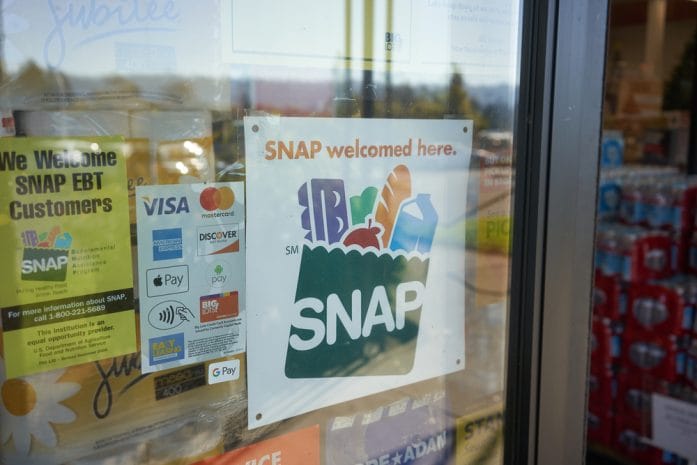
Illinois’ 1-in-6 SNAP Denial Rate: Why More Cases Are Failing the Income Check

April 30, 2026 by Brandon Marcus Leave a Comment

Illinois’ 1-in-6 SNAP Denial Rate: Why More Cases Are Failing the Income Check

Image Source: Unsplash.com

Illinois continues to see rising demand for food assistance, yet more applicants now hit an unexpected wall during the approval process. State data shows that roughly one in six SNAP applications fails due to income eligibility issues, a number that has quietly crept upward over the past few years. That statistic tells a deeper story than simple disqualification—it reflects a system struggling to keep pace with economic reality. Many households fall into a frustrating middle zone where they earn too much to qualify but too little to comfortably afford groceries. This growing gap leaves families navigating tough choices without the safety net they expected.

Applicants often assume SNAP eligibility aligns with everyday financial strain, but the math doesn’t always work that way. Income thresholds follow strict federal guidelines that rarely adjust fast enough to match real-world costs like rent, gas, and childcare. A small raise or extra work hours can push someone just over the limit, even if their overall financial situation hasn’t improved in any meaningful way.

Income Limits That Don’t Reflect Reality

SNAP eligibility hinges on gross and net income calculations, and both play a crucial role in determining approval. Gross income includes total earnings before deductions, while net income factors in allowable expenses like housing and childcare. Even with deductions, many applicants still land just above the qualifying line, especially in areas with higher living costs. Illinois uses federal poverty guidelines as a benchmark, which often lag behind the actual cost of living in many communities. That lag creates a mismatch between policy and lived experience.

A family of four, for example, may earn slightly above the gross income threshold but still struggle to cover basic monthly expenses. Rising rent, utility bills, and food prices stretch budgets thinner than ever, yet those pressures don’t always translate into SNAP eligibility. The system doesn’t always account for regional cost differences or sudden financial shifts, such as medical bills or reduced work hours. Applicants often feel blindsided when their financial hardship doesn’t qualify on paper. That frustration fuels the perception that the system excludes people who genuinely need help.

The Impact of Pandemic-Era Policy Changes

During the height of the pandemic, SNAP benefits expanded to meet urgent needs, and eligibility rules became more flexible. Emergency allotments boosted monthly benefits, and some verification requirements were eased to speed up access. Those temporary measures helped millions stay afloat during a period of economic uncertainty. However, as those policies expired, the system reverted to stricter guidelines. That shift caught many households off guard, especially those who had come to rely on expanded support.

The rollback of pandemic-era benefits didn’t just reduce monthly assistance—it also tightened eligibility thresholds. Households that previously qualified suddenly found themselves ineligible, even though their financial situation hadn’t dramatically improved. The transition created a wave of denials, contributing to the current 1-in-6 rejection rate. Many applicants still assume the more flexible rules remain in place, leading to confusion during the application process. This policy whiplash highlights how temporary relief measures can leave lasting gaps when they disappear.

Administrative Hurdles Add to the Challenge

Income limits aren’t the only reason applications fail—administrative complexities also play a significant role. SNAP applications require detailed documentation, including pay stubs, rent information, and utility costs. Missing or incomplete paperwork can delay processing or lead to outright denial. For applicants juggling multiple jobs or irregular income, gathering accurate documentation becomes a challenge in itself. Even small errors can derail an otherwise valid application.

Communication gaps between applicants and caseworkers can further complicate the process. Notices may arrive late, instructions may seem unclear, and deadlines can pass before applicants realize action is needed. Some individuals abandon the process entirely after facing repeated obstacles. Others reapply multiple times, hoping for a different outcome without fully understanding what went wrong. These administrative hurdles create an additional layer of difficulty that goes beyond income eligibility alone.

Illinois’ 1-in-6 SNAP Denial Rate: Why More Cases Are Failing the Income Check

Image Source: Shutterstock.com

Who Gets Caught in the Middle

The rising denial rate disproportionately affects working families who sit just above the eligibility threshold. These households often include hourly workers, gig economy participants, and individuals with fluctuating incomes. A slight increase in weekly hours or a temporary side job can push earnings over the limit, even if that income doesn’t provide long-term stability. These families don’t qualify for assistance, yet they don’t experience financial security either. That middle ground leaves them especially vulnerable to economic shocks.

Seniors and individuals with disabilities also face unique challenges within the eligibility system. While some programs offer adjusted criteria for these groups, navigating the rules can still feel overwhelming. Fixed incomes may exceed SNAP limits by a narrow margin, despite rising healthcare and living costs. The complexity of deductions and exemptions often requires careful calculation, which not all applicants fully understand. As a result, some eligible individuals never receive benefits simply because the process feels too complicated.

Practical Steps to Improve Approval Chances

Applicants can take several proactive steps to strengthen their SNAP applications and avoid unnecessary denials. Gathering complete and accurate documentation before applying can streamline the process and reduce delays. Keeping records of all income sources, including irregular earnings, ensures a clearer financial picture during evaluation. Applicants should also double-check their submissions for errors or missing information. Attention to detail can make a significant difference in the outcome.

Seeking assistance from local community organizations can also improve the chances of approval. Many nonprofits and social service agencies offer free guidance on completing SNAP applications and understanding eligibility rules. These resources help applicants navigate complex requirements and avoid common mistakes. Staying informed about current income limits and policy changes also proves essential, especially as guidelines continue to evolve. Taking these steps can turn a confusing process into a more manageable one.

What This Trend Means for Illinois Families

The rising SNAP denial rate signals a broader issue within the safety net system. As living costs continue to climb, more households fall into the gap between eligibility and actual need. This trend raises important questions about how assistance programs adapt to changing economic conditions. Policymakers face increasing pressure to reassess income thresholds and ensure they reflect real-world expenses. Without adjustments, the gap will likely continue to widen.

For families, the impact goes beyond a denied application—it affects daily decisions about food, housing, and financial stability. Many households must stretch limited resources further, often relying on community support or alternative assistance programs. The situation underscores the importance of accessible, responsive systems that align with current economic realities. As the conversation around SNAP evolves, the focus remains on bridging the gap between policy and lived experience.

Behind the Numbers

Illinois’ 1-in-6 SNAP denial rate reveals more than just a statistic—it highlights a system that struggles to keep pace with modern financial pressures. Income thresholds, administrative hurdles, and policy shifts all contribute to a growing disconnect between eligibility and need. Families caught in the middle face difficult choices without the support they expected to receive. Addressing this issue requires both policy adjustments and increased awareness among applicants. The goal remains clear: ensure that assistance reaches those who genuinely need it.

What changes would make SNAP eligibility feel more realistic and fair in today’s economy? Let’s chat about it below in our comments.

You May Also Like…

The 72-Hour SNAP Hold: Why Millions Of Applications Are Stuck in “Pending Review”

The SAVE System Backlog: How Immigration-Status Delays Are Knocking Eligible Families Off SNAP

April Food Alert: How to Use SNAP’s Medical Expense Deduction if Your Benefits Suddenly Dropped

These Are The Average Salaries of Those In Their 30s, 40s and 50s—How Do You Compare?

Why Large Itemized Deductions Can Trigger a 2026 Refund Review

Brandon Marcus
Brandon Marcus

Brandon Marcus is a writer who has been sharing the written word since a very young age. His interests include sports, history, pop culture, and so much more. When he isn’t writing, he spends his time jogging, drinking coffee, or attempting to read a long book he may never complete.

Filed Under: Lifestyle Tagged With: benefits eligibility, financial hardship, food insecurity, food stamps Illinois, government benefits, Illinois economy, Illinois SNAP, low income support, public assistance, SNAP denial rate, SNAP income limits, social services

Unclaimed Benefits: Are You Missing Out On Government Money

April 6, 2026 by Brandon Marcus Leave a Comment

Unclaimed Benefits: Are You Missing Out On Government Money

Image Source: Shutterstock.com

Somewhere out there, money sits with your name on it. Not metaphorically. Not as a feel-good slogan. Actual, real funds that governments set aside for everyday people who qualify but never step forward to claim them. Every year, billions of dollars go untouched, quietly waiting while paperwork confusion, outdated assumptions, or simple lack of awareness keep people from cashing in. That gap between eligibility and action creates one of the strangest financial realities around: people struggle financially while help literally waits for them.

That idea sparks curiosity for a reason. Government programs rarely feel exciting, and nobody wakes up thrilled about forms or eligibility requirements, yet those same programs often hold the exact relief people search for. Tax credits, healthcare subsidies, housing support, and direct payments can ease pressure in ways that budgeting alone cannot fix.

The Hidden Treasure Chest No One Talks About

Government agencies across the country manage a wide range of financial support programs, and many of them go underused every single year. The Earned Income Tax Credit, for example, consistently ranks as one of the most overlooked benefits despite offering thousands of dollars to qualifying households. Many people assume they earn too much, or they think filing taxes will not benefit them, which leads them to skip it entirely. That assumption costs real money, and it happens more often than expected. Eligibility rules change over time, and income thresholds shift, so a past rejection does not guarantee a current one.

Unclaimed property programs add another surprising layer to this hidden treasure chest. State governments hold billions in forgotten funds from things like old bank accounts, uncashed checks, insurance payouts, and utility deposits. These funds remain accessible, and anyone can search for their name through official state websites. The process takes minutes, yet millions of people never try it. That disconnect highlights a bigger issue: many assume “if it existed, someone would have told me,” which simply does not hold true when it comes to financial benefits.

Unclaimed Benefits: Are You Missing Out On Government Money

Image Source: Pexels.com

Healthcare subsidies also fall into this category, especially through marketplace plans tied to income levels. People often overestimate the cost of insurance and skip exploring options altogether, missing out on reduced premiums or even free coverage. Programs like Medicaid expand eligibility in many regions, yet outdated assumptions still prevent people from applying. A quick eligibility check can reveal options that dramatically reduce monthly expenses, and those savings stack up fast over a year.

Why So Many People Walk Away From Free Money

A strange mix of psychology and bureaucracy keeps people from claiming what they deserve. Confusion plays a huge role, especially when forms use technical language that feels intimidating. People see long applications and assume the process will take hours, when in reality many programs now offer streamlined online systems. That initial hesitation becomes a barrier that stops action before it even begins. Once someone decides something feels complicated, they rarely revisit it.

Misinformation also spreads quickly, especially through word of mouth. Someone hears that a neighbor got denied for a benefit and assumes the same outcome will apply to them. That leap ignores differences in income, household size, and eligibility updates. Government programs evolve frequently, and relying on outdated information leads to missed opportunities. A quick check with official sources often reveals a completely different reality than what people expect.

Pride and perception quietly influence decisions as well. Some view benefits as something meant only for extreme situations, even though many programs target working individuals and families. Tax credits reward employment, not the absence of it, yet stigma still lingers. That mindset keeps people from exploring options that exist specifically to support them. Breaking that mental barrier can unlock access to resources that improve financial stability without compromising independence.

The Most Overlooked Programs Worth Checking Today

Several programs consistently fly under the radar, even though they offer meaningful financial relief. The Earned Income Tax Credit leads the list, but the Child Tax Credit also delivers substantial benefits for families. These credits can reduce tax bills or even generate refunds, which makes them powerful tools for boosting income. Many families underestimate their eligibility or assume they need high-level tax knowledge to claim them, which simply does not reflect reality.

Supplemental Nutrition Assistance Program benefits often surprise people with their flexibility and reach. Income limits adjust based on household size and expenses, and many working households qualify without realizing it. Grocery costs continue to climb, so even modest assistance can ease monthly pressure. Applying online takes less time than most expect, and approval can open the door to consistent savings.

Housing assistance programs, including vouchers and rental support, also remain underutilized in many areas. Waiting lists can create the impression that nothing remains available, yet local programs and grants often operate alongside federal options. Checking with local housing authorities or community organizations can uncover opportunities that never appear in national headlines. Energy assistance programs deserve attention as well, especially during extreme weather seasons when utility bills spike. These programs help cover heating and cooling costs, offering relief exactly when expenses hit hardest.

How To Actually Claim What Belongs To You

Taking action requires a simple shift: replace assumptions with verification. Start with official government websites, which provide up-to-date eligibility guidelines and application portals. Many states offer centralized benefit checkers that allow users to input basic information and receive a list of programs they may qualify for. That single step can reveal opportunities that never crossed the radar before. Setting aside thirty minutes for this process can lead to hundreds or even thousands of dollars in support.

Tax preparation services also play a key role in uncovering benefits. Free assistance programs, often run by community organizations, help individuals file taxes while identifying credits they might miss on their own. These services target people with moderate or low incomes, and they often operate during tax season with certified volunteers. Taking advantage of these resources removes guesswork and ensures nothing gets left behind.

Staying organized makes a noticeable difference as well. Keeping documents like pay stubs, rent receipts, and utility bills ready speeds up applications and reduces frustration. Many programs require similar information, so gathering it once creates a smoother process across multiple applications. Setting reminders to recheck eligibility each year also helps, since life changes such as income shifts or family size adjustments can open new doors. Consistency turns a one-time effort into an ongoing advantage.

Stop Letting Money Slip Through Your Fingers

Money should not sit untouched while financial pressure builds elsewhere, yet that exact scenario plays out every day. Government programs exist to provide support, and many people qualify without realizing it. A quick search, a short application, or a simple eligibility check can unlock resources that make a real difference. Ignoring these opportunities leaves money on the table, and that choice rarely makes sense once the facts come into focus.

What programs have you checked recently, and what surprises have you found along the way? Drop your thoughts, strategies, or even frustrations in the comments and keep the conversation going.

You May Also Like…

April Food Alert: How to Use SNAP’s Medical Expense Deduction if Your Benefits Suddenly Dropped

6 Ways Criminals Are Using AI to Impersonate Banks and Government Agencies

6 Government Benefit Checks That Could Be Delayed Under New Fraud Reviews

What are ETFs and How do They Benefit the Average Investor?

Charity Strategy: 9 Giving Moves That Bring Tax Benefits Many People Ignore

Brandon Marcus
Brandon Marcus

Brandon Marcus is a writer who has been sharing the written word since a very young age. His interests include sports, history, pop culture, and so much more. When he isn’t writing, he spends his time jogging, drinking coffee, or attempting to read a long book he may never complete.

Filed Under: Lifestyle Tagged With: assistance programs, benefits eligibility, financial help, Financial Tips, government benefits, Personal Finance, public assistance, saving money, Social Security, stimulus programs, tax credits, unclaimed money

FOLLOW US

Search this site:

Recent Posts

  • Can My Savings Account Affect My Financial Aid? by Tamila McDonald
  • 12 Ways Gen X’s Views Clash with Millennials… by Tamila McDonald
  • What Advantages and Disadvantages Are There To… by Jacob Sensiba
  • 10 Tactics for Building an Emergency Fund from Scratch by Vanessa Bermudez
  • Call 911: Go To the Emergency Room Immediately If… by Stephen Kanaval
  • 7 Weird Things You Can Sell Online by Tamila McDonald
  • 10 Scary Facts About DriveTime by Tamila McDonald

Copyright © 2026 · News Pro Theme on Genesis Framework